The Life Lines of Bruno Kegler and Rolf Barge Intersect in 1940 (in German)

Die Lebenslinien von Bruno Kegler und Rolf Barge treffen sich 1940 im Schwarzwald

Von Dieter Barge (Chart II a – II & IV)

Seit ca. 2 Jahren beschäftige ich mich mit den Kriegsjahren meines Vaters im französischen Atlantikwall-Forum und dem deutschen Forum der Wehrmacht.
Dabei ist mir eine Parallele zwischen Bruno Kegler und meinem Vater Rolf Barge aufgefallen. Sie sind beide gemeinsam bei der deutschen Offensive am Oberrhein im Juni 1940 beteiligt gewesen !
Bruno Kegler war in der:
-6.Kompanie, (Kompaniechef Oberleutnant Nowak) im
-386.IR = Infanterieregiment der
-218.ID = Infanteriedivision.
Der Divisionskommandeur hieß Generalleutnant Woldemar Freiherr Grote.
Mein Vater gehörte zur 2.Batterie der schweren Artillerie-Abteilung 806.

Beide Einheiten gehörten zur 7. Armee unter Generaloberst Friedrich Dollmann.

Die 7.Armee griff einige Wochen nach Beginn des Frankreichfeldzuges (10. Mai bis 25. Juni 1940) im Rahmen der Operation “Kleiner Bär” die Maginotlinie an (Beginn am 15.6.1940).

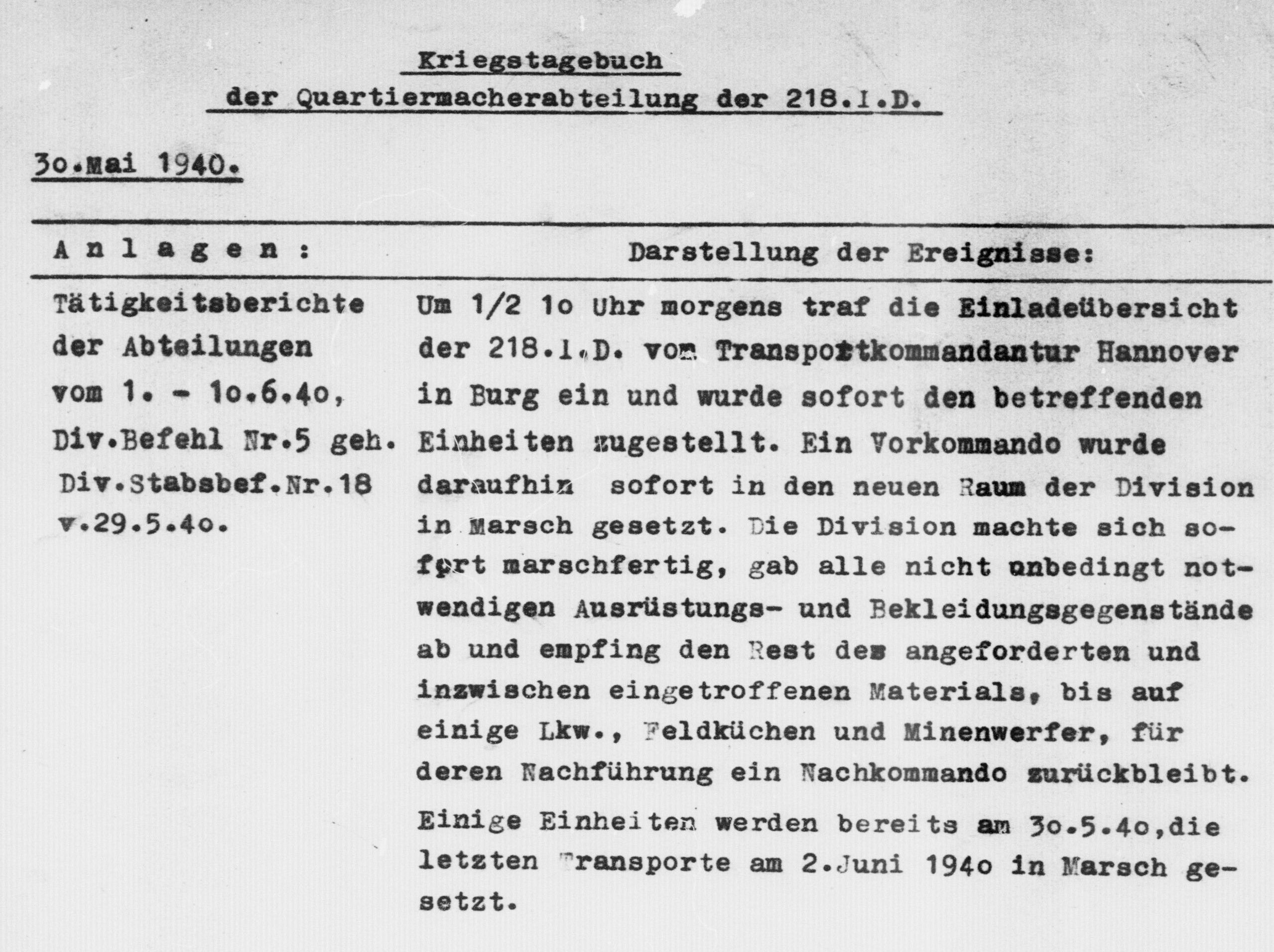
Ich begann nun, mich mít dieser Zeit zu beschäftigen, dazu bestellte ich mir die Kriegstagebücher der 218. ID und nahm Kontakt mit Herrn Josef Göhri auf, der das Buch “Breisgauer Kriegstagebuch” geschrieben hat. Er hat als 10-jähriger Bube, wohnhaft in Bleichheim, das Geschehen sehr nah erlebt, Bleichheim liegt im Bleichtal, wo später Bruno hinkam, das Nachbardorf (2 km entfernt) ist Tutschfelden, wo das letzte Foto von Bruno Kegler aufgenommen wurde!, beide Orte gehören zu Herbolzheim.

  1. Zu meinem Vater Rolf

Mein Vater wurde am 21.6.1919 in Nordhausen geboren, er war vom 1.11.1938 bis zum 30.4.1939 beim sogenannten Reichsarbeitsdienst (RAD) in Buttlar/Rhön, am 1.9.1939 wurde er zur Artilleriekaserne Mühlhausen zum Wehrdienst einberufen.
Die genannten Orte gehören zu Thüringen, im Herzen von Deutschland. Davon die Bilder vom RAD, der Kaserne in Mühlhausen und von der Grundausbildung an der Flak 8,35 (t).

Im Januar 1940 wurde seine Einheit in den Schwarzwald verlegt, dazu Bilder von der Ankunft in Karlsruhe und dem ersten Unterbringungsort in Oberachern.

Während der folgenden Monate fand eine umfassende Ausbildung statt, dazu Bilder von Manövern und vom Schießplatz in Zeutern.


  1. Zu Bruno

Wie bereits geschrieben, machte Bruno zunächst den Polenfeldzug mit, die Einheit blieb danach noch in Polen stationiert und wurde später in den Raum Burg bei Magdeburg verlegt, dort waren traditionell schon immer Truppenübungsplätze, von unserer Zeit in Wolmirstedt kenne ich den Truppenübungsplatz Altengrabow, den es seit 1893 gibt, auch dort waren damals die Russen stationiert, jetzt ist es ein Übungsgelände der Bundeswehr.

Ich habe in den Dokumenten der 218.ID folgendes Blatt gefunden:

15 Dokument zur Verlegung

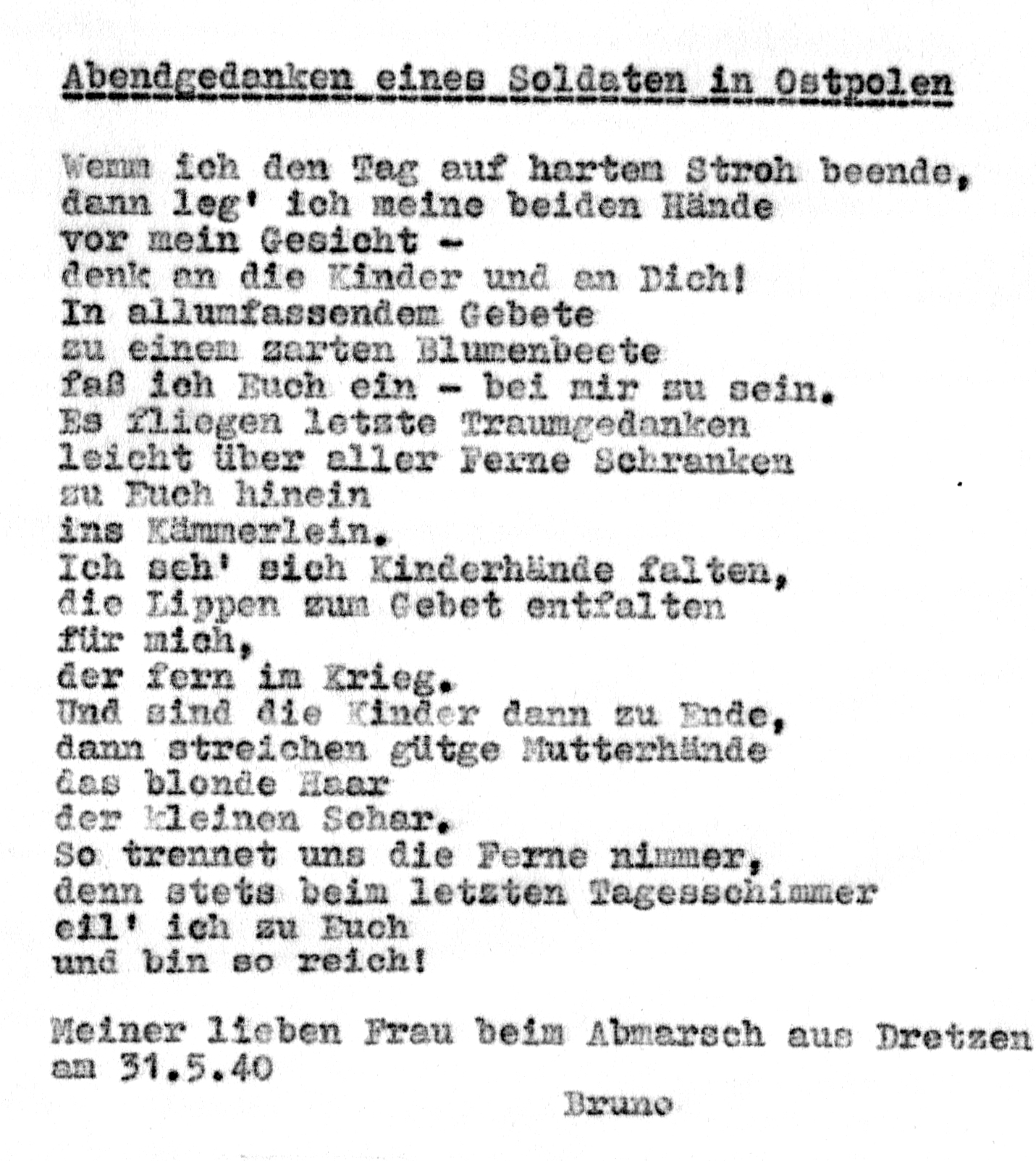
In Johannas Album für Elisabeth ist ein rührendes Gedicht von Bruno enthalten:

16 Gedicht Bruno

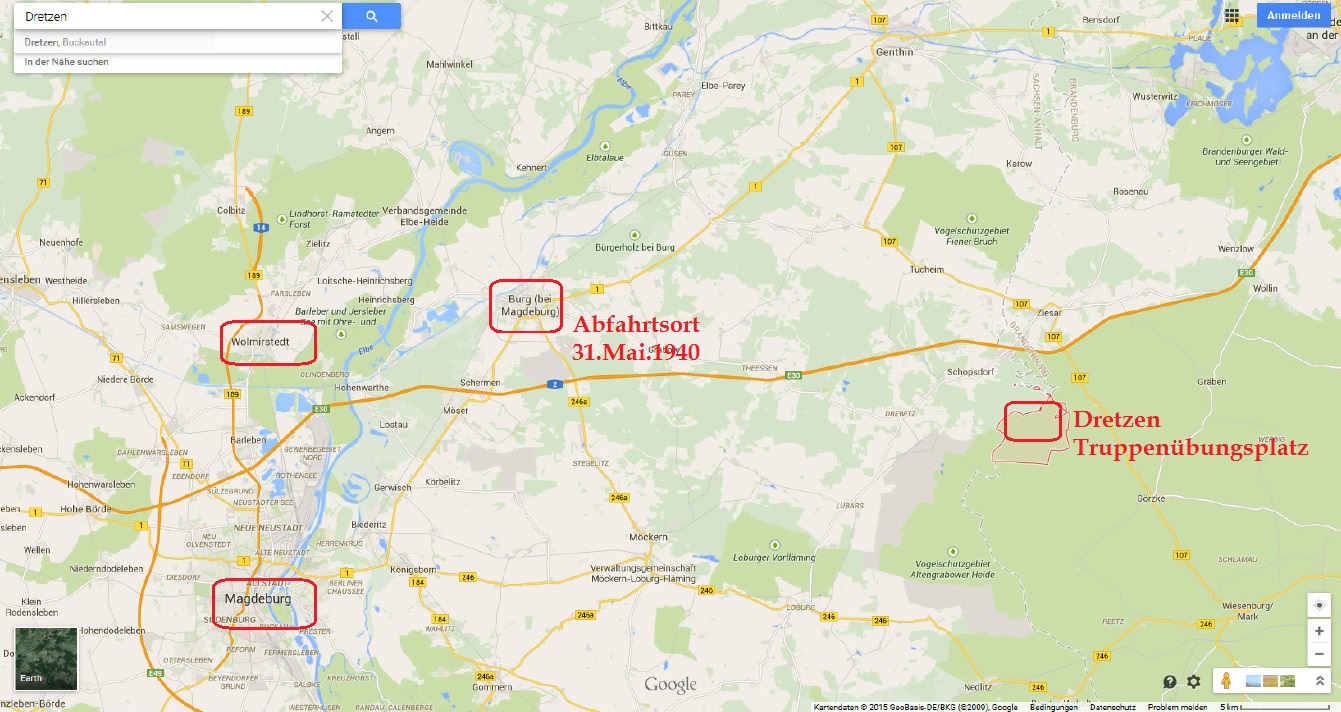
Dretzen liegt in dem beschriebenen Gebiet, hier eine Übersicht:

17 Dretzen

Brunos Einheit wurde am 31.5.1940 in den Schwarzwald verlegt!

Dazu mehr im nächsten Teil.

William Laux – His Art, His Castle and a Tower of Bats – Part I

William Laux

By Yvette Brend – Arrow Lakes News December 14, 1988

From the Archives of the Arrow Lakes Historical Society

Photos by Peter Klopp

Bill Laux plans nothing.

Forester, Batik artist and sculptor, he builds his talents like he builds his “castle”, ad­ding walls, arched windows and wood stoves to every room. He prefers not to finish.

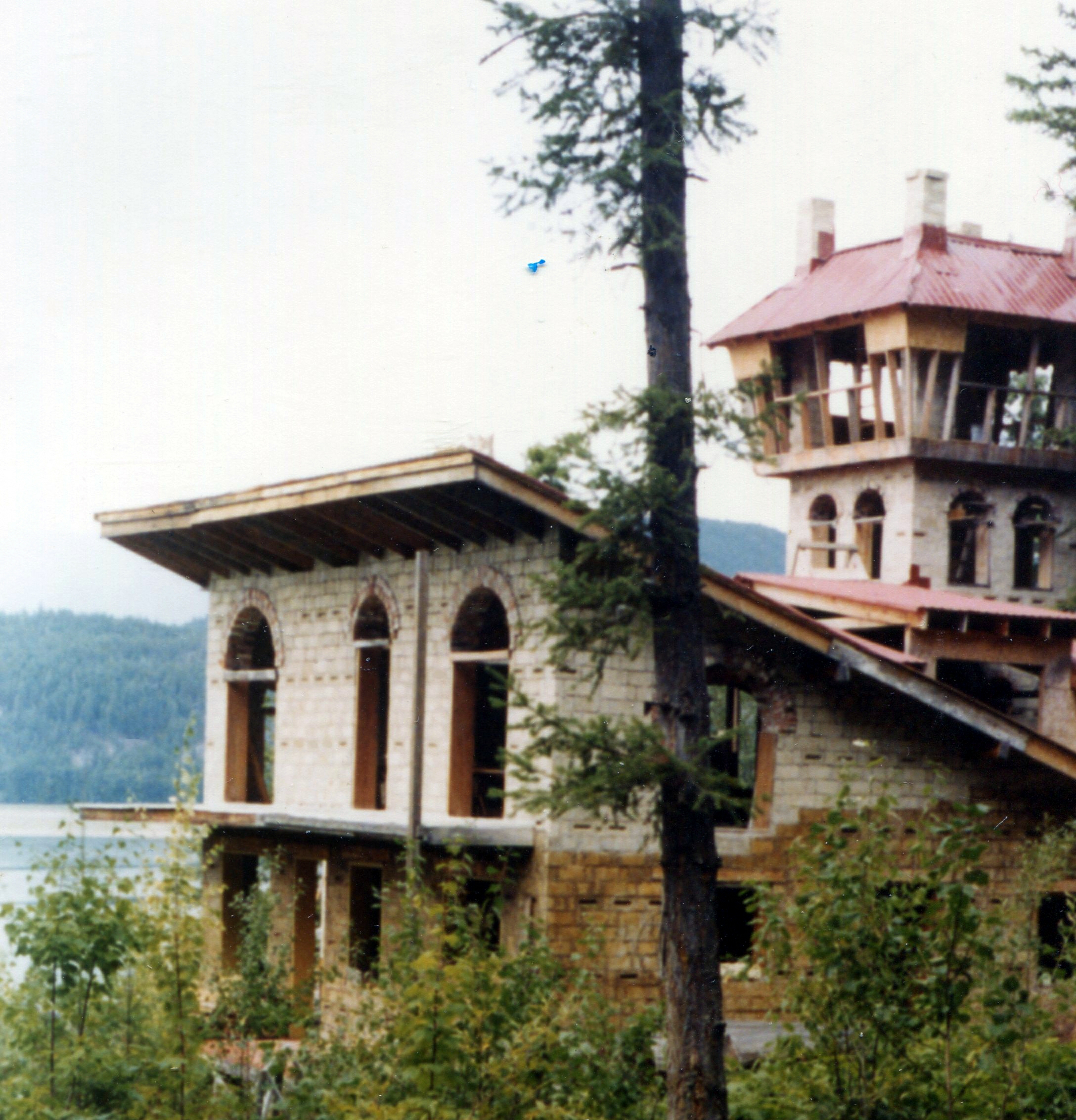
“When you put the roof on, that’s as high as it’s going to go, and that’s a sad day,” he said. Visitors pass a “Beware of Bats” sign entering Laux’s property, and may no­tice a strange gnome perched on his chimney. Up the hill, overlooking Arrow Lakes stands his strangest, most imposing creation. Laux be­gan his pet architectural pro­ject in 1969. It symbolizes his entire life.
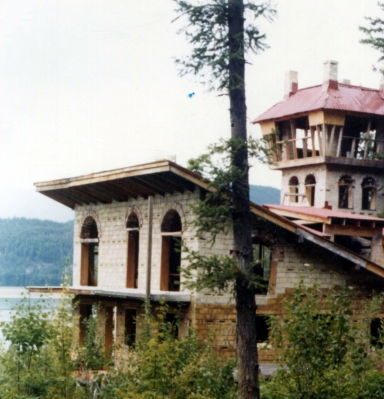
The 'Castle' that would never be finished

The ‘Castle’ that would never be finished – 1977

He has varied interest from the daring architecture of Huntertwasser, and copies of Col. R.T. Lowery’s witty edi­torials to the tiny brown bats that live under the eaves of his “castle.”

Laux has an English de­gree from the University of Wisconsin, with some chemis­try and science background.

“I took English because it gave me the most freedom,” said Laux, “as long as you took one English course, you could take anything else you wanted.”

He worked as a forester in California before moving to Canada, when the U.S. Feder­al government expropriated his property for a park re­serve. He changed countries and then professions. Laux and his wife Adele, bought 100 acres in Fauquier, where he began a batik studio. Laux had no prior artistic experien­ce, but his chemistry back­ground fostered his inventive skills with dyes for fabric.
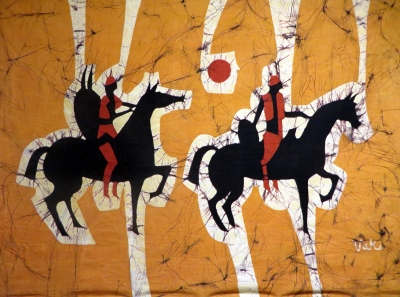
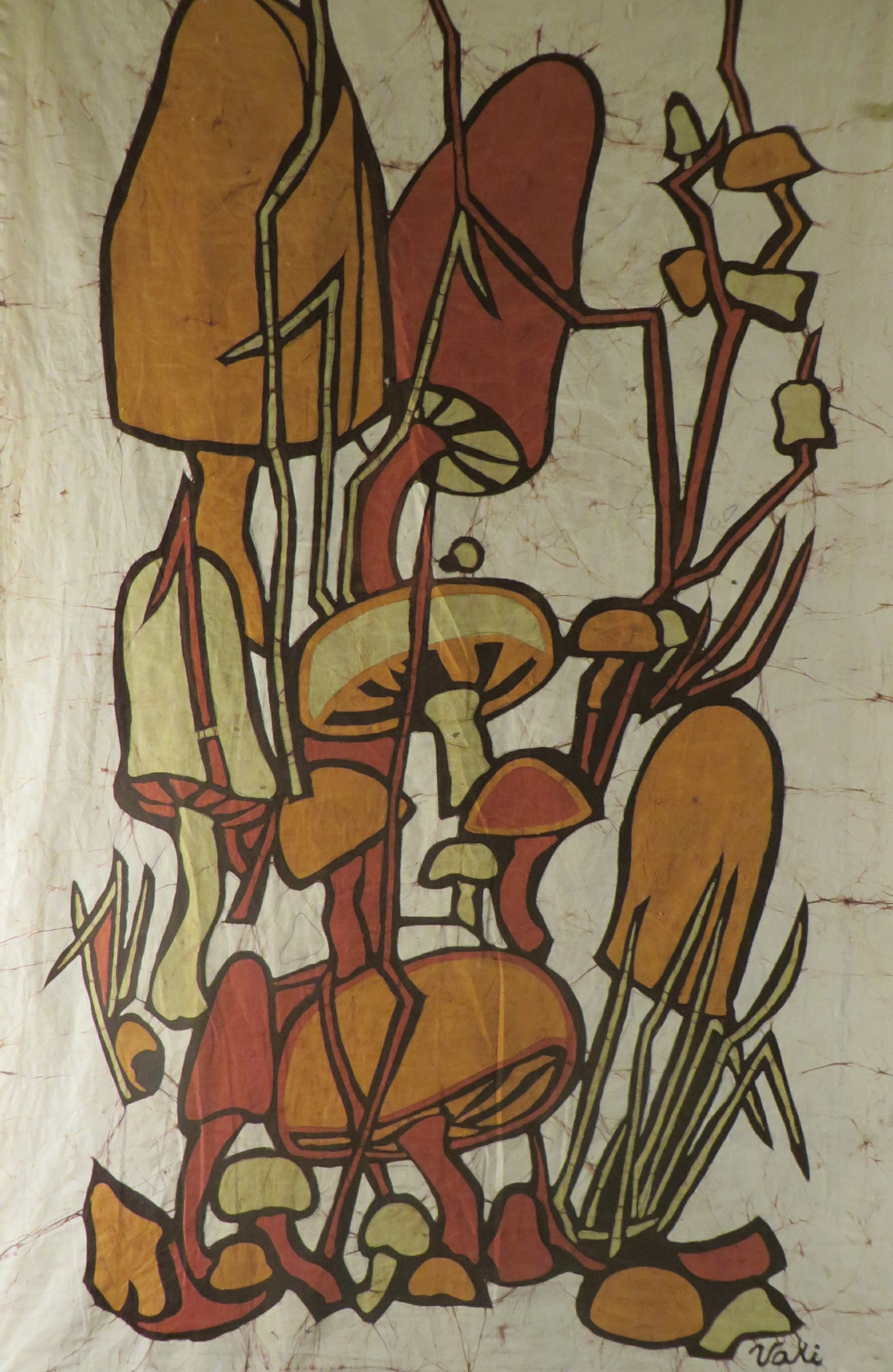
Batik Purchased by Gertrud Klopp - 1977

Batik Purchased by Gertrud Klopp – 1977

“I got involved in batik be­cause I was broke – the great­est motivation in the world,” laughed Bill.

The Lauxs moved to B.C. because they loved the valley, and land was very cheap in the interior during the 1960’s.

When B.C. Hydro bought the flood rights to seven acres of Laux’s property he was cautious. Part of his neighbor Logan Bumpus’ land and Laux’s foreshore was flooded. Laux was compensated with a generator to restore his pow­er. He was not disheartened by this event at all, saying it was good luck to be discon­nected from B.C. Hydro. Lo­gan Bumpus never regained his power. [They do have power now.]

Adele, Bill’s wife, died sud­denly in 1967 from blood poi­soning, leaving him alone in Fauquier.

Batik was very stylish in the 1970’s and artists began to gather at Laux’s in the summer to learn the art of waxing and dyeing fabric.

Bill joined with other art­ists to form Vaki studios – a Tarahumara Mexican Indian word meaning “homestead”.
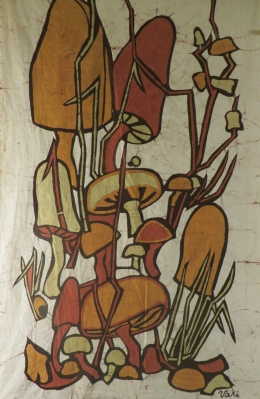
Batik Purchased by Gertrud Klopp - 1977

Batik Purchased by Gertrud Klopp – 1977

When Vaki studios started booming it supported five full time artists, who worked dur­ing the winter and sold on the road two months of the year.

Laux said it took some time before he felt confident as a designer, he excelled at the chemical mixing of dyes and created new dyes for different effects.

He taught Batik techni­ques to students until 1975, but now he prefers to create.

Batik is a form of artwork using waxes and dyes to em­boss a pattern on a natural fabric – usually high quality cotton.

A negative design is drawn on the fabric with wax resist of different consistencies, then dipped into a dye one co­lor at a time, using yellow first, then ruby red, tur­quoise-blue to black, and slowly a design is built.

Originally Batik was sold as yardage for clothing. Batikers created a design and made a yard of it for sewing into garments. For this rea­son many Batik artists had problems as the process was recognized only as craftwork. Crafts have a use; art is creat­ed solely for aesthetic value.

Once completed, a batik is identical front and back. Silk screening – the process or printing fabric with oil based ink – does not produce this ef­fect. Hung in a window, in front of a light source, the ba­tik acts like a stained glass window, casting colored light.

“There’s no way to dupli­cate a batik, except going through the process again,” said Bill.

Different waxes used on the fabrics creates varied ef­fects, a brittle wax creates more of a “crackle” or cracked texture, smoother wax gives an even color. Ba­tiks were in fashion in the 1920’s, and again in the 1960’s, “Oh they’ll come in fa­shion again. ’ ’ said Laux.

Vaki studios sold at least 80 batiks a year, in British Columbia and along the west coast of the U.S. They pro­duced Westcoast Indian de­signs, Mexican Indian patterns, Oriental and floral pat­terns. The artists worked on each other’s ideas, making the operation a co-op studio. Vaki Studios designed an Owl Lo­go for the Calgary Inn. The Inn only bought one batik of the design, fearing the $90 art work would be damaged if placed in the rooms.

“I would recommend this to anybody, when you go into a hotel, with those awful pic­tures on the wall, put them under the bed, and I mean leave them there, ” he said emphatically, “ After a while management may get the hint – It’s visual pollution, but no­body says anything.”

“We couldn’t make enough bullfighter stuff in Calgary,” Bill speculated that many rich Calgarians holiday in Mexico, and admired the Mexican styles of their work.

Indian designs were also popular. Art studio refused to handle genuine Indian artists, and their skills remained in tourist booths – carving totem poles and soapstone.

Some of the titles of his pieces were Toro, Witness Tree, Constipated Owl, and Lovers or Madonna and Child.

Through the growth of his studio, Bill also began work on his “castle” in 1968 with fellow artist, gone architect, Lynne Gilroy. “Those happy days are gone. A lot of art outlets in B.C. have gone bankrupt and can’t make it anymore,” laughed Laux. “If I were to hit the California market now, I’d sell them life sized sculptures of their astrological signs.”

So Laux began to spend more time with his pre­packaging dye and tool busi­ness and his architectural pro­ject. He still does some cus­tom work for commercial in­teriors, such as hotel lobbies and other public buildings.

“When you’re in the art business you have to keep changing. Tastes change.”

Someone gave him the idea of sculpting with steel wool and cement, so he built a strange gnome, which perches on his chimney. After seeing his chimney ornament, a resi­dent of Fauquier commis­sioned him to create a meteor­ite-like chimney pot, and two customers, in Seattle and Wenatchee Washington, have also ordered custom sculp­tures.

Four of his life-sized struc­tures will also be placed on his turret, one for each chimney. He has rigged a pulley system to hoist the heavy pieces into position.
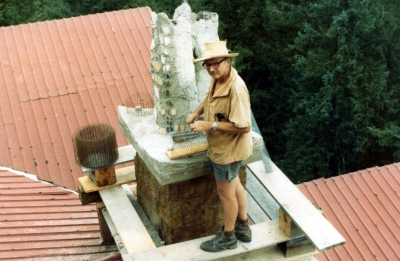
Bill Laux working without a Plan - 1977

Bill Laux working without a Plan – 1977

Laux’s castle can be viewed from his small two le­vel cabin and studio, lower on the property. The ominous structure faces the lake with turrets, endless chimneys and white-framed windows.

“We didn’t draw any plans, we just let it keep growing,” said Bill.

Entering the house, a gey­ser spurts water on its left – perhaps for a fountain? Bill prefers to leave it to the ima­gination.

The house has three main levels and countless smaller rooms on varying levels. The main turret has three levels, one planned as Laux’s bed­room, with a small hatch door on the floor to close off the world.

Laux said he learned “rude carpentry” from his experi­ence as a forester and experi­mented from there.

Two of the chimney statues are in place. They are naked females, one with flowing gol­den hair. The third, a nude In­dian with spear is almost fini­shed, and the fourth is still in Laux’s imagination.

From the turret another chimney topped by an ab­stract chimney pot, made of old dishes, mirrors and brown clay, can be viewed.

The tower also presents a seemingly endless view of the Arrow Lakes. “The higher we

went, the better the view got,” he said.

Downstairs, past veran­das and window frames hand sculpted with Poly filler, the basement floor is heated by a huge log burning stove, and contains Laux mini sawmill he uses to cut the lumber for building. The bathroom and kitchen should be finished by next year, when Laux may move in.

Bill picked up a tiny bat, dead from exposure, on his or­nate windowsill, and gently examined it.

“I don’t plan, I never have planned, because when I plan something, I always change it.”

Memory Fragments – Part II

Kientzheim. Alsace, June 1940

by local resident Theresa Held-Schmitt

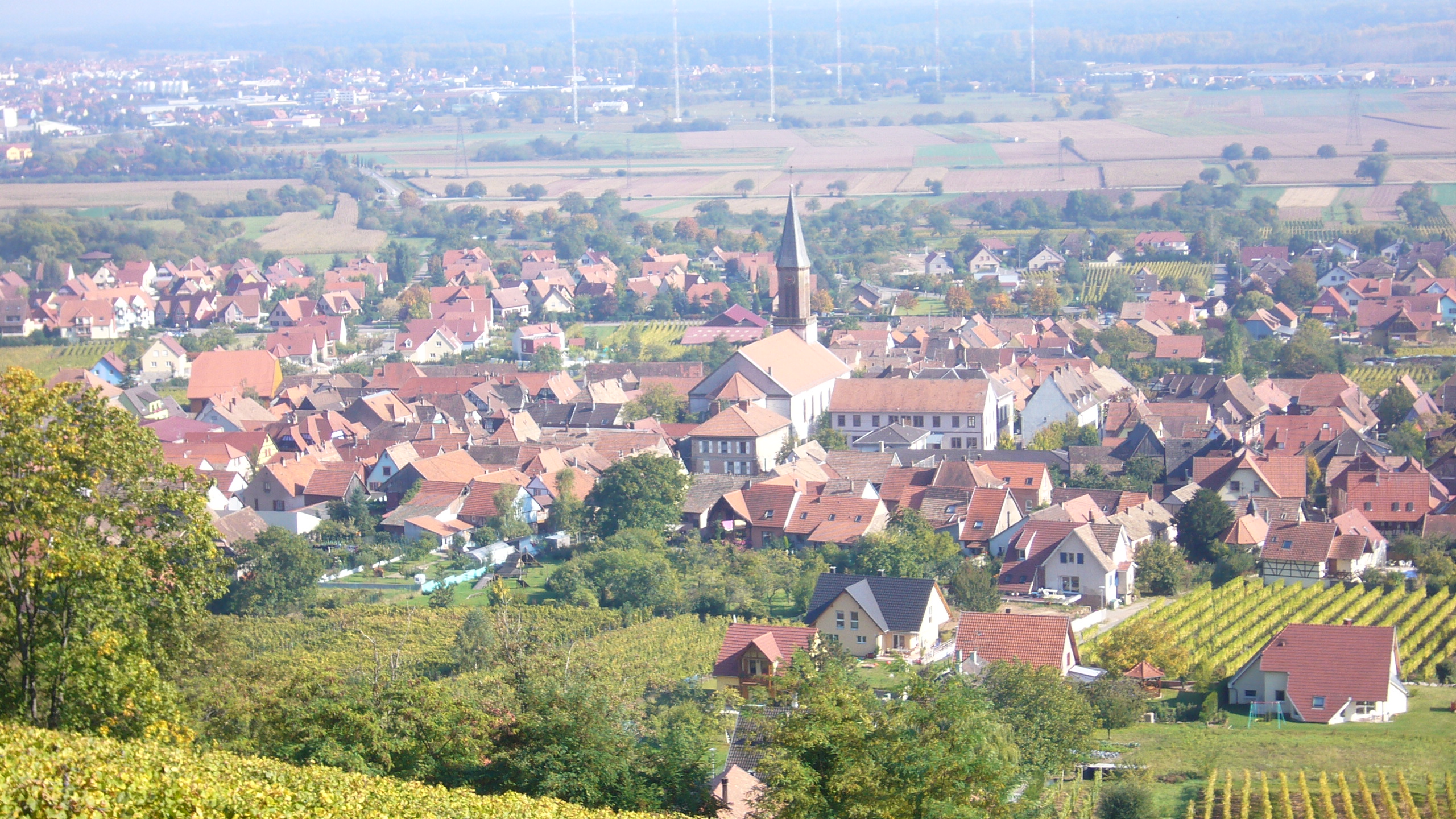
Kientzheim, Alsace, France - Photo Credit: Wikipedia.org

Kientzheim, Alsace, France – Photo Credit: Wikipedia.org

“I was 10 years old at the time. Germany’s attack on France lasted only a few weeks. France was ready to surrender. June 18, 1940 was a sunny day. A company of German infantry was approaching the village on bicycles. Although they could see no French soldier far and wide nor hear any shots, the commander, Sergeant Bruno Kegler, let his unit wait at the village outskirts and went alone into the village. He wanted to find out, whether the quiet scene was perhaps a trap. He stopped at our house, which was close to the graveyard wall, and asked, if he could have a look from the attic window. He wanted a better view onto the surrounding area. I was just a little girl and accompanied the German soldier to the attic. There he was attentively looking out of the window. I stood next to him. Suddenly a shot rang out. He touched his head and said, ‘I have been hit’. Then he collapsed onto the floor. When my mother alarmed by my screaming entered the attic, Bruno Kegler was already dead.

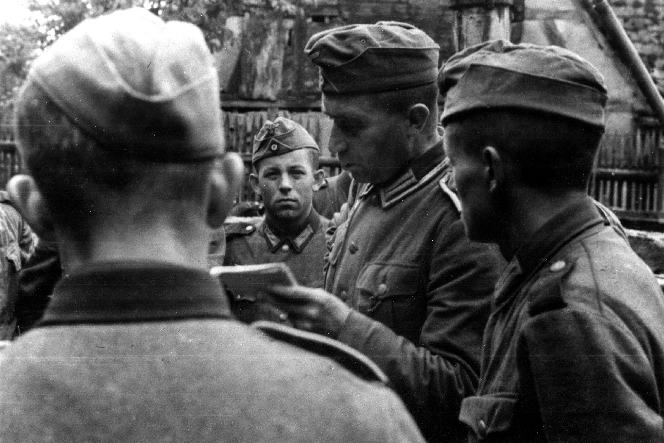
Bruno Kegler Giving Instructions to his Troop

Bruno Kegler Giving Instructions to his Troop the Day before he Died

He was the only dead German soldier at the invasion of our region and all the inhabitants of Kientzheim were of the same opinion. An overly zealous German soldier mistook him for an enemy and shot one of his own troops (in modern terminology he was killed by ‘friendly fire’).”

Jürgen Kegler continues, “When I returned home from my bicycle tour, I reported what I had experienced. My uncles reproached me for not letting my mother in the belief that my father had died for ‘Führer, country and his people’, as it was written in the letter from the regiment’s commander. But she took the news in stride. She even was thankful for it. she knew that the notifications were all worded the same way, and that the circumstances of death were, however, always different.

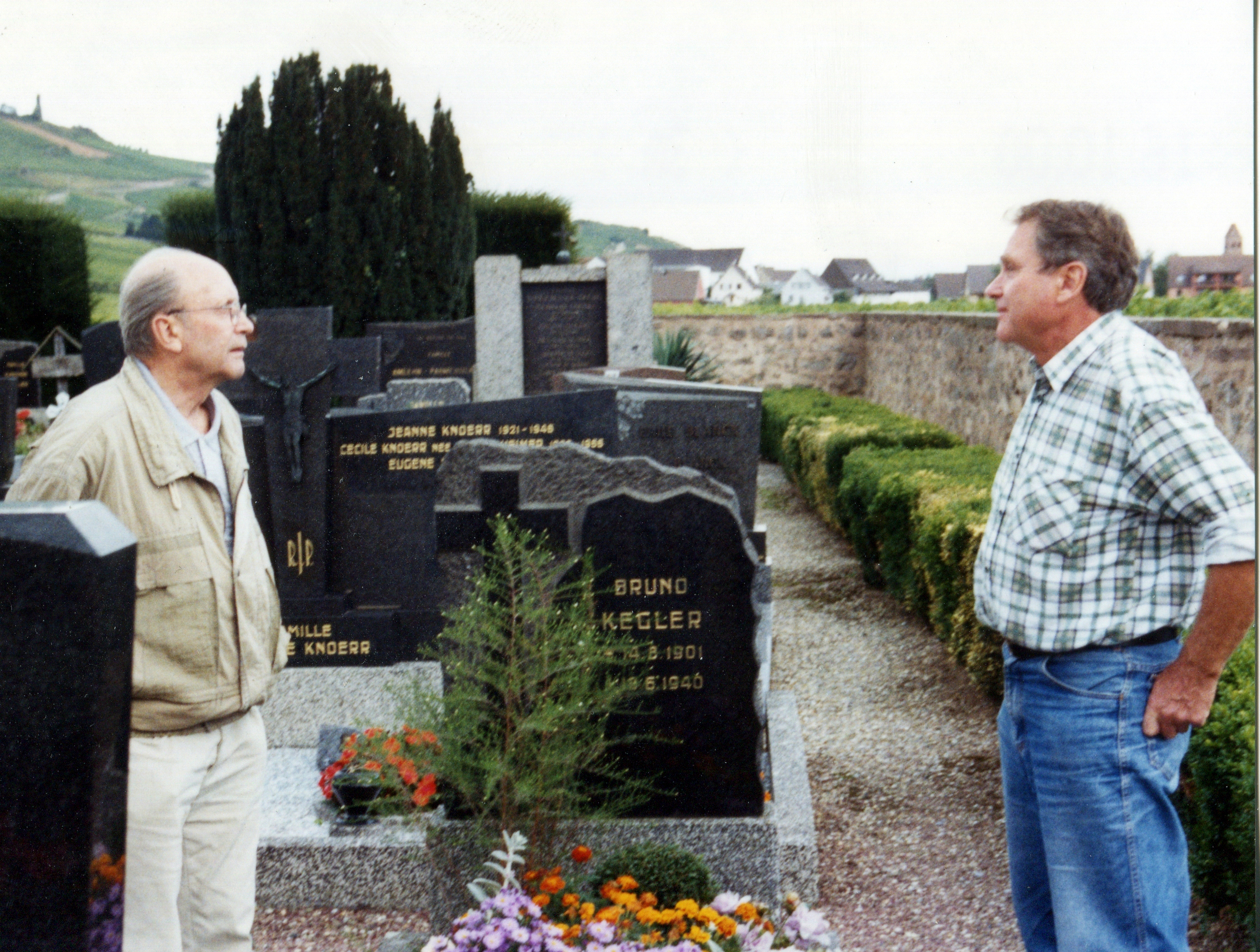
The two Sons Hartmut and Jürgen Kegler Visiting his Grave

The two Sons Hartmut and Jürgen Kegler Visiting his Grave

I was thinking by myself how his early death had perhaps saved him from greater trouble in the war. There was also the possibility that out of disappointment with the system he may have sought contact  with the Resistance Movement against Hitler’s regime and could have ended up in the torture chambers of the Gestapo. Is it not true that disillusioned idealists most often have to face the most radical consequences?”

Memory Fragments

Tribute to our Father and Grandfather Bruno Kegler

by Jürgen Kegler and Anke Schubert – Chart II a – II & III

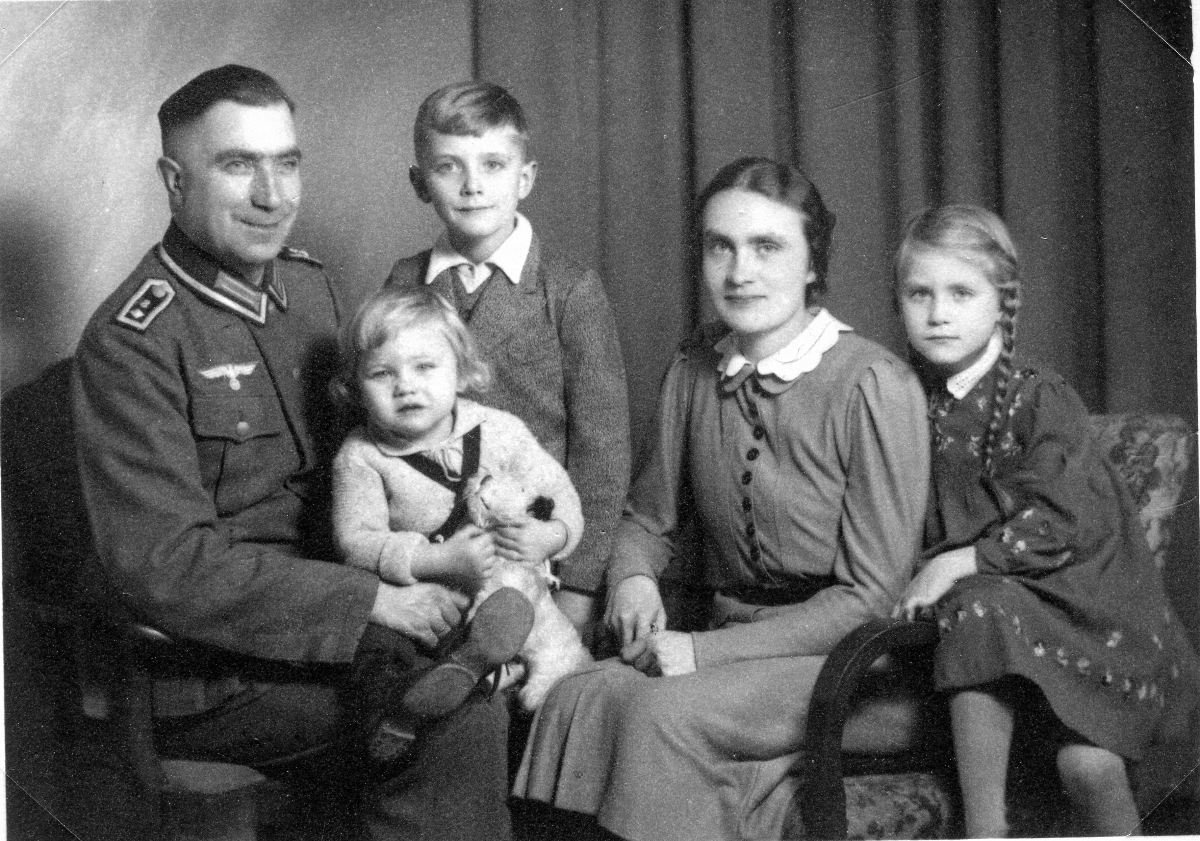
Bruno Kegler with his Family 1940

Bruno Kegler with his Family 1940

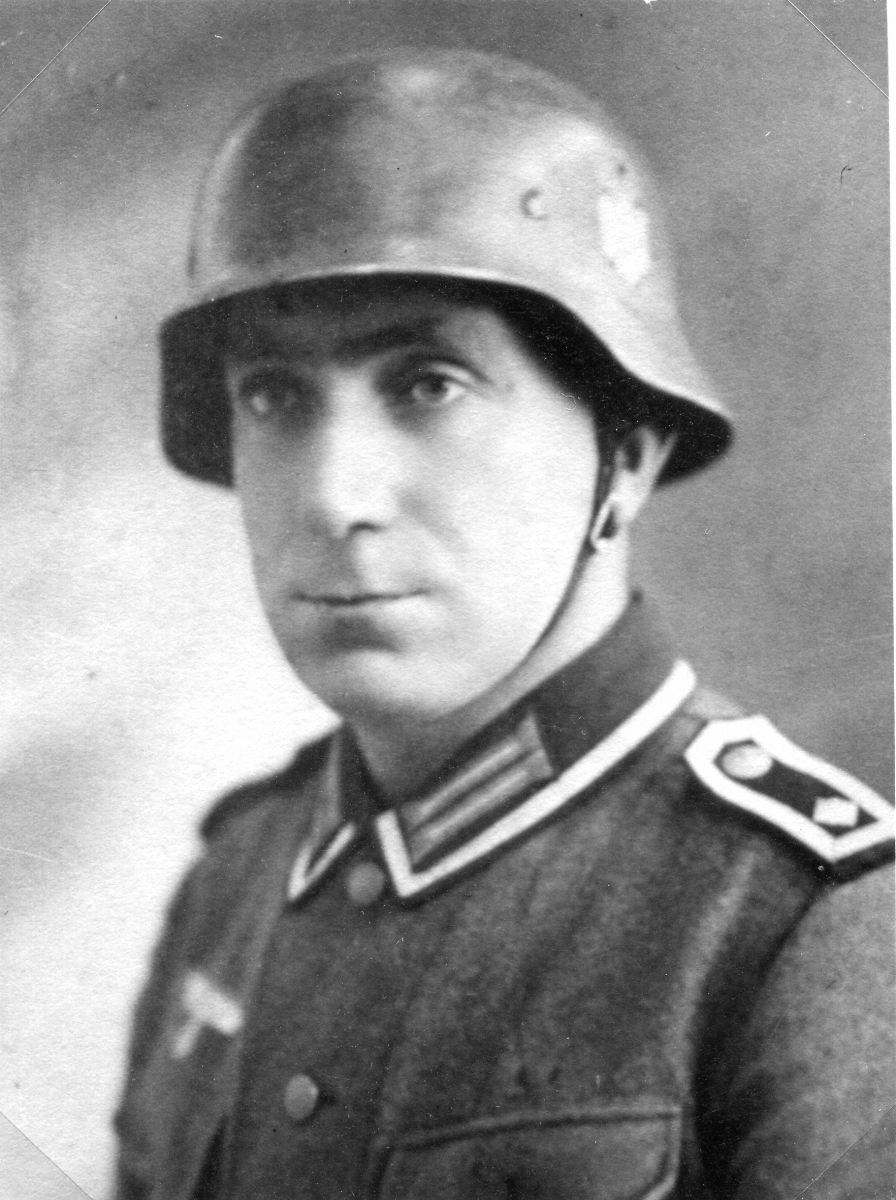
When the war broke out in September 1939, Bruno considered it his duty to participate in Germany’s struggle to shape her destiny. He enlisted in the army. At that time he was an enthusiastic supporter of National Socialism and proud to be a member of the Party with a fairly low membership number. He took part in the campaign against Poland. However, upon his return he was totally depressed and disgusted about what he had experienced.  He said to his wife Johanna that the Party was nothing but a criminal bunch of rabble (Sauhaufen). With his illusions about a better world destroyed, he had to go back to the front lines.

Bruno Kegler

Bruno Kegler

To describe what happened next, it is best to let his youngest son Jürgen Kegler continue. In 1956 he made a bicycle tour with a friend through Western Europe . Their goal was to explore Belgium, Holland, Great Britain and France. He wrote:

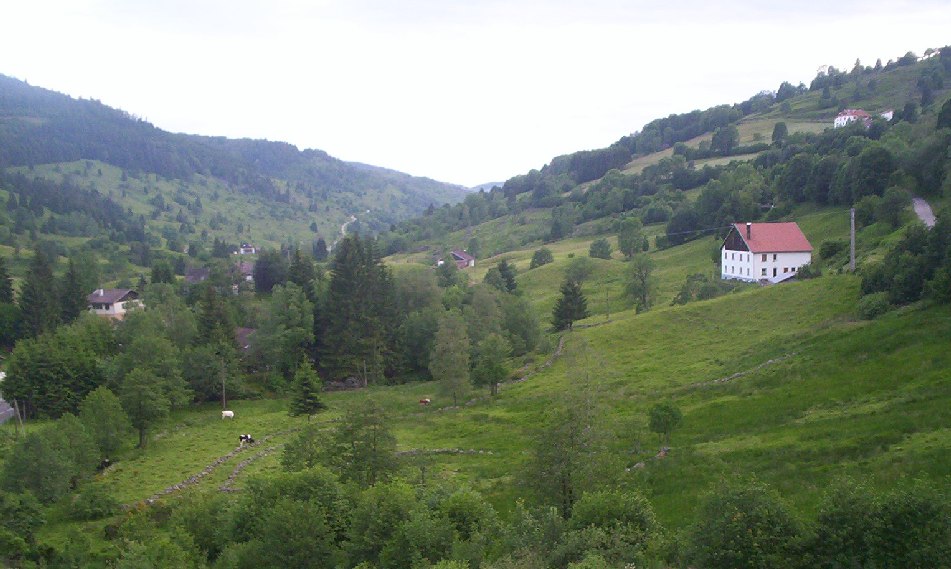
Vosges Mountains - Photo Credit: Wikipedia.org

Vosges Mountains – Photo Credit: Wikipedia.org

“The journey back home went over Paris in the direction of the Vosges Mountains. By the way, we slept in the open air, ate little,  and experienced much. On a map I discovered the little village of Kientzheim. I wondered if it was possible to locate my father’s grave site. I found it marked by a simple wooden cross and a tin tag, which every soldier had to wear on his body. It was a strange feeling to read my father’s name in an unfamiliar region of a foreign country . It was like something very much alive rising from the ground, quite a mystifying feeling. While I was squatting down at the grave site, a woman approached me and asked if I was a relative of the German soldier. When I had introduced myself as the youngest son of Bruno Kegler, she began to tell me the following story.

To be continued on the next post …

A Walk Through Wolmirstedt, Where Ernst Klopp Was Born (Written in German)

Bericht über Wolmirstedt und die Klopp’s

von Dieter Barge – Chart II a – IV

Also Chart I – I & II

Als ich in Peter’s Bericht über die Klopp’s das Bild der Seilerei Friedrich Klopp in Wolmirstedt gesehen habe, interessierte mich sehr, wo das wohl war.
Edda und ich lebten doch selbst von 1980 bis 1990 dort.
Ich hatte ein Buch von Otto Zeitke und habe mir noch 2 weitere Bücher antiquarisch besorgt, diese hat Otto Zeitke gemeinsam mit Erhard Jahn geschrieben. Die Beiden haben sich als Heimatforscher sehr verdient gemacht, Otto Zeitke ist 1924 geboren und versteht es gut, die Berichte der älteren Leute interessant wiederzugeben. Erhard Jahn ist um einiges jünger und hat in Wolmirstedt ein Ingenieurbüro für Architektur.

Im ersten Buch “Das alte Wolmirstedt” fand ich dann vermeintlich die Seilerei Klopp !
Um sicherzugehen, habe ich bei Erhard Jahn angerufen, habe ihn nach Klopp’s gefragt und da kam sofort die Frage zur Seilerei Klopp zurück. Ich habe ihm einiges erzählt und ihn gebeten, mal das Bild in einer Mail zu betrachten und meine Vermutung zu bestätigen.
Das hat er auch getan und mir bestätigt, daß das Gebäude links neben der Druckerei Grenzau die alte Seilerei Klopp ist. Beide Gebäude befinden sich in der Friedensstraße, das ist der neue Name für den nördlichen Teil der ehemaligen Magdeburger Straße Er kannte auch das Bild von der Seilerei schon. Daneben ein aktuelles Bild von Herrn Jahn mit dem ehemaligen Seilereigebäude in der Mitte.

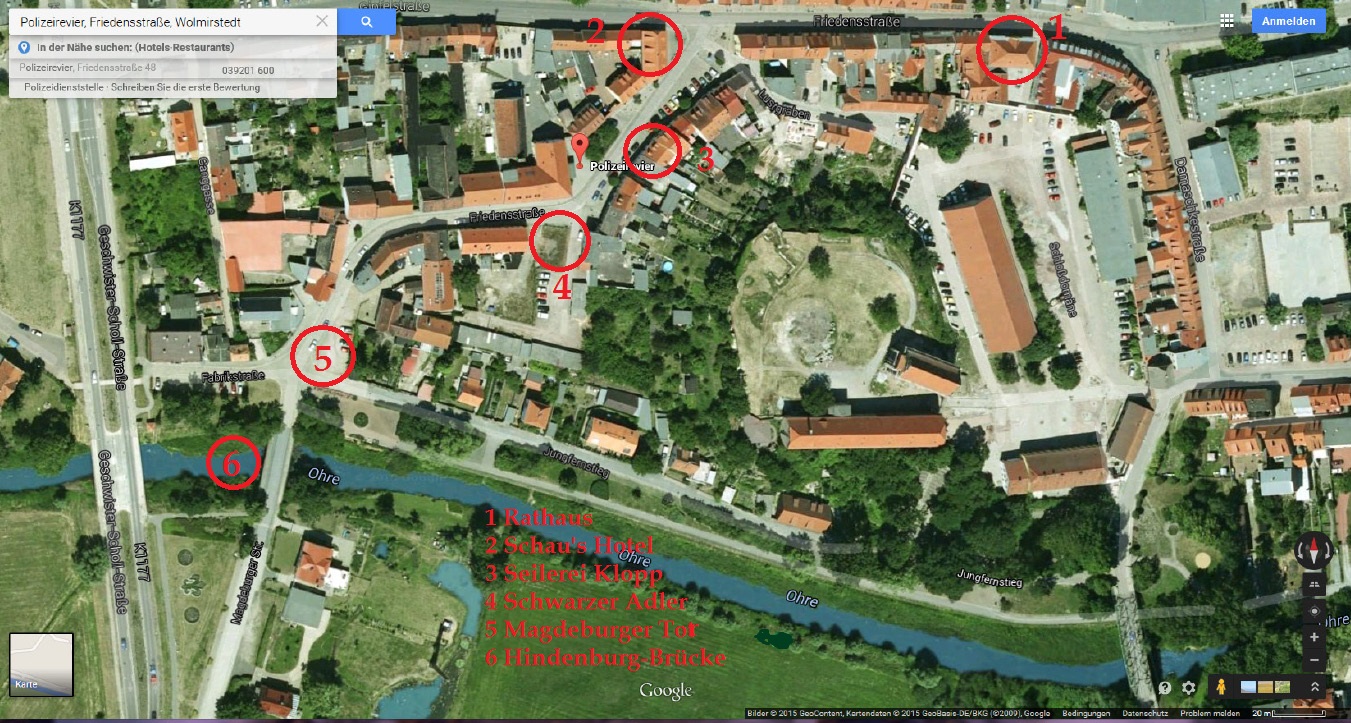
Ich stelle hier ein Google-Earth-Bild mit der Friedensstraße ein:

7 Bild Google-Earth

Herr Jahn hat mir auch erlaubt, Bilder aus den Büchern im Blog zu benutzen und erzählte, dass Anfang der 90-er Jahre ein etwa 60-jähriger Klopp bei ihm in Wolmirstedt war, nach Durchsicht seiner Aufzeichnungen fand er heraus, dass dies Eberhard Klopp war, also der Klopp, der das Buch:

“Ein Brief an die Nachfahren der Familie Klopp aus Altendorf/Brome und Wolmirstedt”
Teil 1   400 Lebensläufe zwischen 1590 und 1990
1997 Verlag Trier

geschrieben hat. Herr Jahn stand mit Eberhard Klopp an der Hindenburg- bzw. Magdeburger Brücke und dieser hat mit der Hand auf die Stelle gezeigt, wo von 1900-1912 die “Seilerbahn” der Klopp’s war. Inzwischen weiß ich, daß Eberhard der Großcousin von Peter Klopp ist.

Aus den 3 Büchern habe ich einen kleinen Abriß zur Geschichte von Wolmirstedt gemacht:

——————————————————————————————–
Das kleine Städtchen Wolmirstedt, 14 km nördlich von Magdeburg gelegen, wurde erstmals 1009 urkundlich erwähnt.
Wahrscheinlich während der Völkerwanderung bildete sich eine geschlossene Siedlung, die “Walmerstidi” genannt wurde, diese befand sich am Zusammenfluss von Ohre und Elbe und bildete unter “Karl dem Großen” einen östlichen Grenzort des großen Frankenreiches.
Am Ende des 13.Jahrhunderts änderte die Elbe ihren Lauf in Richtung Osten, heute mündet die Ohre bei Rogätz in die Elbe.
Im 30-jährigen Krieg wurde Wolmirstedt 1642 völlig zerstört, 1642 fand eine öffentliche Hexenverbrennung statt!
Einen Aufschwung gab es für den Ort nach der Besetzung 1807 durch die Truppen von Napoleon. Die Leibeigenschaft wurde abgeschafft, es gab mehr Freiheiten für Handel und Gewerbe und weniger Privilegien für den Adel!
1890 hatte Wolmirstedt 3868 Einwohner, nicht mitgezählt wurden die 50 Beschäftigten auf dem Junkerhof.
Die Magdeburger Straße, dort wo sich die Seilerei Friedrich Klopp befand, wurde 1365 noch als “Steinweg” benannt, sie war eine wichtige Durchgangsstraße von Magdeburg nach Norden. Die Passage über die Magdeburger Brücke der Ohre muss “sehr riskant” gewesen sein. Ein Fuhrwerk benötigte damals einen ganzen Tag, um nach Magdeburg und zurückzukommen.
1667 wurde die Torakzise (Wegezoll) eingeführt, das “Magdeburger Tor” wurde errichtet, 1812 wurde die Torakzise abgeschafft.
In der Straße siedelten sich Kaufleute, Handwerker, Fabrikanten, Handwerksmeister, ein Apotheker, ein Schmied und ein Kantor an. Die Straße war “420 Schritte” lang und endete am alten Rathaus, einem Renaissance-Bau.
1925 lebten 170 Familien in der Straße.
Die “Magdeburger Brücke” hieß zeitweise “Hindenburgbrücke”.
Markante Gebäude waren das Polizeiamt, die Buchdruckerei Grenzau, die den “Allgemeinen Anzeiger” herausgab (daneben die Seilerei Klopp), “Schau’s Hotel”, die Gaststätte “Schwarzer Adler” (1971 abgerissen), die Alte Schmiede, das Fachwerkhaus des Schlossermeisters Jänicke, die “Wildemanns Gaststätte und Pension”.
Einer von Wolmirstedt’s Originalen war der Wirt des “Schwarzen Adler’s, Kurt Güssefeld.
————————————————————————————————
Der heute über 90 Jahre alte Otto Zeitke ist ein toller Erzähler vom alten Wolmirstedt und seinen Bewohnern, da gibt es viele interessante Dinge zu lesen:

-Er berichtet, dass der Wirt einmal plötzlich sagte “Das kann’s doch nicht geben, wie der Schinder die Braunen hetzt”, dann lief er zum Fenster, sah auf die Straße, , schüttelte den Kopf und brummte unverständliche Flüche gegen den
Kutscher”.
-Auf dem Hof des Rathauses gab es den Karzer, das Gefängnis. Die Frau vom Polizisten Meier betreute und versorgte die Knastbrüder, der Volksmund sagte zu den Insassen, sie sind im “Cafe Meier”.

Ich habe mit Otto Zeitke lange nett telefoniert, er wirkt noch sehr jugendlich und berichtete mir, dass er die Kanuten in Wolmirstedt organisierte, er ist auch der Meinung, dass die Seilerbahn der Klopp’s am Ufer der Ohre gelegen haben muss.

Am 11.3.2015 war ich mit Edda in Wolmirstedt, wir haben die Friedensstraße von der Ohrebrücke bis zum alten Rathaus abgewandert und Fotos gemacht.

Ich stelle nun einige der Bilder neben den alten Aufnahmen aus den genannten Büchern ein. Den Anfang macht das Bild von Eberhard Klopp, das mir Herr Jahn freundlicherweise auch geschickt hat. Ich habe rot eingezeichnet, wo sich vermutlich die Seilbahn Klopp befand.

Vom ehemaligen Magdeburger Tor ging es dann aufwärts nach Wolmirstedt hinein.

Der nächste Abschnitt beginnt mit der Ecke “Schwarzen Adler”, führt am Haus der Seilerei Klopp und dem Polizeigebäude vorbei bis zum ehemaligen “Schau’s Hotel”.

Nun geht es im nördlichen Teil der Straße bis zum alten Rathaus.

Zum Schluß noch 4 sehr schöne alte Fotos aus dem alten Wolmirstedt.

The P. and G. Klopp Story

Conclusion of Chapter 6

Chart I – III

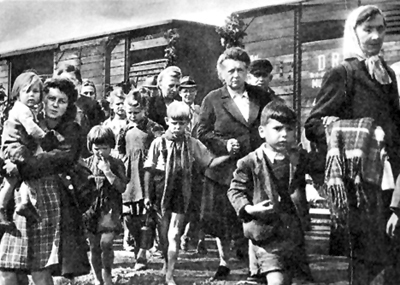
My very first memory goes back to the tumultuous time, when Mother, my brother Gerhard (Gerry) and I were on a train crammed with refugees. I do not remember any specific details, such as the name of the railroad station, where we must have stopped, the town, the time of the day, etc. What I do remember is that I was standing at the edge of the platform with hundreds of people frantically milling about. I do not know why I was standing there in a strange, noisy station surrounded by strange, noisy people. Then quite unexpectedly the train began to move ever so slowly at first. Panic-stricken I looked around and searched in vain for Mother. In agony I cried out for her. While the train on its way out of the station was gradually picking up speed, the fear of being left behind, the feeling of complete, utter abandonment struck me like a ton of bricks. Suddenly I felt being lifted up from behind and passed through the open compartment window into my mother’s arms. This traumatic event left such a vivid impression on me that even though it was devoid of concrete details the inner experience was so real that I have not forgotten it to this very day.

Expulsion from the Eastern Provinces - Photo Credit: Wikipedia.org

Expulsion from the Eastern Provinces – Photo Credit: Wikipedia.org

We arrived in Schleswig-Holstein at one of the many refugee camps set up for the thousands of displaced people from the eastern provinces. But it was only a temporary stay. The authorities urged the newcomers after they had recovered a little from the ordeals of their long journey, to move on to areas in Southern Germany, which had been less affected by the destruction and would more readily have accommodation available for us. So Mother, Gerhard and I travelled into the French-occupied zone to Freiburg, where my father’s sister, Aunt Meta, lived with her husband Professor Vincent Mülbert. On a stopover in Offenbach, Baden-Würthenberg, Mother made arrangements for me to be baptized. I often pondered later in my adult life on the reasons why it had taken more than four years to receive my baptism, one of the essential sacraments in a Christian’s life. I see an important lesson for all of us, who have grown up in the rapidly changing era of modern Western civilization with its great emphasis on materialism. The root of evil is not money itself, but, as the Bible states so clearly, it is the love of money. It is the desire to find happiness in the acquisition of material things. Looking back at Gutfelde with this critical perspective in mind, I cannot help but observe a drifting from the true faith, in which Mother had been nurtured in her father’s home, to a faith-like trust in the security offered by material possessions. We lived in a mansion that did not belong to us. Father was a good administrator of the lands and fields of dispossessed Polish farmers. Yes, he was kind and helpful to all the people working under his authority. But it does not detract from the rightful charge that the farmland was worked in a system that heavily relied on a master-servant relationship in order to make it work. With the collapse of the Third Reich that was supposed to last a thousand years and the loss of our beloved Gutfelde came the sober realization that their little ‘paradise’ in the east had been nothing but a pipe-dream, a house not built on rock, but on the shifting sands of man’s earthly aspirations.

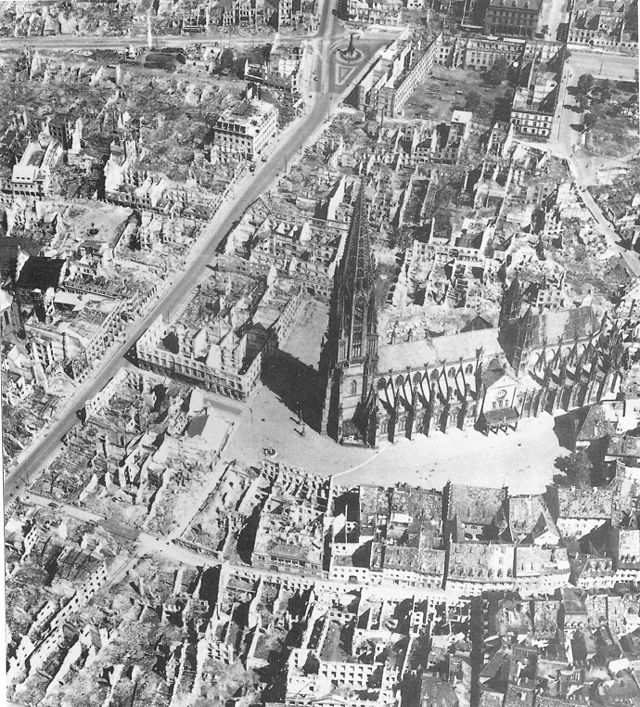
Freiburg City Center 1944 - Photo Credit: City Archive

Freiburg City Center 1944 – Photo Credit: City Archive

We received a warm reception at my aunt’s place in Freiburg, a city with a population of over 100,000 inhabitants before the war. By the end of the Second World War 80% of the city lay in ruins. An air raid as late as November 27th, 1944 made 9,000 out of 30,000 apartments uninhabitable, killed 2,000 people and all that was left of the city center was the cathedral. The Münster of Freiburg was built across a span of several centuries and exhibited a range of architecture from late Romanesque to Late Gothic and even a tad of Rococo. Its single tower with a lacy spire was the first of its kind. The building remained mostly unchanged since its completion in 1513. Miraculously, unlike so many great cathedrals and churches in Germany, it was not entirely destroyed during the severe Allied bombing of Freiburg and its ensuing firestorm, although the whole area around it was reduced to rubble. The city fathers had expected an aerial attack, even though strictly speaking Freiburg was a non-industrial town and practically useless as a military target. So they put their heads together to find a way to save the cathedral from destruction. My aunt told me when I came to visit her later as a ten-year-old, that they had fir trees attached to the pinnacles and other high points of the cathedral so that like Christmas trees they would with their bright green colours of hope alert the pilots to the city’s urgent plea to spare the 500-year-old precious piece of architecture. I could not verify the story, but I too found it amazing that everything else in a large diameter around the building was completely flattened by the Allied aerial attack, but the church itself had remained virtually unscathed.

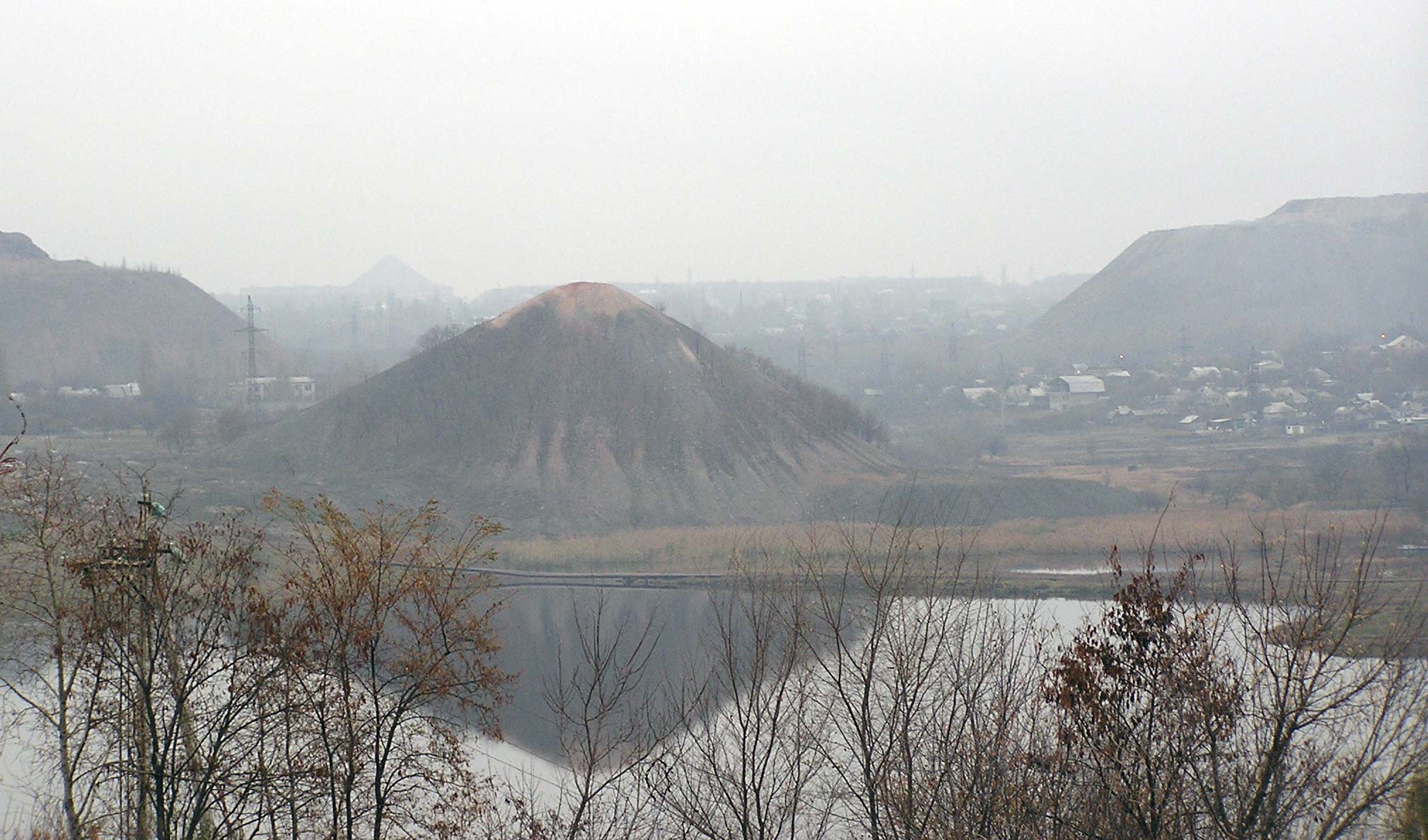
Coal-mining Spoil Tips along the Kalmius River

Coal-mining Spoil Tips along the Kalmius River – Photo Credit: Wikipedia.org

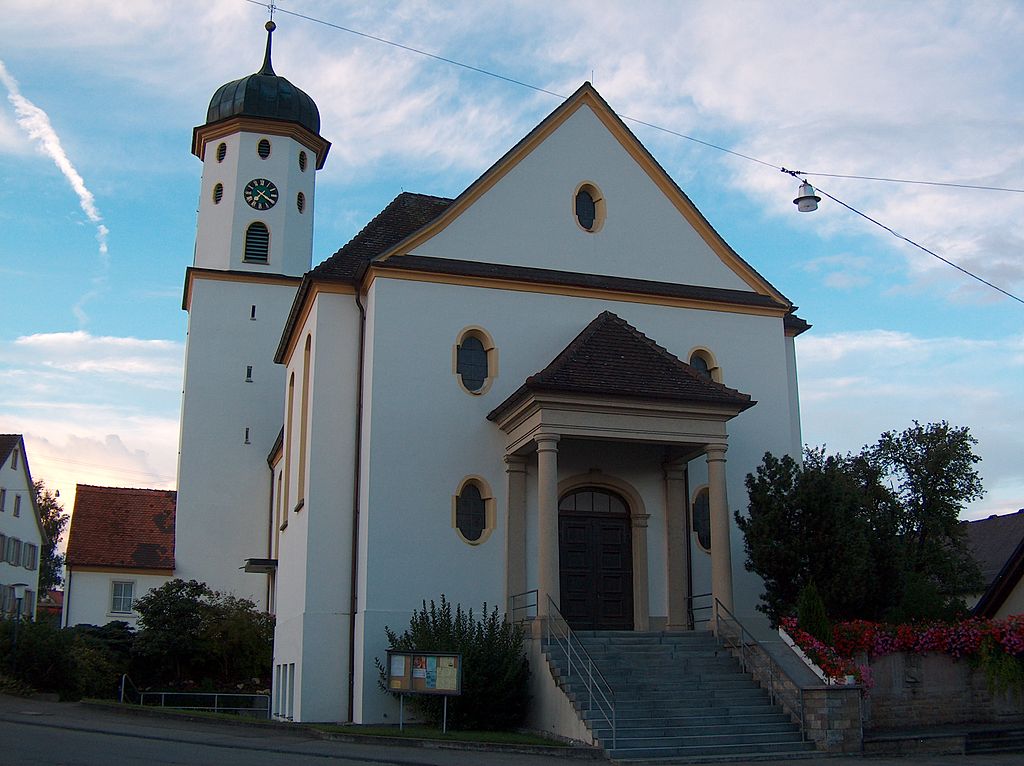
In the meantime, Father had a major accident, while he was working in the coalmines in the Donbas region of the USSR. He received treatment for his head injury and would have been sent back to work if he had not feigned continual headaches. Thus, he succeeded in getting an early release and was sent back to Germany. When he arrived at Uncle Günther’s place in Erfurt, he heard that the entire family had survived the war. He established contact with Mother and the children and in 1947 moved to Rohrdorf, a small village in Southern Germany between the River Danube and Lake Constance. There he found employment with the regional branch of the Fürstlich-von-Fürstenberg forest administration. Eventually, the entire Klopp family was reunited. Although now extremely poor, often hungry, and dispossessed, we were together and could attempt a new beginning.

St. Peter and Paul Church Rohrdorf - Photo Credit: Wikipedia.org

St. Peter and Paul Church Rohrdorf – Photo Credit: Wikipedia.org

There were indeed very few refugee families who were fortunate enough not to have lost any family members during the horrible expulsion from their eastern home provinces. Volumes have been written on the topic of the greatest mass migration in modern Western history. I will relate only the bare facts as they pertain to my own family. Father belonged to that segment of the civilian population that was deported in large numbers to the Soviet Union to do as it was called ‘reparations labour’. The German Red Cross estimated that 233,000 German civilians were deported to the USSR, where 45% were reported either missing or dead. As to Mother’s expulsion from the eastern provinces, the numbers are truly mind-boggling. The movement of Germans involved a total of at least 12 million people. Official sources, like the German Federal Archives, estimate that at least three million people perished in their flight from the Red Army, in labour camps, through starvation and disease, through murder in retaliation and revenge for atrocities committed by the Nazis during the war years. I mention these gruesome statistics only to emphasize the great miracle of the survival of the Ernst Klopp family amid all the odds stacked against them.