My Uncle’s Final Report
A Historical Document
Kegler Family Tree
Chart IIa – II
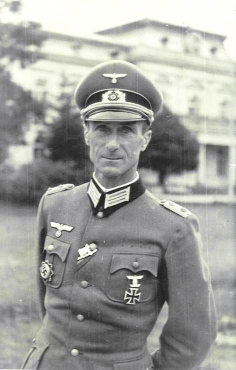
Major-General Gerhard Kegler Gutfelde (Zlotniki) near Dietfurt (Znin)
Dear friends and followers of my blog, this post is a rather lengthy one and in German. I decided to publish General Kegler’s report in one single post, which -I felt- should not be presented in fragmented form spread over several posts. I did not make an attempt to translate it into English, because I realized the immense difficulty with so many name places. For those having problems with German there is always Google Translate, which does a fairly decent job translating text from one language to another. I extracted the main part from my uncle’s writing, which his daughter Helga Kegler had found among his personal belongings after his death in 1986. I publish it as a tribute to my hero ‘Onkel Gerhard’.
Nach Beendigung des Frankreichfeldzuges mit Btl nach Luneville, dann nach Nancy verlegt. Am 27.11.1940 zum Kdr des IR 27 ernannt. Das Regiment gehörte zur 12. ID, deren Kdr General von Seydlitz war. Ende Mai 1941 wurde die Division nach Ostpreußen verlegt und im Juni an die russische Grenze unweit von Eydkuhnen. Am 22.06.1941 Angriff auf die UdSSR. Nach anfänglichem Widerstand des Feindes, zügiger Vormarsch nördlich Marijampole, in nordöstlicher Richtung über die Memel, südlich Kowno über die Düna südlich Dünaburg – nördlich Velikie-Luki auf Seberg zu; hier Durchbruch durch die Stalin-Linie und weiter zum Seliger See auf den Waldei-Höhen – Ende September 1941. Bis hier hatten wir 1.000 km auf sandigen Wegen durch ausgedehnte Wälder zurückgelegt. Regen setzte ein, die Wege waren tief verschlammt; Stellungen in der Verteidigungslinie ausgebaut; im Oktober kam Frost; feindliche Artillerie-Überfälle und nächtliche Bombardierungen häuften sich; mein Gefechtsstand wurde zerstört; die Temperaturen fielen bis -35 Grad C. Zum Jahresende 1941 überrannte der Russe Stellungen der Nachbar-Division. Es entstand der bekannte Kessel von Demjansk. Am 01.02.1942 Beförderung zum Oberst und Versetzung aus der Division. Mit einer Ju (52?) flog ich aus dem Kessel mit Auftrag, in Frankreich – in Le Mans – ein neues Regiment aufzustellen. Die neue ID 377 mit den Regimentern 767, 768 und 769 wurde aufgestellt. Im Mai 1942 nach Schigri (Scigry) ostw. Kursk transportiert; Angriff Richtung Woronesch (Voronez) am Don. Nach heftigen Kämpfen erreichte mein Regiment bei Kastornoje (Kastornoe) den Don. 100 km waren wir vorgedrungen. Im Dezember 1942 fuhr ich in Urlaub bis Anfang Januar 1943. Bei Rückkehr erfuhr ich, daß mein Regiment zerschlagen und aufgelöst wurde. Reste der 377. ID waren im IR 769 zusammengestellt, welches ich übernahm. Im August 1943 wurde ich zur 75. ID – C- als Kdr des IR 222 versetzt; Rückzugskämpfe von Sumy über Kiew bis ostwärts Lemberg; für einige Wochen die 75. ID vertretungsweise geführt. Lehrgang für höhere Truppenführung in Hirschberg/Schlesien, aber schon nach wenigen Tagen Abberufung zu einer Armee nach Estland (Riga) mit zwei weiteren Obersten; vergebliches Warten auf Einsatz als DivKdr.
Mit Beförderung zum Generalmajor am 01.10.1944 übernahm ich die 48. ID, die bei Metz kämpfte. Der Amerikaner kämpfte methodisch nach Zeit und Ziel. Nachts war Ruhe und morgens begann der Kampf regelmäßig zur gleichen Zeit. Anders war es an der Ostfront beim Russen, Tag und Nacht mußte man mit Angriffen rechnen – immer gab es Überraschungen.
Ohne starken Einsatz von Panzern und Artillerie griff der Amerikaner nicht an. Im Laufe des Oktober/November 1944 verlegte unsere Armee die Abwehr bis an die Saar bei Merzig zurück. Meine Div. wurde im Elsaß bei Hagenau eingesetzt; auch hier wurde die Front der Armee bis in die alte Bunkerlinie bei Weißenburg zurückgenommen. Die Gefechtsstärken der Truppe reichten nicht aus, um eine geschlossene Abwehrfront zu besetzen. Ein Bunker wurde zerschossen und ging verloren. Der Kommandeur des Korps verlangte die Rückeroberung. Reserven dafür waren nicht vorhanden. Ich geriet in Meinungsstreit mit dem Korps-Kdr und schlug vor, er möge alle NS-Führungsoffiziere seines Korps zur Verfügung stellen, die sicherlich den Bunker zurücknehmen würden. Hierauf kam wenige Tage später der Befehl an mich, an die Ostfront zu fahren und mich in Posen beim Generalkommando zu melden. Dort erhielt ich Befehl, mich zu weiterer Verfügung als DivKdr in Deutsch Krone (30 km nordwestlich Schneidemühl) beim Stab der Heeresgruppe Weichsel (Himmler) zu melden. Ich fuhr über Meseritz – Schwerin – Landsberg nach dort. Der Russe war bereits über Thorn in Richtung Schneidemühl und Kreuz vorgedrungen. Ich begegnete langen Flüchtlingskolonnen.
Am 30.01.1945, in Deutsch Krone, erhielt ich von Himmler Befehl, die „Division Woldenberg“ zu übernehmen. Einweisung in die Lage und Auftrag sollte ich mir vom SS-Corps in Arnswalde geben lassen. Dort wurde mir mitgeteilt, daß das Corps eine Orientierung über die Lage und den Auftrag nicht geben könne. Die „Division Woldenberg“ befinde sich vermutlich in der Gegend zwischen Woldenberg und Friedeberg.
Ich fuhr in Richtung Woldenberg entgegen den Strom zahlreich zurückeilender versprengter Soldaten und fand schließlich den Divisionsgefechtsstand in einer Baracke ostwärts Friedeberg. Hier erfuhr ich, daß diese Division Anfang 1945 unvollständig und in größter Eile zusammengestellt und sogleich in den Kampf geworfen worden war. Die Division hatte im Raume Kreuz – Filehne unglückliche und verlustreiche Kämpfe gehabt. Einige Bataillone waren von den Russen abgeschnitten und in Gefangenschaft geraten. Nachbartruppen oder übergeordnete Kommandostellen, mit denen man hätte Verbindung aufnehmen können, waren nicht vorhanden.
Die Befehlsübernahme erfolgte gegen Mittag des gleichen Tages, als sich diese bedauernswerte Division in nahezu aufgelöstem Zustand über Friedeberg auf Landsberg im Rückzug befand.
Am Morgen des 31.01.1945 veranlaßte ich in Landsberg das Sammeln, Ordnen und Einteilen sowie den Einsatz der noch vorhandenen Verbände rings um die Stadt. Hierbei stellte ich fest, daß die „Division Woldenberg“ keine Nachrichtenabteilung, keine Nachschubkolonne, keinen Divisionsarzt, keine Vorräte an Munition und Verpflegung, nur zwei pferdebespannte Batterien, kein Sturmgeschütz, geschweige denn Panzer zur Verfügung hatte. Ein SS-Offizier mit 4 Panzern war dieser Division unterstellt, verließ entgegen meinem Befehl mit seinen Panzern den Gefechtsstand. Ich hatte keine Machtmittel, dies zu verhindern. Einen Generalstabsoffizier hatte ich ebenfalls nicht. In Erwartung der nachdrängenden Russen mußten die Stellungen in Eile erkundet und besetzt werden.
Eingraben war wegen des hartgefrorenen Bodens nicht möglich. Die Warthebrücke ließ ich sprengen. Inzwischen war fernmündlich über Postleitung von der 9. Armee der Befehl gekommen, daß Landsberg eine Festung und ich der Kommandant sei, und daß ich diese Stadt bis zum letzten Mann zu verteidigen habe. Mit Nachdruck wurde darauf hingewiesen, daß dies ein Befehl von Himmler sei.
Die Bevölkerung der Stadt – 45.000 Einwohner – befand sich in ihren Wohnungen. Am Bahnhof herrschte ein unentwirrbarer, panikartiger Strom von Flüchtlingen, der auf den letzten Zug wartete. Vorbereitungen zur Räumung der Zivilbevölkerung waren nicht getroffen worden.
Über das noch intakte Postnetz hatte ich bereits von Friedeberg aus und dann von Landsberg mit den nördlich gelegenen Städten Berlinchen und Soldin Verbindung gehabt. Ich erfuhr von dort, daß russische Panzer bereits in diesen Ortschaften waren bzw. sie durchfahren hatten.
An diesem Tage meldete auch der deutsche Wehrmachtsbericht, daß „russische Panzerkräfte beiderseits Landsberg die Warthe-Netze-Linie überschritten hatten“.
Angesichts dieser Lage entschloß ich mich – sowohl aus militärischen und taktischen als auch aus menschlichen Erwägungen, diese Stadt nicht zu verteidigen, sondern die unterstellten Truppen abschnittsweise auf Küstrin zurückzuführen, um sie dort in die im Aufbau befindliche Oderfront einzugliedern. Zu meinem Entschluß hatte ich mich durchgerungen, weil ich mich als Kommandeur von Infanterieregimentern mit nachweisbar mehr als dreijähriger Erfahrung und Bewährung im Kampfeinsatz an der russischen Front hierzu und an dieser Stelle allein vor meinem Gewissen als Mensch und Offizier verantwortlich fühlte.
In klarer Erkenntnis der hoffnungslosen militärischen Lage entschied ich mich also, den mir von der 9. Armee gegebenen Befehl nicht zu befolgen, sondern die mir unterstellten kampfunfähigen Truppen nicht nutzlos zu opfern und der Bevölkerung das schlimmste Los zu ersparen. Ich gab die entsprechenden Befehle. Die Räumung der Stadt durch die Truppe erfolgte in der Nacht vom 31.01. zum 01.02.1945. Durch einen russischen Vorstoß bei einem der Bataillone war die Räumung vorzeitig in Gang gebracht worden und artete teilweise in Flucht aus. In dem Augenblick, als ich dies erkannte, alarmierte ich meinen Stab, begab mich auf die mit Truppen gefüllte Straße und brachte im Laufe der Nacht unter Aufwendung aller Energie die Division etwa 3 km westlich Landsberg wieder zum Einsatz. Daß bei diesem nächtlichen panikartigen Vorgang Teile bis Küstrin geflüchtet sein können, ist für mich keine Überraschung. Wesentlich und entsprechend aber ist, daß ich, mein Stab und die Masse der Division 3 km westlich von Landsberg beiderseits der Straße Landsberg – Küstrin am frühen Morgen des 01.02.1945 wieder abwehrbereit im Einsatz standen.
Als ich diese Lage über Postnetz dem Oberbefehlshaber der 9. Armee (General Busse) berichtete, befahl er den sofortigen Angriff auf Landsberg zur Wiedereroberung der Stadt. Vergeblich bemühte ich mich, Busse die Unmöglichkeit der Ausführung seines Befehls vor Augen zu führen. Busse bezog sich aber ausdrücklich darauf, daß dies ein Befehl von Himmler sei und teilte mir mit, daß, wenn ich diesen nicht ausführen würde, er mich vor ein Kriegsgericht stellen würde. Trotz dieser Drohung blieb ich bei meinem gefaßten Entschluß.
In dieser ersten Stellung zwischen Landsberg und Küstrin hatte ich nur schwache Feindberührung. Am 02.02.1945 führte ich die Division bis zu einer kleinen Stadt (ich glaube, es war Vietz) zurück. Diese Stadt war menschenleer. Ich ordnete die Besetzung des Nord-, Ost- und Südrands der Stadt an. Schwache Angriffe russischer Infanterie wurden abgewiesen.
Eine letzte Zwischenstellung bezog ich am 03.02.1945 etwa 10 – 15 km ostwärts von Küstrin. Hier hatte ich keine Feindberührung mehr.
Die russischen Panzercorps strömten durch den beinahe unverteidigten ostpommerschen Raum in Richtung auf die Ostseeküste und auf die Stadt Stettin zu.
In der Nacht zum 04.02.1945 führte ich die Division nach Küstrin zurück. Mit der letzten Einheit überschritt ich kurz vor Morgengrauen den Panzergraben, der sich am Ostrand von Küstrin-Neustadt befand. In dieser Stadt herrschte vollkommene Ruhe; ich hörte keinen Schuß.
Bald darauf überbrachte mir der Armeerichter der 9. Armee den Befehl Busses, daß ich mich umgehend nach Torgau zu begeben und mich dort beim Kriegsgericht zu melden habe. Gelegenheit zur Berichterstattung an den Oberbefehlshaber der 9. Armee oder an einen Offizier seines Stabes ist mir nicht gegeben worden. Am gleichen Tage meldete ich mich in Torgau beim Kriegsgericht. Busse war hiermit nicht seinem besseren Wissen um die Situation der Truppe, sondern gewissenlos dem Verlangen Himmlers gefolgt.
In Torgau vernahm mich zunächst der Untersuchungsrichter Dr. jur. Freiherr von Dörnberg. Einige Tage später fand die Verhandlung statt. Fünf Minuten vor Beginn durfte ich in Eile den Rechtsanwalt sprechen. Die Verhandlung führte der Senatspräsident Schmauser, ein besonders ergebener Freund Himmlers. Ihm zu beiden Seiten eine Herde uniformierter Gestalten, auf die ein in fünf Kriegsjahren erfahrener Frontoffizier nur mit Ekel und Verachtung herabsehen konnte. Auf sachliche Argumente wurde nicht reagiert. Innerhalb einer Stunde war der Befehl Himmlers, mich zum Tode zu verurteilen, befolgt. Der Untersuchungs-Richter war auf Veranlassung des Gerichts in Küstrin und hatte dort meine Offiziere einzeln vernommen. Deren Aussagen stimmten mit meinen Aussagen genau überein. Diese Tatsache wurde vom Senat überhaupt nicht beachtet. Der Rechtsanwalt hatte Freispruch beantragt; aber er war nur der Form nach zugelassen.
Nachdem ich mehrere Tage in einer Gefängniszelle auf meine Hinrichtung gewartet hatte, betrat Dr. jur. Freiherr von Dörnberg meine Zelle und teilte mir mit, daß General von Scheele, der Präsident des Kriegsgerichts, persönlich bei Himmler war, um ihn über den wahren Sachverhalt zu unterrichten. Himmler habe darauf die Vollstreckung ausgesetzt und befohlen, daß ich als einfacher Soldat wieder an der Ostfront eingesetzt werde.
Ich kam zu einer Division, die westlich Küstrin eingesetzt war. Der Russe hatte hier einen Brückenkopf gebildet. Der Kommandeur dieser Division empfing mich persönlich und zeigte wohlwollendes Verständnis für meine Lage. Er war der einzige, dem mein Schicksal bekannt war,war aber an den Befehl gebunden, mich als einfachen Soldaten bei einer Kompanie in vorderster Front einzusetzen. Tag und Nacht stand ich Posten im notdürftig ausgehobenen Erdloch und verrichtete alle Pflichten, die mir in dieser Lage zufielen, so auch nächtliches Materialschleppen zum Bau der Stellung. Meine Kameraden wunderten sich nur, daß ich als „alter Mann“ die Waffen beherrschte und als Frontsoldat erfahren war. Am 12.04.1945 wurde ich verwundet. Ein Granatsplitter durchschlug den linken Oberarm unmittelbar unterhalb des Schultergelenks. Bis zum Beginn der Dunkelheit blieb ich mit einem Notverband in der Stellung. Bei Tage war wegen des ebenen deckungslosen Geländes ein Abtransport unmöglich. Die Stellung war bei dem Dorf Sachsendorf. Auf einem Ackerwagen über Kopfsteinpflaster wurde ich zurückgefahren und zunächst in einem Keller, etwa 1 km hinter der Front, abgelegt. Von dort ging die Fahrt am nächsten Tag mit einem Sankra zum Hauptverbandsplatz, wo die Wunde gereinigt und neu verbunden wurde. Gleich danach brachte man mich ins Lazarett nach Fürstenwalde. Hier lag ich nur eine Nacht, weil das Lazarett wegen der näher kommenden Front im Aufbruch war. Mit anderen Verwundeten wurde ich im Güterwagen eines Zuges verladen und nördlich um Berlin herum in eine Kaserne in Neuruppin gebracht. Während der Fahrt wurde der Zug von russischen Fliegern bombardiert, er hielt plötzlich, und alles stürzte panikartig aus den Wagen. Mit meinem Gipsverband war es mir nicht möglich aus dem hohen Waggon herunterzuspringen; so blieb ich liegen. Eine Stunde später geriet der fahrende Zug in Brand. Wieder Panik, doch gelang es bald, das Feuer zu löschen. Die Keller der Kaserne in Neuruppin waren von Verwundeten überfüllt. Auch hier war alles im Aufbruch. Verwundete mit gesunden Beinen wurden zu Fuß in die nordwestliche Richtung entlassen. Ich wanderte bis zum Abend und fand Aufnahme in einem kleinen Haus. Am nächsten Morgen setzte ich meinen Marsch nach Norden fort, endlich kam ein VW, der mich auf meine Bitte mitnahm. In Malchin in Mecklenburg ging ich in eine Schule, die als Lazarett notdürftig hergerichtet war. Aber der Arzt konnte mich da nicht behandeln und schlug mir vor, weiter nach Westen zu fahren. Es glückte wieder, von einem PKW mitgenommen zu werden. Über Güstrow – Wismar – Lübeck erreichte ich Eutin, wo ich im dortigen Lazarett aufgenommen wurde. Der Gipsverband wurde erneuert; die Wunde eiterte, der Oberarmknochen war dicht unter dem Gelenk durchschlagen worden. Der Eiter durchfraß Adern, deren Blutung durch Operation gestoppt wurde. Fieber und Schwäche nahmen zu, der Arm wurde schließlich exartikuliert. Am Tag danach hatte ich Fieber über 40 Grad, das in den folgenden Tagen etwas herunterging. Nach etwa 20 Tagen der erste Versuch, aufzustehen; ich mußte gestützt und geführt werden. Dann kam das Gefühl der Gesundheit und Kraft bald wieder. An den Verlust des linken Armes gewöhnte ich mich schnell. Hilfreiche Menschen nahmen sich meiner an. Die Familie Peters lud mich immer wieder ein und sorgte für äußere und innere Erholung. Ebenso die Familie Blunk in Gotendorf, zu der Herr Peters mich geführt hatte. Im Herbst 1945 war die Verbindung mit meiner Frau Margot wieder hergestellt.
Next week I will continue with the Klopp branch of the family tree and cover the life of Uncle Ferdinand, the 4th child out of 16 of Peter and Emma Klopp.


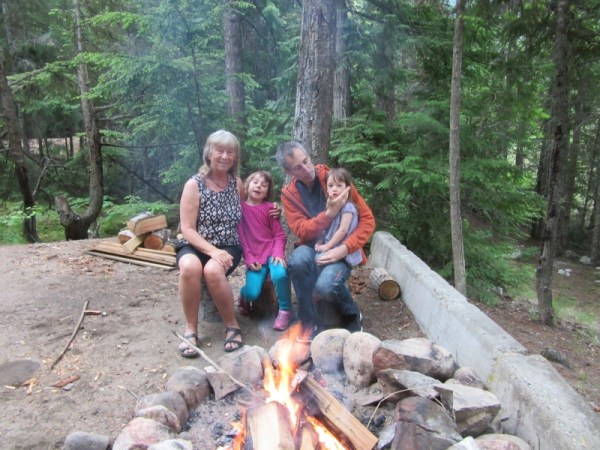
 The Peter and Gertrud Klopp Family