More Children Visiting Father
With my first visit to see Father after such a long gap inconceivable in the light of today’s custody laws that require visiting rights at regular intervals, I accomplished much more than just reconnecting with him. The ice had been broken. Other family members now were eager to come in a spirit of reconciliation that was shared even by Mother, albeit somewhat reluctantly. Near the end of my holidays, my brother Adolf dropped in for a visit. He had returned from Canada to Germany temporarily to learn a trade in an apprenticeship program at the Honeywell Company at Hanau. He eventually acquired a journeyman ticket as a trained machinist that would – so he was hoping – land him a good-paying job upon his return to Canada. Adolf, endowed with a witty sense of humour and an extroverted personality, was the life of the party no matter where he went. In formal or informal gatherings, in a suit or jeans, with academics or factory workers, he was the born entertainer who made people cheer up when they were depressed and got things rolling when they appeared to be stuck. Everybody liked him. There was just one problem with this gregarious, likeable brother of mine. He seemed to be shy, yes, even afraid of unmarried women, who might take too much of a liking to him, pursue him with the full force of passion and lock him up in the golden cage he called marriage.
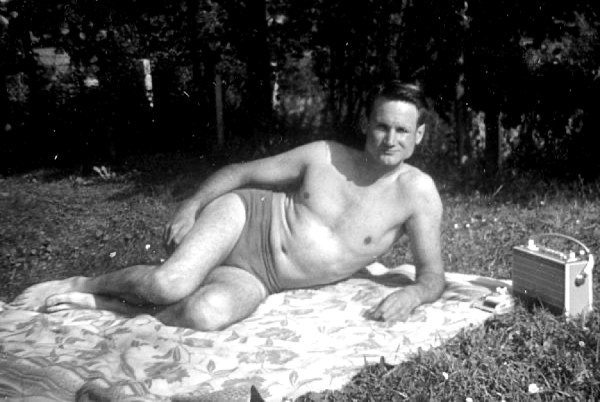
Then my sister Erika dropped in for a brief visit. When she heard that I had been going out dancing with a girl from the village, she contemptuously commented on her in Father’s presence, “Ho! Ho! Going out with a peasant duffer! (Bauerntrampel in German)” By now, I had become quite accustomed to the unpredictable outpourings of her sharp tongue. Her caustic and biting remarks at Mother’s place in Wesel had been edged forever into my memory. However, Father was livid. Having respected all his life the hard, honest work of the farmers from whom we receive our daily bread, he was deeply insulted by that derogatory remark. He gave her a severe dressing-down for displaying unjustified disdain for such an honourable class of people. Never since my early childhood days, when he had read me the riot act for stealing eggs from Mother’s henhouse, had I seen Father so angry. If I did not know the meaning of holy wrath, I knew it now.
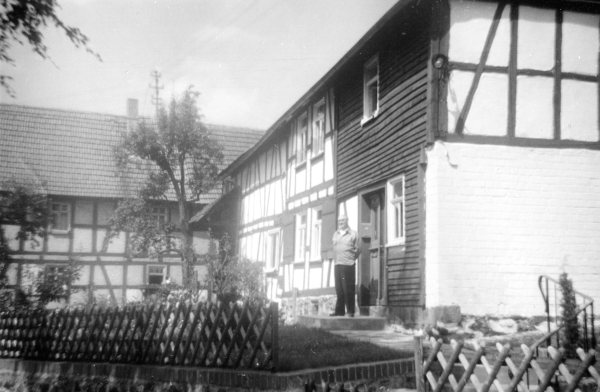
Erna’s house was at least half a century old, and the electrical wiring was outdated and no longer in compliance with the latest electrical code. It required that all circuits be correctly grounded. It made me feel good that I was not just there to enjoy a relaxing summer visit but also to make myself useful. Father had bought the three-prong wire, and I installed it and connected it to the junction boxes, outlets and switches. I showed some reluctance to take the twenty marks Father wanted to pay for my work. He lectured me somewhat like this, “Listen, Peter, if someone offers you money, not dishonest money, mind you, but money earned for work you did, do not hesitate to accept it. For you not only cheat yourself out of the reward that is rightfully yours, but you also insult the generosity of the giver.” To such a powerful argument, I had nothing to reply to and took the twenty marks.
 The Peter and Gertrud Klopp Family