Walter Panknin (1898 – 1977) and his Family – Part 2

Papa and the Horrors Of World War I
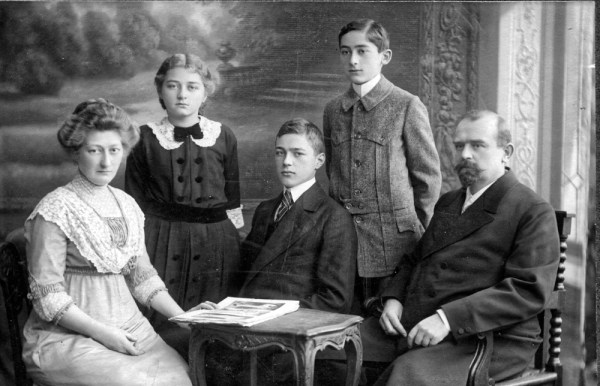
The Arnold Panknin Family: Gertrud, Toni, Rudi, Walter (standing) and Arnold Panknin

Like my parents, Papa had his family roots in the Eastern provinces of Germany, which are now part of Poland. After WWI, when as part of the Treaty of Versailles, West Prussia was incorporated into Poland’s newly re-established state, the Panknin family members resettled and resided in and around Berlin. Walter Panknin was born to Arnold and Gertrud Panknin (née Weber) on May 26th, 1898, in Kalthof near Marienburg (Malbork in Polish), former West Prussia. He had two younger siblings, his brother Rudi and sister Toni. During the early war years, probably inspired by the great naval battles between the British and German Imperial fleets, Papa and Rudi devised a naval battle game, not unlike the war game that I had created during my teenage years. The game board, of course, has long been lost. But the notebook, with its meticulously drawn pictures of Walter and Rudi’s fleets with the neat description of the ships’ tonnage and type in beautiful gothic handwriting, has survived a century-long journey. After WWII, Papa maintained with brother and sister and his old penpal Kampmann an extensive correspondence. I was able to glean a wealth of information, as they referred in their letters to the turbulent times before and during the war.
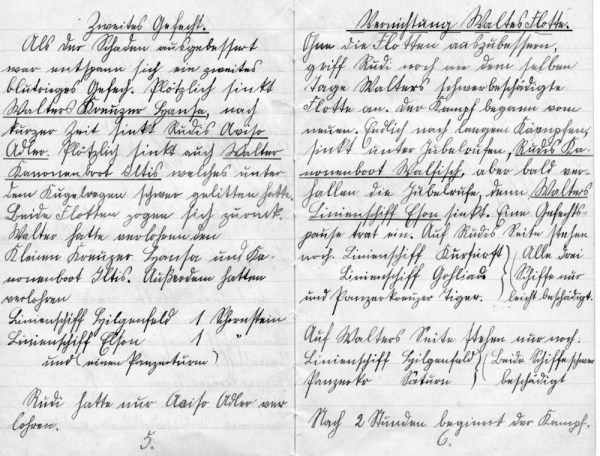
Page from Papa’s Notebook 1915

When Papa turned eighteen in 1916, the year after his father had passed away, he fought on the Western Front for Germany’s honour and glory. Likewise, in an unparalleled patriotic fervour, young men on the British and French side were willing to die in a senseless and gory war. Papa escaped death on numerous occasions. And when the war that was supposed to end all wars was finally over, he emerged physically unscathed from the horrific slaughterhouse of the killing fields in the West. But Papa had to bear for the rest of his life a heavy psychological burden. For he witnessed the maiming and killing of comrades, the endless shelling, and the miserable life in the trenches. The inglorious forced march back to Germany and the pain of the awareness that it had all been in vain must have affected him deeply.
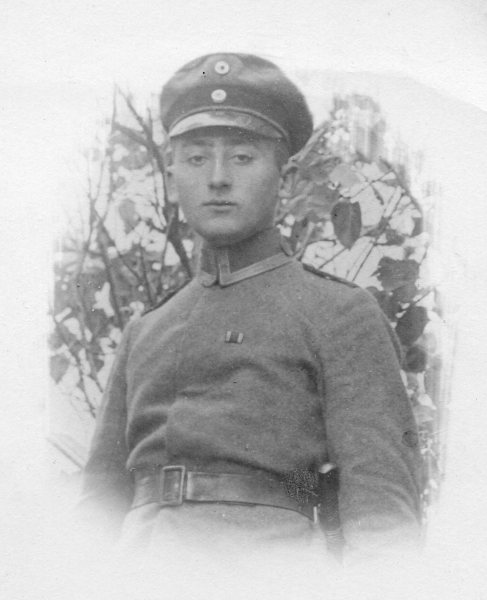
Walter Panknin 1917

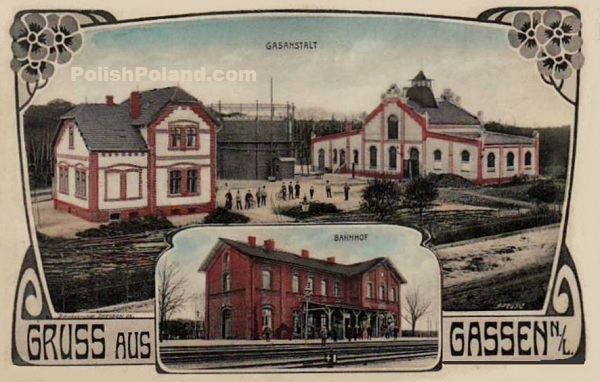
By the provisions of the Treaty of Versailles, the German army was reduced to 100,000 men. Thus, there was no future in a military career for Papa, even though he had advanced to a lieutenant’s rank while fighting on the western front. In his search to find meaningful employment, he went into a training program, which at its successful completion allowed him to seek employment as a qualified dental technician. In 1922 he moved to the small town of Gassen (Polish Jasien today), West Prussia, and until 1927 worked in a dental lab facility.
Natural Splendour of the Arrow Lakes

Wednesday’s Photos

Of Cattails, Tree Stumps, and Canada Geese

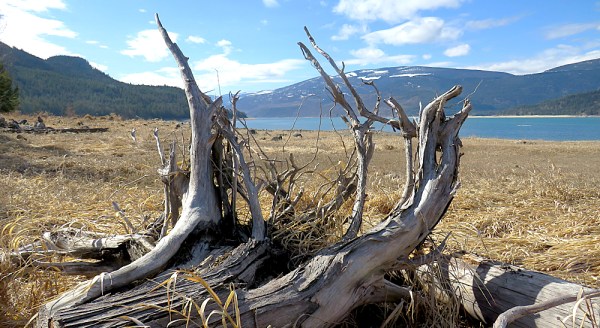
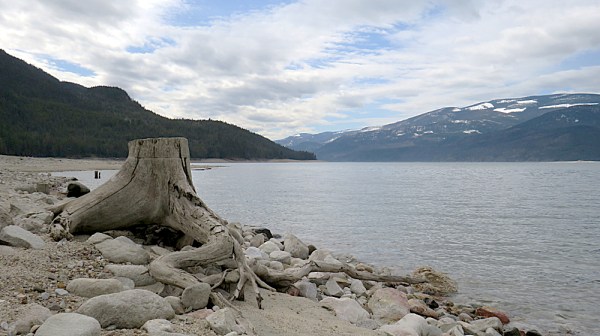
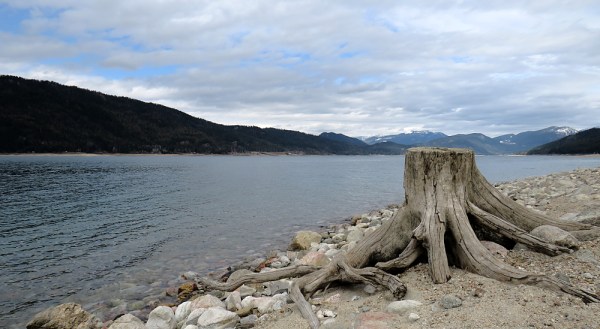
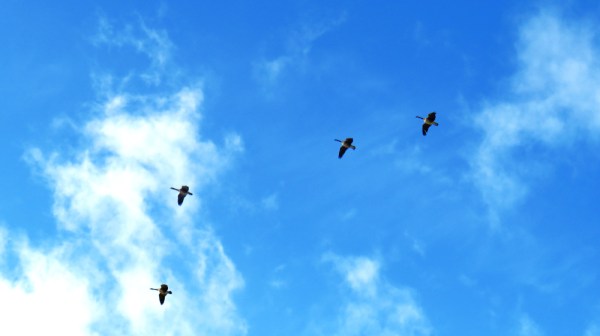
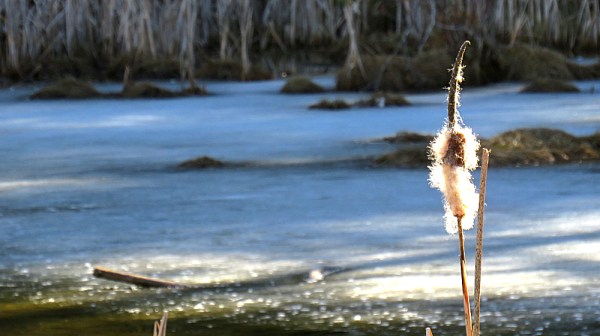
The week before the Easter weekend was chilly but sunny. Early in the morning we traveled 10 km south of Fauquier, drove past a pond that was still frozen. We briefly stopped to capture a few of the cattails which after a long winter were getting ready to spread their fluffy seed heads. When we arrived at the lake, a number of beautifully sculpted tree stumps attracted our attention. When the lake level is low, they make their appearance. More than fifty years ago all trees at the lakeshore had been cut down to prepare for the building of the Keenleyside Dam near Castlegar. You may also like the arrival of more Canada geese.

Walter Panknin (1898 – 1977) and his Family – Part 1

Gotha, my Wife’s Birthplace

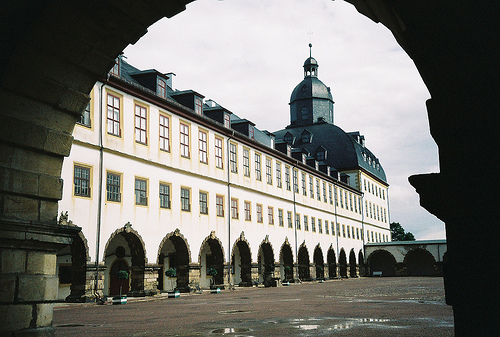
Gotha today is the fifth-largest city in Thuringia, Germany, located 20 kilometres west of Erfurt with a population of 44,000. In the Middle Ages, Gotha was a prosperous trading town on the trade route Via Regia. Between 1650 and 1850, Gotha saw a cultural heyday as a centre of sciences and arts, fostered by the dukes of Saxe-Gotha The first duke, Ernest the Pious, was famous for his wise rule. The cartographer Justus Perthes and the encyclopedist Joseph Meyer made Gotha a leading centre of German publishing around 1800. In that period, Gotha became an industrial core with companies like the Gothaer Waggonfabrik, a producer of trams and airplanes. One of the main sights of Gotha is the early-modern Friedenstein Castle, one of the largest Renaissance/Baroque castles in Germany. It was built between 1643 and 1654 and is one of Germany’s first sizeable Baroque residence castles. Some essential scientific institutions were the ducal library (today’s Forschungsbibliothek Gotha as part of the University of Erfurt), founded in 1650, the “coin cabinet” (1712), the “art and natural collection,” basis of today’s museums, and the Gotha Observatory at Seeberg mountain.

Friedenstein Castle

Much of Thuringia’s acclaim as the green heart of Germany is due to the Thuringian Forest (Thüringer Wald), not far from Gotha. Germans have celebrated its landscapes at least since the time of Goethe. Its romantic villages with cottage workshops do little to dispel the illusion of an era that appears frozen in a time when life was still uncomplicated and beautiful.

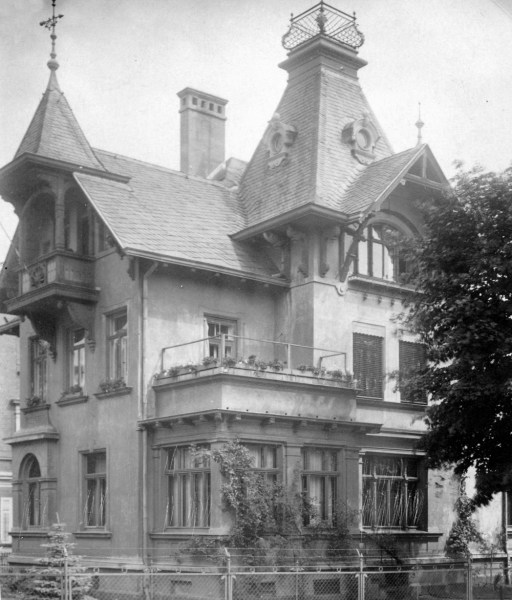
My Wife’s Birth Place in Gotha

In 1937 Walter and Elisabeth Panknin (née Reifferscheid), moved from Dortmund to Gotha. After they had met and fell in love in 1928, they married two years later, on November 25th, 1930, in Berlin-Charlottenburg. Not long after their daughter arrived in Calgary in April 1966, her parents became my parents-in-law. Therefore, I will, for the sake of simplicity, often call them Papa and Mutti when describing their lives in this family history.