Carthage by Peter Klopp ©
A Nasty Surprise
Although hatred against the Romans had grown immeasurably, the Carthaginians were wise enough not to reveal their feelings to their enemies. On the contrary, under the cloak of humility, they once again turned to Consul Censorinus and asked him to grant a 30-day truce. During this time, the Punic envoys slyly noted, they intended to submit another peace petition to the Senate. Of course, the consul could not accept this due to the Senate’s decree. But it lulled him and the army into a false sense of security.
,The legionaries took their time, wasting precious days. Meanwhile, Hasdrubal prepared everything for the all-out war, which he was determined to fight to the bitter end. He enlisted the entire population in his plan to save the city from the worst: from total annihilation. Tirelessly, all able-bodied men practiced hand-to-hand combat on the parade grounds, defending on the remains of the walls, offensive thrusts, and the quick, precise operation of catapults. Wherever the otherwise strong city walls had damaged or weak spots, children and the elderly worked day and night to repair them or build ramparts. The women had their hair cut and wove it into the supple tensioning ropes for the machines that once again covered the city walls in a long line. Daring sailors brought provisions for the city’s garrison, for despite all the dangers, Punic money was tempting. If, despite this tremendous change within the city, not a single thing reached the ears of the consul, it was thanks to the unanimous determination that the nation stuck together like glue in the hour of greatest danger.
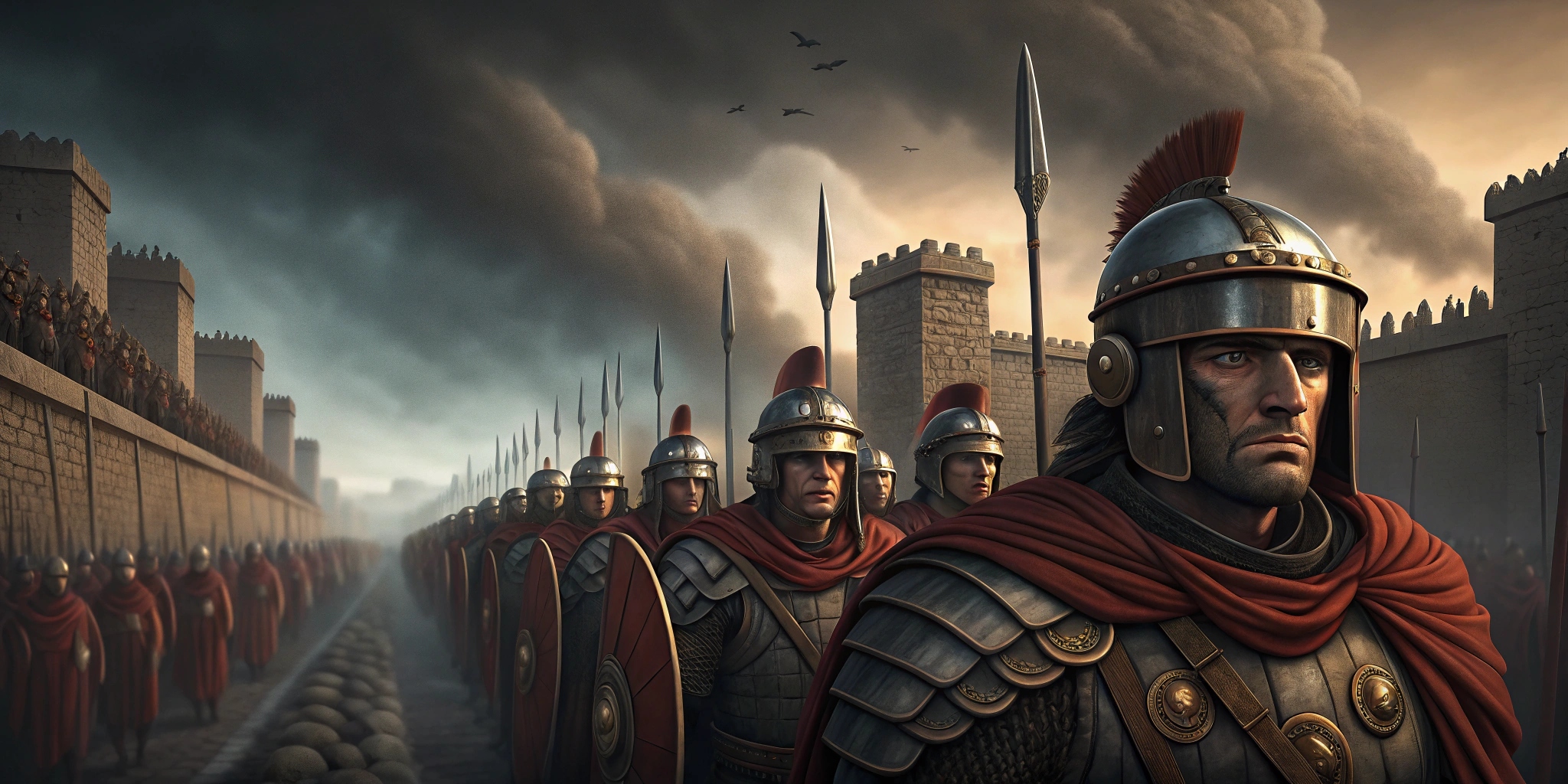
When the legionaries approached the city after 14 days, believing they were only just climbing the ladders to plunder the coveted riches, they were filled with fear and terror when they saw the walls garrisoned by soldiers and armed with assault weapons. Hadn’t they confiscated all their war equipment? The Romans could not have imagined that the Punic spirit of self-sacrifice would go so far as to part with their treasures and tear down their finest buildings to gain beams for their catapults and iron for their swords. Not effortless plunder, but brutal warfare, awaited the pampered legionaries. What they hoped to accomplish in a month would take four long years.
Karthago von Peter Klopp ©
Eine böse Überraschung
Obwohl sich der Hass gegen die Römer ins Unermessliche gesteigert hatte, war man doch klug genug, seine Gefühle den Feinden nicht zu zeigen. Im Gegenteil, unter dem Mantel der Demut wandte man sich nochmals an Konsul Censorinus und bat ihn, einen 30-tägigen Waffenstillstand zu gewähren. In dieser Zeit wollten Sie ein weiteres Friedensgesuch dem Senat unterbreiten, bemerkten die punischen Gesandten listig. Natürlich konnte der Konsul aufgrund des Senatsbeschlusses darauf nicht eingehen. Aber es wiegte ihn und das Heer in Sicherheit.
Die Legionäre ließen sich Zeit und vertrödelten wertvolle Tage. Indessen bereitete Hasdrubal alles für den totalen Krieg vor, den er entschlossen war, bis zum bitteren Ende zu führen. Das ganze Volk spannte er in sein Vorhaben, die Stadt vor dem Schlimmsten zu bewahren, vor der völligen Vernichtung. Unermüdlich übten alle wehrfähigen Männer auf den Exerzierplätzen Nahkampf, Verteidigung auf Mauerresten, Offensivstöße und schnelle, genaue Bedienung der Wurfgeschütze. Wo die sonst so starke Stadtmauer schadhafte oder schwache Stellen aufwies, arbeiteten Kinder und Greise Tag und Nacht, sie auszubessern oder Wälle zu errichten. Die Frauen ließen sich die Haare scheren und flochten daraus die geschmeidigen Spannseile für die Maschinen, die in langer Reihe die Stadtmauer aufs Neue bedeckten. Kühne Seefahrer schafften Proviant für die Besatzung der Stadt herbei, denn trotz aller Gefahren lockte das punische Geld. Wenn nun trotz dieser gewaltigen Veränderung innerhalb der Stadt auch nicht das Geringste dem Konsul zu Ohren kam, so war es der einmütigen Entschlossenheit zu verdanken, dass die Nation in der Stunde höchster Gefahr wie Pech und Schwefel zusammenhielt.
Als sich die Legionäre nach 14 Tagen der Stadt näherten und glaubten, nur noch kurz die Leitern hinaufzuklettern, um die ersehnten Reichtümer zu plündern, sahen sie voller Angst und Schrecken die Mauern von Kriegsvolk besetzt und von Sturmgeschützen bewehrt. Hatten sie ihnen nicht alles Kriegsgerät abgenommen? Die Römer konnten nicht ahnen, dass der punische Aufopferungswille so weit gehen könnte, sich von ihren Schätzen zu trennen und ihre schönsten Gebäude einzureißen, um daraus Balken für die Geschütze und Eisen für die Schwerter zu gewinnen. Nicht mühelos plündern, sondern grausamer Krieg stand den verwöhnten Legionären bevor. Was sie hofften, in einem Monat hinter sich zu bringen, sollte vier lange Jahre dauern.
 The Peter and Gertrud Klopp Family