The Visit (May 2015)
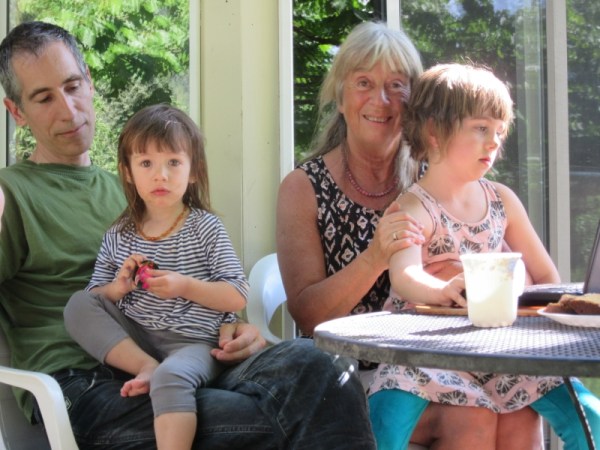
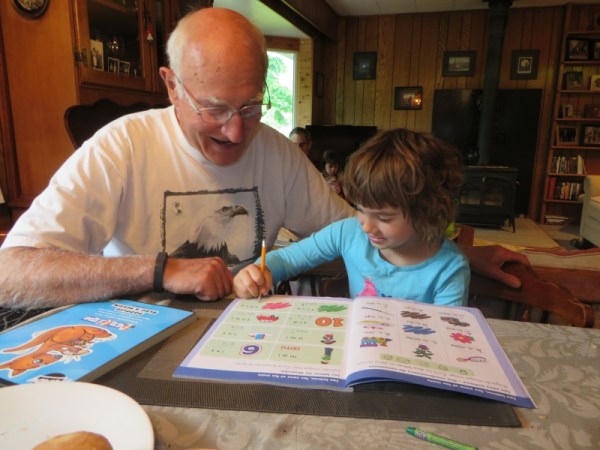
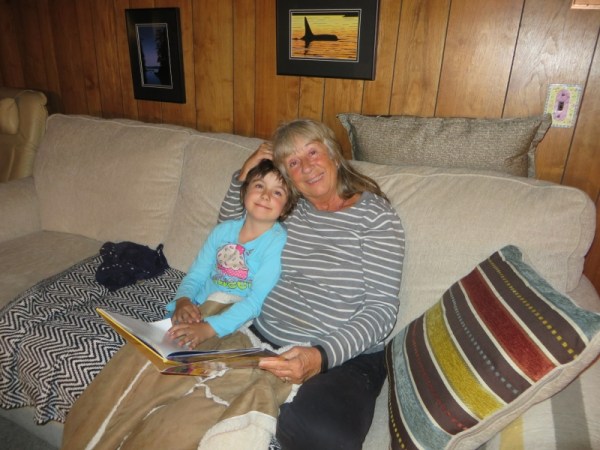
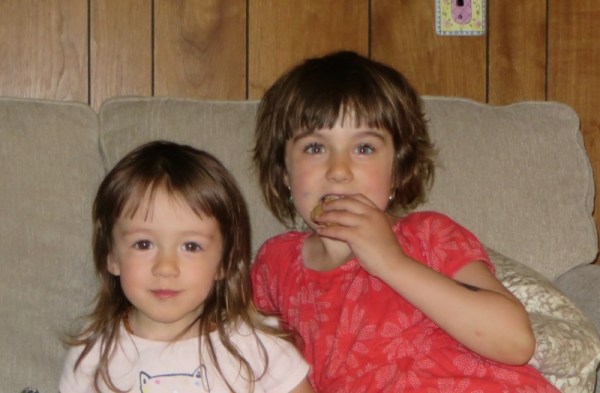
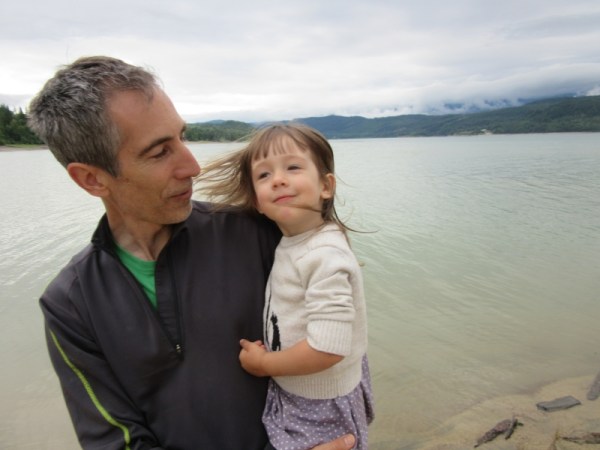
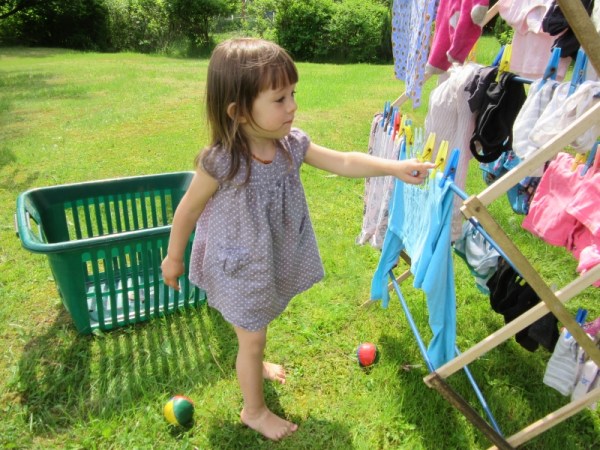
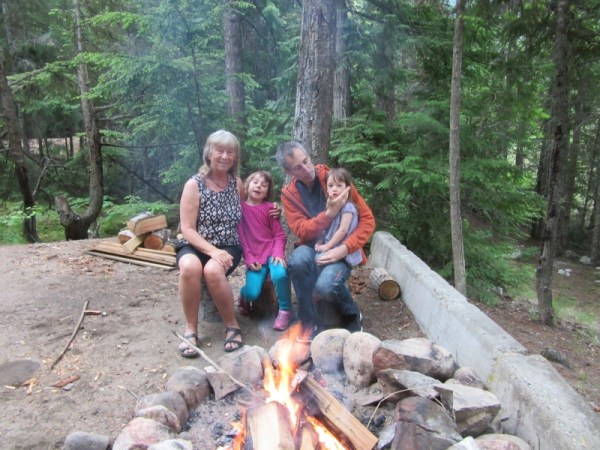
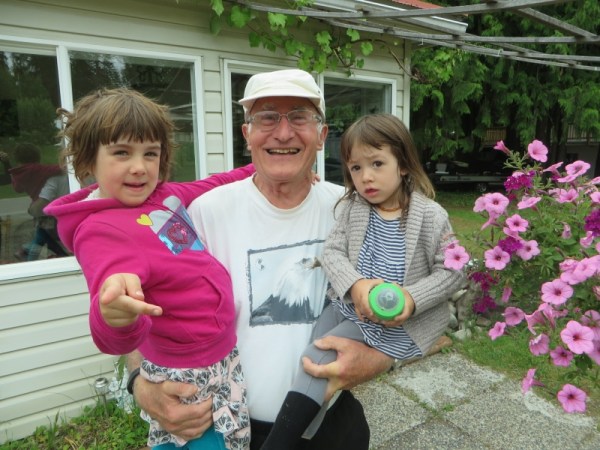
Richard and Our Granddaughters Azure and Emeline
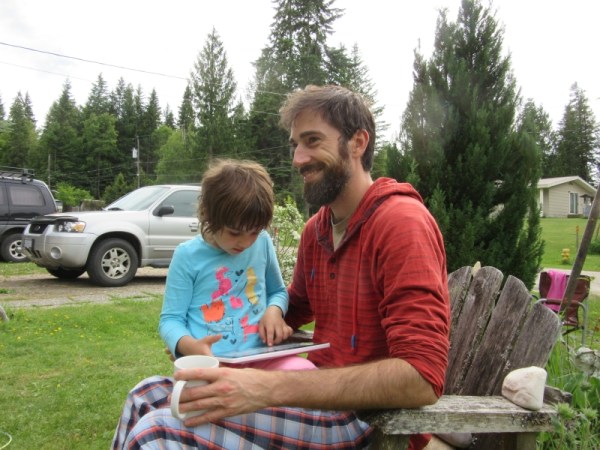
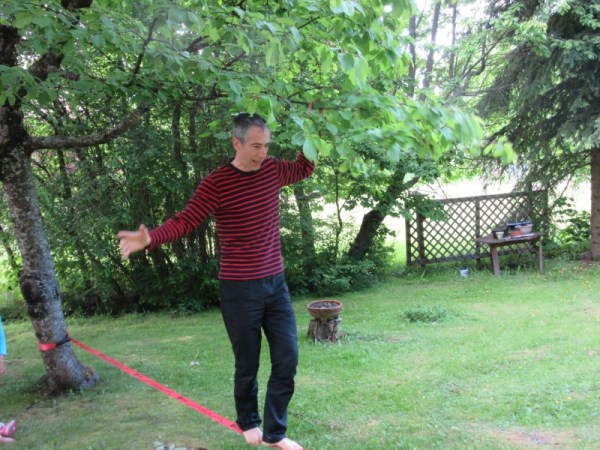
and their Uncle Stefan
(See Klopp Family Tree, Chart I – III, IV & V)
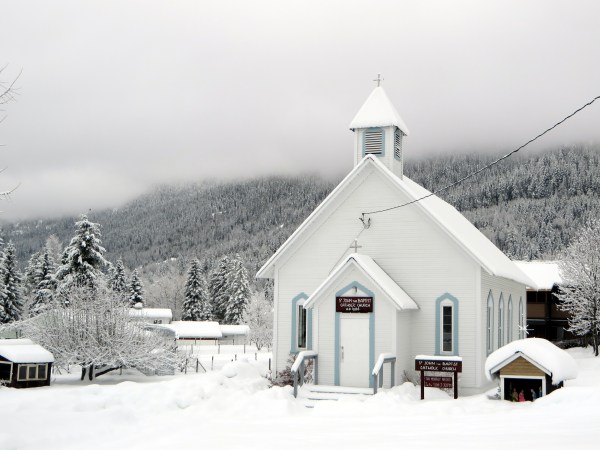
Our Little Village Church in Early January
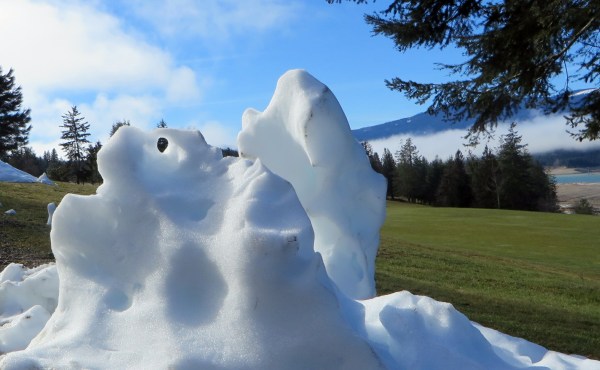
Nature’s Snow Sculptures Melting in the Warm Air
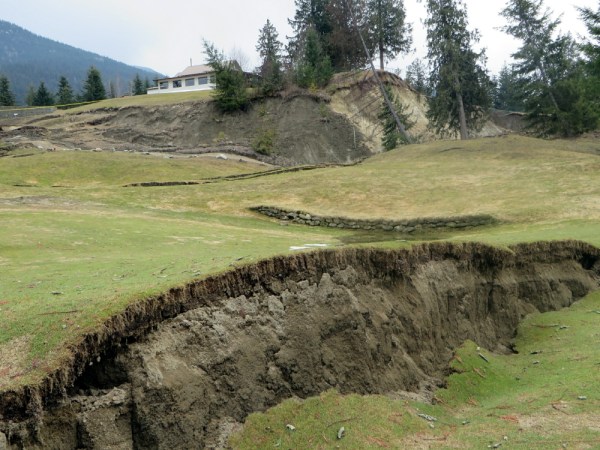
Part of the Local Golf Course Slipping after Heavy Rain
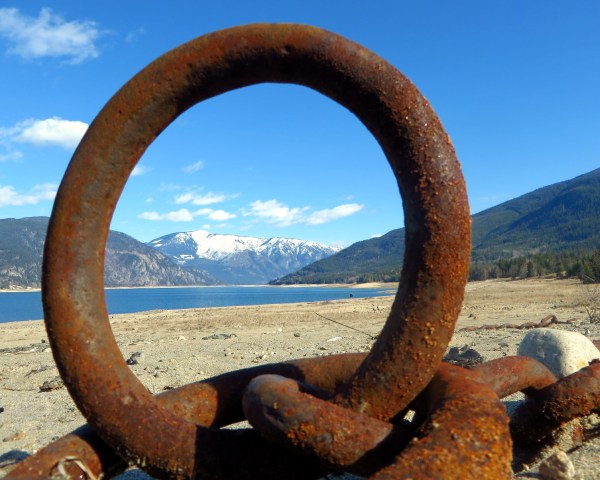
Unusual Lake View through an Iron Ring
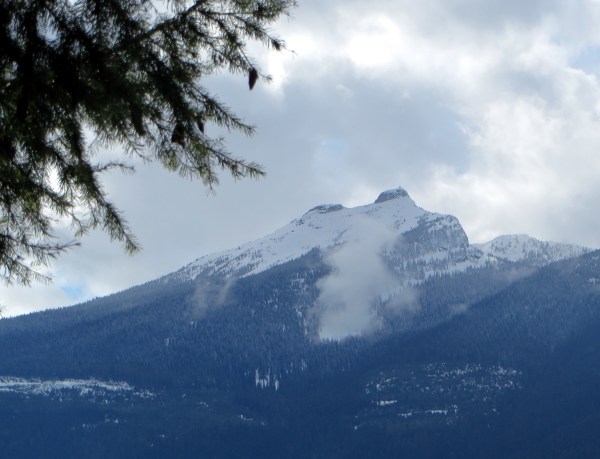
Saddle Mountain still Covered in Snow
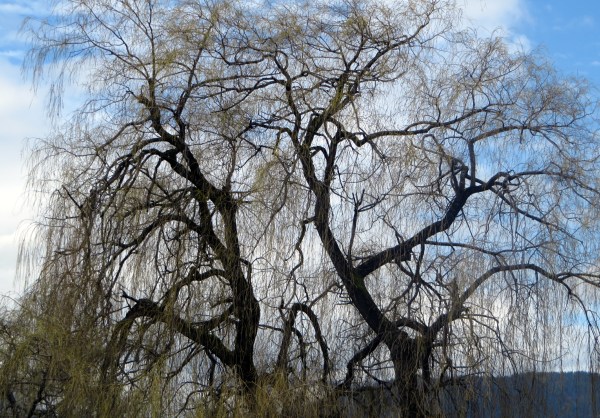
Willow Showing off a Hint of Green – Spring has Sprung
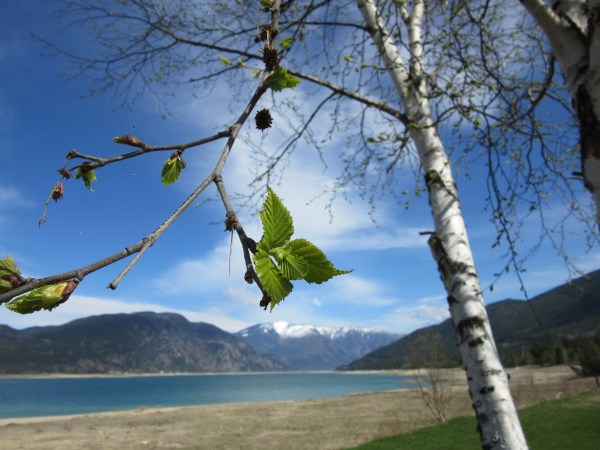
Leaves are Out at Fauquier Golf Course
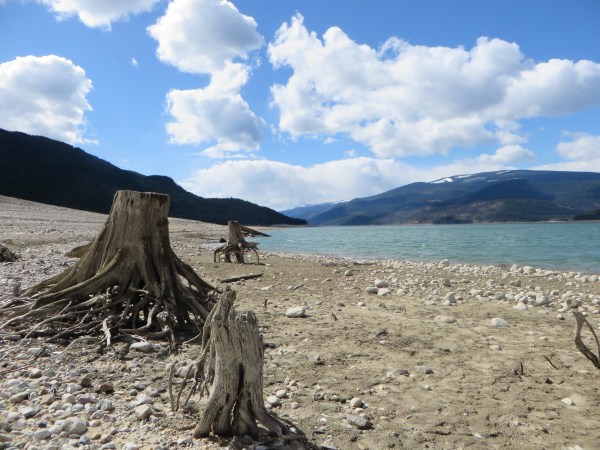
Lake at its Lowest Level before Spring Run-off
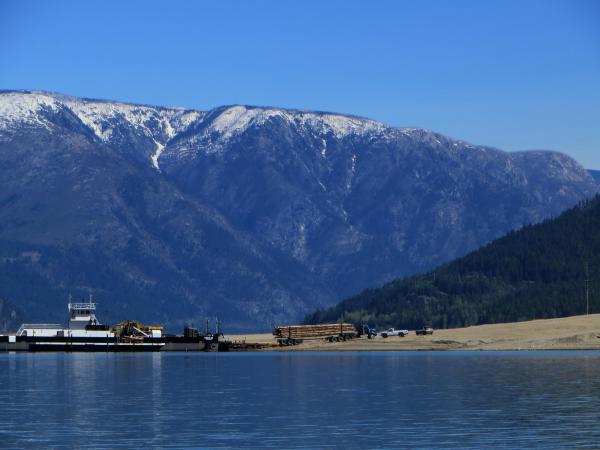
Looking North: Logging Truck Leaving Needles Ferry at Fauquier
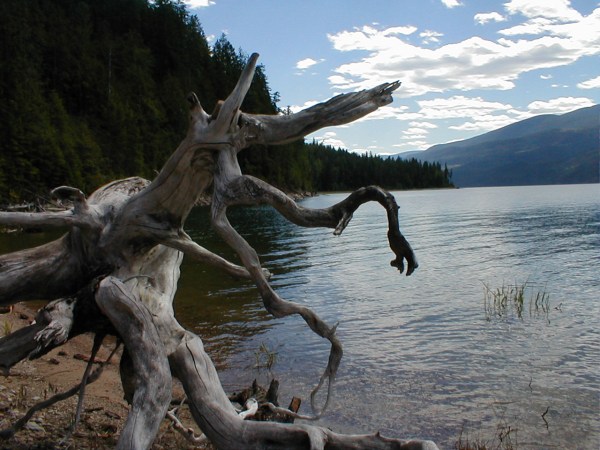
The Arrow Lake that attracted Like-Minded People on Applegrove Road
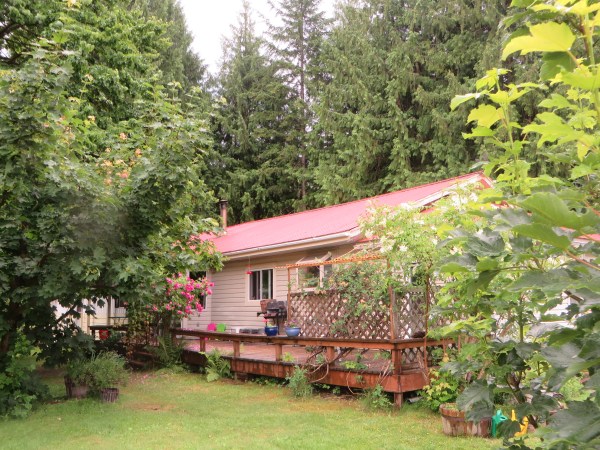
Our Quaint Little House in the Spring
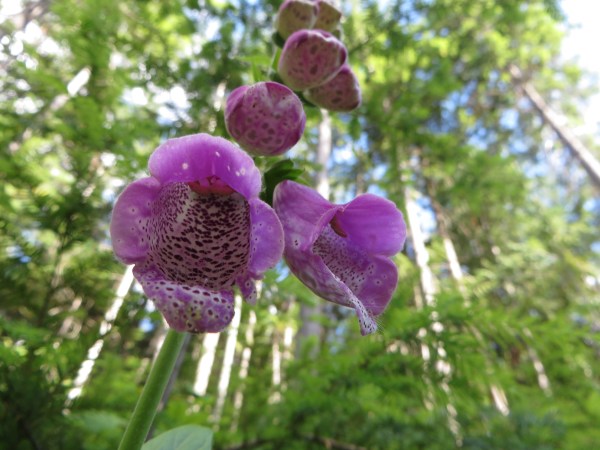
Fox Gloves Announcing Early Summer at Taite Creek
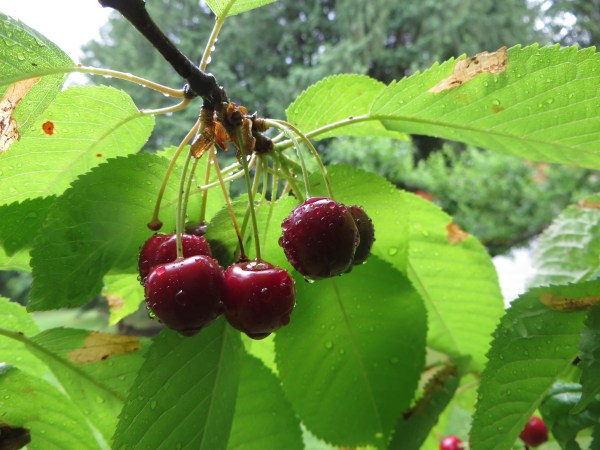
Cherries Ripening under Ideal Conditions Promising a Bumper Crop
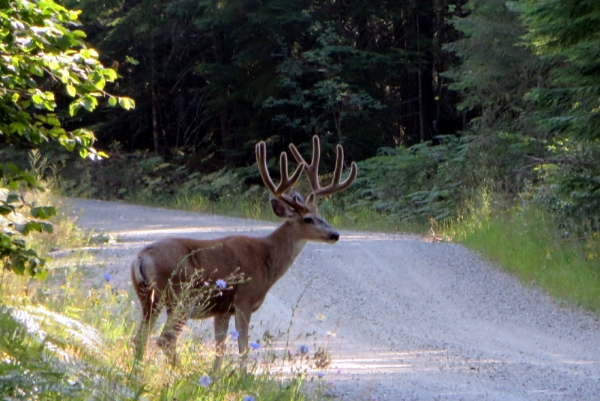
Buck with Antlers Illuminated by the Morning Sun in July
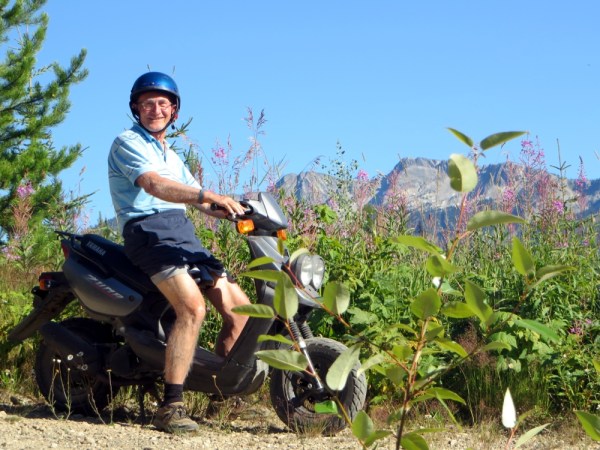
Peter on Top of the Mountain on the Power Line Road – Late July
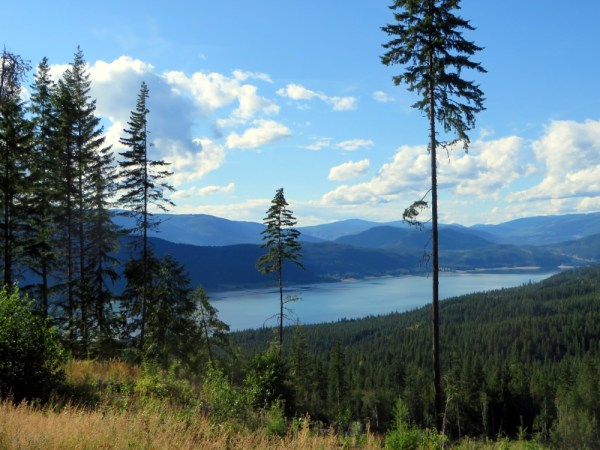
One could hike to this fantastic viewpoint in about 2 hours. View of Arrow Lake

Triplets of Boletus Mushrooms – Choice Mushrooms Growing in our Area
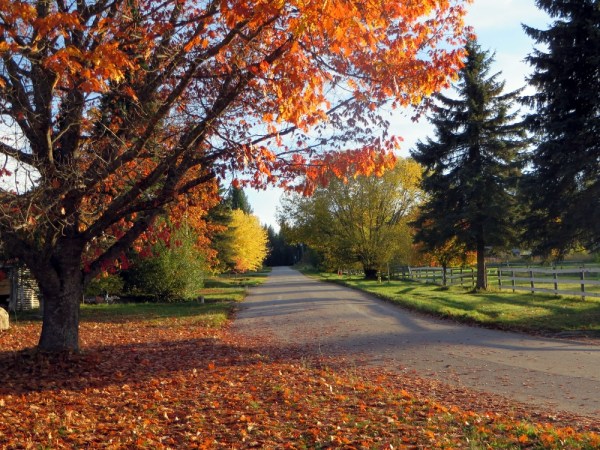
Spectacular Fall Colors on the Way to our House
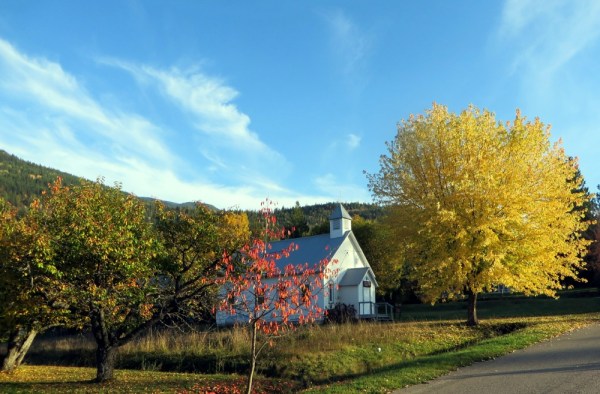
Our Little Village Church on a Beautiful Fall Day
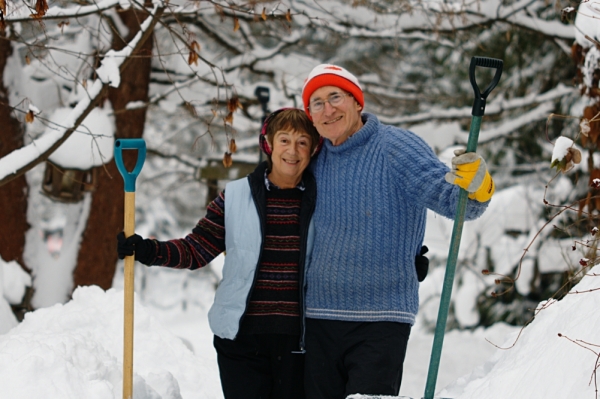
My Wife and I on a Wintry Day in December
Ten years ago a team of engineers and surveyors came to Fauquier. The BC government announced with great fanfare the building of the bridge promised nearly 50 years ago to replace the present ferry system. Then the price of steel went up and the estimated cost of the construction nearly doubled and the project was scrapped. Today we are still using the ferry to get across the Arrow Lake.
Looking North: Logging Truck Leaving Needles Ferry at Fauquier
Quite a bit of costly planning had already gone into the bridge project. The following are pictures and a video I dug up from the files in my archive and I present them here as a little nostalgic piece about a bridge that never was.
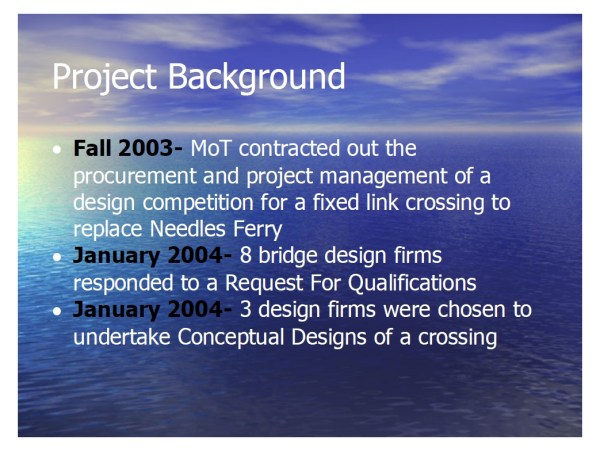

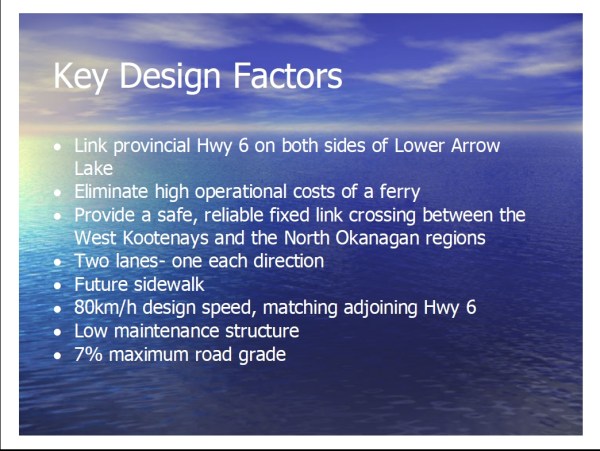
If one takes a close look at the second panel with the cost projections, one can easily see that a large amount of tax payers money was wasted, before the project was scrapped. Below is the video of the bridge as envisioned by design engineers, which is beautiful, but no doubt was also very expensive to make.
In 2006 as manager of the Fauquier Internet Society I helped build the wireless system to provide broadband service to the people of our small rural community. The name of the website is ‘arrowbridge.ca’, and quite intentionally so to serve as a perpetual reminder of the ‘bridge that never was’.
Every once in a while on my blog I introduce a past or present resident of Fauquier and area, who have made a significant contribution to our community. There was the colorful personality of Mr. Fauquier, whose name our small village now bears. Then there was Bill Laux, the eccentric artist and castle builder.
Today I would like to introduce you to the illustrious writer, novelist and activist Lucia Mann. It is my hope that this post will help spread her ideas about social justice and increase awareness about modern-day slavery. I am republishing with her kind permission the page about the author, which can be found at http://www.luciamann.com.
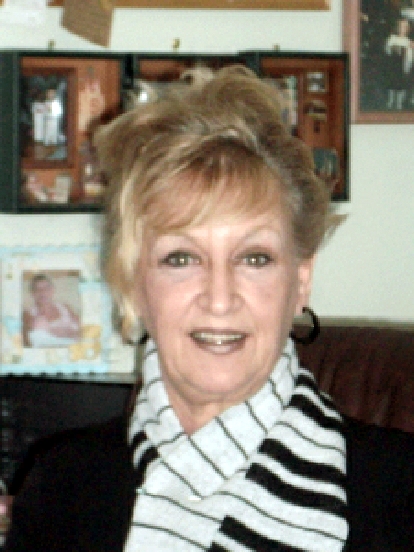
Lucia Man is Sicilian-bred, born in British Colonial South Africa in the wake of WWII. She is a citizen of Britain and Canada who recently applied for a U.S. Green Card because she believes she is an American at heart. She was educated in London, England and retired from freelance journalism in 1998. After suffering from racial prejudice most of her early life because she was part Italian and part South African, she saw and felt firsthand the pain and suffering of those who were thought to be inferior because of the color of their skin. Her mission is to end prejudice and slavery now and in the future.
A woman was recently sentenced to 140 months in prison after using two Nigerian immigrants as personal unpaid servants in her luxury home in Atlanta, Georgia. A few days later, two Ukrainian brothers were convicted of smuggling desperate villagers into the United States to work long hours, cleaning retail stores and office buildings at little or no pay. The prosecuting U.S. attorney in Philadelphia, Daniel Velez, said it was “modern-day slavery. It’s hiding in plain sight.”
However, according to a woman who lived through the racial prejudice, segregation and slavery in post-World War II Europe, the slavery crisis in the modern world is far greater than that.
“Anyone who thinks slavery died when America abolished it in the 1800s has a shock coming to them,” said Lucia Mann, whose mother was a sex slave and a WWII concentration camp survivor. Mann, a former journalist and author of “RENTED SILENCE” (www.rentedsilence.com), a novel about slavery and racial prejudice based on her life experiences and those of other persecuted souls she witnessed says, “According to the United Nations, there are more than 27 million slaves worldwide, which are more than twice the number of those who were enslaved over the 400 years that transatlantic slavers trafficked humans to work in the Americas. Many are forced into prostitution while others are used as unpaid laborers used to manufacture goods many of us buy in the U.S. In fact, it’s almost impossible to buy clothes or goods anymore without inadvertently supporting the slave trade.”
Mann said that the crisis extends far greater than in the African and Asian nations typically associated with slavery or indentured servitude.
“After the hurricane in Haiti, the economy was so devastated, with as many as 3,000 people sold into slavery right there in their own country,” she added. “It affects all racial groups and slaves come from every single continent on the planet. The irony is that there are more slaves now that slavery is illegal than there were when it was a legal part of international commerce. Moreover, because of its illegal nature, it’s practically impossible to track and contain. It’s not a matter of how to stop it. It’s a matter of how we even begin to address it.”
One of the reasons Mann wrote her book was to establish an awareness of the problem, so that people could have a frame of reference for action.
“The wrongs of the past as well as the present must continue to be exposed so that they can be righted in the present and future,” Mann added. “This means educating society about evil and injustice and motivating them to take steps to ease others’ pain and anguish. The key is to get people aware of it, and then let them know what they can do to end the practice. In America, the first thing we need to do is address our own consumer habits. To help, the United Nations has created an online and mobile phone application to help people track if what they buy is supporting slavers.”
Mann said the awareness and concern of the American people are the first steps to ending slavery around the world.
“If there is no money to be made from enslaving people, it will end,” she said. “Many innocent people become the victims of viciousness or the prey of prejudice. While fear and anger are filling the cells and souls of innocents, the rest of us can bolster their spirits and lighten their load by having the guts to fight their fight and the heart to bring hope to humanity. Courage and commitment are powerful weapons, and we should not hesitate to use them against the dishonorable people of the world”
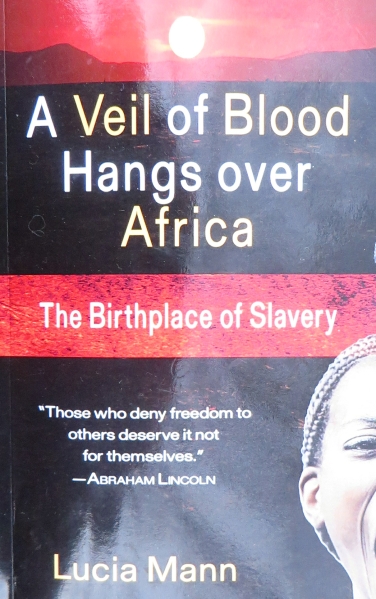
My wife is presently reading this book, which is available online and at the Home Hardware store at Nakusp.

Insurmountable Barrier for Spawning Fish 2014
In a previous issue of Arrow Lakes News, it was stated that the collapse of the highway was not a technical issue.
“This is a Mother Nature issue, not a maintenance issue,” said Bart Chenuz, area manager for roads with the Ministry of Transport and Infrastructure.
Repairs couldn’t begin until ground had stopped moving. A geological technician had been keeping track of the site. As of March 1, the ground had stopped moving, and work could begin.
Construction on the bridge began in mid-July after the contract to build it was awarded to the company Neel-co in May of 2015.
Part of the reason the bridge is being worked on is because there was a barrier for fish spawning in the river. The barrier was the fact that the fish couldn’t access the upper part of the Creek. The increased length allowed Kokanee to spawn upstream of Highway 6 this year for the first time in 45 years.
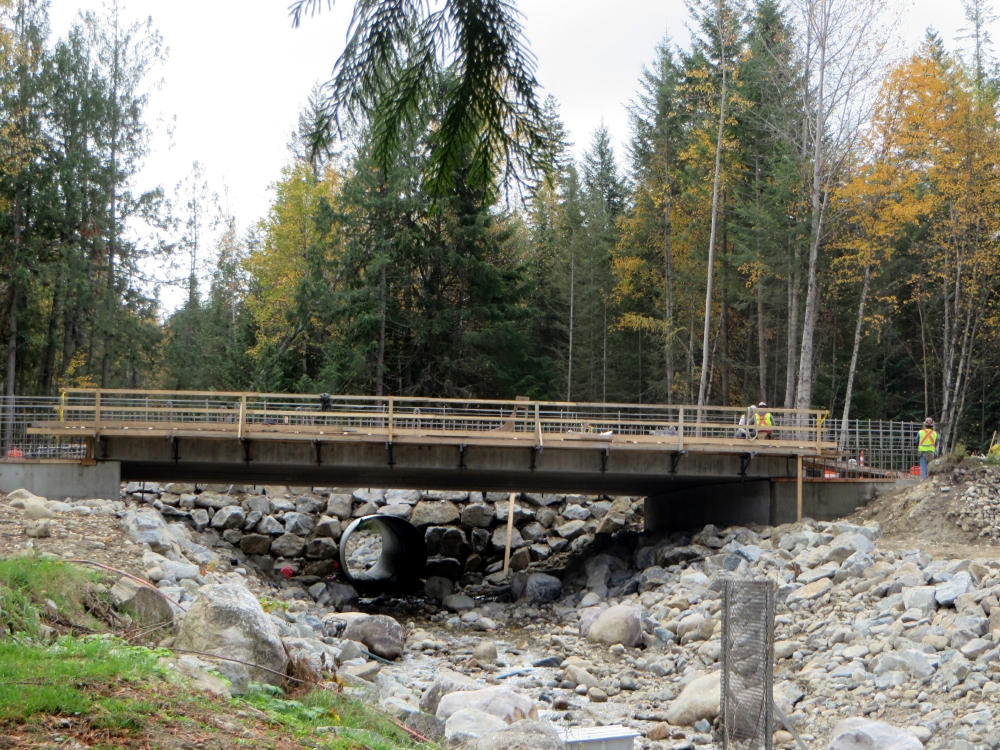
Bridge Replacing the Culvert almost Complete
Once completed, fish such as Kokanee, Rainbow Trout and Bull Trout will have better access to the lower part of the stream. The new clear span bridge will enable the habitat of the fish to be doubled.
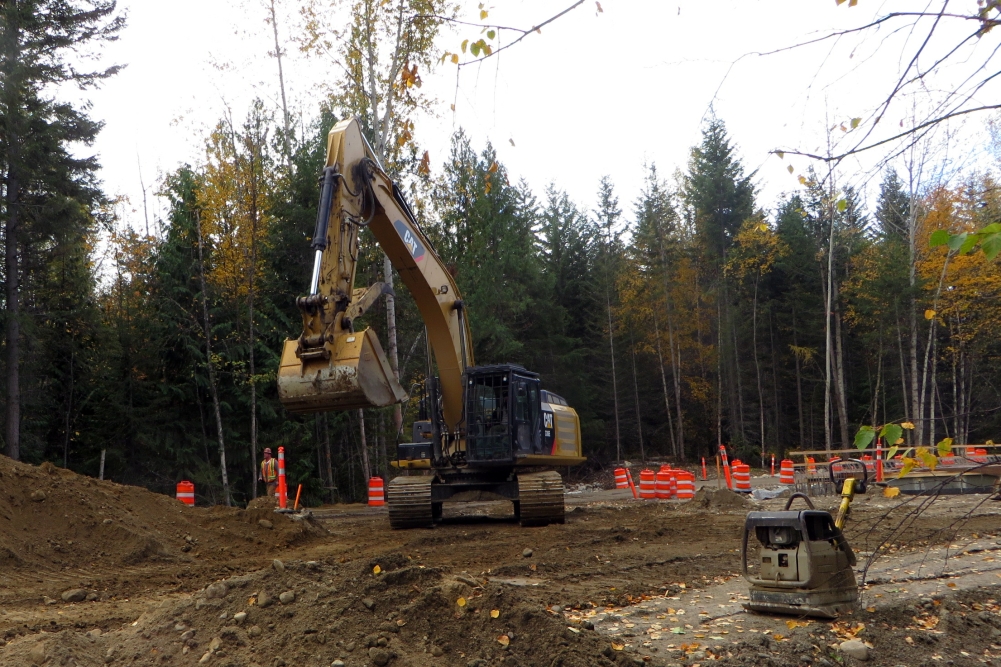
Heavy Duty Machines October 2015
The bridge is 18 metres long and almost 11 metres wide. It will feature steel H-piles with reinforced concrete abutments. H-Piles are dimensionally square structural beams that are driven in the ground for deep foundation applications.
The pilings are imbedded 23 metres into the ground. The bridge deck will be constructed of concrete with steel railings.
Precautions to protect the bridge have been taken if the road ever washes out again. The creek channel has been reinforced with rock in order to contain it within the existing channel.
Construction is scheduled to wrap up around mid-November.
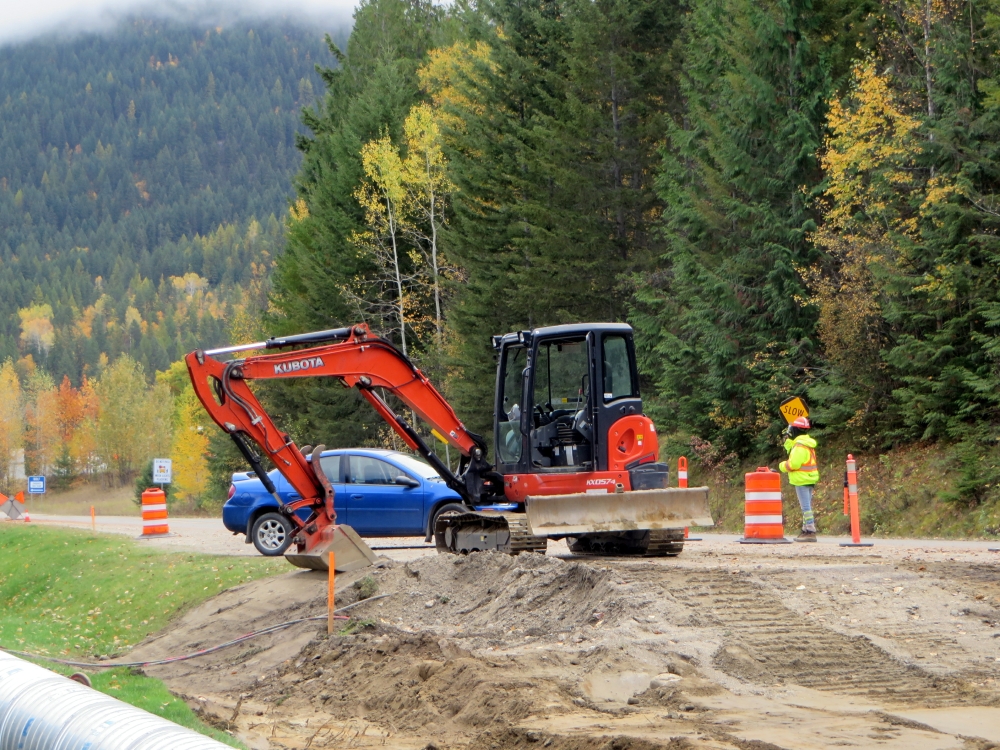
One-Lane Traffic until Completion of Project
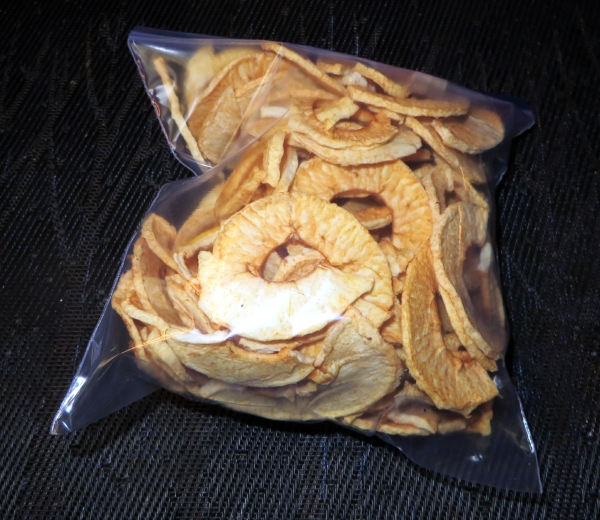
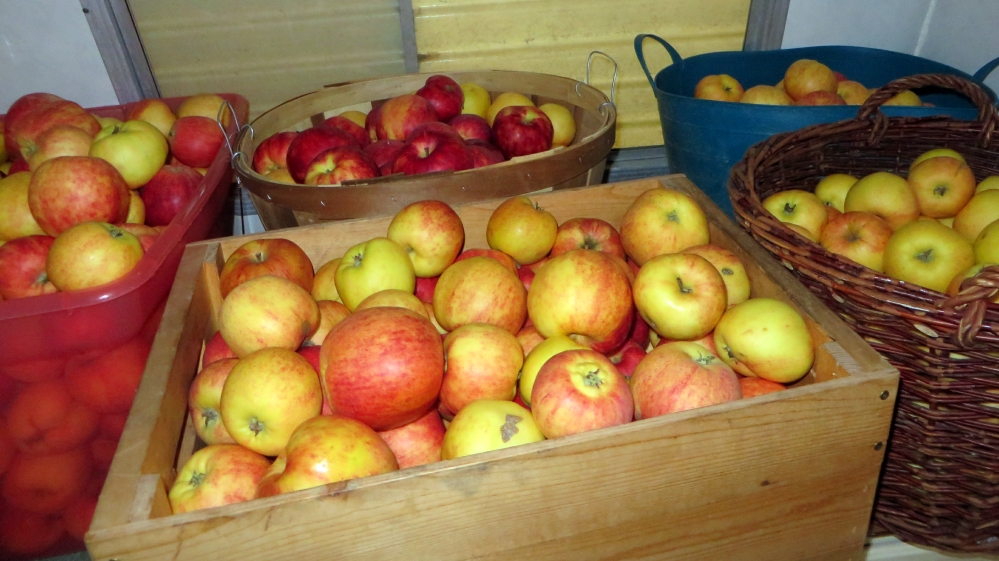
This year we had a very large apple crop. The Gravenstein trees were especially fruitful and produced so many baskets full of apples, we now find it hard to store them all. Besides they are not keepers. Three months after the harvest they become all mushy and pulpy. So we decided to dry them and turn them into delicious apple rings, which have a flavor ten times more intense and keep for a very long time without refrigeration.
Boxes and baskets full of Gravenstein apples are waiting to be dried.
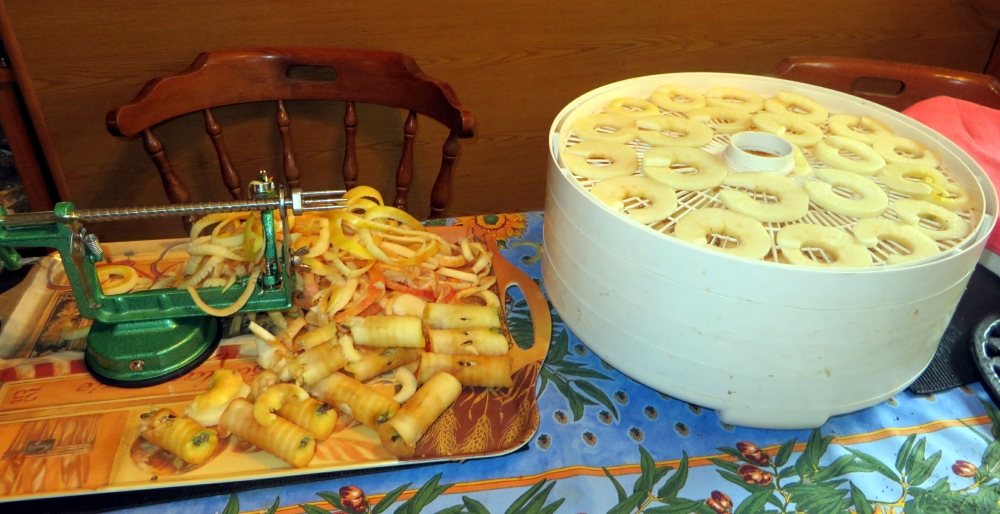
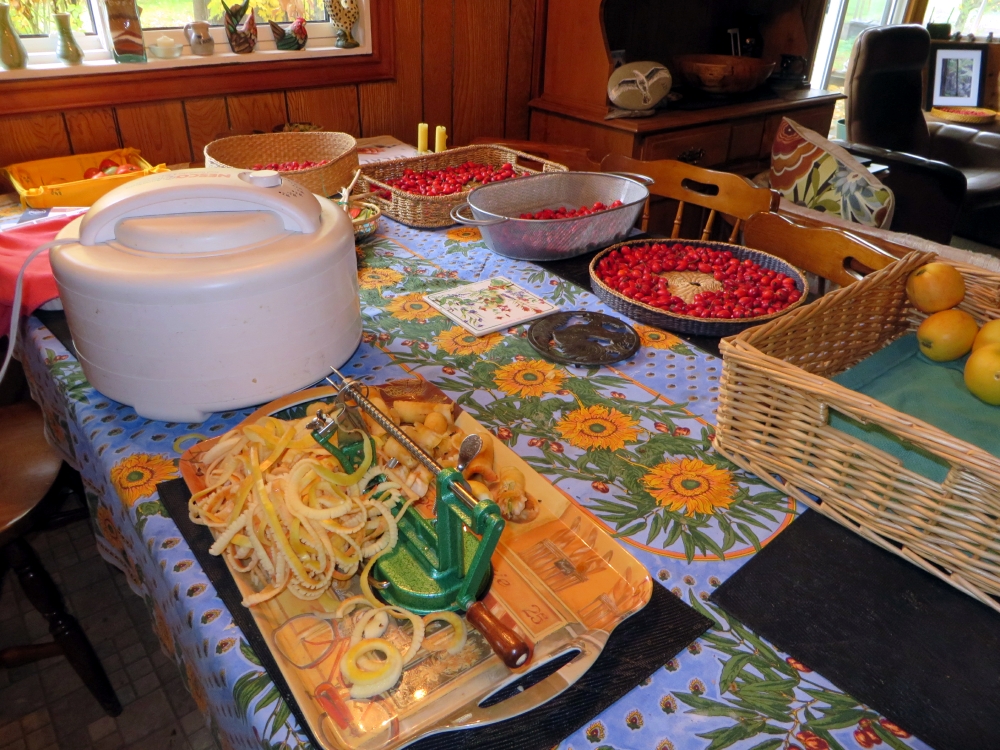
To process the apples you need only two things: an old-fashioned apple peeler and a good quality dehydrator. The former is truly a technical marvel going back at least a hundred years and in conjunction with its built-in slicer needs no further improvement.In less than 10 seconds you can peel and slice an apple. The dehydrator (we are using is The American Harvest model) comes with four trays. To fill them all up you need about a dozen mid-sized apples. After 7 to 8 hours of drying in the dehydrator the apple rings have shrunk, so all fit into a small freezer bag. During this time a tantalizing aroma is permeates our entire home. In the end the apples rings turn out to be a gourmet’s delight, full of vitamins and nutritional value. And they are also greatly reduced in weight and size. The photo story below shows how easy it is to do it .
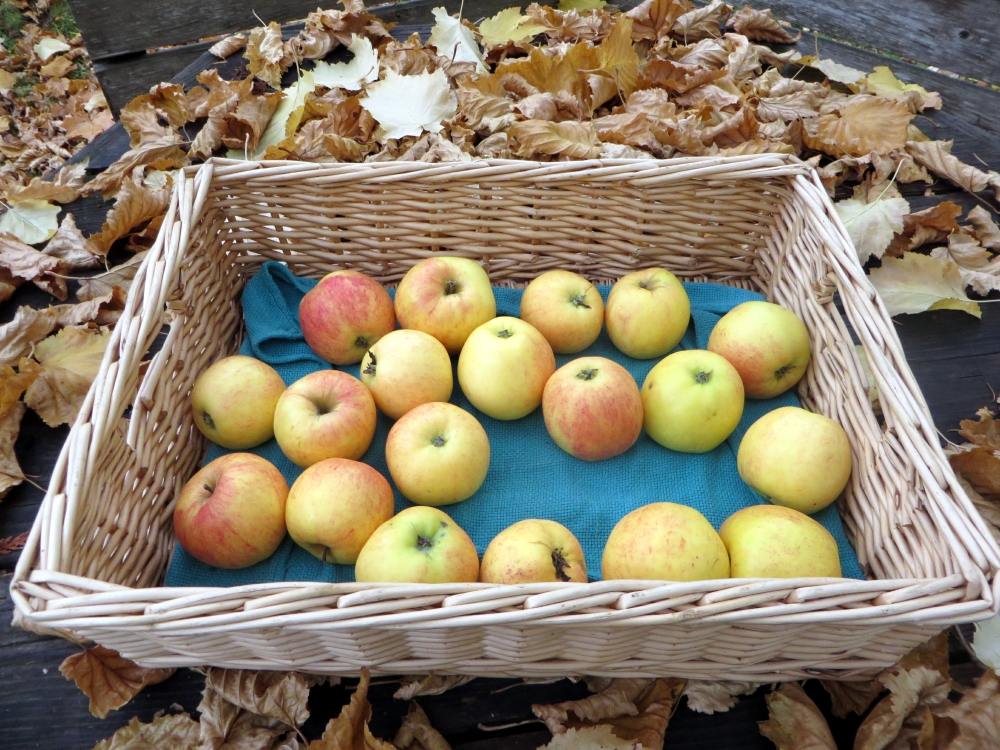
Collect twelve to fifteen mid-sized apples.
This machine can peel and slice the apples in less than 10 seconds.
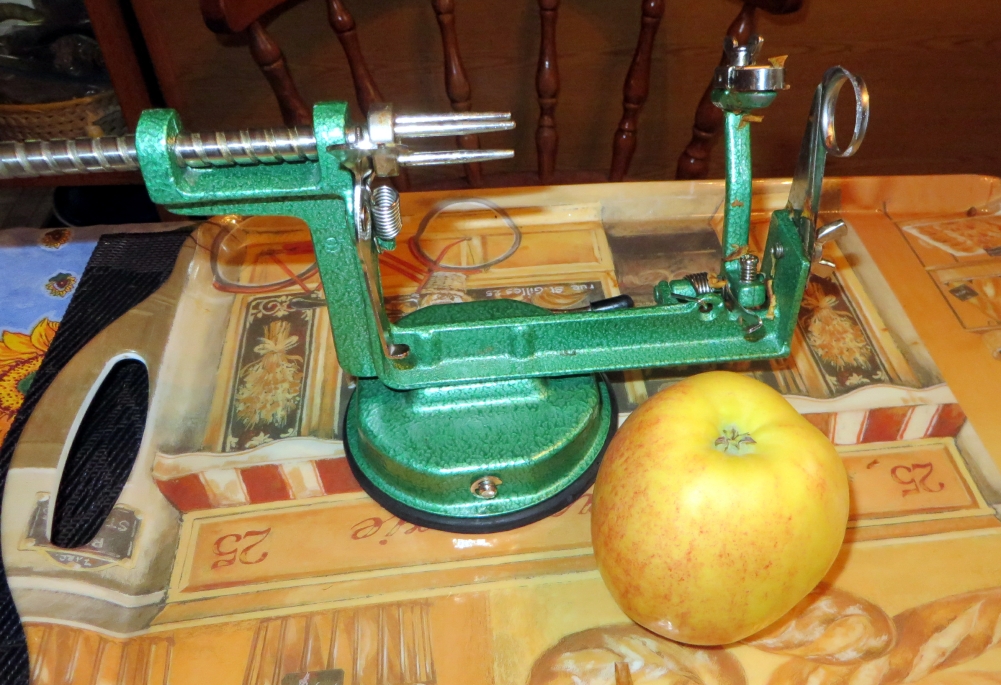
The apple sits firmly attached to the prongs. Now turn the crank.
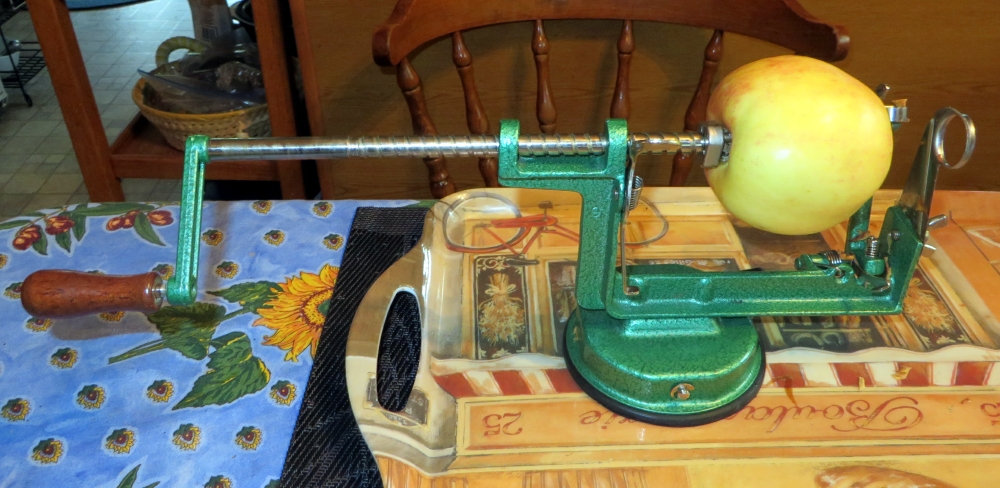
With just a few turns we are half way through the apple.
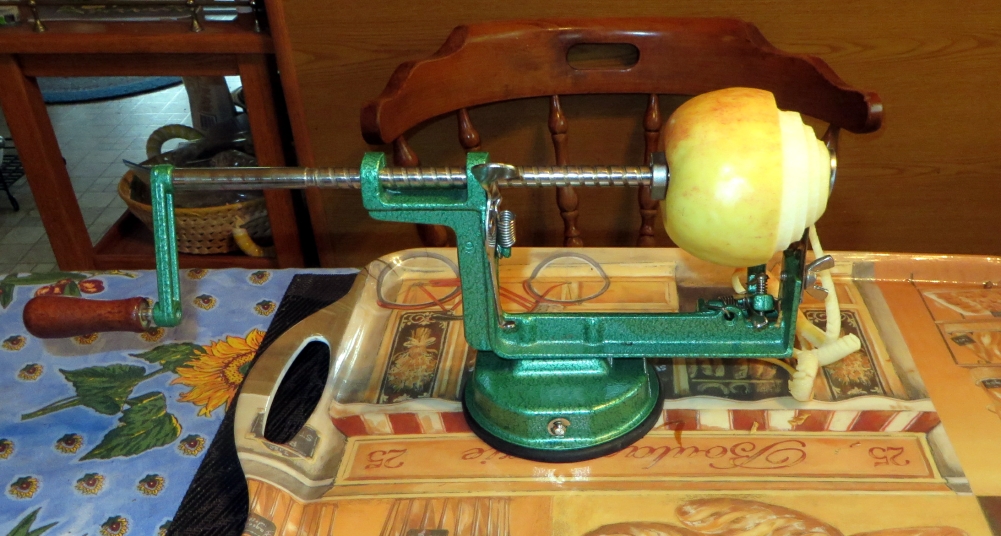
Now take the sliced and pealed apple off the prongs and …
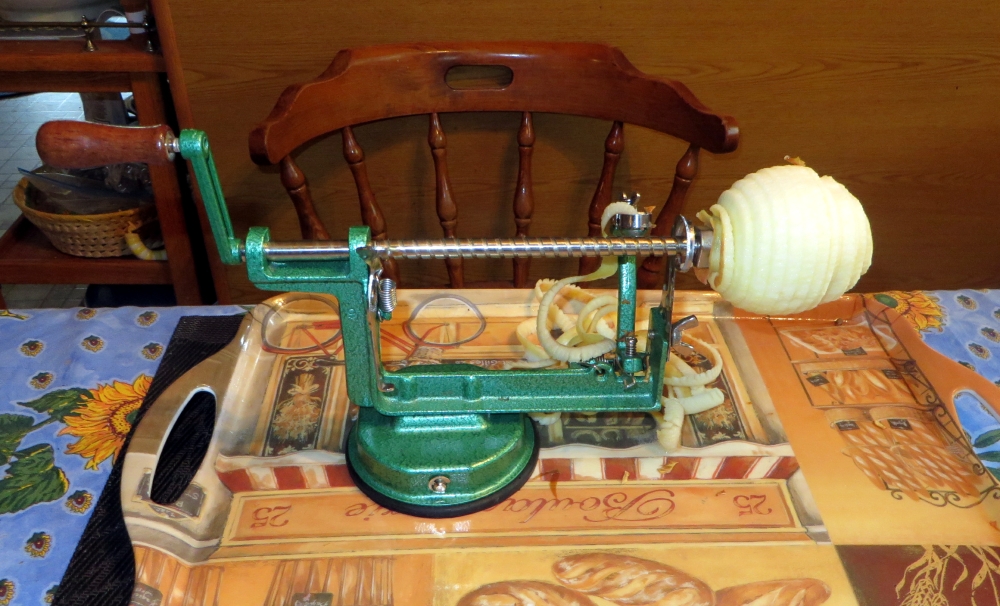
… gently place the apple rings on the tray. All four trays are now filled.
..
Then put the lid on the trays and set the correct temperature and duration.
Twelve apples or more fit into a small freezer bag. It is easy. Even children can do it.