The Klopp Grandparents VI

Friedrich Klopp and the Demise of the Rope Making Business

Part I – Chart I – I & II

Adapted from Eberhard Klopp’s Family Chronicle

On March 16, 1900 the eldest son Friedrich Klopp (1875 – 1946) married in Wolmirstedt the 20-year old seamstress Auguste Louise Weihe (1880 – 1924) from Zielitz. Two months after the wedding his father, Peter F. Klopp died.

4 Seilerei Klopp

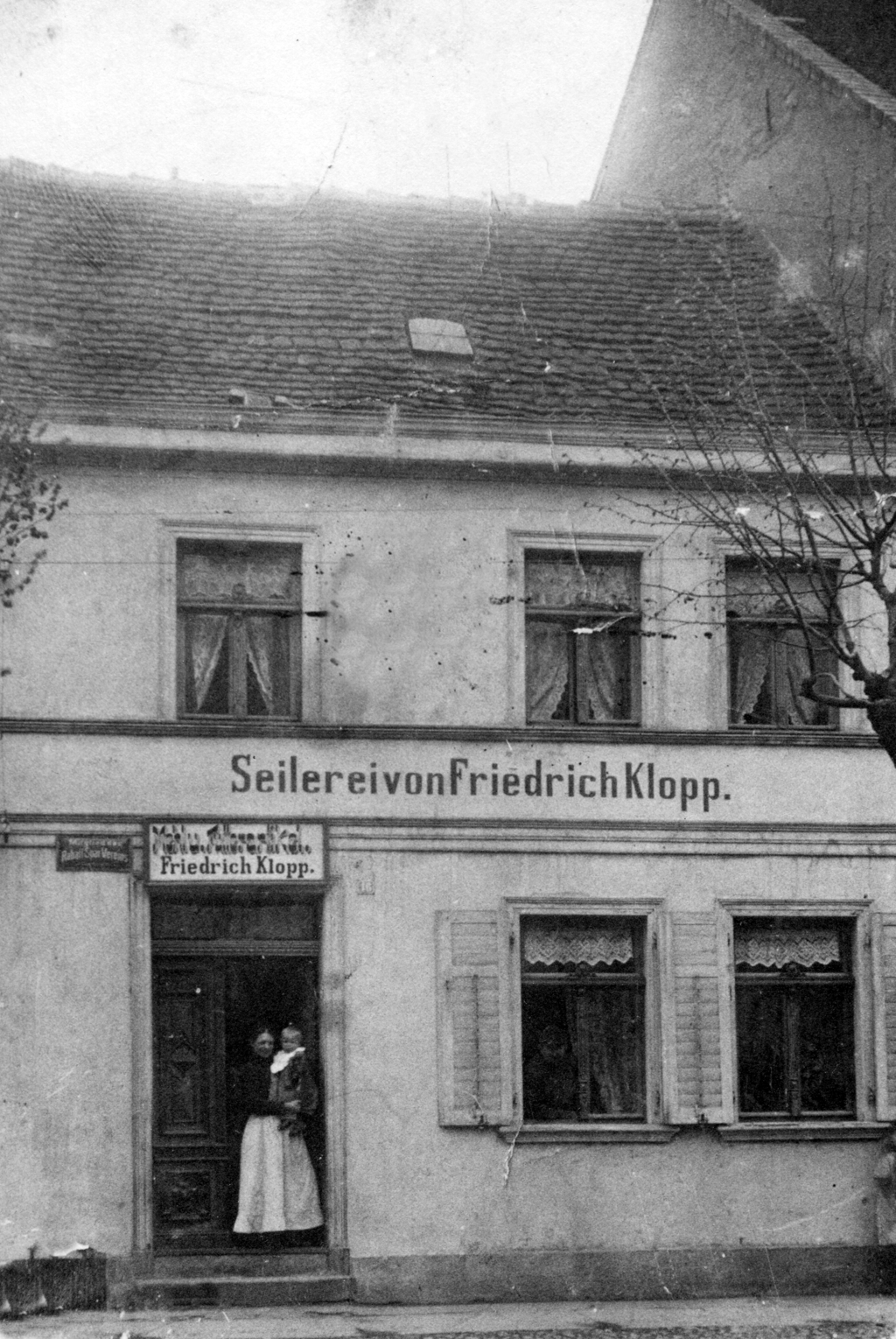
The house at Magdeburg Street 16 (today Friedenstr.), which his father had acquired around 1890 did not fulfill the hopes for a prosperous middle class existence of the two family branches. It appears that Friedrich  had already set up shop in this house in 1898 right after his military service. For his sister Meta Emma (1898 – 1984) was not born here, but in Jersleben. Already before the sale of the water-mill, Friedrich Klopp  had built in 1902 an addition to the backside of the house.

The new construction contained two floors. The kitchen and the living room plus two small bedrooms were located on the ground floor. A hallway and a stairway led to the upper floor with two more bedrooms and two additional rooms. The largest room was only 15 sq m in size. The new addition had a height of 5.6 m and a slanting roof. Seven or eight people could be accommodated here. The outhouse stood in the yard at the fence close to the neighbor’s garden.

Friedrich had intended the addition to be used by his mother Emma and her children, while he reserved the much larger house at the front for his rope manufacturing plant and his own small family of three. Looking at this rather unfair  living arrangement, we may see the root cause of the ensuing family feud. Being treated in such an undignified manner, Emma stayed at most 18 months with her eldest son in Wolmirstedt.

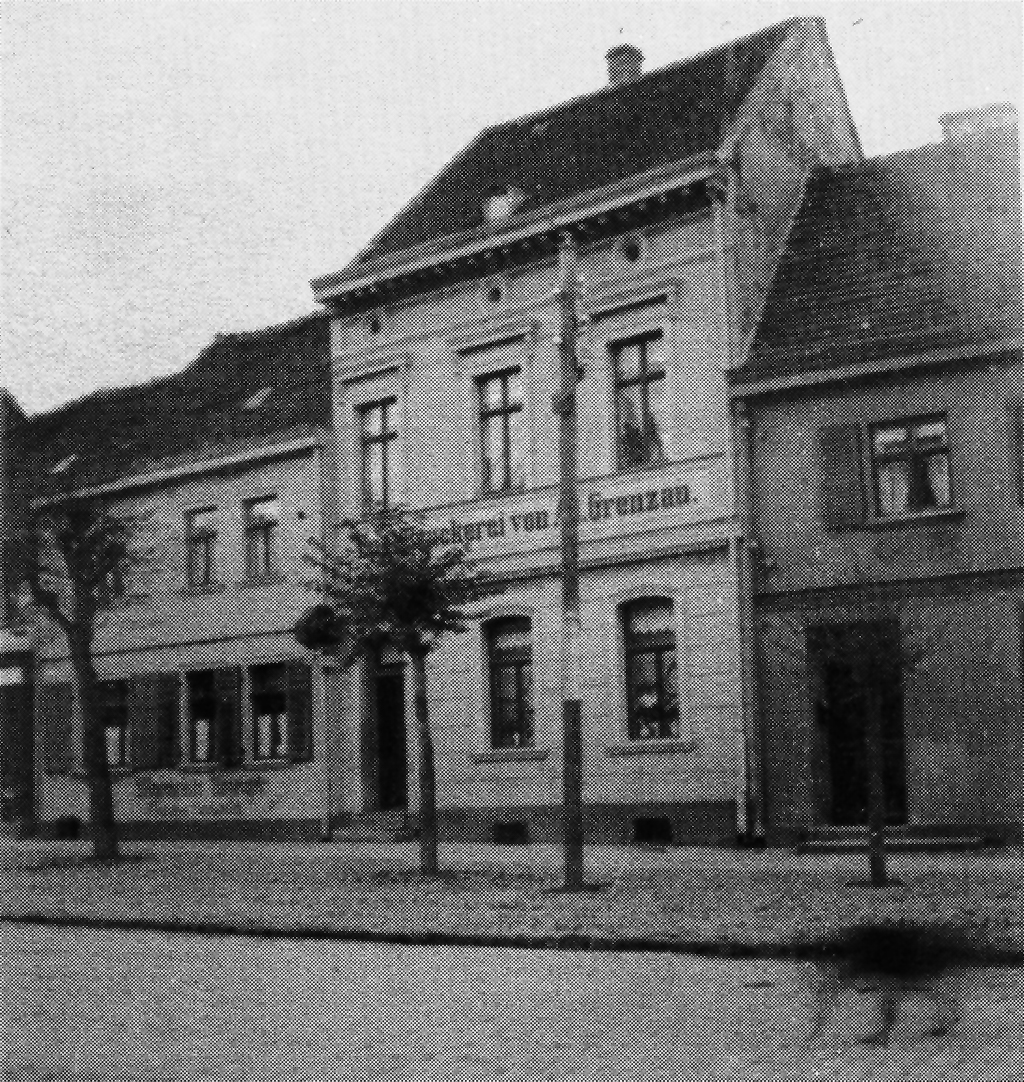
5 Druckerei Grenzau, links daneben Seilerei Klopp

Printing Business Grenzau to the left of the Klopp House in Wolmirstedt

When Friedrich and his pregnant wife took over the house in 1900 at the latest, mother Emma’s plans and her very basis for a comfortable existence within the family were severely shattered. The acquisition of the water-mill turned out for her to be merely an emergency solution, which was for a while financially sustainable. For Emma worrisome years followed. While Ferdinand, one of Friedrich’s younger brothers, was in the United States more or less successfully exploring efficient flour production methods, widow Emma suddenly saw herself confronted with unexpected hostilities.

To be continued …

Chapter VII – Part 2

Young Shoots of Norway Spruce - Photo Credit: Dendroica on Flickr

Young Shoots of Norway Spruce – Photo Credit: Dendroica on Flickr

Mother’s guiding principle was the proverb: Necessity is the mother of invention. She was very resourceful and creative, when it came to providing a little more variety and nutritional value to our meals. It was in the wonderful month of May, when life began to stir. Among the budding trees the most amazing ones to show off vigor and zest are the conifers. First they display tiny brown buds. Slowly they swell, and then their papery brown covering falls away in wind and rain. Mother still remembered some old time-honored recipes she must have learned at Grandmother’s home in Grünewald. She asked us to get out into the woods and gather these limey-colored buds with their tantalizing scent. I had no idea what Mother would do with them. I had seen stranger things than spruce and fir needles on the dinner table. However her plan was to make a simple syrup that we could put on bread and pancakes. We had lots of fun gathering the needles according Mother’s strict instructions: to harvest only the young and tender tips. Little did I know how Mother would turn the fresh needles into syrup. But I remember the fragrance permeating the entire house, while she made the honey-like syrup in the kitchen. So for the reader interested in trying out the recipe here is what I discovered online:

1 cup of spring fir, hemlock or spruce tips

1 cup of water

1 cup of sugar (demerara, turbinado, white sugar)

Place the tree tips in an 8-ounce glass container.  Cover with water, close lid and place in a warm place (preferably in the sun).  Strain and place the liquid in a small sauce pan.  Add sugar, turn on medium heat and stir constantly until the sugar is dissolved.  Place in a glass jar and keep refrigerated.  This syrup will last several weeks.  Demerara is a natural brown sugar and turbinado is raw sugar.  These both have a richer and more complex flavor but white sugar will work fine too.

Since there was no Kindergarten in the Rohrdorf Elementary School, my parents sent me to the one set up by the Catholic Church. There I felt very much at home. Friendly nuns would provide a happy mix of schooling and religious instruction. Playing with the local children of my own age, I quickly learned to converse perfectly in the southern dialect and soon became indistinguishable from the other boys and girls. The teachers within the context of play and learning introduced us to the creative world of music, poetry and drama.

I really liked to recite the poems at home with great enthusiasm, which was only dampened by the constant teasing of my older siblings. I remember distinctly a particularly colorful poem that described the reddening of the evening sky and compared it with flickering flames in a fireplace. My brothers delighted in my heart-felt protests, when they deliberately changed the lines of the poem I was reciting.

At Christmas time the Church planned a concert for the community. Of course, a Christmas concert to be complete must include a Nativity play. Having shown quite early an interest and talent in acting, I was very proud that I was selected for the role of Joseph in the Christmas pageant. What I owe the most to my early childhood education, is that under the nurturing direction of the nuns I developed a liking for singing. Music for me became a liberating force for the soul.

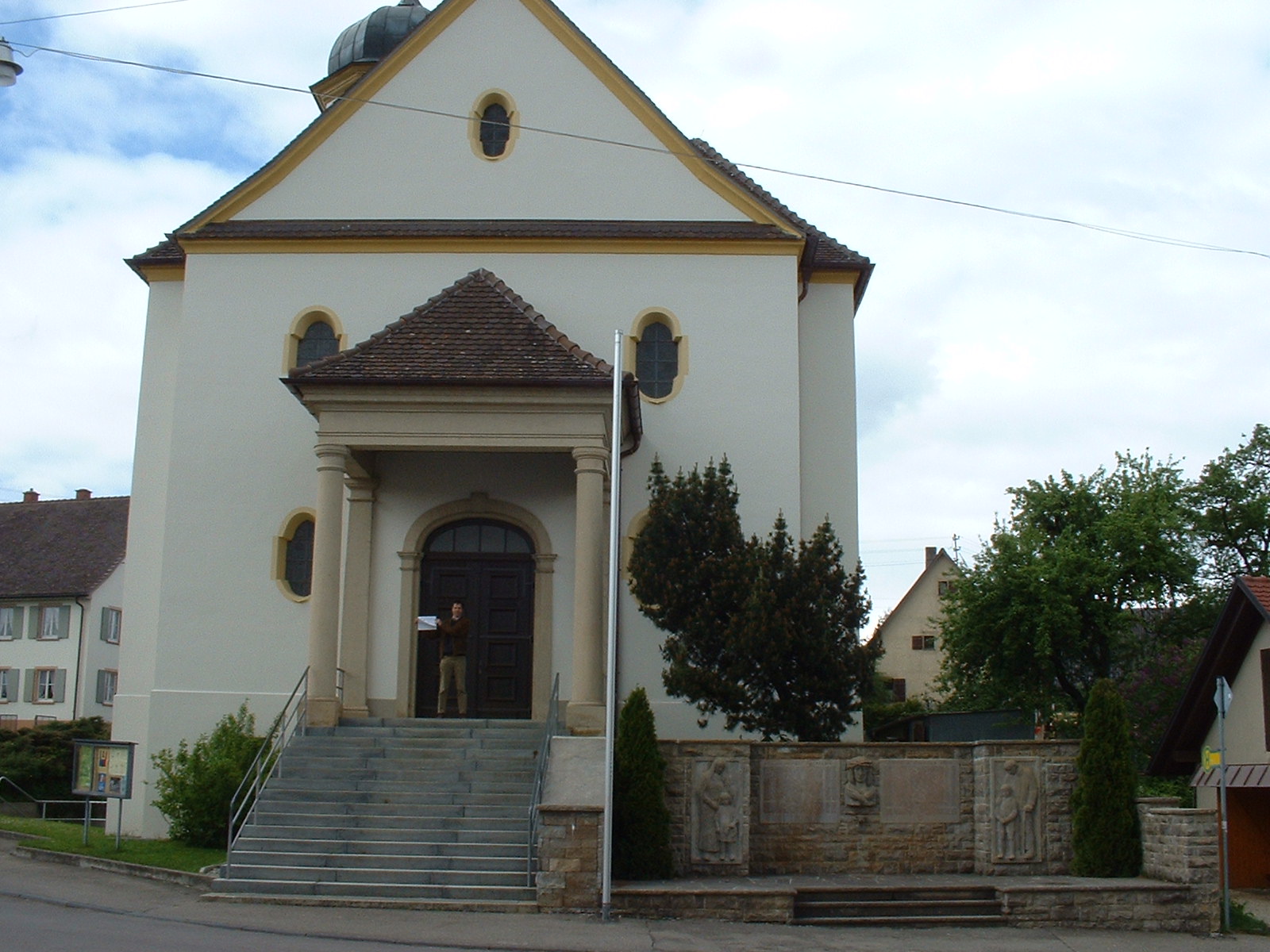
The Church in Rohrdorf in 2003 - Photo Credit: Stefan Klopp

The Church in Rohrdorf in 2003 – Photo Credit: Stefan Klopp

One dark and dreary evening I was all by myself. Nobody was at home. In those days there were no laws ensuring that children under the age of ten be attended at all times. The use of babysitters to protect such children from potential harm was virtually unknown. Mother had tucked me in and had said good night. Perhaps she waited a little longer at the door, until she thought that I had fallen asleep. But I hadn’t. When all was dead quiet in the house, the same feeling of abandonment overcame me just like the year before at the railway station. As twilight turned into complete darkness, I could only see what my fear-driven imagination would conjure up in my mind. A monster ready to devour me was lurking behind the closed door and a wolf with bared teeth sat somewhere in the shapeless room preparing to pounce on me at any moment. The fear of the unknown was growing more and more intense. I lay almost paralyzed in my bed hardly able to move. Suddenly a tiny light began to shine within my frightened inner being. It was very weak at first, then fed by happy memories at the Kindergarten class it became much brighter and started to dispel the terror of those awful beasts that my tormented imagination had engendered. Comforting words, lines, verses and finally entire songs emerged from deep inside me. They put my mind gradually at ease.  Picking up courage I sat up, opened my mouth and began to sing. I sang all the beautiful songs I had learned during the past couple of months. And the more I sang and the more I raised my voice, I knew that by doing so I chased away those scary creatures of my own making. Most of the songs were hymns steeped in the Roman Catholic faith intended to provide comfort and were composed especially for little children. The melody and the lyrics made me forget my anguish and created so much joy that I kept on singing, until my family returned from whatever social engagement they had attended to. They believed that I was a very happy boy that evening. Only I knew, how mistaken they were. I had fought a big battle that night and won in the end with the spiritual help of the comforting words and songs I had learned at Kindergarten.

To be continued …

The P. and G. Story – Chapter VII

Rohrdorf

The Poorhouse – Chart I – III


We are not rich by what we possess but by what we can do without.
Immanuel Kant
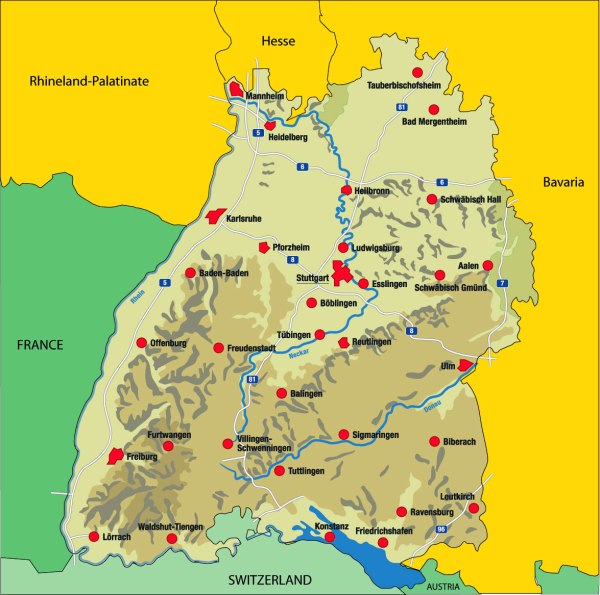
 

Map of Baden-Württemberg - Rohrdorf is located between the Danube and Lake Constance.

Baden-Württemberg – Rohrdorf is located between the Danube and Lake Constance.

          As the refugees began to move south from their camps to Baden-Württemberg, pressure was building on the local inhabitants to make room for their ‘brothers and sisters’ from the eastern provinces. Soon accommodation became very scarce. It consisted of space directly under the roof or some other primitive living quarters often without heat, electricity or water. Upon arrival in Rohrdorf, local officials assigned to our family one of these dingy places. I have no memory about my physical surroundings. But I had once a very vivid dream. In it I saw surrealistic images, in which space and its objects appeared grotesquely distorted. The assembly of the tableau consisted of bird-like creatures, men with birds’ heads strutting around with long beaks. There were strangely shaped sculptures, stone blocks with holes in them that looked like empty eye sockets. It seemed that the dream had broken all the laws of physics and all the rules of perspective in art in this contorted display of a chaotic world. When I woke up most likely from hunger pangs, I could not connect anything I saw in my dream to the real world around me. Could this have been an archetypical experience? Or did I sense as a child that the struggle for survival in a broken world was not over yet? It is impossible for me to tell. But the phantasmagoric imagery and the bewildering impact it exerted on me remained. Much later in life, when I was looking at abstract art, especially the sort that is known as surrealism, I encountered a few paintings that revealed an uncanny resemblance to my early childhood dream.
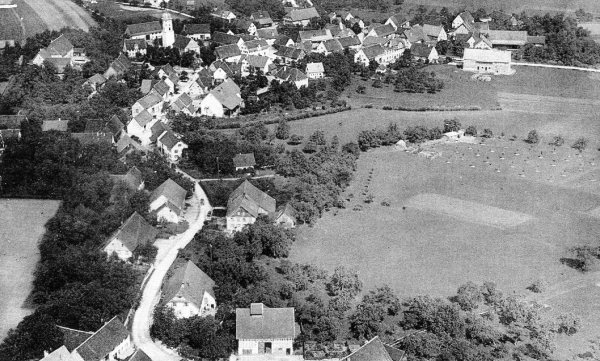
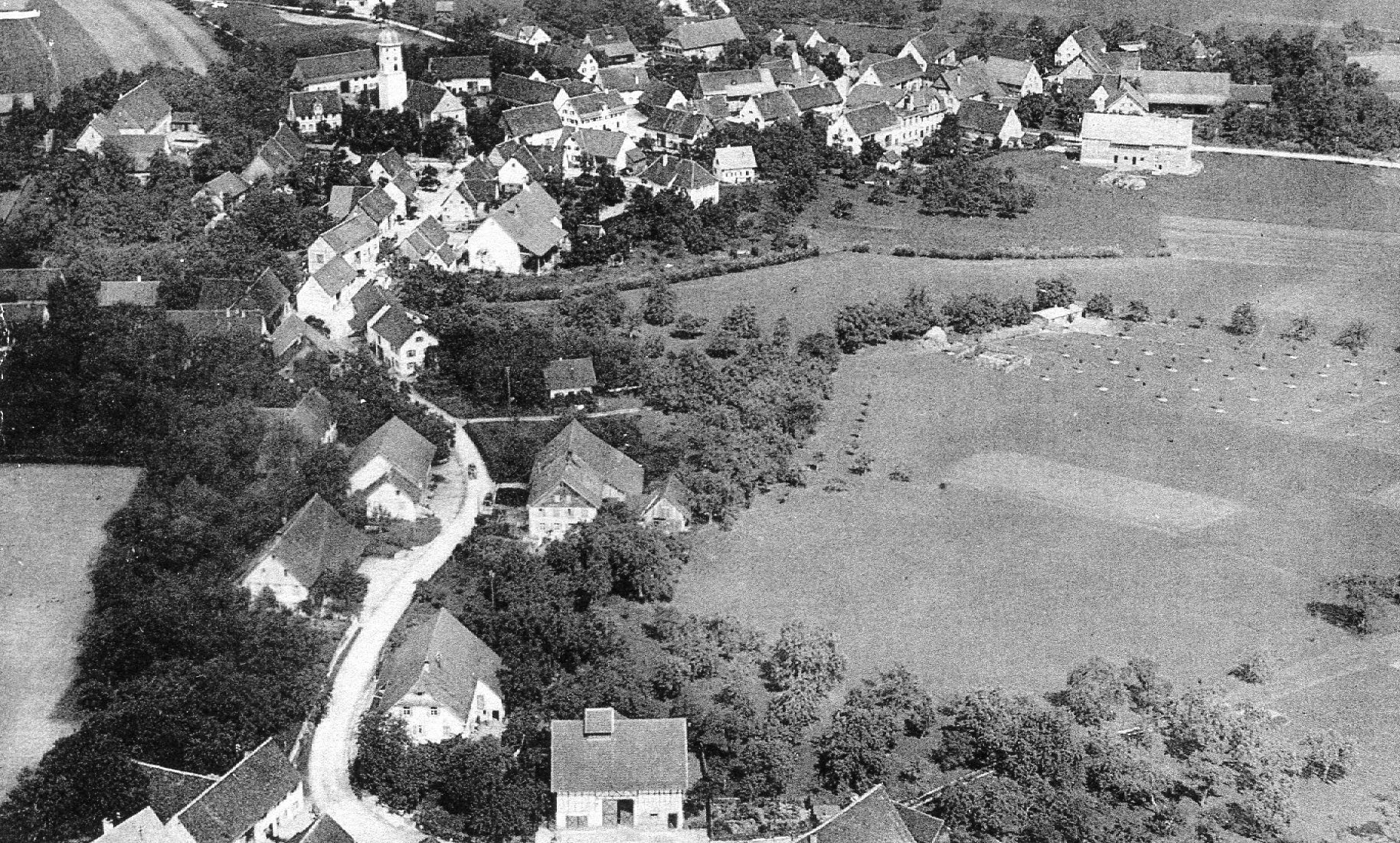
Rohrdorf near Messkirch

Rohrdorf near Messkirch

          Our next dwelling in Rohrdorf was located in the lower village not far from the intersection of two highways, one leading to Sigmaringen, the other one where our house was located to Castle Wildenstein. We lived on the second floor with access to the attic space. We called the place Armenhaus, ‘Poorhouse’, because in comparison with the stately mansion in Gutfelde it was a dark and uncomfortable place, too small for our seven family members. Downstairs on the ground floor lived the owner with his ailing mother and at least a dozen cats. He loved them dearly, but for the Klopp’s they were always slinking in and around the house and were occupying every nook and cranny as if they owned the place.

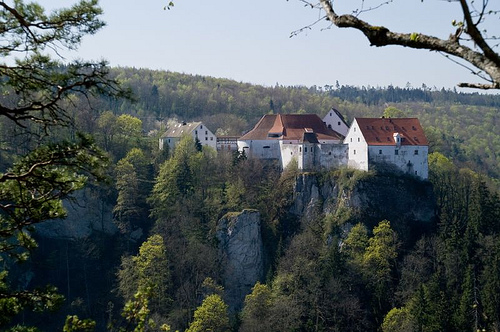
Castle Wildenstein - Photo Credit: Klaus Stückl on Flickr

Castle Wildenstein – Photo Credit: Klaus Stückl on Flickr

          The winter of 1947 was one of the severest in recent memory. All of Europe suffered under its icy grip. Even England, which usually enjoys a temperate climate, experienced extremely cold temperatures and massive snowfalls blanketing the entire country. Gigantic snowdrifts completely cut off Rohrdorf from the neighboring town of Meßkirch. Food had become so scarce at the Klopp family that we had to resort to begging. The local farmers, who had suffered the least during the war and had plenty of food on the table, were reluctant to help their fellow German citizens whom they considered with suspicion like intruders, almost like foreigners. True, we did not speak their southern dialect and belonged to the ‘wrong’ faith. Most of us were protestants, not Catholic. In short, we were outsiders, who did not belong. To avoid confrontations with the people in Rohrdorf and to protect the family from feelings of shame and disgrace, we often went begging in a neighboring village, where people would not recognize us. Being only five years old, always hungry and looking hungry, the family thought that I would be the best candidate to move hearts, especially those of kind-hearted women. One day I entered the yard of a farmhouse alone, while everyone else was hiding in the background. I walked up the steps. With some trepidation I knocked at the front door. Farmers had chased me away empty handed before. To add injury to insult, they had even hurled abusive language at me. After a long wait and repeated knocking, the door opened just a crack, and a gruff voice demanded to know, “Wa’ wit’?”, a hackneyed version of standard German, “Was willst du?”, meaning “What do you want?”

With all the strength at my disposal I replied, “ I’m sooooo hungry!” The man was just about to slam the door shut on me, when I heard the farmer’s wife ask, “Who is at the door?”

“Just a lousy refugee kid asking for grub!”

“Let him enter. I will take care of him.” Reluctantly he let me come in into the warm and cozy entrance hall and stepped aside, as his wife welcomed me with a motherly smile. She just took one glace at me and knew what my problem was. Before I could even say a second time, “I’m sooooo hungry!”, she rushed to the kitchen. I will never forget the moment when she placed a loaf of bread into my outstretched hands. But what is even more important than bread that is baked today and eaten tomorrow, is this kind of love, kindness and compassion that breaks down the walls of prejudice, bigotry and hatred, which people erect to protect their selfish comfort zone.

To be continued …
Günther Kegler, Chief of the Kegler-Clan (Part I)

Our Uncle and his Profile (1894 – 1986)

Charts II a & b – II

by Peter Klopp

In the first part of the report on my uncle’s life I will focus on the profile that he had written  about himself in his  Kegler Family Chronicle. In subsequent posts  I will publish a few of my own ‘memory fragments’. They will show how  the threads of our lives intersected on many occasions. Being together with him at his home in Watzenborn during my army years enhanced my sense of belonging to the Kegler-Klopp family. Uncle Günther definitely deserves the title ‘Chief of the Kegler Clan’, by which he was known among family members.

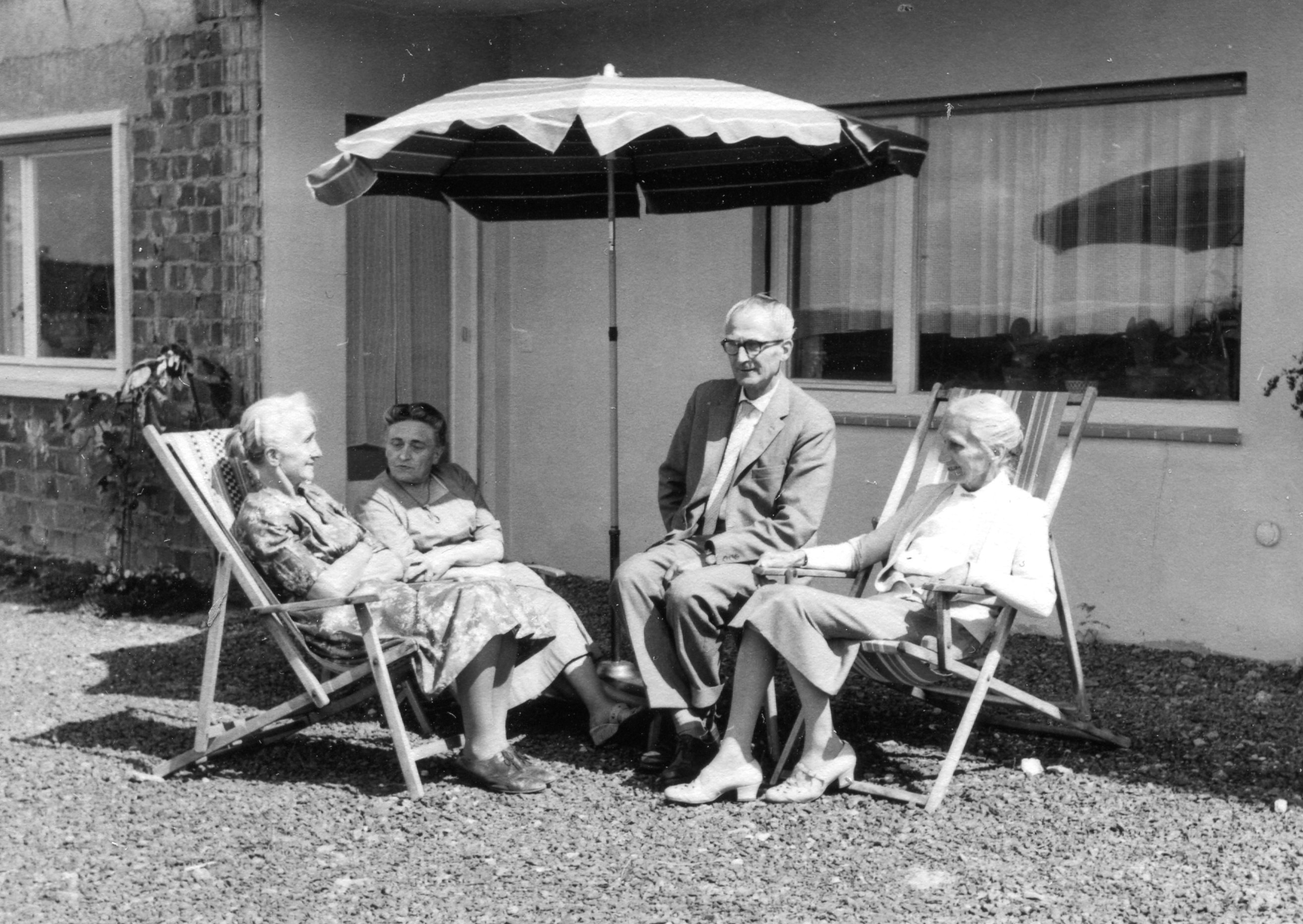
From left to right: Erika Klopp, Lucie, Günther and Marie Kegler

From left to right: Erika Klopp, Lucie, Günther and Marie Kegler

Günther was born October 1, 1894 in Grünewald, county of Neustettin (Szczecinek). He married Lucie Kegler (1898-1968) in Elsterberg on June 21, 1925. He attended the elementary school in his hometown from 1900 to 1906. Then for his high school education he joined the military academy first at Plön near the Baltic Sea from 1907 to 1912, then at Großlichter-Felde southwest of Berlin from 1912 to 1914. As cadet at the beginning of World War I he was assigned to Infantry Regiment 149 at Schneidemühl (now Pila, Poland ). From 1914 to 1917 he served with Infantry Regiment 14 (Graf Schwerin) at many battle fields in Western and Eastern Europe.

In January of 1915 he advanced to the rank of lieutenant  and in 1916 he became commander of a M.G.K. (machine gun company). As such he participated in various theaters of war, such as Flanders, Russia, Carpathian regions, Galicia, and back to the western front in France at Verdun, Aisne and Champagne.

In May of 1917 he was seriously wounded. Actually, according to a story not mentioned in his profile he was already in a military hearse among many dead soldiers, when fortunately someone discovered that he was still alive. After a long stay at a hospital he finally recovered from his wounds, but having lost a kidney he was no longer fit for continuing his military service.

To be continued …

The Life Lines of Bruno Kegler and Rolf Barge Intersect in 1940 (in German)

Die Lebenslinien von Bruno Kegler und Rolf Barge treffen sich 1940 im Schwarzwald

Von Dieter Barge (Chart II a – II & IV)

Seit ca. 2 Jahren beschäftige ich mich mit den Kriegsjahren meines Vaters im französischen Atlantikwall-Forum und dem deutschen Forum der Wehrmacht.
Dabei ist mir eine Parallele zwischen Bruno Kegler und meinem Vater Rolf Barge aufgefallen. Sie sind beide gemeinsam bei der deutschen Offensive am Oberrhein im Juni 1940 beteiligt gewesen !
Bruno Kegler war in der:
-6.Kompanie, (Kompaniechef Oberleutnant Nowak) im
-386.IR = Infanterieregiment der
-218.ID = Infanteriedivision.
Der Divisionskommandeur hieß Generalleutnant Woldemar Freiherr Grote.
Mein Vater gehörte zur 2.Batterie der schweren Artillerie-Abteilung 806.

Beide Einheiten gehörten zur 7. Armee unter Generaloberst Friedrich Dollmann.

Die 7.Armee griff einige Wochen nach Beginn des Frankreichfeldzuges (10. Mai bis 25. Juni 1940) im Rahmen der Operation “Kleiner Bär” die Maginotlinie an (Beginn am 15.6.1940).

Ich begann nun, mich mít dieser Zeit zu beschäftigen, dazu bestellte ich mir die Kriegstagebücher der 218. ID und nahm Kontakt mit Herrn Josef Göhri auf, der das Buch “Breisgauer Kriegstagebuch” geschrieben hat. Er hat als 10-jähriger Bube, wohnhaft in Bleichheim, das Geschehen sehr nah erlebt, Bleichheim liegt im Bleichtal, wo später Bruno hinkam, das Nachbardorf (2 km entfernt) ist Tutschfelden, wo das letzte Foto von Bruno Kegler aufgenommen wurde!, beide Orte gehören zu Herbolzheim.

  1. Zu meinem Vater Rolf

Mein Vater wurde am 21.6.1919 in Nordhausen geboren, er war vom 1.11.1938 bis zum 30.4.1939 beim sogenannten Reichsarbeitsdienst (RAD) in Buttlar/Rhön, am 1.9.1939 wurde er zur Artilleriekaserne Mühlhausen zum Wehrdienst einberufen.
Die genannten Orte gehören zu Thüringen, im Herzen von Deutschland. Davon die Bilder vom RAD, der Kaserne in Mühlhausen und von der Grundausbildung an der Flak 8,35 (t).

Im Januar 1940 wurde seine Einheit in den Schwarzwald verlegt, dazu Bilder von der Ankunft in Karlsruhe und dem ersten Unterbringungsort in Oberachern.

Während der folgenden Monate fand eine umfassende Ausbildung statt, dazu Bilder von Manövern und vom Schießplatz in Zeutern.


  1. Zu Bruno

Wie bereits geschrieben, machte Bruno zunächst den Polenfeldzug mit, die Einheit blieb danach noch in Polen stationiert und wurde später in den Raum Burg bei Magdeburg verlegt, dort waren traditionell schon immer Truppenübungsplätze, von unserer Zeit in Wolmirstedt kenne ich den Truppenübungsplatz Altengrabow, den es seit 1893 gibt, auch dort waren damals die Russen stationiert, jetzt ist es ein Übungsgelände der Bundeswehr.

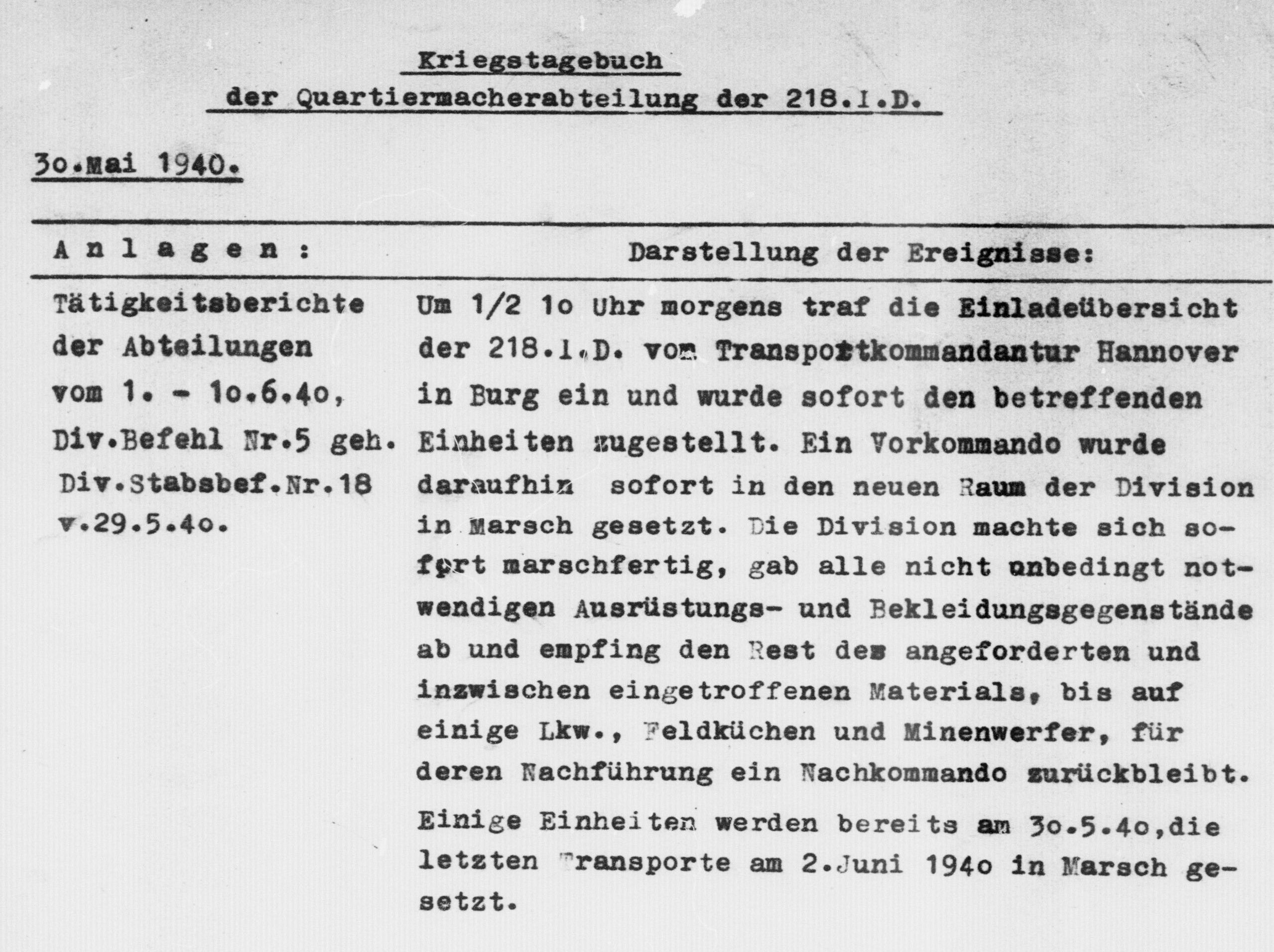
Ich habe in den Dokumenten der 218.ID folgendes Blatt gefunden:

15 Dokument zur Verlegung

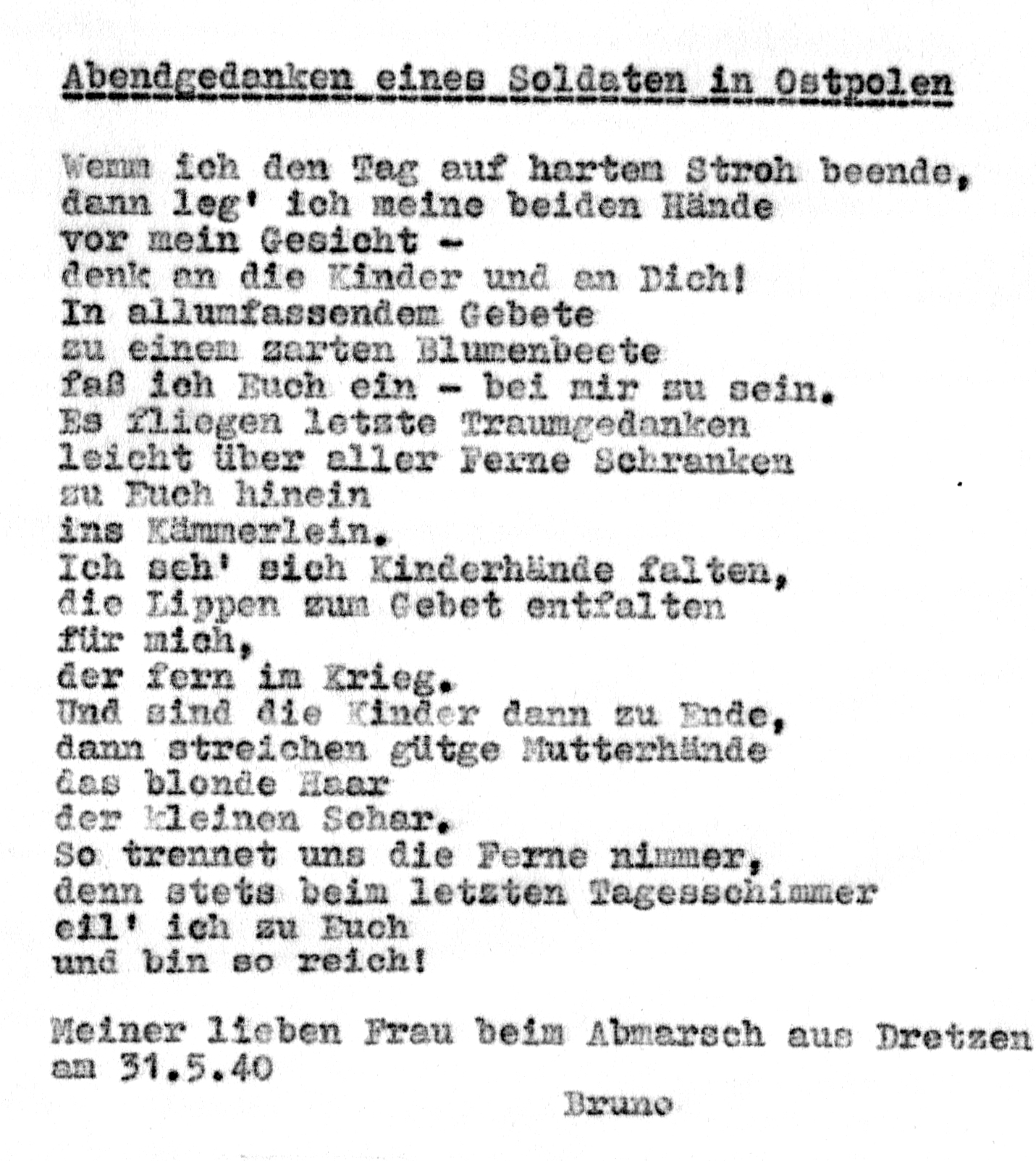
In Johannas Album für Elisabeth ist ein rührendes Gedicht von Bruno enthalten:

16 Gedicht Bruno

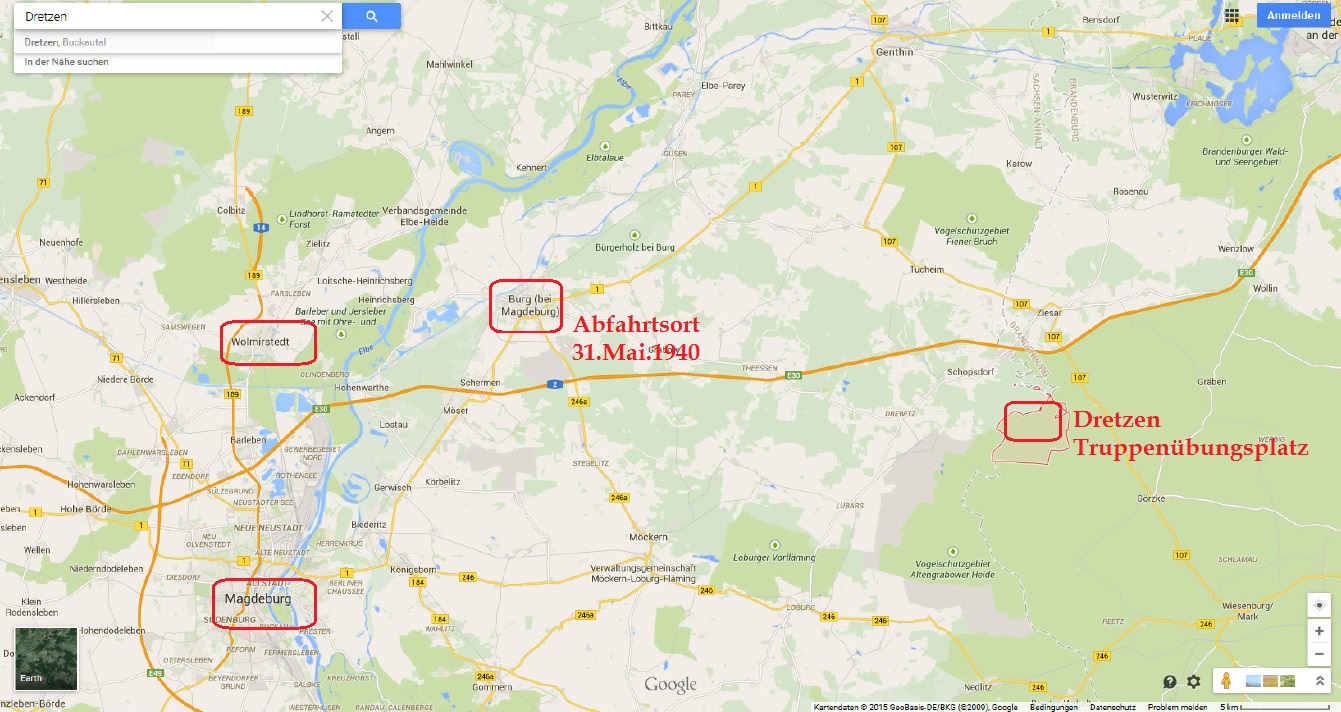
Dretzen liegt in dem beschriebenen Gebiet, hier eine Übersicht:

17 Dretzen

Brunos Einheit wurde am 31.5.1940 in den Schwarzwald verlegt!

Dazu mehr im nächsten Teil.

Memory Fragments – Part II

Kientzheim. Alsace, June 1940

by local resident Theresa Held-Schmitt

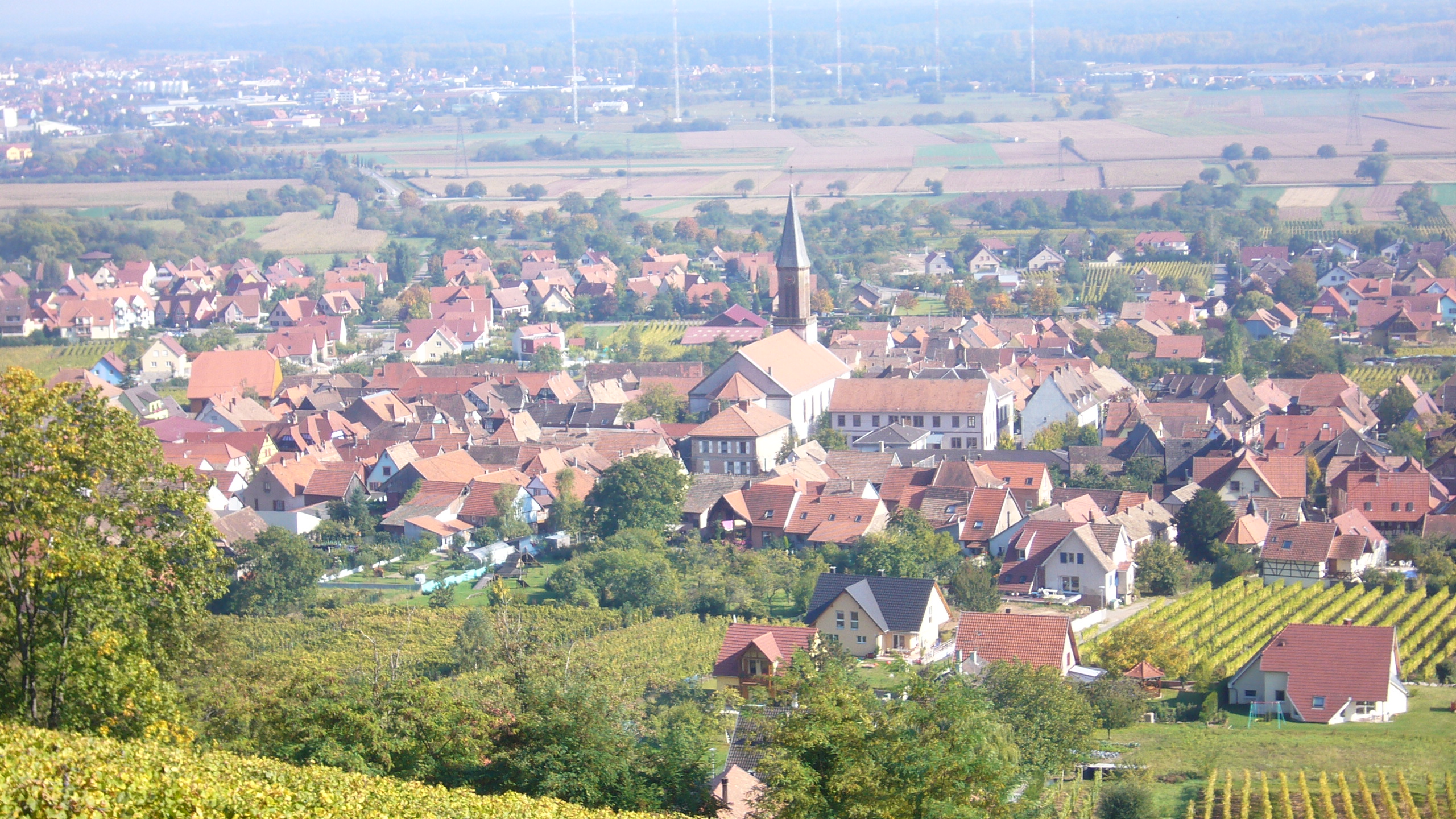
Kientzheim, Alsace, France - Photo Credit: Wikipedia.org

Kientzheim, Alsace, France – Photo Credit: Wikipedia.org

“I was 10 years old at the time. Germany’s attack on France lasted only a few weeks. France was ready to surrender. June 18, 1940 was a sunny day. A company of German infantry was approaching the village on bicycles. Although they could see no French soldier far and wide nor hear any shots, the commander, Sergeant Bruno Kegler, let his unit wait at the village outskirts and went alone into the village. He wanted to find out, whether the quiet scene was perhaps a trap. He stopped at our house, which was close to the graveyard wall, and asked, if he could have a look from the attic window. He wanted a better view onto the surrounding area. I was just a little girl and accompanied the German soldier to the attic. There he was attentively looking out of the window. I stood next to him. Suddenly a shot rang out. He touched his head and said, ‘I have been hit’. Then he collapsed onto the floor. When my mother alarmed by my screaming entered the attic, Bruno Kegler was already dead.

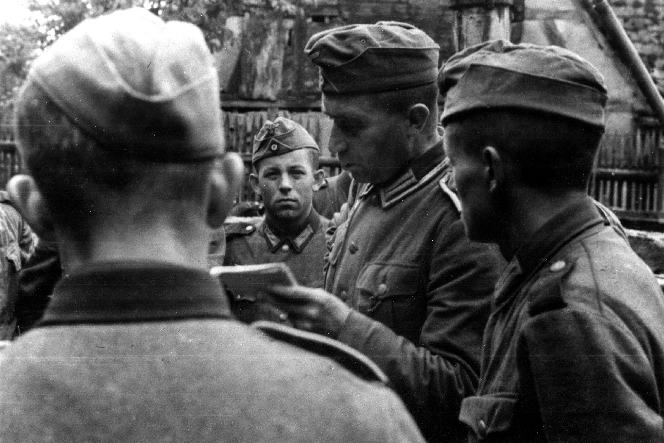
Bruno Kegler Giving Instructions to his Troop

Bruno Kegler Giving Instructions to his Troop the Day before he Died

He was the only dead German soldier at the invasion of our region and all the inhabitants of Kientzheim were of the same opinion. An overly zealous German soldier mistook him for an enemy and shot one of his own troops (in modern terminology he was killed by ‘friendly fire’).”

Jürgen Kegler continues, “When I returned home from my bicycle tour, I reported what I had experienced. My uncles reproached me for not letting my mother in the belief that my father had died for ‘Führer, country and his people’, as it was written in the letter from the regiment’s commander. But she took the news in stride. She even was thankful for it. she knew that the notifications were all worded the same way, and that the circumstances of death were, however, always different.

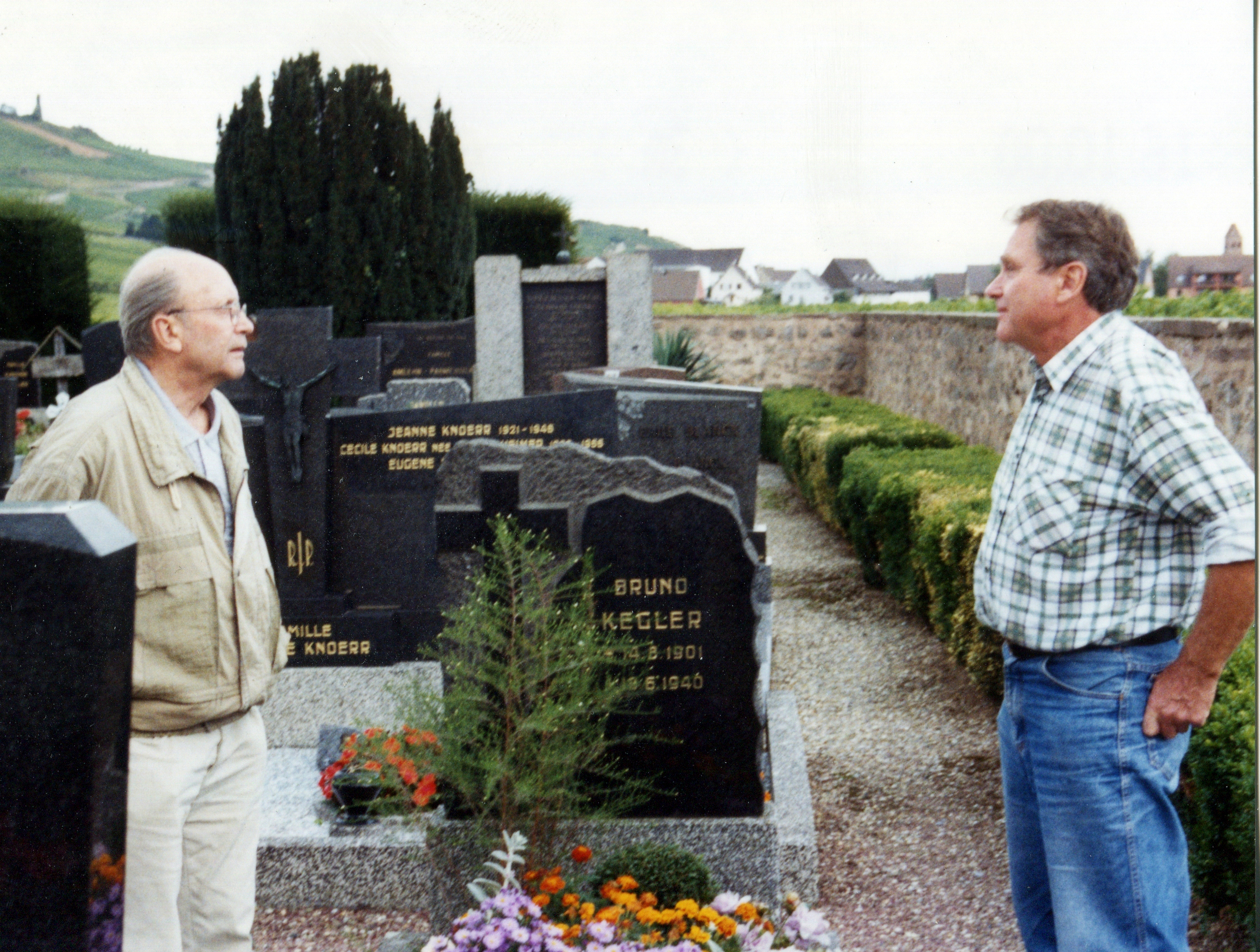
The two Sons Hartmut and Jürgen Kegler Visiting his Grave

The two Sons Hartmut and Jürgen Kegler Visiting his Grave

I was thinking by myself how his early death had perhaps saved him from greater trouble in the war. There was also the possibility that out of disappointment with the system he may have sought contact  with the Resistance Movement against Hitler’s regime and could have ended up in the torture chambers of the Gestapo. Is it not true that disillusioned idealists most often have to face the most radical consequences?”