Memory Fragments

Tribute to our Father and Grandfather Bruno Kegler

by Jürgen Kegler and Anke Schubert – Chart II a – II & III

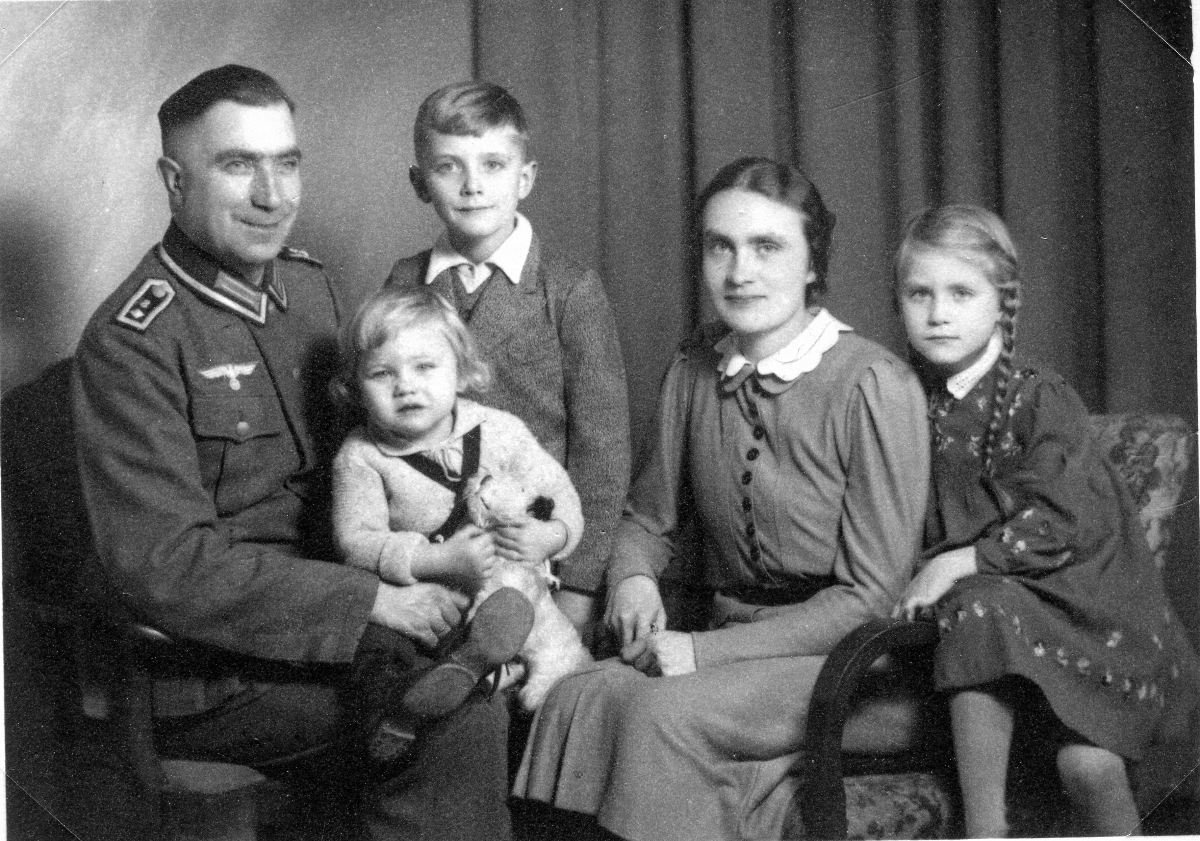
Bruno Kegler with his Family 1940

Bruno Kegler with his Family 1940

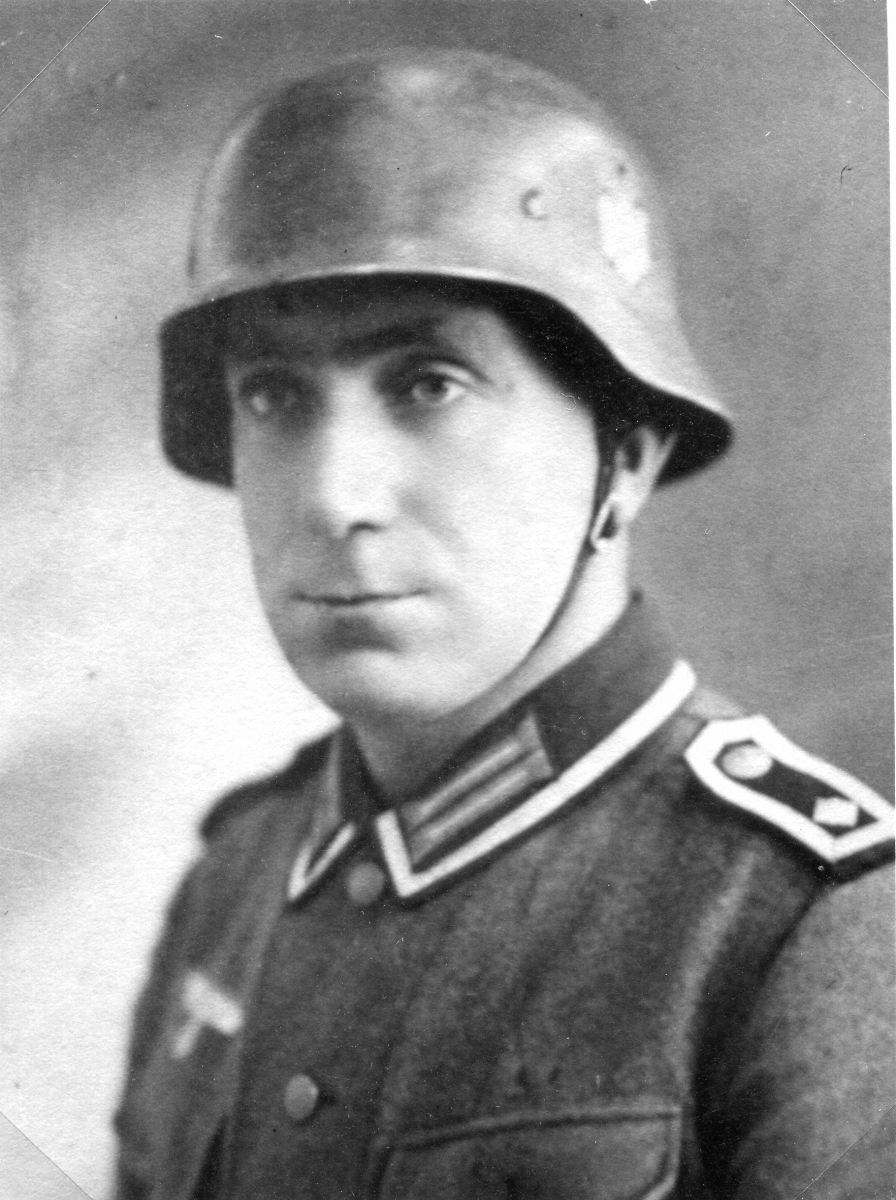
When the war broke out in September 1939, Bruno considered it his duty to participate in Germany’s struggle to shape her destiny. He enlisted in the army. At that time he was an enthusiastic supporter of National Socialism and proud to be a member of the Party with a fairly low membership number. He took part in the campaign against Poland. However, upon his return he was totally depressed and disgusted about what he had experienced.  He said to his wife Johanna that the Party was nothing but a criminal bunch of rabble (Sauhaufen). With his illusions about a better world destroyed, he had to go back to the front lines.

Bruno Kegler

Bruno Kegler

To describe what happened next, it is best to let his youngest son Jürgen Kegler continue. In 1956 he made a bicycle tour with a friend through Western Europe . Their goal was to explore Belgium, Holland, Great Britain and France. He wrote:

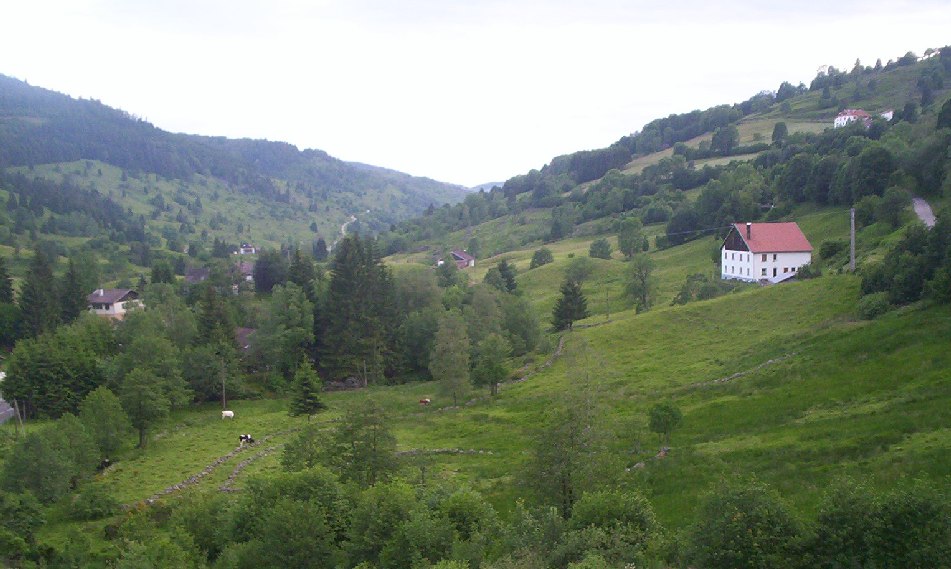
Vosges Mountains - Photo Credit: Wikipedia.org

Vosges Mountains – Photo Credit: Wikipedia.org

“The journey back home went over Paris in the direction of the Vosges Mountains. By the way, we slept in the open air, ate little,  and experienced much. On a map I discovered the little village of Kientzheim. I wondered if it was possible to locate my father’s grave site. I found it marked by a simple wooden cross and a tin tag, which every soldier had to wear on his body. It was a strange feeling to read my father’s name in an unfamiliar region of a foreign country . It was like something very much alive rising from the ground, quite a mystifying feeling. While I was squatting down at the grave site, a woman approached me and asked if I was a relative of the German soldier. When I had introduced myself as the youngest son of Bruno Kegler, she began to tell me the following story.

To be continued on the next post …

A Walk Through Wolmirstedt, Where Ernst Klopp Was Born (Written in German)

Bericht über Wolmirstedt und die Klopp’s

von Dieter Barge – Chart II a – IV

Also Chart I – I & II

Als ich in Peter’s Bericht über die Klopp’s das Bild der Seilerei Friedrich Klopp in Wolmirstedt gesehen habe, interessierte mich sehr, wo das wohl war.
Edda und ich lebten doch selbst von 1980 bis 1990 dort.
Ich hatte ein Buch von Otto Zeitke und habe mir noch 2 weitere Bücher antiquarisch besorgt, diese hat Otto Zeitke gemeinsam mit Erhard Jahn geschrieben. Die Beiden haben sich als Heimatforscher sehr verdient gemacht, Otto Zeitke ist 1924 geboren und versteht es gut, die Berichte der älteren Leute interessant wiederzugeben. Erhard Jahn ist um einiges jünger und hat in Wolmirstedt ein Ingenieurbüro für Architektur.

Im ersten Buch “Das alte Wolmirstedt” fand ich dann vermeintlich die Seilerei Klopp !
Um sicherzugehen, habe ich bei Erhard Jahn angerufen, habe ihn nach Klopp’s gefragt und da kam sofort die Frage zur Seilerei Klopp zurück. Ich habe ihm einiges erzählt und ihn gebeten, mal das Bild in einer Mail zu betrachten und meine Vermutung zu bestätigen.
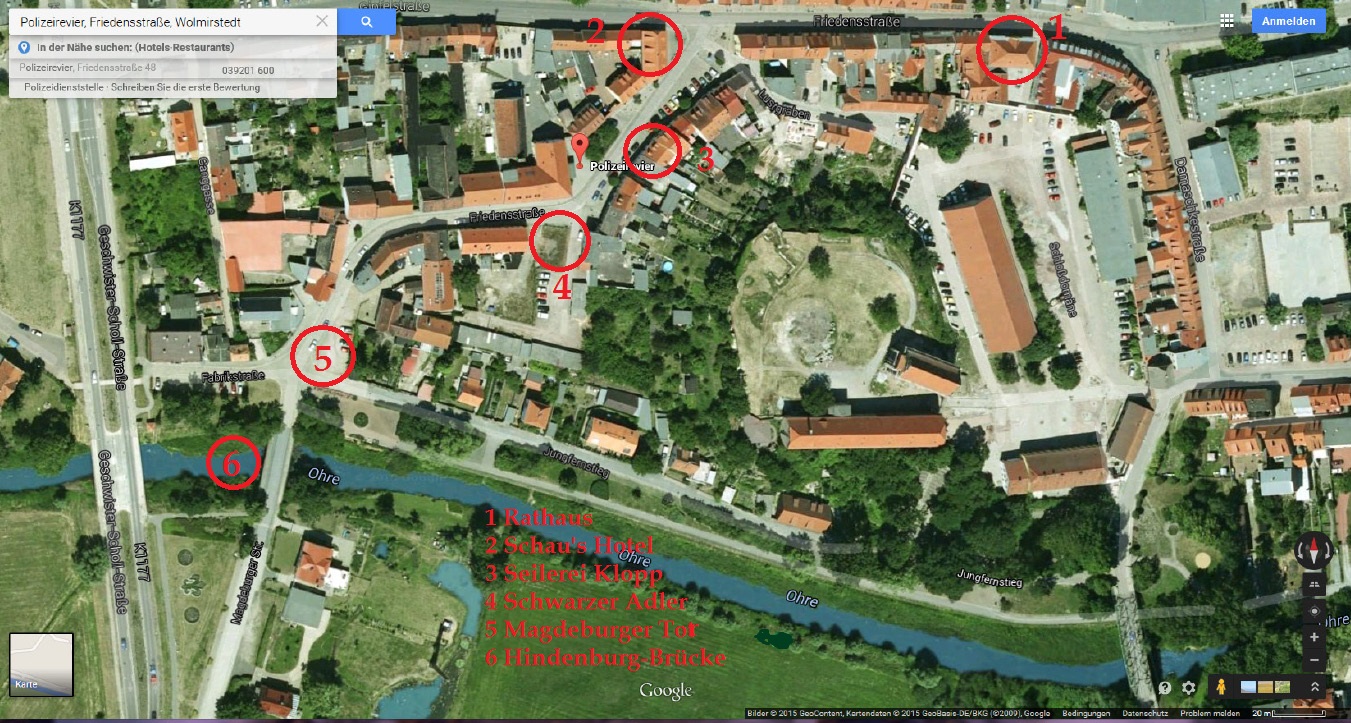
Das hat er auch getan und mir bestätigt, daß das Gebäude links neben der Druckerei Grenzau die alte Seilerei Klopp ist. Beide Gebäude befinden sich in der Friedensstraße, das ist der neue Name für den nördlichen Teil der ehemaligen Magdeburger Straße Er kannte auch das Bild von der Seilerei schon. Daneben ein aktuelles Bild von Herrn Jahn mit dem ehemaligen Seilereigebäude in der Mitte.

Ich stelle hier ein Google-Earth-Bild mit der Friedensstraße ein:
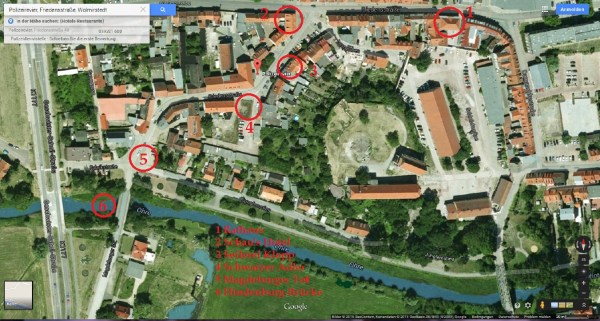
7 Bild Google-Earth

Herr Jahn hat mir auch erlaubt, Bilder aus den Büchern im Blog zu benutzen und erzählte, dass Anfang der 90-er Jahre ein etwa 60-jähriger Klopp bei ihm in Wolmirstedt war, nach Durchsicht seiner Aufzeichnungen fand er heraus, dass dies Eberhard Klopp war, also der Klopp, der das Buch:

“Ein Brief an die Nachfahren der Familie Klopp aus Altendorf/Brome und Wolmirstedt”
Teil 1   400 Lebensläufe zwischen 1590 und 1990
1997 Verlag Trier

geschrieben hat. Herr Jahn stand mit Eberhard Klopp an der Hindenburg- bzw. Magdeburger Brücke und dieser hat mit der Hand auf die Stelle gezeigt, wo von 1900-1912 die “Seilerbahn” der Klopp’s war. Inzwischen weiß ich, daß Eberhard der Großcousin von Peter Klopp ist.

Aus den 3 Büchern habe ich einen kleinen Abriß zur Geschichte von Wolmirstedt gemacht:

——————————————————————————————–
Das kleine Städtchen Wolmirstedt, 14 km nördlich von Magdeburg gelegen, wurde erstmals 1009 urkundlich erwähnt.
Wahrscheinlich während der Völkerwanderung bildete sich eine geschlossene Siedlung, die “Walmerstidi” genannt wurde, diese befand sich am Zusammenfluss von Ohre und Elbe und bildete unter “Karl dem Großen” einen östlichen Grenzort des großen Frankenreiches.
Am Ende des 13.Jahrhunderts änderte die Elbe ihren Lauf in Richtung Osten, heute mündet die Ohre bei Rogätz in die Elbe.
Im 30-jährigen Krieg wurde Wolmirstedt 1642 völlig zerstört, 1642 fand eine öffentliche Hexenverbrennung statt!
Einen Aufschwung gab es für den Ort nach der Besetzung 1807 durch die Truppen von Napoleon. Die Leibeigenschaft wurde abgeschafft, es gab mehr Freiheiten für Handel und Gewerbe und weniger Privilegien für den Adel!
1890 hatte Wolmirstedt 3868 Einwohner, nicht mitgezählt wurden die 50 Beschäftigten auf dem Junkerhof.
Die Magdeburger Straße, dort wo sich die Seilerei Friedrich Klopp befand, wurde 1365 noch als “Steinweg” benannt, sie war eine wichtige Durchgangsstraße von Magdeburg nach Norden. Die Passage über die Magdeburger Brücke der Ohre muss “sehr riskant” gewesen sein. Ein Fuhrwerk benötigte damals einen ganzen Tag, um nach Magdeburg und zurückzukommen.
1667 wurde die Torakzise (Wegezoll) eingeführt, das “Magdeburger Tor” wurde errichtet, 1812 wurde die Torakzise abgeschafft.
In der Straße siedelten sich Kaufleute, Handwerker, Fabrikanten, Handwerksmeister, ein Apotheker, ein Schmied und ein Kantor an. Die Straße war “420 Schritte” lang und endete am alten Rathaus, einem Renaissance-Bau.
1925 lebten 170 Familien in der Straße.
Die “Magdeburger Brücke” hieß zeitweise “Hindenburgbrücke”.
Markante Gebäude waren das Polizeiamt, die Buchdruckerei Grenzau, die den “Allgemeinen Anzeiger” herausgab (daneben die Seilerei Klopp), “Schau’s Hotel”, die Gaststätte “Schwarzer Adler” (1971 abgerissen), die Alte Schmiede, das Fachwerkhaus des Schlossermeisters Jänicke, die “Wildemanns Gaststätte und Pension”.
Einer von Wolmirstedt’s Originalen war der Wirt des “Schwarzen Adler’s, Kurt Güssefeld.
————————————————————————————————
Der heute über 90 Jahre alte Otto Zeitke ist ein toller Erzähler vom alten Wolmirstedt und seinen Bewohnern, da gibt es viele interessante Dinge zu lesen:

-Er berichtet, dass der Wirt einmal plötzlich sagte “Das kann’s doch nicht geben, wie der Schinder die Braunen hetzt”, dann lief er zum Fenster, sah auf die Straße, , schüttelte den Kopf und brummte unverständliche Flüche gegen den
Kutscher”.
-Auf dem Hof des Rathauses gab es den Karzer, das Gefängnis. Die Frau vom Polizisten Meier betreute und versorgte die Knastbrüder, der Volksmund sagte zu den Insassen, sie sind im “Cafe Meier”.

Ich habe mit Otto Zeitke lange nett telefoniert, er wirkt noch sehr jugendlich und berichtete mir, dass er die Kanuten in Wolmirstedt organisierte, er ist auch der Meinung, dass die Seilerbahn der Klopp’s am Ufer der Ohre gelegen haben muss.

Am 11.3.2015 war ich mit Edda in Wolmirstedt, wir haben die Friedensstraße von der Ohrebrücke bis zum alten Rathaus abgewandert und Fotos gemacht.

Ich stelle nun einige der Bilder neben den alten Aufnahmen aus den genannten Büchern ein. Den Anfang macht das Bild von Eberhard Klopp, das mir Herr Jahn freundlicherweise auch geschickt hat. Ich habe rot eingezeichnet, wo sich vermutlich die Seilbahn Klopp befand.

Vom ehemaligen Magdeburger Tor ging es dann aufwärts nach Wolmirstedt hinein.

Der nächste Abschnitt beginnt mit der Ecke “Schwarzen Adler”, führt am Haus der Seilerei Klopp und dem Polizeigebäude vorbei bis zum ehemaligen “Schau’s Hotel”.

Nun geht es im nördlichen Teil der Straße bis zum alten Rathaus.

Zum Schluß noch 4 sehr schöne alte Fotos aus dem alten Wolmirstedt.
The P. and G. Klopp Story

Conclusion of Chapter 6

Chart I – III

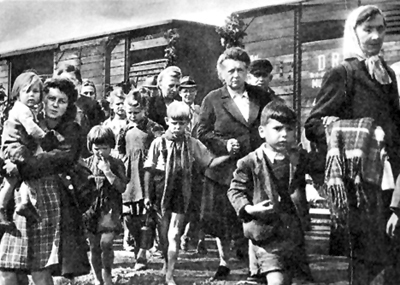
My very first memory goes back to the tumultuous time, when Mother, my brother Gerhard (Gerry) and I were on a train crammed with refugees. I do not remember any specific details, such as the name of the railroad station, where we must have stopped, the town, the time of the day, etc. What I do remember is that I was standing at the edge of the platform with hundreds of people frantically milling about. I do not know why I was standing there in a strange, noisy station surrounded by strange, noisy people. Then quite unexpectedly the train began to move ever so slowly at first. Panic-stricken I looked around and searched in vain for Mother. In agony I cried out for her. While the train on its way out of the station was gradually picking up speed, the fear of being left behind, the feeling of complete, utter abandonment struck me like a ton of bricks. Suddenly I felt being lifted up from behind and passed through the open compartment window into my mother’s arms. This traumatic event left such a vivid impression on me that even though it was devoid of concrete details the inner experience was so real that I have not forgotten it to this very day.
Expulsion from the Eastern Provinces - Photo Credit: Wikipedia.org

Expulsion from the Eastern Provinces – Photo Credit: Wikipedia.org

We arrived in Schleswig-Holstein at one of the many refugee camps set up for the thousands of displaced people from the eastern provinces. But it was only a temporary stay. The authorities urged the newcomers after they had recovered a little from the ordeals of their long journey, to move on to areas in Southern Germany, which had been less affected by the destruction and would more readily have accommodation available for us. So Mother, Gerhard and I travelled into the French-occupied zone to Freiburg, where my father’s sister, Aunt Meta, lived with her husband Professor Vincent Mülbert. On a stopover in Offenbach, Baden-Würthenberg, Mother made arrangements for me to be baptized. I often pondered later in my adult life on the reasons why it had taken more than four years to receive my baptism, one of the essential sacraments in a Christian’s life. I see an important lesson for all of us, who have grown up in the rapidly changing era of modern Western civilization with its great emphasis on materialism. The root of evil is not money itself, but, as the Bible states so clearly, it is the love of money. It is the desire to find happiness in the acquisition of material things. Looking back at Gutfelde with this critical perspective in mind, I cannot help but observe a drifting from the true faith, in which Mother had been nurtured in her father’s home, to a faith-like trust in the security offered by material possessions. We lived in a mansion that did not belong to us. Father was a good administrator of the lands and fields of dispossessed Polish farmers. Yes, he was kind and helpful to all the people working under his authority. But it does not detract from the rightful charge that the farmland was worked in a system that heavily relied on a master-servant relationship in order to make it work. With the collapse of the Third Reich that was supposed to last a thousand years and the loss of our beloved Gutfelde came the sober realization that their little ‘paradise’ in the east had been nothing but a pipe-dream, a house not built on rock, but on the shifting sands of man’s earthly aspirations.

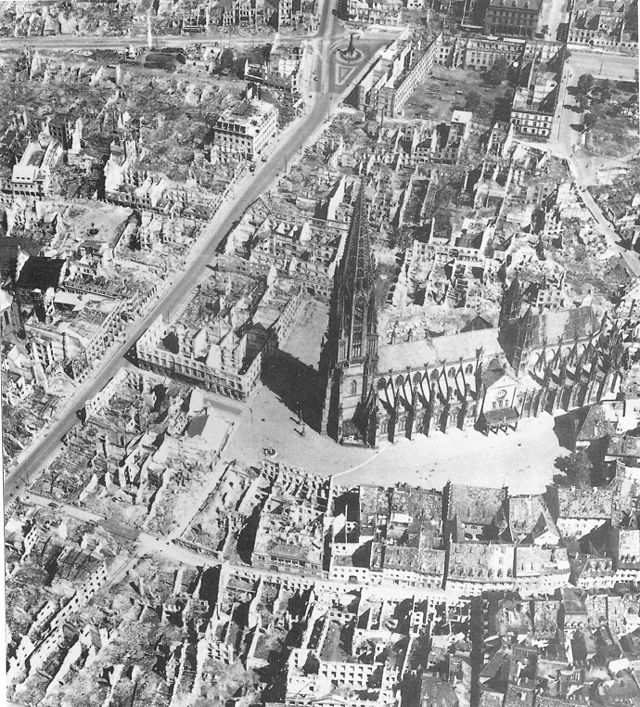
Freiburg City Center 1944 - Photo Credit: City Archive

Freiburg City Center 1944 – Photo Credit: City Archive

We received a warm reception at my aunt’s place in Freiburg, a city with a population of over 100,000 inhabitants before the war. By the end of the Second World War 80% of the city lay in ruins. An air raid as late as November 27th, 1944 made 9,000 out of 30,000 apartments uninhabitable, killed 2,000 people and all that was left of the city center was the cathedral. The Münster of Freiburg was built across a span of several centuries and exhibited a range of architecture from late Romanesque to Late Gothic and even a tad of Rococo. Its single tower with a lacy spire was the first of its kind. The building remained mostly unchanged since its completion in 1513. Miraculously, unlike so many great cathedrals and churches in Germany, it was not entirely destroyed during the severe Allied bombing of Freiburg and its ensuing firestorm, although the whole area around it was reduced to rubble. The city fathers had expected an aerial attack, even though strictly speaking Freiburg was a non-industrial town and practically useless as a military target. So they put their heads together to find a way to save the cathedral from destruction. My aunt told me when I came to visit her later as a ten-year-old, that they had fir trees attached to the pinnacles and other high points of the cathedral so that like Christmas trees they would with their bright green colours of hope alert the pilots to the city’s urgent plea to spare the 500-year-old precious piece of architecture. I could not verify the story, but I too found it amazing that everything else in a large diameter around the building was completely flattened by the Allied aerial attack, but the church itself had remained virtually unscathed.

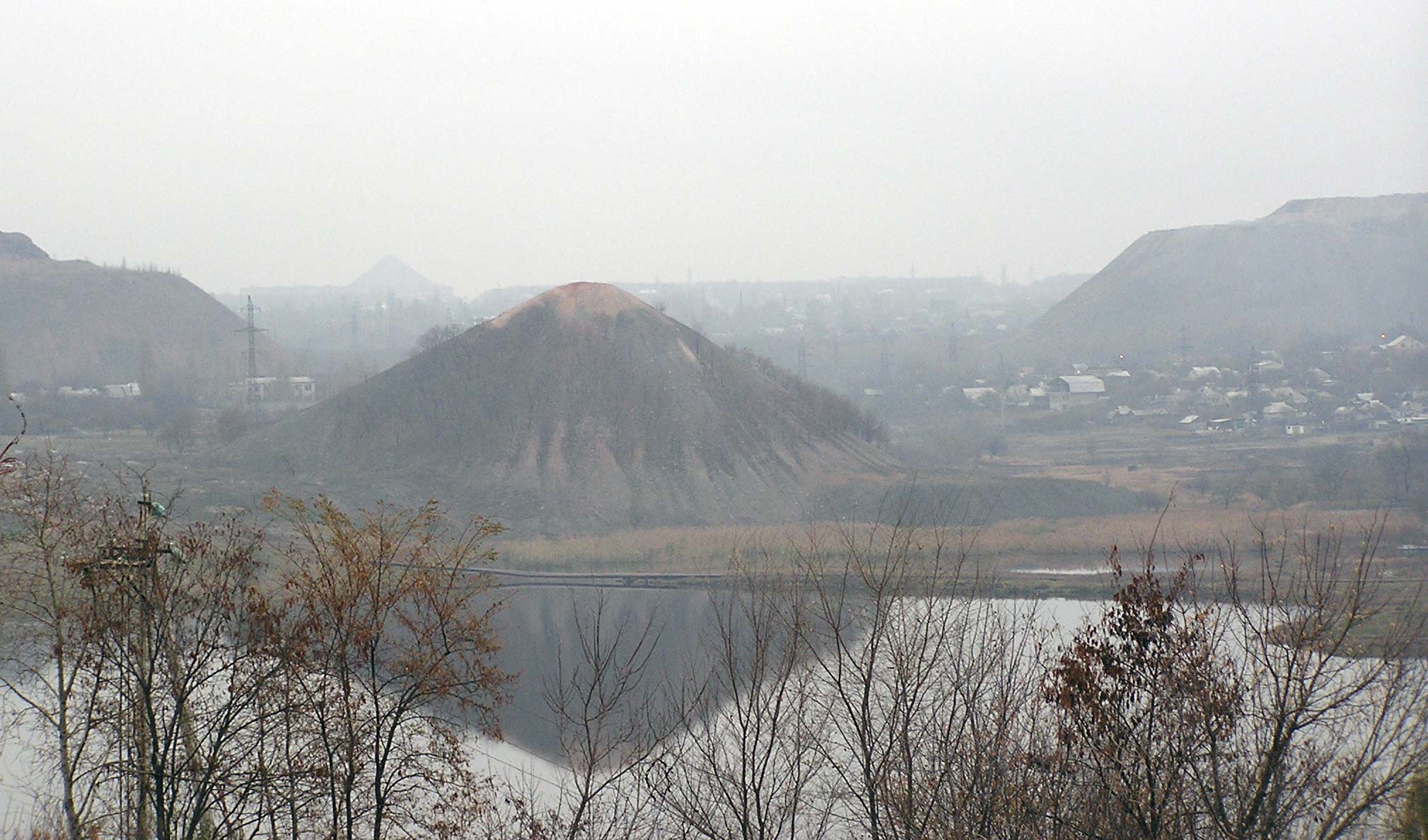
Coal-mining Spoil Tips along the Kalmius River

Coal-mining Spoil Tips along the Kalmius River – Photo Credit: Wikipedia.org

In the meantime, Father had a major accident, while he was working in the coalmines in the Donbas region of the USSR. He received treatment for his head injury and would have been sent back to work if he had not feigned continual headaches. Thus, he succeeded in getting an early release and was sent back to Germany. When he arrived at Uncle Günther’s place in Erfurt, he heard that the entire family had survived the war. He established contact with Mother and the children and in 1947 moved to Rohrdorf, a small village in Southern Germany between the River Danube and Lake Constance. There he found employment with the regional branch of the Fürstlich-von-Fürstenberg forest administration. Eventually, the entire Klopp family was reunited. Although now extremely poor, often hungry, and dispossessed, we were together and could attempt a new beginning.

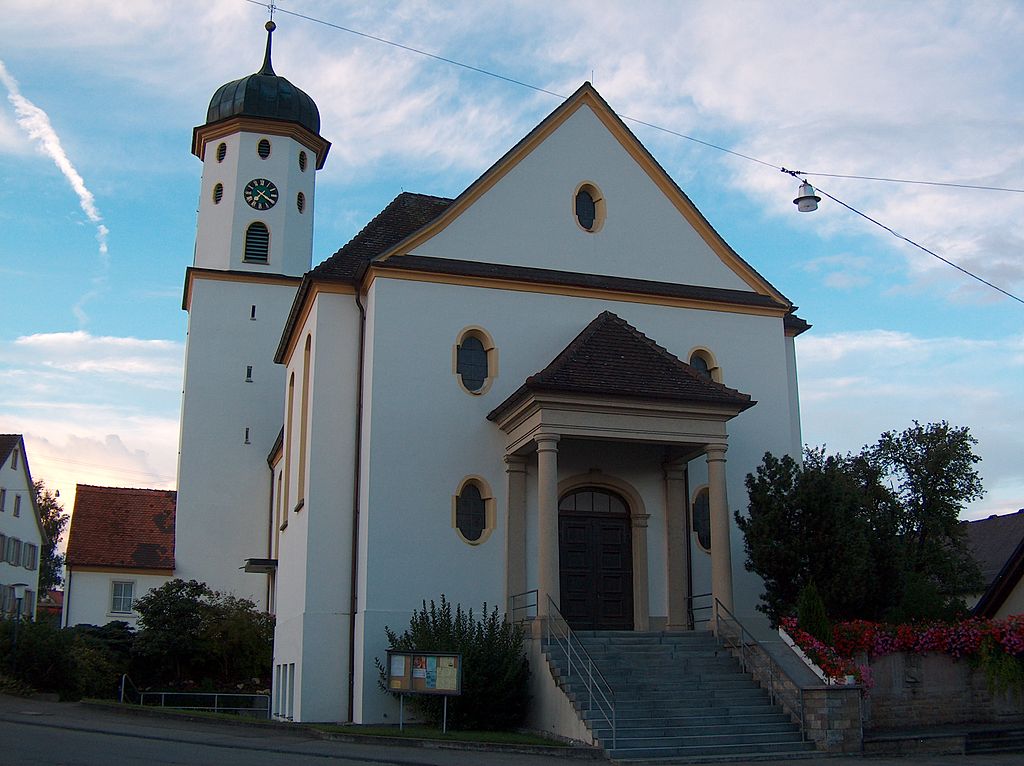
St. Peter and Paul Church Rohrdorf - Photo Credit: Wikipedia.org

St. Peter and Paul Church Rohrdorf – Photo Credit: Wikipedia.org

There were indeed very few refugee families who were fortunate enough not to have lost any family members during the horrible expulsion from their eastern home provinces. Volumes have been written on the topic of the greatest mass migration in modern Western history. I will relate only the bare facts as they pertain to my own family. Father belonged to that segment of the civilian population that was deported in large numbers to the Soviet Union to do as it was called ‘reparations labour’. The German Red Cross estimated that 233,000 German civilians were deported to the USSR, where 45% were reported either missing or dead. As to Mother’s expulsion from the eastern provinces, the numbers are truly mind-boggling. The movement of Germans involved a total of at least 12 million people. Official sources, like the German Federal Archives, estimate that at least three million people perished in their flight from the Red Army, in labour camps, through starvation and disease, through murder in retaliation and revenge for atrocities committed by the Nazis during the war years. I mention these gruesome statistics only to emphasize the great miracle of the survival of the Ernst Klopp family amid all the odds stacked against them.

The P. and G. Klopp Story

Chapter VI continued

Report by Lavana Kilborn  (Chart I – III)

My Journey from 1943 to 1947

In the summer of 1943, my mother and I left by train for Hirschberg, where relatives of mine resided. As we lived in the country, it was necessary for me to move in order to obtain proper schooling. My host-family consisted of my widowed aunt Johanna, her parents and three cousins of mine, one of them being a girl, named Elisabeth and two boys. After a few days my mother returned home.

I got along very well with my new family, in particular with Elisabeth, who was of the same age as myself. We sat side by side in school and became good friends. The beautiful city had a large swimming pool, surrounded by grass to sunbathe, play ball etc. On weekends the family would go hiking in the nearby mountains, where the source of the mighty Elbe River is located. The song “Oh du schönes Riesengebirge, wo die Elbe heimlich rinnt …” still makes me melancholic, when I sing it. We also skied on wooden skis. There were no lifts then, but how much fun it was. All these activities were new and exciting experiences for me.

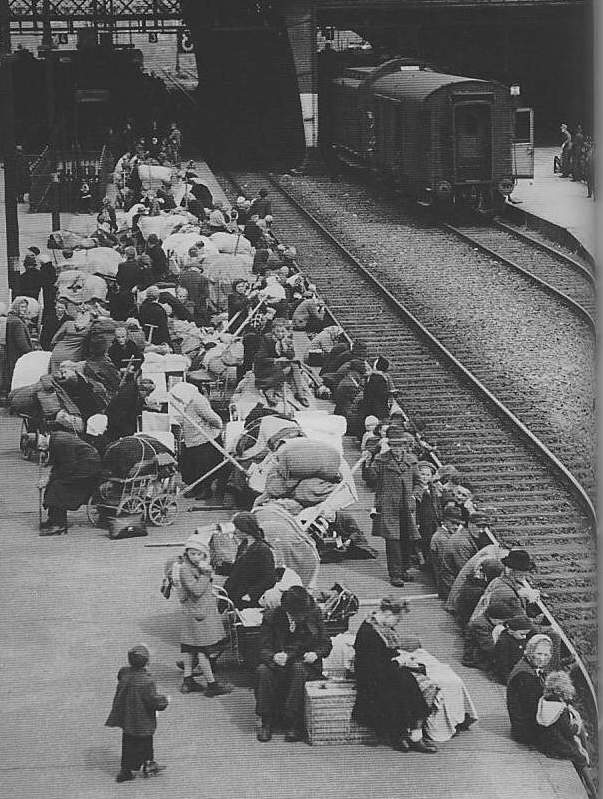
Refugees Waiting for the Last Train at Breslau

Refugees Waiting for the Last Train at Breslau

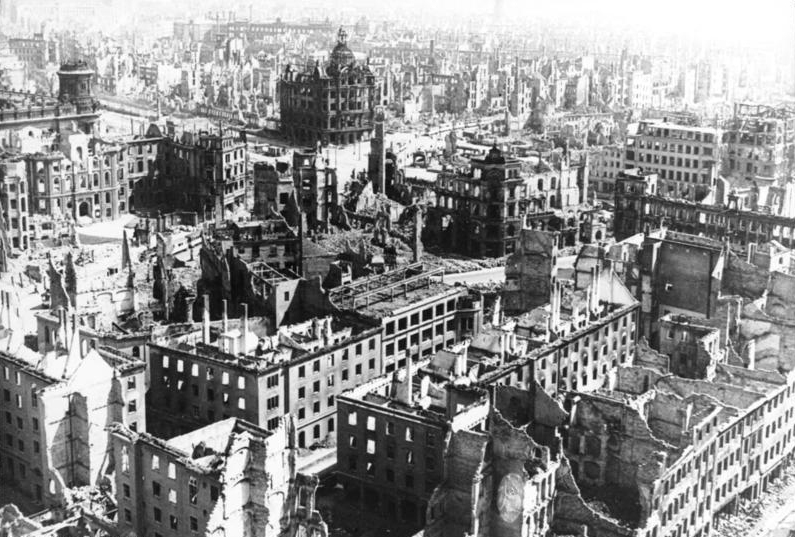
In January of 1945 everything came to an abrupt halt. Refugees started pouring in from neighboring provinces, fleeing from the encroaching Russian front. They were mostly old people, women and children. There was lots of speculation about how this all would develop, some people moved westward on their own, others stayed in the city, hoping that they may return some day. The evacuation order came in early February and trains were ready to take us to safety and by now we could hear the guns in the distance. My family hesitated, there were discussions, but finally common sense prevailed. And our little group left on the last train out; later on we learned that all Russian soldiers entered the city the following day. Our train compartment was very crowded, one toilet, a small hand basin with only cold water for all of us meant long line-ups throughout the day. Food and drink were provided for our journey. The winters in East Germany are very cold, the land covered in snow, not much for us kids to see. Twice the whistle blew, the train stopped and we were ordered to step outside and move away from the train and stand still. When the whistle blew again, we were to get back on the train immediately. These were brief episodes when Allied planes came and went quickly not interested in us at all as they had bigger fish in mind. However our last stop along the way was different, as we were now ordered not to leave the train. We were all wondering what this was all about. Soon it became apparent that Dresden, the beautiful city, had been bombed, the sky was aflame to tell the story. Later we learned that thousands of people had perished, many of them at the main train station. This was the reason for us to be rerouted a day later. Our Tante Margot survived, as they were in another part of Dresden.

Dresden - Photo Credit: Bundesarchiv_Bild_183-Z0309-310

Dresden – Photo Credit: Bundesarchiv_Bild_183-Z0309-310

Our little group eventually made it to Mark Brandenburg, a place so far untouched by the war. Our major problem was that we were always hungry. Us older kids left daily on food-begging trips. Thus we managed to survive. Often I went on my own. Once while crossing a forested area, I came across the body of a German officer, eyes and mouth open providing a feast to tiny creatures. Another episode was more frightening. Three German teens in uniform, not knowing that the war had ended, shot dead a Russian soldier on patrol. These kids were caught and executed in the courtyard of the farmhouse where we stayed. It was horrifying to hear those shots. Another experience stands out for me. As I was approaching a large farmhouse, the hausfrau saw me coming, yelling at me to leave or she would sic the dog on me. Scared I turned to run off, when a Russian soldier took me by the arm and motioned to follow him into the root cellar. Here the farmers kept their food. From the shelves the soldier took bread, cheese, a piece of bacon and handed me the goodies, which I put into my bag. I was out of there in no time never to come back to that place again.

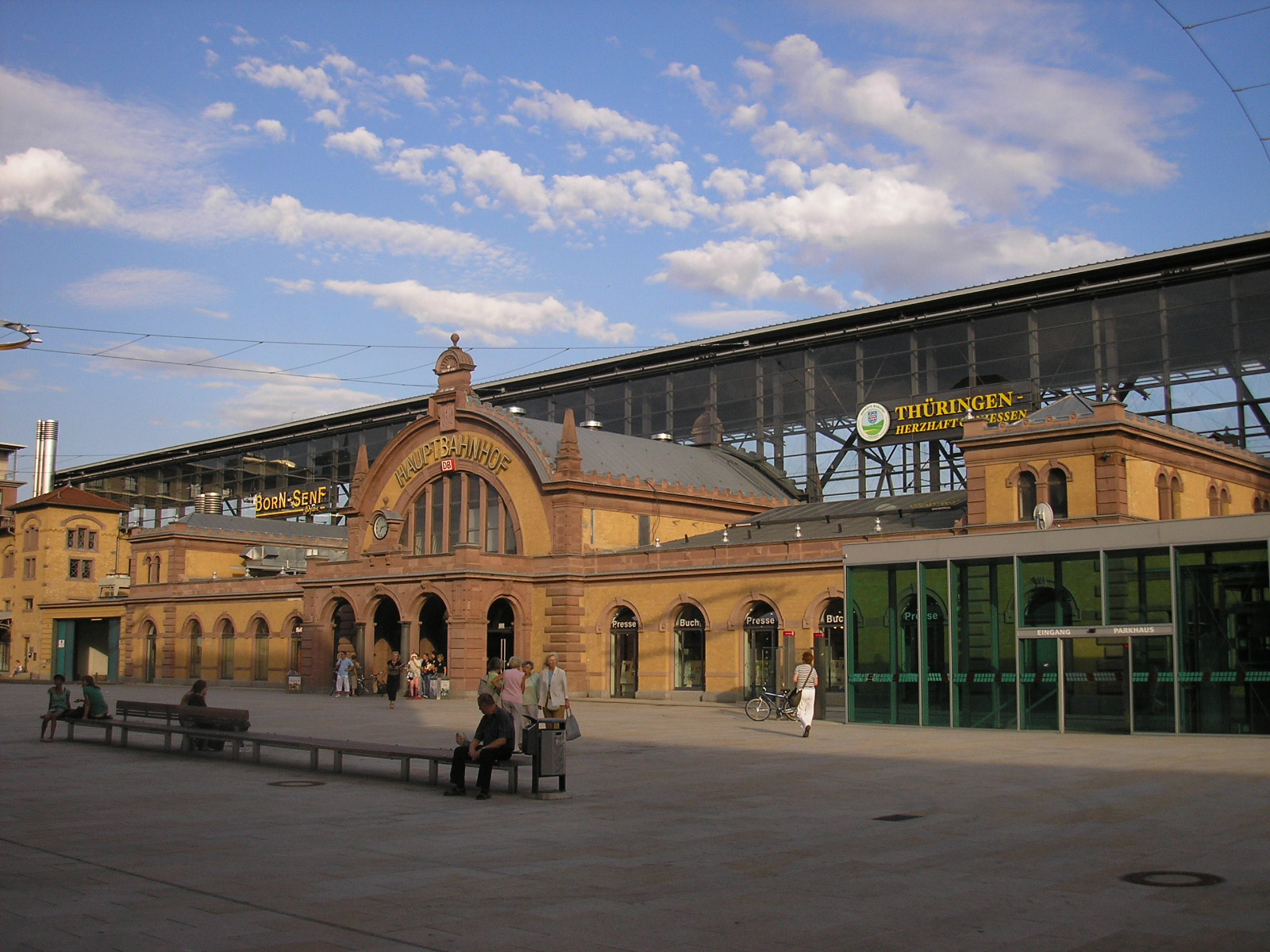
Railway Station Erfurt

Railway Station Erfurt – Photo Credit: Wikipedia.og

Eventually my host family was able to contact an uncle of mine in Erfurt. He and his wife took me in and my life began to normalize again. I loved the family, the school and the beautiful city. However, I often wondered where my parents and siblings might be. My mother and the two youngest brothers were finally located. In the meantime the two older brothers also arrived in Erfurt. And it was decided that Adolf and I were to join Mother in southwest Germany. The necessary papers arrived and we were on our way. The train took us close to the border and we walked the rest of the way. Two Russian border guards saw us coming and questioned us. After studying our valid papers allowing us to pass, they just tore them up. We were stunned at such injustice, after all we were 15 (Adolf) and 13 years old myself. The soldiers shooed us off, one of them pointing at his gun, in case we had any ideas of returning. We left seeking shelter behind a haystack and began to weigh our options on what to do next. Adolf wanted to return to Erfurt, but I would have none of it. I picked up my stuff carefully avoiding the guardhouse. Now a steady rain had begun. Soon I heard my brother’s footsteps behind me and I was much relieved. I don’t remember how long we walked. It seemed like a long time. By the time we got to a small railway station, we were exhausted, yet very much relieved that we were in the West. Two French border guards approached us demanding to see our papers, – no wonder, we looked like runaways. Adolf handled the situation quite well and we were allowed to board the train,

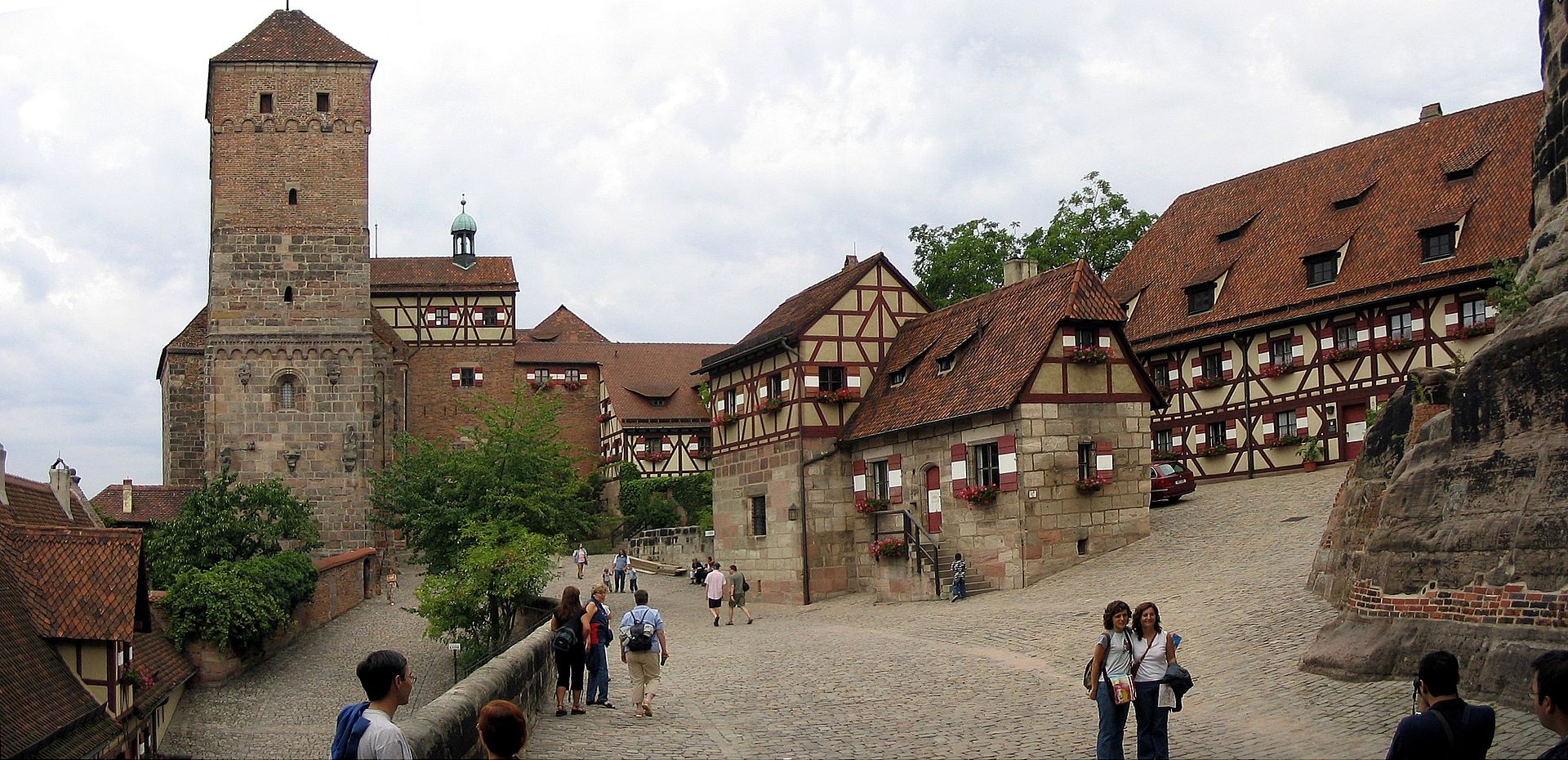
Nuernberg_Burg_Panorama_PtGUI

Nuremberg Castle – Photo Credit: Wikipedia.og

In Nuremberg we found the Red Cross Refugee Camp, where we received food and shelter. As we were out of money, discussing our next move, a woman interrupted us handing Adolf a bill that would cover our train fare to Meßkirch. Several kilometers more on foot and we arrived in Rohrdorf. What a relief for all of us to join our mother and the two youngest brothers again after such a long separation!

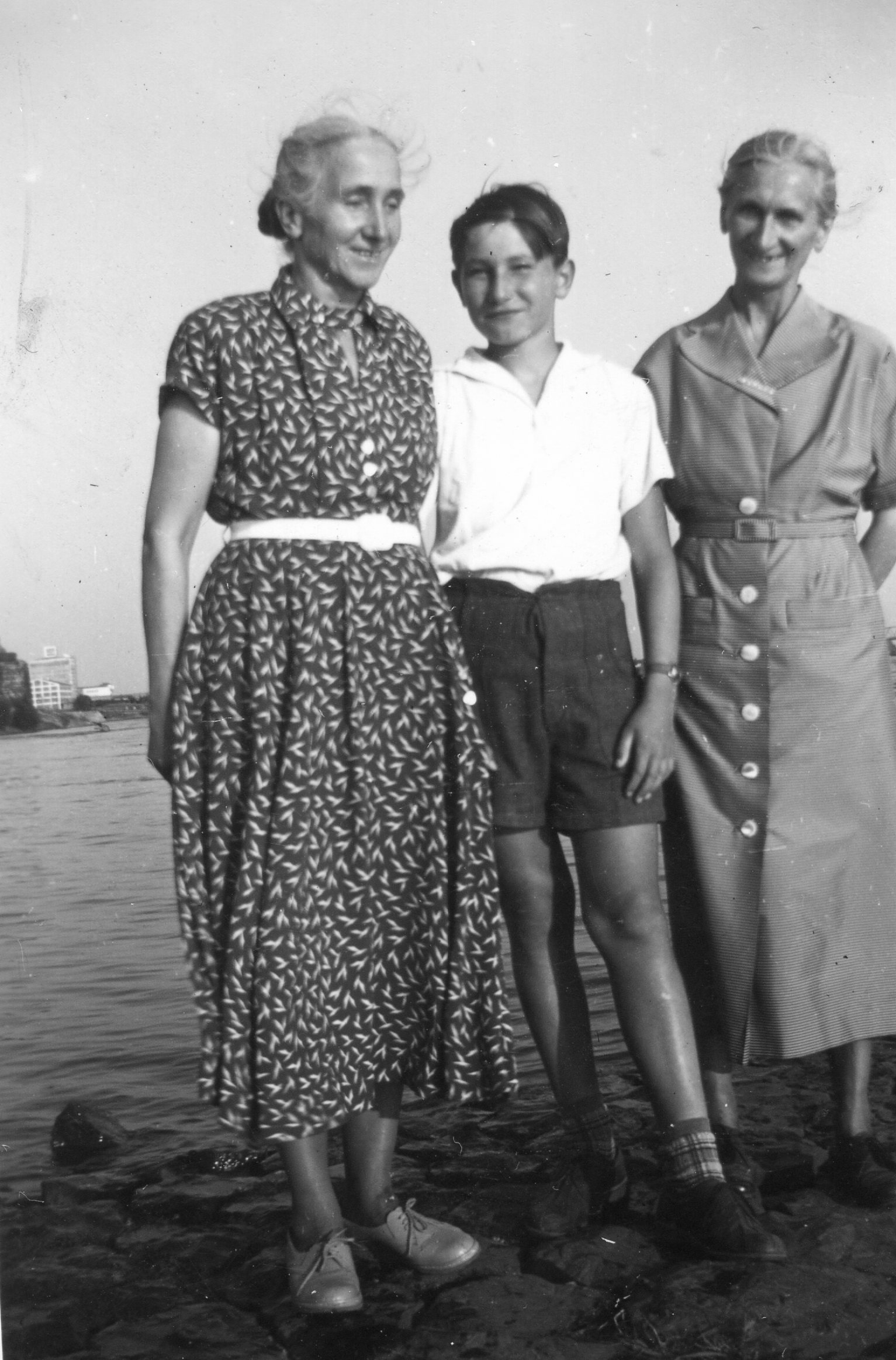
Marie Kegler, Stalwart of Christian Faith – Part II

Aunt Marie (Tante Mieze)

In a previous post I described how Marie Kegler got to look after me for an entire year in 1954. That was the year when she resumed work as teacher at the Elementary School in Brünen. She had found modest accommodation at a miller’s farmhouse. You can read more about it in greater detail in an upcoming chapter of the P. and G. Klopp Story.

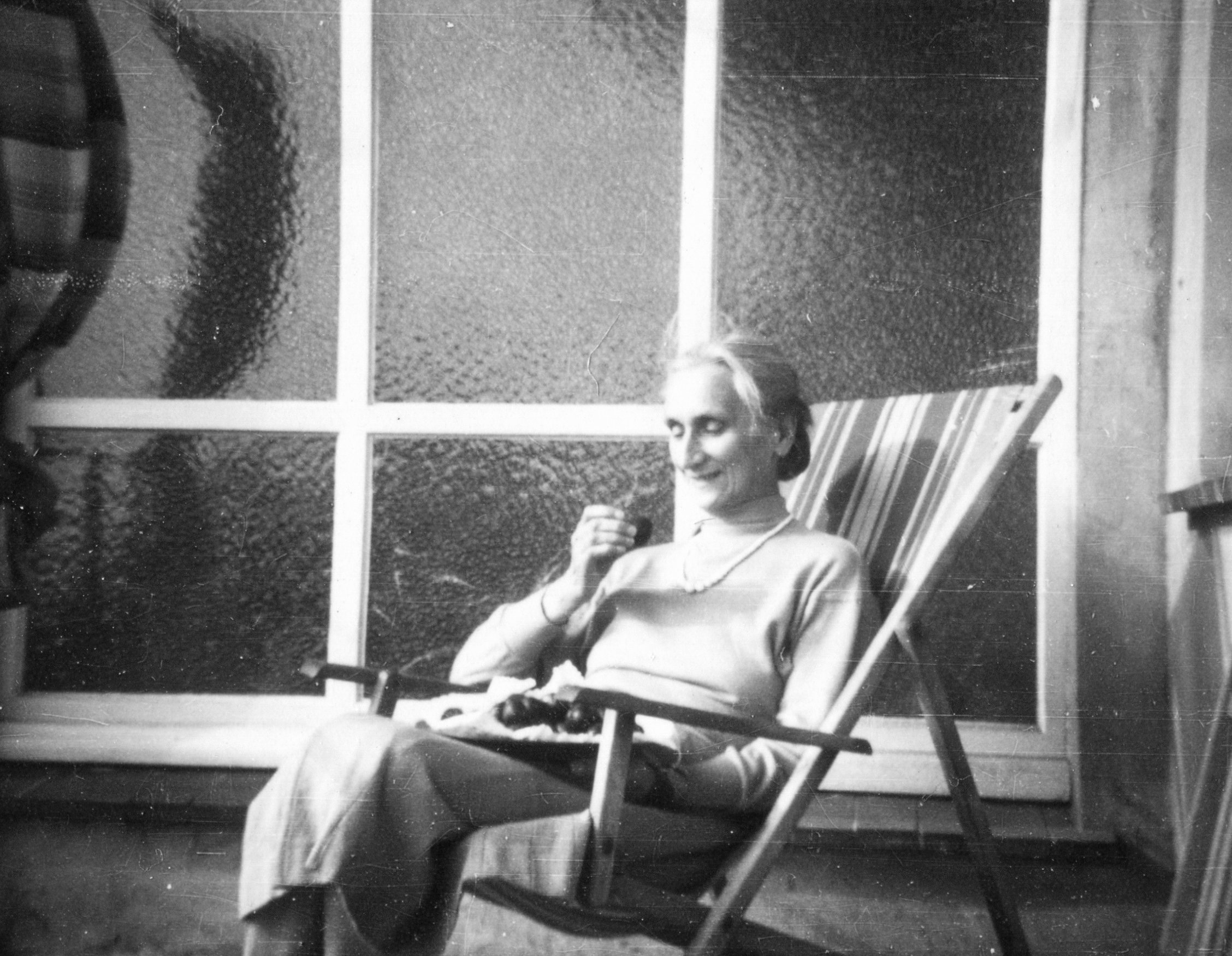
Marie Kegler on the Balcony of our Wesel Apartment

Marie Kegler on the Balcony of our Wesel Apartment

In 1955 she managed to land a teaching position in the nearby city of Wesel on the River Rhine. At a time, when there was a great housing shortage in the bombed-out city, she located a two-bedroom apartment. At last, Mother, who had become Tante Mieze’s housekeeper in exchange for room and board, was able to reconnect with me. Marie Kegler retired in 1957 and in 1962 the two sisters accepted my uncle’s invitation to share a rental house in Watzenborn-Steinberg. The new place turned out to be a veritable beehive of relatives and friends dropping in for a taste of the pleasant hospitality, which Uncle Günther, Chief of the Kegler Clan and avid Doppelkopf player, his wife Aunt Lucie, Aunt Marie, and my mother were tirelessly offering to their guests. I have the fondest memories of my frequent weekend visits during my army years. Aunt Mieze as during the time in Wesel continued to provide spiritual leadership by daily reading from a devotional booklet and saying grace and thanks to God at breakfast, lunch and dinner time.

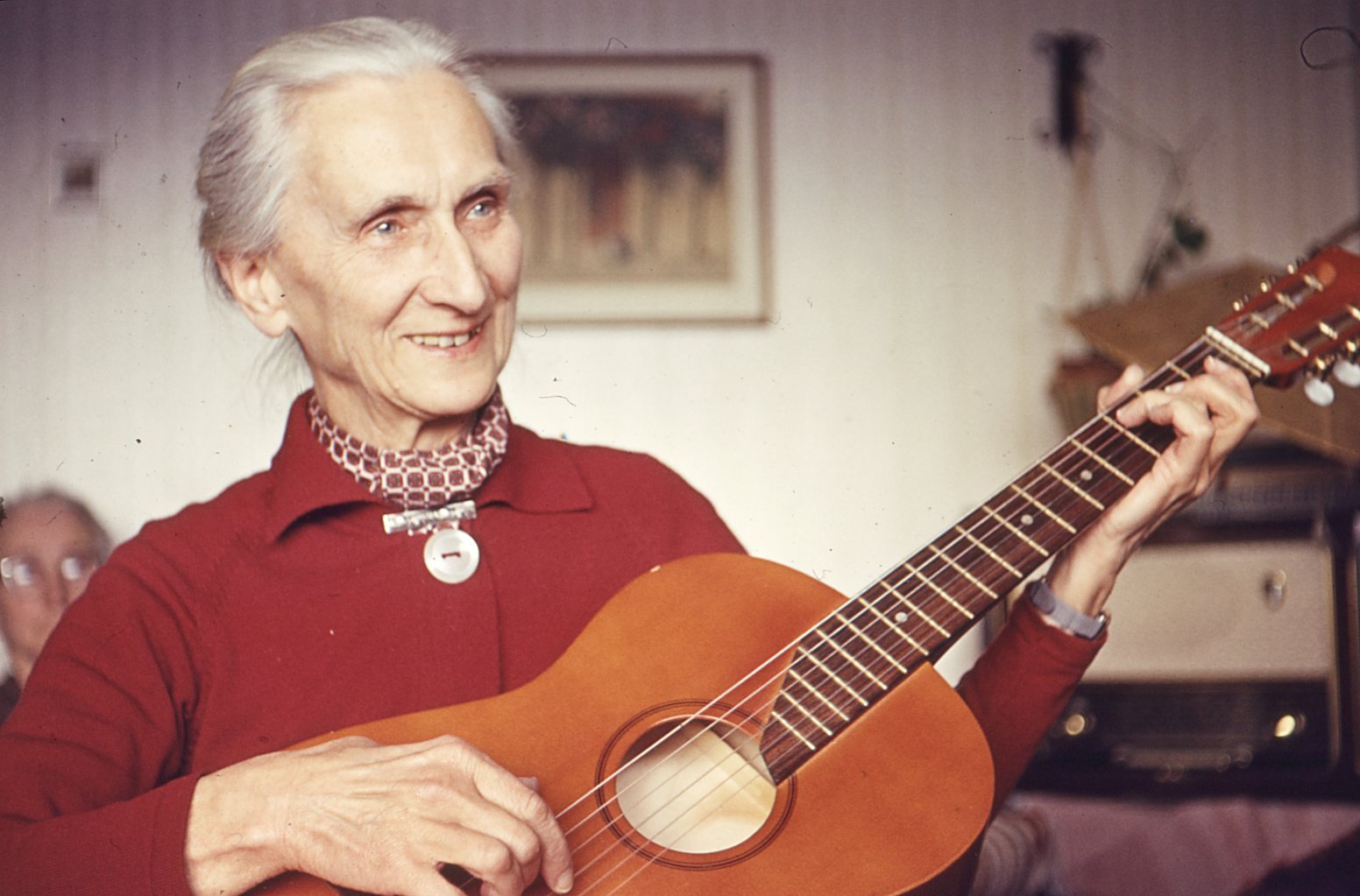
Pretending to Play the Guitar

Trying out my  Guitar

Alas, Aunt Lucie passed away after a lengthy illness. When Uncle Günther remarried and moved with his new wife Aunt Friedel to Kassel, a very happy period of family togetherness came to a sudden end. Tante Mieze could not afford to pay the rent. Even if she had had the means, the house in Watzenborn was too large for just two people. So they moved to Bad Ems in the beautiful Lahn Valley, where they lived in Haus Abendfrieden (House Evening Peace) for another six years. In 1980, Tante Mieze became very ill. The Senior Citizen Home, where they stayed, had no intensive care facilities. Thus, they had to move to Gladenbach close to the picturesque medieval city of Marburg. Shortly after Tante Mieze had been taken by ambulance to the Old Folks Home, she died at the age of 89.

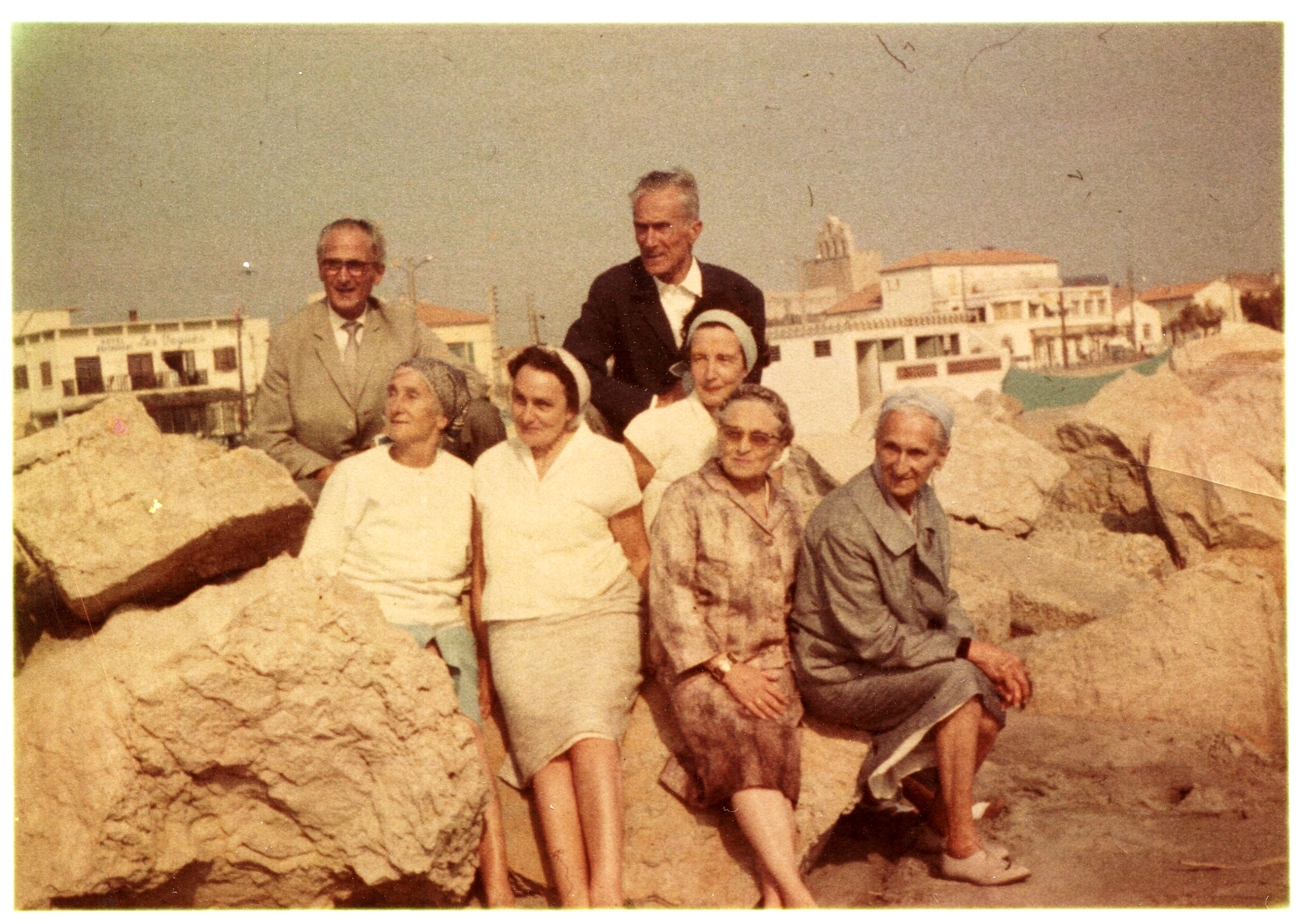
Südfrankreich 1965 Gerhard Margit Günther Lucie Erika Johanna Mieze

Günther, Gerhard, Mother, Johanna. Margot, Lucie, Marie Kegler in Southern France

Deeply steeped in the Christian faith, she led a life that in my view was exemplary. When she saw other people in need, she was always ready to help.Thankfully I will always remember her kindness to invite Mother to join her in Wesel. With her financial help I was able to finish my German High School diploma. without which my teaching career in Canada would have been unthinkable. After we emigrated to Canada, she kept mailing devotional booklets to her niece and nephews in the hope to provide some spiritual guidance. I must admit I did not take the time to read them. My brother Gerry too was not too interested either and irreverently called them flyswatters (Fliegenklappen).

In the world we live in we appraise a person’s success in life by standards, such as wealth, status, popularity, etc. God on the other hand looks at the motives and favors the purity of the heart. Aunt Marie’s actions always spoke louder than words. Love and compassion for her fellow human beings were the guiding principles throughout her entire life.

Marie Kegler, Stalwart of Christian Faith

Aunt Marie (Tante Mieze)

Chart II a – II

13

Erika Klopp, Peter, Aunt Marie – Wesel 1955

Of all the relatives in the Kegler family Aunt Marie was closest to me. But before I go into the details, I need to go back a few years to provide the background for a better understanding of the circumstances that made her for more than a year my loving caretaker.

After my father’s failure in a small-scale farming venture  in Southern Germany, he was financially ruined. My mother had to go out and find work as housekeeper first at Sigmaringen, a small, picturesque town on the River Danube and then later in 1955 at a Senior Citizen home at Rudersberg not far from the city of Stuttgart, Father’s health while being a POW had been severely affected by the intolerable working conditions  in a Russian coal mine.  He suffered from a number of psychological and physical ailments. His recurring back pains prevented him from taking up any meaningful employment. It is sad to say that after the miraculous  survival and coming together again of the entire Ernst Klopp family in the village of Rohrdorf, there were signs of disintegration written on future’s gloomy horizon. Karl had gone off to university at Göttingen, Adolf emigrated to Canada, Eka (Lavana) took up nurses’ training at Hamburg, Gerhard entered a toolmaker’s apprenticeship program in Switzerland, and I, barely 12 years old, had to nobody to look after me.

This is where Aunt Marie comes in. She had just taken up employment as elementary school teacher in Brünen, a short bus ride away from the city of Wesel. Its  claim to fame is that it is known as the most destroyed city of  Germany  (almost 98% turned into rubble by two consecutive Allied bombing raids near the end of World War II). For almost 5 years my aunt was not permitted under the rules and regulations of the occupation authorities to carry out her teaching profession. As former state employee of Nazi Germany, she like many thousands of other civil servants was suspected of harboring pro-Nazi sentiments and was consequently classified as unfit and dangerous for the teaching profession. This happened in postwar Germany under the so-called denazification program. The injustice was that all former teachers were given the same label and that there was no exception to the rule.

Finally the Allied authorities saw it fit to lift the ban. And Tante Mieze, close to  her retirement age, was able to resume her work and do what she liked best, to teach. How I am connected to her and what impact she had on my life will be the topic on one of my following posts.