Chapter XIII of the P. and G. Klopp Story – Part 4

Finding Stability during Adolescent Restlessness
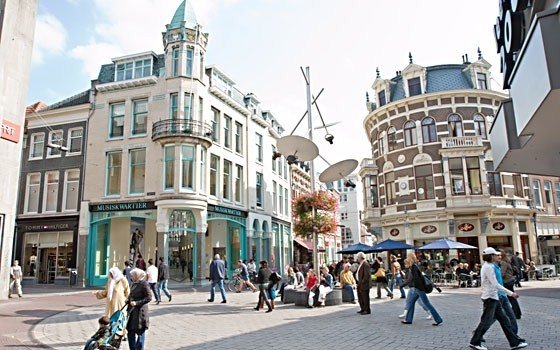
Shopping at Arnhem, Holland - Photo Credit: holland.com

Shopping at Arnhem, Holland – Photo Credit: holland.com

When it came to matters concerning the entire tribe Zoska, Günther with the uncomplimentary nickname Little Chicken was in charge and took care of the organization of the big events. Two things stand out for me as truly memorable: the bike ride to Arnhem in Holland and the regional jamboree at the youth hostel in Wesel. Arnhem is the first major city in the Netherlands not far from the German border about an hour’s drive by car from Wesel. The country is as flat as a pancake, especially on the Dutch side of the border where bicycle trails are often totally separated from the noisy traffic arteries. On these trails the combined clans were pedaling in a giant snake-like formation towards our destination, the youth hostel in Arnhem. It was a beautiful sight to behold, some fifty boy scouts in their traditional black attire. Those wearing their uniform-like khaki shirts proudly displayed their honor badges they had earned in the last couple of years. I was at the tail end of this giant human snake winding through the gentle curves on this wonderful bike trail. My job was to make sure that we would not lose any stragglers on our one-day journey. While the sightseeing in Arnhem and the communal life with all its exciting games and best of all the singing were fun, it was the trip itself, the getting-there as one body and soul that I remember best and treasure most as a powerful metaphor for my own journey through life.
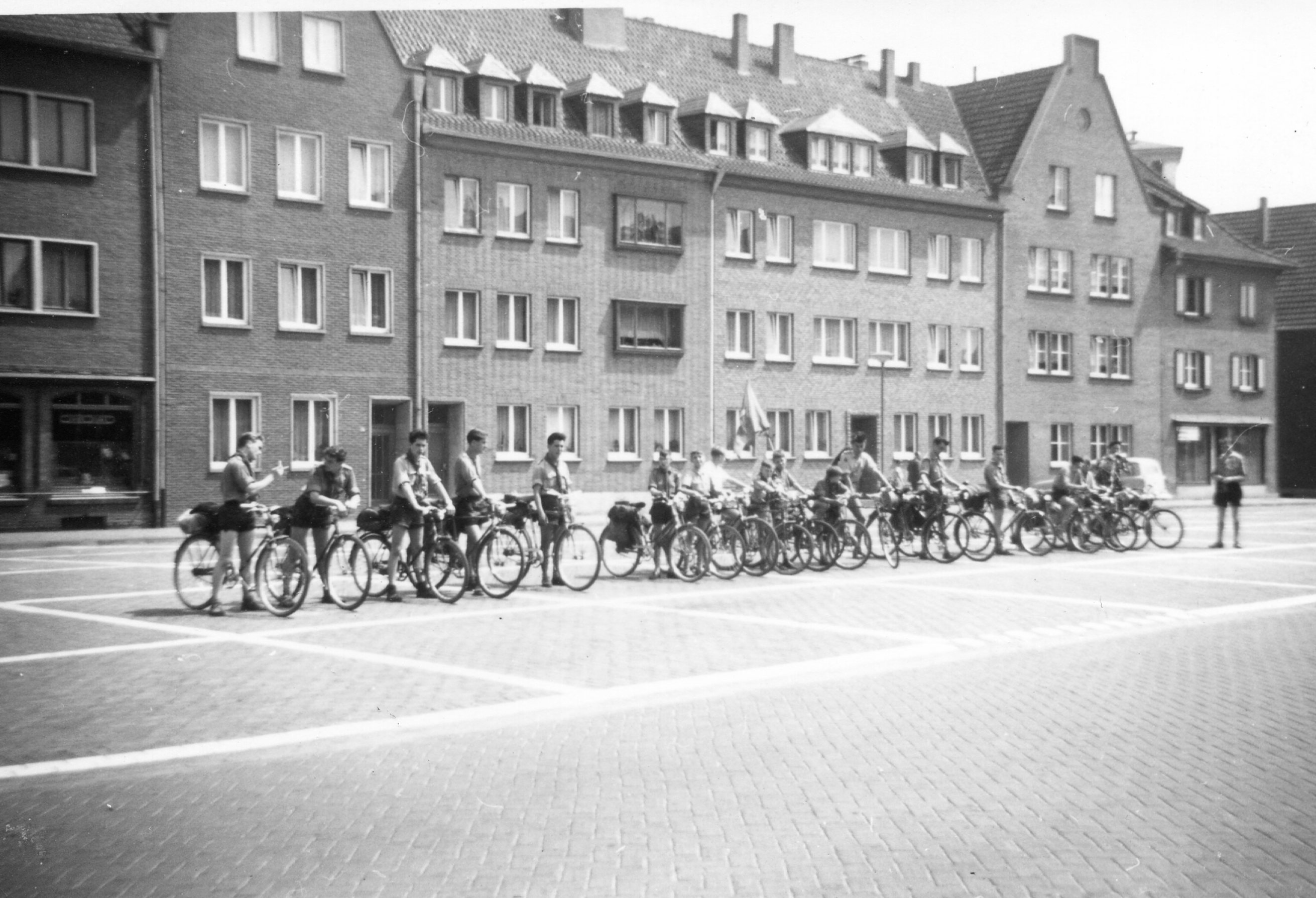
Lining Up Part of Tribe Zoska

Lining Up Part of Tribe Zoska

The year 1960 was going to be my last full year of service within the Union of the European Scouts. I had just turned eighteen, brimming with physical strength and vigor, yet very clumsy at sports, full of ideals to create a better world, yet often confused by my own contradictory behavior.  I again began to slip academic achievement, which became more and more important in the senior years. I also lived in an artificial world not of my own making, but by a society that was still stubbornly clinging to archaic traditions in a rapidly changing social environment. One of the traditions was the complete separation of boys and girls in the high schools. There was no provision for interaction with the opposite gender. We boys lived in a bubble filled with an explosive mix of ignorance, half-truths and acute awareness of our own adolescent stirrings. Lacking any objective knowledge either from home or school, we gathered information about sex mainly from highly questionable sources. The rumor about a pregnant student at the girls’ high school at the opposite end of town and her subsequent expulsion ran like wild-fire through the gossip mills in the senior grades at recess and lunch. Sex was on everybody’s mind, surfacing thinly concealed even in our monthly student newspapers. Some would-be scholars made an attempt to lend a degree of academic respectability to the topic by passing notes around in the classroom mostly during the boring geography lessons. It was a never-ending stream of  Latin phrases of highly questionable content. As witty as some of them were, they could only warp even more the already distorted views we held on the topic. The meaning of a healthy relationship that goes beyond the physical to embrace the social even spiritual aspects of a lifelong partnership was completely foreign to us.
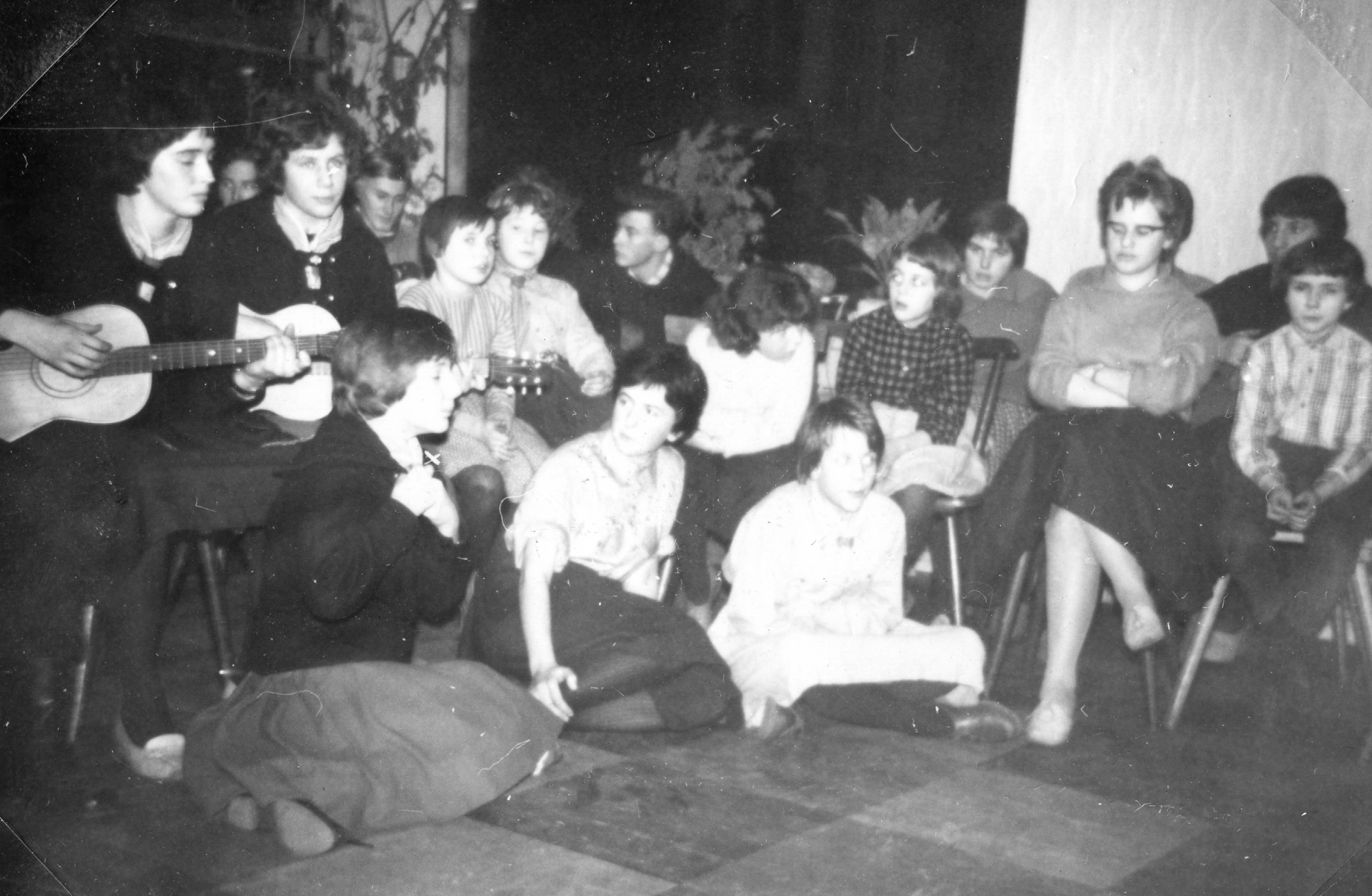
The Girl Scouts from the neighboring Town of Geldern

The Girl Scouts from the neighboring Town of Geldern

A source of true comfort and stability continued to be my involvement in the scout movement. It provided an anchor in the turmoil of the emotional storm in which I was being tossed about. Commitment to a worthy cause, action repelling the evil spirit of idleness, order being pitched against chaos, in which a multitude of vices surface and thrive. In short, these virtues provided fixed reference points, which I could use for my own moral orientation. Little Chicken organized a regional jamboree at the Wesel Youth Hostel, to which he had also invited an all girl contingent from the town of Geldern. Except for my elementary school years in Rohrdorf I had never participated in an event on a large scale such as this, where boys and girls were doing things together on an egalitarian basis. While the playing of the customary games, the presentation of humorous skits, the singing of our favorite camp songs pretty near followed the familiar pattern, the girls added a new dimension to our gathering.
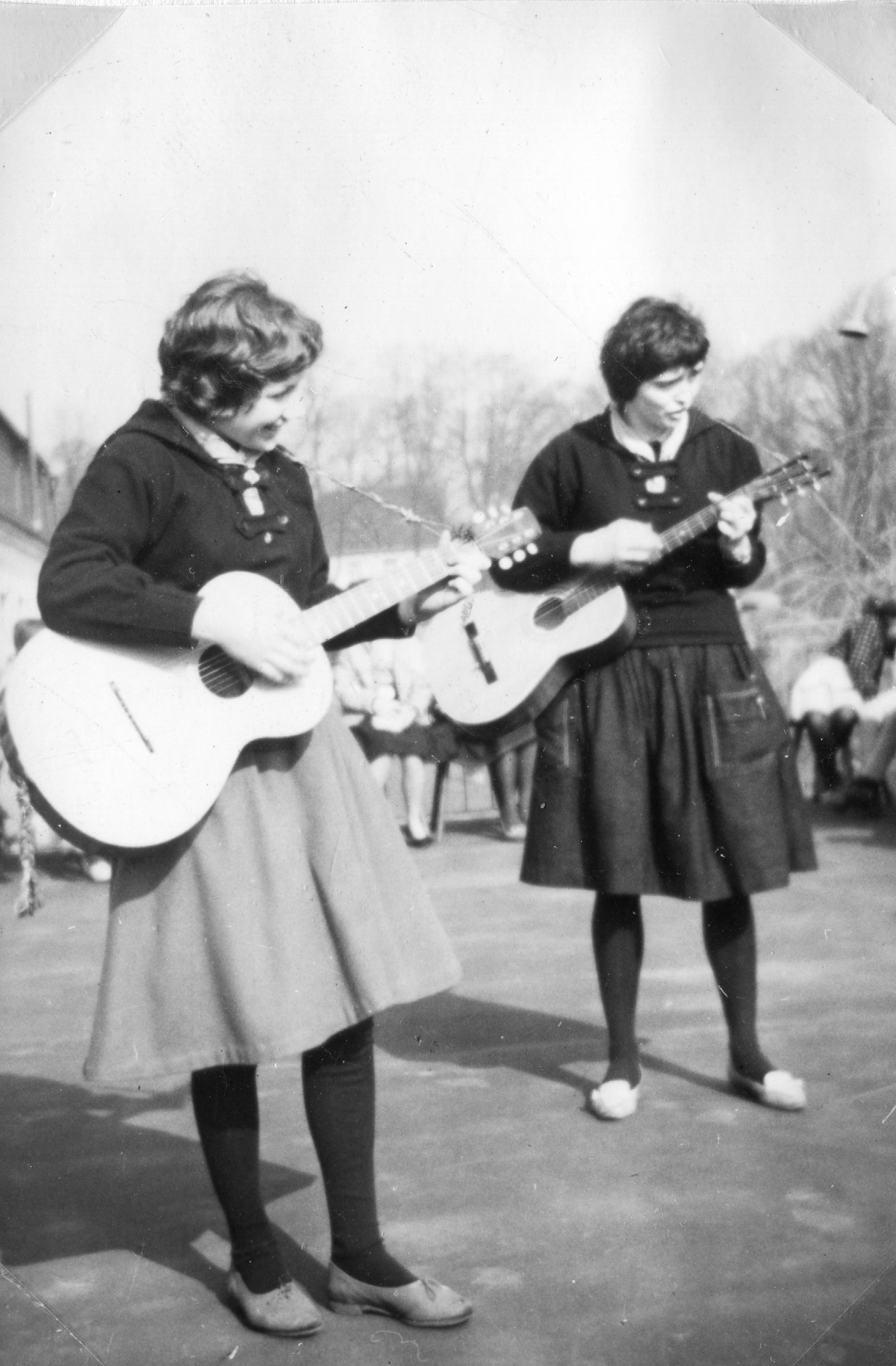
Jutta and another Girl Scout Playing the Guitar

Jutta and another Girl Scout Playing the Guitar

Jutta, their leader, impressed me with her gentle firmness in her voice, with which she directed her clan in the various activities. To exercise her authority, she did not need to raise her voice. Her strength lay in the calm assured manner, in which she delivered her instructions. Perhaps more importantly I discovered in the girls a kind of beauty, which distinguished itself through their simple attire and appearance. Just like flowers displaying their natural beauty, these lovely human counterparts needed no artificial hair color, rouge, lipstick, perfume and other distracting accessories to cover up what was already inherently beautiful. Thus, I had developed a liking for natural beauty in girls and this attitude became a guiding principle in my search for a spouse in the following years.
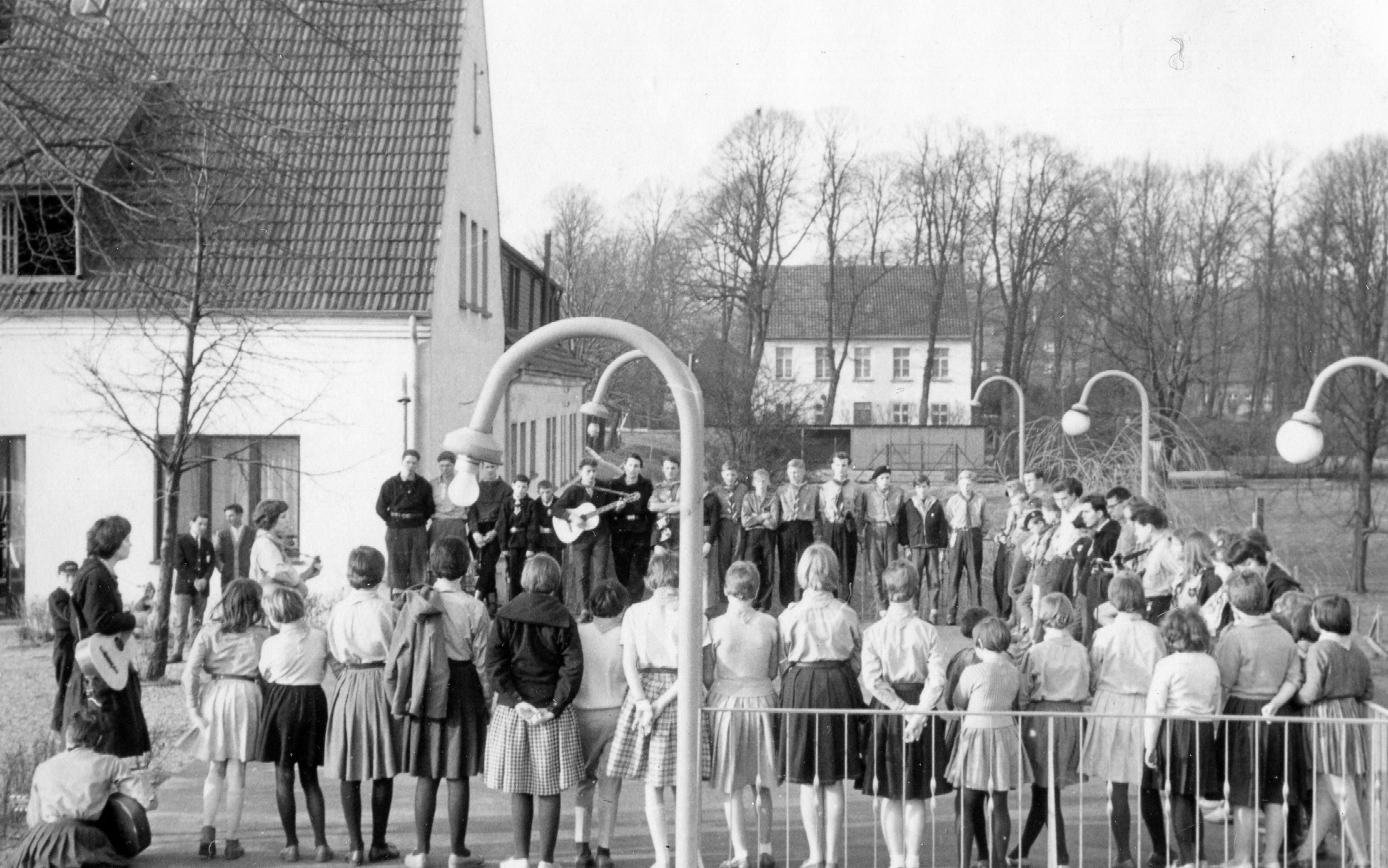
Final Assembly at the Wesel Youth Hostel
Final Assembly at the Wesel Youth Hostel
Chapter XIII of the P. and G. Klopp Story – Part 3

Dangerous Play with Ammunition

The Siegfried Line (Westwall) was a German defense system covering a distance of 630 km with over 18,000 bunkers, tunnels and tank traps, the so-called dragon’s teeth. It started in Kleve on the border with the Netherlands along the western border and went as far south as the town of Weil am Rhein on the border with Switzerland. Touted by the Nazi propaganda as a unbreachable bulwark, the Siegfried Line was only able to delay the Allied advance to the center of Germany for a very short time in early 1945.

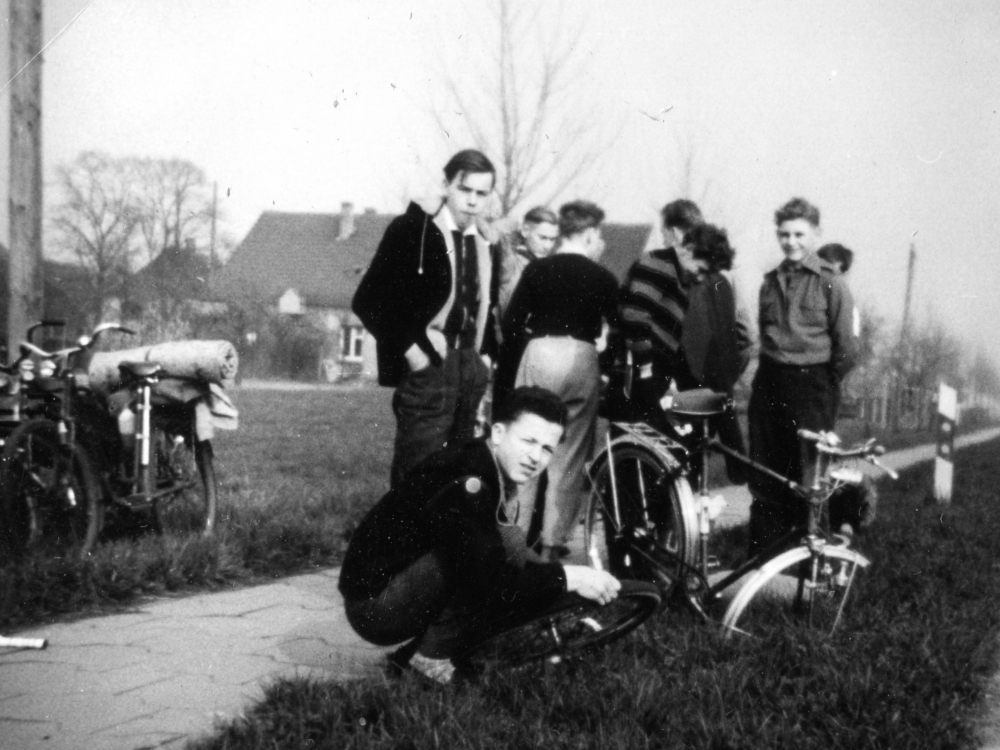
Fixing a Flat Tire on the Way to our Hide-Out

Fixing a Flat Tire on the Way to our Hide-Out

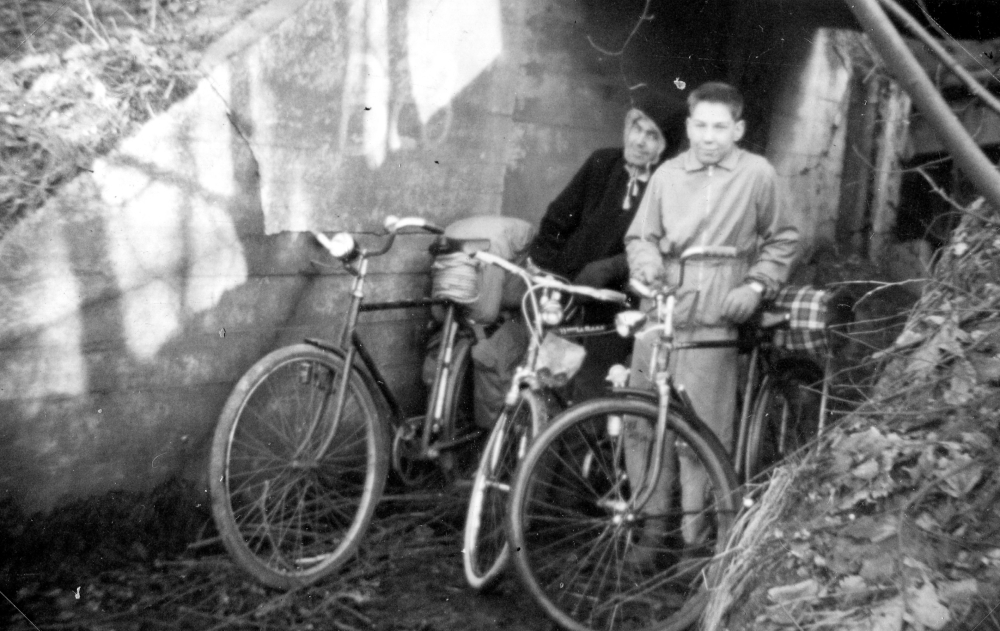
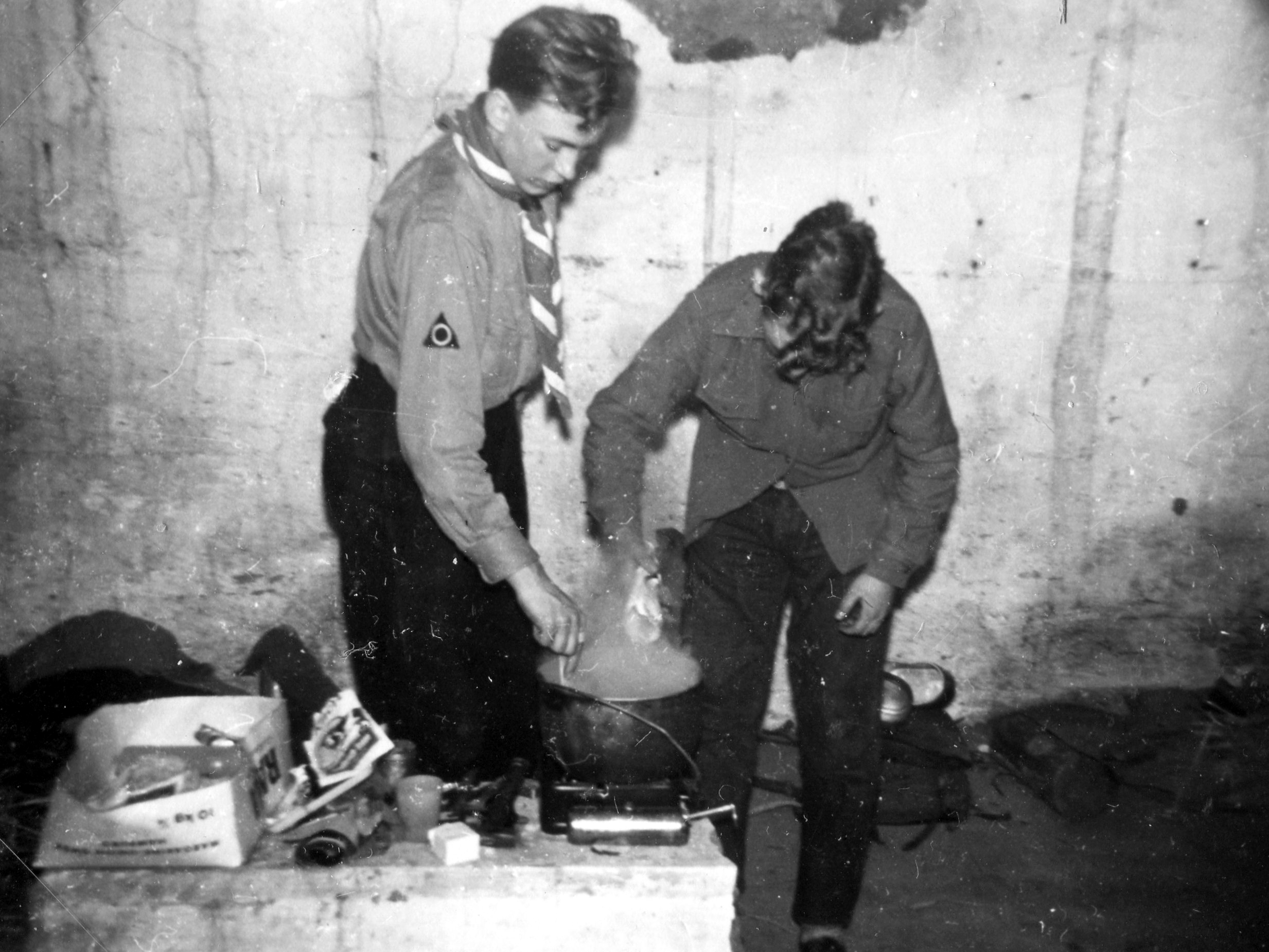
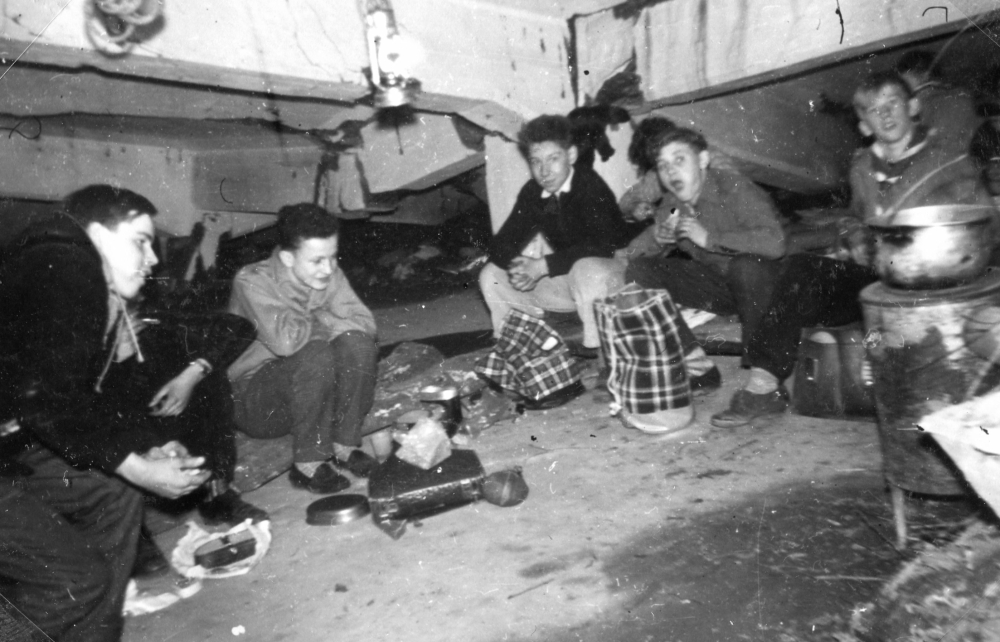
On our way home taking another route away from the main highway we discovered deep in the forest of the Reichswald a number of bunkers from that famous last line of defense. Their walls and ceiling were 1.5 meters thick and had once offered room for a dozen soldiers each. This would be an ideal shelter and hideout for my clan, I thought. Far from the major traffic routes we would be shielded from curious eyes. There in the densest part of the forest we selected the least damaged bunker that would serve as a permanent base for our outdoor activities. I instantly realized the advantage of a bunker over a tipi. The communal tent would have to be laboriously set up. Young trees would have to be cut to provide the poles for the tipi that was barely large enough to accommodate the clan. Of course, enthusiasm among the scouts was high. Attendance went up and new members showed up for our weekly sessions in the citadel. After two or three weekend trips to our fortress, we had transformed the austere looking concrete dwelling into a cozy shelter complete with beds, table and chairs all made of dead wood that we had picked up from the forest floor. We even had turned a barrel into a primitive stove, which provided warmth during the chilly nights of the approaching fall season.

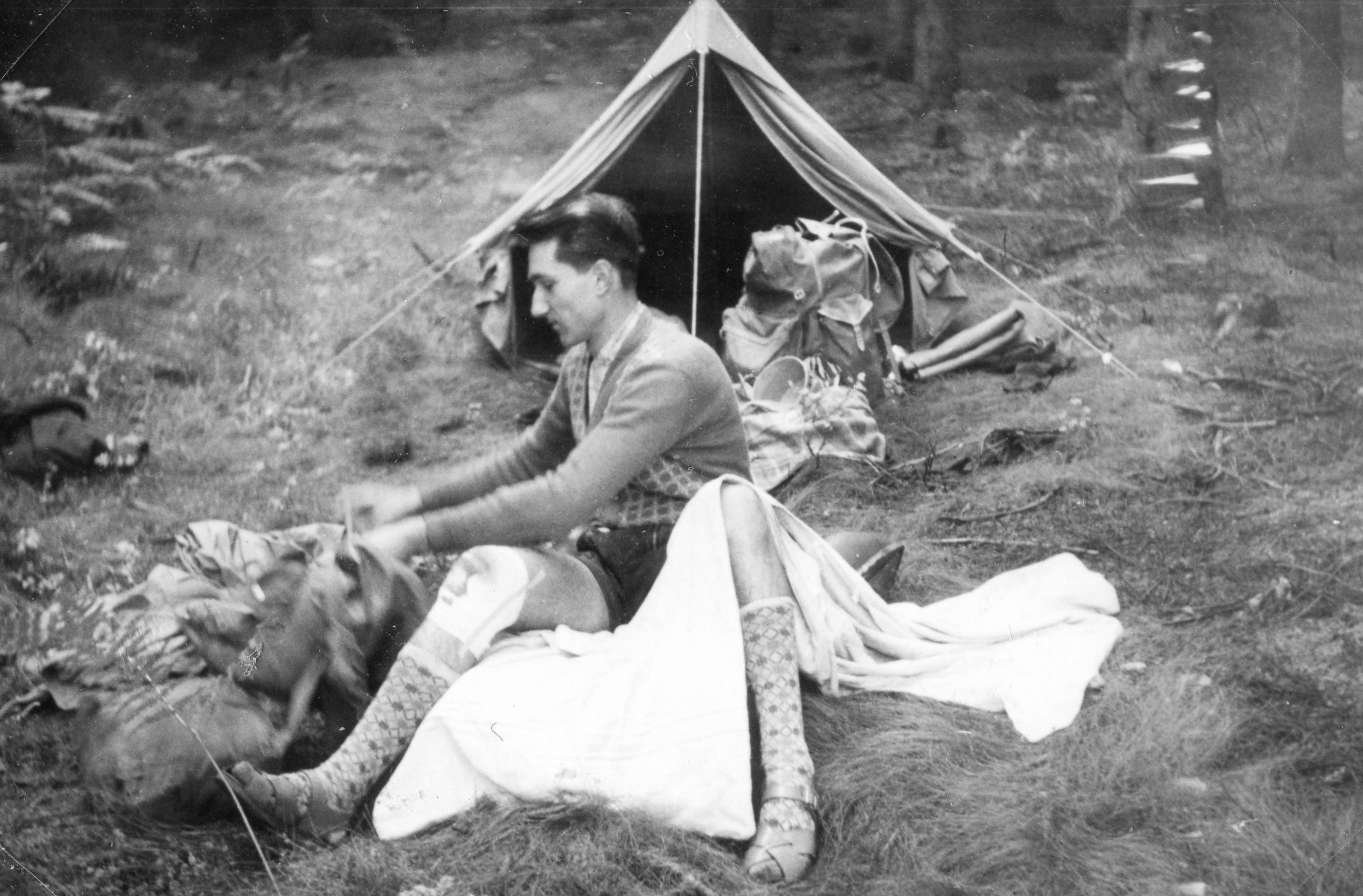
Hans and a Fellow Scout Preparing a Meal for the Clan

Hans and a Fellow Scout Preparing a Meal for the Clan

Fifteen years after the war great dangers were still lurking in this section of the Reichswald. Heavy fighting must have taken place around our bunker. For we found unexploded shells, so-called duds on the forest floor. One young scout stumbled over one of these rocket-shaped shells and tossed it against the concrete wall. I guess in his total ignorance of the potentially fatal consequences he expected it to blow up like a giant firecracker. Fortunately for us it did not go off. When I had somewhat recovered from the initial shock, I blew the whistle as a signal to the scouts to assemble around me. Then pointing to the shell I gave them a stern lecture on the danger to life and limb and ordered them not to touch any of these explosive devices. As punishment for the reckless boy I ordered that they should throw a rope over a sturdy tree branch and attach to it a stick, on which the delinquent would have to sit. In a somber, authoritative voice I pronounced the verdict. The boy shall be pulled up three meters above the ground, where he will have time to reflect on his reckless behavior and serve as a warning to all others who might be tempted to imitate his foolish act. While I maintained a straight face, the entire clan including the culprit took the whole proceedings as excitement and fun. With shouts of hooray they pulled at the rope to raise the boy to the desired height. There he was swinging back and forth until his release from his lofty prison.

Peter's Clan Relaxing in a WW2 Bunker

Peter’s Clan Relaxing in a WWII Bunker

Had I learned my very own lesson about safety regarding WWII projectiles? Looking back, I would say no. For on the day we were breaking camp, I secretly wrapped one of the best looking shells in a towel, placed it deep inside my luggage bag and took it home. There it stood for a while like a trophy in my room on the windowsill. With a new coat of red paint it looked shiny and new and attracted the attention of my visiting friends. It was a very fitting display at a time, when the Russians were launching with great fanfare the first man-made satellites, their famous Sputniks.

Two Scouts Posing in front of Our Bunker

Two Scouts Posing in front of Our Bunker

On the next bike trip to our bunker we were in for a great disappointment. Someone had discovered our weekend base and reported it to the police as a potential hideout for fugitives from the law. Thus, being alerted, they began patrolling the access roads to the Reichswald. How surprised were they when instead of nabbing a gang of criminals they caught a bunch of teenage boys dressed in neat scout uniforms. Unlike the irate youth hostel man the officer told us in a calm, professional manner how dangerous it was to camp out here with all those explosive devices lying all over the forest floor. He also gave us a scare when he recorded all our names and addresses with a warning that he would notify our parents and that there would be possible fines for trespassing. Luckily, the letters never came. But the encounter with the police made us go to safer wooded areas and sleep again in our tipi. As for me the leader of the clan, I now realized that even though I had taken vigorous measures to alert the scouts to the dangers of the shells I should have avoided the bunkers in the first place. In retrospect it was like divine intervention that the police had put a sudden stop to our adventurous trips to the Siegfried Line. That very same weekend I took the ‘rocket’ and threw it in the garbage can. For all I know it still rests somewhere in the Wesel garbage dump.

Chapter XIII of the P. and G. Klopp Story – Part 2

Visitors new to this blog can read earlier chapters on the Klopp Story menu item.

Bike Ride to Xanten and Kleve

Roman Amphitheater at Xanten - Photo credit: wikipedia.org

Roman Amphitheater at Xanten – Photo credit: wikipedia.org

Our weekly gatherings in the citadel provided opportunities for learning sessions, singing of scout-oriented hiking songs and preparing our favorite monthly weekend excursions on bicycles. These sessions were cheerful and noisy. The singing, which my new friend Klaus accompanied with his guitar, was especially enjoyable. Our voices reverberated powerfully from the ancient stonewalls in the large assembly hall. But nothing would surpass the anticipation and enthusiasm for the actual camp life in the nearby forests. Before we ventured out into the wilds, we biked to Kleve, a town on the other side of the River Rhine near the Dutch border. The road, a biker’s dream, so level that one would have to search hard to find even a hillock, passes by the town of Xanten and Kalkar before ending at Kleve, where a large youth hostel was located. Even though the total distance from Wesel was only 50 km, we spent all day getting there.

On the Road to Kleve an Orienteering Lesson

On the Road to Kleve an Orienteering Lesson

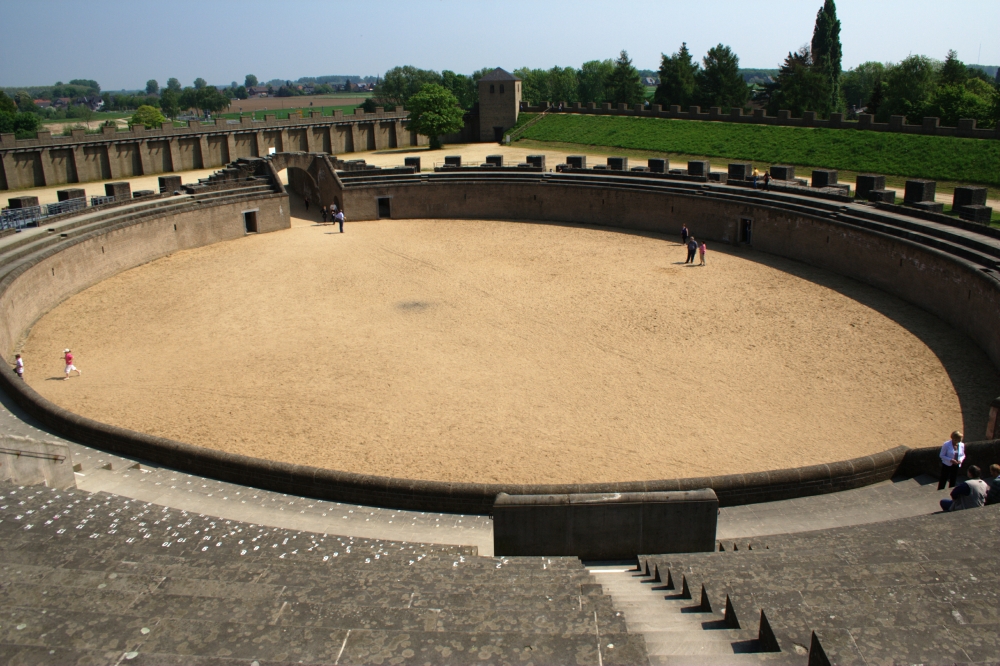
There was so much to see, especially in the archeological park of Xanten. Here the Roman legions had their headquarters. The centerpiece of the Roman town was the amphitheater, which used to be the focal point for entertainment in every city of the Roman Empire. When we glanced at the circular arena, we conjured up in our youthful imagination gory scenes of Germanic barbarians struggling against wild beasts, gladiator fights, and the bloodthirsty spectators yelling and screaming from the tiered rows of benches. When we arrived at the amphitheater, there were very few other visitors, no park warden and entrance fees to be paid. Today Xanten attracts an incredible crowd of over a million tourists a year. Late in the evening we rolled into the large yard of the Kleve youth hostel, single file on our bikes, very proud in our black scout uniforms decorated with badges, but also very tired after so much sightseeing on the way.

Schwanenburg_(Swan Castle) at_Kleve - Photo credit: Wikipedia.org

Schwanenburg_(Swan Castle) at Kleve – Photo credit: Wikipedia.org

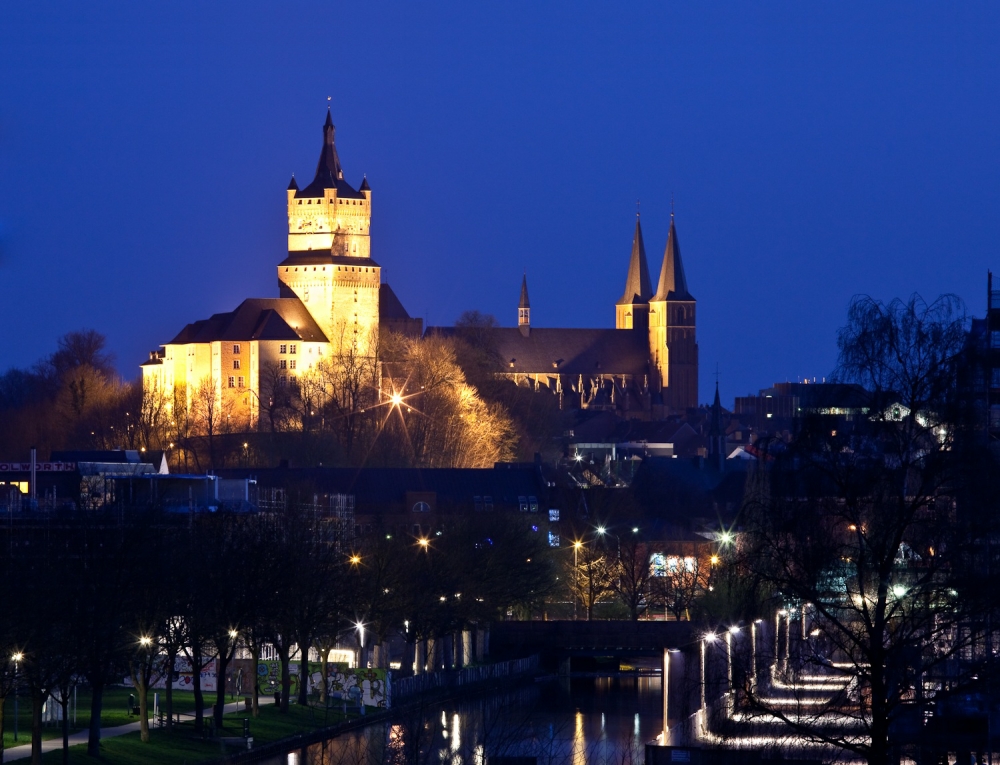
The man in charge of the hostel looked annoyed, when he saw a bunch of boys dropping in so late in the day to disturb his peace and quiet. He immediately singled me out with his keen eyes as the leader and pounced on me giving me a severe dressing down for failing to give him advance notice of our arrival. When I meekly showed him the youth hostel membership card that Hühnchen had given me with the prospect of easy access to food and lodging, he exploded in anger and with his yelling and screaming almost scared me out of my wits. I learned from his verbal attacks that using somebody else’s ID is forbidden. He made me feel so guilty that all I could do was to remain silent. At last he ended his abusive tirade, which included scornful remarks about my shabby appearance. Having thoroughly blown his stack, he felt much better and to our relief calmed down, even managed to give us a smile. He instructed me to inform my ignorant boss not to hand over his membership card to others and, with a hint of reconciliation, asked us to come in and register for the night.

To be continued …

Chapter XIII of the P. and G. Klopp Story – Part 1

Visitors new to this blog can read earlier chapters on the Klopp Story menu item.

The Scout Years

In Scouting, a boy is encouraged to educate himself instead of being instructed. Robert Powell

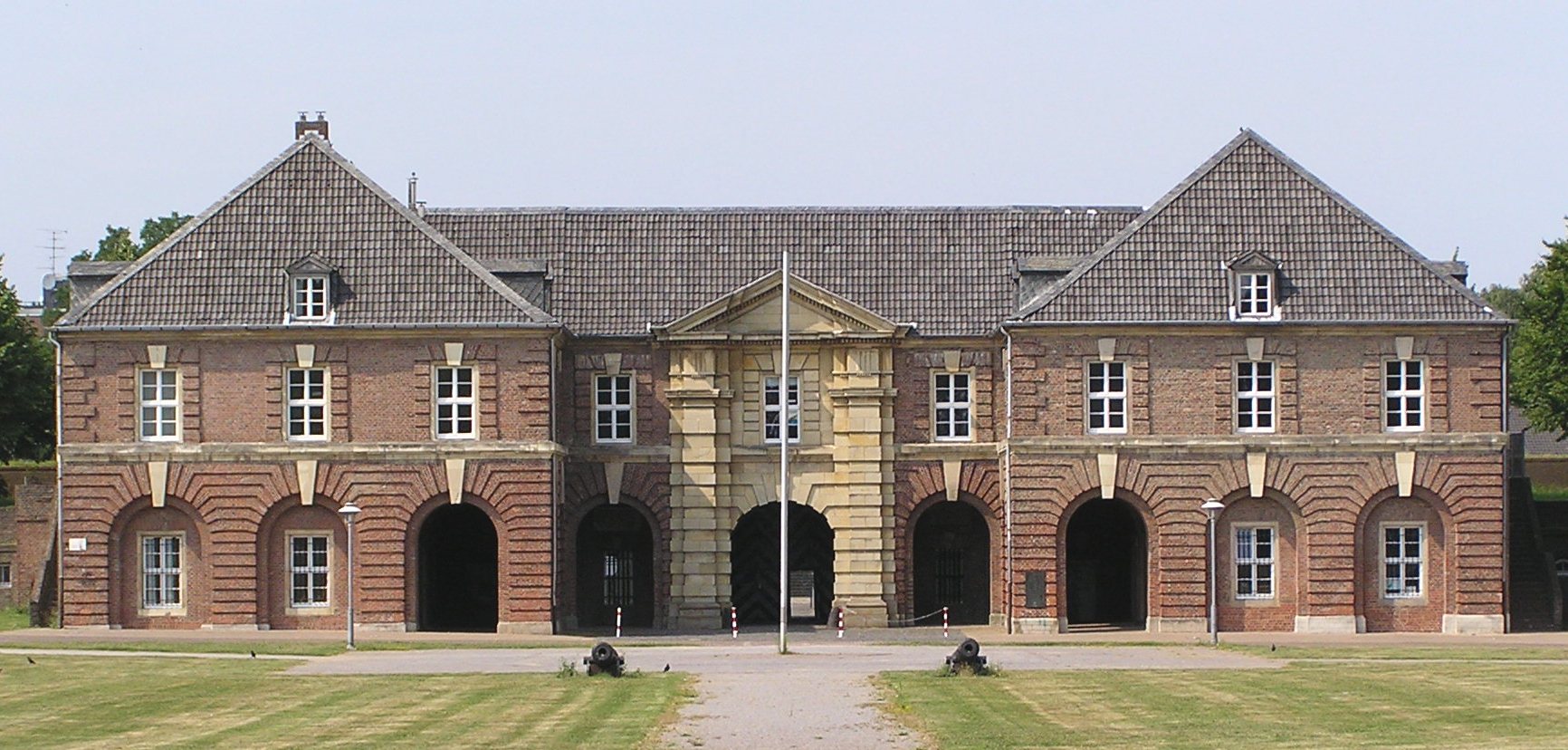
Zitadelle_Wesel = Photo Credit: wikipedia.org

Citadel in Wesel – Photo Credit: wikipedia.org

How I became a scout, I can no long remember. Perhaps a friend or a classmate introduced me to the Union of European Scouts (BEP), a new organization that sprang up in many towns in the late 1950’s. In an era when European countries still lived in fear, distrust, even hatred for each other, the idea of a European community without borders appeared to be absurd. However, it was the key mission statement of this fledgling movement to bring young people of Western Europe together. They were not burdened by the weight of old political prejudices by former generations.

My experiences as a scout did much to enrich my life with lasting effects and nurtured qualities that became rewarding and useful later on in my adult years. Among those qualities were the ability to work in teams, the development of leadership skills, self-reliance, the love of the outdoors in general and the joy of camping in particular, the indescribable pleasure of singing pirate and lansquenet songs, shanties and spirituals, hearty tunes of adventures in distant lands in unison with like-minded boys, contentedness with simple things in life, a certain degree of frugality with food and clothes, just to name a few.

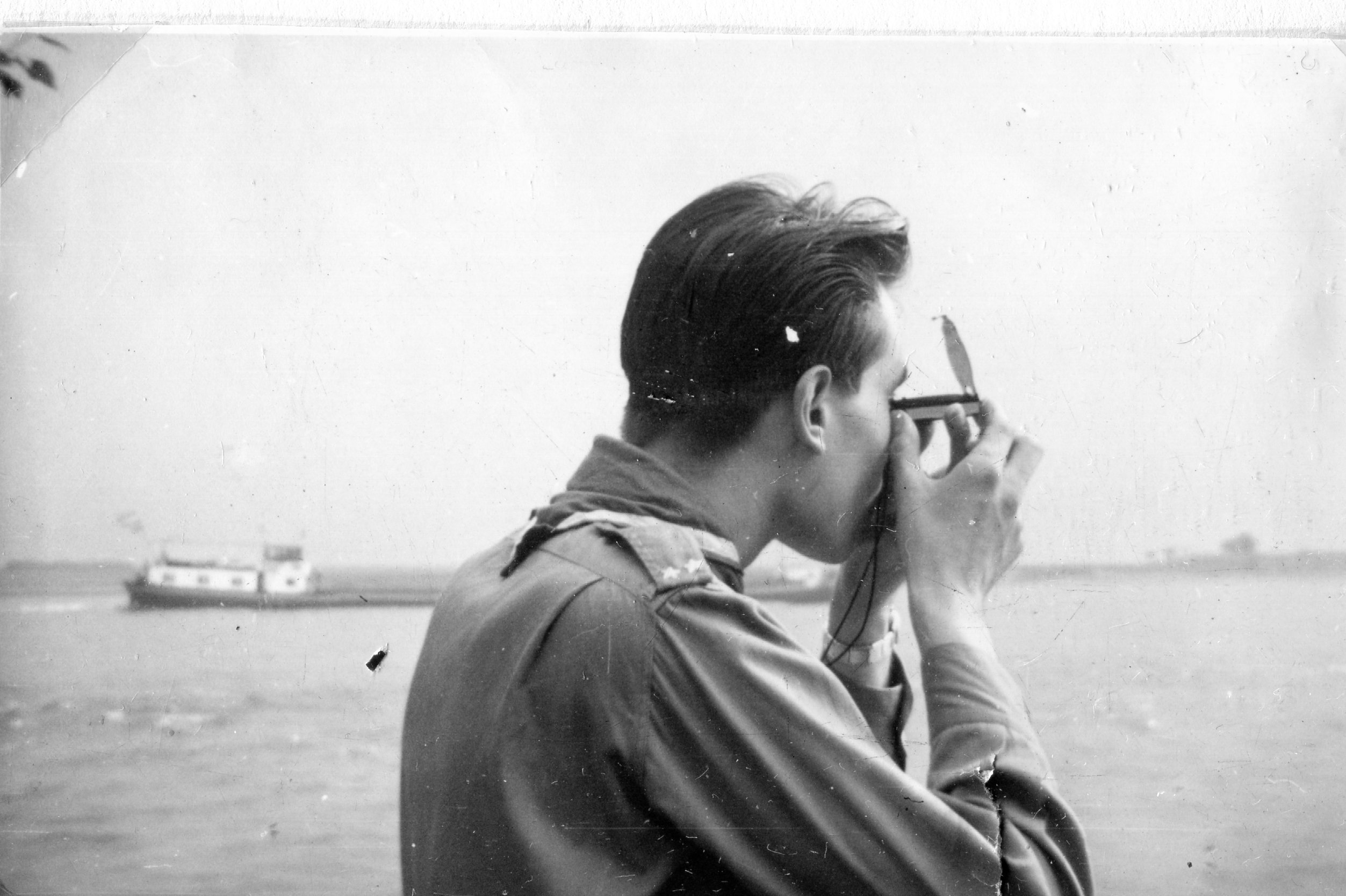
The city of Wesel had generously made the citadel available to youth groups and other non-profit organizations for their meetings and activities. The citadel is the only intact fortification left in all of Westphalia. Its history goes back to the Napoleonic era and even much earlier, when the French were in control of the Lower Rhine region. The citadel was the massive and robust building where we gathered. The solid interior walls emanated the kind of imagery befitting the stalwart character of scouts in their late teens: strength and dependability. Here we learned under the capable leadership of Günther Alvensleben with the misleading nickname Little Chicken (Hühnchen in German) the rudiments of scouting, from tying knots, writing down our favorite camp songs in notebooks to orienteering with map and compass.

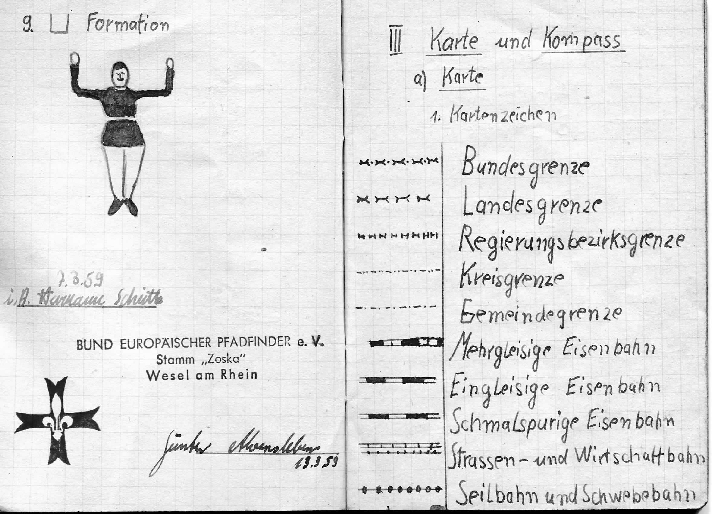
Page of Handwritten Scout Book

Page of my Handwritten Scout Book

My friend Hans and I were chosen to take on a leadership role in the rapidly expanding local chapter. To become a leader we had to be acquainted with the history of the scout movement and its founder Lord Baden-Powell. We also had to demonstrate competence in a variety of skills related to scouting. Since we had no books, we created our own using small notebooks complete with hand-drawn diagrams and illustrations. After passing an oral test, we had our entries in the booklets signed and provided with the official rubber stamp of Tribe Zoska, to which we belonged. Thus, after a period of intense training, I became leader of a clan consisting of about a dozen boys in their early teens. For the first time in my life I felt responsible for the welfare and safety of others. In the beginning I had become a member of the local scout chapter merely to find enjoyment in their exciting outdoor program. But now I  had moved away from a mere egocentric perspective and began to care and feel an obligation towards my fellow scouts in the clan. I also started to understand the truism in the saying ‘By helping others, you help yourself’.

Peter Working with Compas

Peter Working with Compass at the River Rhine

Talents for teaching, organizing activities, bringing about order in chaotic situations, abilities hitherto unknown to me were slumbering and waiting to be awakened. All these hidden capabilities were being developed while learning to be a good leader. What I did not realize at the time was that I also started to bring my own house in order. Gradually I became acutely aware that I had a tendency to lose myself in a dream world indulging in the entire gamut of fantasy-driven emotions. I began to suspect that avoidance of the requirements and obligations of every day living made me dwell so much in my disconnected inner world. My active involvement as leader of a clan brought fresh air into my life, encouraged me to focus on planning, organizing, and executing projects and camp-outs. In short I began to steer away from my unproductive self-centeredness.

To be continued…

Chapter XII of the P. and G. Klopp Story – Part IV

Exploring Germany by Bike

Summer 1959

In preparation for our ambitious goal to travel by bike all the way down to Lake Constance with stopovers in Bad Kissingen and Freiburg at Aunt Meta’s place, Rainer and I had a lot of things to do. We planned to camp in the fields and woods along our route and stay away from the campgrounds to save money. I already owned a two-person tent, for which Mother had so lovingly sewn together a sheet of cloth that could be draped over the tent for extra protection against the rain. Rainer, being the son of the owner of a lucrative car repair shop, had access to telephone and quickly set the approximate date of our visit as promised by Christine’s father the previous summer. For food we limited ourselves to non-perishable goods, such as canned sardines, meat, even pumpernickel, and fruit for dessert. For entertainment I took along my harmonica and also a novel written by Jerome K. Jerome at the turn of the century with the title ‘Three Men in a Boat’. In English class we had to read excerpts from the book and we had so much fun with many of the hilarious passages that I decided to buy the book in German translation. At the end of a long and tiring day on the saddle we would crawl into the tent and I would read aloud from this delightful traveling book. We often had to pause to recover from our fits of laughter over a particularly comical description of the three boaters and their temperamental dog.

Peter after his Bike Accident

Peter after his Bike Accident

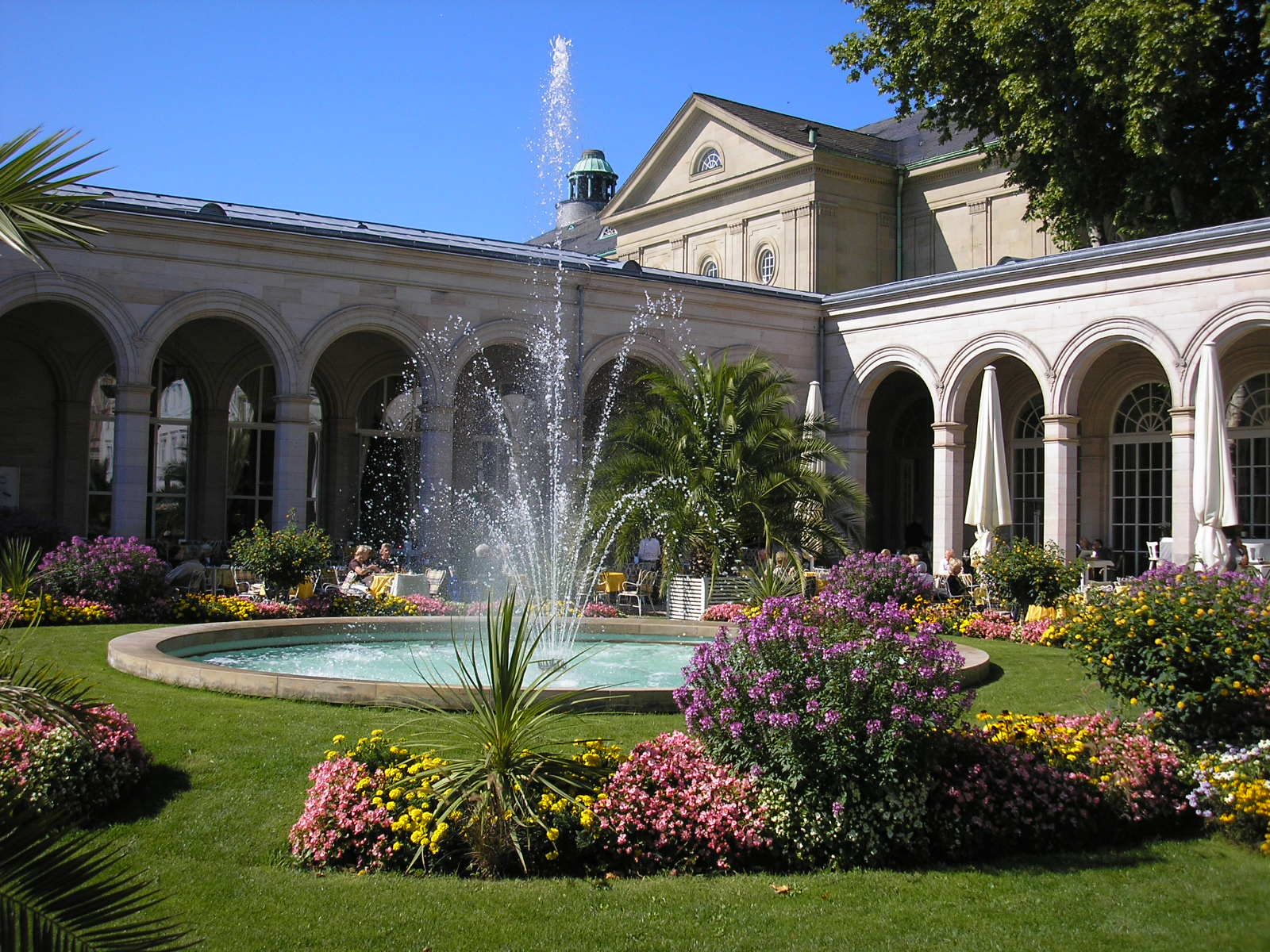
The Lower Rhineland and the adjacent Ruhr industrial area are almost level. So traveling was easy and light for the first couple of days, even though our bikes were loaded to the maximum capacity with supplies. But when we were nearing the halfway mark to Bad Kissingen we were in the hill country. The slope was getting steeper. Riding old-fashioned bicycles without being able to shift into a lower gear, we often had to get off our bikes and push them with the heavy luggage several kilometers uphill. Oh, how I wished then to be back again in the cool refreshing breeze of the Baltic Sea. Eventually though we were rewarded for our hard labor with a comfortable coasting down into the valley bottom. On one of these pleasant downhill rides not too far from our first stopover I lost control on a sharp curve and took a nasty spill over loose gravel. I badly scratched up my right knee and was bleeding profusely. Other than feeling the stinging pain I got away without any major injuries. Fortunately, the bike had not suffered any damage. So Rainer and I, disheveled and myself a little bit shaken up, arrived at our first major destination. Dr. Baudach took immediate care of my knee and applied a stinging disinfectant and a healing cream to my wounds from a little tube that was worth fifty marks, the equivalent of 10 days of my traveling budget. Bad Kissingen is a spa town and a world-famous resort town in the Bavarian region of Lower Franconia about 300 km southeast of Wesel. We were thankful for the opportunity to recover from our arduous climbs over the hill country and thoroughly enjoyed the hospitality in the doctor’s home during our three-day resting period. When we said good-bye and our heart-felt thank-you to Mr. and Mrs. Baudach, we promised to write as soon as we had finished our journey. We also promised Christine to start as pen pals a correspondence with her. After all she was the one who initiated our invitation from her dad in the previous summer.

Bad Kissingen - Photo Credit: wikimedia.org

Bad Kissingen – Photo Credit: wikimedia.org

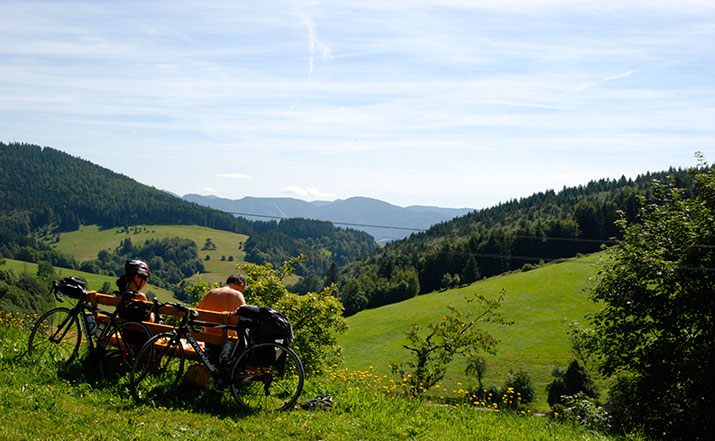
Having already been almost two weeks on the road, Rainer and I decided to drop Lake Constance from our itinerary and ride on in a southwesterly direction to Freiburg. Because of the sultry and hot weather we did not average more than sixty kilometers a day. More and more often we had to walk our bikes, as the road was getting steeper. When we had finally reached the famous Black Forest Highway, we realized that the toughest part was still to come. We had to overcome the difference in elevation of more than five hundred meters in order to reach the top of this arduous mountain road. Our progress dwindled to a mere thirty kilometers a day. We would need seven days or more to get to Aunt Meta’s place in Freiburg.

On a particularly long and steep stretch we almost despaired and were ready to buy train tickets in the next major town to escape what appeared to us to be self-inflicted torture rather than a fun-filled journey through one of the most beautiful parts of Germany. While we had parked our bikes on the roadside and contemplated what to do next, we noticed how sluggishly the big trailer trucks were crawling up the mountain road. Necessity is the mother of invention. Seeing the trucks rumbling by at a very slow pace sparked the idea. We would pick one with a trailer and attach ourselves to its back-end. At less than twenty kilometers per hour we figured we would be able to hang onto it with one hand and steer the bicycle with the other. Totally ignoring how dangerous and unlawful it would be, we tried out our plan on the next curve, where we could be sure not to be seen in the rear view mirror of the truck driver. It worked marvelously. Even though we had to switch trucks several times to give our arms a rest, we reached the summit of the North Black Forest road in a matter of a few hours. Tired and exhausted, but happy and content we set up our tent in a cool forest meadow near a mountain creek, whose gentle murmuring quickly lulled us into a deep and well-deserved sleep.

Blackforest with Mountain Bikers - Photo Credit: breisgau-schwarzwald.de

Blackforest with Mountain Bikers – Photo Credit: breisgau-schwarzwald.de

Well rested we made excellent progress on a relatively level stretch of highway on the Black Forest plateau. We refrained from hitching onto the much faster moving trucks this morning. Turning west near the picturesque town of Hinterzarten we were now heading toward the Höllental (Valley of Hell). Below these high-lying hollows of the town the federal highway B31 winds downhill in spectacular loops. Riding on this road turned to be a fantastic joyride, even though in hindsight it could have easily turned into a disaster, if the simple back pedal brakes had failed. After the railway station Hirschsprung with its steep slopes up to six hundred meters high came a section with towering cliffs known as the Höllenpass (Hell Narrows). The narrowest part of the gorge is called the Hirschsprung (Deer’s Jump). A common tale reports that a deer escaped hunters by jumping over the nine-meter wide gorge. Enjoying more the exhilarating high-speed ride than the magnificent scenery all around us we zipped by in typical teenage fashion toward the widening valley of the Freiburg district. It was late afternoon when we arrived at Aunt Meta’s place, where we received the warmest reception and for the first time in days had a decent meal again.

Since my last visit in 1953 Aunt Anna after the death of her husband Baron von Waldenfels had been living with Aunt Meta at the same apartment. Her colorful life as baroness, a very interesting piece of family history, can be read in the voluminous book ‘Familienchronik Klopp’ written by Eberhardt Klopp, a distant cousin of mine. Having grown up in the nationalistic era of Imperial Germany, she was still filled with the fervor of German patriotism. While we were savoring Aunt Meta’s delicious cake at the coffee table, her passionate plea to us strapping young men to embrace and adhere to the archaic concepts of blood and honor is still ringing in my ears after all these years.

Rainer made a phone call to his mother describing to her the fun we had but also the ordeals we experienced in pedaling through mountainous terrain. Whether it was compassion for her son or whether she just wanted to take a break from her household chores, I do not know. But she decided to pick us up in her VW beetle. We took our bikes to the railroad station and had them shipped to Wesel. The trip home with Rainer’s cheerful mom along the scenic River Rhine with its impressive mediaeval castles brought another adventure to a most pleasant conclusion.

Chapter XII of the P. and G. Klopp Story – Part III

Rowboat Adventure and a Visit to the Reeperbahn

Summer Holidays 1958

In the following summer Mother allowed me to return to Möltenort with my friend Rainer Schüler, a classmate in the modern language branch of our high school. I was thrilled by the degree of individual independence and trust that Mother had placed on me. She had reserved the same cottage we had rented the previous year. Breakfast was included and offered so much food to sustain us till early afternoon. We followed the German custom of eating our main meal at noon in the local resort restaurant. Rainer and I lived frugally to save money for purchases in Hamburg, where we were going to drop in later at Auntie Ella’s place. We bought two eating passes for our two-week stay at the Baltic Sea. When we dined together, we discovered that we were getting less meat, vegetables, dessert than if we had eaten separately. Therefore, we decided to eat our meals individually about thirty minutes apart. For the same cost we enjoyed larger portions and we both were very proud about our clever plan to get more for less.

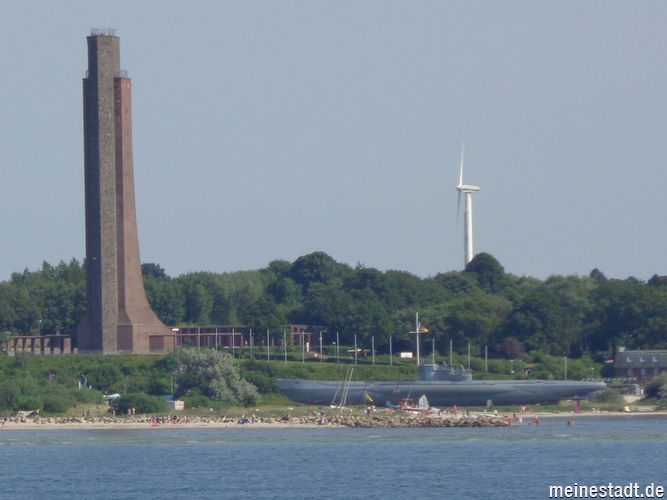
Modern Laboe - Photo Credit: meinestadt.de

Modern Laboe – Photo Credit: meinestadt.de

In the afternoons we spent many happy hours at the beach, where we soon became acquainted with an easygoing doctor, his wife and their five or six children. They had come all the way from Bad Kissingen for their vacation at the Baltic Sea. The Baudachs had rented a Strandkorb. And Rainer and I helped them build a large wall around it. It did not take very long to feel like being part of the family sharing their good company at the beach and as an extra bonus the snacks and refreshments of which there seemed to be an endless supply in the wicker basket. I no longer remember what Christine, the eldest 15-year-old daughter, looked like, but Rainer and I spent a lot of time with her. After our swim we would sit down on our towels and tell her about our ambitious plan to ride our bikes all the way to Southern Germany making a circle tour with Lake Constance being the farthest point away from home. Christine found it very exciting to listen to us, as we were dreaming aloud about our adventures the following summer. She must have talked to her dad about these plans, because Dr. Baudach surprised us with an invitation to drop in and use their home as a stopover on our bicycle tour. We gladly exchanged addresses and promised to write as soon as we had finalized the details of our trip.

The lady who was running the bed and breakfast business had an old decrepit rowboat that had definitely seen better days. The paint was peeling off, the ancient registration number, no longer valid, was barely visible, and as we found out later the vessel had a small leak and was hardly seaworthy. One day we asked the lady if we could drag it down to the seashore and take it for a little excursion. ‘As long as we hug the coastline within swimming distance’, was her somewhat vague reply. While we were rowing, we noticed that water was indeed penetrating through a hairline crack and collected in small puddles in the bottom of the boat. Staying close to the shore we proudly glided by the populated beach area heading south toward the Laboe Memorial Monument. Then Rainer, who acted as the temporary pilot at the stern, spotted a red buoy bobbing up and down in the waves about half a kilometer out at sea. Ignoring the cottage lady’s warning we immediately turned the boat into that direction thinking it would be an excellent place to tie up our vessel and go diving and swimming with the buoy serving as a diving board. Now it was Rainer’s turn to work at the oars. When we reached the buoy, we had trouble at first securing the boat with a rope as the wind was beginning to make the sea choppy. But eventually we succeeded, and with no danger of losing the rowboat we jumped onto the buoy. What an exhilarating feeling! We felt as if we had just crossed the sea and discovered our very own dream island. We had fun jumping off the buoy and swimming around it. Suddenly we detected a speedboat racing towards us. As it was looming larger, we recognized that a marine patrol boat was coming our way. The officer must have spotted us in his binoculars and apparently decided to give us a stern lesson on marine safety rules. When he saw that we were just foolish, young boys, he softened his approach and explained to us that a buoy is an important warning marker for ships and not a toy or some sort of water playground equipment. Then he let us go with a warning not to come back and with the request to tell the owner that the boat had no proper identification and therefore should not be used at sea. When we landed safely but somehow with dampened spirits, the lady, who had witnessed the entire scene from her cottage, was very angry with us and let us know in no uncertain terms that her boat would from now on be off-limits.

On our way home we stopped in at Auntie Ella’s in Hamburg. This was now the third year in a row that she had welcomed me into her home. Looking back I am amazed at her most generous hospitality and at myself taking her kindness for granted. On the first day of our arrival I noticed that her radio in the living room was not working. Upon hearing that I had some knowledge in electronics she gave me permission to remove the back cover of the radio and have a good look inside, where a bewildering array of tubes, transformers and coils would have frightened the uninitiated. I searched for the obvious prime cause of the breakdown. Hidden behind the main transformer was the pair of metal clamps that held the fuse in place. Sure enough it had blown and needed replacing. To get the radio working, I wrapped a tiny sheet of aluminum foil around it. Voilà, the radio came back to life. This was the first time that I applied my knowledge of basic electronic circuits in a useful fashion. Puffed up with infinite pride I announced my success to Auntie Ella, who instantly burst the bubble of my joyful but over-inflated ego by saying, “Yes, I know. The fuse had been blown. Thank you, Peter!”

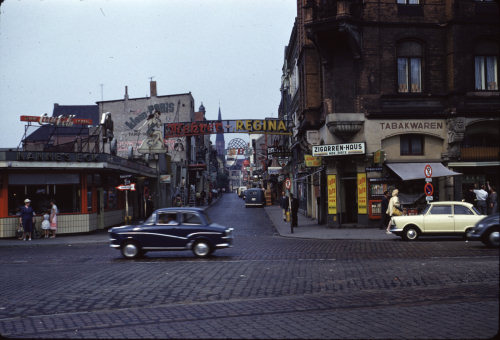
Reperbahn in the 1950's - PhotoCredit: reeperbahn.uk.org

Reperbahn in the 1950’s – PhotoCredit: reeperbahn.uk.org

The Reeperbahn is the most famous street in Hamburg. To the tourist it offers bars, restaurants, shops, theaters and clubs, along with sex museums, erotic theaters and strip clubs. The district is the second most popular attraction of Hamburg after the harbor. In the 1960’s the Beatles wooed the German audiences in Hamburg and started their career in various music clubs along the street “Große Freiheit” (literally “Great Freedom”). At the corner of the Reeperbahn and Davidstraße is the most famous police station in Germany. The Davidstraße provides highly visible police protection and makes the area one of the safest ones in Hamburg. The name “Reeperbahn” comes from the old German word “reep” meaning heavy rope. In the 18th century heavy hempen ropes were produced here for sailing ships in the Hamburg harbor. The Reeperbahn does not come to life before the evening hours. So it was entirely safe and proper for us sixteen-year olds to visit this illustrious and somewhat notorious street during daytime hours. Under a heavy cloud cover the area appeared rather drab in the afternoon drizzle. With only a few tourists walking up and down the sidewalk, the street almost looked deserted. So it was not surprising that the employees of the various entertainment centers that were actually open at this time tried all the harder to get customers to come in to take in whatever titillating things there were to see. One of the attendants of such a steamy establishment boldly approached us and surreptitiously suggested that if we were eighteen years old we would be allowed in for free. Rainer and I just shook our heads as a sign of our refusal. We were neither eighteen nor had the desire to get a glimpse of whatever was lurking behind the garish-looking entrance. Besides we found out later that free meant one had to order a beer for twenty marks. No, we were driven by a totally different desire, the desire to spend our surplus money that we had saved up during the past two weeks. I had fifty marks in my pocket, and to my greatest delight I discovered a shop that specialized in radios and other small electronic gadgets. Before the summer holidays I had just ‘improved’ my latest receiver to the point of irreversible damage. Thus I was happy to see a radio within my anticipated price range in the display window. It was love on first sight. Even though guided by the bait-and-switch tactic the merchant did not succeed in convincing me to buy another ‘better’ model. I remained adamant. It was either the one in the display window or no purchase at all. Rainer did not find anything suitable to buy. So we strolled back to the bus station, passing by all those attractions for the pleasure-seeking night owls. With this excursion our vacation trip had come to a remarkable conclusion. Rainer had extra money in his pockets and I another radio in my possession.