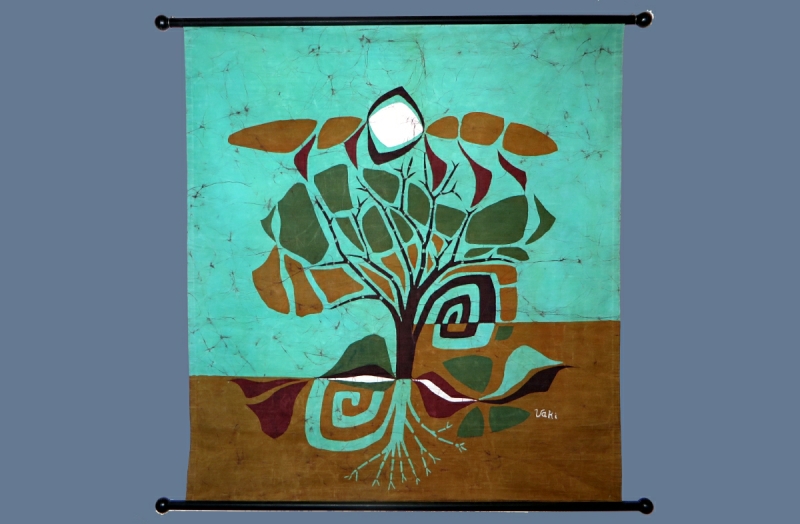
Carthage by Peter Klopp ©
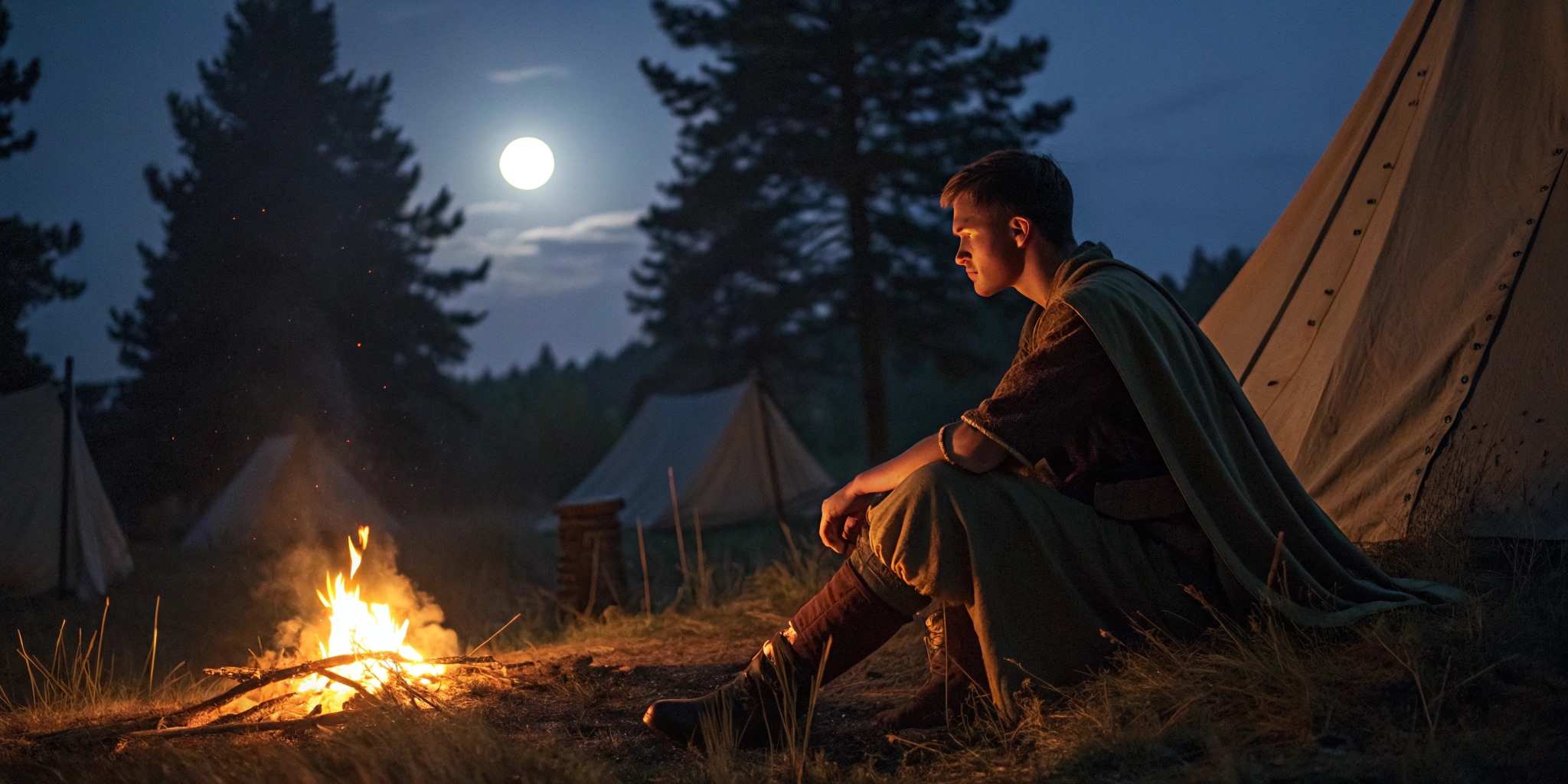
Philosophical Reflections around the Campfire
The military discipline in the camp and in the field, which was created to regulate the lives of many in the community, was of little help to him either. At first he had thought that he would get closer to his comrades by strictly adhering to it. But the opposite was the case. The soldiers did not obey the military order out of understanding, but out of fear of punishment. If they felt they were not being supervised, it no longer applied. Publius soon had to realize that if good will and proper morality are not the driving force behind all actions, then even the best law is fruitless. He once told his comrades, and their embarrassed silence proved to him sufficiently that he was right. But he had not come any closer to them because of it. So he was convinced that his thinking was correct and continued to think like that, but stopped acting accordingly, like an orator who feels that no one is listening to him. But since his tormented heart did not allow him to be alone with his questions, and at the same time shut himself off from those people who did not take them seriously, he buried himself more and more in books and writings.
Because of his great zeal, he was the subject of much discussion at first, as is the case with everyone who consciously sets himself apart from the crowd. Some called him professor, others called him little doctor. Strangely enough, Publius didn’t mind and smiled friendly when addressed that way. Without even noticing it, after he had occupied himself with philosophy and science for a while, he adopted an inner attitude that influenced not only his thinking but also his actions. Even though he often lacked the courage to say or do the right thing at the decisive moment, the foundations that were to determine his later life were nevertheless laid in him. But a work needs love and confirmation, and Publius was still looking for someone who understood him or at least tried to understand him.
The night was already well advanced when the camp slowly became quieter and the singing around many of the fires died down. Only rarely did Publius hear a murmur or a short, muffled laugh. They had hunted the rebellious slaves for almost a month. Now the last of them were sleeping under their masters’ roofs again. Only the ringleaders had been bound and sent to Rome for punishment. After roll call the next morning they would be released. The thought that he could be with his parents the next day made him very happy. Wrapped only in a coat, sufficiently warmed by the fire, he fell asleep contentedly and dreamed of the colourful clay vases that his father had made and that he had been allowed to paint.
Karthago von Peter Klopp ©
Philosophische Betrachtungen am Lagerfeuer
Auch die militärische Disziplin im Lager und im Felde, die geschaffen wurde, um das Leben vieler in der Gemeinschaft zu regeln, half ihm wenig. Anfangs hatte er geglaubt, seinen Kameraden auf der Weise näherzukommen, dass er sich streng an sie hielt. Aber das Gegenteil war der Fall. Die Soldaten beugten sich nicht aus Einsicht der militärischen Ordnung, sondern aus Furcht vor Strafe. Fühlten sie sich ohne Aufsicht, so galt sie nicht mehr. Publius musste bald erkennen: Wenn nicht guter Wille und rechte Sitte die Triebfeder allen Handelns sind, so ist das beste Gesetz fruchtlos. Er hat seinen Kameraden einmal gesagt, und ihr betretenes Schweigen bewies ihm genügend, dass er recht hatte. Aber er war ihnen deswegen um nichts näher gekommen. So war er wohl von der Richtigkeit seines Denkens überzeugt und dachte so weiter, hörte jedoch auf, entsprechend zu handeln, wie ein Redner, der spürt, dass ihn keiner anhört. Da es aber sein gequältes Herz nicht zuließ, mit seinen Fragen allein zu sein, gleichzeitig jedoch sich gegen solche Menschen abkapselte, die sie nicht ernst nahmen, vergrub er sich mehr und mehr in Büchern und Schriften.
Wegen seines großen Eifers ward er die erste Zeit viel im Gespräch, wie es jedem ergeht, der sich bewusst von der Masse absetzt. Die einen nannten ihn Professor, die anderen wieder Doktorchen. Merkwürdigerweise machte Publius sich nichts daraus und lächelte freundlich, wenn man ihn so ansprach. Ohne dass er es selbst merkte, nahm er eine innere Haltung an, nachdem er sich eine Weile mit Philosophie und Wissenschaft beschäftigt hatte, eine Haltung, die nicht nur sein Denken beeinflusste, sondern auch sein Tun. Fehlte ihm auch noch oft der Mut, im entschiedenen Moment das Richtige zu sagen oder zu tun, so waren doch die Grundpfeiler in ihn gelegt, die sein späteres Leben bestimmen sollten. Aber ein Werk bedarf der Liebe und Bestätigung, und noch immer war Publius auf der Suche nach einem Menschen, der ihn verstand oder wenigstens versuchte, ihn zu verstehen.
Die Nacht war schon weit fortgeschritten, als es langsam ruhiger im Lager wurde und der Gesang an vielen Feuern verstummte. Nur selten kam noch ein Murmeln oder ein kurzes, gedämpftes Gelächter an Publius’ Ohr. Fast einen Monat lang hatten sie die aufrührerischen Sklaven gejagt. Nun schliefen auch die letzten wieder unter dem Dach ihrer Herren. Nur die Rädelsführer hatte man gebunden und zur Bestrafung nach Rom geschickt. Nach dem Appell am nächsten Morgen würden sie entlassen sein. Der Gedanke, dass er den nächsten Tag schon bei seinen Eltern sein könnte, machte ihn ganz glücklich. Nur in einen Mantel gehüllt, vom Feuer genügend gewärmt, schlief er zufrieden ein und träumte von den bunten Tonvasen, die sein Vater formte und er bemalen durfte.

 The Peter and Gertrud Klopp Family