The Vienna Slivovitz Hunter
Being cut off from his unit in Zavidovici, Papa returned to Vienna to report for military duty and to prepare a newly formed battalion to defend the city. Fortunately for him, there was not much action during the next two months except for the endless allied bombing raids on the capital of Austria. Since there were virtually no German fighter planes, American bombers brazenly made daily attacks in broad daylight on the beautiful city on the River Danube. With the regularity of a clock, they flew in from their air bases in France.
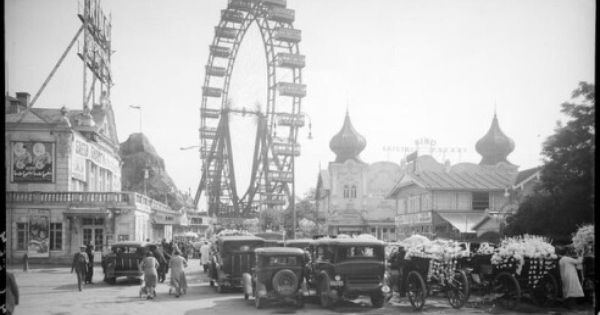
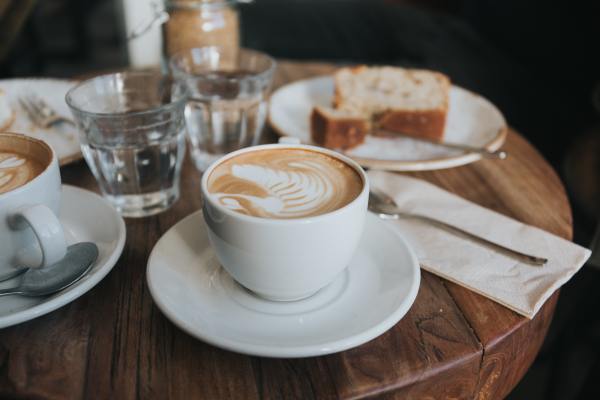
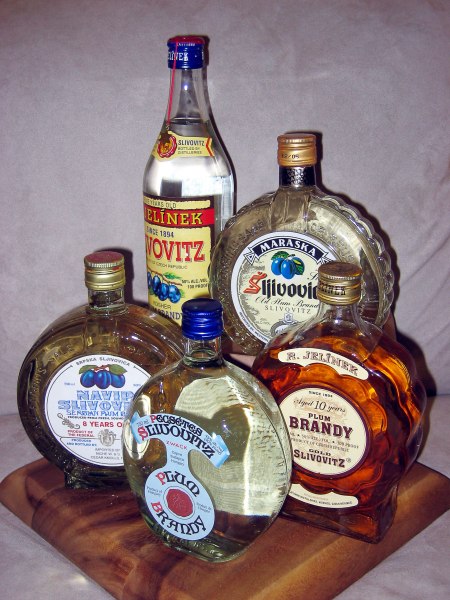
Ignoring the lethal blows to entire neighbourhoods, Papa remarked in one of his letters employing his peculiar kind of sarcasm that the Americans were knocking down one café after another. He would soon have none left to go and enjoy with a colleague a game of chess while sipping coffee and tasting delicious Viennese pastry. Knowing that the war would soon be over and all his money worthless, Papa spent his off-duty time scouring the local liquor stores for the liquid gold, his cherished slivovitz. He perceived it to be more valuable than the war-tarnished currency of the German Reich. On his final official leave at the end of February, Papa had assembled a dozen 1-litre bottles of his favourite plum brandy, for which he had a wooden crate especially built for the transport on the train to Gotha. However, he did not quite satisfy the desire for this precious drink. Indeed, he had also considered its trade-in value for scarce essential items later down the road. He managed to scrounge up a keg containing about 10 litres of slivovitz, which he stuffed into a huge rucksack.
With all these goods unavailable in Gotha and a suitcase full of foodstuff for the family way back home, he had to struggle to make his way to the railway station with a rucksack on his back, suitcase on the one hand and a small cart loaded with a box full of bottles on the other. People must have watched in amazement the most peculiar sight of an army officer that Papa offered to the curious Viennese onlookers. He was homeward bound and did not care much about the image that a German army officer was supposed to present to the public eye. Despite constant propaganda promising final victory, Papa and everyone else knew that the war was lost and that it was time to think of survival and to ignore how ridiculous one might look when plodding along with a load of valuables on the sidewalks of Vienna.
 The Peter and Gertrud Klopp Family