My wife and I decided to cross the lake for a photo and video session. We launched our canoe conveniently equipped with an electric motor at the Fauquier boat dock. Our first destination was the mouth of the Whatshan River. It was very turbulent because of the recent heavy rainfalls and the meltwaters feeding the river. So we kept a safe distance. Then we circumnavigated ‘our’ tiny island that I have written about many times on this blog before. We landed at a sandy beach and watched the Needles ferry travelling between Fauquier and Needles. Coaxed by the hot sun, we spontaneously jumped into the lake for a quick refreshing swim. It is not an exercise for timid people. The lake, being part of the Columbia River, is cold even during the hottest part of the summer. I measured 14 degrees C (47 F). We felt great. What a pleasant way to live through the Covid-19 pandemic! Enjoy the video.
In the first week of January 1945, Papa took the train to Zagreb, the capital and largest city of Croatia, from where he began the long train ride to Vienna. The resistance forces under the leadership of Josef Tito were cutting off all the supply lines from the north, which included the rail connections to Germany. So when Papa arrived in the capital of Austria, he heard that he had been on the very last passenger train that succeeded in leaving Yugoslavia. If we consider all the horrific atrocities that Tito’s guerilla army revengefully committed against German ethnic groups living in Yugoslavia in general and against German officers and ordinary soldiers in particular, it is fair to say that the birth of the twins had saved Papa from certain death.
On May 6, 1945, General Kesselring told Colonel-General Löhr, the commander of the southeast army, that Germany would capitulate on May 9. Löhr then contacted Tito to work out the capitulation details. The Yugoslavs ignored anything agreed upon as soon as the Germans had surrendered and had laid their arms down. They forced the POWs to march in so-called Sühnemärsche (atonement marches). The Geneva Convention states that POWs can march no more than 20km (12.5 miles) a day. One of the POW groups walked 75 km in 20 hours. Whoever straggled or was begging for water or food was shot. Ten thousand perished during those marches.
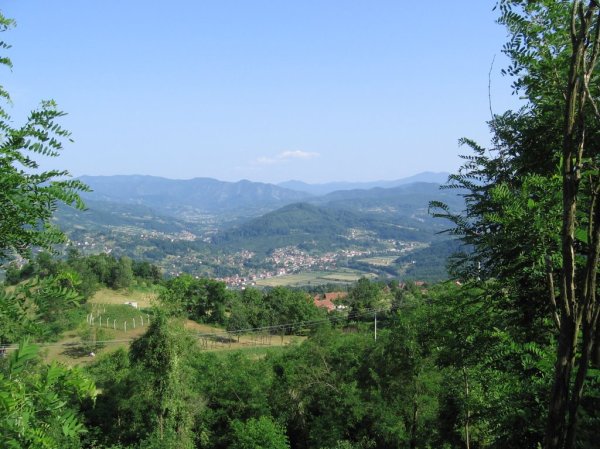
Picturesque Modern Day Croatia
Camp life was no better. Hardly any food was available. The prisoners had to gather herbs and cook them. The result was diarrhea and dysentery. “Death worked with a scythe” in Belgrade Camp # 1. The dysentery barracks housed eight hundred; it was called the death barracks. The death count was at least ten corpses each day. The camp masters worked the inmates to death in lumber camps and mines. They also forced them to clear minefields without the proper equipment. At times, at the end of a shift, hundreds of POWs were chased onto the cleared field to ensure that no mines remained. Those who died were buried in unmarked graves. The camp authorities did not attempt to record their names.
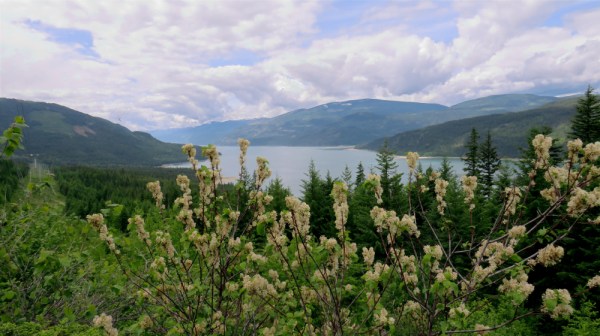
Last week my wife and I paid a return visit to one of our favourite outlooks overlooking the Lower Arrow Lake. After a long dry spell so early in the spring season, Nature was quite a bit behind. But now it had a new fresh look after a much needed rain. Apart from capturing the landscape in the clear air with the clouds forming a dramatic background, my focus was on the colourful flowers and bushes that attracted my attention. The pictures turned out to be so stunning and beautiful that I make no apologies for going over my limit of five photos per post. Enjoy.






 The Peter and Gertrud Klopp Family