Carthage by Peter Klopp ©
Faith in the Future
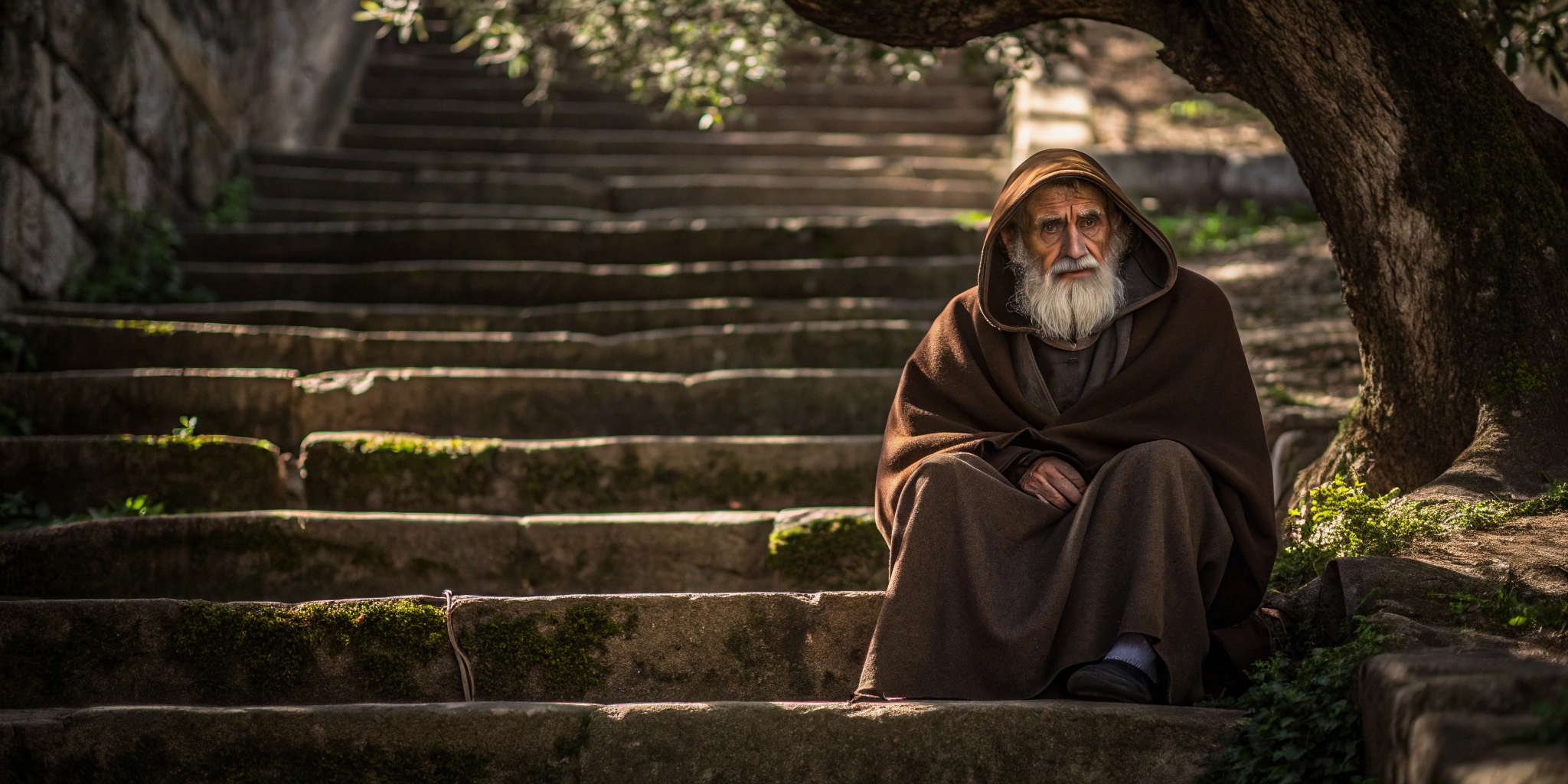
The wise man pulled a piece of linen cloth from his coat pocket and wiped his mouth dry. Then he continued.
“Unfortunately, most people today no longer feel the mysterious forces at work within them. And what drives people to action is mistaken for their own will. In their pernicious delusion, people have given themselves over to selfishness, greed, and idle well-being. It seems as if sacred development suddenly came to a halt. Nevertheless, my Greek host was hopeful and said that these were only temporary lows, always offset by periods of progress. We are currently close to such a low. You just lamented it, young friends. But we humans, who recognize the predicament of our time, should not hang our heads and, trusting in the eternally active, good forces in the world, hope for a better future and at the same time preserve the good into the new era.”
A cool wind swept up the mountain, making the three shiver. The old man carefully wrapped his coat around his bare legs, coughed a few times, and then continued.
“My young friends, I hope you’ve understood what I’ve said so far. Don’t let yourselves be troubled by the absurd goings-on in our environment, and even less by our imperfections! We are all bound to the body with our spirit and soul. We must get along with it, for we dwell within it. Perhaps one day we will be liberated from it and merge into a higher unity, floating, godlike, at peace, united and content in infinite space. We will not despair, I said, and we will maintain our faith in the divine within us, in the earth, in the sun, in the stars, in the cosmos—more simply put: we will not give up our faith in the gods.”
Karthago von Peter Klopp ©
Der Glaube an die Zukunft
Der Weise zog ein Stück Leinentuch aus der Manteltasche und wischte sich den Mund trocken. Dann fuhr er fort.
„Leider spüren die meisten Menschen die geheimnisvollen Kräfte, die in ihnen wirken, heute nicht mehr. Und was den Menschen zur Tätigkeit drängt, wird für eigenen Willen gehalten. In seiner verderblichen Verblendung gab sich der Mensch der Eigensucht, der Geldgier und dem untätigen Wohlsein hin. Es scheint, als ob die heilige Entwicklung plötzlich stockte. Dennoch war mein griechischer Gastgeber hoffnungsvoll und meinte, dass dies nur kurzzeitige Tiefpunkte seien, die von Perioden des Fortschritts stets wettgemacht werden. Augenblicklich befinden wir uns in der Nähe eines solchen Tiefpunktes. Ihr beklagtet es eben, junge Freunde. Aber wir Menschen, die wir die missliche Lage unserer Zeit erkennen, sollten den Kopf nicht hängen lassen und in Vertrauen auf die ewig wirkenden, guten Kräfte in der Welt auf eine bessere Zukunft hoffen und gleichzeitig das Gute in die neue Zeit mit hinüberretten.”
Ein kühler Wind strich den Berg hinauf und machte die drei frösteln. Der Alte schlug umsichtig den Mantel um seine nackten Beine, hüstelte ein paar Mal und sprach dann weiter.
„Meine jungen Freunde, ich hoffe, ihr habt meine Rede bisher verstanden. Lasst euch nicht bekümmern durch das widersinnige Treiben unserer Umwelt und noch viel weniger durch unsere eigene Unvollkommenheit! Wir alle sind mit unserem Geist und unserer Seele an den Körper gebunden. Wir müssen mit ihm auskommen, denn wir wohnen in ihm. Vielleicht werden wir eines Tages von ihm erlöst und verschmelzen zu einer höheren Einheit, schweben, Gottes gleich gelöst, einig und zufrieden im unendlichen Raum. Wir wollen nicht verzweifeln, sagte ich, und wollen den Glauben an das Göttliche in uns, in der Erde, in der Sonne, in den Sternen, im Kosmos, einfacher gesagt: Wir wollen den Glauben an die Götter nicht aufgeben.“
 The Peter and Gertrud Klopp Family
With regard to “hope for a better future and at the same time preserve the good into the new era,” I find that too many people think they can jettison everything from the past and can easily refashion human nature to be what they think it should be. If human nature improves, it does so very slowly over aeons, not at the dictate of some ideologue.
LikeLike
Steve, I share your doubts about human nature and wonder whether it could ever be improved. In the Sturm und Drang period of my life, I wrote the novel Carthage more than 60 years ago. Since then, I had to regretfully change my optimistic views.
LikeLike
I think that your text is still very up-to-date. As far as mankind as a whole is concerned, changes will take a long time. But we can change ourselves for the better, and that is the only thing we can effectively change. However, instead of bettering ourselves, we often try to improve or change others, which is not possible. The wish to change has to come from within the person. And as long as people blame others for their situation, they will not develop that wish.
LikeLike