Chapter 24 of the Peter and Gertrud Klopp Story – Part IV

The Wall Comes Tumbling Down

Excerpts from our Correspondence Half a Century Ago
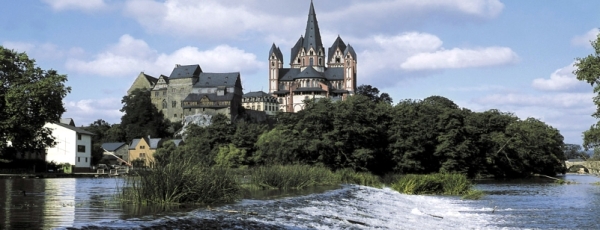
Limburg in the Lahn Valley - Photo Credit: Allemagne Romantique

Limburg in the Lahn Valley – Photo Credit: Allemagne Romantique

After the night-long train ride I was physically exhausted, but somehow refreshed in mind and spirit. In the next couple of days I felt like I was riding high above cloud nine.On my walks to the nearby derelict mill the dreary landscape shrouded in dense fog did not conjure up depressive thoughts. On the contrary, I let the new-found tender feelings guide me. I was whistling and singing bold scout and army songs and offered Mother a cheerful good morning, when I arrived at our home’s doorstep. A few days later I received Biene’s letter.

November 16th, 1964

         ” My dear Peter,

I would so much like to ask you: Come back right away and stay with me and no longer depart from me. Alas, I know that it is not possible and that you would come immediately if you could. I felt so miserable, when I walked off the platform. What would I have given to step on the train with you to travel anyplace with you no matter where. I feel so unspeakably lonesome, and the question gives me pain: For what do I live and for whom?  I am so distressed and it hurts me so much in the terrible knowledge that you can only come to go away again and soon forever. Dear Peter, please forgive me. I don’t want to reproach you for anything. With your visit you brought me much joy and you undertook the long, strenuous journey, and yet I am sad and my longing for you is even greater. I would like to love you so much and be with you and make you happy. When I have calmed down a little bit, I will write you again.

          Your Biene”
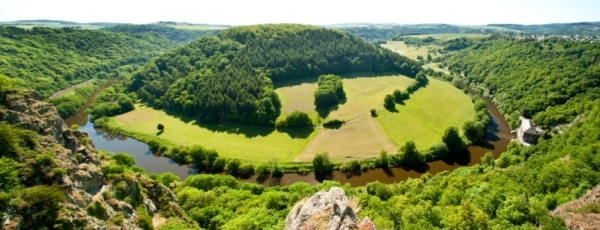
Meandering Lahn River - Photo Credit: allemagne romantique

Meandering Lahn River – Photo Credit: allemagne romantique

No rhyme nor reason will ever explain why during my reading of her lines a dark cloud would cast a shadow over my entire being. Instead of rejoicing over her letter, I was deeply disturbed, not so much by her pain, suffering and longing for my presence, but rather by my own stubborn refusal to wholeheartedly accept her declaration of love. I was stewing over Biene’s sudden turnaround regarding the wall, which she had erected for whatever reason and which I had so foolishly and cowardly accepted. After I had brought the emotional stew, a mixture of confused anger and painful stubbornness, to the boiling point, I rashly wrote her a response. I told her that I had gotten used to the wall as a sort of protection against another blow of fate. Distrust had entered my heart and I was unwilling to start all over again. I had barely thrown my letter into the mailbox, when I felt sorry. I had a broken a promise I once made to myself, never to reply in haste and thoughtlessness. I was expecting the worst. Within 48 hours her reply arrived in the mail.

Dear Peter,

Something in your letter has frightened me. For I have again recognized how much I had hurt you at the time when it appeared to you as if I wanted to erect a wall between us in order to protect myself against your affection. Oh Peter, believe me that I had never wanted this, instead I had always longed for your affection. Perhaps you had also felt it. For why did you write in spite of everything and were so kind to me? But you are distrustful, because you could never really understand me. Maybe you don’t know or just cannot believe how I cling to you and how much I love you. For the longest time I myself did not think it possible that it is so, and therefore I wanted to warn you in order not to disappoint you; for I really did not know whether I really loved you as much as it seemed. Dear Peter, this is one reason; alas there were also many other reasons, which I cannot so quickly explain to you. Only after you had come to me did I dare to admit how much you mean to me; and now, Peter, I know it for sure. And now it is certainly too late; for you yourself say that you have resigned yourself to the limits of our friendship and no longer have the same longing as before. It oppresses me very much that it no longer means as much to you that I love you, as it would have meant to you before.

And now, when I want to dream something beautiful about us, this thought destroys it: It will not be! How much I wished now you would still dream about us studying together and be together every day. See, dear Peter, such thoughts are entering my mind and many more…

How I’d wish that I could bewitch you and give you a love potion just like it happens in fairy tales so that I won’t lose you…

Your Biene”
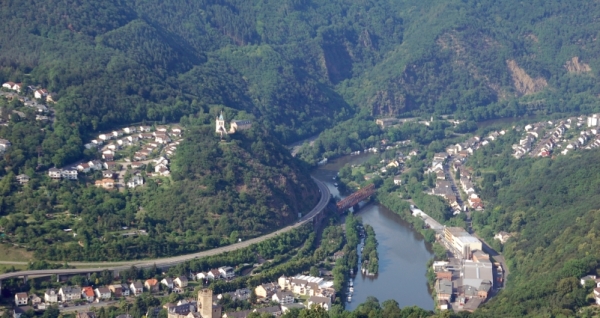
 

Castle Lahneck in the Lahn Valley - Photo Credit: wikipedia.org

Castle Lahneck in the Lahn Valley – Photo Credit: wikipedia.org

Not waiting for a response from me, she quickly sent another letter making a last ditch effort to save what appeared to have already been lost.

My dear Peter,

Guess Peter, what I did last night. I took all your letters out of the portfolio and read them all once more. Alternately I became quite sad and quite happy. How strangely things have come to pass with us, if I think only about the past year!  In my subconscious I must have always loved you. When I look back, I recognize it, this feeling had to struggle first through much darkness and confusion to the light. And now Peter, it is the most beautiful feeling that I have ever experienced. I believe that if I could really be every minute with you, I would fall apart experiencing so much happiness.

          To you dear Peter, I send a secret Christmas kiss, which you would get under the Christmas tree.

          Your Biene”

After reading Biene’s Christmas letter, the realization hit me with stunning clarity that if I could not see a wall, could not feel a wall, then in all likelihood there wasn’t a wall. Indeed, at the trumpet call of love from deep within her heart the wall had come tumbling down. The dam had been broken, and I found myself swept up by the torrent, against which no further resistance was possible and would have been sheer foolishness. Willingly I went with the flow and felt the tug carrying me unerringly into the direction of my dreams.
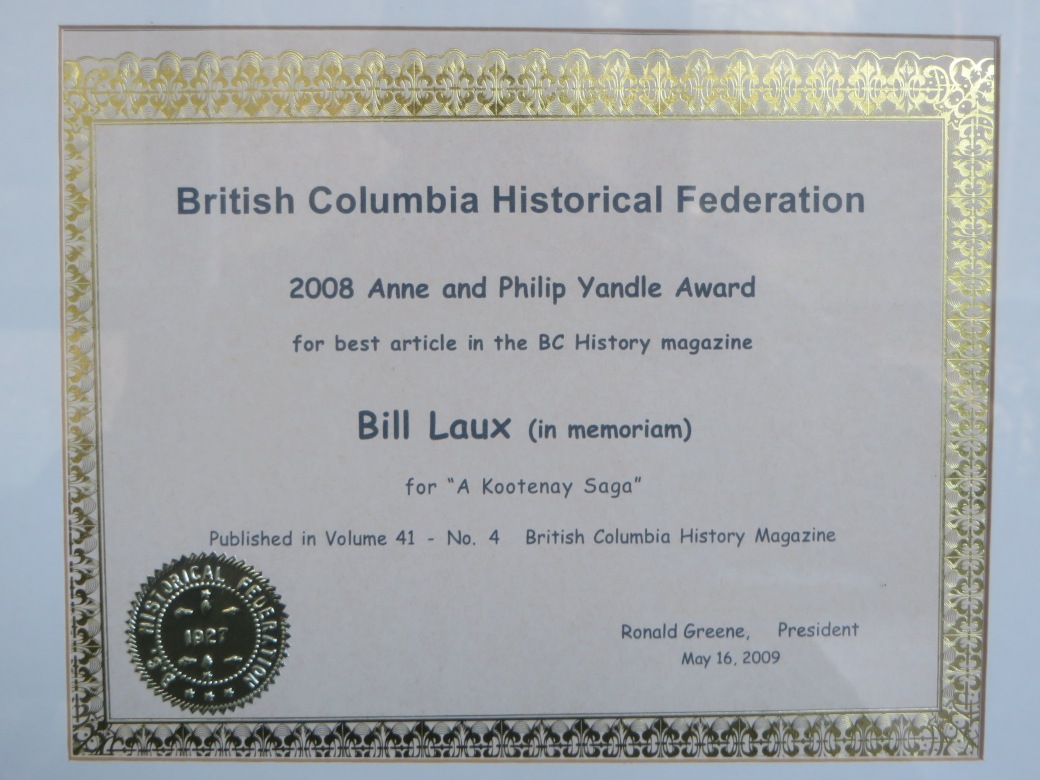
STEEP AND CROOKED … by Late Writer, Artist & Castle Builder Bill Laux – Chapter 1

For information on the author search for Bill Laux on this blog or click here.

STEEP AND CROOKED: THE MINING RAILROADS OF THE CANADIAN BORDER

 By Bill Laux

CHAPTER ONE

THE PROSPECTORS

1887 – 1890


            From the days of the Hudson’s Bay Company fur traders, the established routes into the Kootenay country in British Columbia had been up the river valleys from the Washington Territory. Six north – south mountain ranges made entry from east or west extremely difficult and impossible in winter. The first prospectors came north from Walla Walla and Colville.   They followed the Indian and Hudson’s Bay Company trails on foot or ascended the rivers in boats.   There was a good Hudson’s Bay Company trail running up the Okanagan Valley from Fort Okanagan to Kamloops.   Prospectors could leave this trail at Osoyoos and bear east to get into the Rock Creek placer grounds.   There also existed an Indian trail running north from Spokane Falls to present Sandpoint and Bonner’s Ferry to the Moyie River.   This river would be followed on the Indian trail to reach the placer grounds at Wild Horse Creek in the shadow of the Rockies.   The Columbia River was the third and easiest route.   From 1865 until 1874 when it was laid up, the small sternwheel steamer, Forty Nine, based at Little Dalles, could be hired to carry parties of miners up the Columbia into Canada.

            The Victoria, B.C. merchants, frustrated at seeing the Kootenay trade all going to the Americans, lobbied their legislature for a trail to connect the Kootenay mines with the Coast.   $80,000 was appropriated in 1865, and Edgar Dewdney was given the contract to build the trail, four feet wide and 400 miles long, from Hope, on the Fraser River, to Wild Horse Creek on the Upper Kootenay.   Much is made of the construction of this trail in B. C. histories as the first communication between the Coast and the Kootenays.   However, the stretch between Hope on the Fraser and Fort Shepherd on the Columbia was a mere brushing out and improvement with rock walls and bridges of the old HBC fur brigade trail, over which the HBC sent out their furs (and the first placer gold in 1854) to New Westminster.   The sole section of the trail which was new, and not an existing trail improvement, was the 50 mile portion between the Columbia at Ft. Shepherd and the Kootenay near Ockonook.   From that point the trail followed the old Wild Horse Trail of 1863.

            The Dewdney Trail was a laborious scramble over five mountain ranges, and through the notorious bogs and across the six swift running rivers between them.   In an effort to compel prospectors and miners to use this trail and keep their trade for British Columbia, the government raised customs duties at the border and tried (with little success) to enforce an export tax on gold.[i]

            In 1887, a pair of prospectors, George Leyson and George Bowerman, traveling the Dewdney Trail, found silver bearing quartz at the divide between Little Sheep Creek and Trail Creek, just two miles north of the border.   They staked the Lily May claim and took out some tons of ore.   Lacking any means of getting it to the Columbia, they left it there on the dump until such time as the Dewdney Trail should be improved to a wagon road.

            The Lily May claim lapsed, but it was re-staked by Newlin Hoover and Oliver Bordeaux of Colville in 1889.   D.C. Corbin was building his Spokane Falls and Northern Railway through Colville to the Columbia that year, and with the arrival of rail transportation, lapsed mining claims like the Lily May were now of interest.   Oliver Bordeaux recruited Joe Moris, another French-Canadian prospector wintering in Colville, to go with him in March of 1890 to do the assessment work on the Lily May.   When the work was done, Moris joined with Joe Bourgeois, who had come up Trail Creek to examine the strange, red rock mountain some five miles north of the Lily May.[ii]   On that mountain the two men discovered a continuous ledge of strongly mineralized ground and located five claims along it.

            In Nelson the assays of their samples proved so disappointing that they were unwilling to pay the $12.50 fee per claim to record their finds.   Instead, they traded their fifth claim, the Le Roi, to Colonel Topping, the Deputy Mining recorder in exchange for his paying the recording fees on the four claims they kept.[iii]   Nelson was an American town at this time, and Colonel Topping, an American writer and prospector, was its unofficial postmaster, selling only American stamps.   So isolated was the Kootenay from the rest of British Columbia that there was no Canadian mail service.   Nelson mail went out by boat to Bonner’s Ferry, to the Northern Pacific at Kootenai Station, and on its trains to American and Canadian addresses.

            Moris and Bourgeois returned to Red Mountain, followed by Colonel Topping and others, to dig on these new finds.   As they went deeper into the veins the assays of the ore improved spectacularly.   The news got out at once.   A rush began, largely of Americans from Colville and Spokane Falls.   Colonel Topping preempted a townsite at the mouth of Trail Creek, sure that a city would arise there if the mines proved out.   The twice weekly sternwheel steamer service between Dan Corbin’s SF&N railroad at Little Dalles and the Canadian Pacific at Revelstoke was bringing miners, prospectors and merchants with every trip, from all over the Northwest, and Topping’s tiny Trail Creek Landing began to grow.

            The ore Bourgeois, Moris, Colonel Topping, and others were hauling to the surface on Red Mountain was copper, with gold and silver.   Although their best ore contained $300 to $400 in gold for every ton, it could not be milled on the site.   Copper ores had to be shipped to a smelter to extract the metals, and the nearest copper smelters were in Montana, 700 miles away.   From the mines themselves, 2300 feet above the Columbia, there was only that four foot wide Dewdney Trail winding down Trail Creek Gulch to the river.   Sacking the ore and sending it down on horseback was prohibitively expensive.   Winter rawhiding was the preferred means of transport.   A horse could carry but 400 pounds on its back, but if the sacked ore were wrapped in a green cowhide, hair side out, a horse could easily pull 1500 pounds down a snow covered trail.   The best ore was rawhided down the mountain that first winter of 1890-91, and stockpiled on the riverbank to await the opening of navigation in the spring.   The Upper Columbia was closed by ice every winter; steamer schedules could be maintained only from Mid-May to December.

            Upriver from the Trail townsite, the Canadian Pacific was building Captain Ainsworth’s isolated portage railway around the falls and rapids of the Kootenay River so that Columbia River steamers could connect with Kootenay Lake steamers.   The Columbia and Kootenay Railway was put into service in 1891, and ores from the Kootenay lake mines, the Silver King mine above Nelson, and the gold mines of Forty Nine Creek could now be put aboard the steamer, Lytton, at Sproat’s Landing.   The Lytton took them down river to the US. and D. C. Corbin’s rails at Little Dalles.   The SF&N and Northern Pacific forwarded them to the smelters in Idaho and Montana.

It was as Captain Ainsworth had foreseen ten years before: the compelling topography of interior British Columbia made the Kootenays a logical extension of American commerce with Spokane as its supply and financial center.

            In his Trail townsite, Colonel Topping needed money to clear streets of tree stumps, to install a water system, and to put some sort of bridge or causeway across the delta of Trail Creek which flooded his proposed business district every spring.   For funds he would have to put up a part of his Le Roi mine.   In the fall of 1890, he took some samples of his best ore, and booked passage down river to Little Dalles where he boarded the train for Spokane.   On board he met two Spokane lawyers, George Forster, and Colonel William. H. Ridpath.   He showed them his samples and described his mine.  The men were impressed.   In Spokane they introduced him to some investors, including Judge George Turner, Colonel W. W. Turner and Colonel Isaac N. Peyton.

            These men were all investors in mining properties in Eastern Washington and northern Idaho.   Peyton, Ridpath, George Forester and Judge George Turner were at that time partners in the Dead Medicine silver mine north of Colville.   The Dead Medicine had ceased paying dividends after the silver price crash of 1893 and the impoverished syndicate was looking for a paying gold proposition.   Judge George Turner was a well known personality in Stevens County.   He had come west from Missouri in 1884 and the next year was appointed Teritorial Judge by President Grant the next year.   He held court in Colville until 1888 and later became a U.S. Senator.

            Topping, a colonel among colonels, was in his element.   He was able to convince the group to take a bond on 16 thirtieths of the Le Roi.   This obliged them to spend at least $3,000 sinking a shaft, and gave them the option to buy the 16 thirtieths by June 1, for $16,000.   Promising to furnish the money were Colonels Ridpath, Turner, Peyton, and Major Armstrong, plus the civilians, Judge George Turner, Alexander Tarbett, and Frank Graves.   With them was the respected and experienced mining man, Oliver Durant, who would manage the mine.   As all of the investors owed considerable back rent and board to their host, hotel owner, Bill Harris, they took him in as a full partner as a settlement of their debts.   Oliver Durant later confirmed that the $3,000 to sink the shaft had come from him.[iv]

            Durant put his foreman, Ed Kellie, and four men to work on the Le Roi that winter.   By spring they had the shaft down 35 feet and had ten tons of good ore on the dump awaiting the resumption of the Lytton’s runs down the Columbia.   When the ice went out and the river rose, the Lytton carried the ore to the SF&N and it was shipped to the smelter in Butte, Montana.   The smelter returns were $70 in gold (at $18 per ounce) per ton, and 5 percent copper.   Delighted with these results, the Colonels took up the bond and paid Colonel Topping his $16,000.   For another $16,000 they bought his remaining 14 thirtieths, and became the sole owners of the Le Roi.[v]

            Colonel Topping now laid out and cleared the streets of his townsite, put in a water system,and began a brisk sale of lots.   His town began to fill with people drawn by the success of the mines on Red Mountain.   Up on that mountain, Ross Thompson had some of the steep ground surveyed and platted another townsite he called Rossland.   It too, attracted buyers, as good ore was struck in the Centre Star, the War Eagle and other mines.   Still, isolation was hampering the development of the full potential of the Red Mountain mines.   Only the highest grade ore would bear the cost of rawhiding down to the Columbia over the snow covered trails, and the costly manhandling of the sacked ore onto the steamer, and then onto the freight cars at Little Dalles.   Most of the ore being hoisted from the mines was not rich enough to support the cost of this pioneer transportation.   It was stockpiled at the mines, huge dumps of it, worth $20 to $30 a ton at a smelter, but 2300 feet up on a remote mountainside, worthless.   Trail and Rossland desperately needed a railroad for cheap, year round transportation.   If one were not forthcoming, the spectacularly rich fraction of Red Mountain ore would be quickly exhausted, and the camp, like so many others in the West, would shrivel and die.


Merry Christmas and a Happy New Year

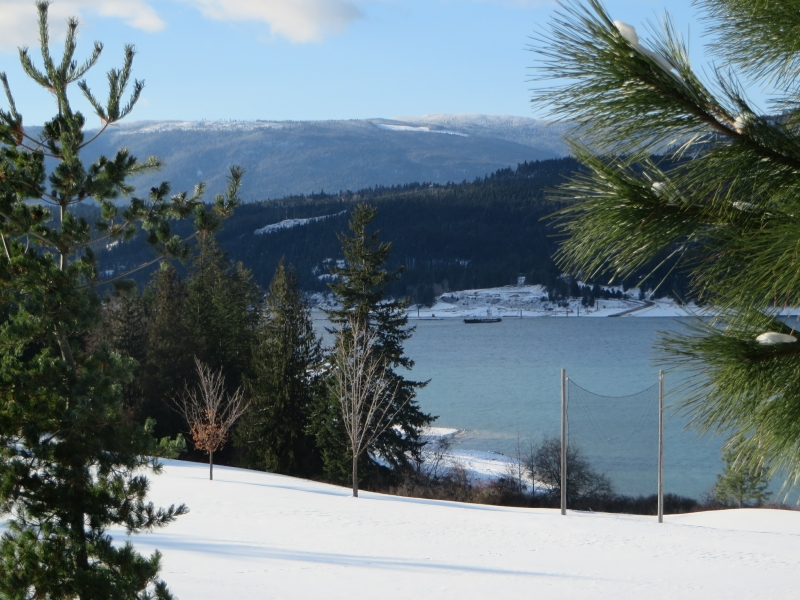
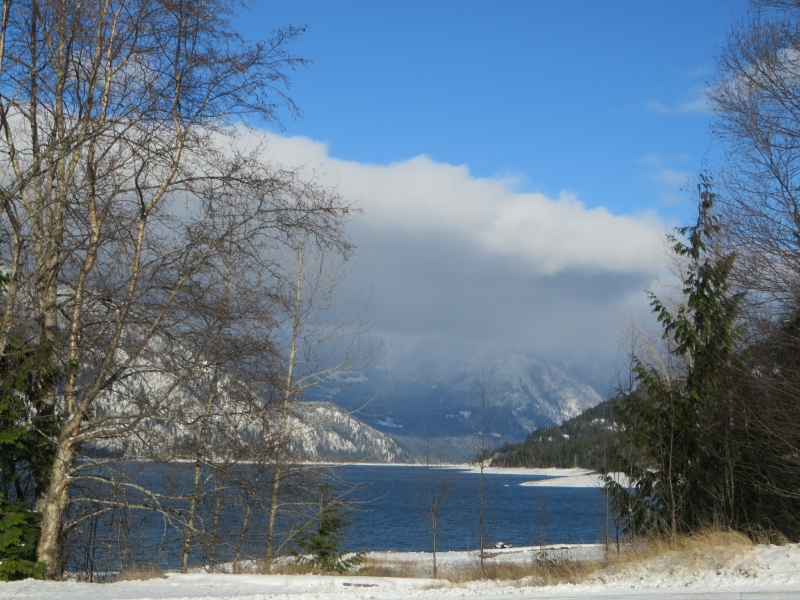
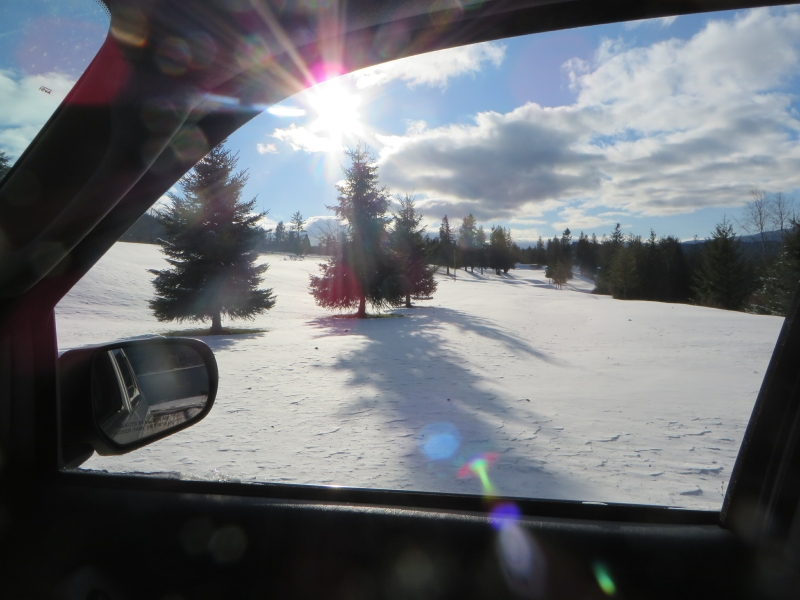
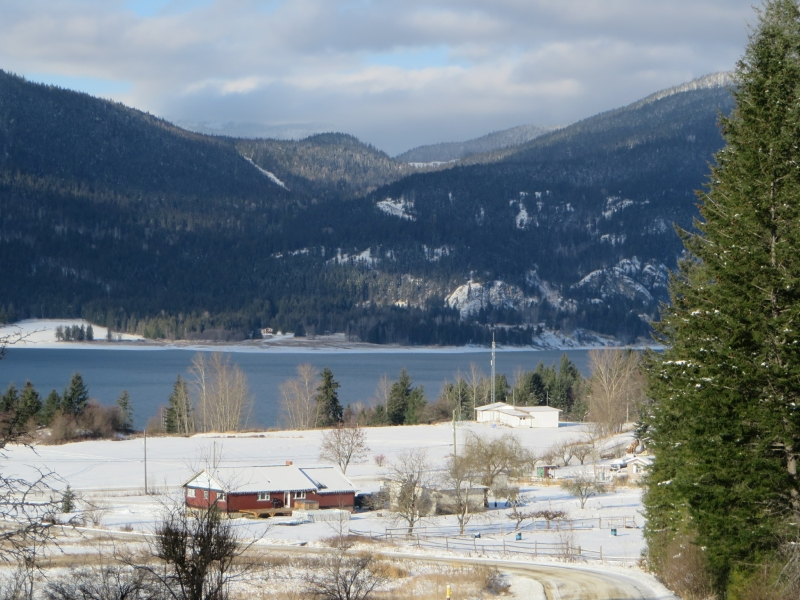
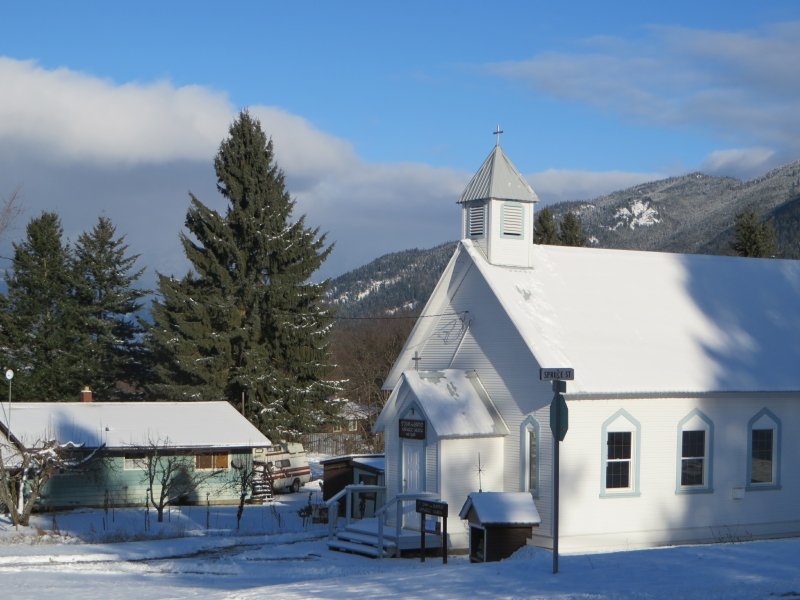
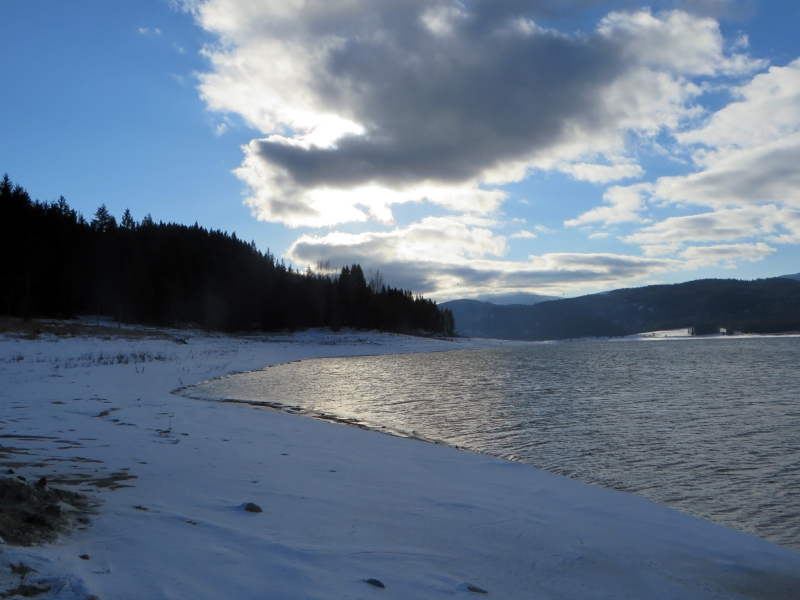
Brilliant Sunshine after the First Snow in Fauquier, BC

Photo Essay without Words

1

3

9

86

5

7

4

This will my last post for 2016. I will resume my blogging activity in the New Year. I would like to take the last post of this year to say thank you to all my followers and visitors for supporting me with your kind and encouraging comments. I wish you all a very Merry and Blessed Christmas and a Happy New Year.

Breaking the Code – Part II

Finding the Drive to Unearth Bill’s Files

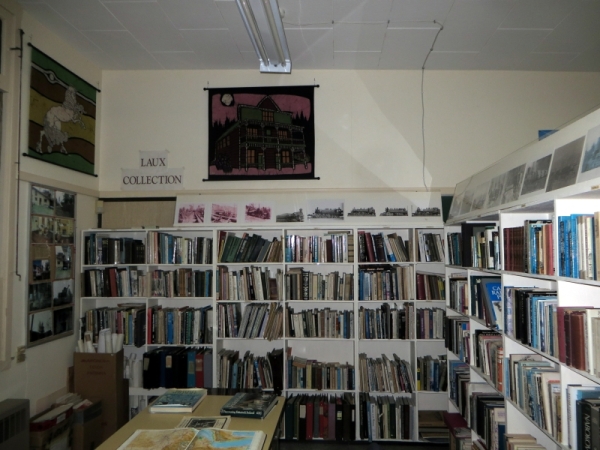
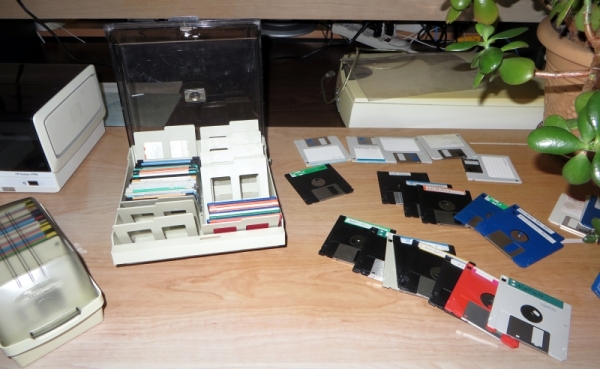
One evening last spring I spent some time at the Fauquier Communication Center. More precisely, I stood in awe at the section dedicated to the late writer and artist Bill Laux of Fauquier, BC. There in the archives I discovered a wealth of books from Bill’s private library, complete manuscripts of mostly unpublished plays, short stories, and even novels, research papers on the 19th century railroad and mining industries of the Pacific Northwest. As already mentioned in Part I of this series, what fascinated me the most were the many floppy disks that I had found on the side shelves of the archive. What mysterious files would they contain on those poorly labeled plastic squares?

vaki3

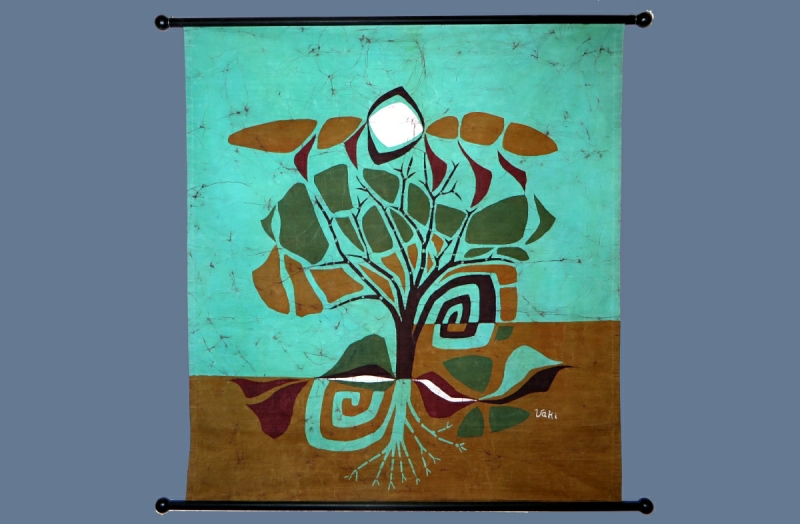
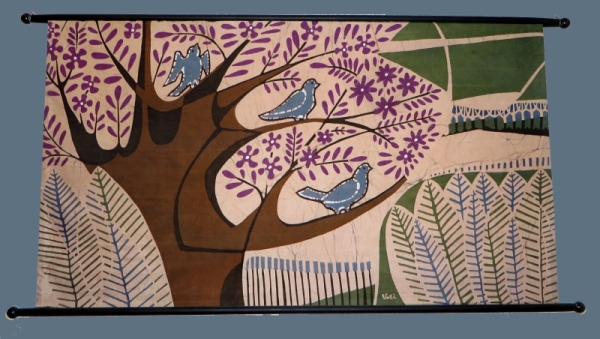
Batik by Bill Laux

The oldest working computer, which my wife once used, is a Toshiba laptop. Unfortunately, it does not have a floppy disk drive. Searching the world wide web, I found that there are two ways to get to the files locked away in outdated storage systems.

  • 1) mail the disk to floppytransfer.com, a company in California, which downloads the files and transfers them onto a USB flashdrive. That would have been OK, if I had only a few disks to copy. But with such a great number to copy I rejected this option. It would have demanded an exorbitant price tag.
  • 2) Buy an external drive that connects to a USB port on my computer.

Full of joyful anticipation, I ordered such a device from China for as little as 10 dollars shipping and handling included. Two weeks later the item arrived in the mail. Imagine my utter disappointment, when – no matter which of Bill’s disks I inserted into the machine – I got the same horrible message. ‘This disk must be formatted before it can be used.’could  For those not familiar with technical jargon, formatting is the death sentence for any files residing on the disk. For they will permanently erased.

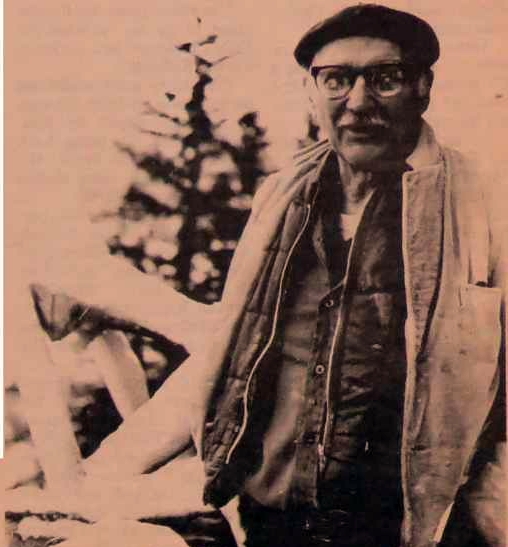
Bill Laux

Artist, Writer, and Castle Builder Bill Laux

Starting a search on the Internet all over again, I stumbled on a great deal at amazon.ca (for our American neighbors I guess you could use amazon,com with similar results). I decided to give it one more shot and buy a floppy disk drive that came with the guarantee of being capable of reading all the files. After another anxiety ridden waiting period I experienced a most peculiar sequence of initial euphoria followed by a free fall into utter frustration.

 vaki6

To be continued next week in Part III

Breaking the Code – Part I

Bill Laux and the Mysterious Floppy Disks

vaki1

In spite of my wife’s courageous leap into the world of information technology, she has remained very critical of the many shortcomings of the new tools that our digital era has forced upon us. Would the archeologists a thousand years from now, so she often raises the question, ever be able to find out what lies hidden underneath the shiny layer of a CD or DVD disk. They might claim that the 21st century inhabitants had regressed to a form of sun worship, as it was practiced in ancient civilizations. Those glittering round objects could have been used to invoke the sun to provide more light for the planet darkened by pollution and nuclear fall-out. Having turned mellow after half a century of exposure to marital bliss, I found enough room in my heart to admit, although somewhat reluctantly, that my wife had raised a very important question whose relevance will become evident in the light of my own experiences with outdated technology.

vaki2

If you had read my previous posts on Bill Laux, the eccentric artist, who built his own castle at the shore of the Lower Arrow Lake, you would know that he was not only famous for his works in batik, but was also known as a writer and researcher of the early mining, logging, and transportation industries in the Pacific Northwest. When he passed away in December 2004, he bequeathed  his entire collection of pictures, books, manuscripts, journals and sundry documents to the Fauquier Communication Center. There his work has found a permanent home and is waiting to be explored, evaluated and hopefully published on the Internet.

vaki5

What really piqued my curiosity, were scores of floppy disks stashed away on the side shelves of the computer room of the Fauquier Communication Center. Their content had remained a deep mystery until very recently. On next week’s post I will share with you the immense difficulties I experienced in decoding the information from a storage device barely a quarter century old. What I found was a veritable treasure trove of Bill’s work, which would have been lost forever on the junk pile of modern civilization. Stay tuned.

Chapter 22 of the Peter and Gertrud Klopp Story – Part VIII

Exploring the Moselle Valley with my Brother Adolf

x294

Moselle River – Summer 1964

My brother Adolf was in the final year of his apprenticeship program at the Honeywell Company in Hanau. This city north of Frankfurt was not far from Koblenz. When the weather was fine, Adolf would make it a weekend practice to pick me up at the gates of the Falckenstein barracks. From there we went on trips in his venerable old VW beetle to explore together the beautiful Lahn and Moselle valleys. The summer of 1964 brought an exceptionally long period of sunshine quite unusual for this western part of Germany, when cloudy skies and rain often drove sun-seeking German tourists south to the Mediterranean beaches of Italy and Spain. On one of these fabulous weekends Adolf suggested a wine sampling tour all the way up the River Moselle to Trier, the ancient location of the imperial summer residence of the Roman emperors.

x303

Peter Relaxing in the Famous Wine Region of Germany

Having finally moved by two rendezvous with Biene at Lake Baldeney beyond a mere fantasy world to a more solid relationship, I felt carefree and cheerful. I readily agreed to Adolf’s proposal, and off we rolled into a westerly direction. Small towns and quaint villages, medieval castles on hill tops, the meandering river, the hills covered with the light green carpets of vineyards offered a magnificent view. At the town centers often located near the local fountain, vintners with samples from last year’s vintage were catering to the traveling tourists in the hope of selling their fine bottled wine. The labels on the bottles were just as alluring as they were their precious content. Some had grotesque, unusual, even titillating names, such as Zeller’s Black Cat, Bare Bottom, Dear Woman’s Milk, just to name a few. Adolf and I took full advantage of the incredibly inexpensive samples of the finest wines in the country. In high spirits we drove on to the next ‘watering hole’, sampled another exquisite wine, and kept on going from town to town, from sampling station to sampling station, like bees flitting from flower to flower savoring the delicious nectar. We happy-go-lucky brothers were singing, joking and drinking all the way to Trier, where Adolf feeling generous invited me to have dinner in a cozy restaurant not far from the historic Porta Nigra and the famous ruins of the Roman thermal baths.

x301

The Imperial Baths of Trier

It felt good to enter the cool premises of an inn after such a long ride through the sweltering summer heat. After a hearty meal we lingered over a cool refreshing beer while waiting for the heat in the valley to come down to a more tolerable level. Air conditioning in a VW was virtually nonexistent in those days.

x298

My Brother Adolf at the Thermal Baths at Trier

There I sat, a bit sleepy and drowsy from the wine and beer, listening half-heartedly to Adolf’s tirades against the American imperialists, the war in Vietnam, the killing of innocent women and children perpetrated by the American ice cream soldiers as he contemptuously called the GI’s, the exploitation of the working people, the advantages of socialism for the common people and the evils of capitalism. When Adolf was talking politics, a passionate fervor seized his entire being; his words poured out as if he had experienced all these real and imagined injustices himself. When the verbose eruption of truths, half- truths and lies had finally subsided with no notable effect on me, the apolitical person that I was at the time, Adolf returned to his congenial and humorous self again, ordered another beer for us from the pretty and courteous waitress and described her benevolently as a ‘nice kid’. Now it was time to introduce me to the kind of vocabulary that would definitely not be very useful for my later academic career. The stock of swearwords coming from the oil patch environment was quite impressive.

x304

Peter on a Sightseeing Tour with his brother Adolf

When he changed topics and began to talk with extravagant enthusiasm about Canada, I was all ears, even though he described a totally different country from the one I had learned from books. Adolf’s opening line for almost anything that had to do with Canada was, “Peter, with us in Canada things are like this.”

x293

Adolf taking a Roadside Break at the River Moselle

Before coming to Germany for a three-year stay, he had worked in the oil fields at Swan Hills in northern Alberta, where work was hard and money was plentiful. He loved to tell me stories of the rough-and-tumble of camp life. At payday many workers would rush to Edmonton, the capital city of Alberta, to spend their hard earned money on booze, women, and cars. Adolf having a good grip over his finances was not entirely immune to the lure of owning a shiny new car. In a sudden wave of nostalgia for the good old days at camp he described how he had once walked into a car dealer’s showroom and pointed at the latest model of an eight cylinder muscle car that he wanted to purchase on the spot. When the delighted salesman asked him how he intended to pay for it, Adolf’s moment of glory had come, which he now revived by telling the story to his kid brother.

“Why,” Adolf answered, “in cash, of course!” And with these words he pulled out a bundle of hundred dollar bills and counted out the full amount of the purchase price on the counter of the astonished salesman. Adolf never failed to make critical remarks about the painfully slow German bureaucracy that he had to put up with, when he bought his VW beetle in Germany.

“Peter, with us in Canada things are like this,” he used his opening pet phrase again. “With all the paper work done and the registration and insurance papers signed I drove that beauty of a car out of the dealer’s parking lot within less than an hour.” Having learned how things were done in Canada, I remarked that it was time to return to my barracks. The evening sun flooded the eastern mountains in a sea of gold. When Adolf and I arrived in Koblenz, the sun began to set and only the pinnacles of the volcanic Eifel Mountains were still reflecting the last rays of the day.