Like-minded People of Applegrove Road – Conclusion

A BRIEF HISTORY OF APPLEGROVE ROAD

By late Bill Laux

In 1969 Elsje De Boer and her husband from Calgary bought the old Aspinall place at the Fauquier end of Applegrove Road. Starting in 1976 they used it for summer outings. The following year Elsje had Bill Jeffries build a sleeping cabin on the place. In 1987 her son built her a permanent house and after Jim Huth and Bill Laux completed the interior finishing, she moved in.
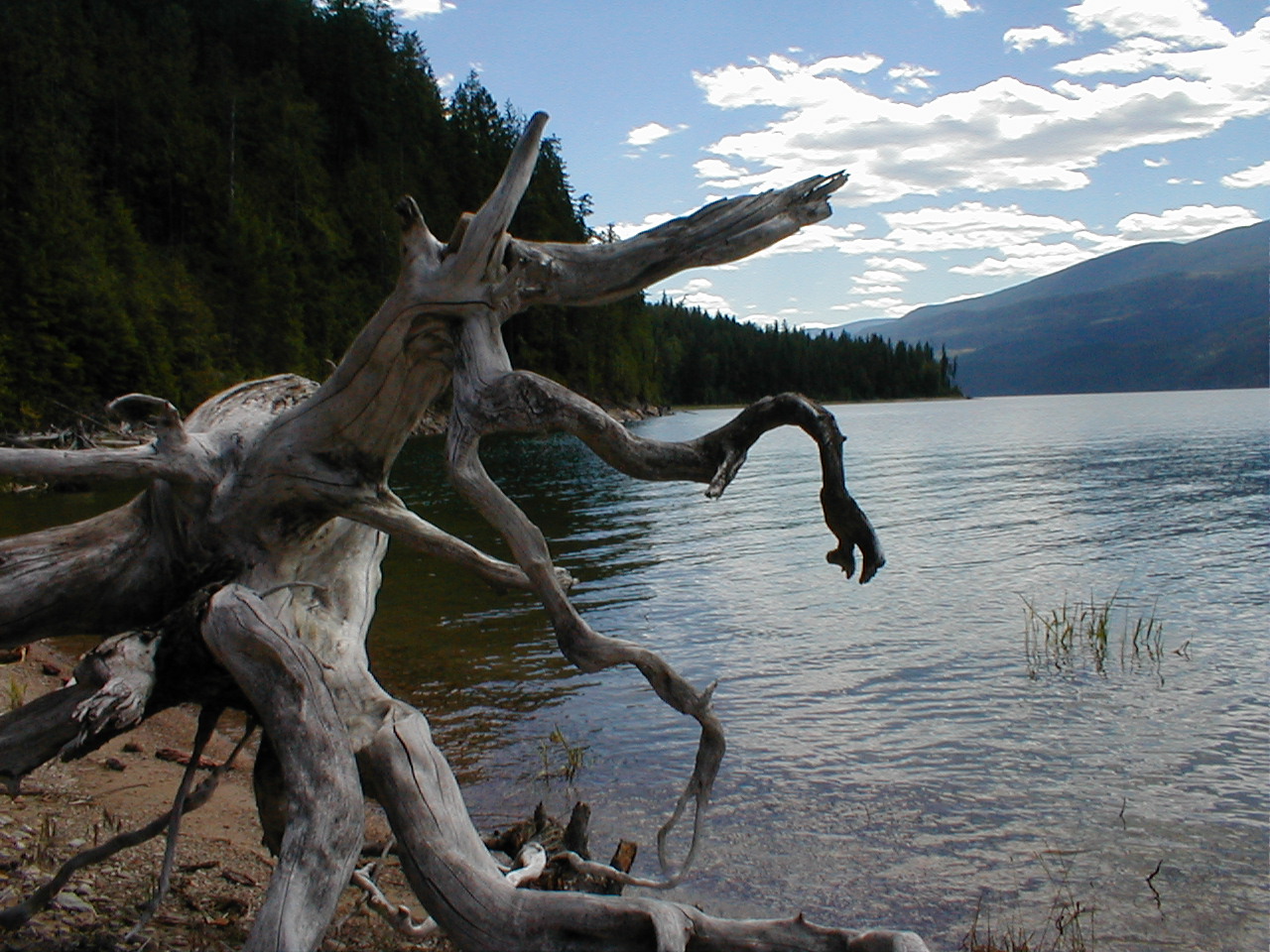
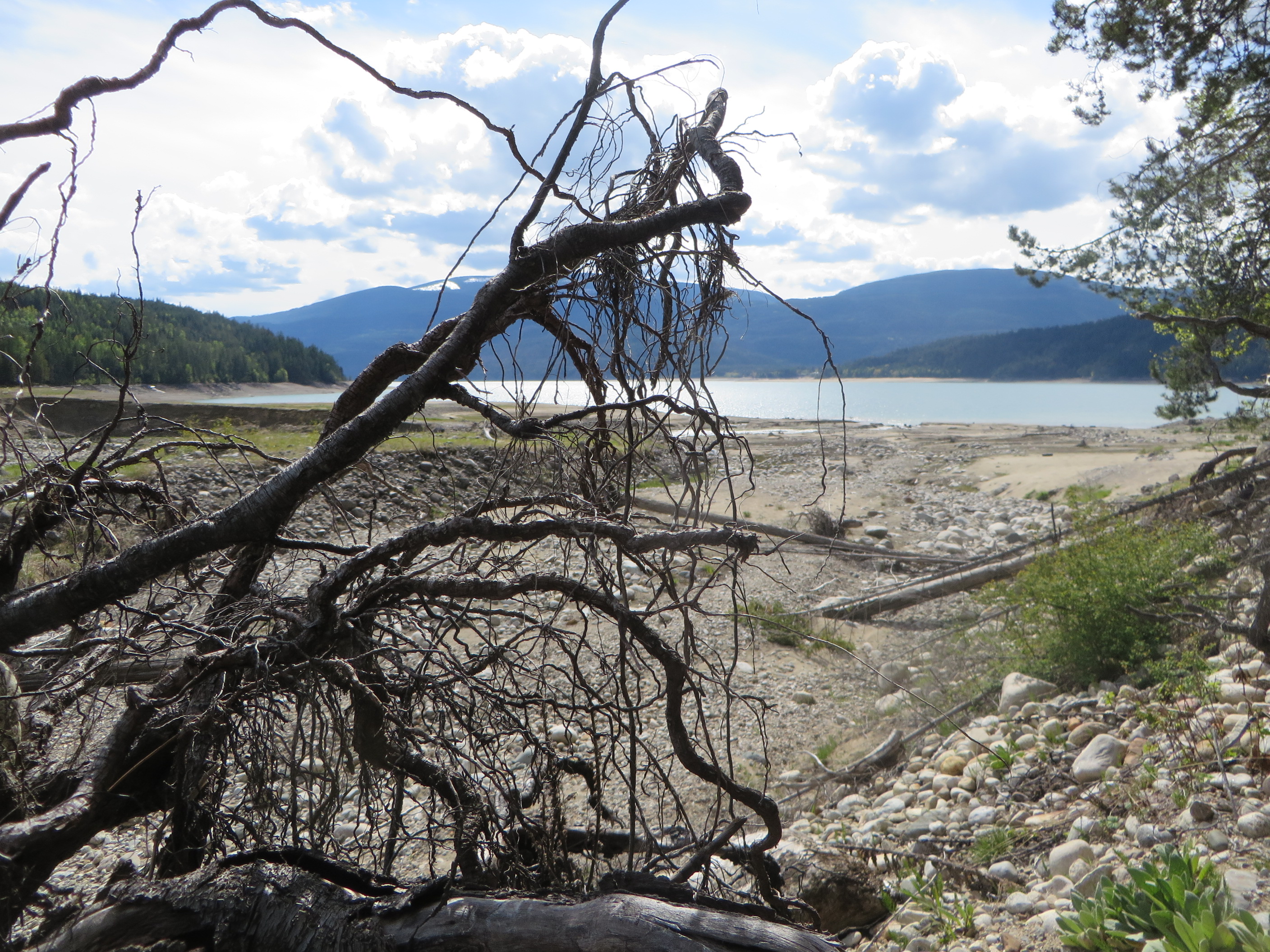
The Arrow Lake that attracted Like-Minded People on Applegrove Road

The Arrow Lake that attracted Like-Minded People on Applegrove Road

In 1979 Robin and Dorothy Huth, from Calgary, with the Madills and Stevensons were able to buy lakefront lot 8099 from Weinberg, a Portland, Oregon real estate speculator. This man had for years had an agent in Victoria instructed to put a $50 bid on every piece of waterfront property in British Columbia that came up for Tax Sale. By the time of the dam construction in 1967 it turned out that he owned between 100 and 200 properties on Arrow Lake. Robin Huth and his son, Jim, were able to put in a steep, many switch backed road to access it from Applegrove Road. In 1980 Jim and Rae Ann Huth built a lakefront cabin at the foot of this road and moved in. Jim began building his parents a house nearby. The Madills, rejecting the difficulties of the access road, bought in Fauquier instead. The Stevensons went to New Zealand.

Eric Arnold, a millwright from Squamish, bought lakeshore lot 8098, probably from Weinberg, about this time and built a small house on float logs, which he moored at the lakeshore. Unfortunately, a storm the next year wrecked the unprotected structure. His wife was not comfortable in so isolated a location, so the Arnolds left.

Jim and Rae Ann Huth left about 1990 for Vancouver Island and Robin and Dorothy lived in happy near-seclusion in their lakeshore home until medical problems required a move to Salmon Arm. They sold it as a retirement property to a German couple, Sabine and Karl-Heinz Mocikat, about 2000. Jim and Rae Ann’s cabin was rebuilt to a house by Bob and Monique Gellatly, an Ontario couple, who lived there for a few years, while he worked locally as a plumber. It was later bought as a summer place by Borowski, an engineer from Calgary, who is building a second house on it,

The first telephone line came up Applegrove Road in 1979 and BC

Hydro followed when the Burmeisters from Germany bought the Bruner place from Peter Makar’s wife in 1990. They had the lovely “cedar tunnel,” a true scenic treasure, felled on the lower part of the Applegrove Road and hydro poles run into their place. The Burmeisters set up resort accommodations down on the lake and operate as Kokanee Bay Resort and Farm.

In 1994 the Hydro lines were extended up Applegrove Road to Glasheens, Nila Campbell an4 Eichenauers. Jimmi Mead stuck with her solar power as she still does.

Lillian Liberty bought part of the old Sherwood property next to Lee Helle in 1989 and had a house built with a magnificent view of the lake below and Edgewood opposite. Like many earlier Applegrove residents she depends on solar and water power for electricity.

View from Taite Creek South to Helle's Lakeshore Propery

View from Taite Creek South to Helle’s Lakeshore Propery

In 1994 the Highways Department was still insisting on calling and signing Applegrove Road as “Fauquier Upper Road,” a vague and meaningless name. Bill Laux, having got agreement from all the landholders along the road, petitioned Highways for a change of name, as the Applegrove Site was still Iisted on B.C. Government maps. On November 23,1994, Highways conceded, and “Fauquier Upper Road” became officially “Applegrove Road” and was so signed.

Hydro power was extended from Burmeisters to Bumpus and Laux in 1996 and the days of kerosene lamps, carrying messages to town by horseback and noisy diesel generators were now over for them.

A new couple, Marney and Zane Kushniryk bought Nila Campell’s “Retreat Centre” in 1999 and moved in the next year to build two unique and secluded rental cabins as a source of income.

Ken and Denise Douglas arrived about the same time, buying one of the Haugland lots above Elsje De Boer’s.

Canadians, Americans, Germans, Dutch, there is still a strong and unique degree of like-mindedness among most of the residents of Applegrove Road. For nearly a hundred years the dusty road to Taite Creek and beyond has supported a succession of groups of homesteaders, communitarians and others eager to invent their own ways of living. They value the area for what it is, an unspoiled and undeveloped area of mountain slope and lakefront, whose residents still grow much of their food and live as their convictions have told them they must.
Hiking in the Spring – Part I

Taite Creek Trail

Today I start with a recreational theme on hiking. There are many wonderful hiking trails in and around Fauquier that are waiting to be discovered. Also there is no better time to explore the awakening of spring than by a walk through the woods along the rushing waters of a creek. Even if one was blind and could not see the beauty, the fresh aromatic air swirling about one’s face and the melt waters thundering at a distance would be enough to make you feel in tune with Mother Nature.

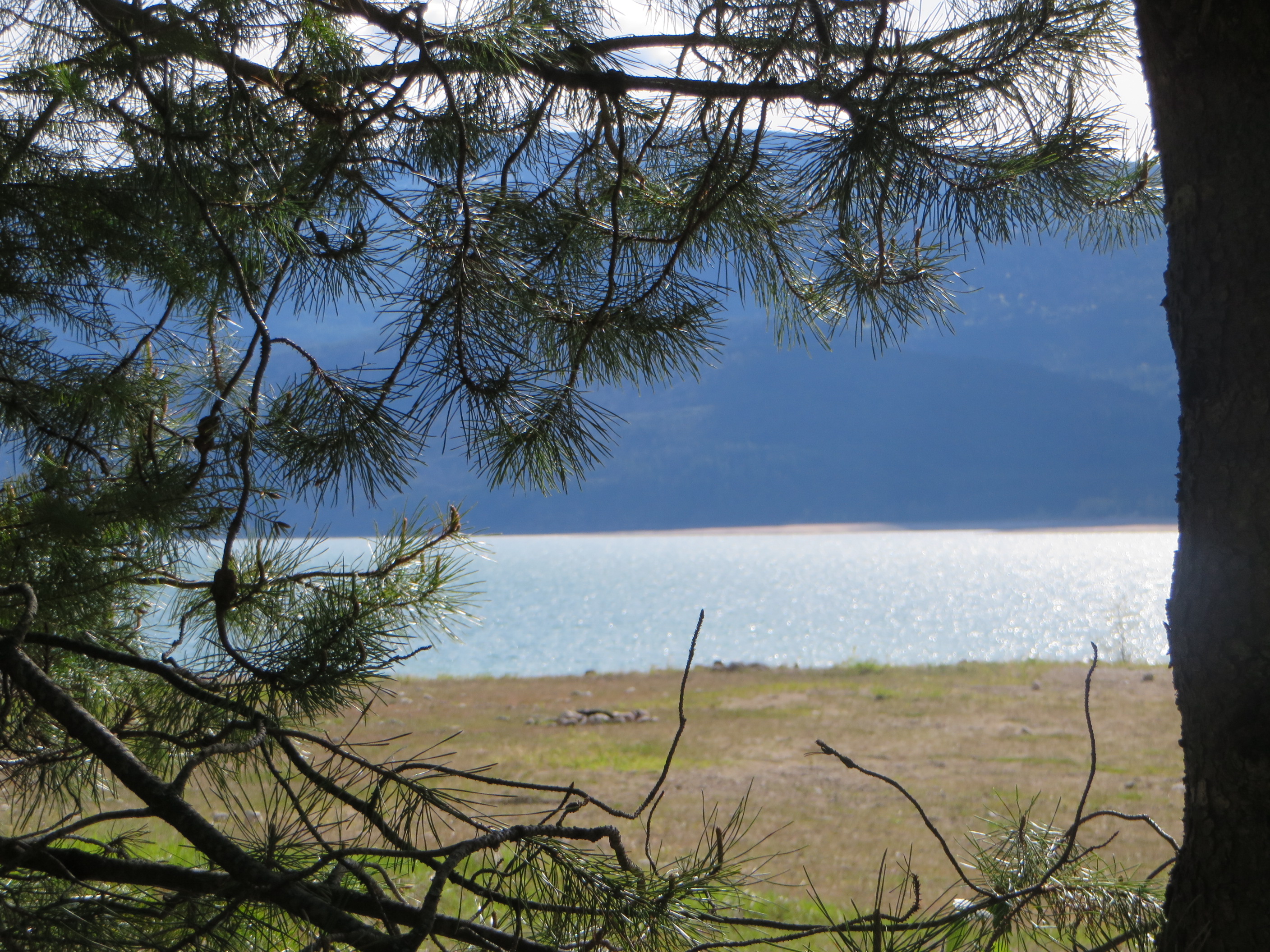
View onto the Lake at Taite Creek Campground

View onto the Lake at Taite Creek Campground

This afternoon after a heavy rain during the night the sun was shining brightly. So Biene (Gertrud) and I felt like driving down on Applegrove Road to our favorite spot at Taite Creek. We were lucky. We had the lake, the beach, and the campground all to ourselves. After our customary game of boccia and some home-made cake and coffee, which I brewed on our camp stove, I went for a hike, while Biene enjoyed the peace and quiet in the warm sun to do some knitting.

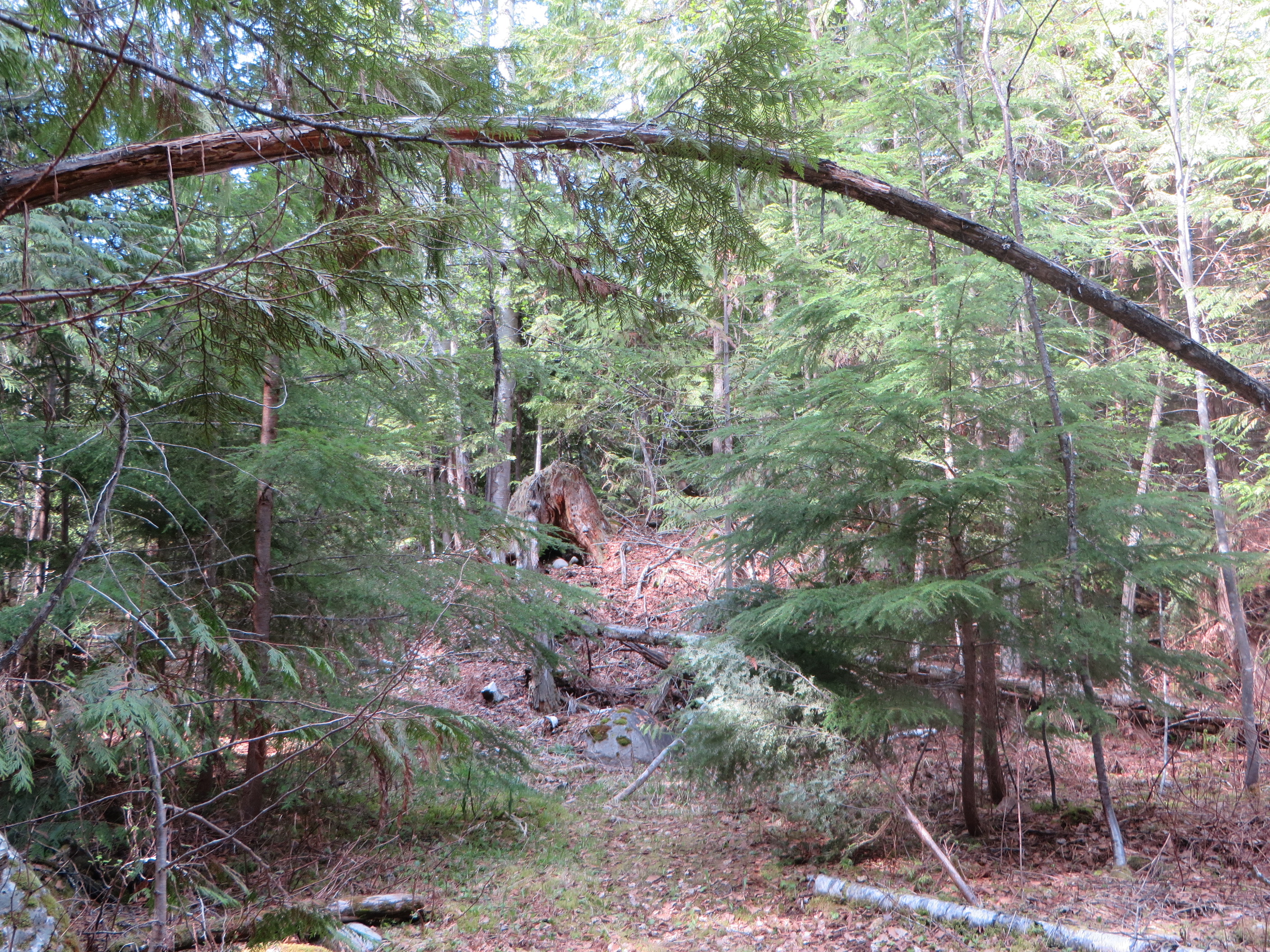
A Tree half uprooted by a Storm forms a beautiful Arch

A Tree half uprooted by a Storm forms a beautiful Arch

More than ten years ago a sports-minded father created with axe and chainsaw a challenging dirt bike trail for his teenage son. We discovered it by chance and since it had been abandoned by father and son it turned out to be one of our favorite hiking trails.

IMG_5512

Last Look at the Lake before Turning Left

For the first 500 m it runs parallel to the lake until it reaches the mouth of Taite Creek. Then turning left it follows the creek for about one km before it moves away into dense forest. Old overgrown logging roads crisscross the area creating a veritable maze where you could get easily lost. Luckily the boy’s father had carefully marked the path by tying yellow ribbons onto tree branches. Near the end the trail changes direction and crosses an old growth forest area, where in the fall I find some of the choicest mushrooms for our dinner table.

Wild Wilderness at its Best

Wild Wilderness at its Best

Everything except for the trail is wild around here. This is perfect wilderness and nature at its best. One must often climb over a tree trunk that a violent storm had blown over across the path. Canada geese nest near the lake. The air is filled with the high-pitched voices of the osprey. And if you are lucky, you might see the king among the birds of prey, the bald eagle, soaring high above in the sky.

Trees Stretching to the Light

Trees Stretching to the Light

The trail ends at the bridge on Applegrove Road. If you are ambitious and don’t want to return to camp by the same route, you can extend your beautiful walk a little by turning it into a full circle tour. From the bridge you walk a few hundred meters in the direction of Fauquier, until you see the campground access road, which will lead you back where you started. There will be more posts on hiking trails in the near future on this blog.

IMG_5513

Like-minded People of Applegrove Road – Part III

LIKE-MINDED PEOPLE

A BRIEF HISTORY OF APPLEGROVE ROAD

By late Bill Laux

In 1962, another pair of Americans, Bill and Adele Laux, arrived. They were joined by their friends, Jack and Janie Wise, who had been running a production art studio in Mexico. The four of them bought the Scribe property from the dispersed Quaker group and set up Vaki Studios to produce batik wall hangings most of which they sold in the US.

Burmester Horse Ranch with Log Boom in Front

Burmeister Horse Ranch with Log Boom in Front (former Funk property)

In 1962 or 1963 Columbia Cellulose, which held the Tree Farm License, extended the Applegrove road across Taite Creek and down to Octopus Creek to open up more timber harvesting areas. They were obliged to lease and then purchase the right of way, where it crossed the Gebelein property.

Applegrove Road from Fauquier to Taite Creek is a public road, maintained by the Department of Highways. From Taite Creek south it is a Forest Industrial Road owned and maintained by the holder of Tree Farm Licence 23.

Richard Eichenauer, from Germany and New York, arrived in 1964 – and shortly joined Mead and Freedman on their property. Richard and Jimmi married and raised a daughter, Cedra, who now lives in Nakusp.

The buildinq of the dam in 1967 and the consequent flooding wiped out Appleqrove completely and submerged most of the old orchards along the lakefront. It did in fact destroy the small farm and orchard economy that the first settlers had created. What was to follow, once high-speed paved roads to the Okanagan and Calgary were in place, was something none of the Arrow Lakes residents had imagined. Their valley was now considered to have “recreational” or “retirement” potential and at once their taxes reflected this change.

That might be the future, but for the time being life along Applegrove Road continued much the same. Some changes had to be made. The Fauquier lakeshore road that served the Orcutt and Laux properties was fIooded out and the power line that served them was removed as well. Lauxs and Orcutts rebuilt Len Funk’s old horse trail to connect themselves to Applegrove Road. Potockis, Hell and Gebelein moved back uphill to new locations above the new high water line.

The era of the Hippies came next. Each week idealistic young people from the cities would make the trek up Applegrove Road weekly seeking like-minded others and that mythical plot of free land where everything would be peace and love. Just as with the wandering Albertans in the 1910s, those willing to work on the Applegrove homesteads were fed and sheltered until they had enough and moved on. Some stayed for a few weeks, some for a summer.

In 1965 the Provincial Government announced its plans for the High Arrow Dam and the reservoir to be created behind it. In the project was included $6 million for a Needles-Fauguier bridge and $7 million for a new highway from Fauquier to Passmore along the power line route. This highway would have destroyed Applegrove Road and ended the quiet and isolation of its residents. There was great relief when the Department of Highways, which was experiencing the first of many difficult winters on the new Kootenay Pass road, announced it would build over no more than 1800 meter (6000 ft.) passes. A ferry was substituted for the bridge, the road was not built and the moneys saved were diverted to the Peace River Dam project.

Looking North: Logging Truck Leaving Needles Ferry at Fauquier

Looking North: Logging Truck Leaving Needles Ferry at Fauquier

Tony and Nancy Netting bought the Gaustein place in the 1960s and began an orchard nursery and gardening enterprise. They raised three children, spending summers on the homestead and winters teaching in Kelowna. Kurt and Mary Hilger joined with the Mead and Eichenauer community and began a house. They did not finish it but sold to the Canons, Randy and Dharma, who created a unique octagon structure all lovingly hand-finished. Cannons too, left and sold to Nila Campbell, whose intention was to convert the property into a meditation and healing centre.

Martin and Shelly Glasheen joined the group as well and with great energy began developing a homestead. They raised two children and a great number of animals. As serious and ambitious mountaineers they are now planning a mountain lodge high in the Valhallas. (It is now a very successful and popular enterprise. By the name of Valkyr Adventures)

Others came, stayed a while and then moved on. One group, arriving from California in a van, took up residence in the Orcutt house and turned themselves into a Rock Band, “The Flying Hearts.”

In 1970 an American, Logan Bumpus, arrived from near Prince George with his horses. He and Ruth Orcutt married and began ranching beef cows and breeding horses on their property.

The like-minded people of the Sixties and Seventies were not all that different from the British arrivals at Applegrove in the first years of the century. All were leaving an urban and consumer-dominated society they found disturbing and were seeking a rural seclusion on which to create self-sustaining homesteads.

The following decades would bring a very different group of land-seekers. These were older, often affluent and looking for recreational or retirement properties. These were concepts that would have been unthinkable to Applegrove Road residents in the dirt-road Sixties. But with paved roads to the Okanagan and to Calgary and the extension of telephone and hydro lines, the Arrow Lakes had now become a recreational destination.

Sometime in the early years Len Funk had sold the north half of his lot, 7125, to Earnest Bruner. Bruner built a house and tried to farm the property but found the soil too sandy to hold water. The place was rented out variously until 1967 when it was bought by Peter Makar, a High School Shop Instructor from Penticton. Makar, seeing the resale potential of Arrow Lakes properties, bought several farms from persons wanting to leave the area and became the Nakusp High School shop instructor. As well, he founded Loma Lumber in Nakusp. When the lakeshore road was flooded out in 1968 Makar built a road up the steep bluff to tie into Applegrove Road.

Biene’s Studio and Art Gallery

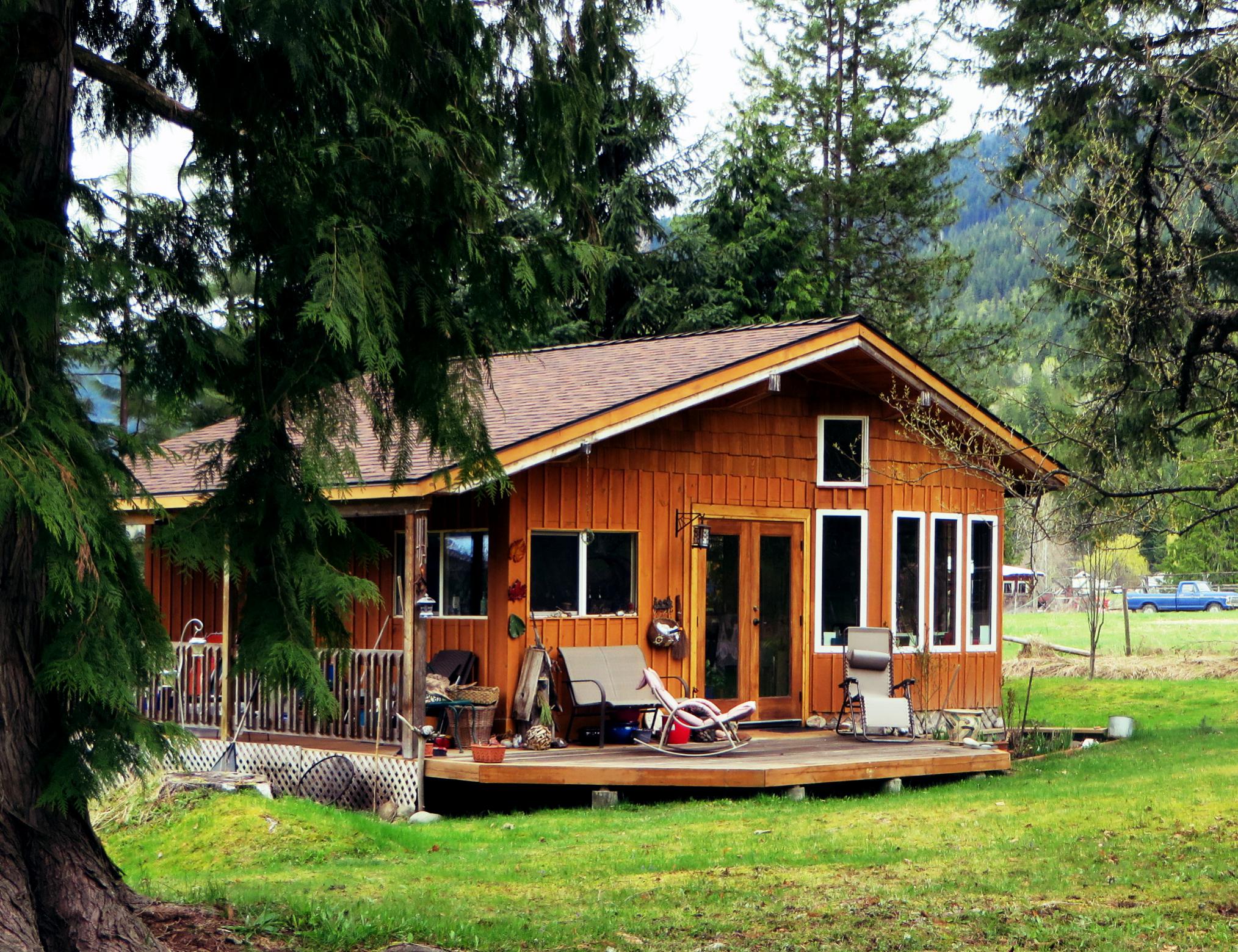
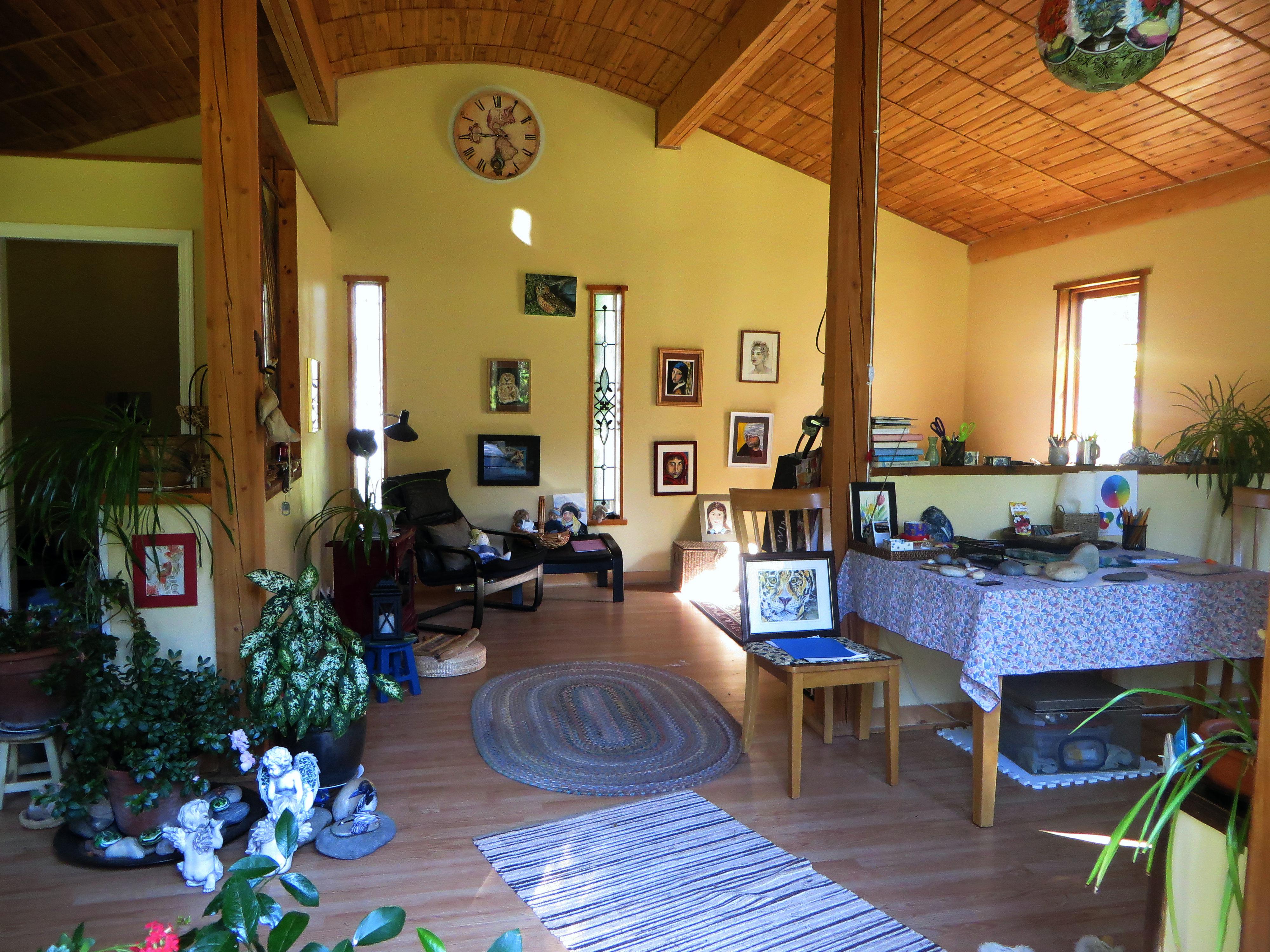
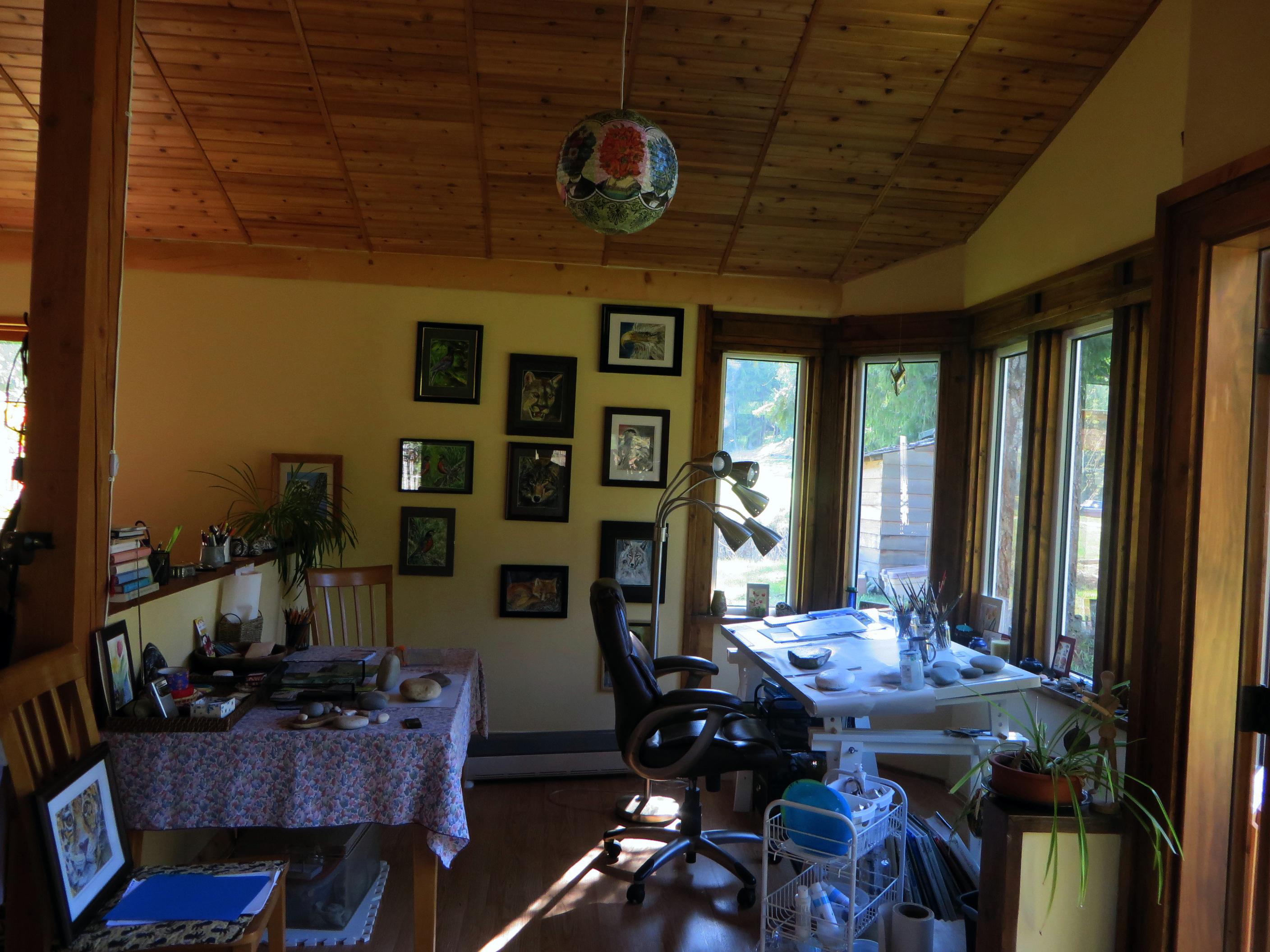
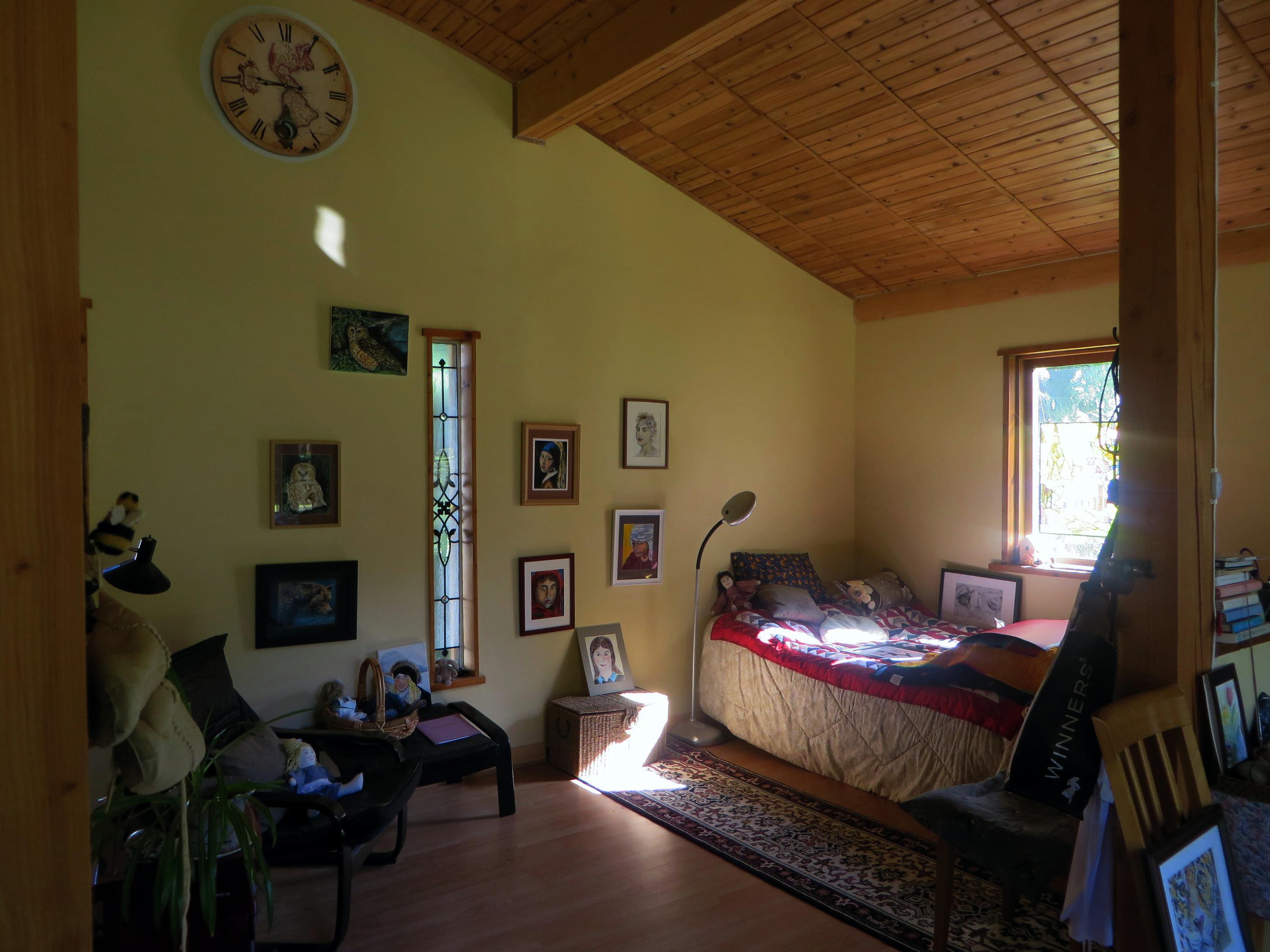
Last week we took a walk through our yard, which ended with a view on Biene’s cabin and studio. Today we take a look inside. The pictures with their titles are self-explanatory. Some day Biene will present her pictures and rock paintings individually at her blog bieneklopp.com.

Biene's Studio in our Backyard

Biene’s Studio in our Backyard


Look Inside Through the Front Door

Look Inside Through the Front Door

Biene's Work Area

Biene’s Work Area

Gallery and Sleeping Area

Gallery and Sleeping Area

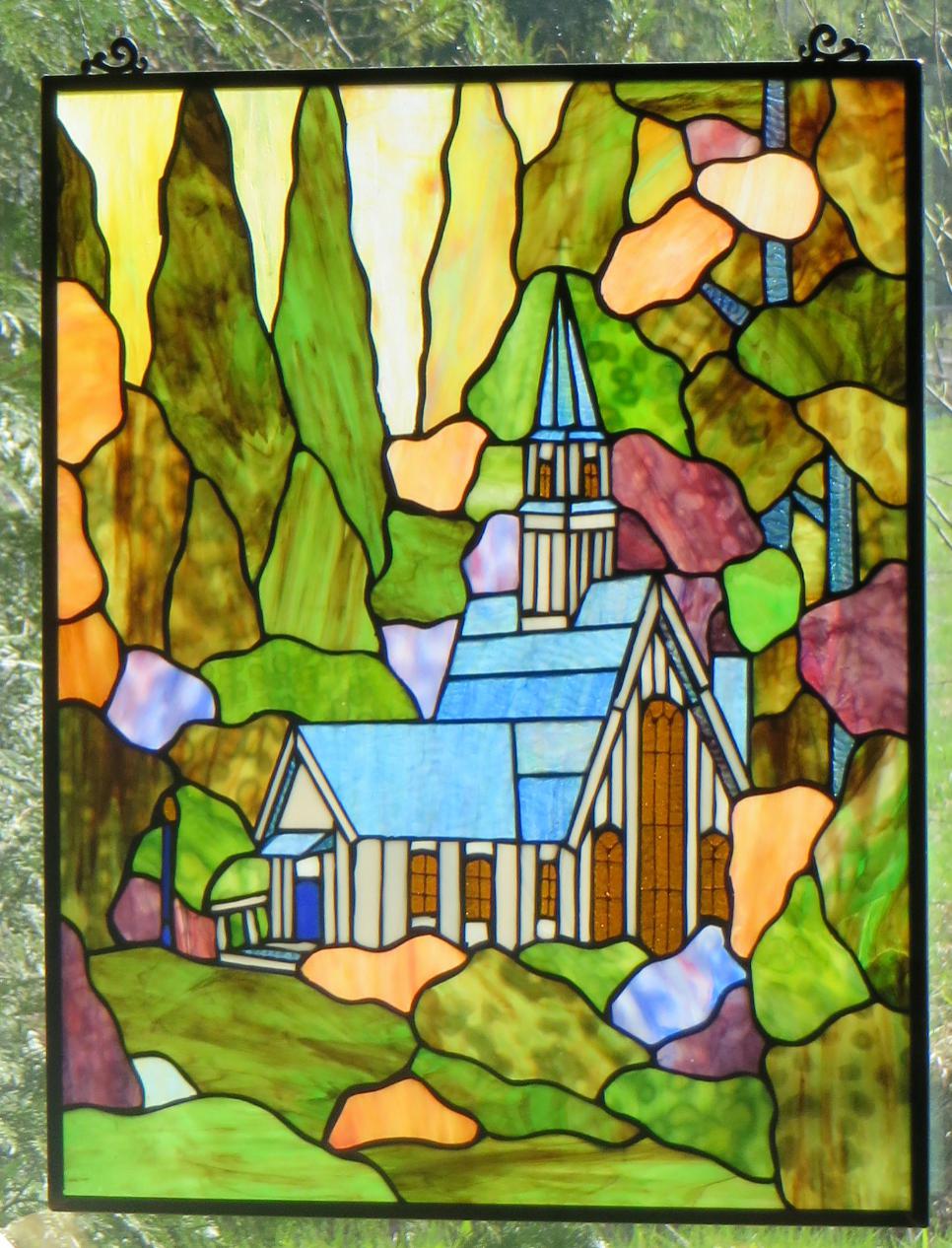
Stained Glass Window

Stained Glass Window

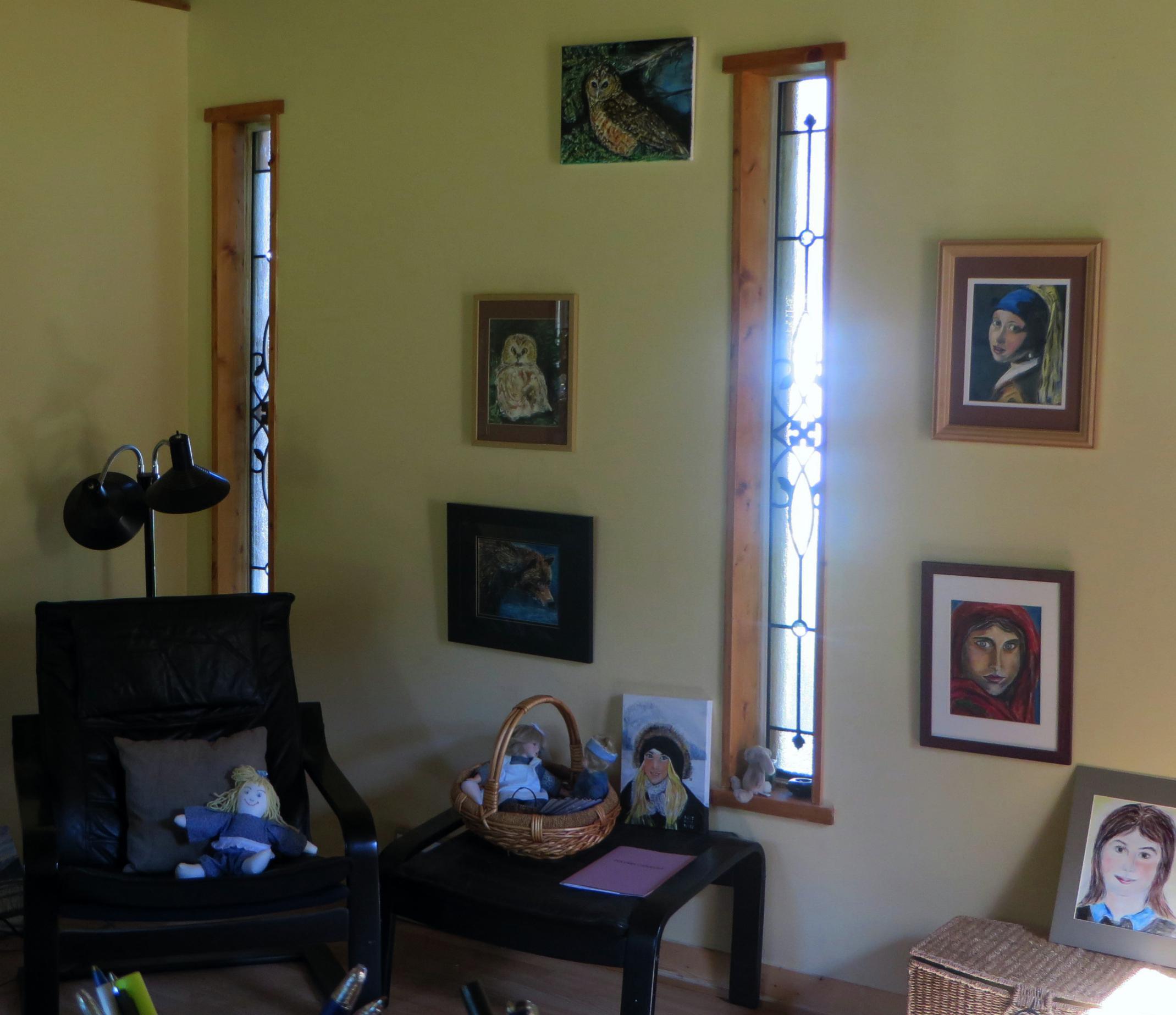
Gallery and Reading Area

Gallery and Reading Area

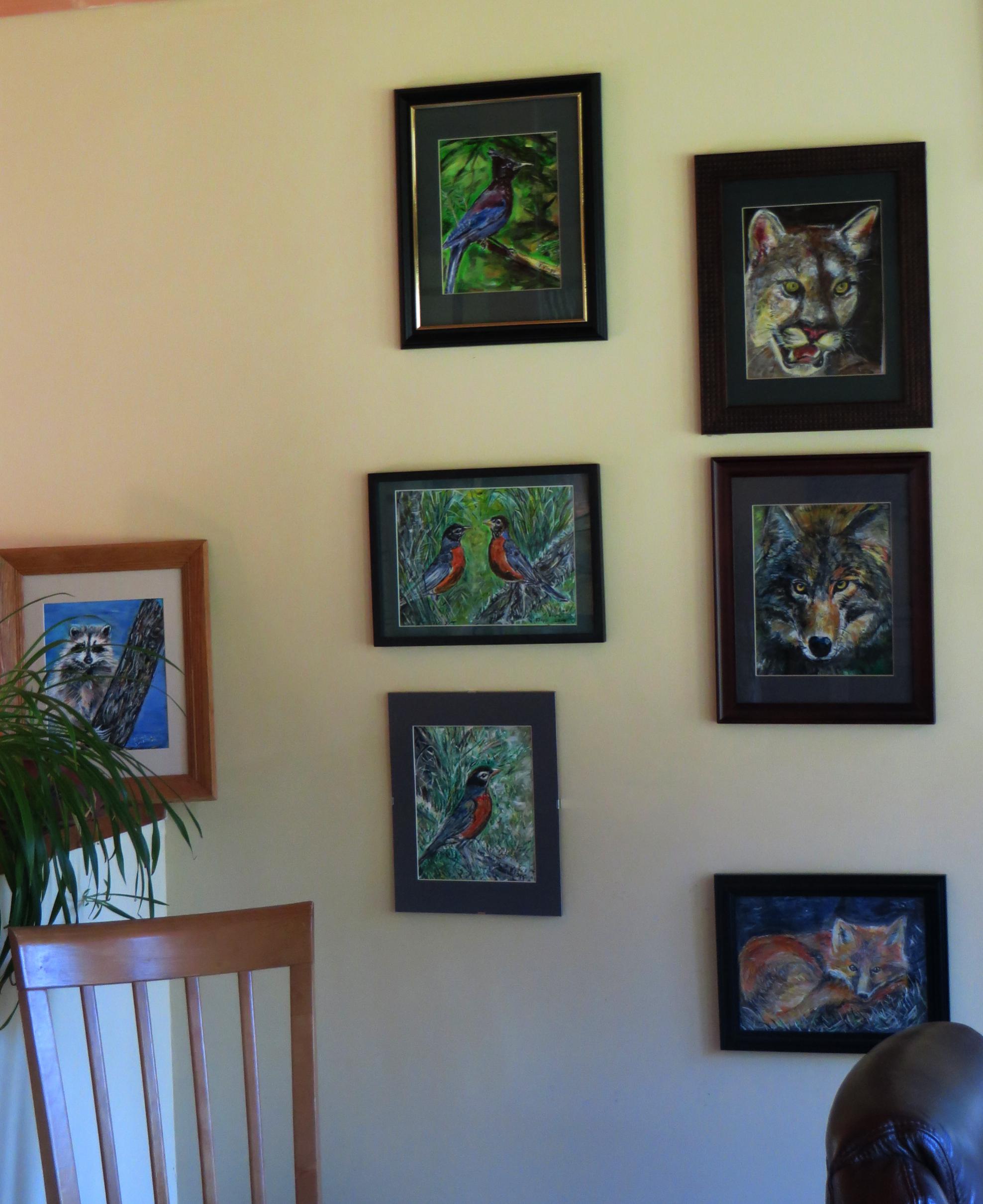
Some Samples of Biene's Art Work

Some Samples of Biene’s Art Work

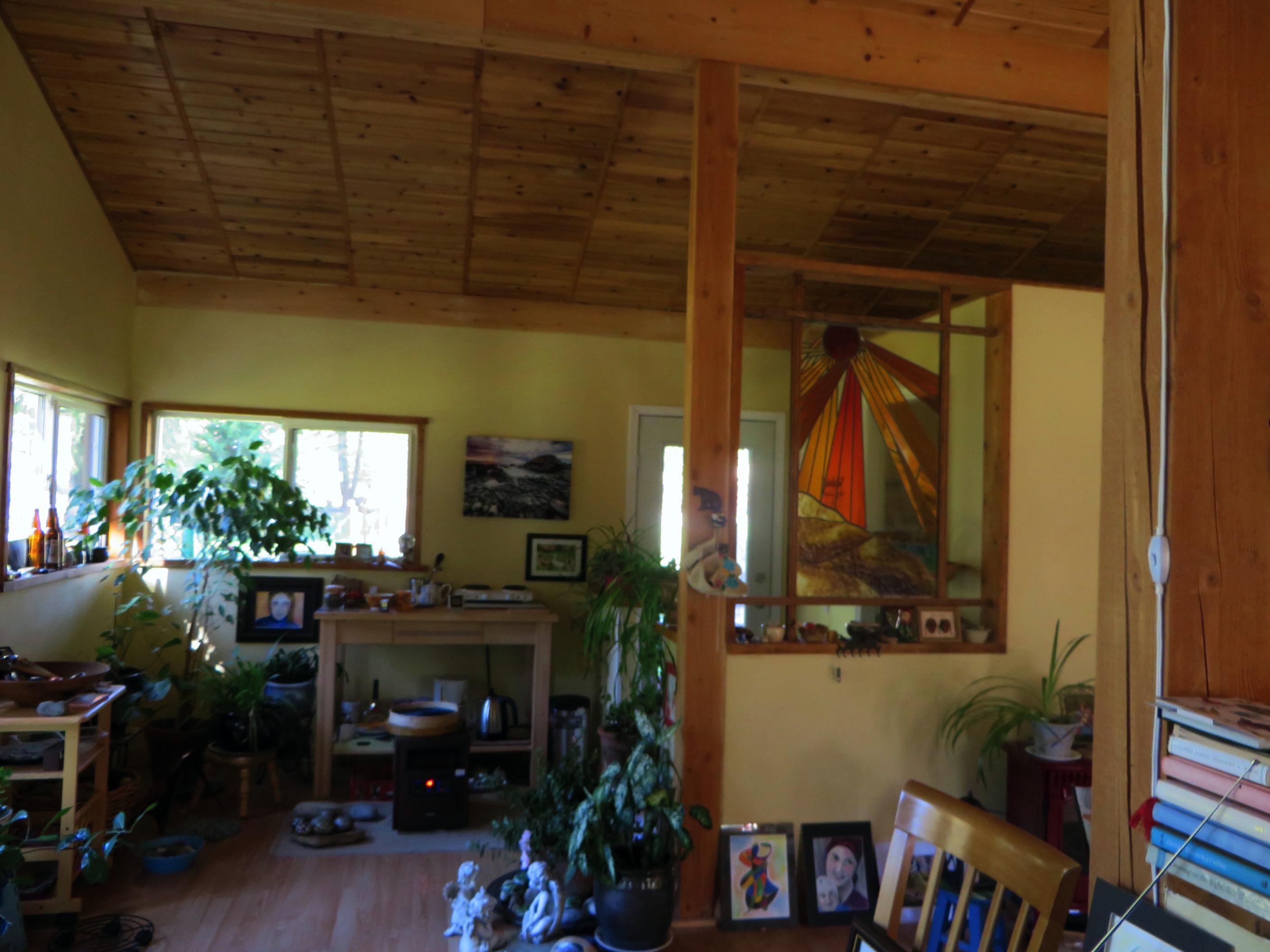
Mini Kitchen and Room for Plants

Mini Kitchen and Room for Plants

Looking at our Yard in the Mirror of the Four Seasons

A Walk through our Yard – Early Spring

When our family moved to Fauquier in 1976, the only house available was a two-bedroom bungalow with an ugly lean-to serving as storage area. It looked more like a summer cottage than a house having only a total living area of about 100 sq m. The yard is huge by comparison with a length of 100 m and a width of about 30 m. The back half of the lot was completely undeveloped. Wild Russian poplars and the odd cottonwood covered the mostly swampy land.

It was obvious that the house would not be large enough to accommodate our family of seven at the time of our move from Alberta.  My father-in-law had to have his own bedroom during his visit in Canada. The four boys took the other bedroom and slept in bunk beds. Biene and I slept in the tiny living room on a couch that we converted into a bed for the night. In the spring of the following year we added a double wide mobile home to the house with a breezeway connecting the two units. From one moment to the next we had two bathrooms, two living rooms, and even two separate kitchens. Year after year, as  our limited financial resources would permit, we made improvements to house and property, which included a sundeck, a sun room with pantry, a new roof over both houses, and a large garden. I planted two apple trees, two pear trees and several plum trees after clearing the land. But the best and most precious thing for Biene was to have her dream fulfilled. She finally has her own studio, which our son Robert built for her in 2009. This is the place, where she can be away from the distractions caused by phone, computer, TV and the constant reminder of things that need to be done. Here in the quiet surrounding of her studio she lets her creativity inspire her to paint or draw animals, flowers and portraits. Biene will one day showcase on her own blog bieneklopp.com some of her work by setting up a virtual gallery.

Now let us begin our early spring walk through this beautiful place on the hill overlooking the Arrow Lake.

Like-Minded People of Applegrove Road – Part II

LIKE-MINDED PEOPLE

A BRIEF HISTORY OF APPLEGROVE ROAD

By late Bill Laux

Aspinalls had a farm at the Fauquier end of Applegrove Road, the present De Boer property. The Spillers had come from Austria in 1913 and taken up land on Heart Creek, which they reached off the Applegrove trail, which Mr. Spiller must have widened to a wagon road to access his property from the Ferry landing.

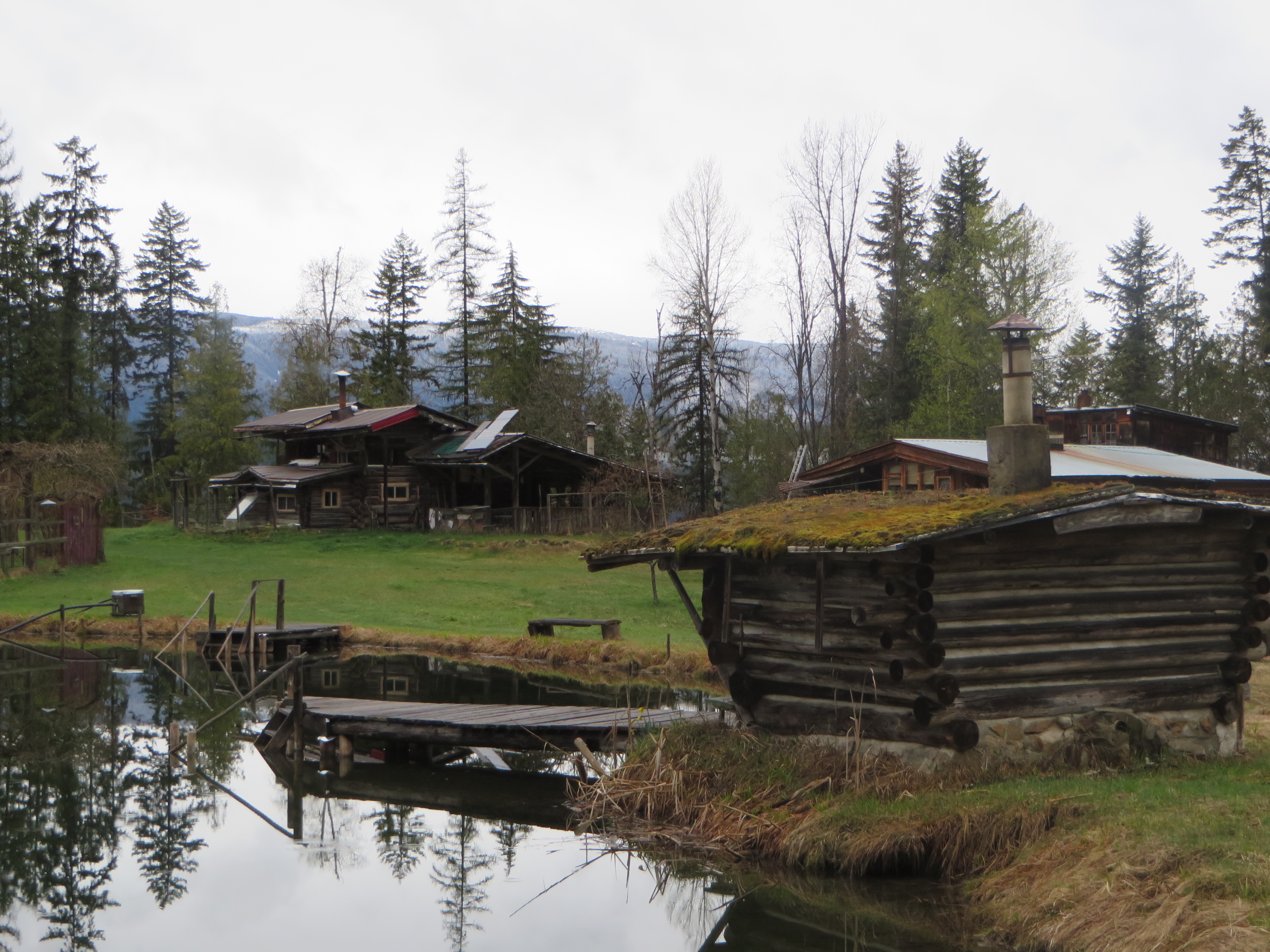
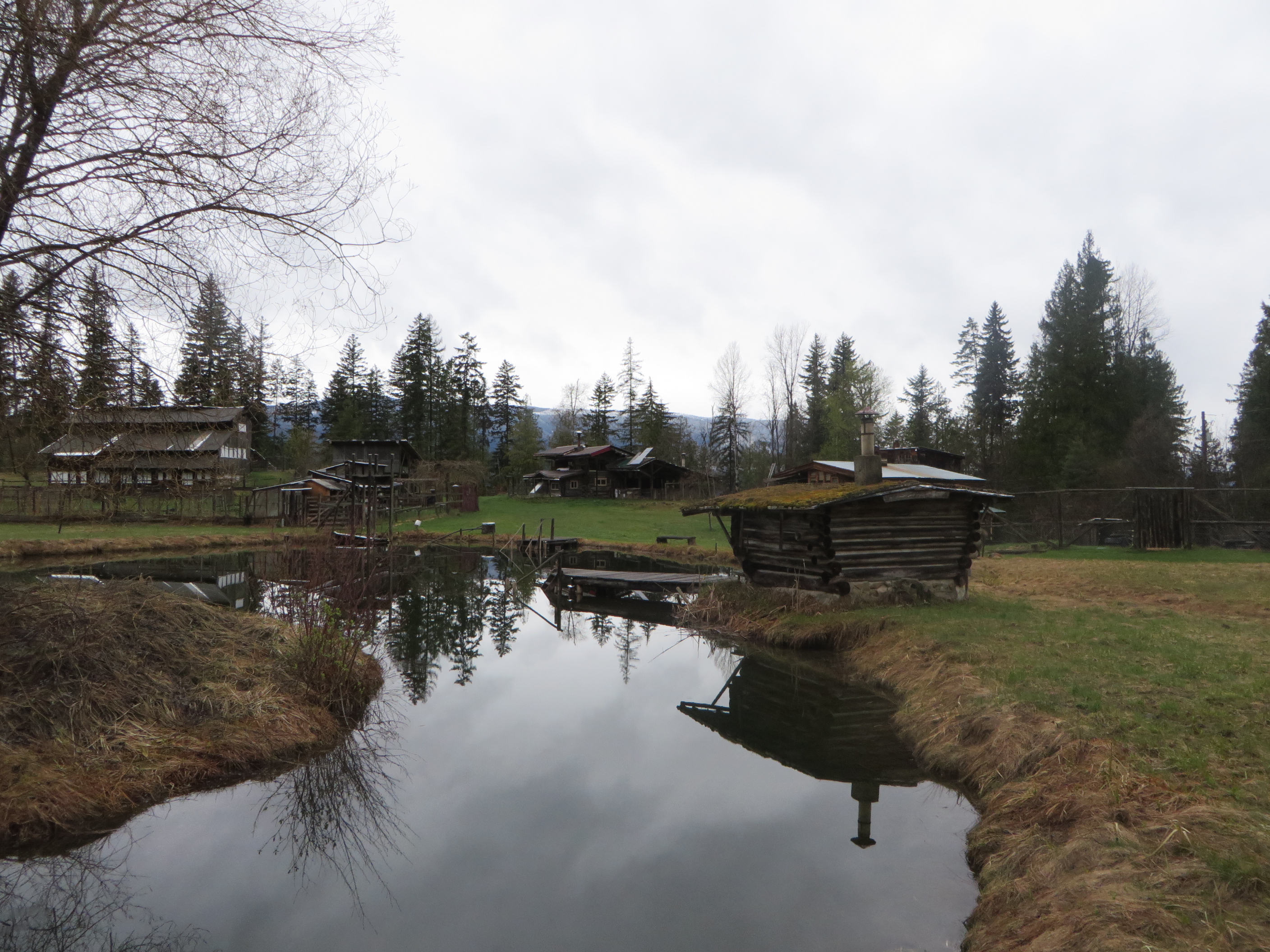
The Mead-Eichenauer Property with Sauna and Pond in the Foreground

The Mead-Eichenauer Property with Sauna and Pond in the Foreground

Others, opening up the trail, took up land at each promising meadow or marshy location, which looked suitable for draining. It was, in those first years, crucial to have a hayfield while the heavily timbered lakefront land was being cleared and stumped. Gaustein took up the land along März Brook in 1920 (the present Netting property since 1966). Apple trees were planted and these early orchardists engaged in horse logging to make a living until their apples should come into production. The logs were horse-hauled to the lake shore, decked on the beach in the winter to await high water and the tug to tow them to Waldie’s mill at Robson. It seems certain that by the Twenties there was a wagon road as far as the Mosheimer Place and probably another kilometer past it to a house, which had been built on the clearing at the top of Eichenauer’s hill. The name of this settler is not known. Percy Schlag, who had an orchard in Fauquier, opened up a meadow on the south side of Heart Creek at the source of März Brook and drained it with a ditch to make a hay field. During the years when the lake shore lands had to be cleared and stumped for orchards, any mountain meadow or drainable swamp was a prize location to be preempted and   put into production for hay.

IMG_5272

From about 1913 Apple Packing Schools were held in the Valley to show the new orchardists how to get their fruit into commercial channels. Only perfect fruit was acceptable, no blemishes permitted. This left, especially in bad scab years, a great deal of fruit unharvested. These apples were used by many to fatten pigs for sale and most everyone made apple juice. With the addition of a bit of wine yeast, fermentation took place and hard cider was produced. August Scribe took the process farther and built a still. He located it under his pig shed to conceal the odour and took care to have a dry-hinged gate, which would squeak loudly, if anyone approached. He planted wormwood nearby to use as a flavoring, telling his customers he had made absinthe. It is said he shipped the product in cream cans to Nelson on the Minto with each can sealed with dairy stickers only to be removed by the milk inspector.

Mosheimer had his feet badly crushed in a logging accident and had to give up farming. He and his wife moved to Vernon where they opened a laundry. The property was bought by Mr. Kendricks of Needles, who leased it out for hay and pasturage. It came to be known as Kendricks Place (close to the present day Mead-Eichenauer Place). Gaustein, as well, left, though we do not know when.

All these years the slashed trail to Applegrove was still used as a route for Fauquier farmers to take their teams down to Taite Creek where from time to time horse logging jobs were available. Several wagon roads were built off Applegrove Road to reach the magnificent old-growth timber up the various creeks. One road ran up Heart Creek a short distance to reach a particularly fine stand of large cedars. Another extended Percy Schlag’s road from the south end of the Funk Meadow up and around the north end of Mineral Ridge to reach the timber on the North Fork of Taite Creek. In the early Sixties logging contractor Steiner built the Pin Road to harvest the Mineral Ridqe timber and the Heart and Pin Creek drainaqes. Applegrove became little more than a log dump.

Continue reading