Walter Panknin (1898 – 1977) and His Family Ch7 Part 2

Struggle for Justice

Biene described in vivid detail her mother’s exhausting trips by public transportation and on foot to the government offices in the bigger cities. With unwavering determination, she bypassed the lower-ranked officials. She gained access to the ministers of justice and social services, an incredible feat that only people familiar with the German bureaucracy can understand. In those days, there was no phone service for the general public, no emails, and no Internet search engines that we in the twenty-first century take for granted. With her tenacity and unshakeable resolve, she managed to open doors, scout for invaluable information and find assistance in the fight to recognize their refugee status and Papa Panknin’s pension claim.
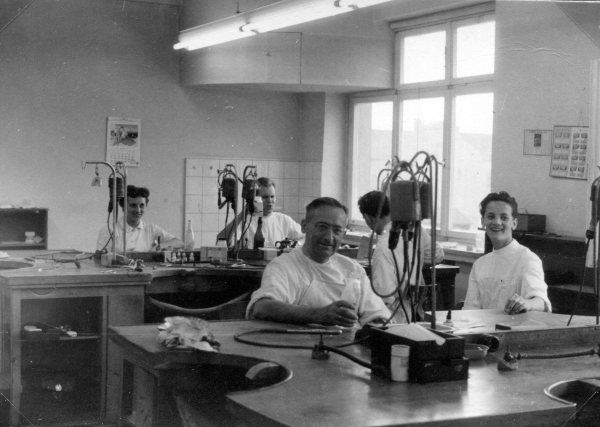
Walter Panknin at the Dental Lab 1957


To fully understand their situation, we need to go back to 1957. The Panknin family, like so many refugees from the Soviet-controlled eastern part of Germany (GDR – German Democratic Republic), lived in extreme poverty. My father-in-law, former captain of the police force and later commander of an army unit in former Yugoslavia, provided with his meagre income the cost of food and shelter for the family of four. He worked as a dental technician in a lab in a nearby city. What his wife had accomplished by blazing a trail and opening doors to influential politicians, Walter Panknin complemented her efforts by resorting to his powerful writing skills. Reading his elaborate correspondence with the movers and shakers of the government ministries of the West German province of Rhineland-Westphalia, I gained great insight into their struggle for justice. What really impressed me was how the couple worked together as a team. I also learned that despite the glitz and glamour of the economic boom (Wirtschaftswunder), there was something rotten in Germany.
Natural Splendour of the Arrow Lakes

Wednesday’s Photos

Plunge from Too High to Too Low

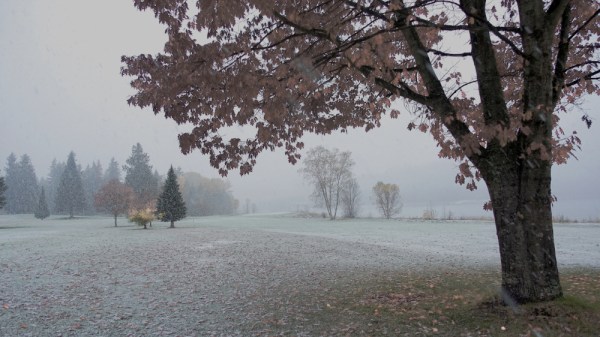
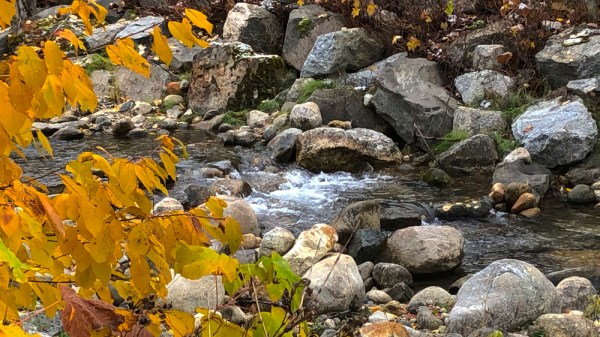
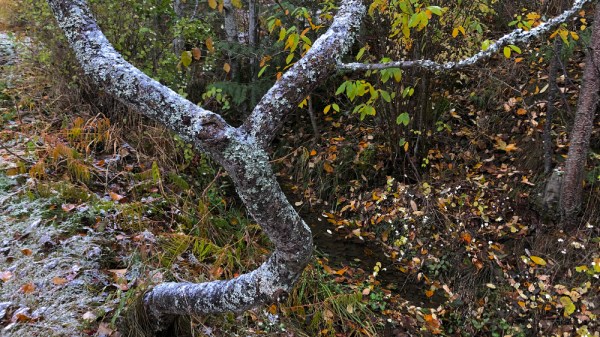
Less than four weeks ago we swam in the Whatshan Lake and enjoyed a balmy 20 degrees C warm enough for a picnic in a multi-coloured fall setting. Walking now in sub-zero temperatures with a stiff wind blowing from the northeast makes us feel as if the warm spell happened sometime in the distant past. The first snow has fallen and will mostly stay unless there is some relief coming from the relatively mild Pacific Ocean. Below are a few impressions from a recent walk on the deserted Fauquier Golf Course. Enjoy.

Walter Panknin (1898 – 1977) and His Family Ch7 Part 1

Switching Authors Again

Biene wrote the preceding chapters based on a wealth of experiences from 1945 to the early 1960s. The story begins with her father’s return from the Bad Kreuznach POW camp to his family and home in Gotha. It ends with a vivid description of life as a refugee family in the so-called ‘Golden West.’ In loving memory, she sees her mother as a pillar of strength. She did not hesitate to jeopardize her health and well-being in the fight for justice for her husband and children. Biene depicts Papa Panknin’s stern appearance without the usual negativity often found in a father-daughter relationship. She briefly mentions her squabbles with her twin brother Walter. For example, the abusive ‘burrowing’ of her dolls and toys and often wrecking them bothered her. In retrospect, she preferred to dwell on the joys and emotional support she received from her friends while entering her teenage years.

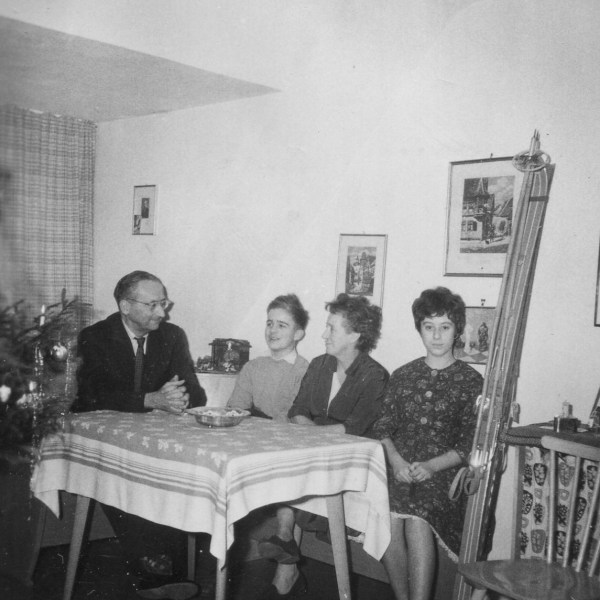
Modest Beginning in the ‘Golden West’ – Christmas 1958

The task at hand of writing about the rest of the story will be a challenging one for me. In contrast to Biene, I did not have personal experiences with my parents-in-law. Indeed, I only had the pleasure of meeting them three years after our wedding in Canada. However, what enables me to throw detailed light on Papa and Mutti’s life is their love and passion for expressing themselves through their immense correspondence with friends and relatives. They meticulously sorted and preserved their work in well-organized, dated folders and binders.

Papa Panknin suffered from nervous tics in his facial muscles and hands dating back to WW1 shell shocks. Therefore, he used an old typewriter for his letters to government officials, friends, and relatives. Typing had the advantage of producing carbon copies for his records, for which I am very grateful, making my job as a family chronicler much easier. My writing will be drier for the most part and less colourful than Gertrud’s autobiographical notes. However, I hope that many excerpts from his correspondence, especially those dealing with family events, will be noticed even in translation. So without further ado, let the extraordinary story of the Walter Panknin family continue.

Natural Splendour of the Arrow Lakes

Wednesday’s Photos

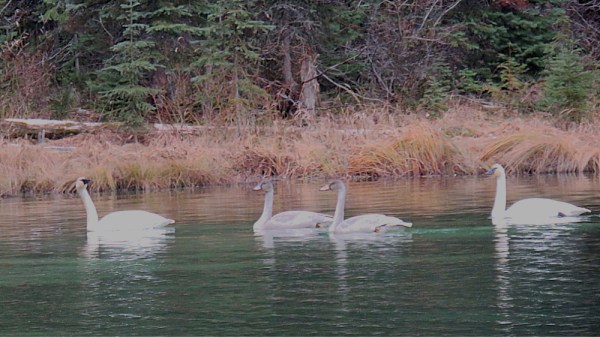
Trumpeter Swans at Lost Lake

Life in the Kootenays is regulated by the ferry schedule. Last week, driving over the Monashee pass, we had 15 extra minutes. So we decided to stop at Lost Lake, which is located some 1200 m above sea level. Great was our surprise when we spotted four trumpeter swans that apparently made a short stop-over at this tiny mountain lake on their journey south to their winter quarters. They seem to be papa and mama swan with the two youngsters they had raised in the Yukon during the summer months. We had never seen these graceful birds in the wild.

Natural Splendour of the Arrow Lakes

Wednesday’s Photos

Nostalgia, Mountains, and Global Warming

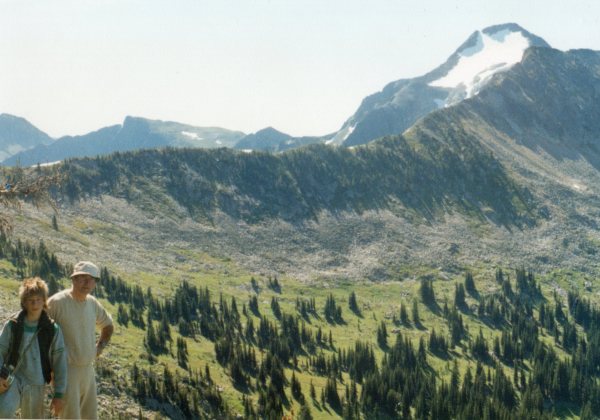
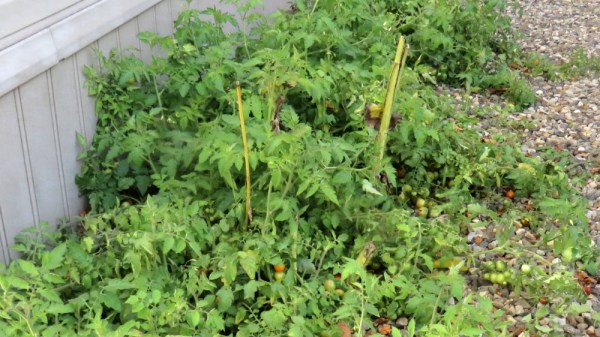
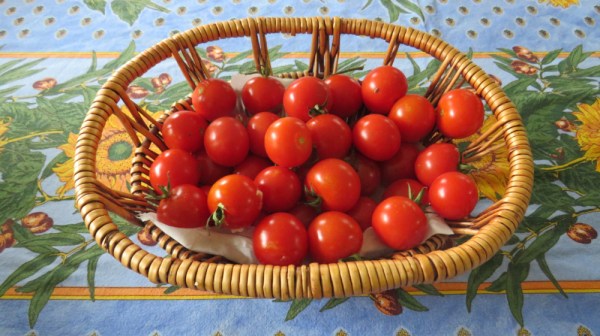
In the previous post, I reported that on October 15, my wife and I went swimming in the nearby Whatshan Lake. In the meantime, we finally had some much-needed rain but the temperatures for this time of the year are still way above normal. My followers in their comments asked me when we would get our first frost. This question brought back some fond memories of my annual pilgrimage to the mountains. In the 1980s, I never climbed up to the 8200 ft McBride mountain alone. At least one of our five sons accompanied me. Our hike would take place near the end of August. Often the meadows of the lower valley were covered by a white blanket of frost. Fast forward to the presence. Heart Creek, our main source of water, almost ran dry this year. Our garden is still producing red beets and cherry tomatoes. Only yesterday I picked a basket full of these delicious fruits from the vine. This is just another piece of evidence of climate change. Quite frankly, as pleasant as an extended warm spell may be, it makes me quite a bit worried.

Our son Tony and I are on the plateau of McBride. (1986) The ridge behind us leads to the higher Mt. Hilda

My wife planted the tomatoes in the soil under the gravel. They enjoyed the extra heat from the rocks.

Walter Panknin (1898 – 1977) and His Family Ch6 Part 28

New Friends on the Road to Adolescence

Biene wrote this Post

After our return from summer camp in Berg Neustadt, our parents told us the exciting news that the construction of the apartment building was nearing completion. If all went according to schedule, we would celebrate Christmas in our new home.
Angelika had moved to Wolfsburg during the summer. My friend and I had been an inseparable pair, mainly keeping to ourselves. Angelika did not like to “share” me with other girls and had jealously guarded our friendship. I felt lost without her. I was apprehensive about going back to school, fearing being without friends. Once in a while, Angelika and I were invited to for a special occasion to Gisela’s house. Gisela was the girl from Eisenach, the famous town close to Gotha, where the Wartburg castle is located.
But as so often in my life, my fears were unfounded. Gisela and her friend Gudrun felt sorry for me and asked if I wanted to walk with them during recess. They also invited me to do homework at their homes. They always took turns. Knowing my situation, they did not mind that I could not ask them back because of the Old House. I promised them they could always come to my place once we moved. They were okay with this prospect.
Gisela lived with her grandparents, her mom and her older sister in a new apartment not far from our prospective home. Gisela’s pretty mom, a petite, dark-haired woman, was a war widow. Gisela had never known her dad, a pilot, who was killed shortly before her birth.

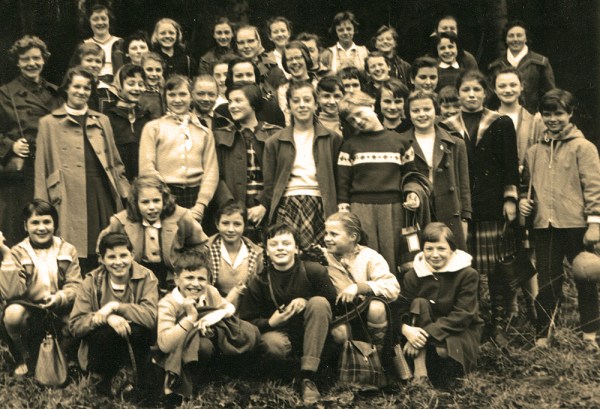
School Photo with Biene at the Centre


After the war and their flight from east Germany, Gisela’s mom worked as a seamstress while her parents took care of the household chores. Gisela, a tall, long-legged girl with big brown eyes, always wore the most stylish and beautiful dresses which her talented mom designed and sewed for her. Gisela was a bit more serious and reserved than most classmates and appeared to be older.