August Otto Wilhelm Klopp (1884 – 1886) – Part I

The Short Life of Emma’s Seventh Child

After the mill business in Olvenstedt turned out to be a complete disaster in 1893 at the very latest, P.F.W. Klopp and his wife Emma moved with their six children to Magdeburg- Neustadt. The people they dealt with, work prospects and accommodation remain a gap still to be filled in the family research. The fact is that Emma’s ninety-one year old grandfather Johann Christian Bauer of Jewish ancestry passed away on December 16, 1883 in Magdeburg-Sudenburg. What amount of inheritance he bequeathed to the Emma Klopp family can no longer be ascertained, but must have been considerable. For it secured the next six years of living expenses in Jersleben and must have formed the basis for the acquisition of a house and property in Wolmirstedt further down the road.

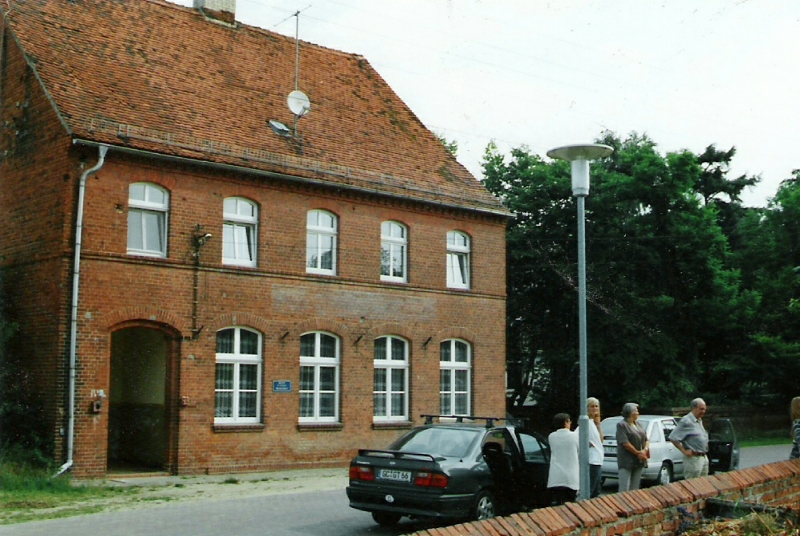
Bahnhof Magdeburg Neustadt - Foto: geolocation.ws

Bahnhof Magdeburg Neustadt – Foto: geolocation.ws

While enjoying the unexpected financial blessing, Emma was also thankfully looking forward to her seventh pregnancy. In August 1884 she bore in Magdeburg-Neustadt her fourth son (seventh child) August Otto Wilhelm. Although Emma was briefly hospitalized in and around this time, the possibility of a hospital birth in those days must be excluded. Besides Emma Klopp was of a robust  physical constitution and always gave birth at home without any complications.

Remark: Every once in a while I need to remind my readers, who praise me for the research on the Klopp family, that the author of this amazing story of our ancestry is not I but Eberhard Klopp, a distant cousin of mine. After an intensive research over a period of many years in the 90’s he published the results in Germany under the title “Ein Brief an die Nachfahren der Familie Klopp aus Altendorf/Brome und Wolmirstedt“. Since many of the descendants have spread all over the North American continent and most of them no longer speak German, I endeavored to translate the relevant parts of his book into English.

Eine ergreifende Liebesgeschichte – 3. Teil

Hochzeit ohne Familie

Es blieb nicht aus, dass auch das Schulamt Wind von der Sache bekam. Es gab ziemlichen Ärger und Elisabeth wurde „strafversetzt“, sie kam noch 1953 nach Rühstädt. Doch auch diese Maßnahme brachte ebenso wenig Nutzen, wie die häufigen Besuche von Elisabeths Großmutter, unserem Omchen, in Rühstädt, die dem Zweck dienten, die beiden zu trennen. Eberhard fuhr abends oft mit dem Fahrrad nach Rühstädt, um seine Elisabeth heimlich zu treffen. Einmal wäre er dabei beinahe Omchen in die Arme gelaufen, die gerade wieder in verlorener Mission unterwegs war. In letzter Sekunde erkannte er die Gefahr und machte sich schleunigst wieder auf den Rückweg.

Schloss Rühstädt Photo Credit: wikipedia.org

Schloss Rühstädt – Photo Credit: wikipedia.org

Eberhard stand zu seiner Liebe und leitete seine Scheidung in die Wege, und als er auf diese Weise seine „Familienangelegenheiten“ in Ordnung gebracht hatte, wie es sich für einen Schulleiter gehörte, durfte Elisabeth wieder an die Schule in Quitzöbel zurückkehren.

Die Lehrerwohnung in Quitzöbel 2003

Die Lehrerwohnung in Quitzöbel 2003

Nun gab es zwar dienstlich keine Beanstandungen mehr, aber Mutter Johanna und Omchen waren noch lange nicht mit der Beziehung einverstanden. Wenn ich heute zurückblicke, waren sie das wohl nie aus vollem Herzen. Elisabeth verstand sich gut mit ihrem Bruder Hartmut und dessen Freundin Gisela. Die beiden Frauen trafen sich oft in Bad Wilsnack, wo die Weiterbildungen zur Vorbereitung auf die Lehrerprüfungen stattfanden. Oft gingen sie nach dem Unterricht noch eine Bockwurst essen und unterhielten sich. Bei einem dieser Treffen war auch Hartmut dabei. Den beiden fiel auf, dass Elisabeth sehr schlecht aussah, und sie führten das auf die große seelische Belastung durch die Auseinandersetzung mit Mutter und Großmutter zurück. Elisabeth konnte sich jedoch leider nicht entschließen, Gisela und Hartmut von dem wahren Problem zu erzählen, das in ihr heranwuchs – mein Schwesterchen hatte sich auf den Weg gemacht, das Licht der Welt zu erblicken. Ich glaube nicht, dass sie befürchtete, ihr Bruder könnte sie zu Hause verraten, vielmehr wollte sie ihn sicher nicht vor die Entscheidung stellen, sich entweder der Schwester oder aber der Mutter gegenüber loyal zu verhalten. Elisabeth und Eberhard glaubten keinen anderen Ausweg zu sehen, als alle vor vollendete Tatsachen zu stellen, und so kam es dazu, dass sie am vierten Juni 1954 allein und ohne die Familie zuvor davon in Kenntnis zu setzen, heirateten.

Elisabeth und Eberhard Trampenau am Tag ihrer Hochzeit

Elisabeth und Eberhard Trampenau am Tag ihrer Hochzeit

Elise Alma Klopp (1882-1975) – Part III

Active and Mentally Alert to the End

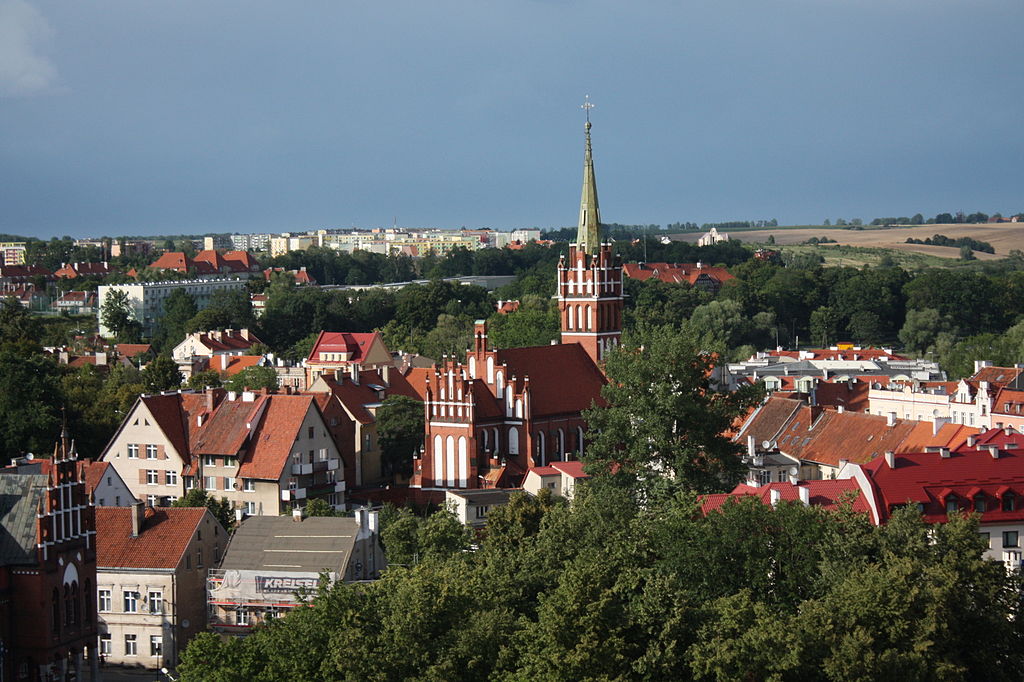
Rastenburg (Kętrzyn), East Prussia - Photo Credit: wikipedia.org

Rastenburg (Kętrzyn), East Prussia – Photo Credit: wikipedia.org

At the end of World War II Else was the only surviving child of the Scholz family. Else had married the engineer Artur Thieß. He is the one I called Uncle Artur, even though he was my cousin by marriage. He was born in Rastenburg, East Prussia,in 1905. For twenty years he had been active in the technical division of the German Post Office. After the war he was teaching at the institute of engineering within the East German postal system. There his talents found recognition and he quickly advanced to the position of lecturer at the department of engineering and electronics specializing in low-frequency applications in Berlin-Lichtenberg. In 1952 he published a book on low-frequency transmissions. He also frequently served as guest lecturer at the famous Humboldt University. [Knowing my interest in the field of electronics, he now and then sent me textbooks on transistor theory and practice.It was apparently permitted to mail books from the German Democratic Republic to the West, but not in the opposite direction.]

Artur

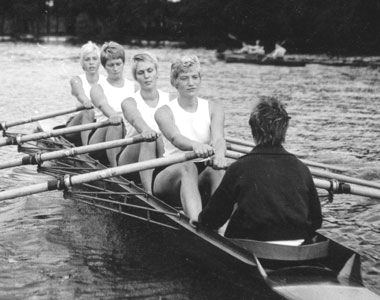
The surviving children of the Thieß marriage were all female: Ingrid, Gerlinde, Antje (see photo below) and Silvia. They were all known to me through my two visits in 1959 and 1962.

Anje Thieß 1962 (third girl) participating in competitive rowing

Anje Thieß 1962 (third girl) participating in competitive rowing for the German Democratic Republic

In the tender loving care of her daughter Else and son-in-law Artur Thieß,  Aunt Alma passed away on September 10, 1975 at the age of 93. Mentally alert until the very end she reached the oldest age of the entire Friedrich and Emma Klopp family.

Eine ergreifende Liebesgeschichte – 2. Teil

„Zum Verlieben, nur nicht mehr zum Kriegen“

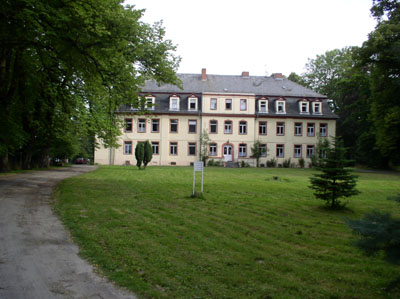
Schloss in Birkholz - Foto: gemeinde-karstaedt.de

Schloss in Birkholz – Foto: gemeinde-karstaedt.de

Nun gab es an dieser Schule in Quitzöbel einen Schulleiter, dessen Name Eberhard Trampenau war, und der zu diesem Zeitpunkt als 28-Jähriger schon ein ziemlich bewegtes Leben hinter sich hatte. Er stammte aus Dallmin bei Karstädt, wo er zusammen mit drei Brüdern und zwei Schwestern auf einem Gutshof aufwuchs. Sein Vater war dort herrschaftlicher Kutscher, seine Mutter arbeitete auch auf dem Gut. Die Eltern hatten es nicht leicht, ihre sechs Kinder durchzubringen. Mutter Minna war gezwungen, bei der Arbeit auf dem Gut immer mal wieder ein paar Kartoffeln oder Rüben mitgehen zu lassen, um die vielen hungrigen Mäuler zu Hause zu stopfen. Vater Albert war überzeugter Atheist, was in jener Zeit, der ersten Hälfte des zwanzigsten Jahrhunderts, ziemlich ungewöhnlich und dem Ruf der Familie im Dorf nicht gerade förderlich war. Es entsprach dem damaligen Zeitgeist, dass Pfarrer, Lehrer und Gutsbesitzer in einem Dorf bestimmten, was „rechtens“ war. Auch Eberhard hatte das als Jugendlicher zu spüren bekommen, denn als er konfirmiert werden wollte, war der Pfarrer der Meinung, dass er nicht die „richtigen“ Sachen anhabe und ließ ihn aus diesem Grund nicht zur Konfirmation zu. Es ist verständlich, dass Eberhards Einstellung zur Kirche zeit seines Lebens nicht nur ablehnend, sondern auch von Wut und Intoleranz gekennzeichnet war. Sein Werdegang als Jugendlicher und junger Mann war durch die Verhältnisse der dreißiger Jahre und der Kriegszeit vorprogrammiert: Hitlerjugend, Arbeitsdienst, Unteroffiziersschule, Kandidat der Offiziersschule. Mit 18 Jahren musste er in den Krieg ziehen, wurde dort bald verwundet und verlor zwei Finger. Gleich nach dem Krieg nahm er an einem „Neulehrerlehrgang“ teil (der kurioserweise wahrscheinlich im Gutshaus in Dallmin stattfand), das heißt, er wurde in relativ kurzer Zeit zum Lehrer ausgebildet, an denen damals großer Mangel herrschte. Sie waren entweder im Krieg gefallen oder aufgrund ihrer politischen Vergangenheit für diesen Beruf nicht mehr tragbar.

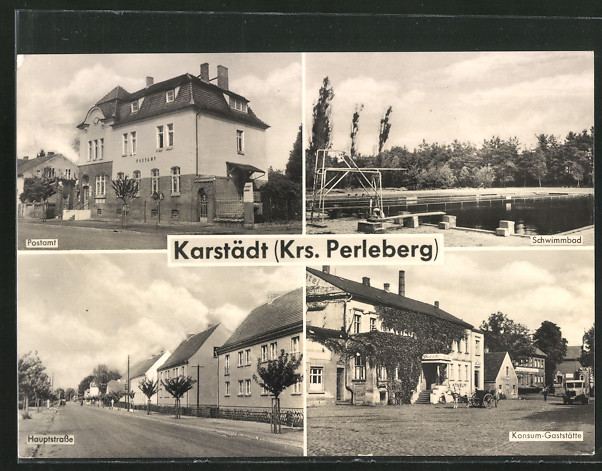
AK-Karstaedt-Postamt-Konsum-Gaststaette-Schwimmbad

Jedenfalls hatte es Eberhard in dem Jahr, als Elisabeth an seine Schule kam, bereits zum Schulleiter gebracht. Auch war er bereits verheiratet und hatte eine Tochter, wobei Gerüchte über lautstarke Auseinandersetzungen und durch die Luft fliegende (volle!) Windeln darauf hinwiesen, dass diese Ehe nicht gerade glücklich verlief.

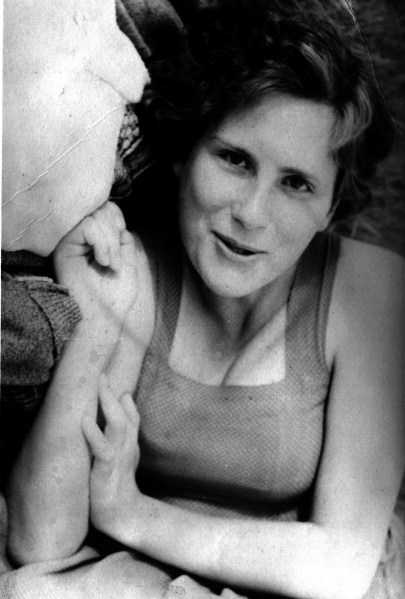
Elisabeth 1955

Elisabeth 1955

Kaum hatte Elisabeth ihre Arbeit an der Schule in Quitzöbel begonnen, verliebte sie sich Hals über Kopf in ihren Schulleiter. In ihrem Tagebuch – das ich 20 Jahre später lesen durfte und das mich zu Tränen rührte, und das dann irgendwann unverzeihlicher Weise und zu meinem großen Bedauern nach einem heftigen Ehestreit in den Heizkessel flog – schwärmte sie immer wieder davon, wie nett und gutaussehend und klug er sei. An die Worte „Zum Verlieben, nur nicht mehr zum Kriegen“ kann ich mich noch genau erinnern. Wie das Leben so spielt, war auch Eberhard recht angetan von ihr, und es kam, wie es kommen musste: sie gaben ihren Gefühlen nach und beschworen damit für sich und natürlich auch für ihre Familien eine schwere Zeit herauf. Viele Kollegen verurteilten sie, Elisabeths Mutter und Großmutter versuchten hektisch, sie zu bekehren, Eberhards Frau war unglücklich, aber sie konnten nicht voneinander lassen. War es Unrecht? Ich bin da nicht ganz objektiv, denn wären die beiden „vernünftig“ geblieben, würde es mich und meine Geschwister nicht geben, und das fände ich ganz schön traurig. Also mag das jeder selbst beurteilen, und wer darüber den Stab bricht, hat entweder noch nie geliebt oder war bei Eintritt seiner eigenen großen Liebe in der glücklichen Lage, gerade frei und ungebunden zu sein.


Chapter 20 of the P. and G. Klopp Story – Part IV

Biene’s Moroccan Pen Pal

One Saturday morning, not long before the short weekend leave, the corporal nervously entered our room and told us that the captain himself would be checking out hallway, room and closets. “Don’t disappoint me,” he demanded half pleadingly, half threateningly. We were eager to oblige being interested only in one thing, the pass that allowed us to go home. So we scrubbed and polished the wooden floor, mopped the tiles of the hallway especially well. For weeks I had specialized in cleaning the windows. I discovered that the toilet paper available in large quantities worked best to give the glass that desirable sparkling look. Of course, the closet had to be immaculate. Over one speck of dust a grumpy sergeant could deny your weekend pass or at the very least cause a delay of several hours.
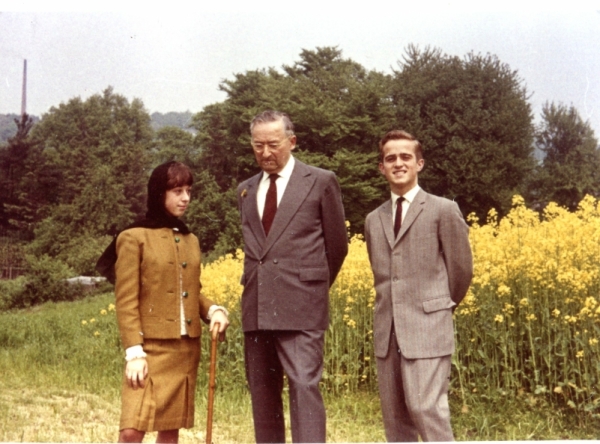
Biene, Papa Panknin, and Twin Brother Walter

Biene, Papa Panknin, and Twin Brother Walter

The captain, however, not only represented the kind and benevolent father figure to us, but also had recently become the proud father of twins, the event that among us soldiers earned him the title Scatter Gun (Streubüchse). He now entered the room. We stood at attention next to our closet. It was clear from the way the captain approached the first soldier that he was more interested in passing on a few words of wisdom than in the inspection of our open closets. So when it was my turn, I was quite relaxed. He must have gone through our personnel files, for he said, “Klopp, I see that you are a high school graduate. What are your plans for the future?” Without waiting for an answer, he continued, “When you are young, you must have a dream. Without a dream you are nothing but a hollow entity. Understand me right; I am not talking about a fuzzy dream about getting rich and famous. What I mean is the dream of becoming a valuable member of society and a contributor to the common good.” With about these words the officer, turned philosopher, spoke to me. Now he reminded me that he had not answered his question.

“I love electronics and would like to become a high frequency engineer,” I stated emphatically.

As if ignoring my reply, the captain went back to the importance of having a dream. “A dream is nothing but an idle pipe dream, if you cannot find the means to realize it. You must have a plan backed up by a number of concrete steps. You must always keep your goal no matter how distant before you inner eyes, so you don’t miss your target.”

Then he came to the point, “So you want to become a high frequency engineer. That’s your dream. Well, here is a plan for you to consider. The Bundeswehr (German army) will send you to a postsecondary technical institute all expenses paid. In return, you commit yourself for ten years of service or if you wish, you can opt for a permanent career as officer and instructor. Think about it and let me know when you are ready to talk.” With these words he moved on to the next soldier, who had a picture of a naked woman taped to the inside of his closet door. The captain took one look and to our surprise did not reveal the slightest trace of anger, when he addressed him with a soft voice, “Say, young man, how would you feel to see a photo of your sister in the nude on somebody else’s closet door?” and with that remark he moved on to the next soldier. Needless to say we all got our weekend pass including the one with the pornographic picture. In a general assembly of the company our leader once spoke about his dream to read and understand Immanuel Kant’s ‘Critique of Pure Reason’ before his retirement. To be sure, it was a far loftier goal than mine of becoming an electronic engineer. The book that he was referring to is to the understanding of philosophy what Einstein’s theory of relativity is to the understanding of physics.
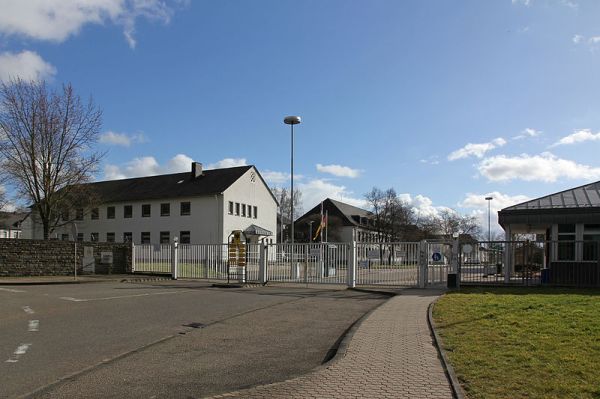
Falckenstein Barracks still in Use Today - Photo Credit: wikipedia .org

Falckenstein Barracks still in Use Today – Photo Credit: wikipedia .org

In the meantime Biene’s letters kept coming with the regularity of a clock and brought the sunshine of her empathy for the hardships of a soldier into my heart. We agreed to write one another in such a way as if we had known each other for a long time, to treat each other with honesty so that in the absence of face-to-face encounters no false impressions developed in our minds. Even secretiveness would be a form of dishonesty I noted in one of my letters. Being sincere was the necessary ingredient for the development of a true friendship leading so I was hoping to something more permanent. All Biene and I had for now were the letters, in which we expressed our feelings in the discussions of poetry, movies we had seen, or simply the daily obstacles that fate would throw into our path.

Up to this moment I had also maintained a loose correspondence with my dance partner Margret, who was working as a nurse’s aid in the Wesel hospital with the goal of becoming a registered nurse. The letters we wrote read more like newspaper reports and contained for the most part our criticism of the rotten world around us that we could not change. In short they were devoid of any feelings expressed or implied. In response to the dilemma that could only grow worse over time, I decided to write her a short note explaining to her in keeping with our sober writing style matter-of-factly as to why I did not wish to carry on with our correspondence. She acknowledged receipt of my message in a final postcard. I was relieved that she took my note with a sober mind and in the end did not get emotional about it.

Morocco's Beautiful Coastal City - Photo Credit: wikipedia.com

Morocco’s Beautiful Coastal City – Photo Credit: wikipedia.com

In the meantime Biene was raving about the sunshine, warmth, beauty of a rocky coastline in a distant land in North Africa. I attributed the sudden and unexpected passion for Morocco to the extended periods of rain and depressing overcast skies we had experienced of late. But later she wrote about her grave concern for her pen pal. He had suddenly become ill and wanted her to come and visit him presumably in the hope for a miraculous recovery. The news came like a cold shower and considerably dampened my spirits. I realized that while I had read perhaps too much between the lines, Biene might have read too little. But who was I to assume that just because I had broken off the correspondence with Margret, Biene should do the same with her pen pals? So I did the right thing and expressed my sympathy with the fatally ill young man of Morocco. ‘Thousands of people’, I wrote, ‘die every day and it does not affect us. But if a friend or close relative passes away it is as if our world is falling apart. The bridges we so lovingly and carefully built to reach across suddenly collapse and only memories remain at the end.’
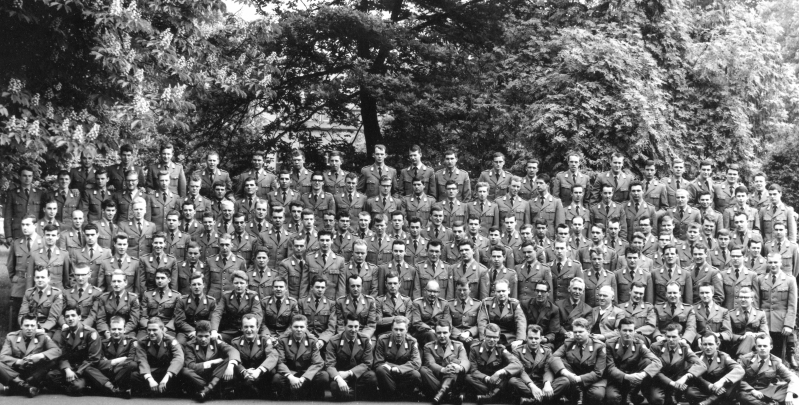
Final Photo of the entire Company - Who can find Peter?

Final Photo of the entire Company – Who can find Peter?

In the meantime my basic training was coming to an end and I was getting ready for the transfer to the Falckenstein barracks. There was a lengthy pause in the flow of mail. Biene’s high school class went on a field trip to Paris, which was intended to be a short immersion into French culture. Upon her return she sent me a long letter describing her exciting adventure with her class in France, but did not mention her Moroccan friend any more. I carefully avoided the topic. Instead, knowing that Biene was taking Latin classes at high school I boldly sent her a signal in Latin: Amor qui non agitur moritur, which means ‘Love that is not active dies.’

 

Elise Alma Klopp (1882-1975) – Part II

Alma Scholz (née Klopp) and her Family

Alma. widow at 37, did not marry again. During WWII she lived in the Friedrichstraße in Berlin close to Strausberg Square. There, already 63 years of age, she lost her home during a bombing raid in 1943. From that time on she lived with her daughter Else and her son-in-law Artur Thieß.

Friedrichstraße_Unter_den_Linden_Berlin - Photo Credit: wikipedia.org

Friedrichstraße, Unter den Linden Berlin – Photo Credit: wikipedia.org

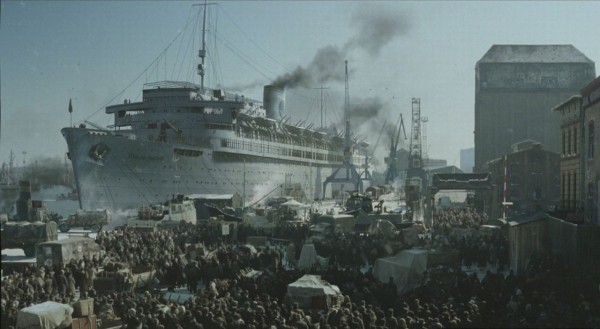
Her two sons Otto and Willi did not return from the war. Willi died in action on Christmas Eve 1943 in Finland, while Otto was reported missing in East Prussia at the beginning of January 1945. He probably perished with thousands of refugees and injured soldiers, when the hospital vessel “Wilhelm Gustloff” sank in the icy Baltic Sea, after being torpedoed by a Soviet submarine on January 30, 1945.

Boarding the Wilhelm Gustloff January 1945 - Photo Credit: renagadetribune.com

Boarding the Wilhelm Gustloff January 1945 – Photo Credit: renagadetribune.com

The online encyclopedia Wikipedia has the following to say and I quote, “The MV Wilhelm Gustloff was a German military transport ship which was sunk on 30 January 1945 by Soviet submarine S-13 in the Baltic Sea while evacuating German civilians, Nazi officials and military personnel from Gdvnia (Gotenhafen) as the Red Army advanced. By one estimate, 9,400 people died, which makes it the largest loss of life in a single ship sinking in history.” Lucky were those who survived the war, because they had been refused to board the already overcrowded ship.