Memory Fragments – Part II

Kientzheim. Alsace, June 1940

by local resident Theresa Held-Schmitt

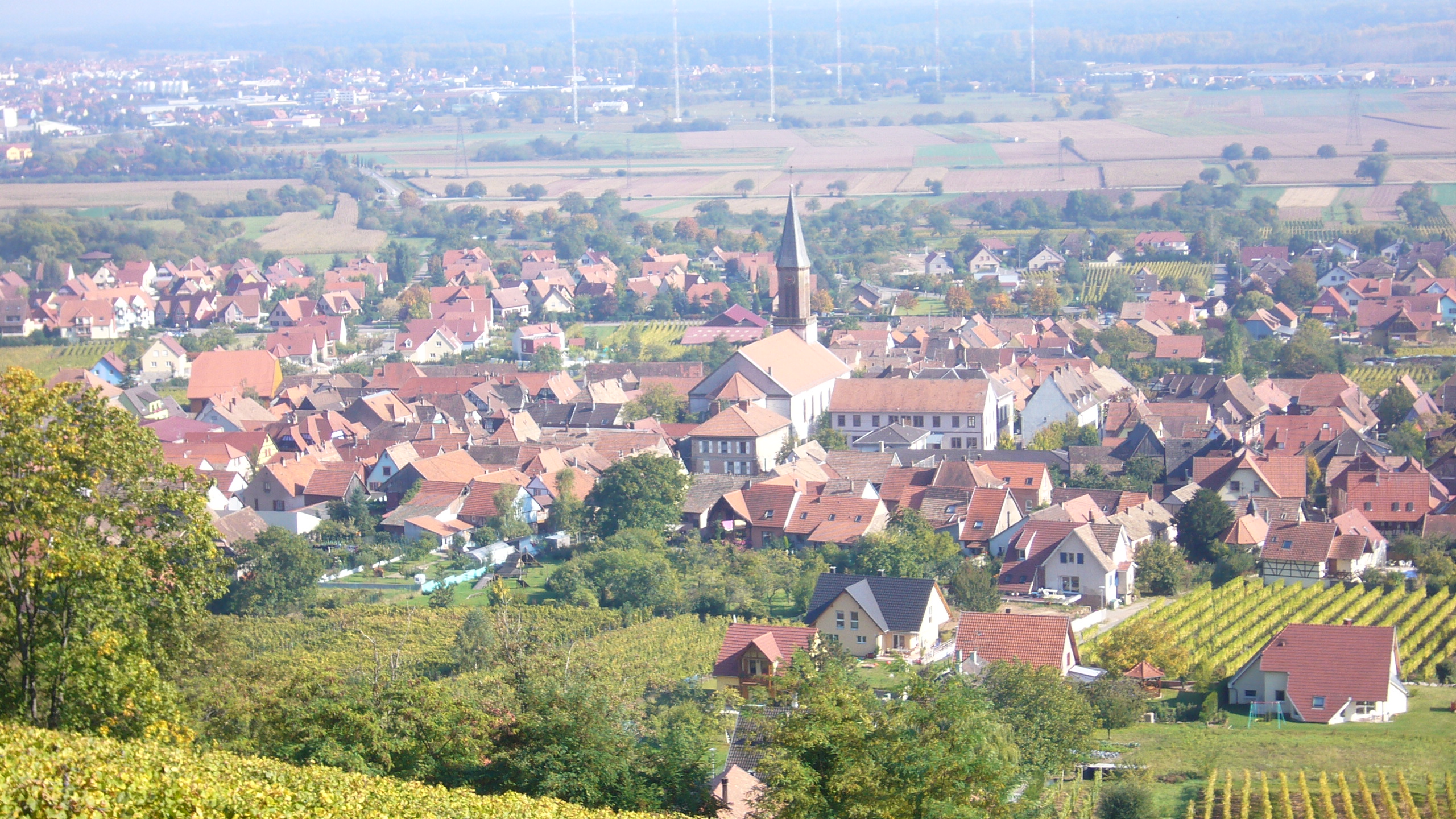
Kientzheim, Alsace, France - Photo Credit: Wikipedia.org

Kientzheim, Alsace, France – Photo Credit: Wikipedia.org

“I was 10 years old at the time. Germany’s attack on France lasted only a few weeks. France was ready to surrender. June 18, 1940 was a sunny day. A company of German infantry was approaching the village on bicycles. Although they could see no French soldier far and wide nor hear any shots, the commander, Sergeant Bruno Kegler, let his unit wait at the village outskirts and went alone into the village. He wanted to find out, whether the quiet scene was perhaps a trap. He stopped at our house, which was close to the graveyard wall, and asked, if he could have a look from the attic window. He wanted a better view onto the surrounding area. I was just a little girl and accompanied the German soldier to the attic. There he was attentively looking out of the window. I stood next to him. Suddenly a shot rang out. He touched his head and said, ‘I have been hit’. Then he collapsed onto the floor. When my mother alarmed by my screaming entered the attic, Bruno Kegler was already dead.

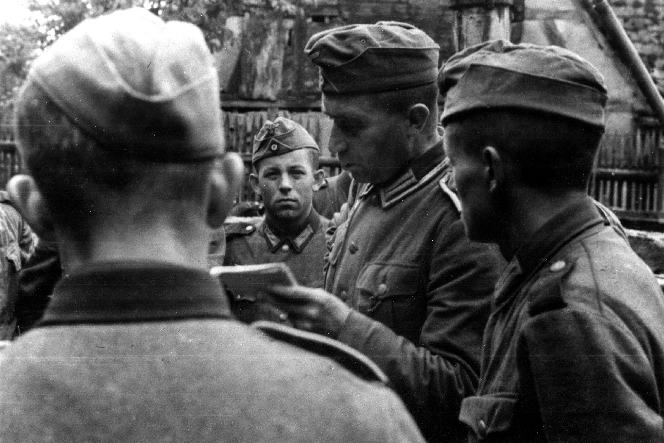
Bruno Kegler Giving Instructions to his Troop

Bruno Kegler Giving Instructions to his Troop the Day before he Died

He was the only dead German soldier at the invasion of our region and all the inhabitants of Kientzheim were of the same opinion. An overly zealous German soldier mistook him for an enemy and shot one of his own troops (in modern terminology he was killed by ‘friendly fire’).”

Jürgen Kegler continues, “When I returned home from my bicycle tour, I reported what I had experienced. My uncles reproached me for not letting my mother in the belief that my father had died for ‘Führer, country and his people’, as it was written in the letter from the regiment’s commander. But she took the news in stride. She even was thankful for it. she knew that the notifications were all worded the same way, and that the circumstances of death were, however, always different.

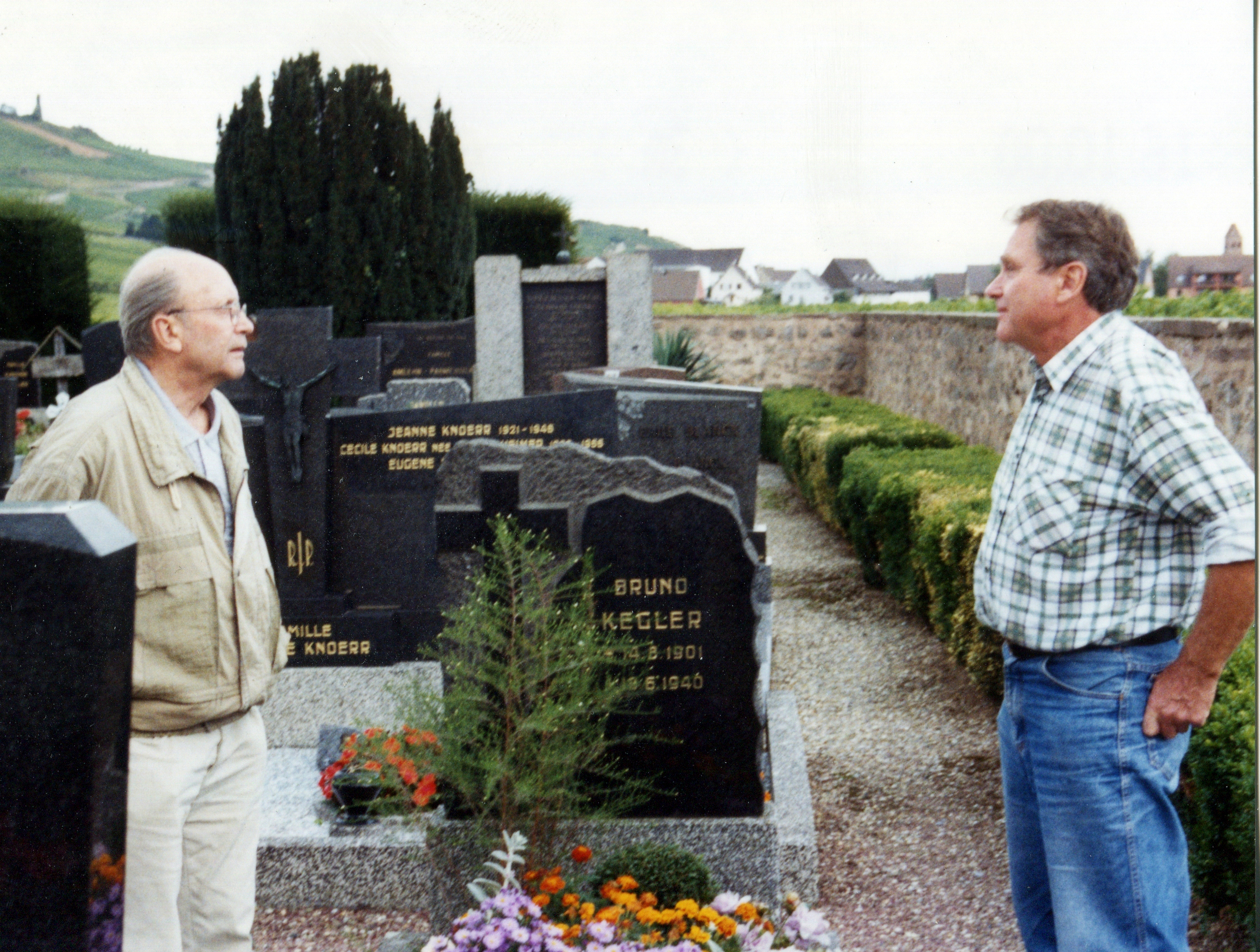
The two Sons Hartmut and Jürgen Kegler Visiting his Grave

The two Sons Hartmut and Jürgen Kegler Visiting his Grave

I was thinking by myself how his early death had perhaps saved him from greater trouble in the war. There was also the possibility that out of disappointment with the system he may have sought contact  with the Resistance Movement against Hitler’s regime and could have ended up in the torture chambers of the Gestapo. Is it not true that disillusioned idealists most often have to face the most radical consequences?”

Memory Fragments

Tribute to our Father and Grandfather Bruno Kegler

by Jürgen Kegler and Anke Schubert – Chart II a – II & III

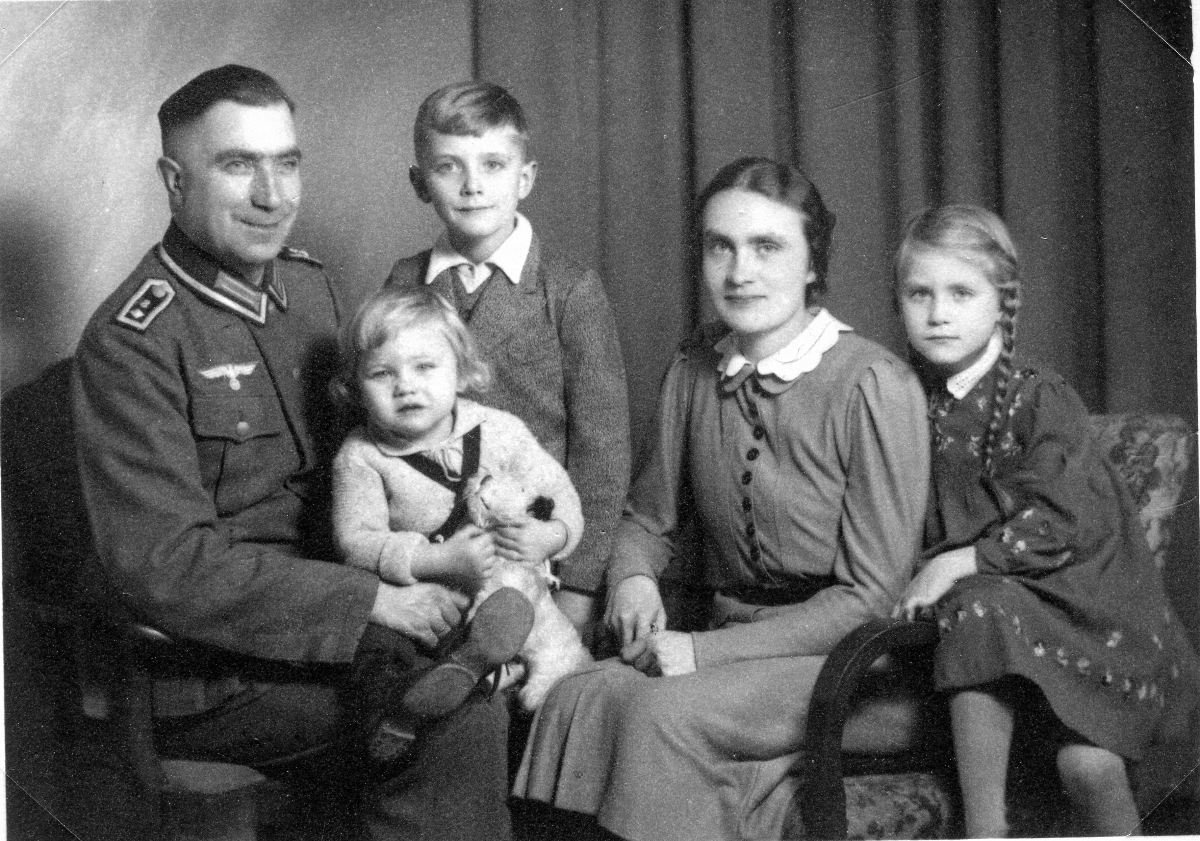
Bruno Kegler with his Family 1940

Bruno Kegler with his Family 1940

When the war broke out in September 1939, Bruno considered it his duty to participate in Germany’s struggle to shape her destiny. He enlisted in the army. At that time he was an enthusiastic supporter of National Socialism and proud to be a member of the Party with a fairly low membership number. He took part in the campaign against Poland. However, upon his return he was totally depressed and disgusted about what he had experienced.  He said to his wife Johanna that the Party was nothing but a criminal bunch of rabble (Sauhaufen). With his illusions about a better world destroyed, he had to go back to the front lines.

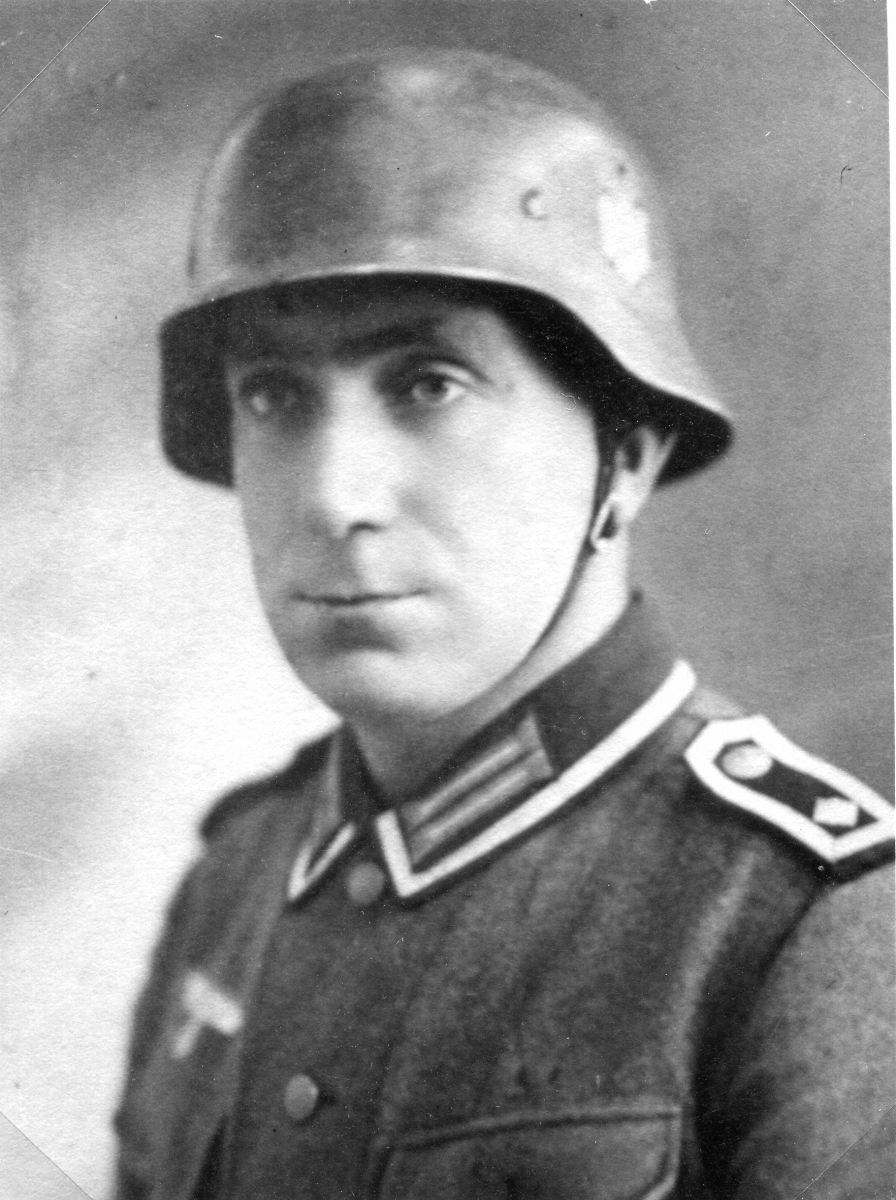
Bruno Kegler

Bruno Kegler

To describe what happened next, it is best to let his youngest son Jürgen Kegler continue. In 1956 he made a bicycle tour with a friend through Western Europe . Their goal was to explore Belgium, Holland, Great Britain and France. He wrote:

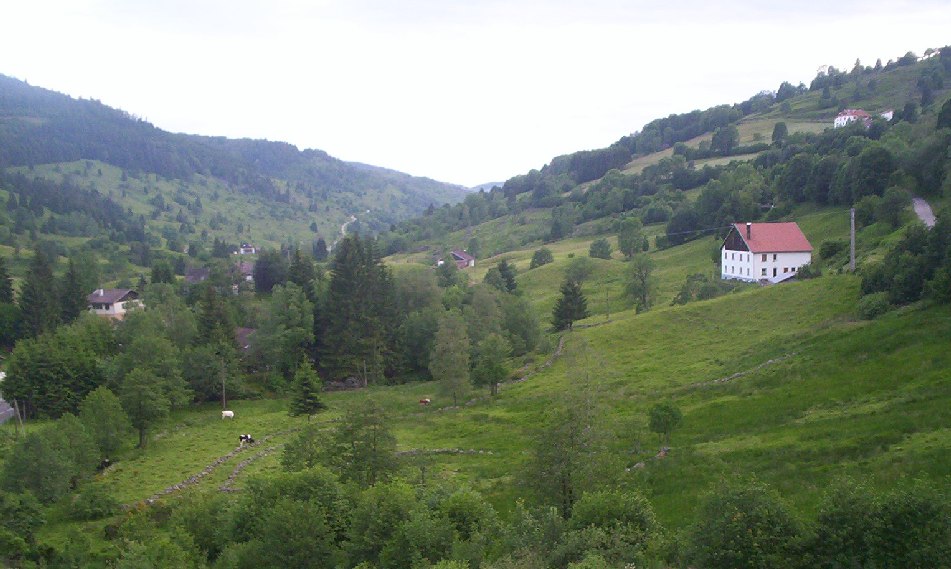
Vosges Mountains - Photo Credit: Wikipedia.org

Vosges Mountains – Photo Credit: Wikipedia.org

“The journey back home went over Paris in the direction of the Vosges Mountains. By the way, we slept in the open air, ate little,  and experienced much. On a map I discovered the little village of Kientzheim. I wondered if it was possible to locate my father’s grave site. I found it marked by a simple wooden cross and a tin tag, which every soldier had to wear on his body. It was a strange feeling to read my father’s name in an unfamiliar region of a foreign country . It was like something very much alive rising from the ground, quite a mystifying feeling. While I was squatting down at the grave site, a woman approached me and asked if I was a relative of the German soldier. When I had introduced myself as the youngest son of Bruno Kegler, she began to tell me the following story.

To be continued on the next post …

A Walk Through Wolmirstedt, Where Ernst Klopp Was Born (Written in German)

Bericht über Wolmirstedt und die Klopp’s

von Dieter Barge – Chart II a – IV

Also Chart I – I & II

Als ich in Peter’s Bericht über die Klopp’s das Bild der Seilerei Friedrich Klopp in Wolmirstedt gesehen habe, interessierte mich sehr, wo das wohl war.
Edda und ich lebten doch selbst von 1980 bis 1990 dort.
Ich hatte ein Buch von Otto Zeitke und habe mir noch 2 weitere Bücher antiquarisch besorgt, diese hat Otto Zeitke gemeinsam mit Erhard Jahn geschrieben. Die Beiden haben sich als Heimatforscher sehr verdient gemacht, Otto Zeitke ist 1924 geboren und versteht es gut, die Berichte der älteren Leute interessant wiederzugeben. Erhard Jahn ist um einiges jünger und hat in Wolmirstedt ein Ingenieurbüro für Architektur.

Im ersten Buch “Das alte Wolmirstedt” fand ich dann vermeintlich die Seilerei Klopp !
Um sicherzugehen, habe ich bei Erhard Jahn angerufen, habe ihn nach Klopp’s gefragt und da kam sofort die Frage zur Seilerei Klopp zurück. Ich habe ihm einiges erzählt und ihn gebeten, mal das Bild in einer Mail zu betrachten und meine Vermutung zu bestätigen.
Das hat er auch getan und mir bestätigt, daß das Gebäude links neben der Druckerei Grenzau die alte Seilerei Klopp ist. Beide Gebäude befinden sich in der Friedensstraße, das ist der neue Name für den nördlichen Teil der ehemaligen Magdeburger Straße Er kannte auch das Bild von der Seilerei schon. Daneben ein aktuelles Bild von Herrn Jahn mit dem ehemaligen Seilereigebäude in der Mitte.

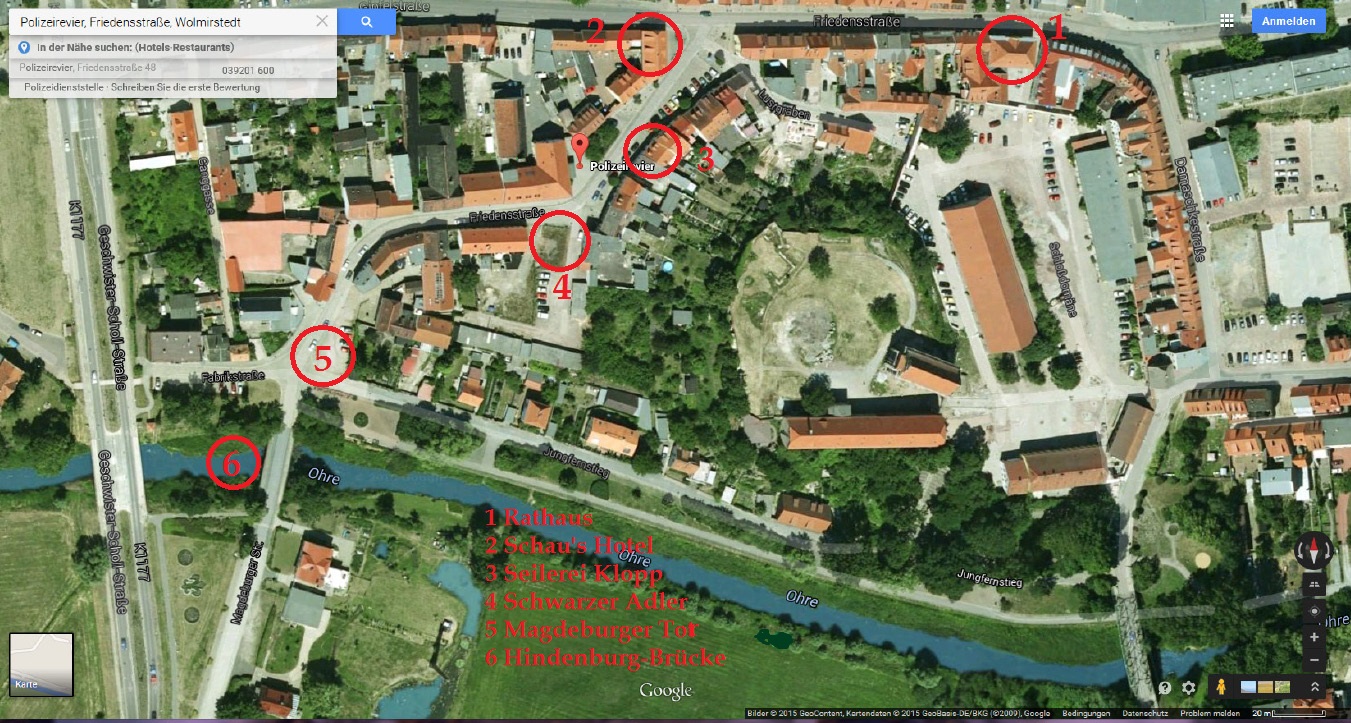
Ich stelle hier ein Google-Earth-Bild mit der Friedensstraße ein:
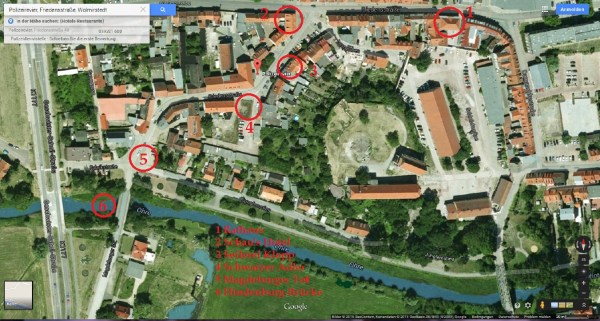
7 Bild Google-Earth

Herr Jahn hat mir auch erlaubt, Bilder aus den Büchern im Blog zu benutzen und erzählte, dass Anfang der 90-er Jahre ein etwa 60-jähriger Klopp bei ihm in Wolmirstedt war, nach Durchsicht seiner Aufzeichnungen fand er heraus, dass dies Eberhard Klopp war, also der Klopp, der das Buch:

“Ein Brief an die Nachfahren der Familie Klopp aus Altendorf/Brome und Wolmirstedt”
Teil 1   400 Lebensläufe zwischen 1590 und 1990
1997 Verlag Trier

geschrieben hat. Herr Jahn stand mit Eberhard Klopp an der Hindenburg- bzw. Magdeburger Brücke und dieser hat mit der Hand auf die Stelle gezeigt, wo von 1900-1912 die “Seilerbahn” der Klopp’s war. Inzwischen weiß ich, daß Eberhard der Großcousin von Peter Klopp ist.

Aus den 3 Büchern habe ich einen kleinen Abriß zur Geschichte von Wolmirstedt gemacht:

——————————————————————————————–
Das kleine Städtchen Wolmirstedt, 14 km nördlich von Magdeburg gelegen, wurde erstmals 1009 urkundlich erwähnt.
Wahrscheinlich während der Völkerwanderung bildete sich eine geschlossene Siedlung, die “Walmerstidi” genannt wurde, diese befand sich am Zusammenfluss von Ohre und Elbe und bildete unter “Karl dem Großen” einen östlichen Grenzort des großen Frankenreiches.
Am Ende des 13.Jahrhunderts änderte die Elbe ihren Lauf in Richtung Osten, heute mündet die Ohre bei Rogätz in die Elbe.
Im 30-jährigen Krieg wurde Wolmirstedt 1642 völlig zerstört, 1642 fand eine öffentliche Hexenverbrennung statt!
Einen Aufschwung gab es für den Ort nach der Besetzung 1807 durch die Truppen von Napoleon. Die Leibeigenschaft wurde abgeschafft, es gab mehr Freiheiten für Handel und Gewerbe und weniger Privilegien für den Adel!
1890 hatte Wolmirstedt 3868 Einwohner, nicht mitgezählt wurden die 50 Beschäftigten auf dem Junkerhof.
Die Magdeburger Straße, dort wo sich die Seilerei Friedrich Klopp befand, wurde 1365 noch als “Steinweg” benannt, sie war eine wichtige Durchgangsstraße von Magdeburg nach Norden. Die Passage über die Magdeburger Brücke der Ohre muss “sehr riskant” gewesen sein. Ein Fuhrwerk benötigte damals einen ganzen Tag, um nach Magdeburg und zurückzukommen.
1667 wurde die Torakzise (Wegezoll) eingeführt, das “Magdeburger Tor” wurde errichtet, 1812 wurde die Torakzise abgeschafft.
In der Straße siedelten sich Kaufleute, Handwerker, Fabrikanten, Handwerksmeister, ein Apotheker, ein Schmied und ein Kantor an. Die Straße war “420 Schritte” lang und endete am alten Rathaus, einem Renaissance-Bau.
1925 lebten 170 Familien in der Straße.
Die “Magdeburger Brücke” hieß zeitweise “Hindenburgbrücke”.
Markante Gebäude waren das Polizeiamt, die Buchdruckerei Grenzau, die den “Allgemeinen Anzeiger” herausgab (daneben die Seilerei Klopp), “Schau’s Hotel”, die Gaststätte “Schwarzer Adler” (1971 abgerissen), die Alte Schmiede, das Fachwerkhaus des Schlossermeisters Jänicke, die “Wildemanns Gaststätte und Pension”.
Einer von Wolmirstedt’s Originalen war der Wirt des “Schwarzen Adler’s, Kurt Güssefeld.
————————————————————————————————
Der heute über 90 Jahre alte Otto Zeitke ist ein toller Erzähler vom alten Wolmirstedt und seinen Bewohnern, da gibt es viele interessante Dinge zu lesen:

-Er berichtet, dass der Wirt einmal plötzlich sagte “Das kann’s doch nicht geben, wie der Schinder die Braunen hetzt”, dann lief er zum Fenster, sah auf die Straße, , schüttelte den Kopf und brummte unverständliche Flüche gegen den
Kutscher”.
-Auf dem Hof des Rathauses gab es den Karzer, das Gefängnis. Die Frau vom Polizisten Meier betreute und versorgte die Knastbrüder, der Volksmund sagte zu den Insassen, sie sind im “Cafe Meier”.

Ich habe mit Otto Zeitke lange nett telefoniert, er wirkt noch sehr jugendlich und berichtete mir, dass er die Kanuten in Wolmirstedt organisierte, er ist auch der Meinung, dass die Seilerbahn der Klopp’s am Ufer der Ohre gelegen haben muss.

Am 11.3.2015 war ich mit Edda in Wolmirstedt, wir haben die Friedensstraße von der Ohrebrücke bis zum alten Rathaus abgewandert und Fotos gemacht.

Ich stelle nun einige der Bilder neben den alten Aufnahmen aus den genannten Büchern ein. Den Anfang macht das Bild von Eberhard Klopp, das mir Herr Jahn freundlicherweise auch geschickt hat. Ich habe rot eingezeichnet, wo sich vermutlich die Seilbahn Klopp befand.

Vom ehemaligen Magdeburger Tor ging es dann aufwärts nach Wolmirstedt hinein.

Der nächste Abschnitt beginnt mit der Ecke “Schwarzen Adler”, führt am Haus der Seilerei Klopp und dem Polizeigebäude vorbei bis zum ehemaligen “Schau’s Hotel”.

Nun geht es im nördlichen Teil der Straße bis zum alten Rathaus.

Zum Schluß noch 4 sehr schöne alte Fotos aus dem alten Wolmirstedt.
The Klopp Grandparents V

Miller Master Peter Friedrich Klopp

1852 – 1900

Adapted from Eberhard Klopp’s Family Chronicle

Miller’s apprentice Peter Friedrich Wilhelm Klopp and Emma Christiane (née Bauer) were married on September 27, 1874 in the village church at Jersleben. He was 22 and she was 18 years old. Their marriage of over 25 years was blessed by a phenomenal fecundity, coming close to the Austrian Empress Maria-Theresia. Sixteen children emerged from this union.

Windmill at Osterweddingen, Peter F. Klopp once worked

Windmill at Osterweddingen, where Peter F. Klopp once worked – Photo Credit: Wikipedia.org

A few years after the wedding P. F. Klopp became qualified as master miller. Several attempts of running his own mill (e.g. the ‘Düppler Mill’ at the southeast end of Olvenstedt) as well as working in three different other mills in Jersleben failed. Around 1890 already blessed with seven children it appeared that he was finally able to secure a solid economical foundation. Together with his eldest son Friedrich (grandfather of author Eberhard Klopp), who had just finished his rope making apprenticeship, he acquired a house in Wolmirstedt. Peter concentrated on the production and sale of flour, while Friedrich operated the rope making plant. Housing for a very large family, storage facilities for grain, flour and feed, manufacturing shop etc., were all under the same roof.

Rivalries, quarrels, and petty disputes about who was in charge of it all did not create a climate conducive to a prosperous enterprise in the Magdeburger Straße (now Friedensstr.). When brother Ferdinand, also a trained rope maker joined them, Peter began to worry about losing his independence and looked for  a way of dissociating  himself from the troublesome business in Wolmirstedt.

Supported, perhaps even driven by his energetic wife, Peter F. Klopp returned with his family to Jersleben, where he established his own business of producing and selling flour. He seized on a golden opportunity of acquiring a long sought-after watermill. All indications  are that he was not to see his final dream  come to fruition. For documents show that widow Emma Klopp  was the owner of the mill in 1901 one year after her husband’s death. The reader can find more about the tragic event in Chapter 4 of ‘The P. and G. Klopp Story’ on this blog.


We Welcome Felix, Sabine and Little Mia

 Mia, Granddaughter of Dieter and Edda Barge

The Star of the Gallery

Contributed by Sabine Barge  (Chart II a – V + VI)

Marie Kegler, Stalwart of Christian Faith – Part II

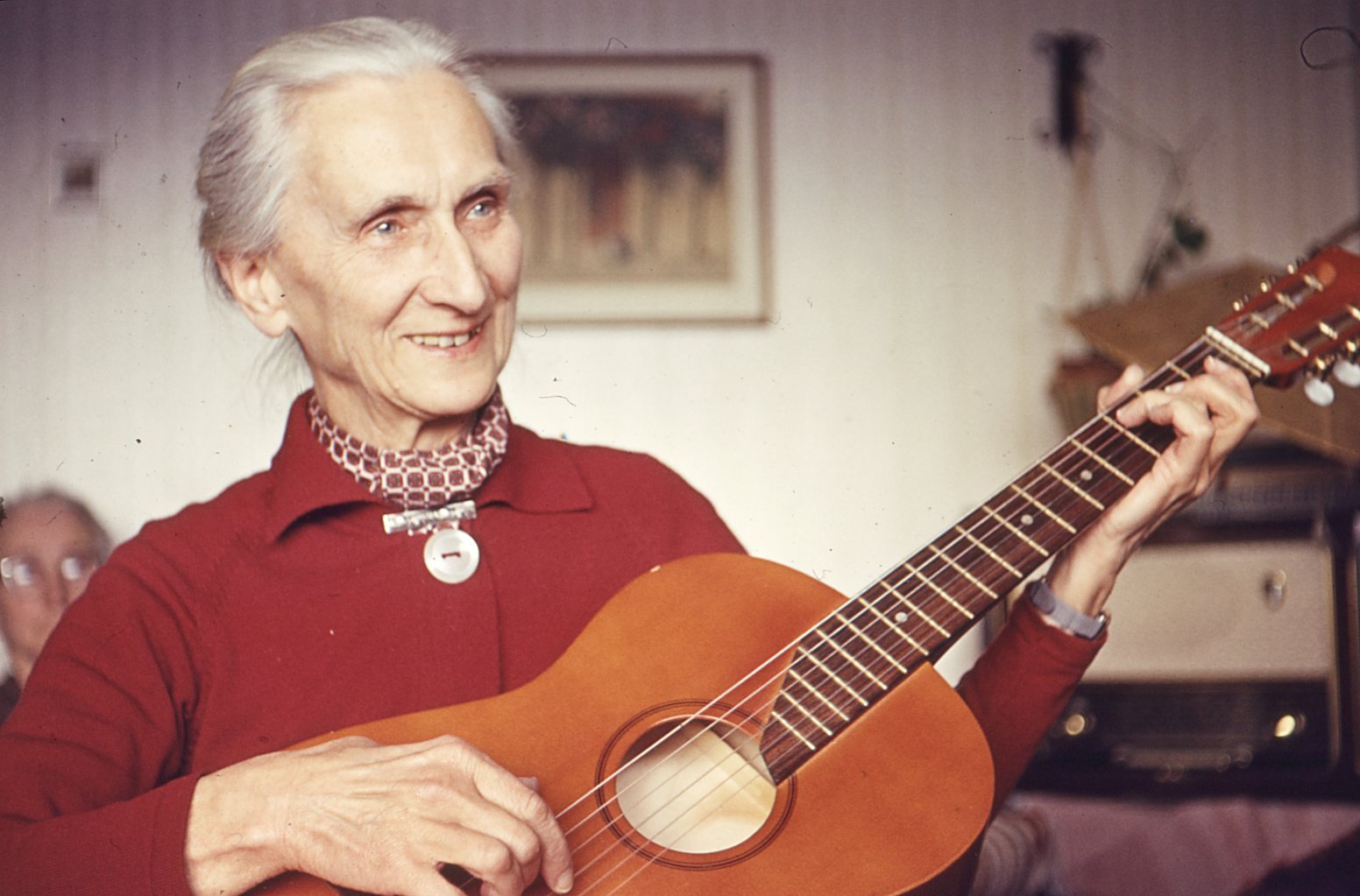
Aunt Marie (Tante Mieze)

In a previous post I described how Marie Kegler got to look after me for an entire year in 1954. That was the year when she resumed work as teacher at the Elementary School in Brünen. She had found modest accommodation at a miller’s farmhouse. You can read more about it in greater detail in an upcoming chapter of the P. and G. Klopp Story.

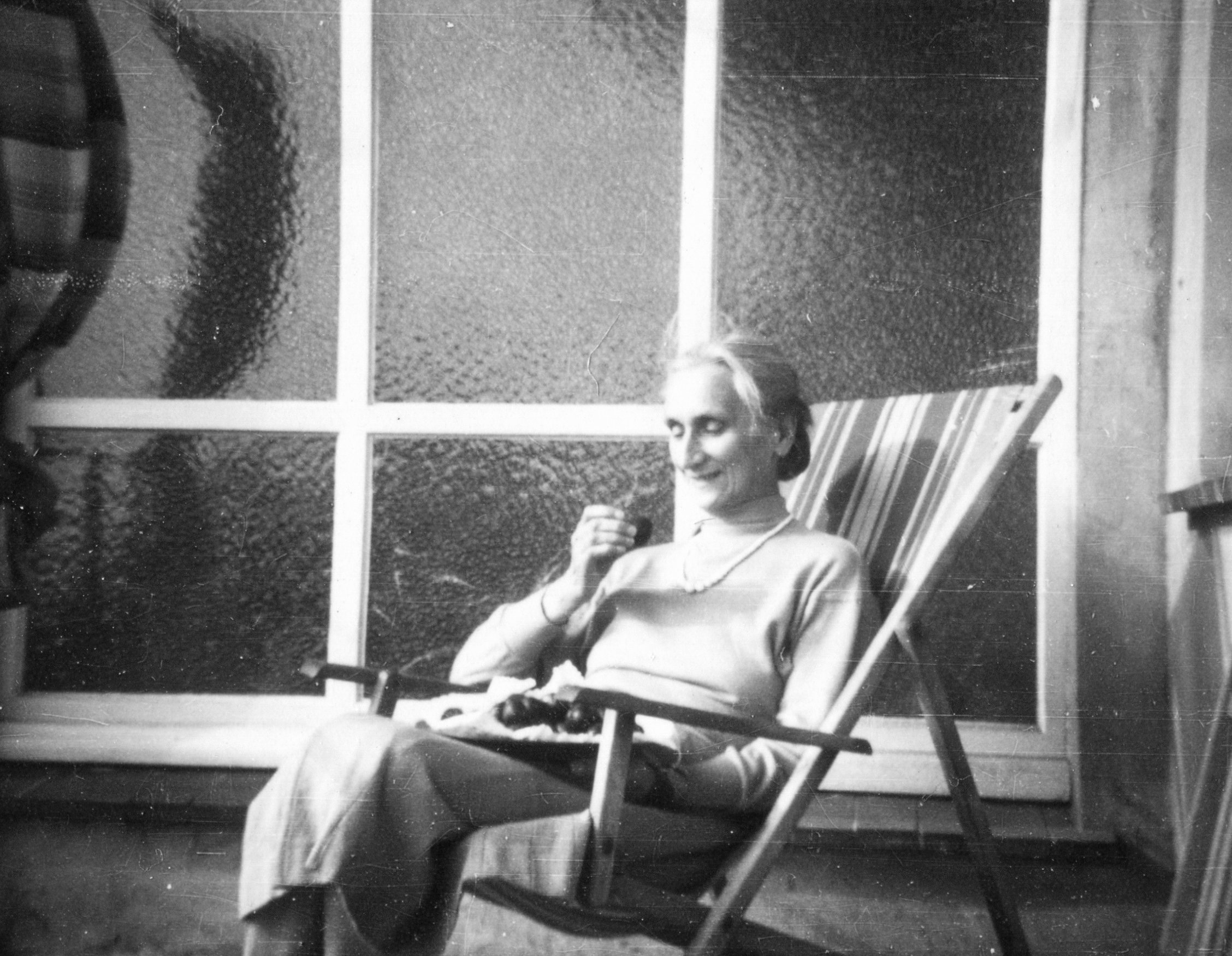
Marie Kegler on the Balcony of our Wesel Apartment

Marie Kegler on the Balcony of our Wesel Apartment

In 1955 she managed to land a teaching position in the nearby city of Wesel on the River Rhine. At a time, when there was a great housing shortage in the bombed-out city, she located a two-bedroom apartment. At last, Mother, who had become Tante Mieze’s housekeeper in exchange for room and board, was able to reconnect with me. Marie Kegler retired in 1957 and in 1962 the two sisters accepted my uncle’s invitation to share a rental house in Watzenborn-Steinberg. The new place turned out to be a veritable beehive of relatives and friends dropping in for a taste of the pleasant hospitality, which Uncle Günther, Chief of the Kegler Clan and avid Doppelkopf player, his wife Aunt Lucie, Aunt Marie, and my mother were tirelessly offering to their guests. I have the fondest memories of my frequent weekend visits during my army years. Aunt Mieze as during the time in Wesel continued to provide spiritual leadership by daily reading from a devotional booklet and saying grace and thanks to God at breakfast, lunch and dinner time.

Pretending to Play the Guitar

Trying out my  Guitar

Alas, Aunt Lucie passed away after a lengthy illness. When Uncle Günther remarried and moved with his new wife Aunt Friedel to Kassel, a very happy period of family togetherness came to a sudden end. Tante Mieze could not afford to pay the rent. Even if she had had the means, the house in Watzenborn was too large for just two people. So they moved to Bad Ems in the beautiful Lahn Valley, where they lived in Haus Abendfrieden (House Evening Peace) for another six years. In 1980, Tante Mieze became very ill. The Senior Citizen Home, where they stayed, had no intensive care facilities. Thus, they had to move to Gladenbach close to the picturesque medieval city of Marburg. Shortly after Tante Mieze had been taken by ambulance to the Old Folks Home, she died at the age of 89.

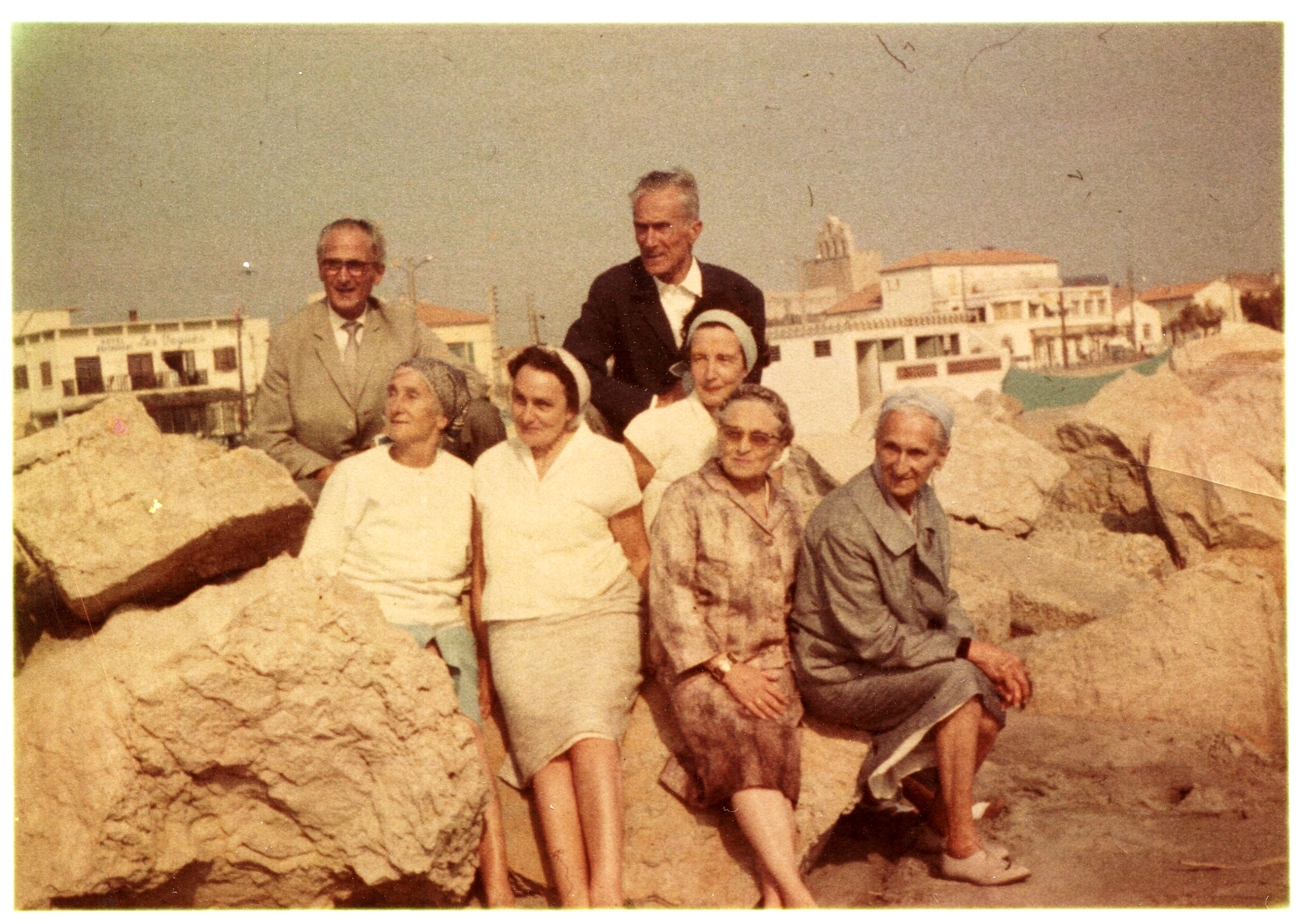
Südfrankreich 1965 Gerhard Margit Günther Lucie Erika Johanna Mieze

Günther, Gerhard, Mother, Johanna. Margot, Lucie, Marie Kegler in Southern France

Deeply steeped in the Christian faith, she led a life that in my view was exemplary. When she saw other people in need, she was always ready to help.Thankfully I will always remember her kindness to invite Mother to join her in Wesel. With her financial help I was able to finish my German High School diploma. without which my teaching career in Canada would have been unthinkable. After we emigrated to Canada, she kept mailing devotional booklets to her niece and nephews in the hope to provide some spiritual guidance. I must admit I did not take the time to read them. My brother Gerry too was not too interested either and irreverently called them flyswatters (Fliegenklappen).

In the world we live in we appraise a person’s success in life by standards, such as wealth, status, popularity, etc. God on the other hand looks at the motives and favors the purity of the heart. Aunt Marie’s actions always spoke louder than words. Love and compassion for her fellow human beings were the guiding principles throughout her entire life.