Chapter 18 of the P. and G. Klopp Story – Part IV

Happy End to a most Enjoyable Visit

Then a close family member dropped in for a brief visit. When she heard that I had been going out dancing with Roswitha, she mockingly and contemptuously commented on her in Father’s presence, “Ho! Ho! Peasant duffer! (Bauerntrampel in German)” By now I had become quite accustomed to the unpredictable outpourings of her sharp tongue. Her caustic and biting remarks at Mother’s place in Wesel had been edged forever into my memory. However, Father was livid. Having respected all his life the hard honest work of the farmers from whom we receive our daily bread, he was deeply insulted by that derogatory remark. He gave her a severe dressing-down for displaying unjustified disdain for such an honorable class of people. Never since my early childhood days, when he had read me the riot act for stealing eggs from Mother’s henhouse, had I seen Father so angry. If I did not know the meaning of holy wrath, I knew it now.

My brother Karl and his wife Ingrid with an aunt in front of Erna's house

Erna Klopp with her neighbor’s baby in her loving arms

Erna’s house was at least half a century old and the electrical wiring was outdated and no longer in compliance with the latest electrical code. It required that all circuits be properly grounded. It made me feel good that I was not just there to enjoy a relaxing summer visit but also had the opportunity to make myself useful. Father had bought the three-prong wire, and I installed it and connected it to the junction boxes, outlets and switches. When I showed reluctance to take the twenty marks Father wanted to give me as pay for my work, he lectured me somewhat like this, “Listen, Peter, if someone offers you money, not dishonest money mind you, but money earned for work you did, do not hesitate to accept it. For you not only cheat yourself out of the reward that is rightfully yours, but you also insult the generosity of the giver.” To such a powerful argument I had nothing to reply and took the twenty marks.

Together with Helga and Anita in Michelbach

Together with Helga and Anita in Michelbach

At times when Father’s back pains were hurting too much, he stayed in bed for most of the day. Adolf and I were sitting at his bedside to keep him company. Then Father and I would often talk about the great empires of the past and the lessons one might learn from the causes of their decline. I really warmed up to this topic as I had recently taken a keen interest in the history of the Roman Empire. We came to the conclusion that if one allows foreign religious and ethnic elements to penetrate the cultural core of the nation, it will sooner or later lose its identity, its values and strength and will eventually have to face first decline and then total collapse. Germany according to Father has not learned her lessons and was headed in the same direction. He pointed to the record player on the night table remarking, “The record is turning, the needle appears to be progressing even though it is running in circles, but in the end it will be starting all over again symbolizing the eternal recurrent of the same in world history.” Adolf feeling a little left out in this highfalutin talk said he would buy himself a couple of history books to study up on the things he had missed in school.

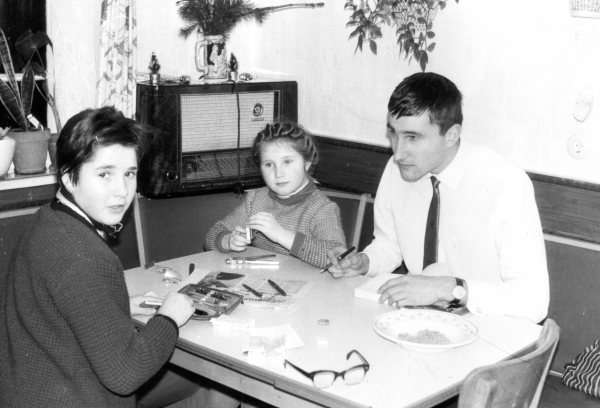
Reading and Relaxing - Summer of 1962

Reading and Relaxing – Summer of 1962

Before the end of my vacation in Michelbach I gave Erna my moped. The engine of her better looking moped had completely broken down. Adolf, the skilful mechanic and jack-of-all-trades, took the good engine out of mine and installed it into Erna’s moped. As reward for my generosity Adolf drove me in his Volkswagen beetle back home to Wesel, where he was going to spend a few days to visit with Mother and Aunt Mieze.

Friedrich Wilhelm Ferdinand Klopp (1879-1952) – Part IV

Charged with Attempted Murder

Klopp Family Tree

Chart I – II

On a sultry summer evening pub owner Ferdinand Klopp, short-tempered and irascible at the best of times, was quaffing copious amounts of schnaps with his younger brother Wilhelm. As the drinking session was dragging on into the wee hours, the two had an argument over the financial status of the pub ‘Brown Elk’, which they owned and managed together. Wilhelm’s wife, whom mother-in-law Emma later described contemptuously as Satan’s wench, added oil to the fraternal dispute by heaping insults upon her brother-in-law Ferdinand.

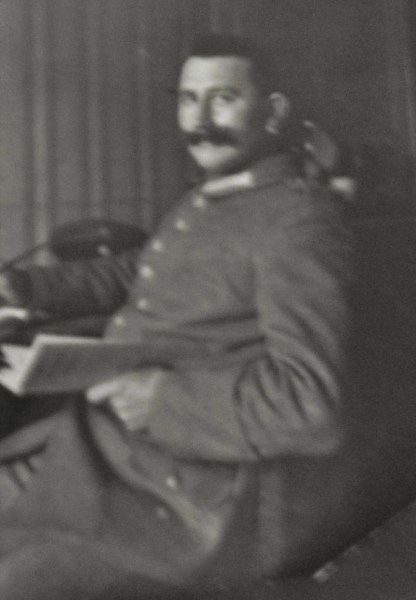
WWI Pilot Ferdinand Klopp

WWI Pilot Ferdinand Klopp – Picture taken 1915

With no weapon at hand in such an explosive situation one would expect the dispute to deteriorate into a brawl. However, Ferdinand did have an illegal weapon, an army pistol hidden away somewhere. In his fury he aimed at his brother and pulled the trigger. The shot penetrated Wilhelm’s shoulder and injured his wife, who was standing behind him.

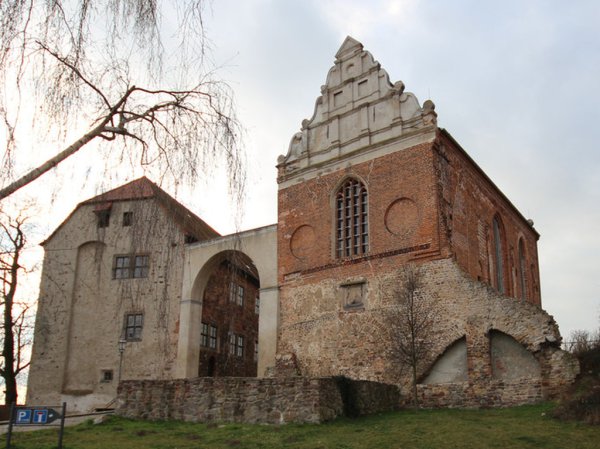
Castle at Wolmirstedt - Photo Credit: holidaycheck.de

Castle at Wolmirstedt – Photo Credit: holidaycheck.de

After his arrest Ferdinand, while waiting for the court proceedings to start, spent several weeks as prisoner in the castle at Wolmirstedt. His sentence turned out to be rather mild. The judge dismissed the attempted murder charge. It was clear to him that the accused committed the crime under extremely volatile and emotional circumstances. After being released from prison, Ferdinand handed over the pub to his brother, departed almost like a fugitive and left his home turf around Wolmirstedt in a big hurry.

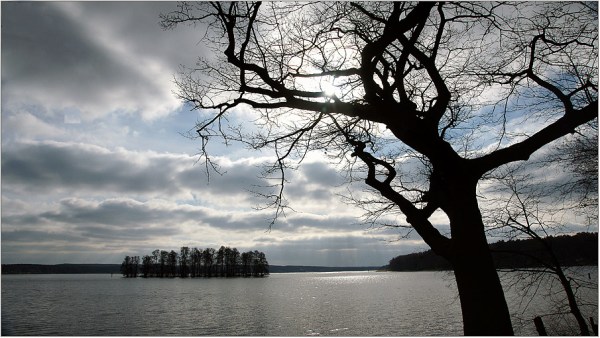
Lake Scharmützel ß Photo Credit: Alfred Held

Lake Scharmützel – Photo Credit: Alfred Held

Ferdinand found refuge at his sister Jula‘s brick and mortar factory, whom I had already mentioned in a previous post. There he found employment and received a modest income. It appears that here in Diensdorf at the beautiful Lake Scharmützel Jula rescued her brothers Ferdinand and the still unmarried younger brother Hermann (1892-1957) from the devious comfort of drinking and carousing that people in trouble often seek as a form of escapism.

Presenting Part 2 of Local Author and Activist Lucia Mann

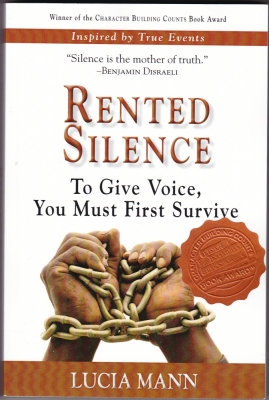
Rented Silence: Chilling Historical Novel Exposes South Africa’s Deplorable Crimes Against Humanity, as Mother Buries Newborn Daughters Alive…

Masterfully crafted by Lucia Mann, ‘Rented Silence’ calls on actual events from WWII to the present day, to expose the unconscionable crimes committed in South Africa both during and after British Colonial rule. Readers join a mother who is at her wit’s end, choosing to bury her two tiny daughters alive to spare them the torment of a life in the sex trade. But one of them is saved, afforded a short idyllic existence before she is captured; the very crime her mother intended to prevent. This is her story, fusing fact and fiction in a narrative critics have said will “…make you view your life with a new-found sense of gratitude”.

Lucia 4

Bakersfield, CA – When South Africa’s National Party toppled in 1994 and apartheid came to an apparent end, the nation slowly began to carve out a new reputation to make it a major player on the global stage. However social activists such as Lucia Mann, who was born in British Colonial South Africa just after WWII, know that the country still has many deplorable acts to answer for.

In her latest, revised-edition novel, ‘Rented Silence’, Mann takes readers on a journey spanning seven decades, into the gut-wrenching story of a mother’s unconditional love, the unlikely survival of one of her daughters and a shocking exposé’ of South Africa’s very real human trafficking epidemic.

Author and Social Activist Lucia Mann

Author and Social Activist Lucia Mann

Synopsis:

From the “African Freedom Series”

TWO TINY NEWBORNS WERE BURIED ALIVE IN A COMPOST PIT, covered with corn husks and left to die. A hungry wild dog, saliva flowing, stood impatiently over the mound. As it started to dig out its prey, an escaped slave whooshed it away. Drawn by the sound of a weak human cry, the runaway cautiously approached the mournful whimper. What could provoke a new mother to bury her twin babies alive? A will to protect her children from the inescapable pain and horror of becoming chattel to an evil South African plantation owner.

Experience post-WWII Africa through the eyes of characters who unearth the painful secrets of those times:

  • – Shiya, a white newborn rescued from an intended grave, who lives five idyllic years in the bush before she is captured, tormented, and eventually freed.
  • – Anele, the black runaway slave who saves Shiya’s life and suffers the consequences for the rest of her days.
  • – Alan Hallworthy, the wealthy, cruel plantation owner who lusts for the bodies of young girls, even that of his own five-year-old daughter.
  • – Brianna, Shiya’s modern-day daughter who is mystified by her mother’s secrets and never stops trying to reveal the truth.

Lucia Mann’s story exposes South Africa’s crimes against humanity during and after British colonial rule. It takes you through a roller coaster of emotions as it describes South Africa from post-WWII to the modern day.

“The point of this story is to raise alarms about modern-day slavery, a problem many people think has somehow been abolished, and to do it through a story that captivates its readers by fusing real-world grit with an engrossing fictional narrative,” explains Mann, Founder of The Modern Day Slavery Reporting Center. “It’s vital to understand that unconscionable crimes against humanity still take place daily, and that it’s not a new problem.”

Continuing, “That’s why I have written a story that spans from British Colonial South Africa right up to the present day. I’ll admit that it’s an uncomfortable read in places, but a story that needs to be told so that we can start to acknowledge and take action on an epidemic that is only going to grow with time.”

Since its release, readers have come out in force with rave reviews. For example, one Amazon customer comments, “Without wishing to give anything away let me simply say what an awesome read this book is. The fact that it is based on true events makes it the more remarkable. If you like a book that is both compelling and heart wrenching then this is for you. A wonderful piece of work from a very gifted author. It’ll make you view your life with a new-found sense of gratitude. Highly recommended.”

‘Rented Silence’ ISBN: 9780979480591 is available now: http://www.amazon.com www.amazon.ca or directly from author.

The above released book is not to be mistaken for a copy by PublishAmerica/StarBooks ISBN 9781462629428 who have no legal copyright.

For more information, visit the author’s official website: http://www.luciamann.com.

About the Author:

Lucia Mann is a former British journalist and author of the two sequels in the African-set Freedom novels devoted to slavery and racial prejudice: Africa’s Unfinished Symphony (Indie Excellence winner), and A Veil of Blood Hangs over Africa.

Born in British Colonial South Africa in the wake of WWII, Mann saw and felt firsthand the pain and suffering of those who were heinously treated because of the color of their skin. She currently resides in British Columbia, Canada, where she is fine tuning her next novel: The Sicilian Veil.

Visit Lucia Mann on-line at www.luciamann.com.

Lucia Mann is also the founder of The Modern Day Slavery Reporting Center at www.reportmdsrc.org.

Contact: Lucia Mann / authorluciamann@vahoo.com / (250) 269-7280

Chapter 18 of the P. and G. Klopp Story – Part III

Is it Love?

Within the scope of the family history I would go too far if I included Erna’s side of the family except the ones that I came into contact with. There was the Langlitz family, Walter, Frieda (Friedchen) and their two daughters Helga and Anita. Walter had become a successful contractor who ran a prosperous business with his impressive array of trucks,

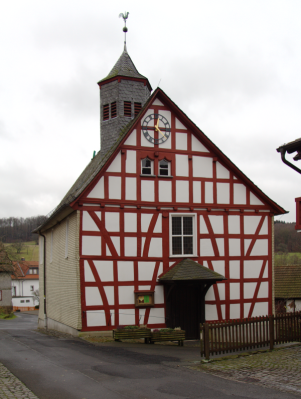
Church of Michelbach now part of Schotten - Photo Credit: wikipedia.org

Church of Michelbach now part of Schotten – Photo Credit: wikipedia.org

caterpillars, backhoes and other heavy machinery that he had acquired to assist in the government sponsored land reform program. In contrast to the northern provinces of Germany, where the eldest son inherits the farm, inheritance laws in the south required equal division of the fields among all the children of the deceased farmer. Thus, over time emerged a chaotic patchwork of tiny fields often less than one ha in size, which made farming more and more inefficient and unproductive. So Walter profited from the reallocation of land by owning the right equipment at the right time. The two daughters, Helga and Anita, age 12 and age 10, whose exact degree of relationship to Erna I do not recall, often showed up to play board games, such as chess and checkers with the newcomer in Father’s home.

52

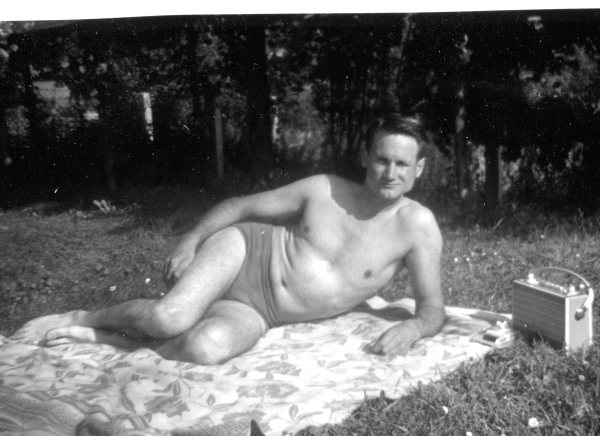
Peter Basking in the Sun – Summer 1962

Erna was also anxious to have me meet her 16 year-old niece Roswitha, who lived a few houses down the street with her widowed mother. Even though I did not recognize it at the beginning, it was clearly a matchmaking effort supported by Father. In collusion with her sister-in-law, Erna invited her niece over for coffee and cake to make sure we would see each other as often as possible. Roswitha in terms of the standards I had set for what a girl should look like fell well within the range of acceptability. However, inner qualities, such as interests in activities that one could do together, readiness to share and exchange thoughts and feelings, to support them and if necessary even to oppose them, such qualities, which began to gain more and more in importance for me, were severely lacking. In a way my encounter with her helped me set the bar a few notches higher, which further limited the number of choices for my future mate. I vaguely felt for the first time that only love could help jump the hurdle. But what is love? I could not tell, because I had not experienced it yet. So what Erna had hoped for, did not happen. We were friends, who did things together for a while. We walked down the steep hill down to the town and district swimming pool in Schotten and on Saturday evenings we went dancing in the nearby villages. The music was not exactly rock ‘n’ roll, but we could dance to it, whenever a fast beat would permit. The performance of the band improved with each refill of the giant beer mugs during the frequent breaks. Thanks to the loud music there was no opportunity to talk, and there would not have been much to talk about. On our long walk home in the moonlight I explained to her how the stars would move like the sun following the rotation of the earth. For everything I said during my scientific dissertation she approvingly giggled. Only once did she protest to express her utter disbelief, when I insisted that the moon shining so brightly now onto the forests and meadows would also show its pale face during daytime.

My brother Adolf relaxing at the Schotten Swimming Pool

My brother Adolf relaxing at the Schotten Swimming Pool

With my first visit to see Father after such along gap inconceivable in the light of today’s custody laws that require visiting rights at regular intervals, I accomplished much more than just reconnecting with him. The ice had been broken. Other family members now were eager to come in a spirit of reconciliation that was shared even by Mother albeit somewhat reluctantly. Near the end of my holidays my brother Adolf dropped in for a visit. He had returned from Canada to Germany on a temporary basis to learn a trade in an apprenticeship program at the Honeywell Company at Hanau. There he eventually acquired a journeyman ticket as a trained machinist that would – so he was hoping – land him a good paying job upon his return to Canada. Adolf endowed with a witty sense of humor and an extroverted personality was the life of the party no matter where he went. In formal or informal gatherings, in suit or in jeans, with academics or with factory workers, he was the born entertainer who made people cheer up when they were depressed, got things rolling when they appeared to be stuck. Everybody liked him. He had many friends and few enemies. There was just one problem with this gregarious likable brother of mine. He seemed to be shy, yes even afraid of unmarried women, who might take too much of a liking to him, pursue him with the full force of passion and lock him up in the golden cage called marriage. When we received an invitation to a social evening by Roswitha’s mother, Adolf felt safe, because his youngest brother was with him. On the surface it looked like we were the suitors, Roswitha being courted by two promising young men. In reality in a strange reversal of the customary roles it was the other way around. As we gathered in the living room, Frau K. served us wine, crackers and cheese, spent a few perfunctory minutes in conversation with us and discretely withdrew with a few cheerful words meaning that we now were on our own. I found the situation very odd and to some extent embarrassing, because I had expected her to stay. It was Adolf who saved the day or more accurately the evening with his social skills that helped to get the ball rolling. He asked Roswitha about school, hobbies, her likes and dislikes, the weather, and all the other trivia that he was so apt in using as a social lubricant. To her replies often accompanied by the aforementioned giggles he added humorous comments that made us laugh and feel at ease. Eventually even I emerged out of my taciturn shell and presented to everyone’s amusement a few jokes and riddles. Around eleven o’clock Adolf ironically remarked that it was time for us ‘boys’ to go home. We politely said good night and cheerfully departed to have another drink of a more potent kind at our Father’s place.

Friedrich Wilhelm Ferdinand Klopp (1879-1952) – Part V

Ferdinand’s Wheeling and Dealing

Klopp Family Tree

Chart I – II

On the basis of daughter Victoria Luise’s birth in 1910 at Kriewen (today Polish Krzwin  about 15 km southeast of Koscian) one can safely assume that after two years Ferdinand managed to lease another dairy or mill. Never resting he finally succeeded in squeezing his eldest brother and family out of the house in Wolmirstedt. However, he did not use the property for himself, but rented it out, until he eventually sold it to the neighboring print shop Adolf Grenzau between 1912 and 1914. In 1914 the Ferdinand Klopp family dwelled in Elsterwerda, Brandenburg, where his fifth daughter Else Meta was born. It was rumored that Ferdinand bought agricultural property in that region.

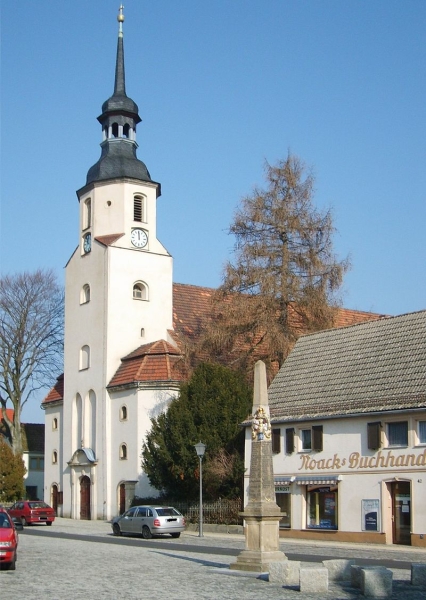
Elsterwerda, Brandenburg - Photo Credit: wikipedia.org

Elsterwerda, Brandenburg – Photo Credit: wikipedia.org

At the beginning of WWI in 1914 Ferdinand was drafted into the army. With the rank  of a sergeant he earned the Iron Cross. On a photograph of October 10, 1915 he is described as a pilot of the Third Company, Aviation Department 6 in Großenhain. Whether he was actually promoted to the rank of an officer could not be determined by the author of the Klopp family chronicles, Eberhard Klopp.

Großenhain - Photo Credit: wikipedia.org

Großenhain – Photo Credit: wikipedia.org

At the end of WWI Ferdinand was in possession of considerable amounts of money due to any of the following circumstances. Mother Emma was known for her financial generosity, the army may have provided funds as part of the decommissioning process, Ferdinand may have received compensation for his lost properties in West Prussia, which now had become part of Poland, last but not least the sale of his Wolmirstedt house may have added a significant amount to his bank account. A decisive factor in his systematic and hard-nosed isolation of his eldest brother Friedrich can be traced back to his insane penchant for revenge by the impulsive and irascible Ferdinand.

'Coffee' Mill at Elbeu - Photo Credit: wikipedia.org

‘Coffee’ Mill at Elbeu – Photo Credit: wikipedia.org

In Elbeu, where he – so it is said – acquired ‘estates’ in 1919, the sixth and last daughter, Rosel, was born on November 16, 1919. As a matter of fact, Ferdinand and his younger brother Wilhelm (1886-1937) got together on a joint business venture. Wilhelm, who likewise returned for his lost properties in the eastern provinces to Wolmirstedt and had bought a new house in Elbeu, arranged for the purchase of the inn ‘Brauner Hirsch’ (Brown Elk). The author of the Klopp Chronicles, which I am translating at least to a large part in this blog, stated that on his visit of the region in 1990 he viewed a derelict guesthouse run by the GDR trade organization (HO) on the road to Magdeburg. In 1932 the pub had become the scene of a ‘brotherly’ altercation, which resulted in a murder charge and will be the topic of next Thursday’s post.

Walter K. Panknin – Wie ich die USA sehe – Teil II

Guest Post by Gertrud’s Nephew Norbert Werner

Reifferscheid Family Tree – Chart III – III & IV
A very critical view of the US condensed from letters written in the late 1980’s
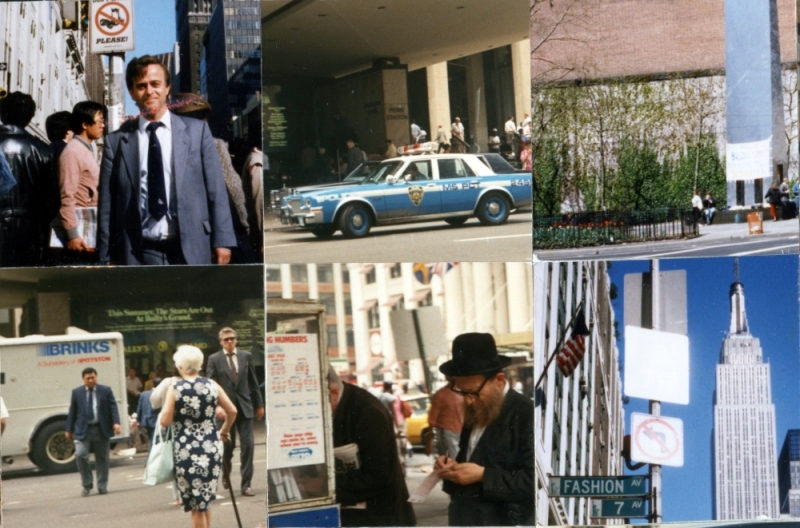
Photos  from Walter Panknin’s New York Album 1988
 Blog Contribution in German by Norbert Werner

Vorwort: Der erste Teil dieses Beitrages beschäftigte sich mit den Menschen und der Lebensweise in den USA. In diesem Betrag fasse ich die Eindrücke über das „Konsumverhalten“ der Amerikaner zusammen. Kommt uns das heute nicht sehr bekannt vor?
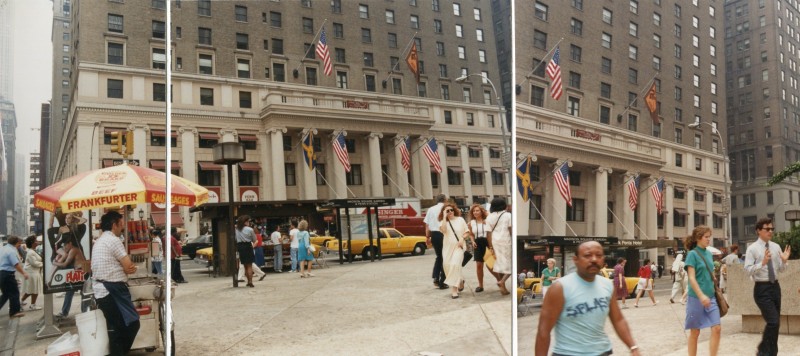
Walter NY4054

Great Neck, 4.April 1988

Laut Arbeitsvertrag habe ich Anrecht auf einen Firmenwagen. Doch, wie ihr sicher verstehen werdet, hatte ich bisher kaum Zeit, mich um dessen Anschaffung zu kümmern. Zu oft war ich unterwegs, und auch mit der neuen Wohnung gab es ja genug – und gibt es immer noch- zu tun.

Nun, nach einigem Hin und Her habe ich schließlich ab 30. März zunächst mal einen Wagen gemietet und siehe da, mit einem mobilen Untersatz eröffnen sich völlig neue Welten…

Endlich habe ich auch die Supermarkets entdeckt, die ich aus Kanada kannte und bisher vermisst hatte. Natürlich sind sie noch ein wenig größer als in Toronto oder Nakusp, doch das macht das Einkaufen nicht immer einfacher.

Nun muss ich ein 95m langes Brotregal abklappern um letztendlich festzustellen, dass zwischen den 138 verschiedenen Brotsorten nur wenige Unterschiede sind. Alle sind gleich labbrig und schwammig. Danach gehe ich das 95m lange Regal zurück, um zwischen 328 Sorten Haarwaschmittel auszusuchen, dann wieder 95m in die andere Richtung, um zwischen 38 verschiedenen Sorten Tomatensaft zu wählen. Es sind nur 38 Sorten, aber sie nehmen jeweils soviel Platz ein. Auf dem Rückweg durch Reihe 4 find ich die tollen Angebote über Toilettenpapier-jede Farbnuance, die gewünscht ist-, Reihe 5 bringt dann Dosensuppen, Reihe 6 bringt Gemüse in Dosen, Reihe 7 –immer noch 95m lang- gestattet die Wahl zwischen 42 Sorten Cornflakes, Reihe 8- schon etwas müde auf den Füßen entlanggelaufen- hat nur Katzennahrung … Na ja, so klappert man also seinen Supermarket ab. Man kauft nicht einfach „Klopapier“, nein, man kauft einen „value“, einen „Wert“. Und was für einen „value“! das Klopapier ist um 9 cent die Rolle herabgesenkt- welch ein Geschäft! Es ist ein „bargain“-, ein Geschäft was ich mache, wenn ich nun sofort 10 Rollen, nein 100 Rollen, am besten 1000 Rollen kaufe. Dann habe ich ja 1000×9 cent gespart. Es ist unglaublich und ihr werdet es mir auch kaum abnehmen

Aber diese Neuigkeit, das diese besondere Sorte Klopapier ab gestern 9 cent billiger ist als bisher, wird vielleicht sogar im Fernsehen angekündigt als sei ein Goldschatz plötzlich umsonst zu vergeben.

Der Witz der Werbung liegt übrigens darin:

     * Das Klopapier ist 9 cent billiger

     * Für das Auto zahlt man 500 $ weniger

     * Für das Radio zahlt man 100 $ weniger.

Nie wird gesagt, wieviel die Sachen vorher gekostet haben und jetzt kosten. Dazu muss man anrufen oder eben ins Geschäft kommen.

Heute war ich in einem Möbelgeschäft, das letzte Woche eine ganzseitige Anzeige in einer der größten Zeitungen hier hatte- der „New York Times“. Angepriesen wurde ein sehr hübsches Regal. Doch wenn ihr nun denkt, dieses Regal sei zu kaufen gewesen, dann habt ihr euch geschnitten. Es war nicht zu besichtigen, nicht auf Lager, – erst ab Mai erhältlich.
Warum also die horrend teure Werbung? Ganz einfach, um Kunden ins Geschäft zu locken und ihnen etwas anderes anzudrehen.

Möbelkauf ist übrigens in N.Y.- wahrscheinlich in den ganzen USA- ein sehr schwieriges Geschäft für Europäer. Es gibt 3 Sorten Möbel.

Die erste Sorte ist die Billigsorte: Tisch, Stühle, Regale, alles für 49,99 $. Die Qualität ist entsprechend. Nachdem man 2x auf dem Stuhl saß, bricht er zusammen, das Regal ist stabil genug, gerade sich selbst zu tragen- wehe, wenn man 2 Bücher reinstellt.

Möbel Sorte 2: Das ist Rokoko und Barock auf amerikanisch. Imitierte Eiche, viele Schnörkel viel blinkendes Messing, Preis relativ hoch. Dafür klemmen die Schubladen, hängen die Türen schief in den Scharnieren. Für den US-Geschmack nett anzusehen, aber nur aus 20m Entfernung. Es ist ein Teil des Showgeschäfts: Große Fassade- nichts dahinter.

Möbel Sorte 3, das sind die Importe aus Europa, doch leider die miesen Qualitäten. Denn man will ja gleichzeitig die Käuferschicht der Klasse 1 ansprechen, also 49,99 $, diesmal kosten die Regale 499,95 $, doch ist die Qualität in keiner Weise angemessen. Es ist wirklich ein Jammer, ich war heute in 5 Geschäften und danach so tief enttäuscht.
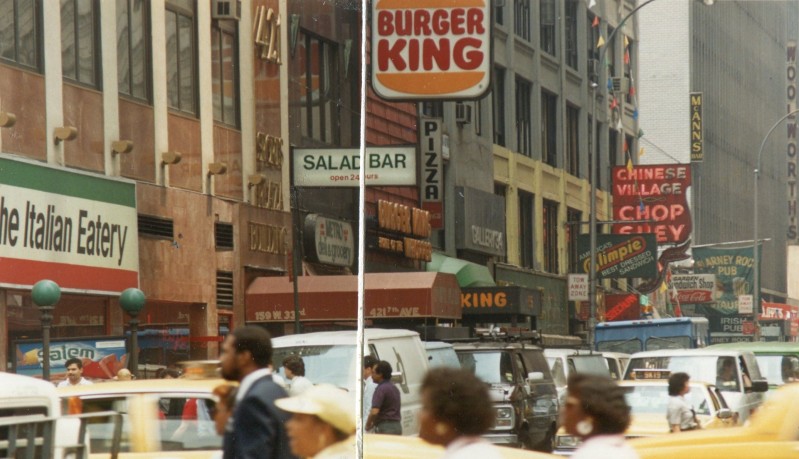
Walter NY4055

N.Y., 2. Mai 1988

Wie ich schrieb, habe ich das Auto von der Gesellschaft AVIS gemietet. Als ich letztes Wochenende mit Rob durch die Gegend fuhr, sagte ich: „Ach, die Size in diesem Auto sind wirklich unbequem Eigentlich müsste ich es umtauschen.“ Da wir gerade zufällig in der Nähe einer AVIS-Station waren, hielt ich dort an und sagte, dass mir die Sitze zu unbequem sind.

„O.K. Sir, welchen Wagen möchten Sie?“ Ich ging zum Parkplatz, probierte ein paar Autos aus und entschied mich dann für einen Toyota. Innerhalb von ca. 6 Minuten hatte ich einen neuen Vertrag, die Sachen umgeladen und ab ging es in dem neuen Gefährt. Dieser Wagen ist viel bequemer. Er hat elektrisch verstellbare Fenster, Klimaanlage, Radio und Kassettenrecorder usw.

Doch warum erwähne ich das? Was mich immer wieder verblüfft, ist die Schnelligkeit, mit der man so manche Dinge erledigen kann, während andere Sachen oft sehr langsam und umständlich gehandhabt werden.

Rob und ich sind dann zu einem Einkaufszentrum gefahren, wo ich mir noch einen kleinen Fernseher für meinen Computer gekauft habe. Natürlich habe ich wieder etwas gehandelt- und siehe da, ich bekam das Gerät für 298 $ statt für 329 $. Es ist ein Farbfernseher von Sony, mit Fernbedienung, im Prinzip sehr preiswert. Dabei gibt es andere Marken sogar schon für ca. 200 $, doch ist die Qualität nicht so gut.
Walter NY4056

Great Neck, 19. Mai 1988

Wenn man allein, vielleicht sogar nachts, in einer großen leeren Halle ist, so wird man durch das kleinste Geräusch aufgeschreckt und aufmerksam. Wenn man aber in einem tobenden Fußballstadion ist und seinem Nachbarn etwas sagen will, so muss man brüllen, um sich verständlich zu machen.

N.Y. ist wie ein tobendes Fußballstadion. Dementsprechend noch lautstarker, marktschreierischer, greller und überzogener ist die Werbung, um auf ihre Produkte aufmerksam zu machen. Man kann sich der Werbung nicht entziehen. Im Radio, Fernsehen, in Zeitschriften, auf Plakaten hämmert sie auf die Menschen ein. Sie ist nicht elegant, witzig, unterschwellig informativ oder anregend, sondern ganz einfach brutal. Die 4 wichtigsten Worte werden aneinandergereiht und jedem eingehämmert: MORE VALUE for YOUR DOLLARS. Dieser Slogan muss von einem Computer ausgedacht sein:

„Mehr“: jeder will mehr haben, alle streben nach mehr, nach viel mehr, nach Geld, Reichtum, Einfluss, Macht.

„Wert“: Es wird kein Produkt angesprochen, sondern der besondere Wert. Der besondere Wert einer Cornflakes Sorte, der besondere Wert eines Reinigungsmittels, der besondere Wert der neuen Coca Cola.

„Deine Dollars“: Die will man haben, die sollen ausgegeben werden, dafür bekommt man „Wert“. Die Dollars sollen locker gemacht werden im wahrsten Sinn des Wortes.

Nirgendwo kann man so viele Leute beobachten, die offen auf der Straße ihre Dollars zählen wie in N.Y. Dicke Geldscheinbündel werden an den Straßenecken durchgezählt. Oft ist es gar nicht soviel Geld, denn es gibt ja den 1 $-Schein-, aber man berauscht sich am Anblick des dicken Geldbündels.

Die Sprache und Lautstärke, mit der die Werbung verkündet wird, ist tatsächlich ausnahmslos so laut, als wolle man von einer Seite des Stadions auf der gegenüberliegenden Seite jemanden überzeugen.
Walter NY4057

Great Neck, 30. Juni 1988

Heute Abend, es geht auf 22:30 Uhr zu, habe ich wieder den Fehler begangen, etwas den Fernseher einzuschalten. Doch während ich mich über das Programm ärgerte, habe ich nochmal über das TV-Programm im allgemeinen nachgedacht.

Ich glaube, die große Enttäuschung, die Europäer -insbesondere Deutsche- beim US-Fernsehen empfinden, beruht auf eine Art Missverständnis, geboren aus einer Gewohnheit. Ich möchte einen Vergleich wagen:

Wenn man ein ledergebundenes Buch aufschlägt, 228 Seiten dick, hervorragend im Druck, so erwartet man selbstverständlich, dass etwas Lesenswertes gedruckt ist. Es kann ein Roman sein, ein Sachbuch, ein Gedichtband, eine Reisebeschreibung. Vielleicht stimmt man nicht völlig dem Geschriebenen zu, vielleicht entspricht es nicht dem eigenen Geschmack, doch zumindest erwartet man etwas Diskussionswürdiges. Andere mögen das Buch hervorragend finden.

Doch was ist ein Buch? Ein Buch steht aus Seiten, auf die man drucken kann, was man will, im Prinzip. Ich glaube, wir alle wären ziemlich erstaunt, wenn wir dies ledergebundene Buch aufschlagen würden und entdeckten nur Banalitäten, Geschmiere, Gossensprache, Mist. Doch prinzipiell kann dies keiner untersagen. Warum nicht Mist auf Hochglanz drucken? Der zunächst ahnungslose Leser muss sich einfach damit vertraut machen, dass sich nicht hinter jedem wertvollen Einband auch etwas Lesenswertes verbirgt.

So ist es auch mit dem Fernsehen in den USA. Es ist einfach ein Mittel, bewegte Bilder ins Haus zu bringen. Ob diese Bildbeiträge entsprechend sind, interessant, langweilig, aufreizend, einschläfernd oder anekelnd, das entscheidet die Fernsehstation. Indem man einen Sender einschaltet bezahlt man dafür, in das Buch schauen zu dürfen. Der Preis dafür ist die Werbung zwischen der Sendung, die man mit ansehen muss. Die Qualität der Sendung orientiert sich am primitivsten Zuschauer, nämlich demjenigen, der noch gut empfänglich für die Werbung ist. Dem darf man dann auch nicht zu viel zumuten. Also bitte keine Beiträge aus Europa, meist weiß man hier doch nicht so genau, wo das liegt. Irgendwo zwischen China, Russland und Australien.