Walter Panknin (1898 – 1977) and His Family – Part 25

POWs on Starvation Diet

Papa compared the US camp administration with the Sphinx of Ancient Egypt. The secrecy about the political development in their respective home provinces was a riddle to which there was no answer. With its heavily censored articles, the camp newspaper ‘Wahrheit’ (Truth) offered very little information and even less ground for an early dismissal. One thing Papa was able to figure out, though. The Russians had taken over Thuringia and Saxony and had become the master over his hometown Gotha. Whether his wife and children had been able to survive the war, he did not know. He repeatedly expressed his worry and concern over their safety.
The Family Constantly on Papa’s Mind

Among the captured officers, many intellectuals, professors from various disciplines were taken out of their university. They served in the army in a commanding position. To fight boredom and help their colleagues get their minds off the common misery, they offered lectures on their expert knowledge of their particular field of research. These open-air sessions were top-rated and offered a broad range of topics, interpreting operas, 5000 years of Ancient Egypt, understanding Goethe’s Faust, to name a few. Through conversation with some of these impressive presenters, Papa hit on the idea of jotting down all the books, which they recommended for further study and which he was eager to read to feed his idea-hungry intellect. A glance at the list gave me deep insight into Papa’s enquiring mind, and I could not help admiring his fascination for history. Later on, after his release, he began to acquire these books, primarily historical and devoured them at a rapid pace. He went through an entire set of over 20 volumes on world history written by world-renowned historian Leopold von Ranke.
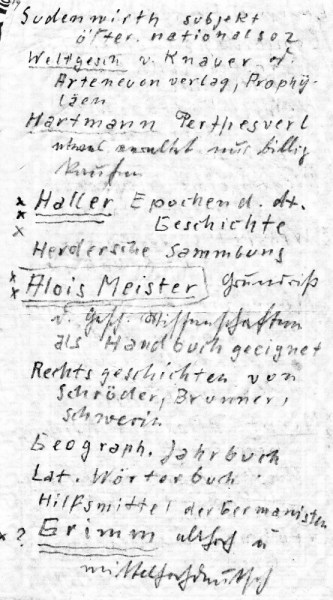
Papa’s Partial Book List


Unfortunately, from week to week, the food situation was getting worse. One day their thin, sugary breakfast soup arrived only at one o’clock in the afternoon. Even the most exciting talk about ancient history could not detract from the fact that the POWs at the Bad Kreuznach Camp were starving and growing weaker every day. Papa noticed the absence of mice, which was highly unusual considering so many men concentrated in such a small area. He concluded that in the most humble household, there was always some food left in the pantry. Here at the camp, with thousands of men milling about in constant search for food around the camp kitchen or some mouldy scraps from the garbage cans, nothing was edible left that might attract even a hungry rodent.
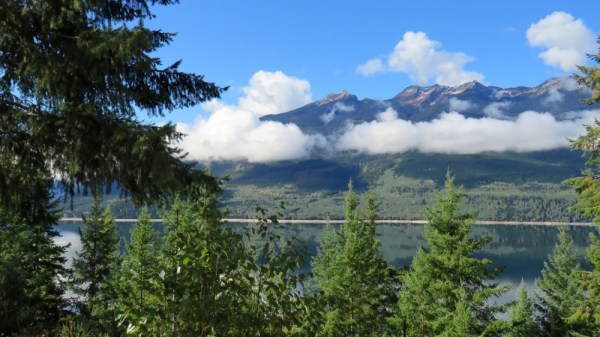
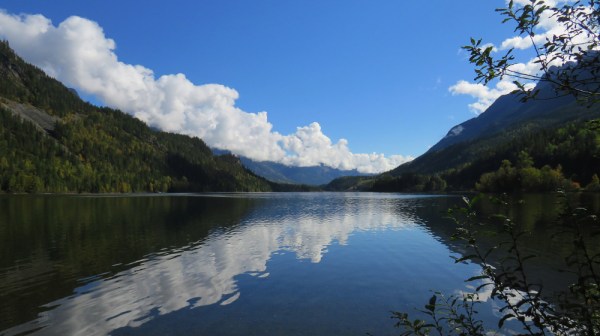
Natural Splendour of the Arrow Lakes

Another Look at the Nearby Slocan Lake

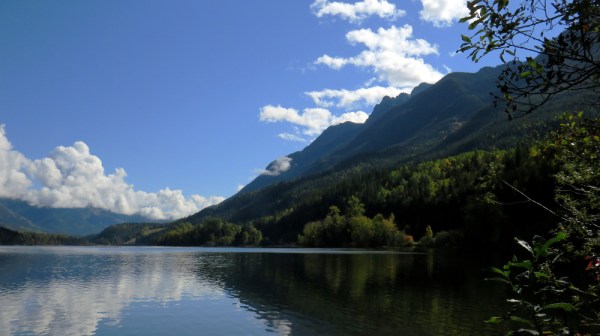
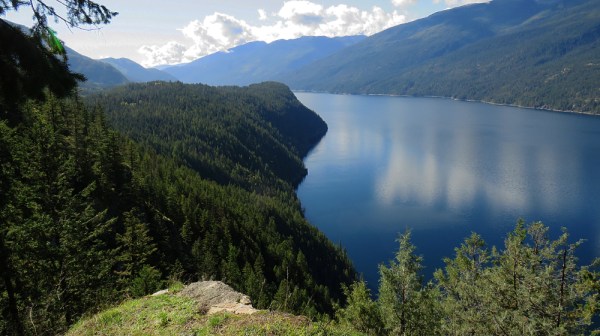
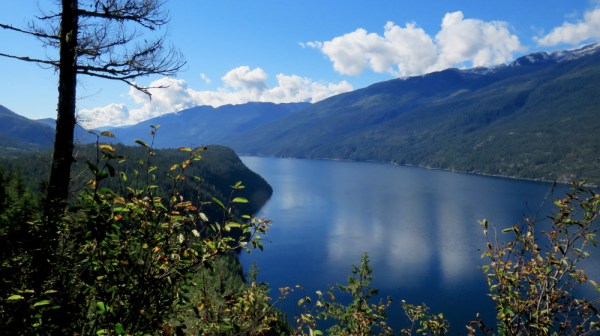
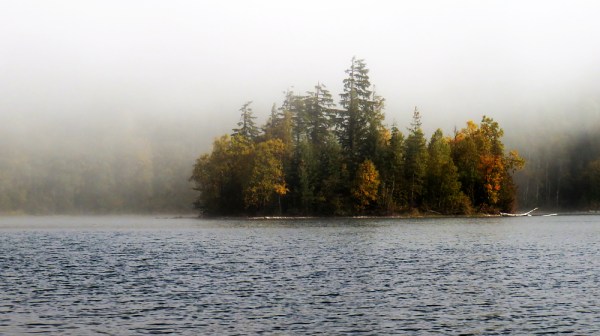
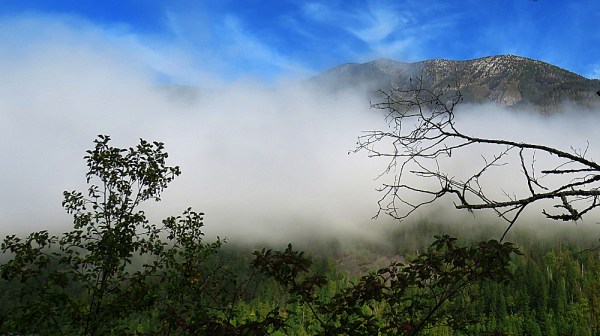
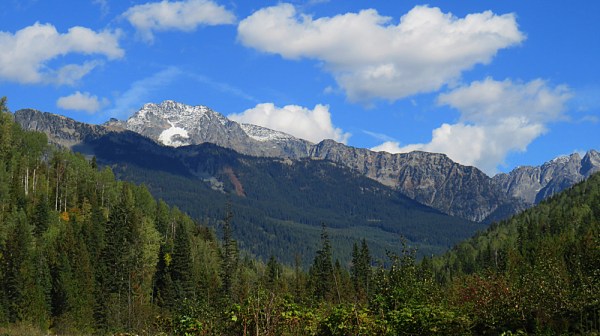
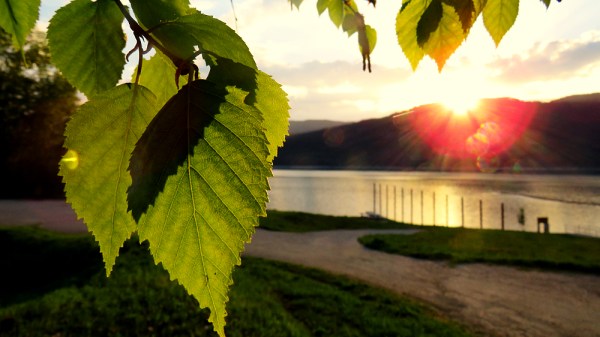
The sun shone brightly. No fog obstructed the view so my wife and I decided to travel again to the Summit and Slocan Lakes, which are part of the West Kootenays where we live. Our spontaneous decision did not disappoint us. What a change in the landscape we noticed within such a short time! As photographers we have often experienced how a scene can alter its appearance within just few minutes. When a cloud blocks the sun, it even happens at the blink of the eye. Enjoy.

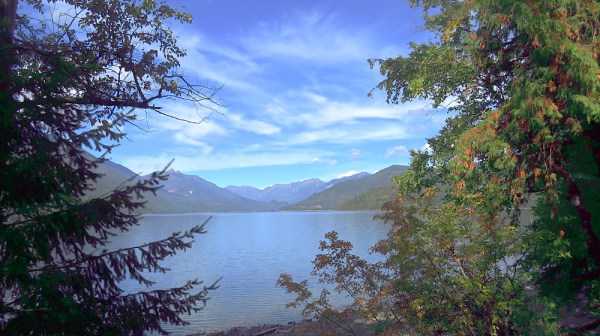
Arrow Lake with View on Saddle Mountain
Summit Lake
Summit Lake
Slocan Lake
Slocan Lake

Walter Panknin (1898 – 1977) and His Family – Part 24

Food and Cleanliness at the POW Camp

In the next section of his narrative poem, he addresses in a satirical fashion liberally sprinkled with sarcasm all housewives in general and his wife Elisabeth in particular. To wash clothes is easy, he says, when you have buckets, detergent, water, and means of bringing it to a boil. With those things readily available, every man could do the same, he claims. Then he begins to enumerate all the difficulties of doing the laundry in a POW camp. In wartime, people have to line up for butter and bread. Similarly, the prisoners first had to stand in line to receive some water, then sneak into the packed laundry house. To wash your clothes anywhere else was strictly forbidden. For the entire cleansing exercise, the camp rules allowed per company only twenty minutes, during which time the POWs could wash their face and body. Papa bemoaned the resulting failure of keeping body and attire clean. 

I placed a quarter on the tiny paper that Papa had written his POW notes. It gives you a sense of how tiny the paper was he used.

Dust also was a big problem when they were beating their blankets in the morning or frantically tried to sweep off the dusty dirt floors. Following the vigorous action of multiple brooms in action, fine particles remained floating in the air for a long time and eventually settled exactly in nooks and crannies in a never-ending cycle, which would make German housewives boil over in anger and frustration. Papa would have written many more verses on dirt and dust in the camp. Alas, for lack of paper and pencil, he was unable to jot them down. When finally he traded in a good chunk of chocolate for those most precious writing utensils, he had forgotten them all. And indeed, there were more important things to report.

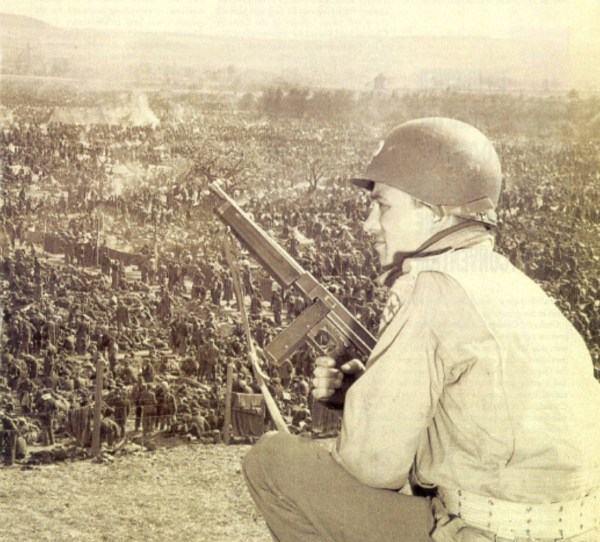
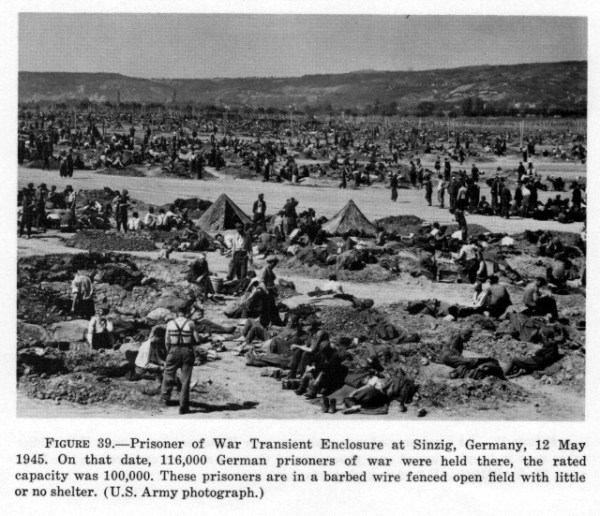
Kinzig-Remagen POW Camp Spring 1945 – U.S. Army Archives

Food or rather its dwindling rations became once again the number one topic at the camp. And the chicaneries resumed. The POWs complained that the kitchen staff had maltreated them at a recent call to a non-existing breakfast. In a sadistic response to the justified complaint, the German kitchen personnel collaborated with their American supervisors and devised another sinister plan to make life more miserable for the prisoners. What they came up with was to serve breakfast between four and five. That would take care of the complaint of being called for breakfast and not getting one. Breakfast consisted from now on of watery vegetable soup. Add to this the long wait for lunch, which made their suffering even worse. When finally they received coffee or tea with one slice of wheat bread, it became evident they were set on a starvation diet. The word circulated from company to company that they should do as little physical activity as possible to conserve precious calories. Their survival was at stake.

Natural Splendour of the Arrow Lakes

Early Fall Excursion in the Kootenays

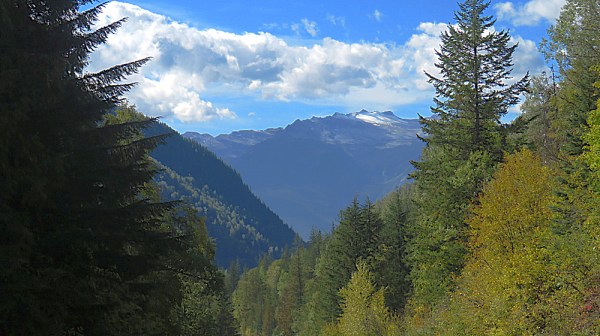
Last week we were blessed with three days of perfect early fall weather that is typically described as Indian summer. The air was crisp. When the morning fog lifted from the valley, the sun brilliantly illuminated the landscape and the sky was finally blue, which we had been missing so much during the wildfires. We followed the lower Arrow Lake to the picturesque town of Nakusp, then turned south past Box Lake and stopped at the beautiful Summit Lake. Then we moved on to New Denver where we took in the sights of the the Slocan Lake with its Valhalla Mountains presenting a magnificent backdrop. Here is a small sample of our trip. Enjoy.

Walter Panknin (1898 – 1977) and His Family – Part 23

Crammed, Deloused and Harrassed

Then suddenly and just as unexpectedly as a balmy spring breeze and sunshine had brought relief, good food and drink cheered up the POWs. Bread, corned beef, cheese and calorie-rich soup, although not too plentiful, have now become part of their daily diet, supplemented by a few chunks of chocolate for dessert. Although the adage says that hunger is the best cook, they all agreed that the cooks were doing an excellent job. To round things off, they had as a beverage a choice of tea or coffee. The coffee tasted so good that many imbibed too much of the excellent brew, which kept them awake half through the night. On June 16, all men, whose hometown had become part of the Soviet-occupied zone of Germany, were put on a special list. Rumours about early release from their prison camp instantly circulated among Papa’s comrades. How soon would the Americans let them go home? Would army trucks drive them to the border? How would the Red Army men receive and treat them? Would Papa be free after his release from the camp? These were some of the questions and worries the POWs had. The troublesome thoughts burdened Papa’s heart at the time when he should have been rejoicing to be finally free from hunger and cold.

Photo Credit: Wikipedia


Near the end of the month, it rained again. But the air was mild, and the POWs now found shelter in the hastily erected wooden barracks. But they had to put up with cramped conditions. Space was so limited that there was not enough room on the primitive floor for everyone to sleep on his back. Packed tight like in a can of sardines, many had to sleep on their side. Thus, it was very likely that lice would have a heyday and spread like wildfire among the hapless bunch of humanity. The camp authorities had them march to the delousing stations to prevent the infestation from gaining the upper hand. There they had to undress and wait in the pouring rain for their turn to be deloused. Papa did not fail to see the irony, at least for this embarrassing moment. Like slaves powerless and naked, they stood before their black masters, who searched in a bout of chicanery for anything they deemed dangerous. Nail clippers and files, even pencils, were considered dangerous weapons and promptly confiscated. Papa must have hidden his precious writing tools in the sleeping quarters, knowing full well that he would be punished for having them in his possession. After being thoroughly deloused, they returned to their barracks and felt a lot better after receiving a bowl of sweet soup. Papa bitterly remarked that the worst form of chicanery did not come from their American guards but rather from their own ranks. Those lucky enough to be chosen as helpers and supervisors in the camp kitchen now turned against their comrades to be sure in part to impress their American guards. At 4:30 in the morning, when everyone was still fast asleep, they would holler with a commanding voice, ‘Get up, you sleepy heads! Pick up your grub!’ Everybody understood this message too well. For if you did not comply or you were too slow to respond, you would miss out on your breakfast and have nothing to eat till noon. From all the shelters, you could see the prisoners rushing to the source of food. To have something in your belly was more important than an extra hour of sleep. But when they arrived in joyful expectation of a nutritious breakfast, the German kitchen helpers were laughing their heads off at their successful prank and shouted, ‘Get back to sleep. You should know that we don’t serve breakfast until six!’

Natural Splendour of the Arrow Lakes

Sunsets without the Wildfires

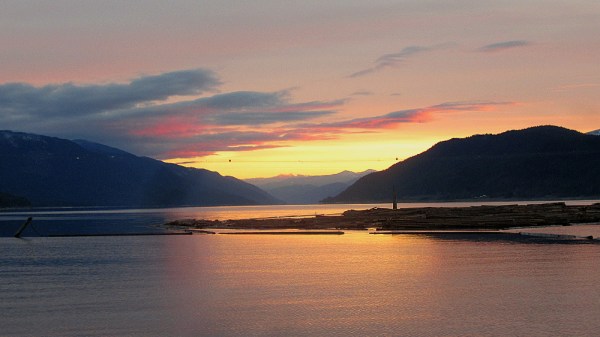
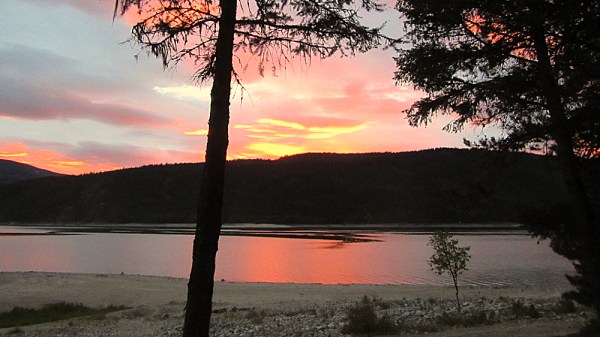
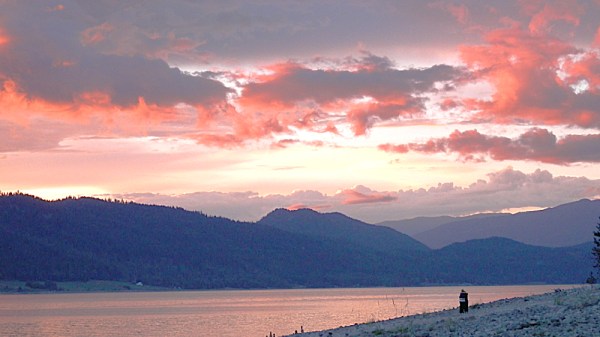
Last week, I presented five photos of spectacular sunsets that I captured during the forest fires we had experienced repeatedly during the past five years. Red skies and fiery clouds were the hallmark during these frightening summers. Today, I will show a few more sunsets that are a bit less dramatic but give you the feeling of peace and serenity. After a few more rainy days with cooler temperatures, the air is clear now and the sky is finally changing from toxic-gray to the brilliant blue we have been missing all summer long. Enjoy.