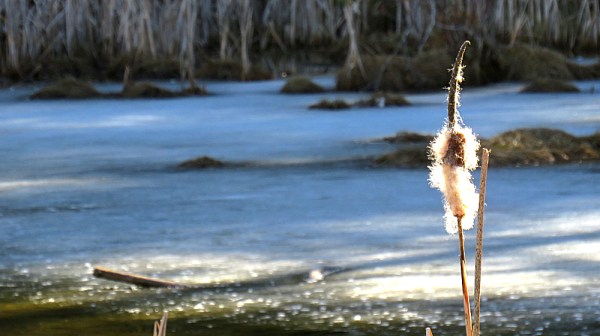
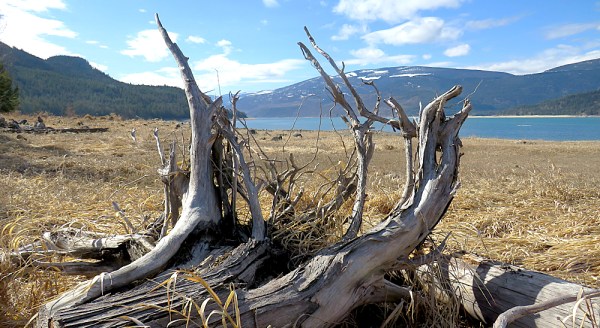
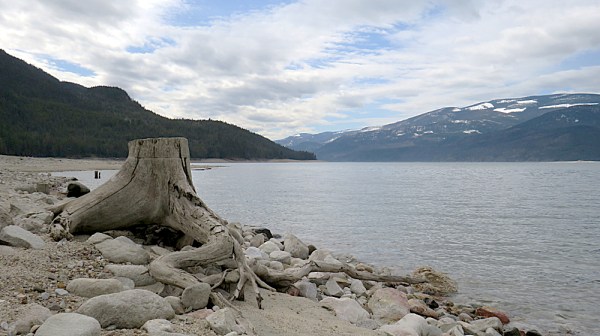
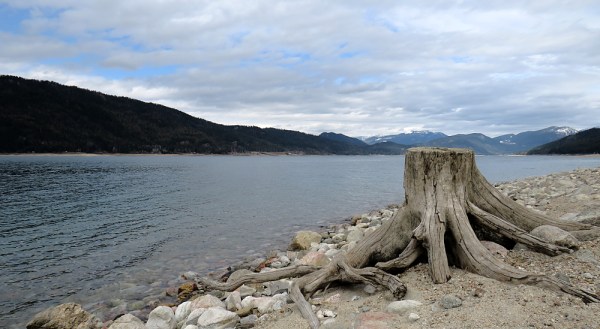
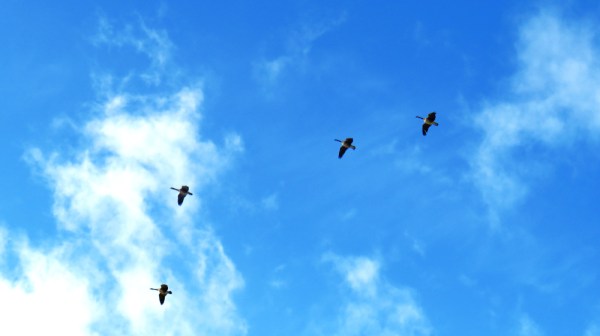
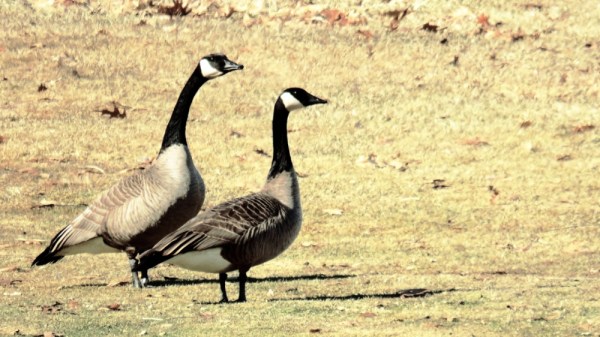
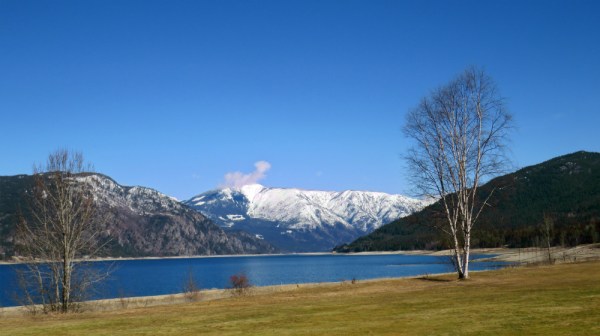
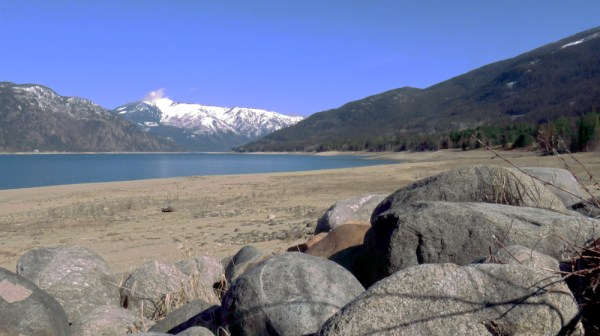
The week before the Easter weekend was chilly but sunny. Early in the morning we traveled 10 km south of Fauquier, drove past a pond that was still frozen. We briefly stopped to capture a few of the cattails which after a long winter were getting ready to spread their fluffy seed heads. When we arrived at the lake, a number of beautifully sculpted tree stumps attracted our attention. When the lake level is low, they make their appearance. More than fifty years ago all trees at the lakeshore had been cut down to prepare for the building of the Keenleyside Dam near Castlegar. You may also like the arrival of more Canada geese.
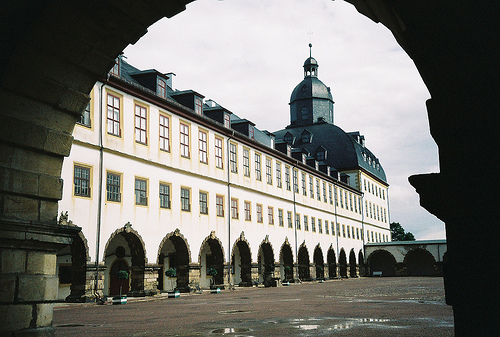
Gotha today is the fifth-largest city in Thuringia, Germany, located 20 kilometres west of Erfurt with a population of 44,000. In the Middle Ages, Gotha was a prosperous trading town on the trade route Via Regia. Between 1650 and 1850, Gotha saw a cultural heyday as a centre of sciences and arts, fostered by the dukes of Saxe-Gotha The first duke, Ernest the Pious, was famous for his wise rule. The cartographer Justus Perthes and the encyclopedist Joseph Meyer made Gotha a leading centre of German publishing around 1800. In that period, Gotha became an industrial core with companies like the Gothaer Waggonfabrik, a producer of trams and airplanes. One of the main sights of Gotha is the early-modern Friedenstein Castle, one of the largest Renaissance/Baroque castles in Germany. It was built between 1643 and 1654 and is one of Germany’s first sizeable Baroque residence castles. Some essential scientific institutions were the ducal library (today’s Forschungsbibliothek Gotha as part of the University of Erfurt), founded in 1650, the “coin cabinet” (1712), the “art and natural collection,” basis of today’s museums, and the Gotha Observatory at Seeberg mountain.
Friedenstein Castle
Much of Thuringia’s acclaim as the green heart of Germany is due to the Thuringian Forest (Thüringer Wald), not far from Gotha. Germans have celebrated its landscapes at least since the time of Goethe. Its romantic villages with cottage workshops do little to dispel the illusion of an era that appears frozen in a time when life was still uncomplicated and beautiful.
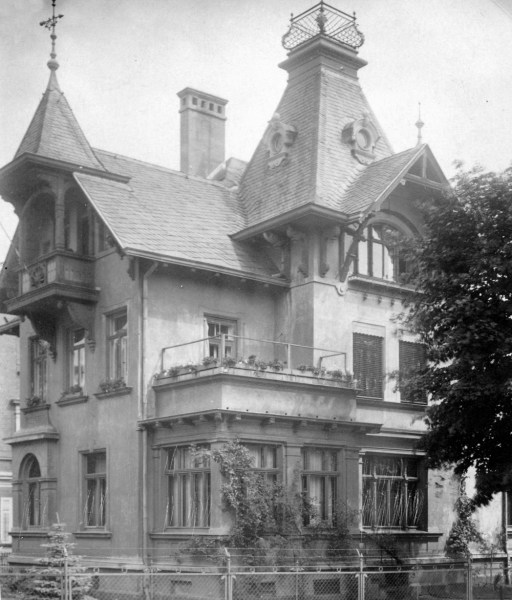
My Wife’s Birth Place in Gotha
In 1937 Walter and Elisabeth Panknin (née Reifferscheid), moved from Dortmund to Gotha. After they had met and fell in love in 1928, they married two years later, on November 25th, 1930, in Berlin-Charlottenburg. Not long after their daughter arrived in Calgary in April 1966, her parents became my parents-in-law. Therefore, I will, for the sake of simplicity, often call them Papa and Mutti when describing their lives in this family history.
Nostalgic Projection of Spring Soon to Come – Part 2
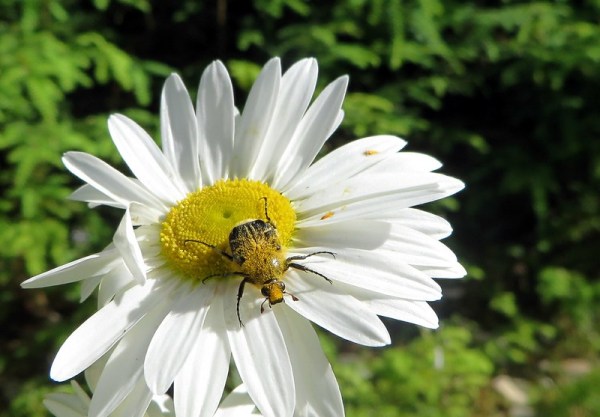
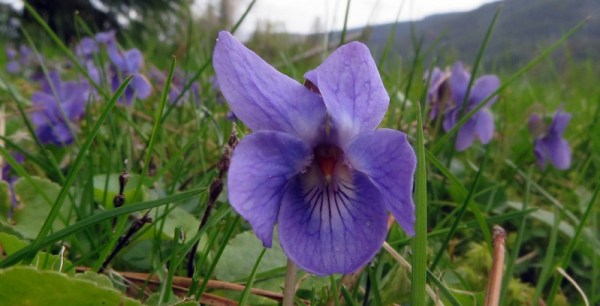
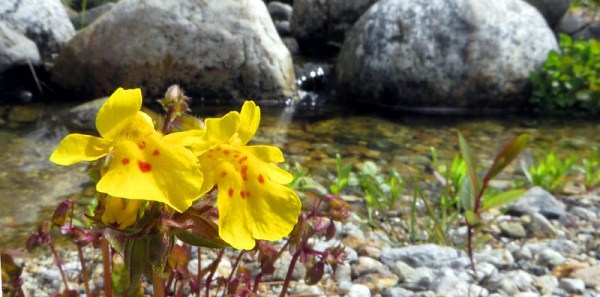
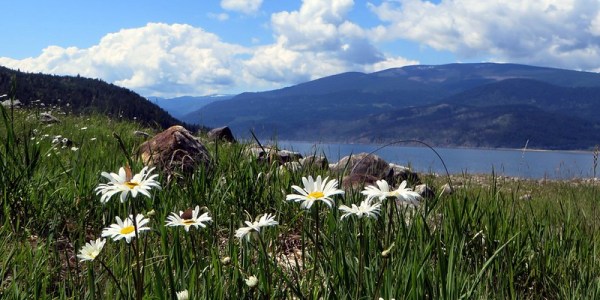
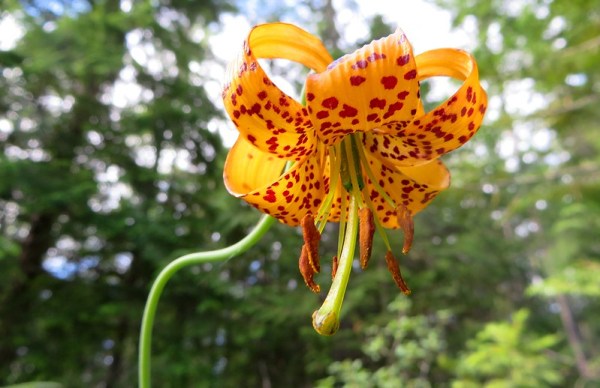
The grass is starting to grow. The grey cover of our yard is showing a hint of green. The raised garden beds have been prepared for the spring season. Soon it will be the time for planting the cold weather crops. Our strawberries are getting busy developing their buds and promise a bountiful harvest. This is the second and final instalment of my excursion into my archives. Today I am focusing on daisies, violets, a tiger lily, and an unknown beauty. Enjoy.
Nostalgic Projection of Spring Soon to Come – Part I
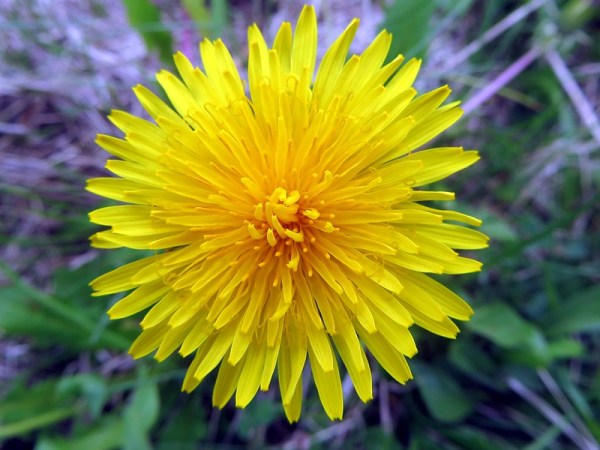
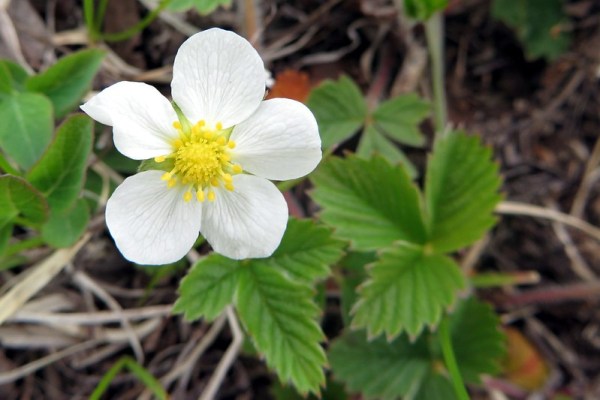
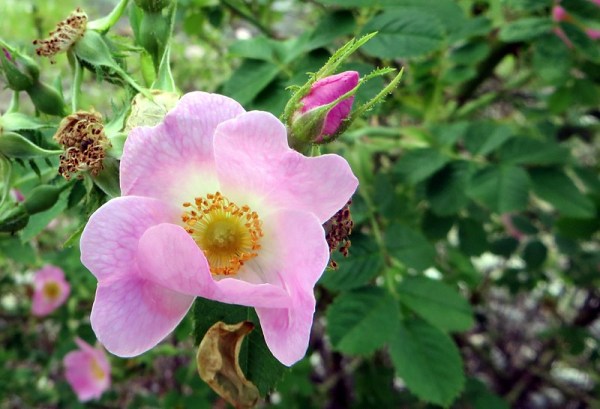
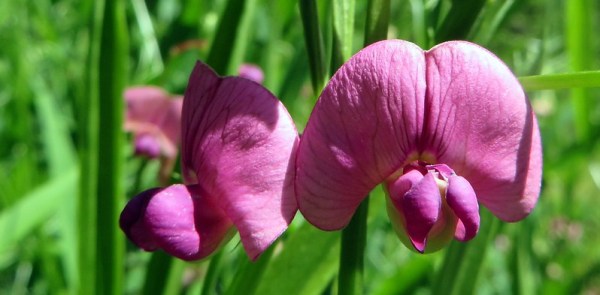
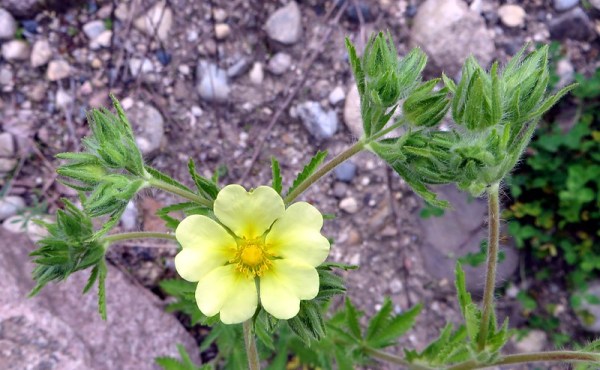
Snow is still clinging to the shadowy areas of our yard. But the first snowdrops appeared, the catkins are ready to explode and send out their clouds of pollen, and the tiny red hazelnut flowers are showing that Spring is knocking on our doors. All these early signs have a profound effect on me. I cannot wait for the wildflowers to bloom again and give our present somewhat drab landscape a colourful new dress. Digging in my archives, I found photos of wildflowers, the ubiquitous dandelion, the wild strawberry flower, the Alberta rose, the wild sweet peas and the Sulphur Cinquefoil. Enjoy.
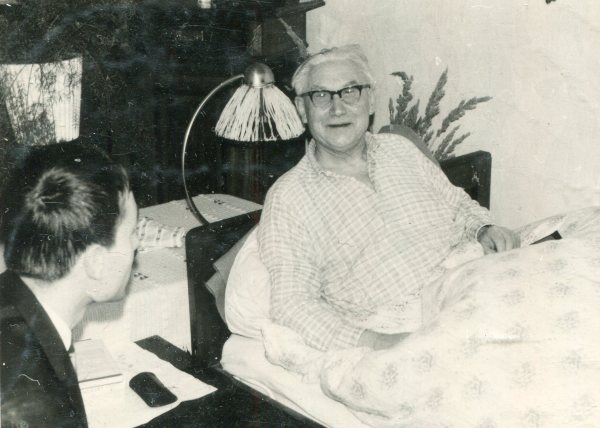
When Father’s back pains hurt too much, he stayed in bed for most of the day. Adolf and I were sitting at his bedside to keep him company. Then Father and I would often talk about the great empires of the past and the lessons one might learn from the causes of their decline. I really warmed up to this topic as I had recently taken a keen interest in the Roman Empire’s history. We concluded that if one allows foreign religious and ethnic elements to dominate the nation’s cultural core, it will sooner or later lose its identity. Its values and moral fibre will undergo first decline and then total collapse. Germany, according to Father, has not learned her lessons and was headed in the same direction. Pointing to the record player on the night table, he remarked, “The record is turning. The needle is progressing in its groove. But in the end, it will be starting all over again. symbolizing the eternal recurrent of the same in world history.” Adolf feeling a little left out in this highfalutin talk, said he would buy himself a couple of history books to study up on the things he had missed in school.
Before the end of my vacation in Michelbach, I gave Erna my moped. The engine of her better-looking moped had utterly broken down. Adolf, the skilful mechanic and jack-of-all-trades, took the working motor out of mine and installed it into Erna’s moped. As a reward for my generosity, Adolf drove me in his Volkswagen beetle back home to Wesel, where he would spend a few days to visit with Mother and Aunt Mieze. In this joyful summer of 1962, I saw Father for the last time alive. I am so glad that I did. How great would have been the loss if I had missed this golden opportunity to see him!
The pictures I had taken last week clearly show that Old Man Winter is on retreat. I thank him for giving me the opportunity to capture many images of snow covered landscapes, ice sculptures and even of my wife dancing at the lakeshore. But now it is time to bid farewell and allow youthful Spring onto the stage of our four-season countryside. Enjoy.
 The Peter and Gertrud Klopp Family