What to do with a Bumper Crop of Apples …

… with Limited Storage Room?

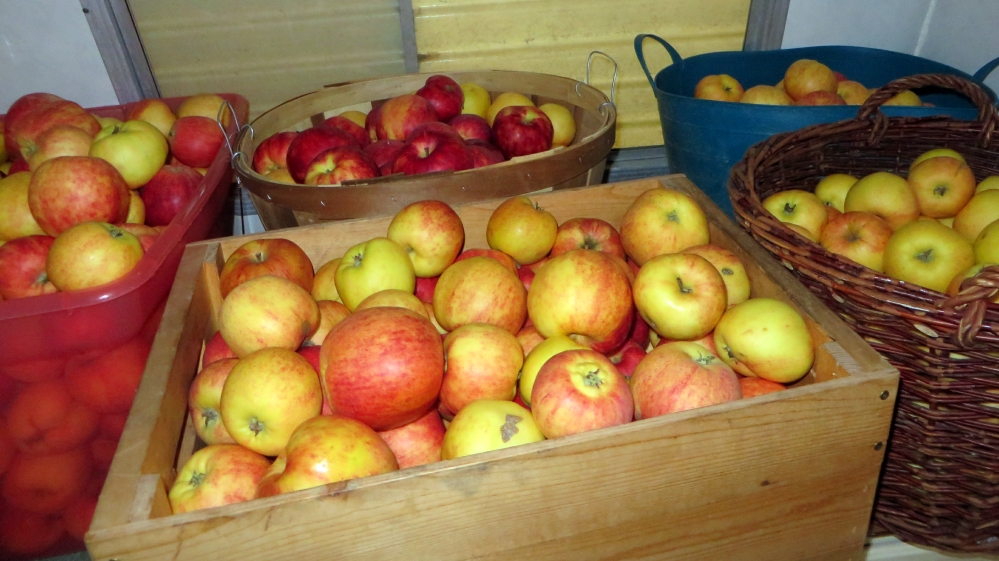
This year we had a very large apple crop. The Gravenstein trees were especially fruitful and produced so many baskets full of apples, we now find it hard to store them all. Besides they are not keepers. Three months after the harvest they become all mushy and pulpy. So we decided to dry them and turn them into delicious apple rings, which have a flavor ten times more intense and keep for a very long time without refrigeration.

Boxes and baskets full of Gravenstein apples are waiting to be dried.

Boxes and baskets full of gravenstein apples are waiting to be dried.

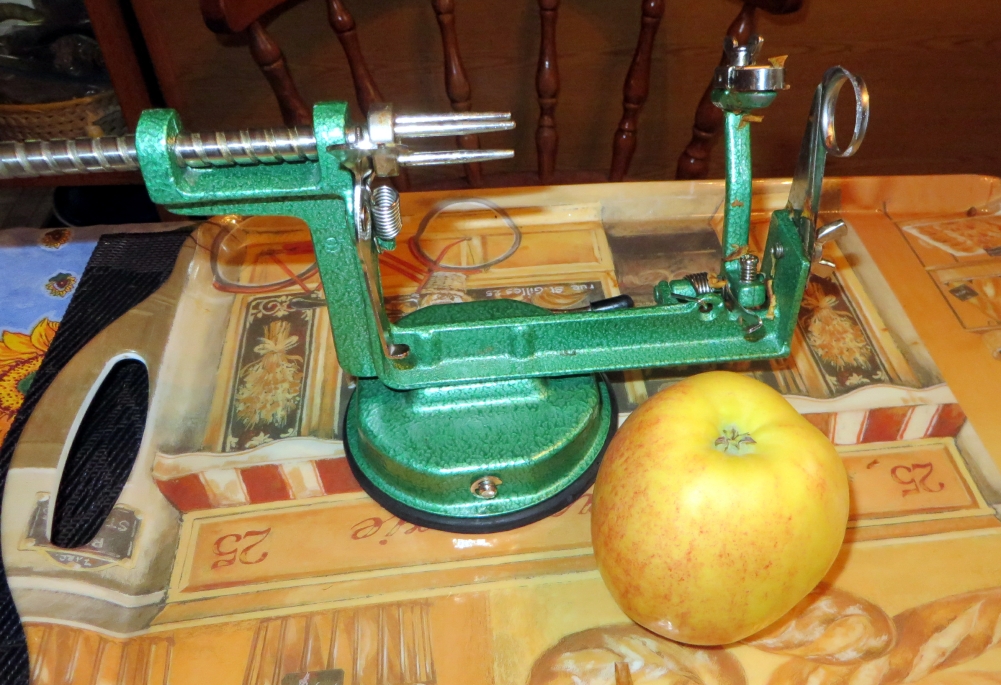
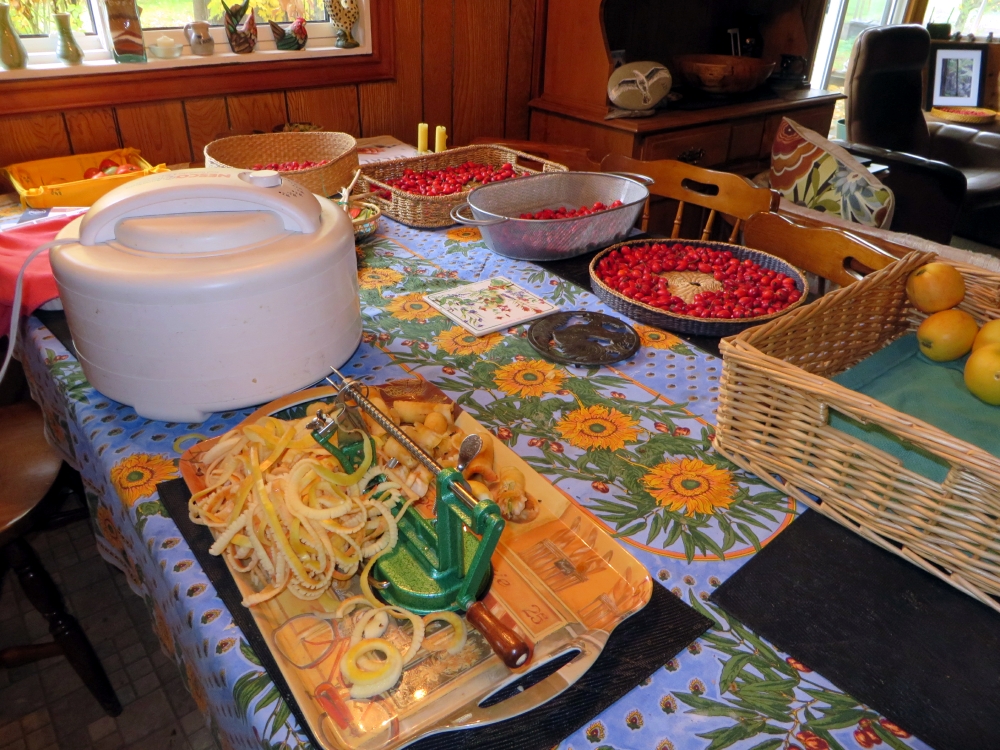
To process the apples you need only two things: an old-fashioned apple peeler and a good quality dehydrator. The former is truly a technical marvel going back at least a hundred years and in conjunction with its built-in slicer needs no further improvement.In less than 10 seconds you can peel and slice an apple. The dehydrator (we are using is The American Harvest model) comes with four trays. To fill them all up you need about a dozen mid-sized apples. After 7 to 8 hours of drying in the dehydrator the apple rings have shrunk, so all fit into a small freezer bag. During this time a tantalizing aroma is permeates our entire home. In the end the apples rings turn out to be a gourmet’s delight, full of vitamins and nutritional value. And they are also greatly reduced in weight and size. The photo story below shows how easy it is to do it .

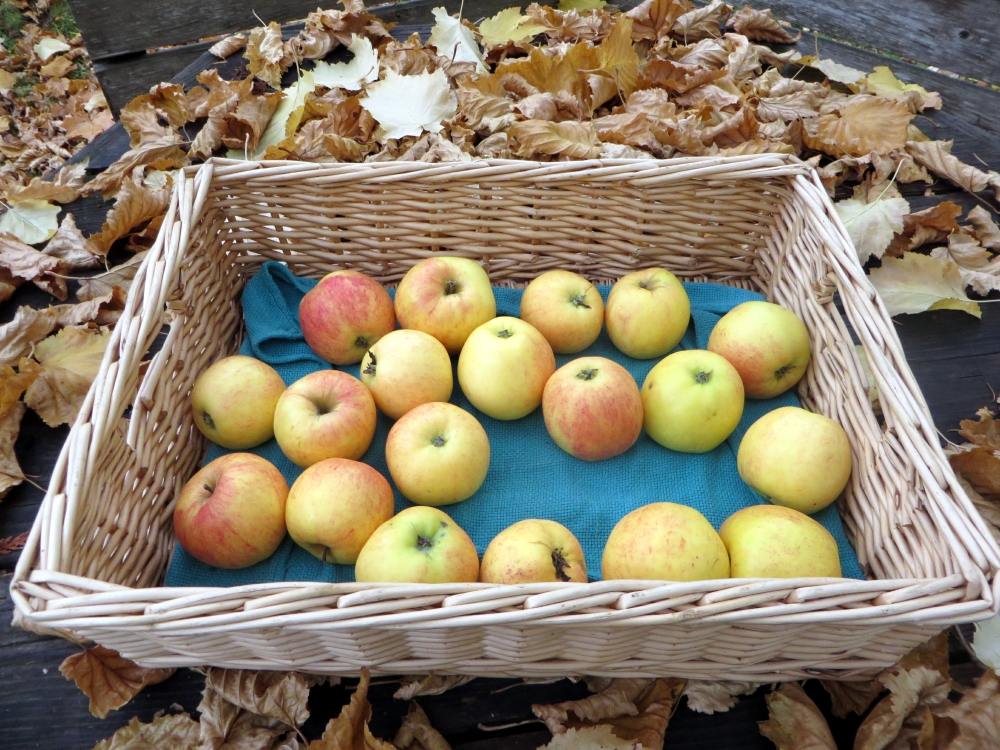
Collect twelve to fifteen mid-sized apples.

Collect twelve to fifteen mid-sized apples.

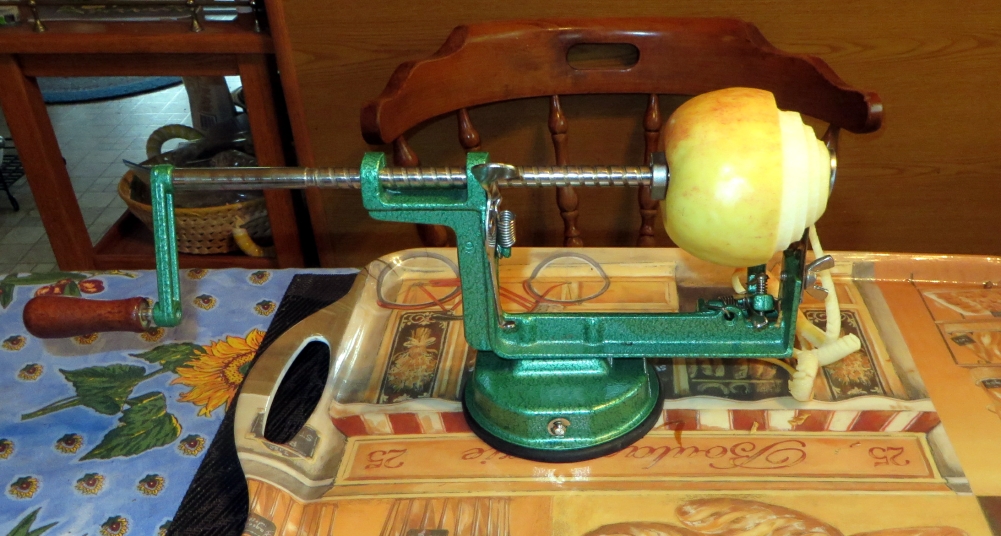
This machine can peel and slice the apples in less than 10 seconds.

This ingenious machine can peal and slice the apples in less than 10 seconds.

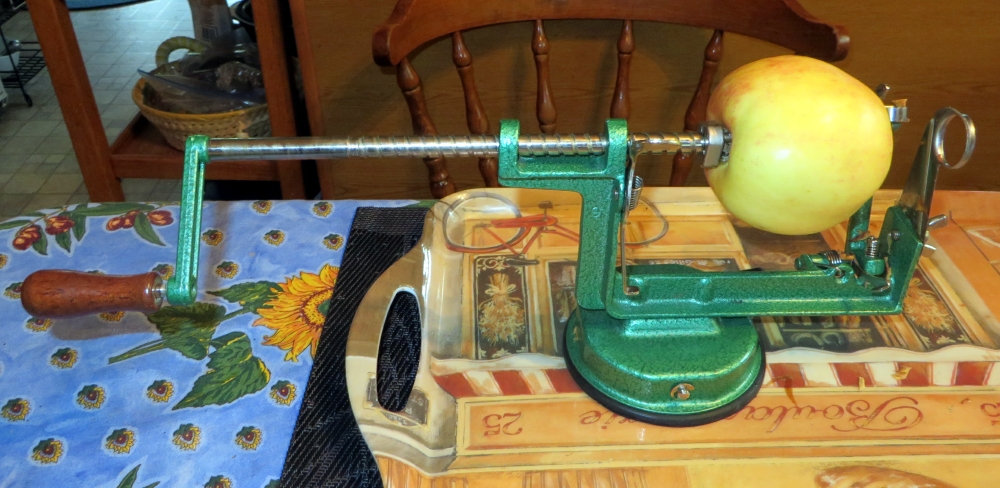
The apple sits firmly attached to the prongs. Now turn the crank.

The apple sits firmly attached to the prongs.

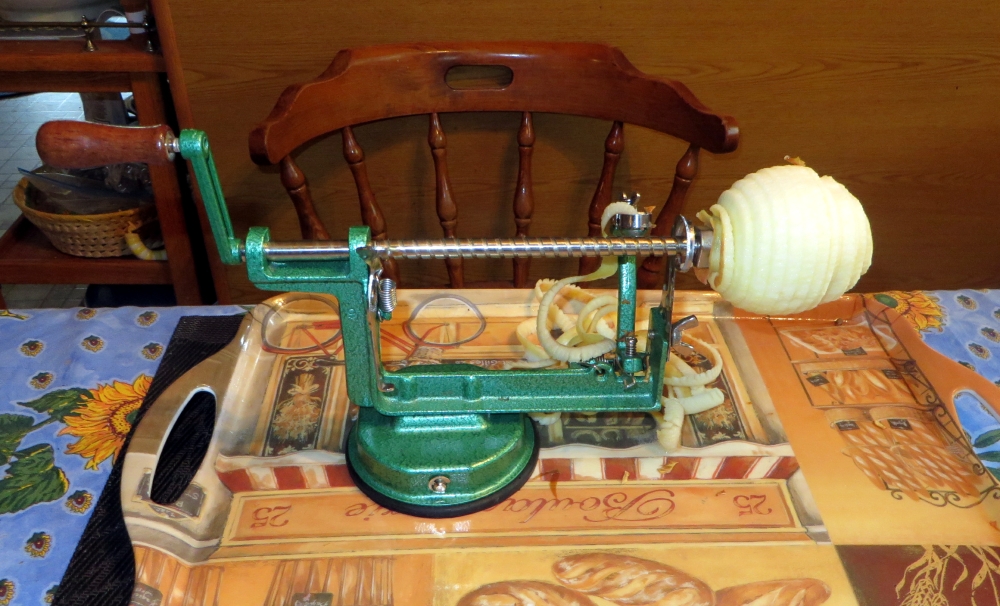
With just a few turns we are half way through the apple.

With just a few turns we are half way through the apple.

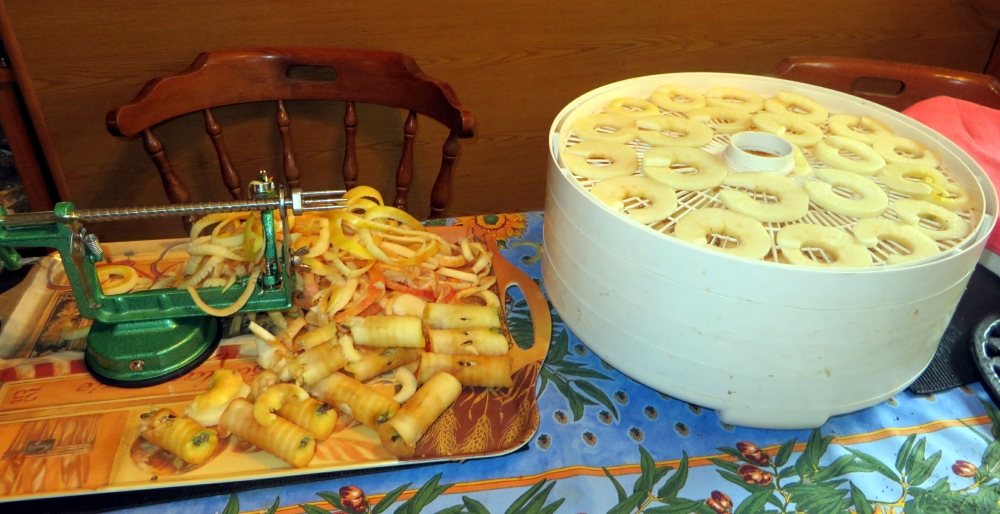
Now take the sliced and pealed apple off the prongs and …

Now take the sliced and pealed apple off the prongs and ...

… gently place the apple rings on the tray. All four trays are now filled.

... gently place the apple rings on the tray. All the four trays are now filled.

..

Then put the lid on the trays and set the correct temperature and duration.

Then the heating lid goes on top and with the correct temperature and duration set let the dehydration begin.

Twelve apples or more fit into a small freezer bag. It is easy. Even children can do it.

A dozen apples or more fit into a small freezer bag.

Chapter XIV of the P. and G. Klopp Story – Part 4

On a Two-Seater Scooter to Yugoslavia (1961)


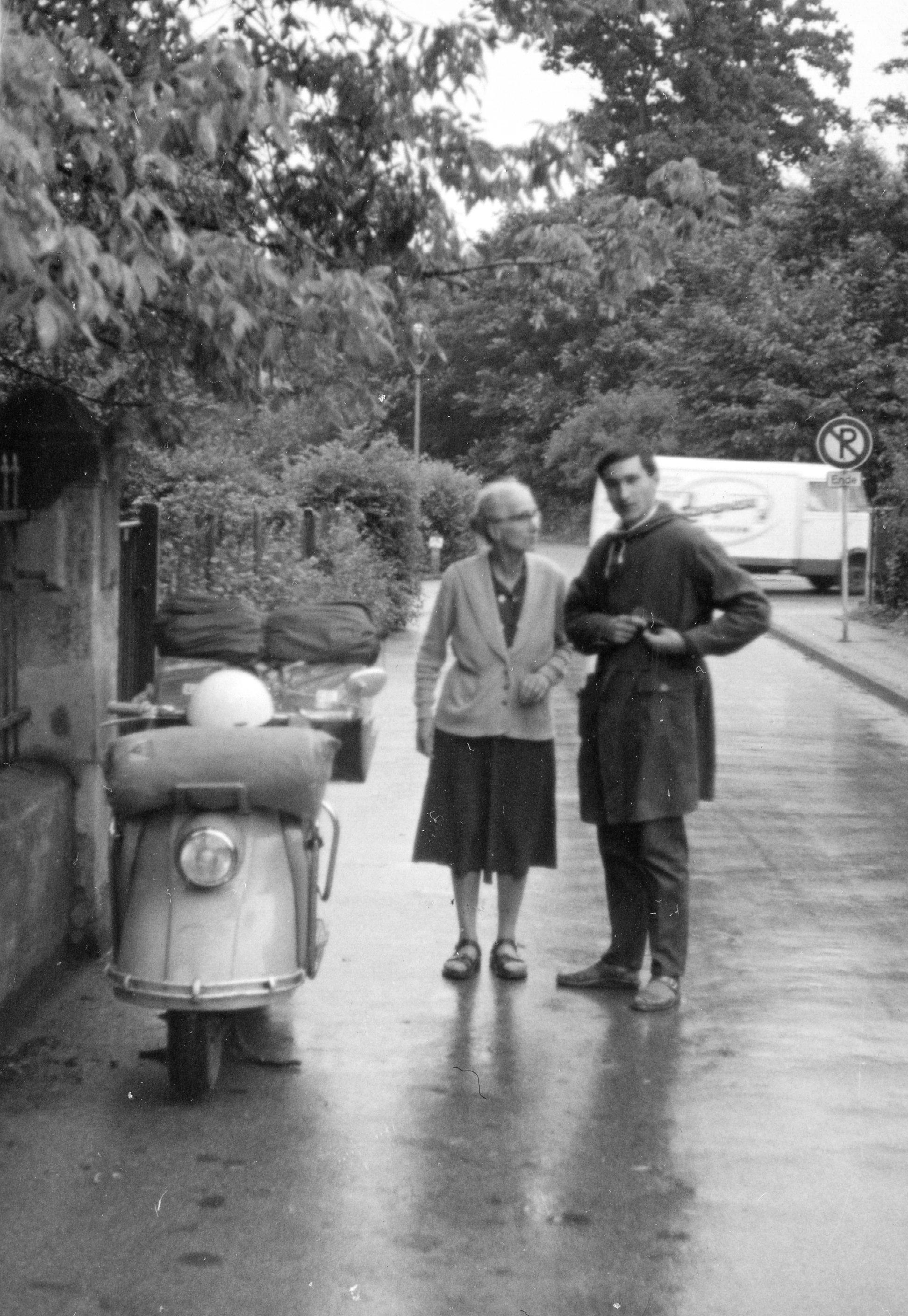
Peter Saying Good Bye to Mother

Peter Saying Good Bye to Mother

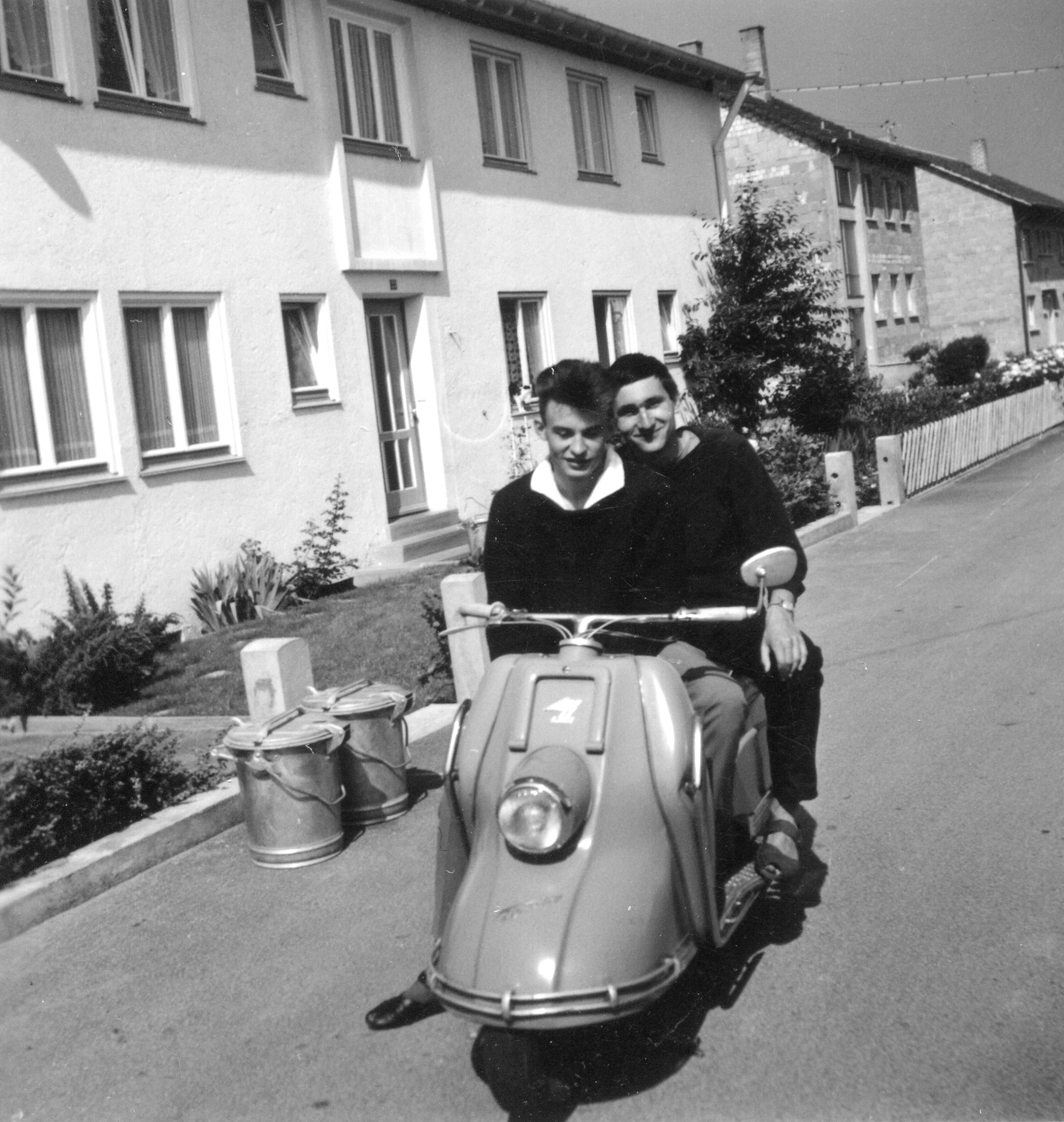
One of my favorite tunes that I often played and still play on my harmonica was the popular scout song about the Adriatic Sea. So that was where Klaus and I were heading in the summer of 1961. Klaus had just passed his driver’s license test and had acquired a used scooter that was going to carry us via Austria and Northern Italy into Yugoslavia, which later on after the death of communist leader General Tito broke apart into half a dozen small countries due to strife and ethnic tension. Yugoslavia was just opening up its borders to attract tourists to their beautiful rugged coastline.

Klaus and Peter on the Way to former Yugoslavia

Klaus and Peter on the Way to former Yugoslavia

I remember very little about our journey to the southeastern part of Europe, partly because we kept no journal, but also because sitting on the back seat of a scooter does not offer as much opportunity for human contact as you would have traveling by car or train.

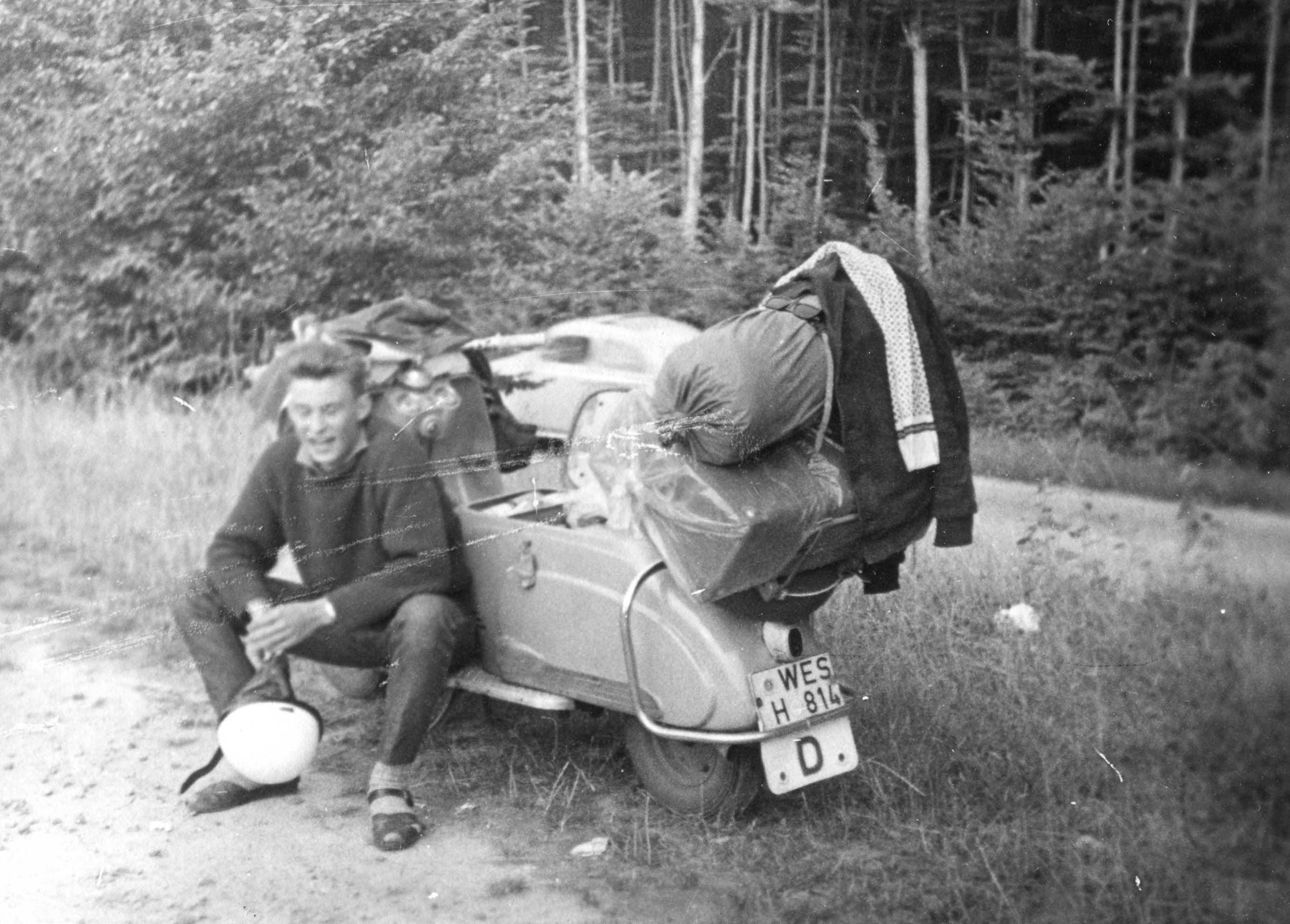
Klaus Taking a Break from Hours of Driving

Klaus Taking a Break from Hours of Driving

After a smooth ride on the newly built super-strada from Trieste to the border of this immense Balkan country, we were quite a bit disappointed by the shabby look of towns and villages we were passing through. Dilapidated houses in various stages of neglect and decay, communist slogans crudely written on house walls, the red star painted on any bare surface, dusty streets gave us the impressions as if we had traveled back in time. I cannot remember how far we traveled south along the Adriatic coast.

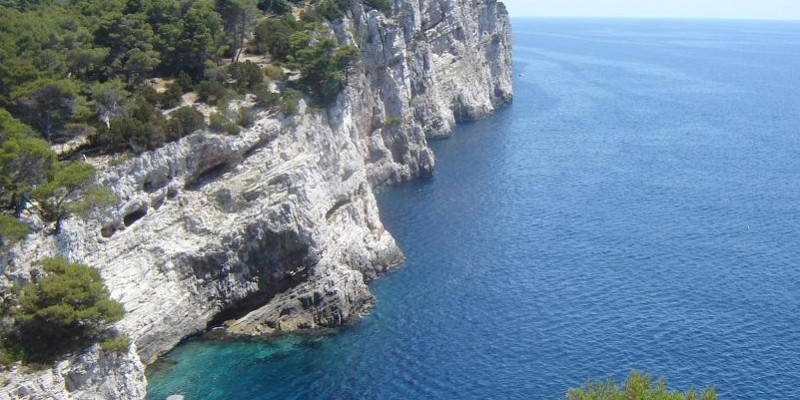
Adriatic Sea in Croatia

Adriatic Sea in Croatia

Our aim was to find a secluded beach at the rugged coastline away from this eerie state-dominated world. When we had finally found such a place, which would be overcrowded by sun seekers from Northern Europe today, we pitched our tent not more than 10 m from the crystal clear waters of the Adriatic Sea. We stayed there, until our food ran out, perhaps 2 or 3 days.

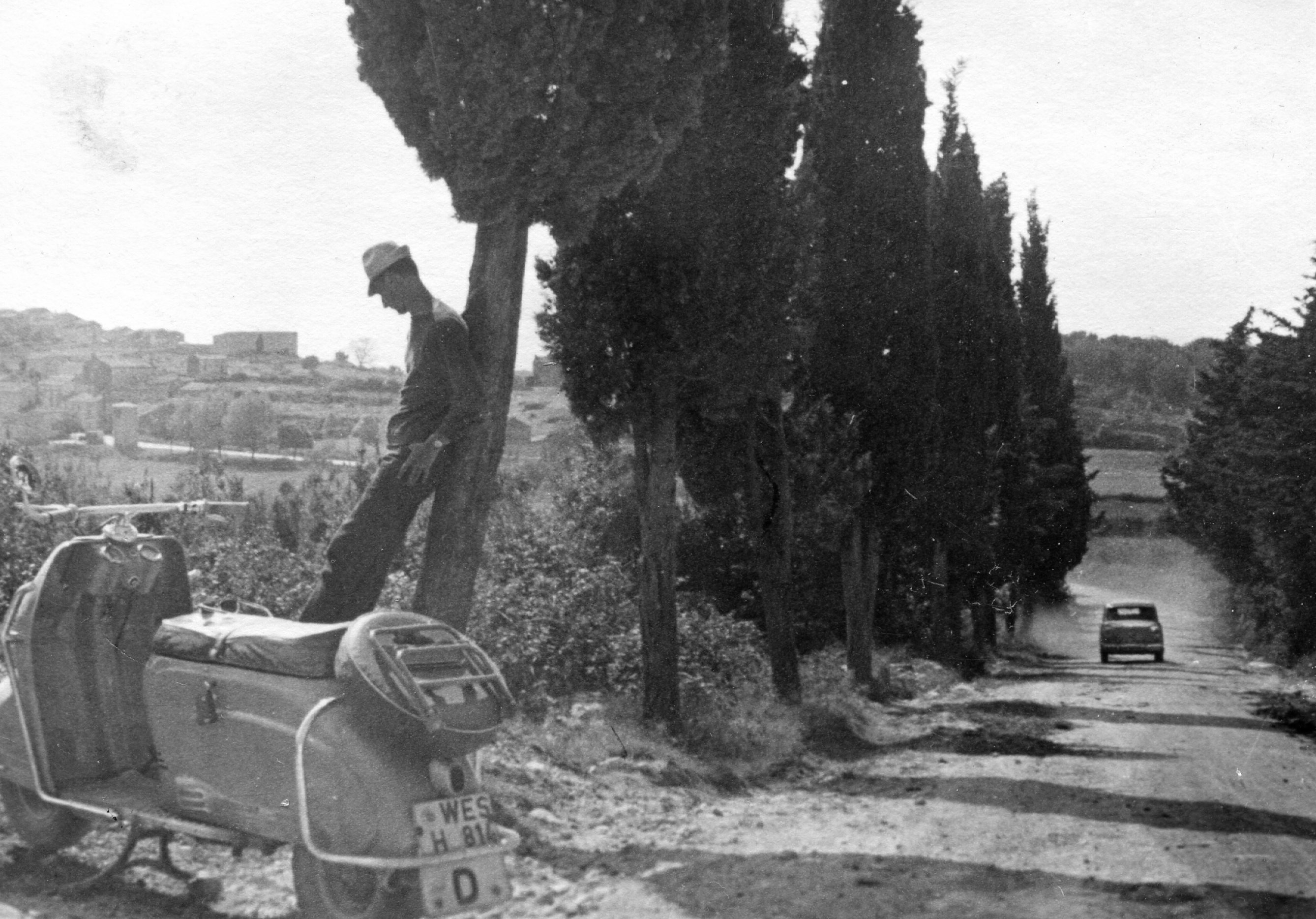
Peter Leaning against a tree on a Dusty Road

Peter Leaning against a tree on a Dusty Road

One event will stand out forever in my mind. On our way home we were held up for several days in a small Austrian town, where the old scooter had broken down with engine problems and needed a major repair job. It was the morning of August 13th. On our walk from the campground to the repair shop, we noticed that the usually tranquil, almost sleepy ambience had drastically changed overnight. An ominous gloom hung over this little Alpine resort. In front of shops, restaurants and cafés, on the market square, everywhere groups of people huddled together, some talking in subdued tones, others shouting angrily. Nobody paid any attention to us. It was eerie. Seeing so many people out on the street and not knowing what they were discussing instilled in us the uncanny feeling of imminent doom. Here and there we snatched up phrases from some of the more vociferous voices: There will be war. World War III. We are not going to fight another war. Austria is neutral. She will not be sucked into another conflict. What on earth had happened, we wondered, that made the people in this remote mountain town so excited?

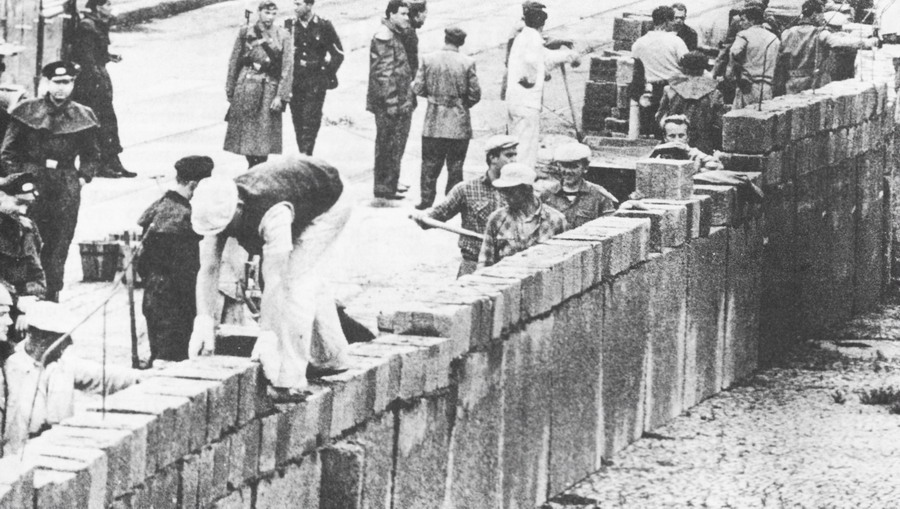
The Building of the Berlin Wall August 13, 1961

The Building of the Berlin Wall August 13, 1961

As we found out later, troops in East Germany, in flagrant violation of East-West agreements, had sealed the border between East and West Berlin, shutting off the last remaining escape route. The soldiers had put up barbed wire fences during the night, and Berliners woke to find they were living in a divided city. The fences were just the first step in a sequence of desperate measures to stem the flow of thousands of refugees. Train services between the two sectors had been cut off, and road traffic across the border came to a sudden halt. In the weeks that followed, work crews replaced the temporary fence by building the infamous Berlin Wall. If Klaus and I had heard the news over the radio or read the headlines in the papers, the impact of this momentous event in modern history would not have been as powerful on us as our witnessing of the passionate reaction of common people to such blatant attack on human liberty.

Gerhard Kegler, the general, who dared to disobey Himmler – Part IX

His Side of the Story 2


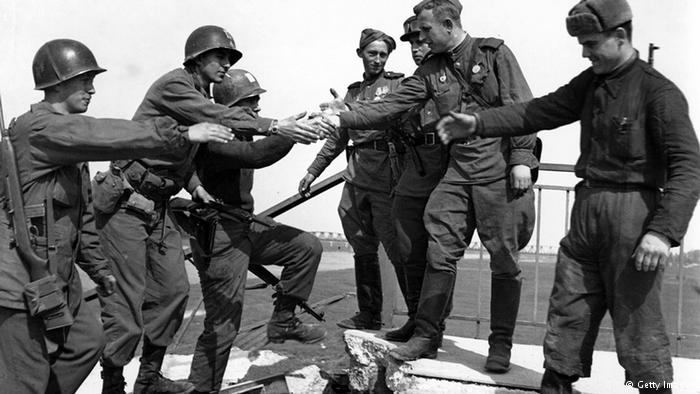
American and Soviet Forces Meet at Torgau April 1945 - Photo Credit: dw.com

American and Soviet Forces Meet at Torgau April 1945 – Photo Credit: dw.com

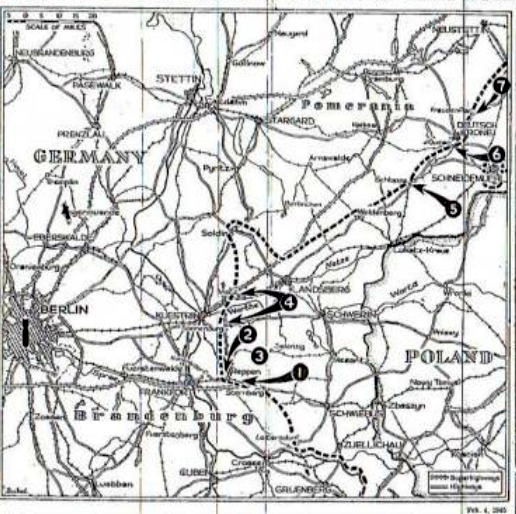
After much conscientious deliberation I decided to disobey the order, which I considered senseless and whose execution could not have brought any positive results, but would have cost great unnecessary human sacrifices. In spite of being threatened with court martial proceedings, I remained loyal to my conscience and relying on my three years of front experience in Russia I led the ‘division’ within four days in an orderly fashion to Küstrin with the purpose of integrating the troupes into the Oder front.

From the New York Times Edition of February 4, 1945

From the New York Times Edition of February 4, 1945

General Busse, former commanding officer of the 9th Army, describes in an article to the magazine ‘Wehrwissenschaftliche Rundschau’ the situation with the words, “He fled in a train to Küstrin”. Nothing could be further from the truth. The description and his conclusions do not agree with the facts.

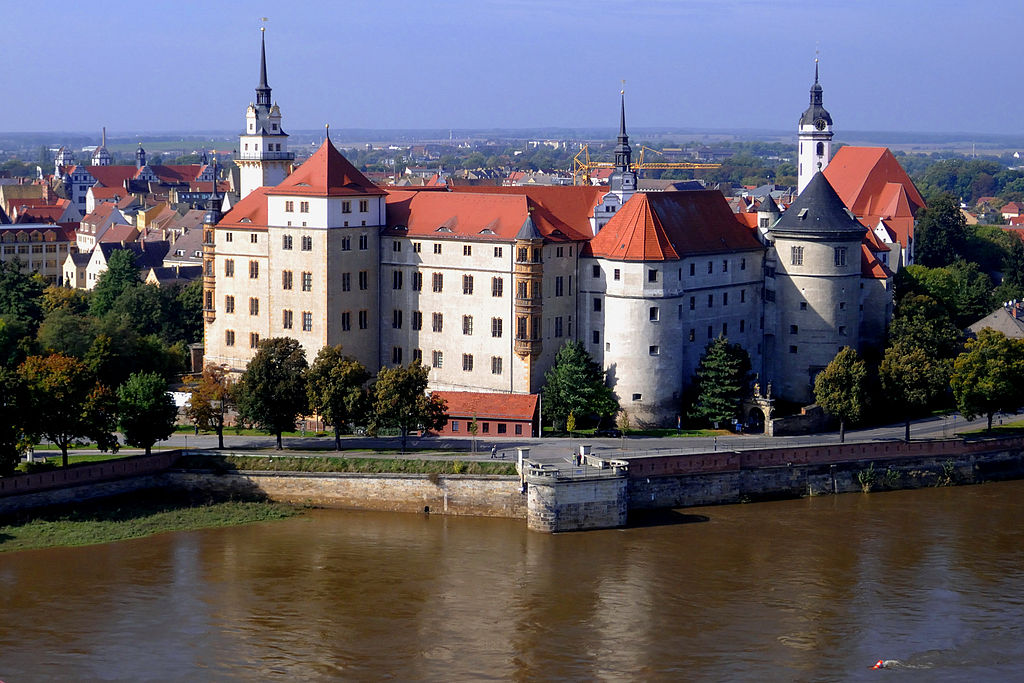
Castle Hartenfels at Torgau - PhtoCredit: wikipedia.org

Recent Photo of Castle Hartenfels at Torgau – Photo Credit: wikipedia.org

In the early morning hours of February 2, 1945 I arrived with the last unit at Küstrin-Neustadt. There I received the order to report to the war tribunal at Torgau. Dr. Jur. Freiherr von Dörnberg was commissioned to act as investigating judge. He could not prevent that I be sentenced to death, as it was then customary, and be sent on ‘probation’ to the Eastern Front, where as a regular soldier I was seriously wounded on the first front line.

Thus, from the first to the last day not only as soldier did I prove my mettle, but also saved the lives of many comrades and civilians through my opposition against a senseless retaining order (Durchhaltebefehl in German – defense order to fight to the last man).

Signed: Gerhard Kegler, Majorgeneral in retirement

Dr. Dietrich Kegler, the late Majorgeneral’s son, is presently writing an epilogue, which I will publish in a future post, as soon as it becomes available.

Irony of Life

A Wish Squashed Unexpectedly Granted

In 1976 our family moved to Fauquier, BC, at the beautiful Arrow Lake. Between our neighbor’s and our house grew a dozen or so young cedar trees. Nor more than five meters tall at the time they were just the right height to let the sun shine on our deck and provide the privacy Gertrud needed for taking a little break from the mounting duties in our seven-members’ household.

Our House after a Mobile was Added in 1977

‘Old’ House with Attached Mobile Home to Accommodate  our Large Family in 1976

Inge, our neighbor,  often came over for a visit and a cup of coffee. At one of those occasions she made the generous offer to have the cedar trees cut down to add more light to the south side of our house. However, we opted to maintain the fine balance between light and privacy and adamantly opposed the idea.

Ten years later we began to regret our decision as the cedars had almost doubled in height. Inge had moved to Vancouver and eventually sold the house to Dave, who although being a bachelor impressed us with his impeccably clean house and yard. He also loved the trees on his property, which, having turned into green giants, were preventing with their dense foliage the sun rays from reaching our home. We virtually lived in a shadowy world. I approached Dave a couple of times in an attempt to convince him to take out just a few of his beloved cedars. But he always gave me the negative reply. So at the end Gertrud and I gave up and resigned ourselves to the steadily growing darkness in and around our house.

Suddenly, Dave passed away one night of some undetermined illness and his brother  sold his house to some friends in Calgary. Again we are very lucky in getting some very fine neighbors, who take good care of their yard. Even though Tony and Anne are using their property mostly as a summer residence, they often travel the 600 km or more to keep their land attractive and in top shape. For them work appears to be recreation. First they built a storage shed, then they solved their drainage problem by building a massive retaining wall and then  after their trailer showed some water damage, they decided to build a garage.

By now, you must be wondering what I am driving at with my strange post. Perhaps you think that Peter got ‘off the rail’ with his theme “Irony of Life”, but read on and look at the photo gallery below. You guessed it. To build a garage between their house and ours more than half of the cedar trees had to be removed.

After only three days, for the first time in 30 years, precious sunlight was flooding bedroom, bathroom, and the mobile home living room and office. This is the irony of life. After you have given up on whatever your desire used to be, no matter how intense and urgent, you see its fulfillment, when you least expect it.

Now we feel a new conflict in our hearts. Yes, we need and love sunshine. But we also love trees and know their value for our environment.For that reason we also feel a little bit saddened by the loss of those mighty trees.

Chapter XIV of the P. and G. Klopp Story – Part 3

España, here we come (1960)
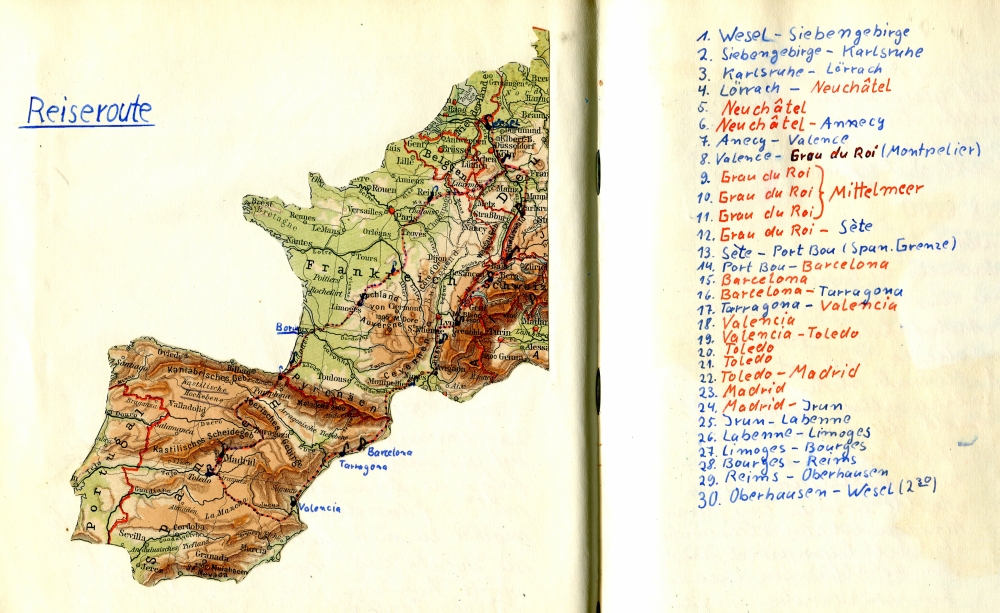
The Itinerary of our Trip to Spain 1960

The Itinerary of our Trip to Spain 1960 Taken from my Journal

When you travel, travel young. Your mind is still open to perceive the world in an unbiased way. It will stay a crack open, when you get older. You retain your precious memories much better and you are able and willing to undergo hardships, seek and find solutions in emergencies without giving up your dreams. When traveling with my friend and scout companion Klaus F. to Spain, I kept a journal of our journey, in which we two on alternate days made entries to describe our daily experiences.
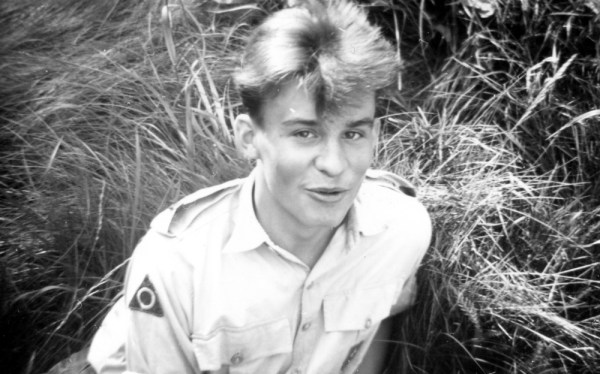
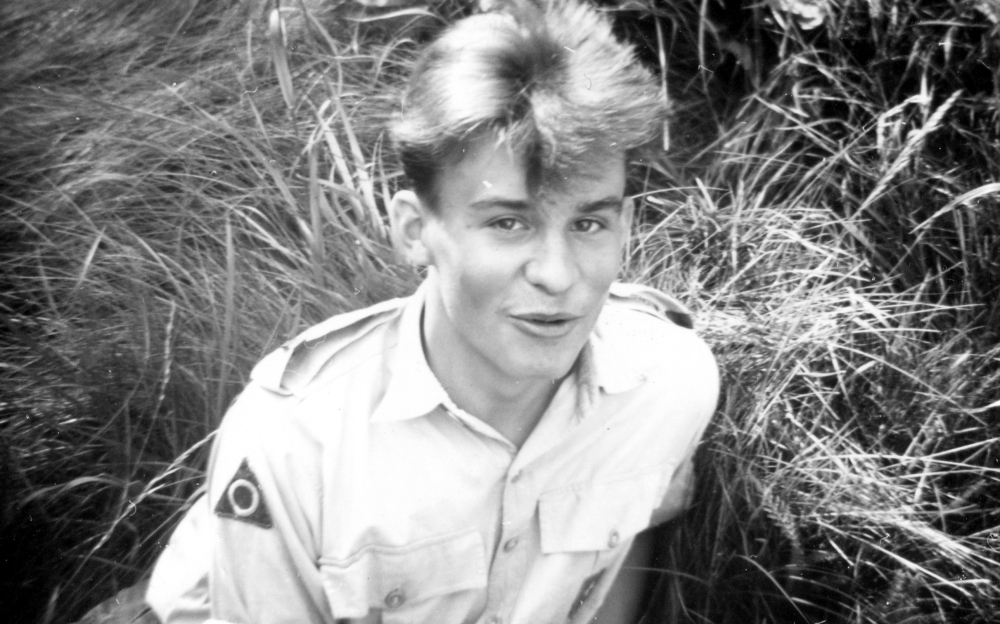
My Friend Klaus in Scout Uniform

My Friend Klaus in Scout Uniform

We described them with humor and wit often exaggerating each other’s foibles in a good-natured fashion. If a particular attack on one’s ego turned out to be a bit too caustic, there was always an opportunity for rebuttal and counterattack the very next day. We traveled on the cheap by hitchhiking through Germany, Switzerland and Southern France all the way to the Spanish border, where we bought train passes, because hitchhiking was next to impossible on the nearly deserted country roads. The journal, which is still in my possession, was my first major writing attempt apart from the mandatory boring school assignments. By composing in vivid and expressive language descriptions of land and people, I discovered and developed a talent for creative writing that led me to dabble in the art of writing poetry, short story, even a novel in the following years. Klaus and I looked handsome and respectable in our khaki uniforms. With them we instilled confidence, especially in older drivers, who would not have otherwise given us a ride.
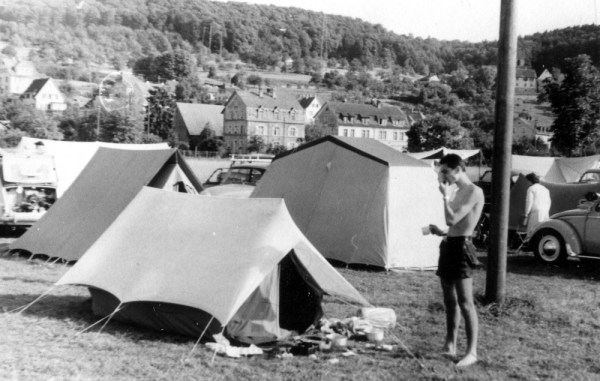
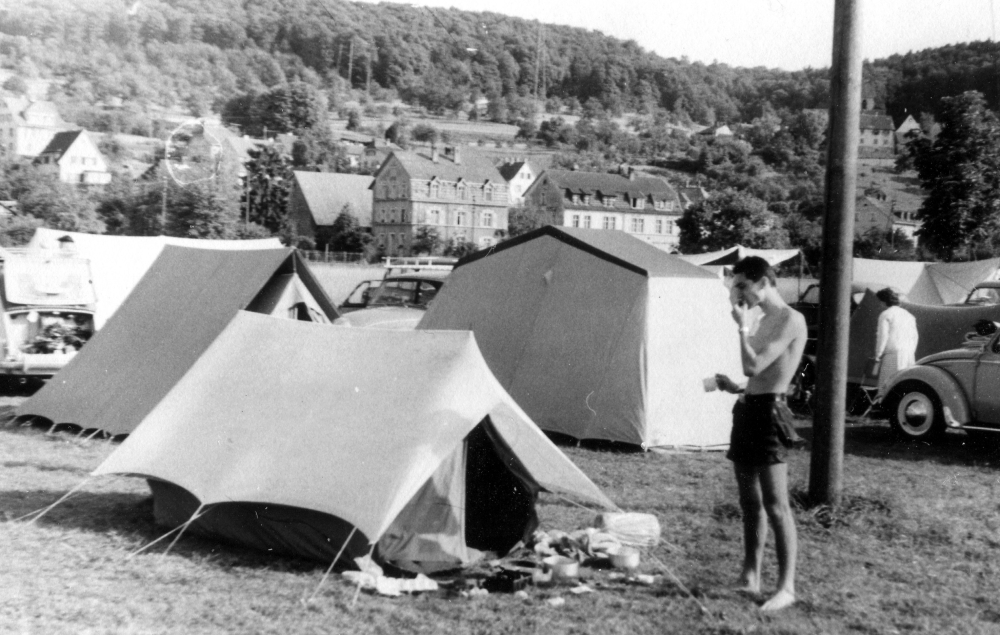
Campground near Montpellier, France

Campground near Montpellier, France – Peter Contemplating the Mess

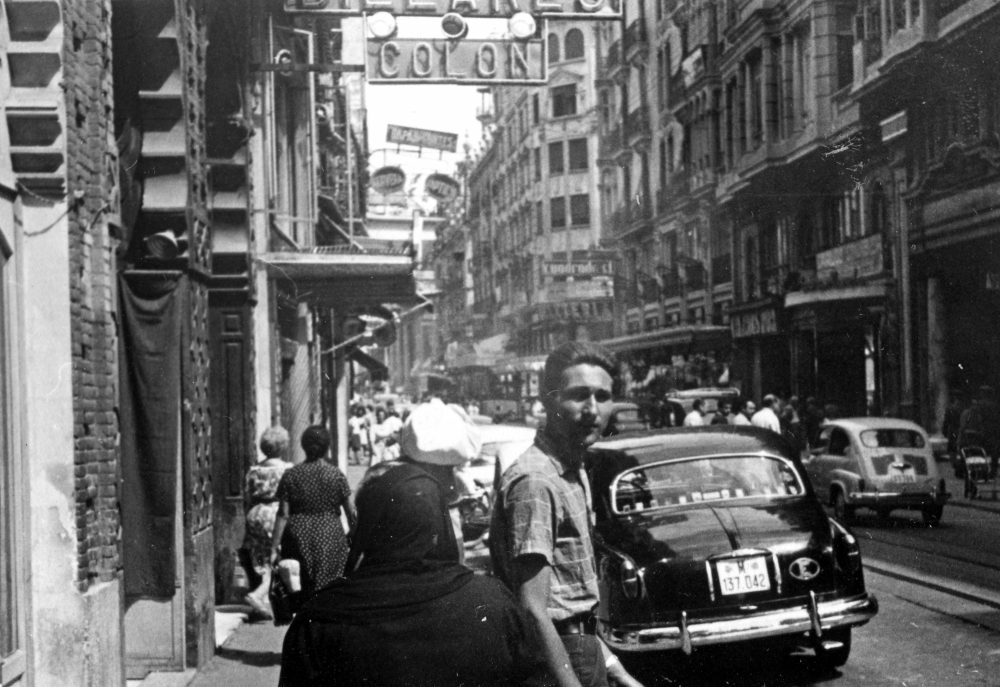
By train mostly in fourth-class compartments we made an exciting semi-circle tour of the northern half of Spain including Tarragona, Barcelona, Valencia, Toledo and Madrid. In the overcrowded train cars we were with body and soul close to the life of common people. Even though we did not understand a single word of Spanish, we felt the excitement of being part of it all. Wine was being passed around in bulging wineskins. The chatter of peasants talking about their crops and livestock was filling the smoky compartments. The train stopped at every minor railroad station, where women brought cages of chicken on board in the hope of selling them at the next major market place first thing in the morning. Somewhere from another compartment we heard singing (or was the sweet wine we had a little bit too much of?), which lulled us to sleep, as the train was rumbling through the night.
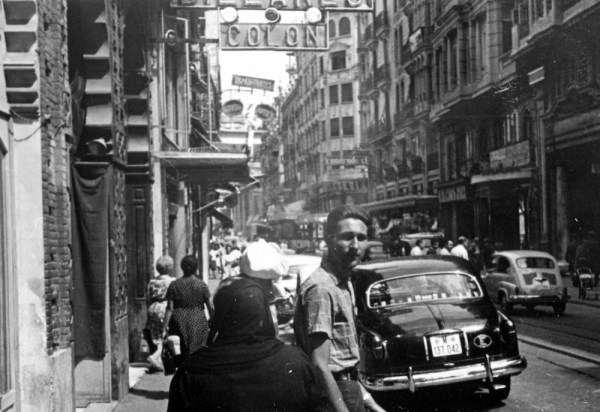
Exploring Spain's Capital City Madrid

Peter Exploring Spain’s Capital City Madrid

We spent a few days in the capital of Spain, where a visit to the national arts museum, the famous Prado, was on our agenda. There we stood in awe in front of Ruben’s illustrious oil paintings depicting voluptuous women in the buff with their blissful expressions on their faces. A bit shy about this entirely new experience it was not surprising that the erotic assault on our senses did not find any mention in the otherwise so open-minded journal.
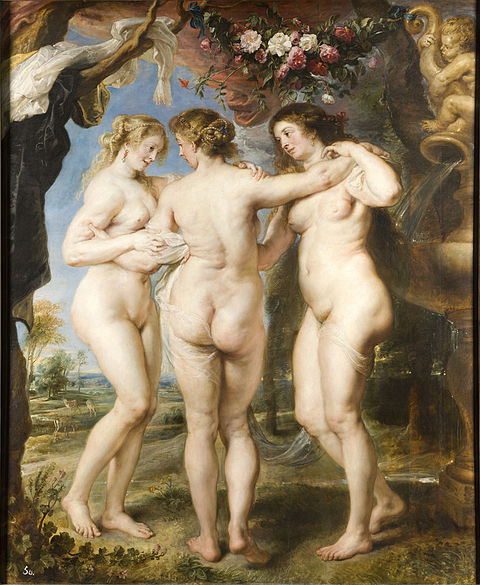
The Three Graces by Peter Paul Rubens - Prado Museum Madrid

The Three Graces by Peter Paul Rubens – Prado Museum

The youth hostel in Madrid was modern and had more the appearance of a hotel than that of a simple shelter for young people on the go. We ate; no, we gorge ourselves with delicious food and wine from large pitchers placed generously on the dining tables in the cafeteria. Unfortunately, in this not overly sanitary environment Klaus picked up the stomach flu, which made him stay close to the nearest bathroom for the next couple of days. Our last train ride through the green, lush Basque countryside fed by the mist of the nearby Atlantic Ocean was not exactly a pleasure trip. We lost all interest in the scenic beauty, as my friend’s condition worsened by the hour. By the time we crossed the border into France, he was plagued by a high fever. He needed rest. So at the first opportunity I quickly set up our tent on a lakeshore and made Klaus crawl inside and lie on his air mattress to get if possible a little bit of sleep and recuperate from the ordeal of the train ride.
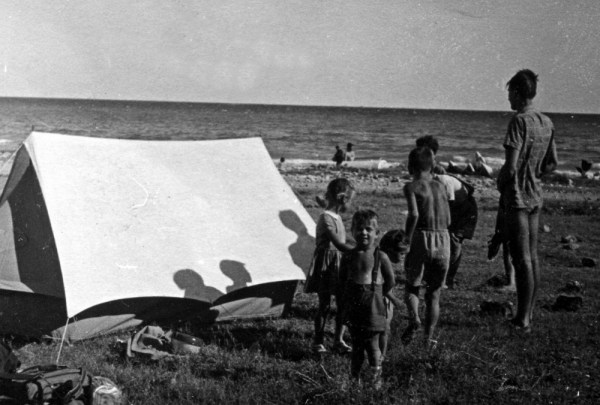
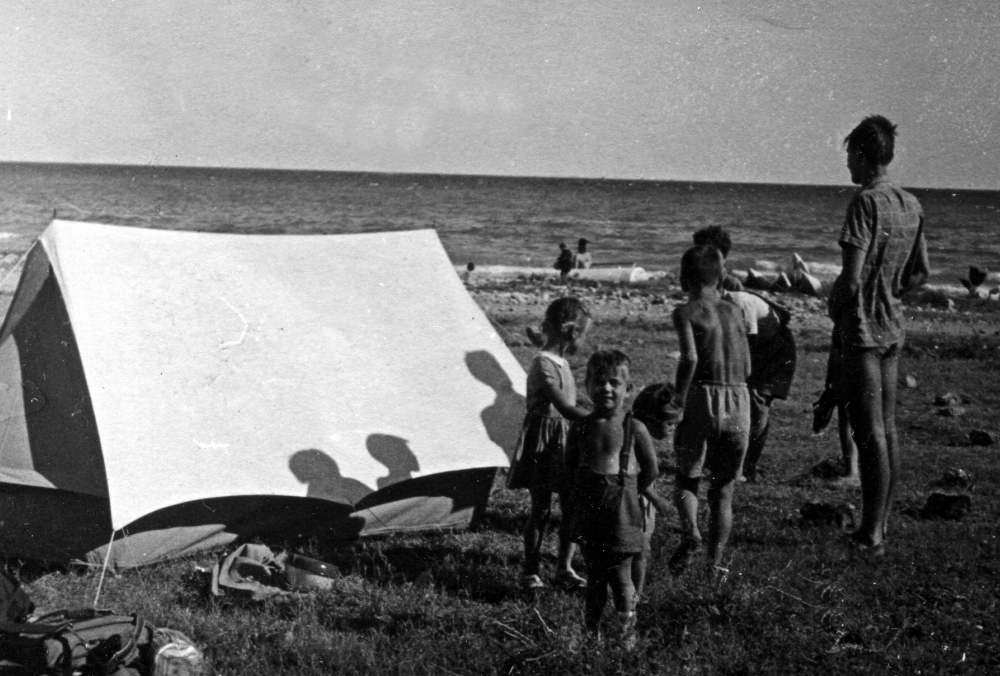
Camping at the Mediterranean Sea

Camping at the Mediterranean Sea

At a good distance from the tent I heard some yelling and screaming by frantic French women whose message was that we should leave the beach area. While Klaus was uttering incoherent sentences and I was tempted to ignore the warnings pretending not to understand any French, the good ladies shouted all the more loudly and more urgently with words I could not fail to miss lake, ocean, connected, tide, drown. Finally I comprehended that the tide was coming in and we would be under water within three hours or less. Now I had to convince Klaus that we were in grave danger and that we had to move our tent up away from the beach. After much coaxing he reluctantly came out, whereupon I pulled out all the pegs and dragged the tent and its content up to higher grounds. When perusing the old journal and rereading some of the other entries, I became aware how many perilous situations we had encountered on our otherwise fascinating road trip.