Gerhard Kegler, the general, who dared to disobey Himmler – Part VIII

His Side of the Story

While Gerhard Kegler was fighting for his pension with the bureaucratic system of West Germany, he also had to defend his honor as former general of the ill-fated ‘Woldenberg Division’. As this post and next week’s post are going to be the last ones on my uncle’s military life, I consider it important to publish his own personal response to the slanderous attacks by his former commanding officer (General Busse) of the 9th Army and let Major-general Kegler have the last word on this matter.

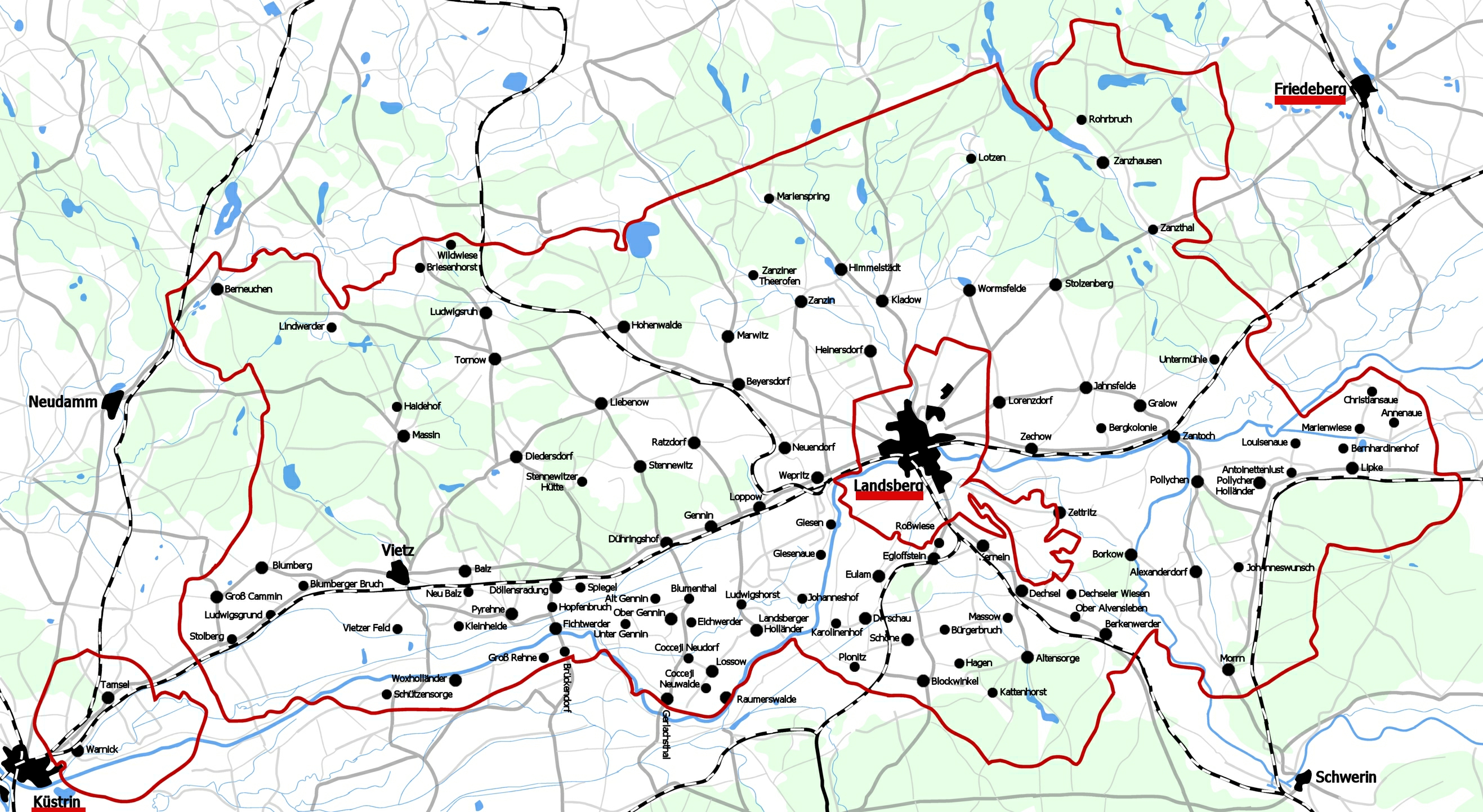
Landsberg_gross

On January 30, 1945 I received from Himmler the order to take command of the ‘Woldenberg Division’. I did not receive any orientation about the military situation nor any specific instructions. I had to locate the ‘division’ myself. I found the command center east of Friedeberg. There was no connection with any high-level command posts. Adjoining troops did not exist. Shortly before noon I took charge of the command at a time, when the hastily assembled ‘division’ had already begun its retreat in a nearly disintegrated condition.

In the morning of January 31, I was busy with the arrangements of the left-over army units in Landsberg. Then I noticed that the ‘division’ had no antitank weapons, no reserves of ammunition and food provisions, and no communication units. There was no physician for the ‘division’. The artillery consisted of two horse-drawn batteries.The ‘division’ was not a “very strong fighting unit”. The troops were definitely not battle-ready.

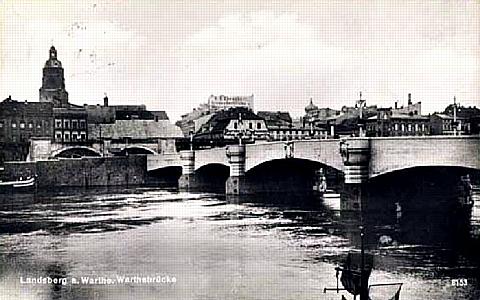
The Warthe Bridge at Landsberg

The Warthe Bridge at Landsberg

For the town of 45000 inhabitants no preparations had been made for its evacuation. The high command of the 9th army passed on to me through the army’s mail service Himmler’s order that I had to defend the town of Landsberg as a fortress. On that day Russian tanks had already entered the area north of the Warthe-Netze region. I ordered the Warthe bridge to be blown up.

To be concluded next week …

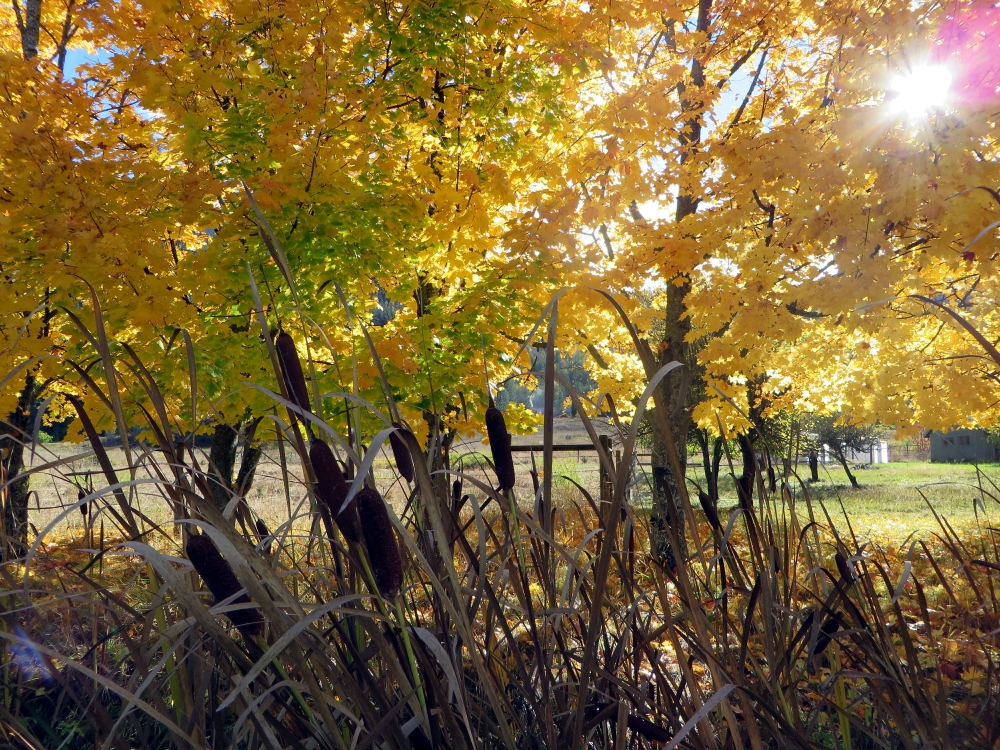
Autumnal Splendor in and around Fauquier BC

OLYMPUS DIGITAL CAMERA

Photo Story: Autumn Fire

02

My wife wrote this lovely poem in 2002.

Keeping Watch over the Fallen Leaves

Keeping Watch over the Fallen Leaves

Gravenstein Apples ready for the Picking

Gravenstein Apples ready for the Picking

Ladybugs digging themselves a Fruitful Den

Ladybugs digging themselves a Fruitful Den

OLYMPUS DIGITAL CAMERA

Golden Maple Leaves in our Yard

Sun Rays Putting on a Light Show by the Roadside

Sun Rays Putting on a Light Show by the Roadside

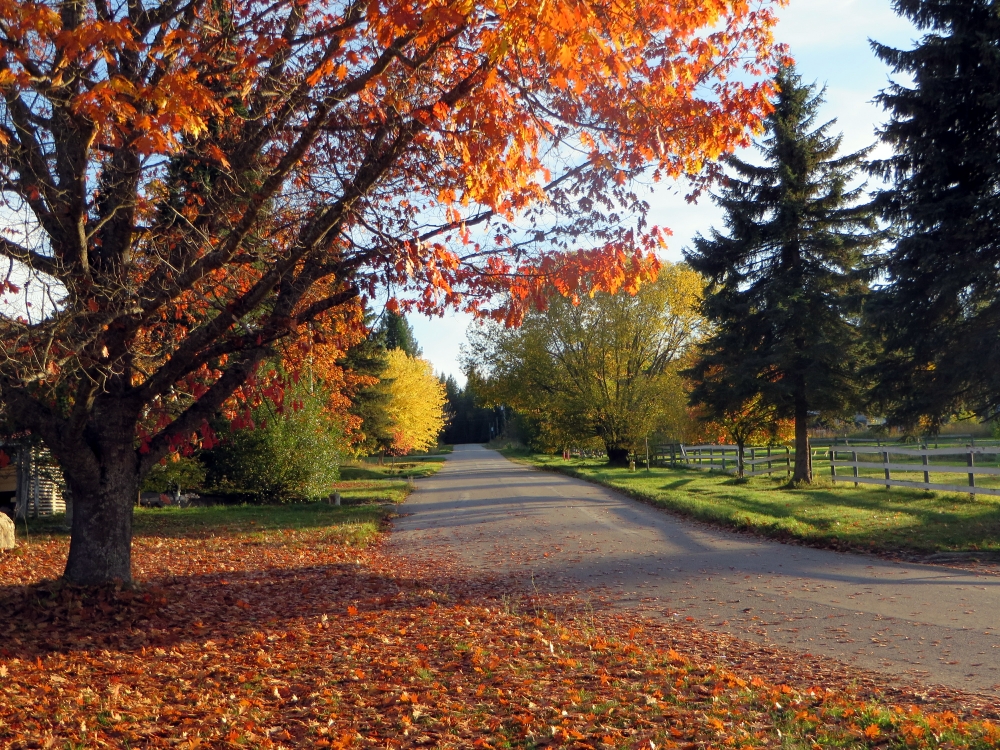
Spectacular Colors on the Way to our House

Spectacular Colors on the Way up to our House

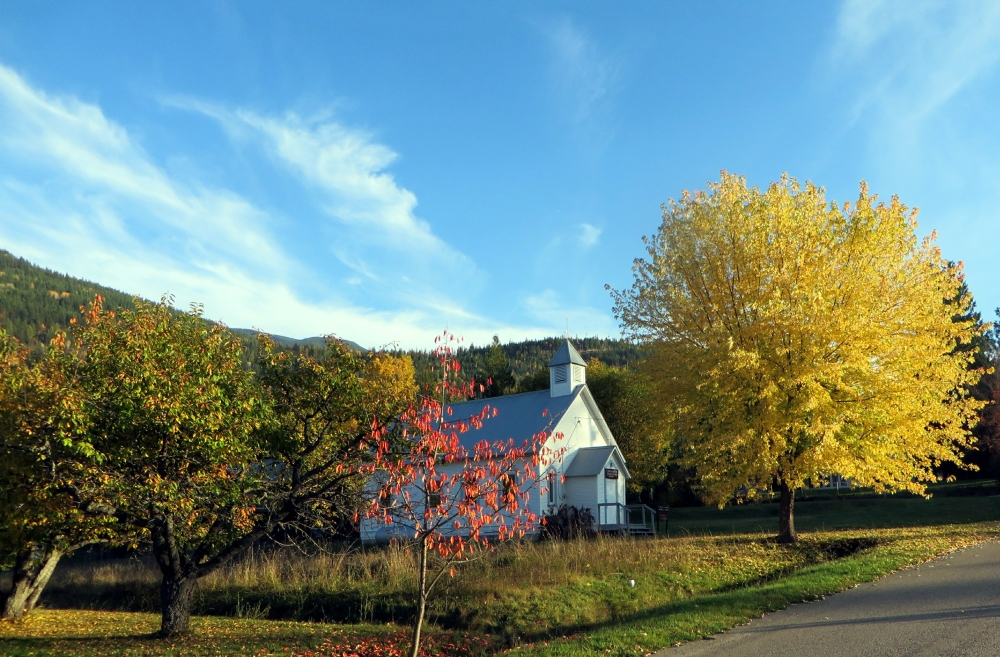
Our Little Village Church on a Beautiful Fall Day

Our Little Village Church on a Beautiful Fall Day

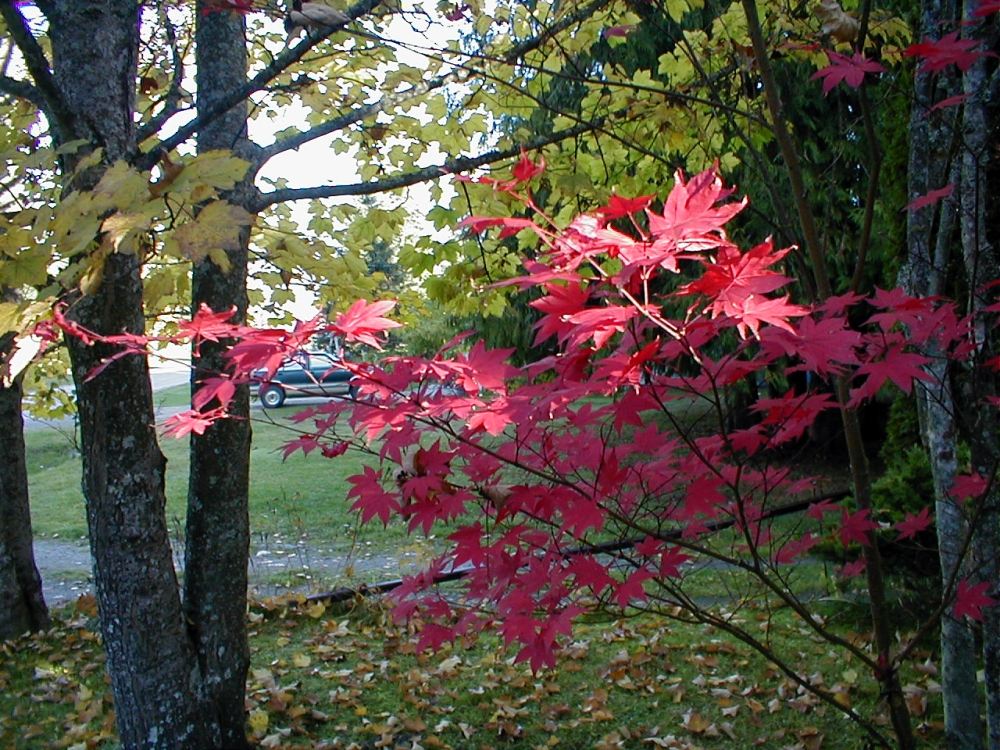
Ornamental Maple Tree in its Fiery Dress

Ornamental Maple Tree in its Fiery Dress

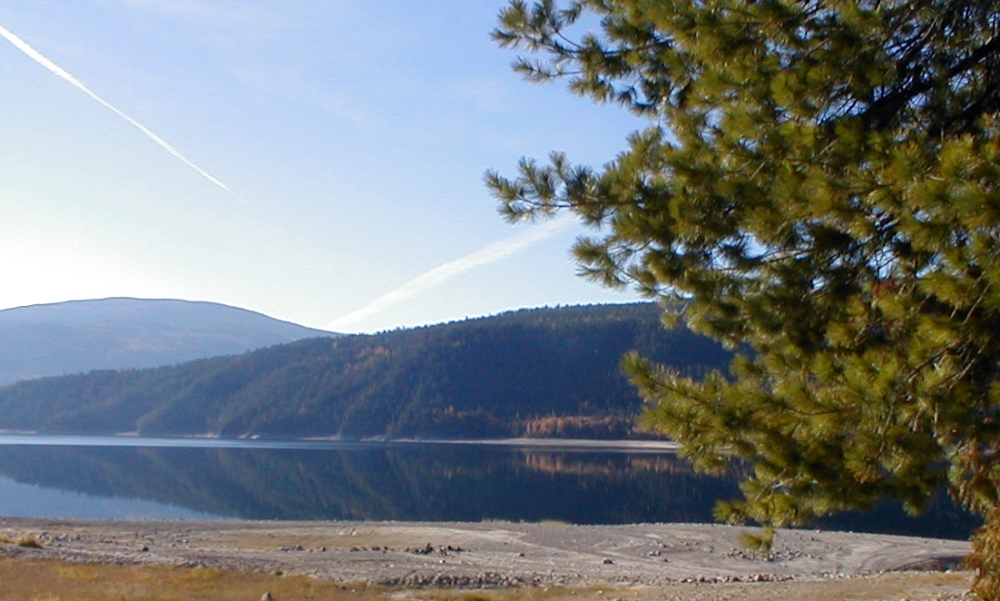
The Arrow Lake Inviting to a Canoe Ride

The Arrow Lake Inviting to a Canoe Ride

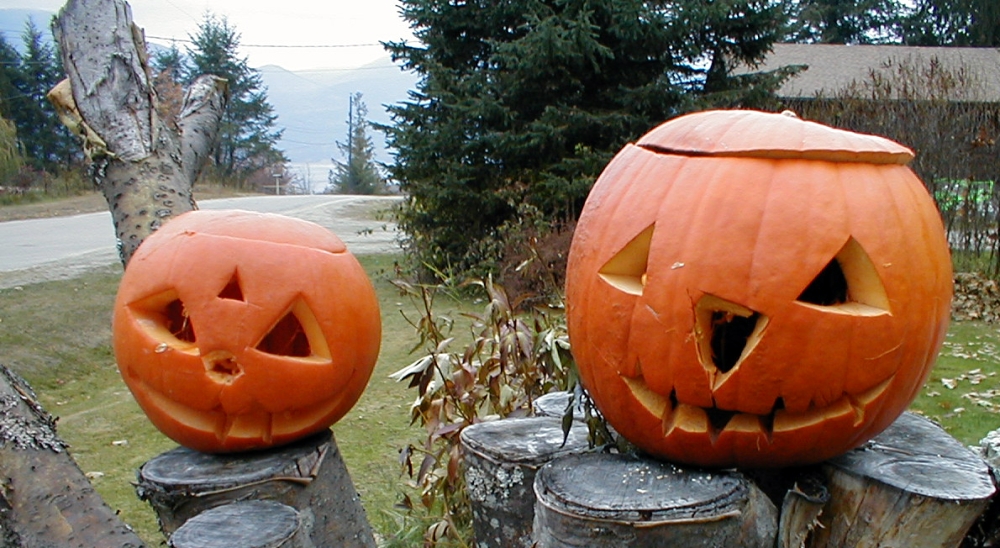
The bright orange pumpkins announce that Halloween is not very far.

The bright orange pumpkins announce that Halloween is not very far.

Adding Meaning to Thanksgiving

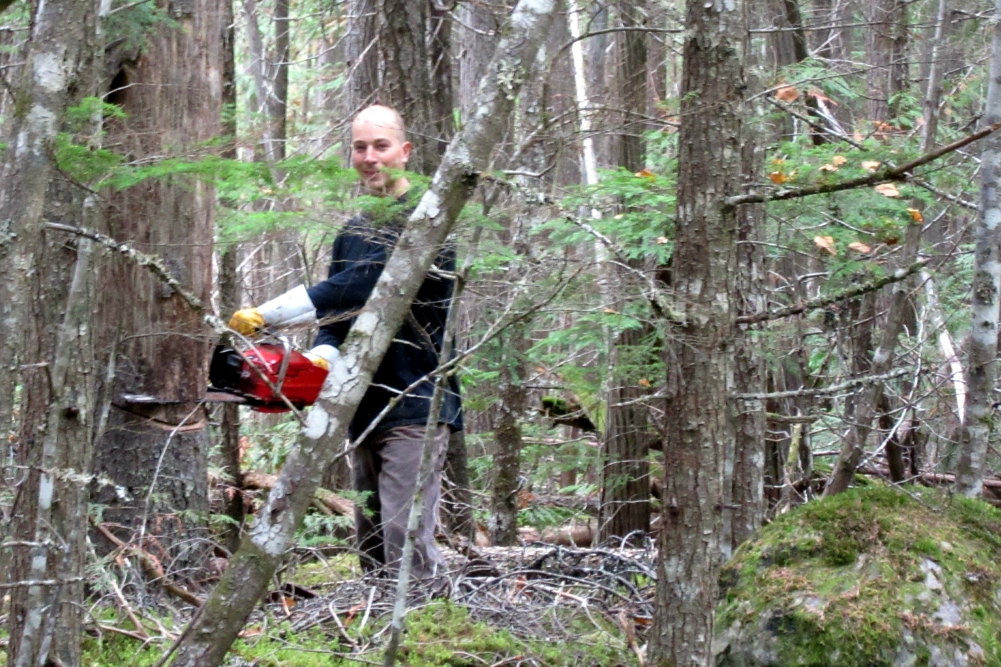
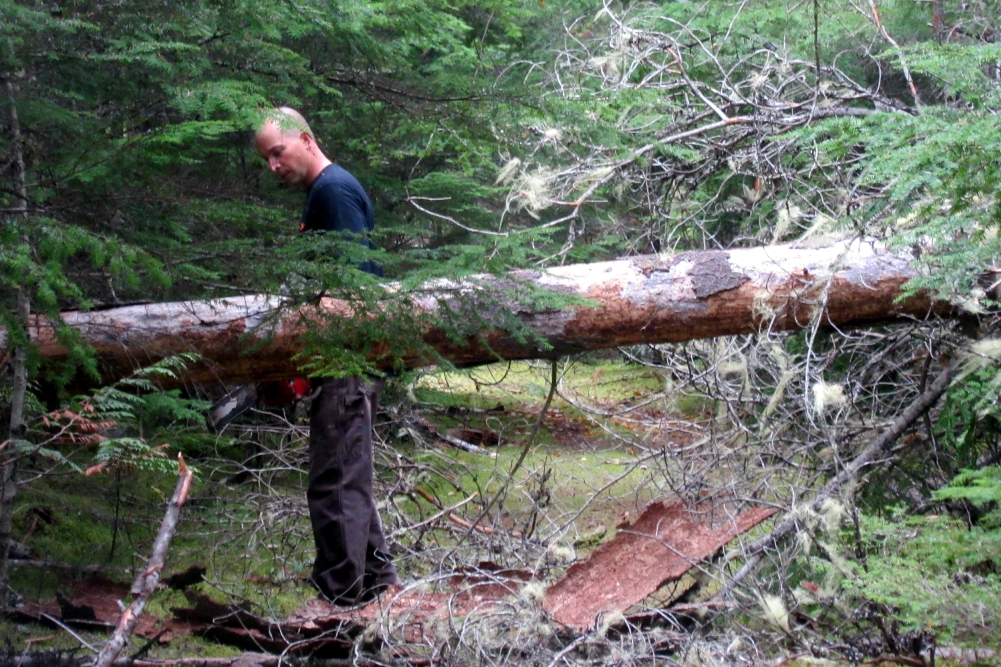
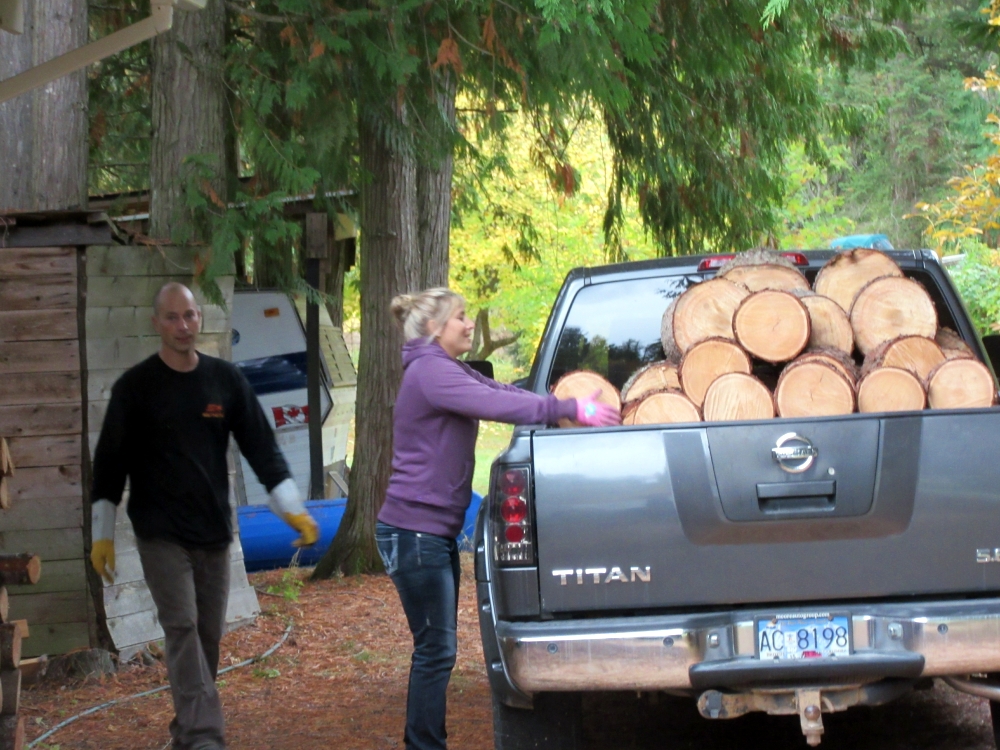
Michael and Angie Helping Gathering Firewood

Chart I – IV

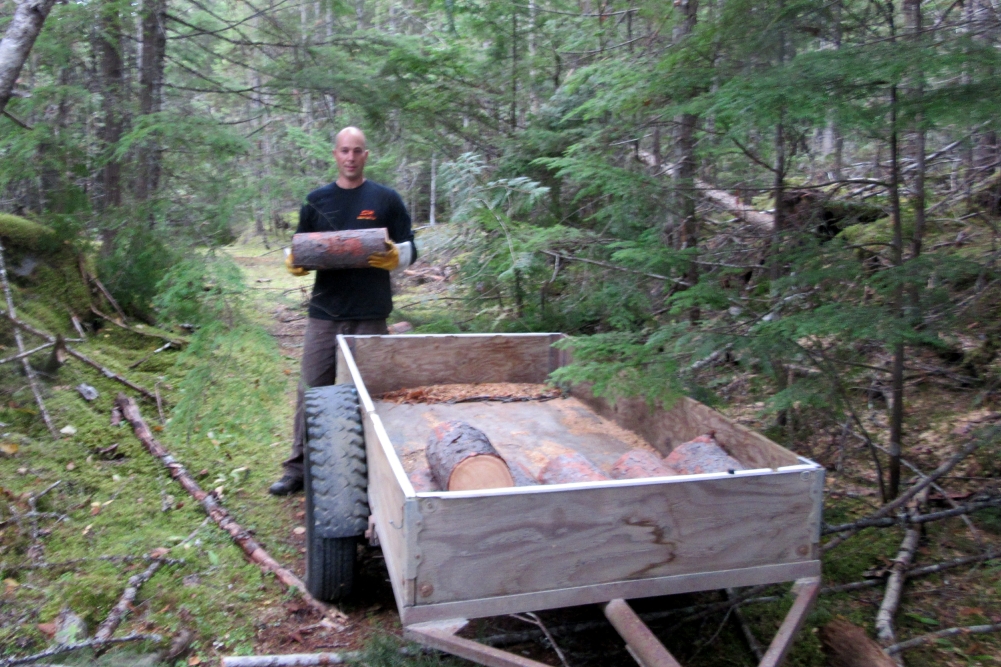
On the Canadian Thanksgiving Weekend our son Michael and daughter-in-law Angie dropped in on a surprise visit. And what a surprise it was! They came to help  to get some firewood out of the Taite Creek area. While my foot had healed quite well over the past eight weeks, our family doctor insisted that I should not yet go into the woods picking mushrooms or cutting firewood. So the following photo essay will express our joy and appreciation for what Michael and Angie have done for us.

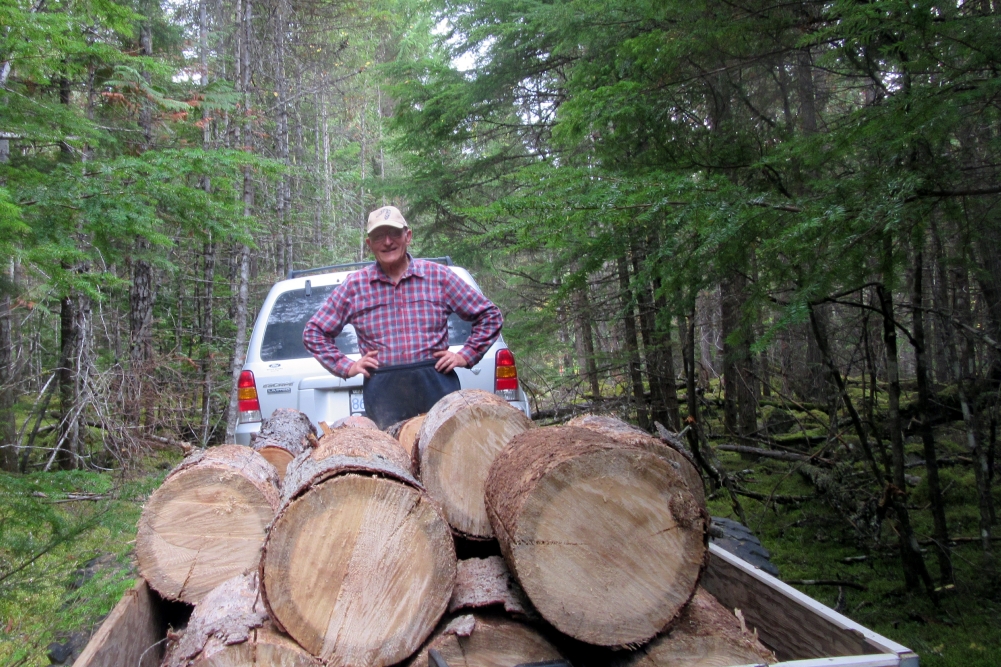
After Michael's truck was loaded with logs from a large pine tree, Michael cut down a larch for my small trailer.After Michael’s truck is loaded with logs from a large pine tree, Michael cuts down a larch for my small trailer.
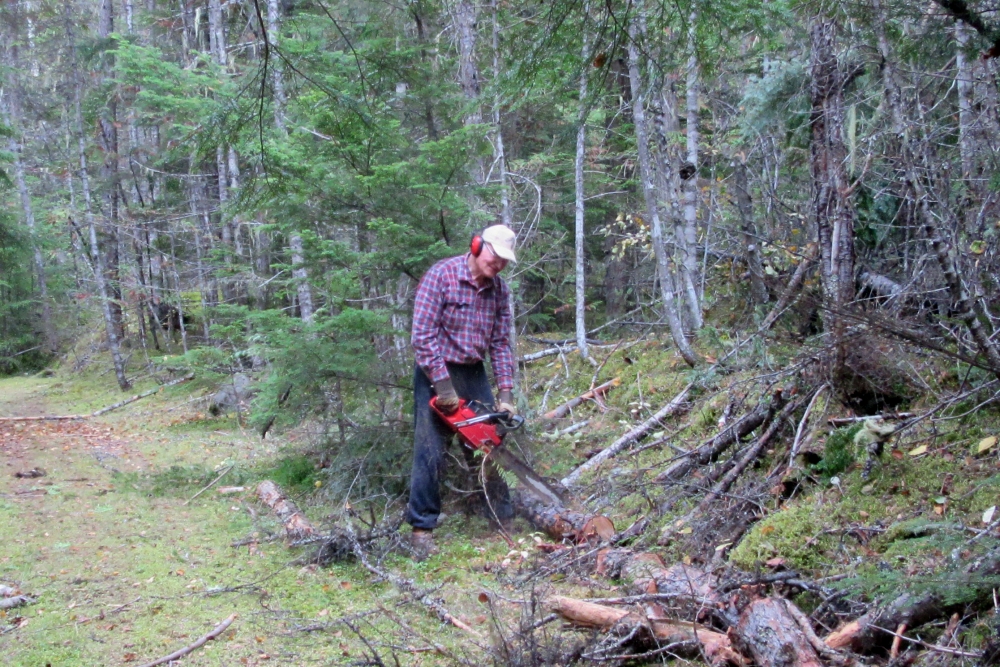
Still having to be careful with my right foot, I cut the fallen tree into small pieces, while Michael carried them to the trailer,Still having to be careful with my right foot, I cut the fallen tree into small pieces, while Michael carries them to the trailer.
When there was still room for more logs on the trailer, Michael cut down another pine tree.Because there is still room for more logs on the trailer, Michael cuts down another pine tree.
Since the fallen pine tree was blocking the road, Michael cut the middle section out of the tree.Since the fallen pine tree is blocking the road, Michael cuts the middle section out of the tree.
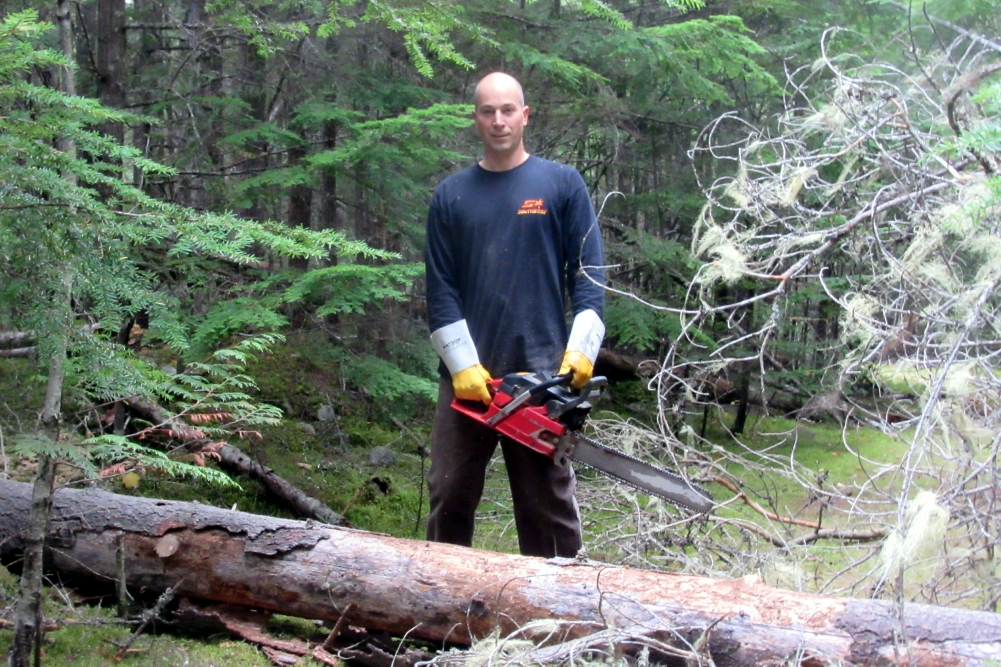
05He expertly accomplishes this task by two undercuts and then proudly presents himself with the chainsaw for the photo above.
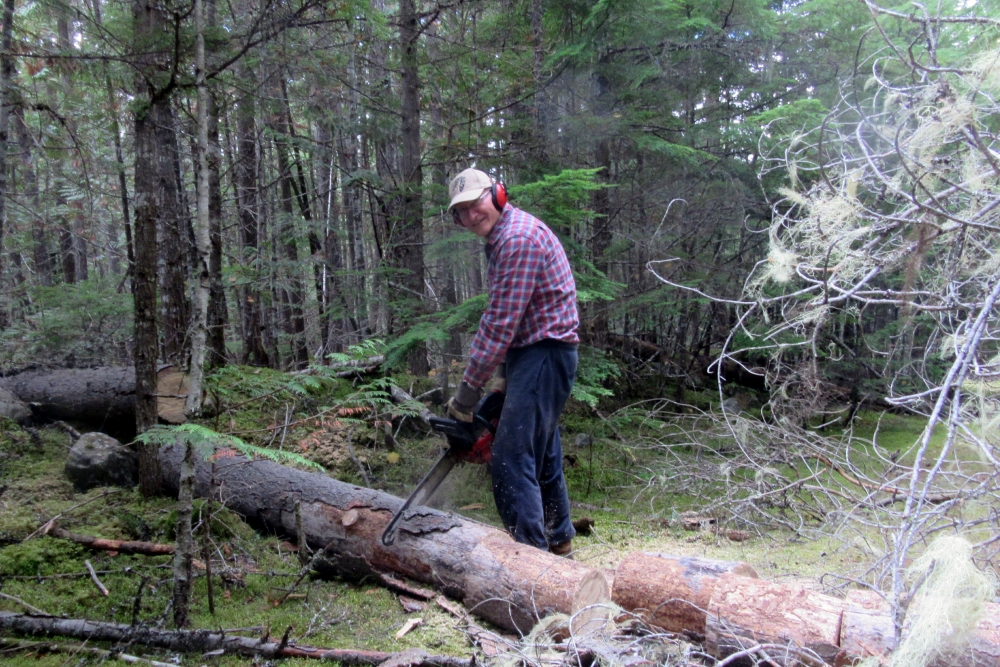
Then it was my turn to cut the large section into logs that Michael carried to the trailer.Then it is my turn to cut the large section into logs that Michael then carries to the trailer.
07Standing behind our trailer, I am looking thankfully at the load of pine and larch firewood.
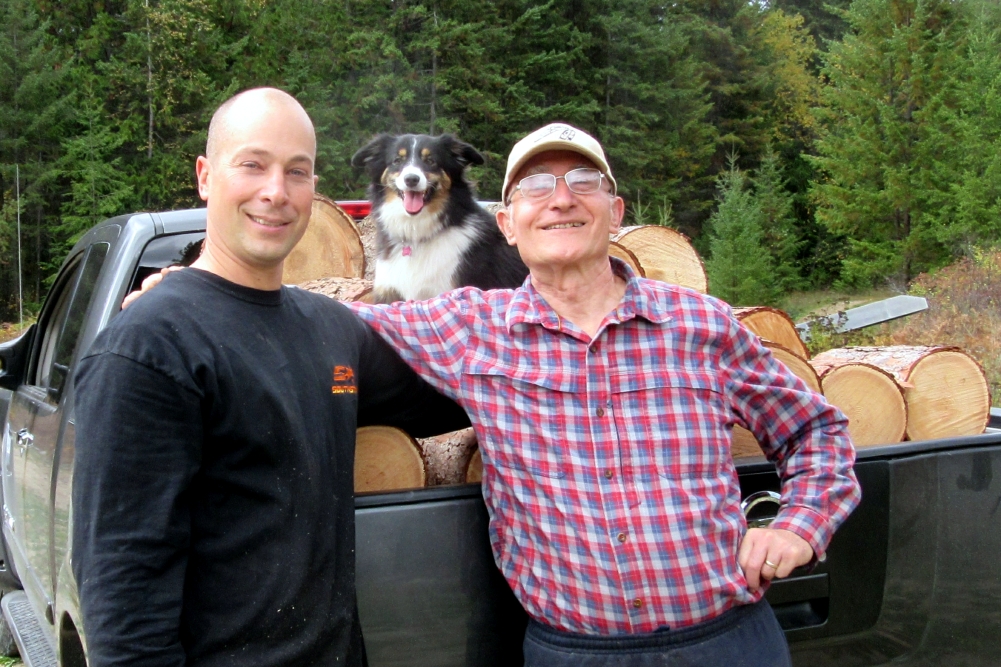
08With a truck full of precious firewood, we are thankful and all smiles. Even Piper, the miniature Australian shepherd, appears to make a happy face.
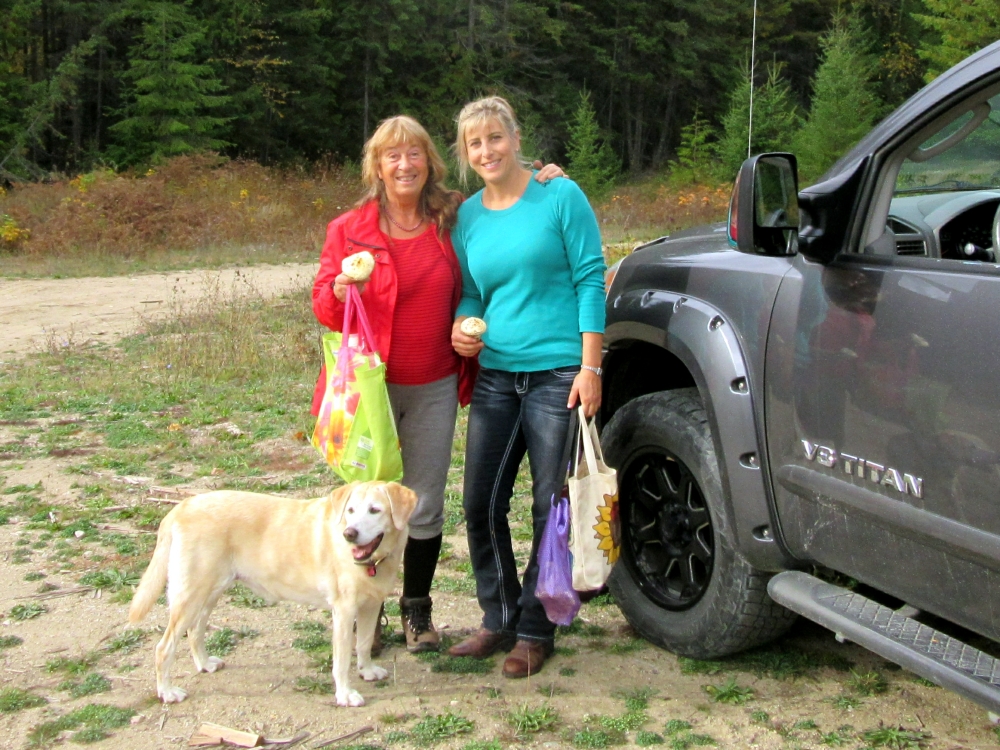
09In the meantime Biene and Angie had been scouring the woods for those elusive pine mushrooms and are showing off their loot.
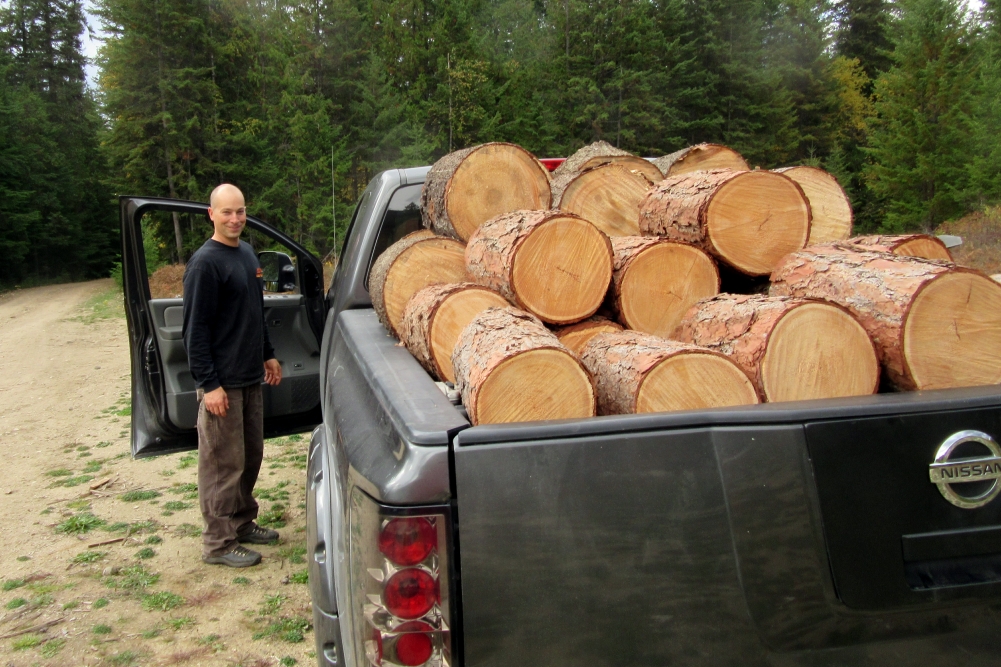
11Now it is time to bring home the treasure to keep us warm this coming winter season.
12While I am taking pictures, Michael and Angie are unloading the truck. What a joy in a father’s heart!

After all this hard work, we all sat down for an early Thanksgiving dinner that Biene had so lovingly prepared before our outing into the woods.

Happy Thanksgiving to you all!


Chapter XIV of the P. and G. Klopp Story – Part 2

koepenick 1

Berlin-Köpenick, Dahmeufer, Altstadt, Panorama – Photo Credit: Andreas Steinhoff

Visiting Relatives in East Berlin 1959

Chart I – II of the Klopp Family Tree

A few days after the sightseeing tour with Peter I went to see Aunt Alma in Berlin-Köpenick. In contrast to Aunt Meta’s tranquil life in Freiburg, the apartment in Köpenik was a beehive of activity of more than ten family members bustling about. The spacious living room could hardly accommodate the large family. On the one hand I felt like a guest of honor, being the youngest son of Alma’s youngest brother (my father). But I also had the impression that they all had come together to gawk at this rare specimen from West Germany. At age 77 Aunt Alma was still strong in spirit and body to run the household of her daughter Else and son-in-law Artur Thiess and their four daughters. Two were already married with children at the time of my visit.

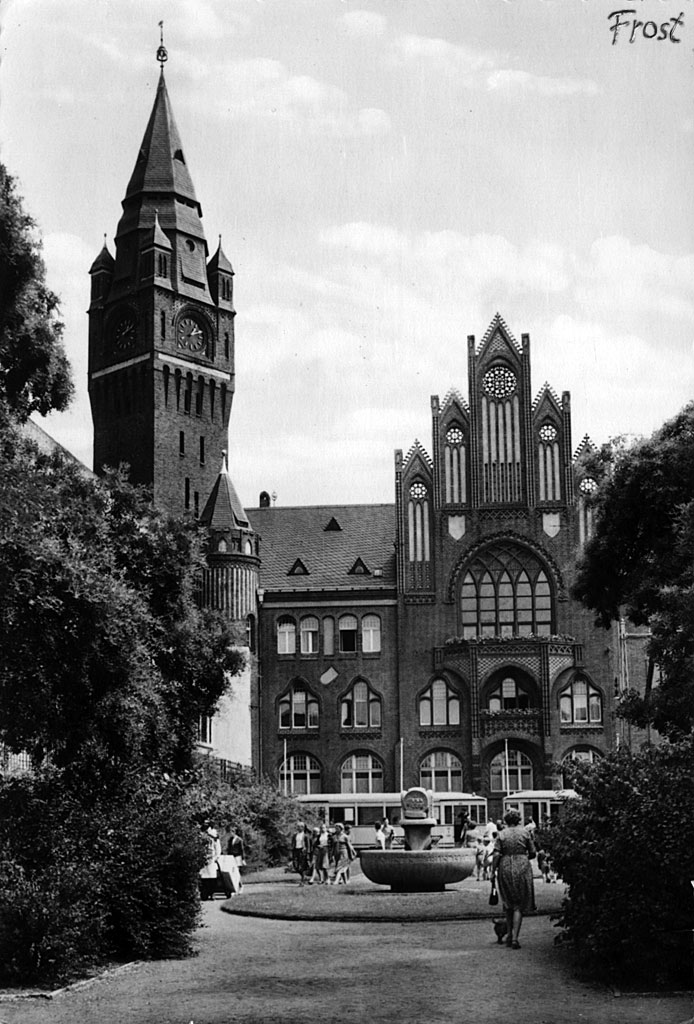
Rathaus 1961 - Photo Credit: koepenick.net

City Hall (Rathaus) 1961 – Photo Credit: koepenick.net

Uncle Artur was actually my cousin. But I called him uncle, because he was almost forty years older than I. He was engineer. He had published a book on low frequency communication technology and was giving lectures at the Humboldt University as a specialist in the field of electronics. I took an instant liking to him, not because of my hobby akin to his academic work, but rather because of the fact that he was one cut above the rest of those adult family members, who had chauvinistically embraced the communist-socialist ideology. He impressed me with his sharp wit and disarming humor, with which he distanced himself from the political narrow-mindedness of his sons-in-law. Perhaps more importantly, he was for me a father figure radiating kindness and affection. No wonder I maintained contact by corresponding with him until his death in 1992. Apart from the one-sided political talk about the advantages of their peace-loving society versus the corrupt war-mongering system of western capitalism, to which I had nothing to add, confirm or oppose, it was a very enjoyable time spent in a family so wonderfully knit together. One thing of great interest to me was the stereoscopic viewer, in which Uncle Artur had inserted glass plates each containing two b/w images that he had taken with his special 3d camera. The quality of these images was absolutely stunning. For the first time in my life I got a glimpse of the land, where I was born. Artur had taken many pictures on his various visits to Father and Mother’s place at Gutfelde (Zlotniki). When I looked at them, it was like traveling back to a time, when my parents were happy and managed together the three large estates entrusted to them.

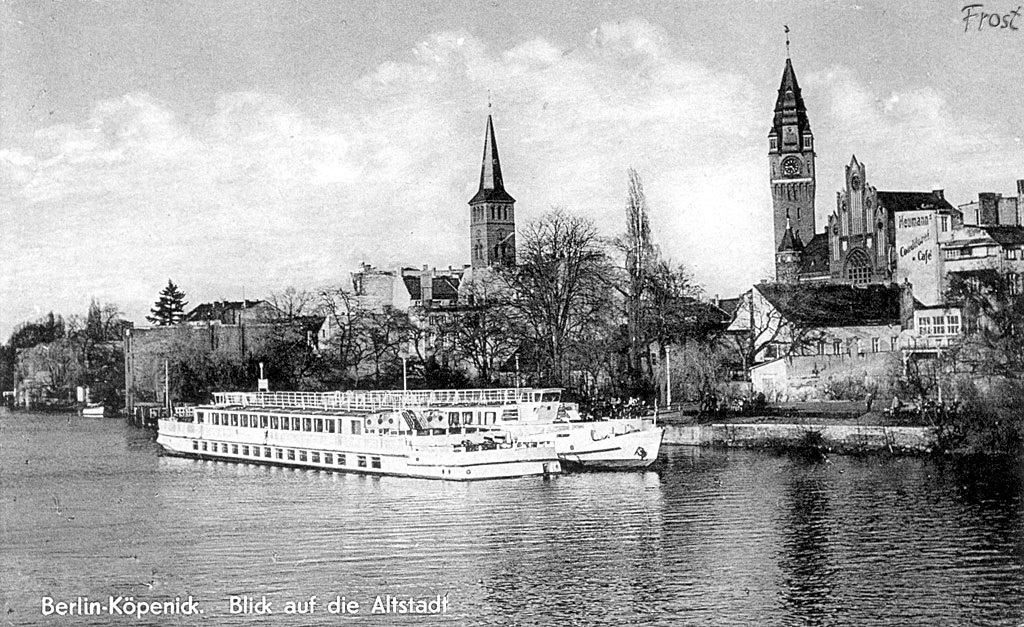
View of the Altstadt - Photo Credit: koepenick.net

View of the Altstadt – Photo Credit: koepenick.net

In the afternoon Aunt Alma took me to the cottage of her elder sister in the garden district of Berlin-Köpenick. Aunt Jula was born as the second child to Friedrich and Emma Klopp in 1877. She had lived a colorful life spending her teenage and early adult years in Vienna as student and artist. She struck it rich by marrying a wealthy mining director. Later on she became the proud owner and manager of a hotel, but lost it all again during the turbulent inflation years after WWI. In a deal that went bad she took out a mortgage on her property to help out her brother Hermann, a classical rags-to-riches story in reverse.

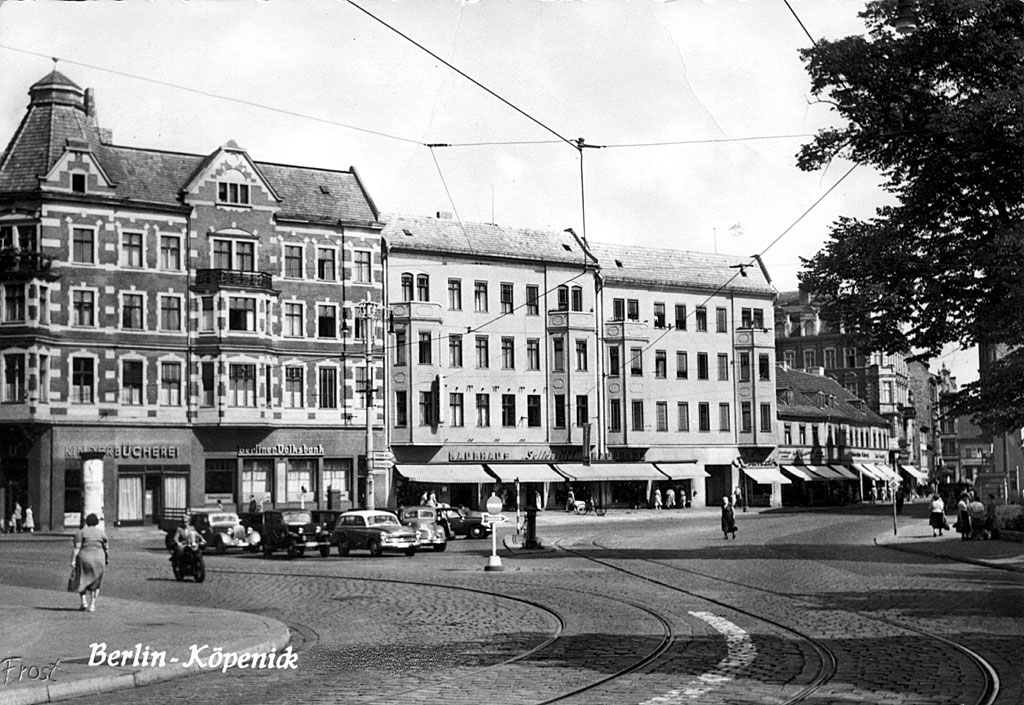
Schlossplatz - Photo Credit: koepenick.net

Castle Square (Schlossplatz) – Photo Credit: koepenick.net

This feisty old lady must have absorbed the whole gamut of communist ideology and firmly believed in it. For she presented her distorted views with so much passion that only unwavering conviction can deliver. In her strident tirades against capitalism she did not spare the West German Chancellor Konrad Adenauer, a Nazi in disguise in her strong opinion, who was planning to wage a revisionist war against her peace-loving republic.

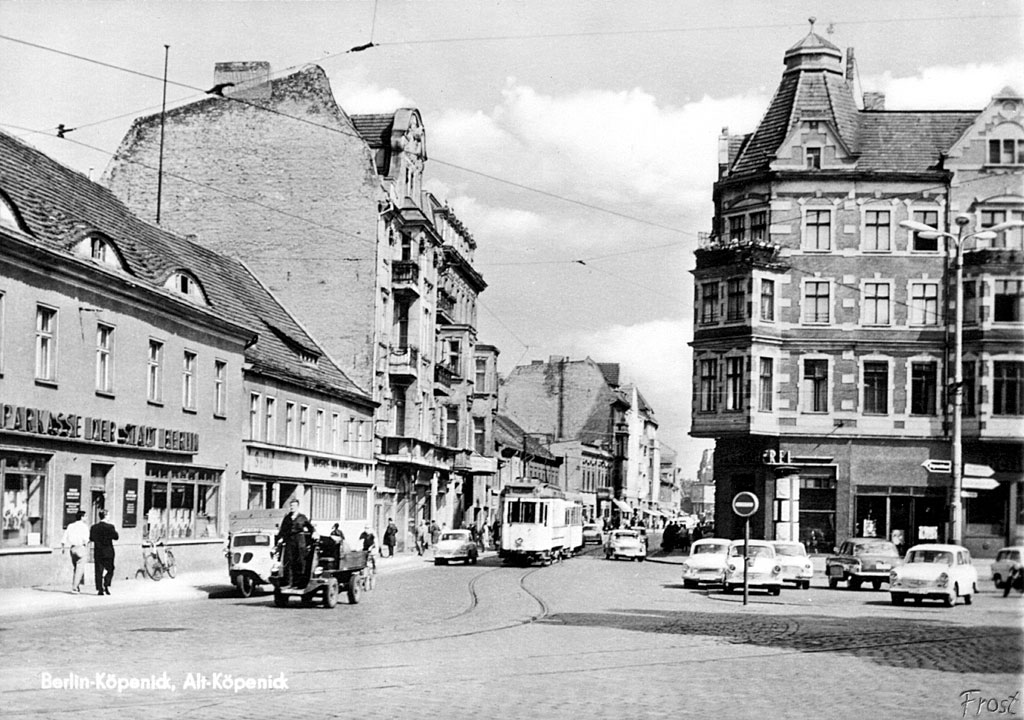
Altköpenick Sparkasse (Credit Union) - Photo Credit: koepenick.net

Credit Union (Altköpenick Sparkasse)  – Photo Credit: koepenick.net

She served stale coffee and moldy cake that someone may have brought to her humble abode a few weeks earlier. Aunt Alma signaled to me not to eat it and drop it quietly under the table. To my great relief she soon announced to her sister that it was time for her to leave and prepare supper for her folks at home. I was a bit disappointed with the visit to Father’s eldest living sister. However, I did not feel personally attacked by my aunt. Being an apolitical teenager, I had already forgotten this unpleasant episode upon my return to West Berlin.

Gerhard Kegler, the general, who dared to disobey Himmler – Part VII

Kegler’s Death Sentence and His Life put on ‘Probation’

If you have not read the previous posts on Major-General Kegler, you can look them up by clicking on I, II, III, IV, V and VI.

Parts V and VI are a digression from the report extracted from the book: The Siege of Küstrin – Gateway to Berlin 1945. But they provided some valuable insight into Kegler’s personal life before he was called away from Gutfelde to become commander of the newly established Woldenberg Division and also commandant of Landsberg/Warthe, which was declared a fortress by Himmler.

 “At dawn on February 4, the remains of the ‘Woldenberg’ Division began crossing the anti-tank ditch that blocked the Landsberger Chaussee at the eastern end of Küstrin. They had already come to within 10 kilometres of the town the previous day but had waited for darkness to get through the area occupied by Soviet forces.

General Busse had sent a young liaison officer to meet them, but without any instructions for Major-General Kegler. When the latter arrived in Küstrin he was promptly given orders to report to the standing court-martial in Torgau, thus becoming one of the last to leave Küstrin by the normal road. As the witnesses to the events leading up to Kegler’s court martial were now trapped in Küstrin, evidence had to be obtained from them by telephone.” Thus, one reads in the book ‘The Siege of Küstrin: Gateway to Berlin 1945’.

Court martial proceedings against Major-General Gerhard promptly began on February 11, 1945  and ended on the following day with the pronouncement of his death sentence for not having defended the city of Landsberg against the enemy.

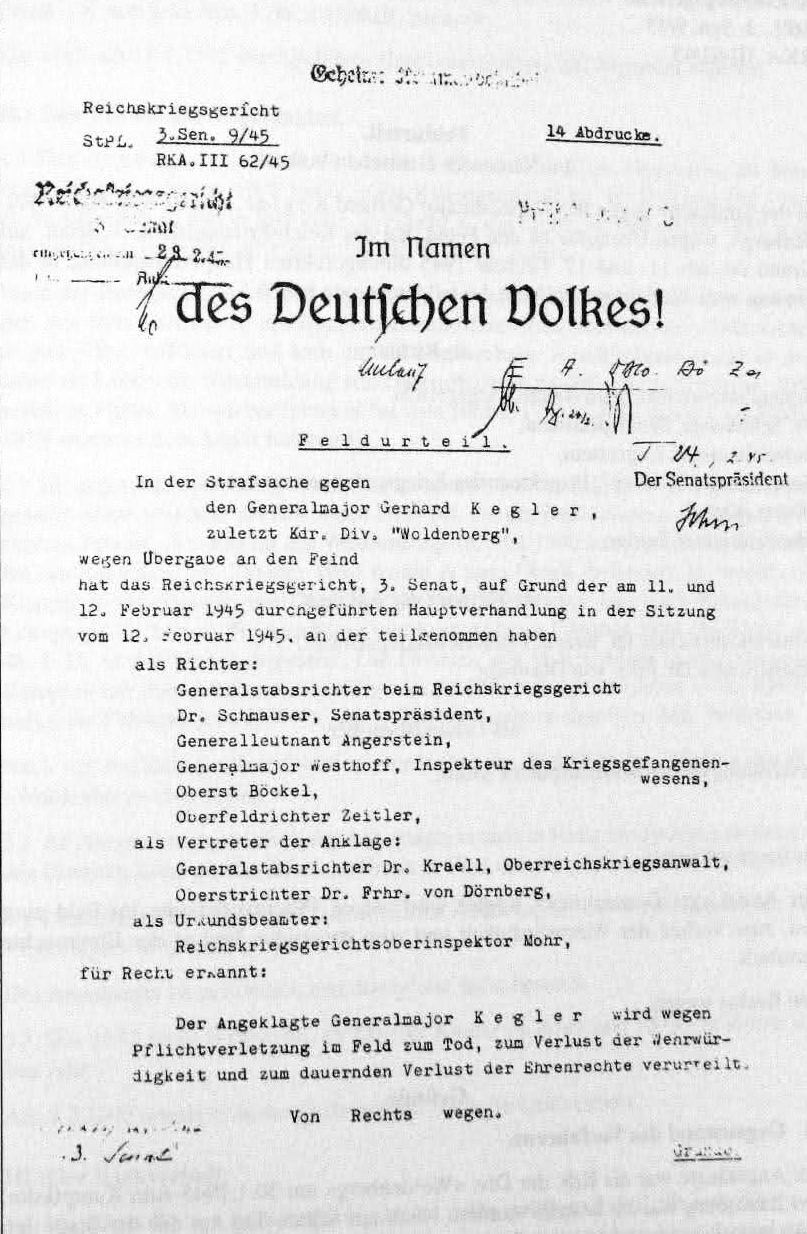
The Death Sentence of Major-General Gerhard Kegler

The Death Sentence of Major-General Gerhard Kegler

The bottom line of this document written ‘In the Name of the German People’ reads: The accused Major-General Kegler due to his breach of duty on the battle field is condemned to death, to loss of his eligibility for military service and to perpetual loss of his civil rights.

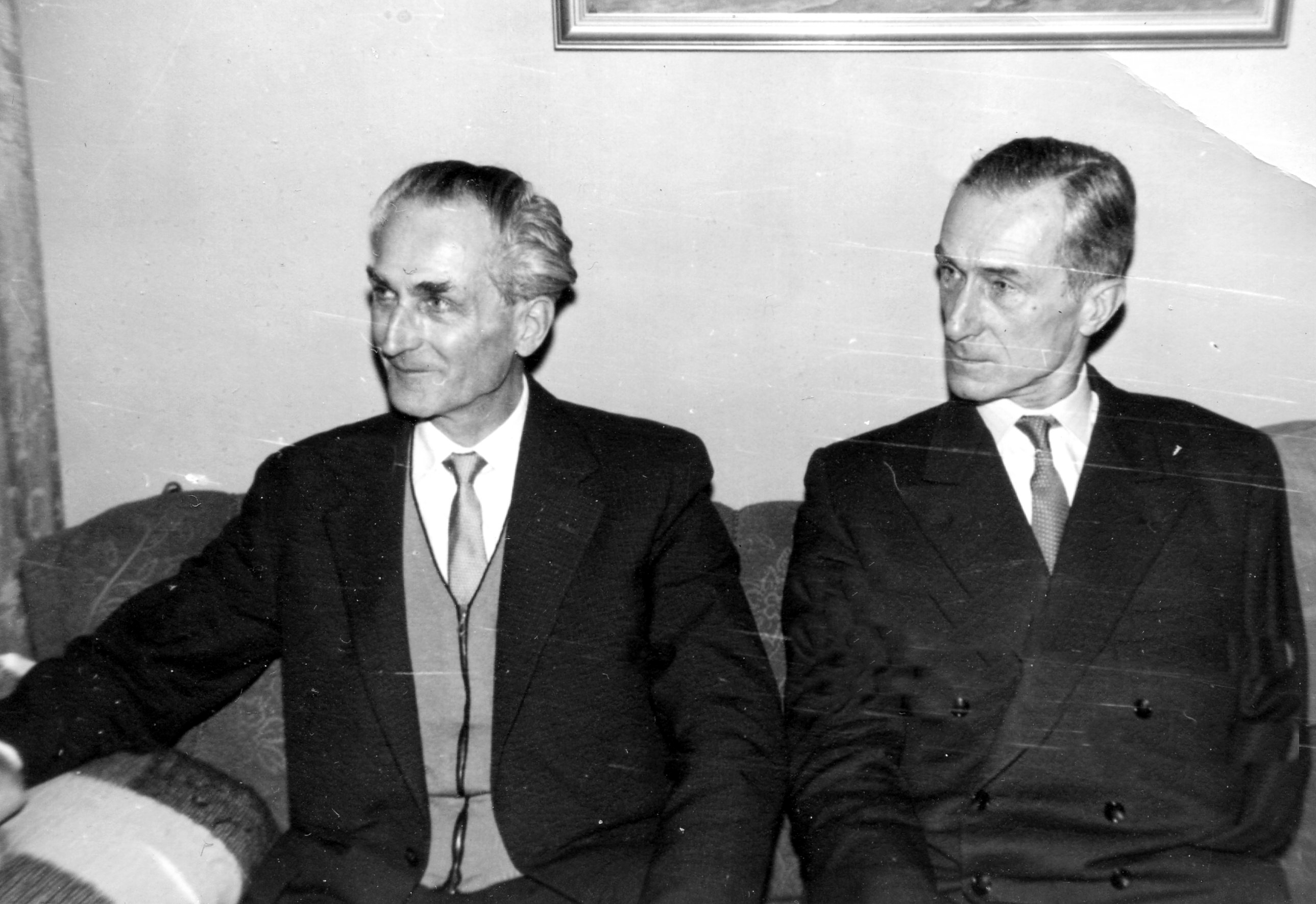
The Two Kegler Brothers, Günther on the left and Gerhard without his right Arm

Von Scheele, the president of Nazi-Germany’s Court Martial Justice System, brought about a suspension of the death sentence and postponed its execution to the end of the war.Demoted to the rank of a private, he was to die a heroic death or to prove himself worthy to be pardoned. As a soldier in the battle field he was severely injured losing his right arm and in the closing weeks of the war became a prisoner of war of the British, who promptly promoted him back to the rank of a ‘Nazi-General’.

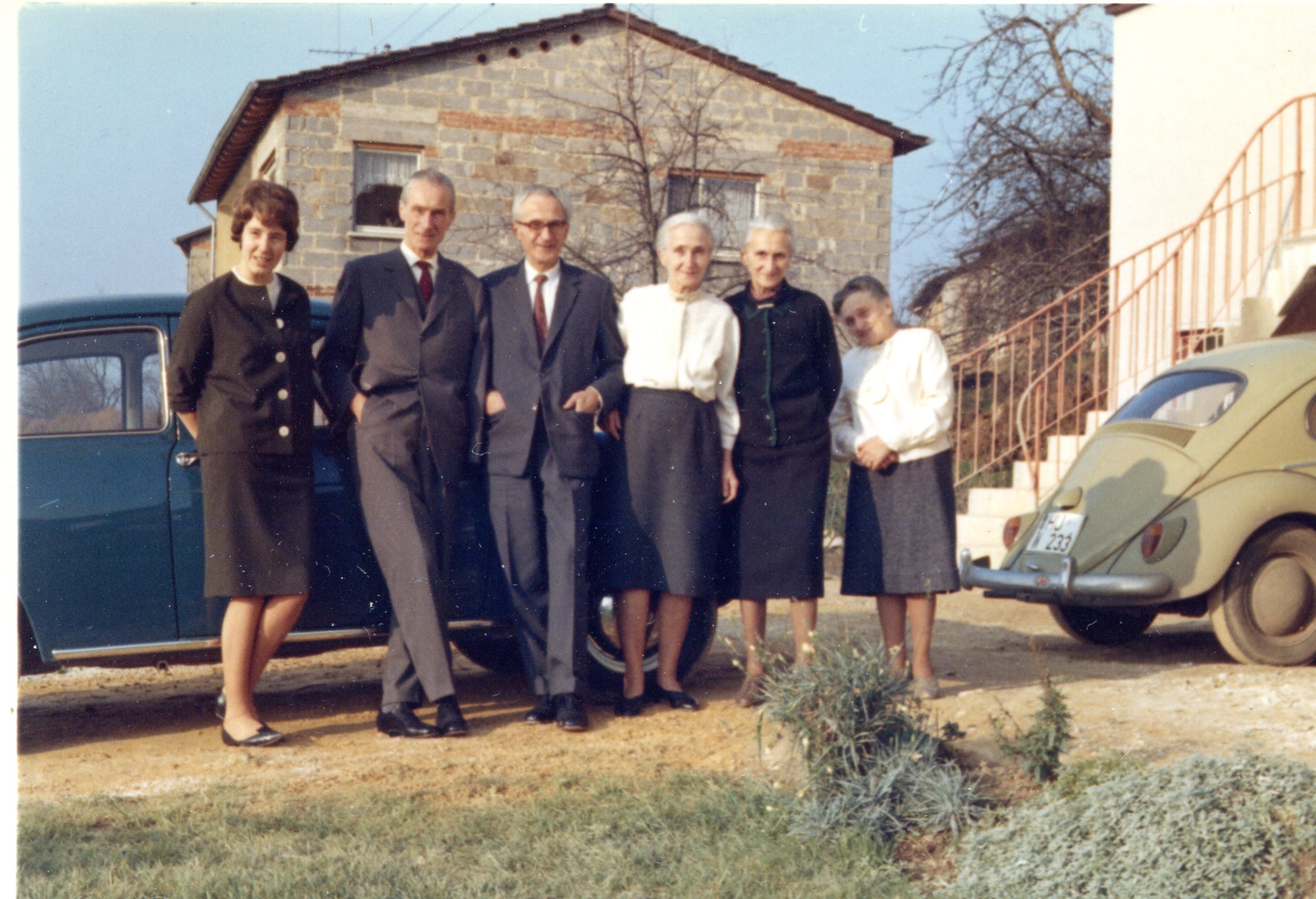
The Kegler Family with Gerhard and his daughter Helga on the left

The Kegler Family with Gerhard and daughter Helga on the left (1964)

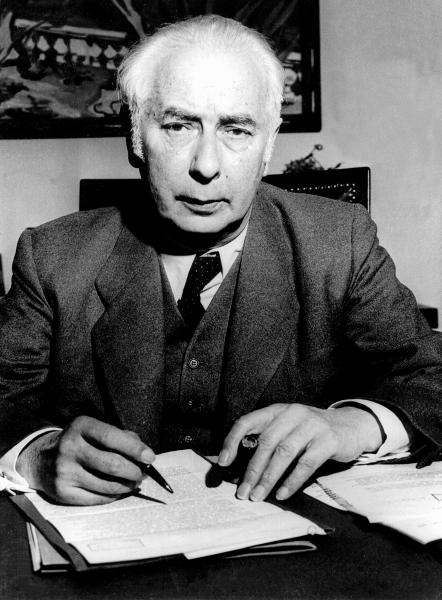
When in 1952 he applied for a pension as a former general of the armed forces, the official in charge declared, “You have been condemned to death by Himmler!” and turned down my uncle’s application. What followed is hard to believe. Gerhard Kegler had to apply to have his death sentence annulled in order to be eligible for his pension. However, the provincial court of Hesse in Giessen rejected his application on the ground that he had missed the deadline regarding compensation for injustices suffered under the Nazi regime. The West-German press heard about this case and spread the news about the condemned general with headlines like ‘Does Himmler still rule from his Grave?’. The news created such a public outcry that in the end Theodore Heuss, the first President of the Federal Republic of Germany, stepped in and officially rescinded the death sentence. Thus, my uncle finally regained his status as general in retirement and was able to draw his pension.

Theodor Heuss, First President of the Federal Republic of Geramny - Photo Credit: germany.info

Theodor Heuss, First President of the Federal Republic of Germany – Photo Credit: germany.info

To be concluded on next week’s post

The Annual Pine Mushroom Bonanza at the Arrow Lakes

The Pine Mushroom, a Renewable Resource

Mushroom Picker's Delight: A Pine Mushroom Button

Mushroom Picker’s Delight: A Pine Mushroom Button

Among all the choice mushrooms growing in our forests, such as Chanterelle (Pfifferlinge), Lobster, King Boletus, Honey Mushroom, and many others, no fungus can compare in monetary value to the prized Pine Mushroom.  Every fall local and out-of-town mushroom buyers set up shop for the annual harvesting bonanza. This is the time of the year, when people, who would normally sleep a few extra winks on the weekends, get our of bed way before dawn and scour the woods for that elusive fungus.
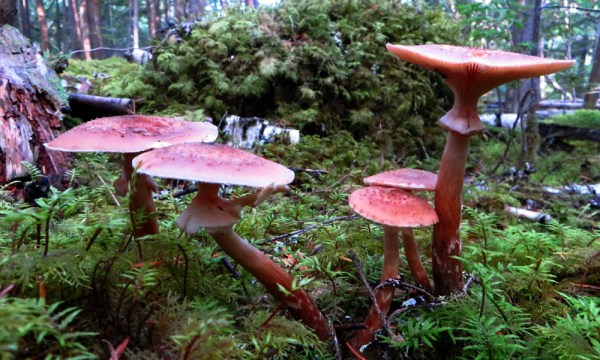
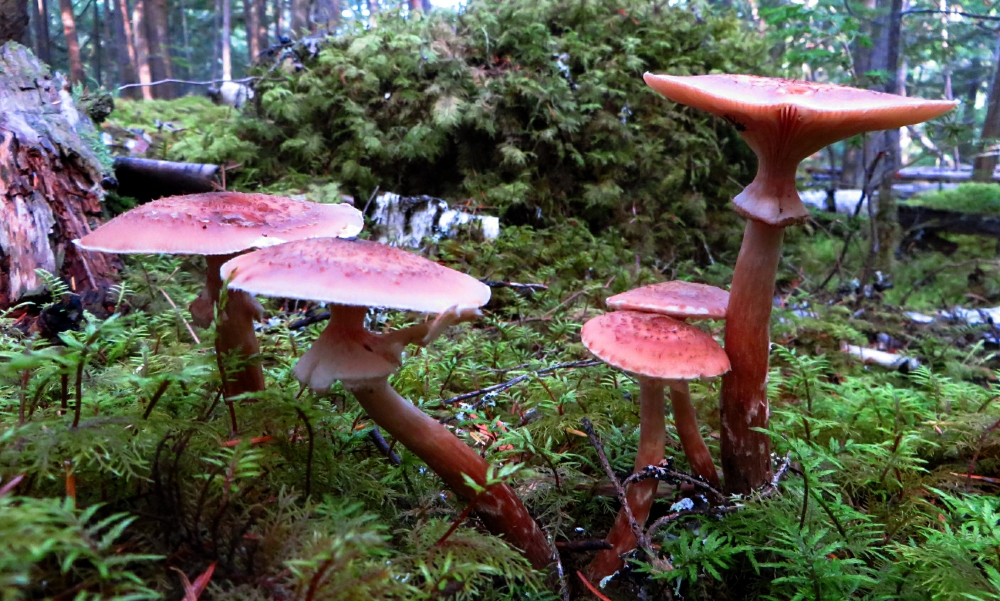
A Nest of Honey Mushrooms

A Nest of Honey Mushrooms

The article below is an excerpt taken from the Arrow Lakes News published last year in their October 29th edition. It describes very well the dilemma of the major industries in our area, timber and mushroom, being in conflict with each other over the management of our natural resources. The photos shown on this post are from my own personal archive.

Triplets of Boletus Mushrooms

Triplets of Boletus Mushrooms

Since she was 12 years old, Jean Hewat has been involved in the mushroom industry. As a kid, she went out with her family picking for pocket-money and she’s been buying mushrooms from other pickers at her place on 15 Avenue on the north end of town for the past 21 years. With some help from her mother and occasionally other family members, she is more or less a one-woman show.

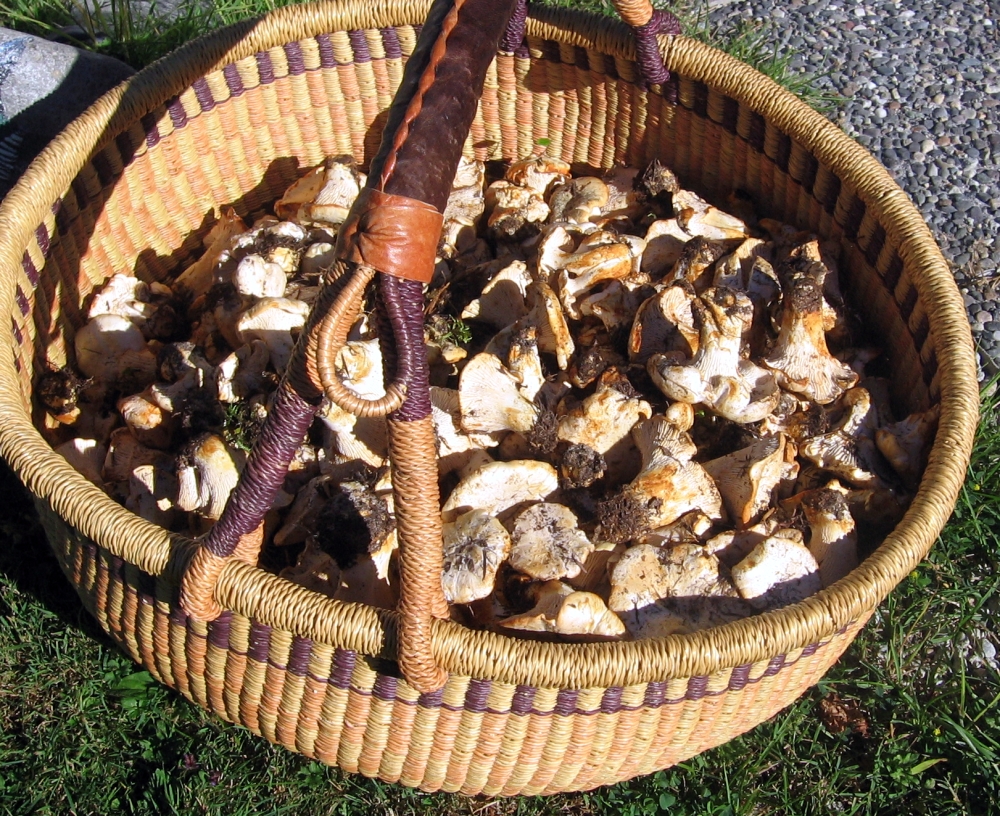
A Basket Full of Chanterelles

A Basket Full of Chanterelles

The set up has moved from her garage to a new building still being finished on her property with plenty of parking and a large walk-in cooler. She explains the unfinished building during an interview with the Arrow Lakes News as her mother answers the phone and groups of pickers come in carrying their bounty — large buckets of freshly picked fungi.
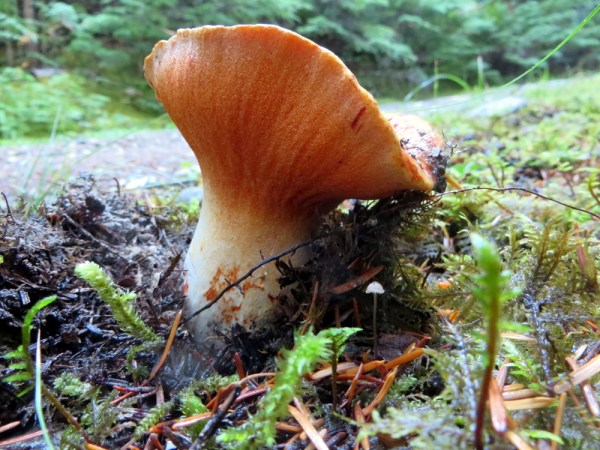
Lobster Mushrooms are rarely as clean as this one.

Lobster Mushrooms are rarely as clean as this one.

The odour inside is damp and mossy — the baskets of mushrooms are mostly the large, fluffy white pine, or Matsutake as they are known in Japan, where most of these are destined to go. The largest market for pine mushrooms in the world is in Japan, but Canada is not the only supplier. They are also grown in the US, China, Scandinavia and elsewhere.
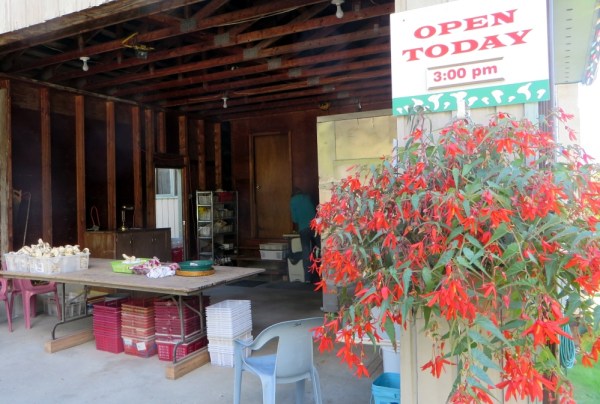
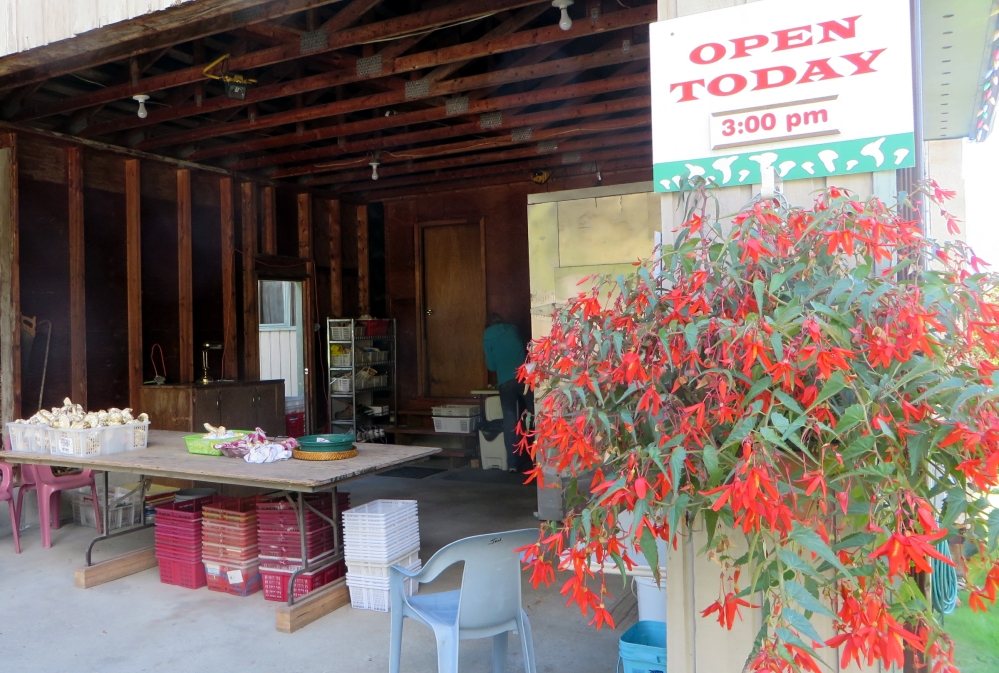
Dan and Jan's Buying Station in Nakusp

Dan and Jan’s Buying Station in Nakusp

Local to Nakusp, Chanterelles, Lobster and several other varieties sprout up inexplicably in pockets throughout the forest. Many locals covet their spots; at least those that haven’t been decimated by the biggest competitor to mushrooms: forestry.

Logging is one of the highest paying primary industries in the Kootenays, yet it poses the biggest threat to the niche industry of mushrooming.

Mushrooms are a multi-million dollar industry bringing tourists, pickers and buyers to the area. During September and October, the streets are lined with vehicles belonging to people who are in town because of this natural resource. They are buying gas, groceries and other supplies and are staying in hotel rooms and going out to dinner. More dollars are being pumped into the local economy, but all of it is threatened by clearcut logging.

“Mushrooms grow naturally in certain little micro climates, pockets and patches that are ideal for their growth. It is possible for the two industries to coexist. My family grew up on logging,” Hewat explains while sorting pines by hand. “They don’t grow everywhere; just small spots in the forest. In hindsight, things like selective logging, saving sections probably could have been done but it hasn’t.”

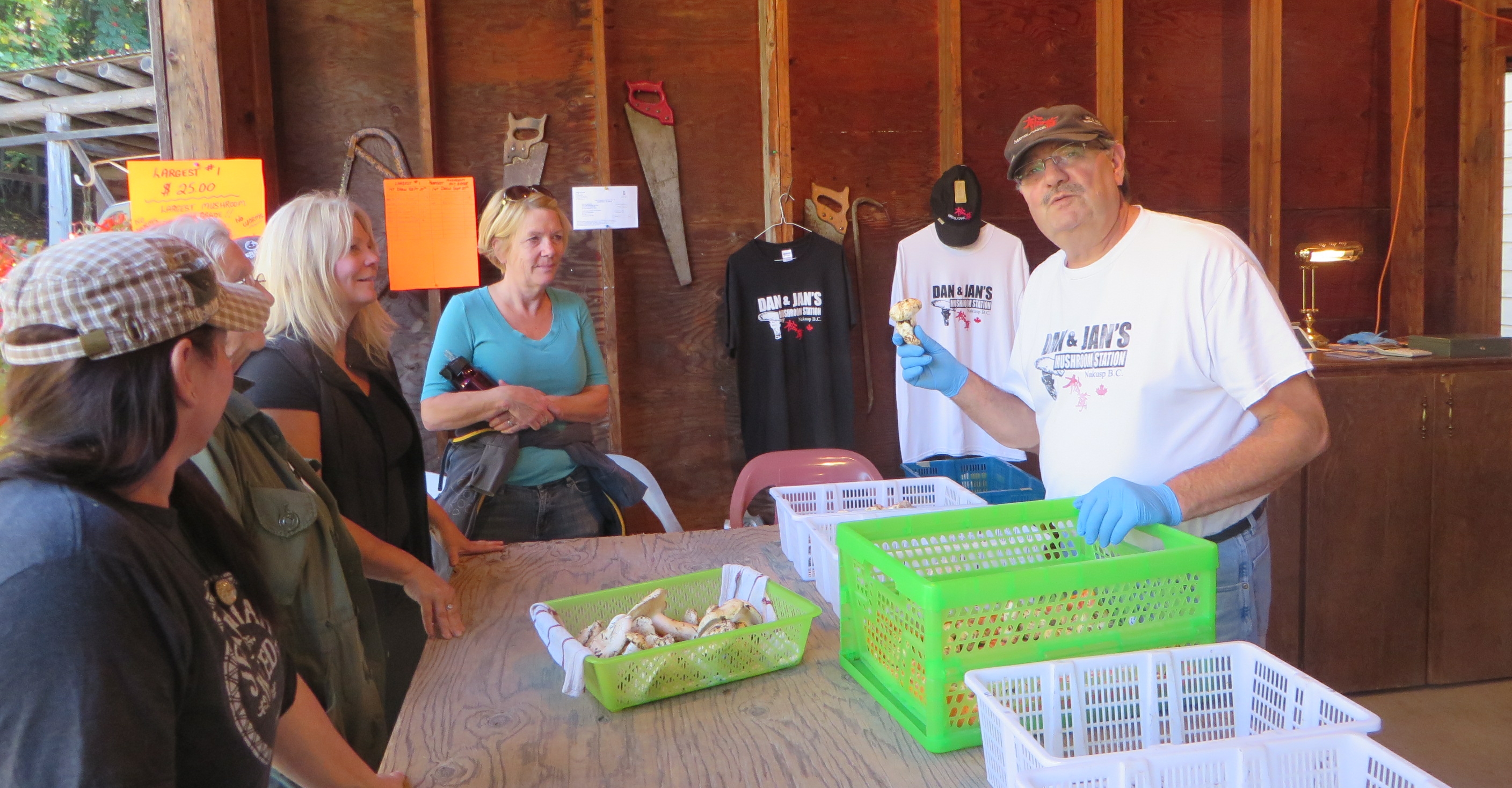
Dan Dahlen Carefully Grading my Wife's Mushrooms

Dan Dahlen Carefully Grading my Wife’s Mushrooms

Janis Dahlen of Jan and Dan’s Mushroom Station echoes the same sentiment.

“Clear cutting—it takes the mushrooms right out and it could be 80 years before they grow back. We’ve worked the last couple of years with Nakusp and Area Community Forest (NACFOR) to do some strip logging to try to preserve some of the mushroom areas. But (much of it is) being logged as we speak and the mushrooms will never come back. Logging is our first industry in Nakusp. It’s a hard mix.”
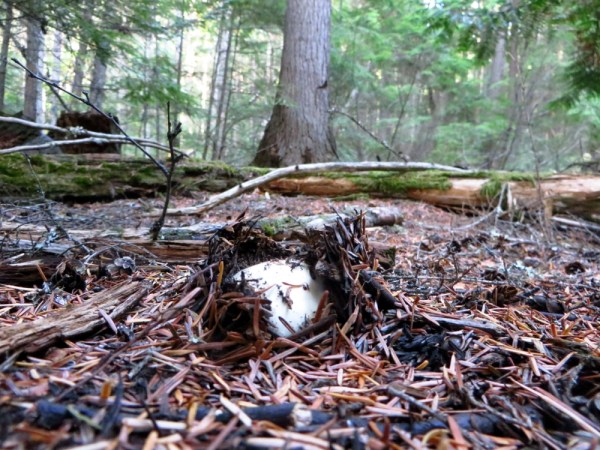
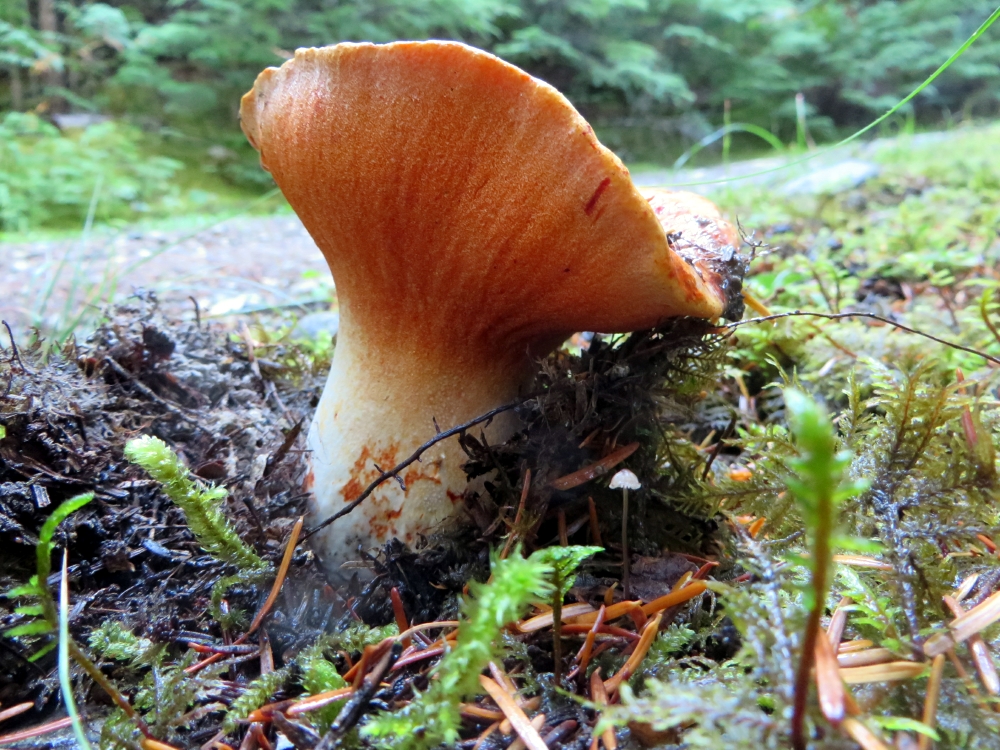
Pine Mushroom Just Pushing through the Forest Floor

Pine Mushroom Just Pushing through the Forest Floor

Next week I will talk about habitat, harvesting, grading and manipulative pricing of the Pine Mushroom.