Gerhard Kegler, the general, who dared to disobey Himmler – Part IX

His Side of the Story 2
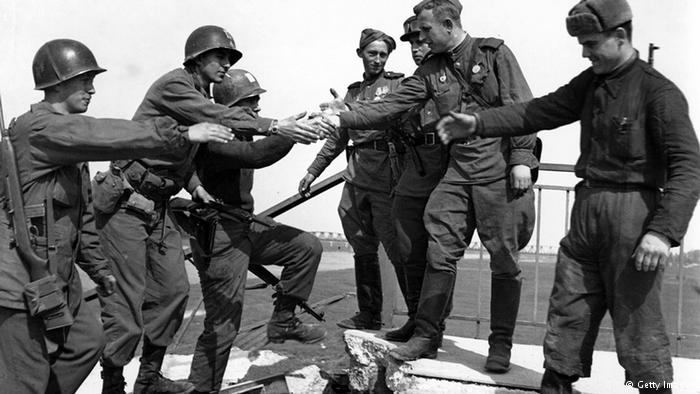
 

American and Soviet Forces Meet at Torgau April 1945 - Photo Credit: dw.com

American and Soviet Forces Meet at Torgau April 1945 – Photo Credit: dw.com

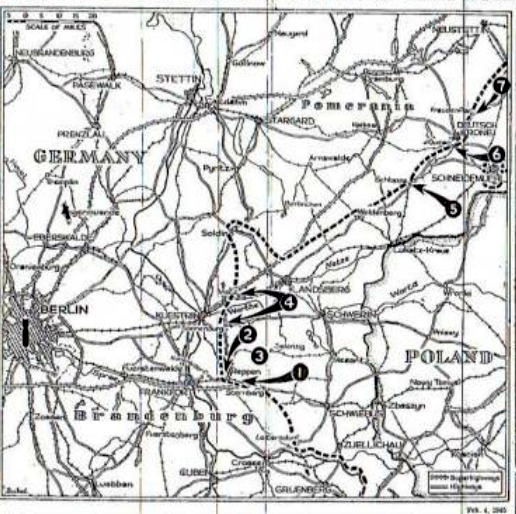
After much conscientious deliberation I decided to disobey the order, which I considered senseless and whose execution could not have brought any positive results, but would have cost great unnecessary human sacrifices. In spite of being threatened with court martial proceedings, I remained loyal to my conscience and relying on my three years of front experience in Russia I led the ‘division’ within four days in an orderly fashion to Küstrin with the purpose of integrating the troupes into the Oder front.

From the New York Times Edition of February 4, 1945

From the New York Times Edition of February 4, 1945

General Busse, former commanding officer of the 9th Army, describes in an article to the magazine ‘Wehrwissenschaftliche Rundschau’ the situation with the words, “He fled in a train to Küstrin”. Nothing could be further from the truth. The description and his conclusions do not agree with the facts.

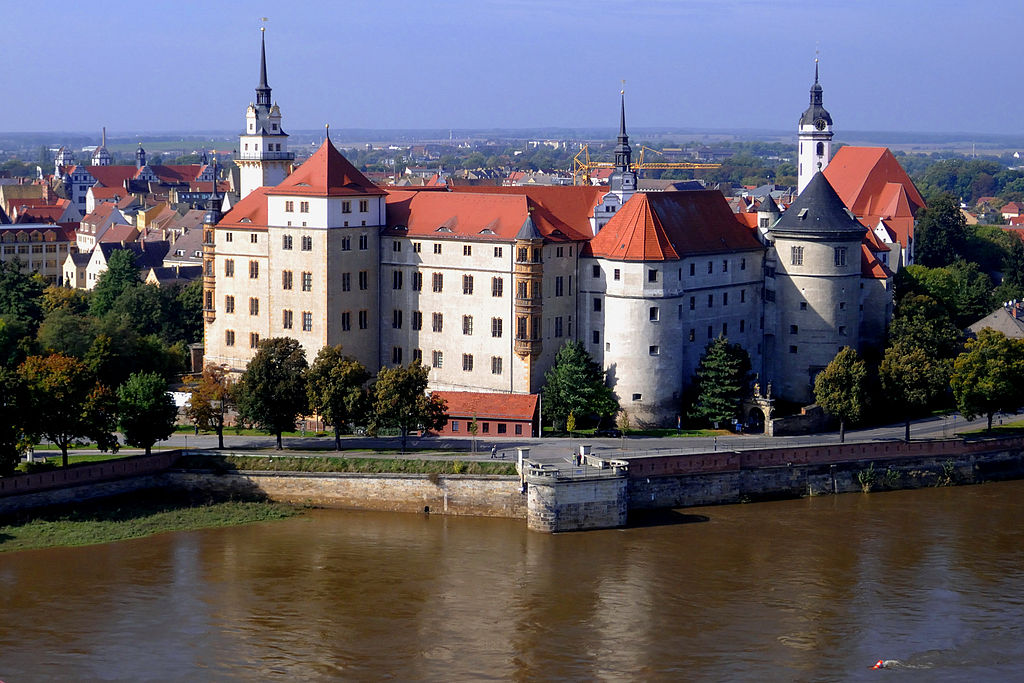
Castle Hartenfels at Torgau - PhtoCredit: wikipedia.org

Recent Photo of Castle Hartenfels at Torgau – Photo Credit: wikipedia.org

In the early morning hours of February 2, 1945 I arrived with the last unit at Küstrin-Neustadt. There I received the order to report to the war tribunal at Torgau. Dr. Jur. Freiherr von Dörnberg was commissioned to act as investigating judge. He could not prevent that I be sentenced to death, as it was then customary, and be sent on ‘probation’ to the Eastern Front, where as a regular soldier I was seriously wounded on the first front line.

Thus, from the first to the last day not only as soldier did I prove my mettle, but also saved the lives of many comrades and civilians through my opposition against a senseless retaining order (Durchhaltebefehl in German – defense order to fight to the last man).

Signed: Gerhard Kegler, Majorgeneral in retirement
Dr. Dietrich Kegler, the late Majorgeneral’s son, is presently writing an epilogue, which I will publish in a future post, as soon as it becomes available.
Gerhard Kegler, the general, who dared to disobey Himmler – Part VIII

His Side of the Story

While Gerhard Kegler was fighting for his pension with the bureaucratic system of West Germany, he also had to defend his honor as former general of the ill-fated ‘Woldenberg Division’. As this post and next week’s post are going to be the last ones on my uncle’s military life, I consider it important to publish his own personal response to the slanderous attacks by his former commanding officer (General Busse) of the 9th Army and let Major-general Kegler have the last word on this matter.

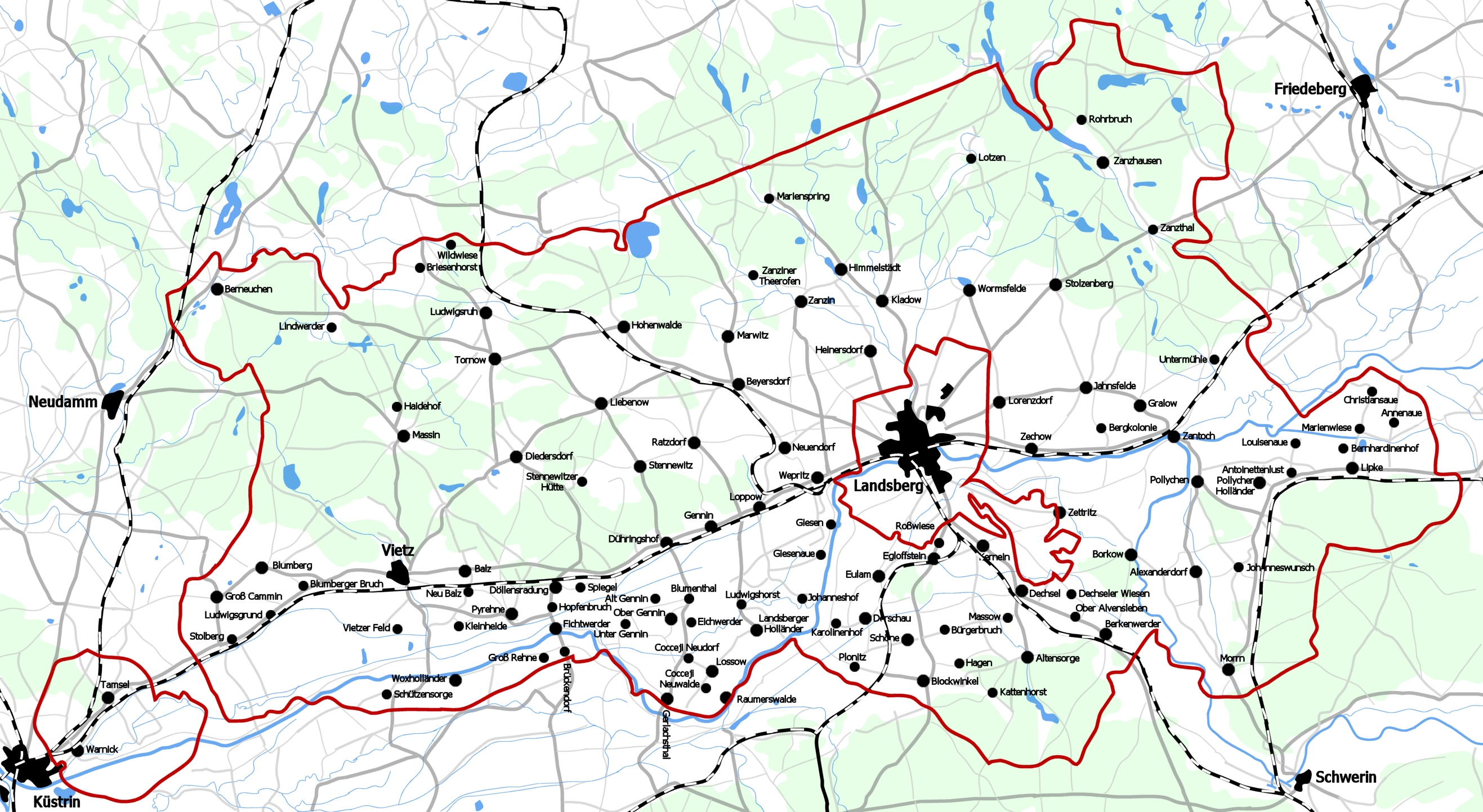
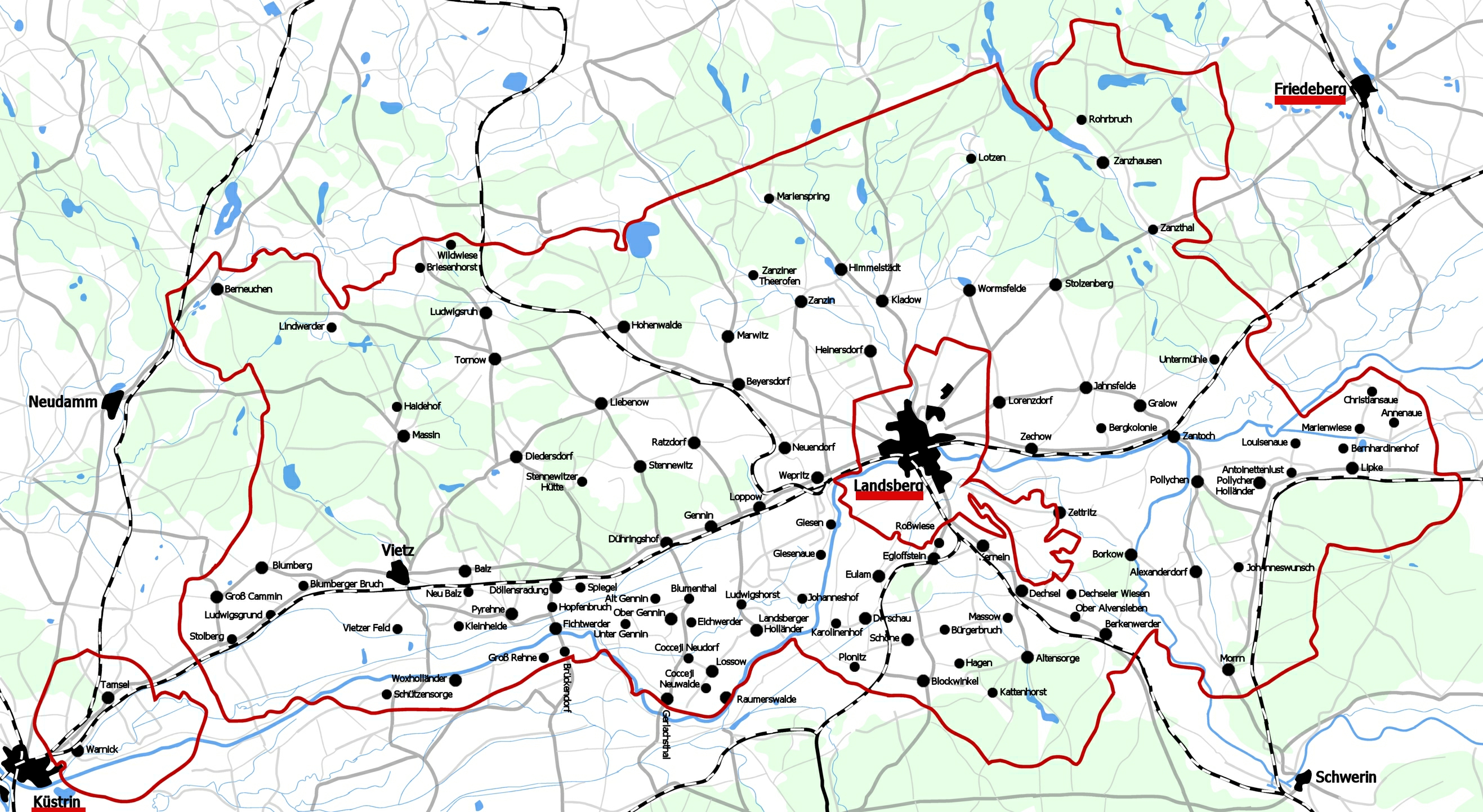
Landsberg_gross

On January 30, 1945 I received from Himmler the order to take command of the ‘Woldenberg Division’. I did not receive any orientation about the military situation nor any specific instructions. I had to locate the ‘division’ myself. I found the command center east of Friedeberg. There was no connection with any high-level command posts. Adjoining troops did not exist. Shortly before noon I took charge of the command at a time, when the hastily assembled ‘division’ had already begun its retreat in a nearly disintegrated condition.

In the morning of January 31, I was busy with the arrangements of the left-over army units in Landsberg. Then I noticed that the ‘division’ had no antitank weapons, no reserves of ammunition and food provisions, and no communication units. There was no physician for the ‘division’. The artillery consisted of two horse-drawn batteries.The ‘division’ was not a “very strong fighting unit”. The troops were definitely not battle-ready.

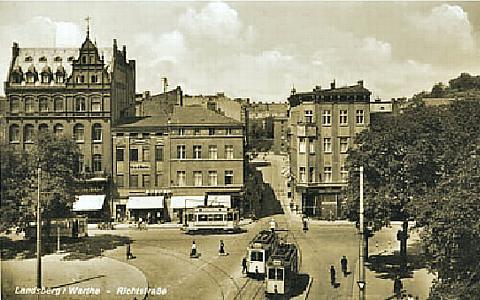
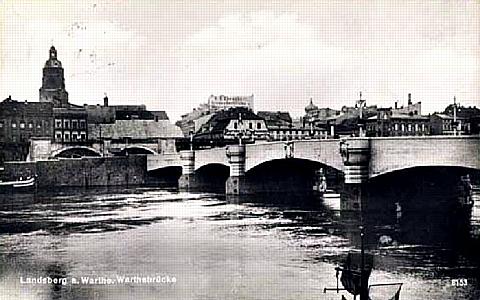
The Warthe Bridge at Landsberg

The Warthe Bridge at Landsberg

For the town of 45000 inhabitants no preparations had been made for its evacuation. The high command of the 9th army passed on to me through the army’s mail service Himmler’s order that I had to defend the town of Landsberg as a fortress. On that day Russian tanks had already entered the area north of the Warthe-Netze region. I ordered the Warthe bridge to be blown up.

To be concluded next week …

Chapter XIV of the P. and G. Klopp Story – Part 2

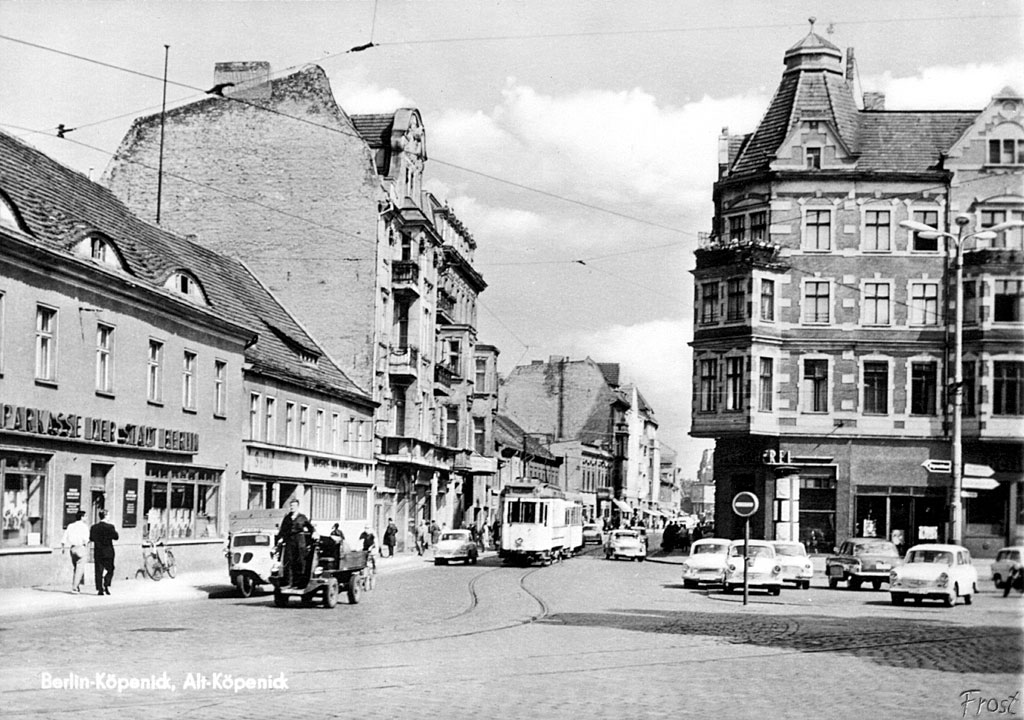
koepenick 1

Berlin-Köpenick, Dahmeufer, Altstadt, Panorama – Photo Credit: Andreas Steinhoff

Visiting Relatives in East Berlin 1959

Chart I – II of the Klopp Family Tree

A few days after the sightseeing tour with Peter I went to see Aunt Alma in Berlin-Köpenick. In contrast to Aunt Meta’s tranquil life in Freiburg, the apartment in Köpenik was a beehive of activity of more than ten family members bustling about. The spacious living room could hardly accommodate the large family. On the one hand I felt like a guest of honor, being the youngest son of Alma’s youngest brother (my father). But I also had the impression that they all had come together to gawk at this rare specimen from West Germany. At age 77 Aunt Alma was still strong in spirit and body to run the household of her daughter Else and son-in-law Artur Thiess and their four daughters. Two were already married with children at the time of my visit.

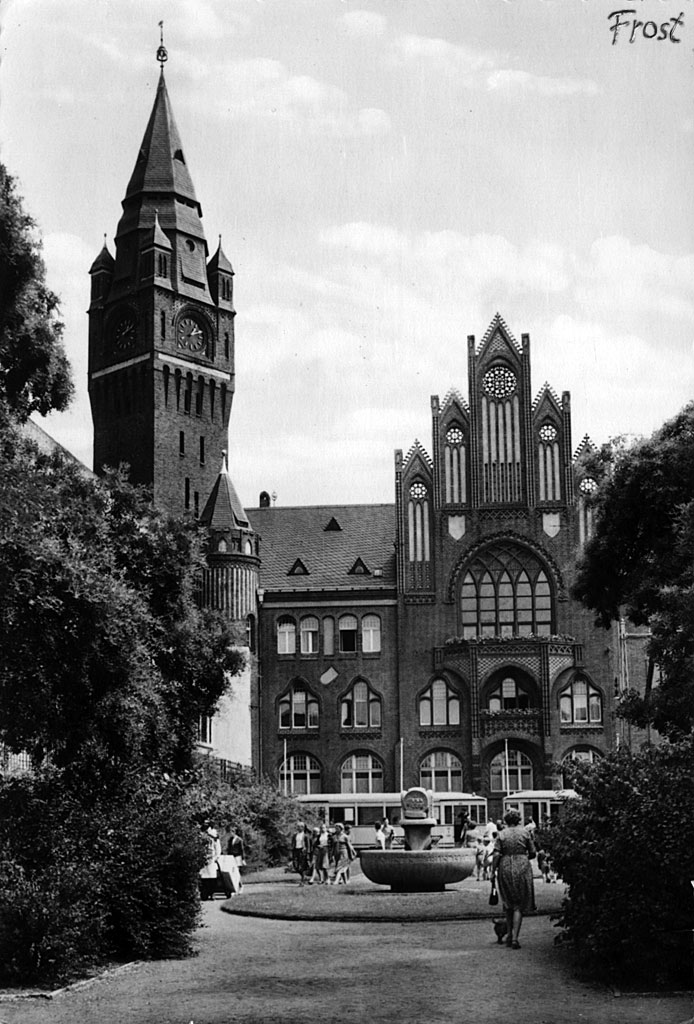
Rathaus 1961 - Photo Credit: koepenick.net

City Hall (Rathaus) 1961 – Photo Credit: koepenick.net

Uncle Artur was actually my cousin. But I called him uncle, because he was almost forty years older than I. He was engineer. He had published a book on low frequency communication technology and was giving lectures at the Humboldt University as a specialist in the field of electronics. I took an instant liking to him, not because of my hobby akin to his academic work, but rather because of the fact that he was one cut above the rest of those adult family members, who had chauvinistically embraced the communist-socialist ideology. He impressed me with his sharp wit and disarming humor, with which he distanced himself from the political narrow-mindedness of his sons-in-law. Perhaps more importantly, he was for me a father figure radiating kindness and affection. No wonder I maintained contact by corresponding with him until his death in 1992. Apart from the one-sided political talk about the advantages of their peace-loving society versus the corrupt war-mongering system of western capitalism, to which I had nothing to add, confirm or oppose, it was a very enjoyable time spent in a family so wonderfully knit together. One thing of great interest to me was the stereoscopic viewer, in which Uncle Artur had inserted glass plates each containing two b/w images that he had taken with his special 3d camera. The quality of these images was absolutely stunning. For the first time in my life I got a glimpse of the land, where I was born. Artur had taken many pictures on his various visits to Father and Mother’s place at Gutfelde (Zlotniki). When I looked at them, it was like traveling back to a time, when my parents were happy and managed together the three large estates entrusted to them.

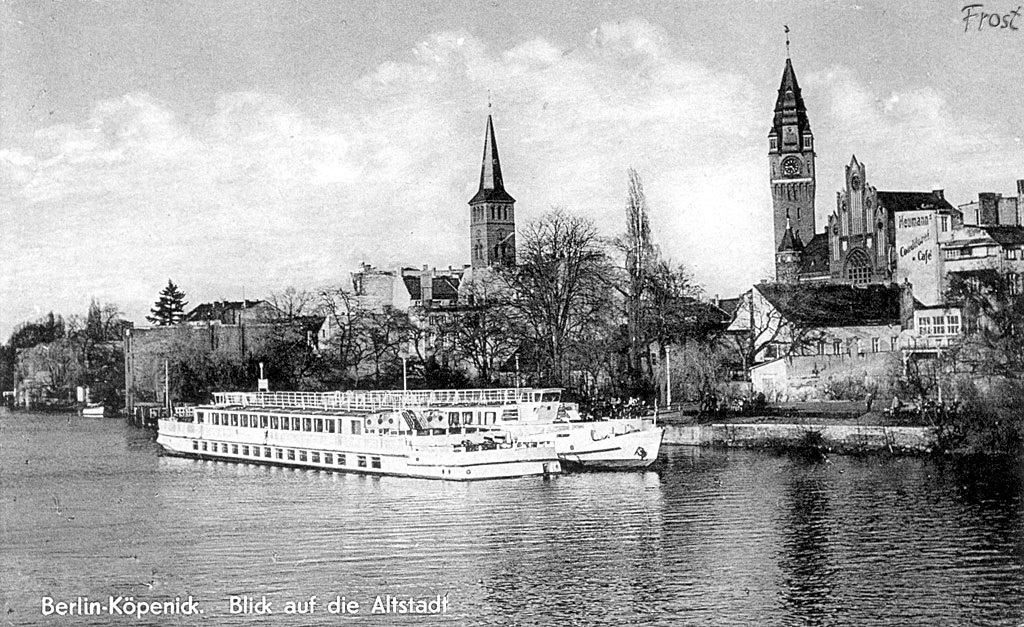
View of the Altstadt - Photo Credit: koepenick.net

View of the Altstadt – Photo Credit: koepenick.net

In the afternoon Aunt Alma took me to the cottage of her elder sister in the garden district of Berlin-Köpenick. Aunt Jula was born as the second child to Friedrich and Emma Klopp in 1877. She had lived a colorful life spending her teenage and early adult years in Vienna as student and artist. She struck it rich by marrying a wealthy mining director. Later on she became the proud owner and manager of a hotel, but lost it all again during the turbulent inflation years after WWI. In a deal that went bad she took out a mortgage on her property to help out her brother Hermann, a classical rags-to-riches story in reverse.

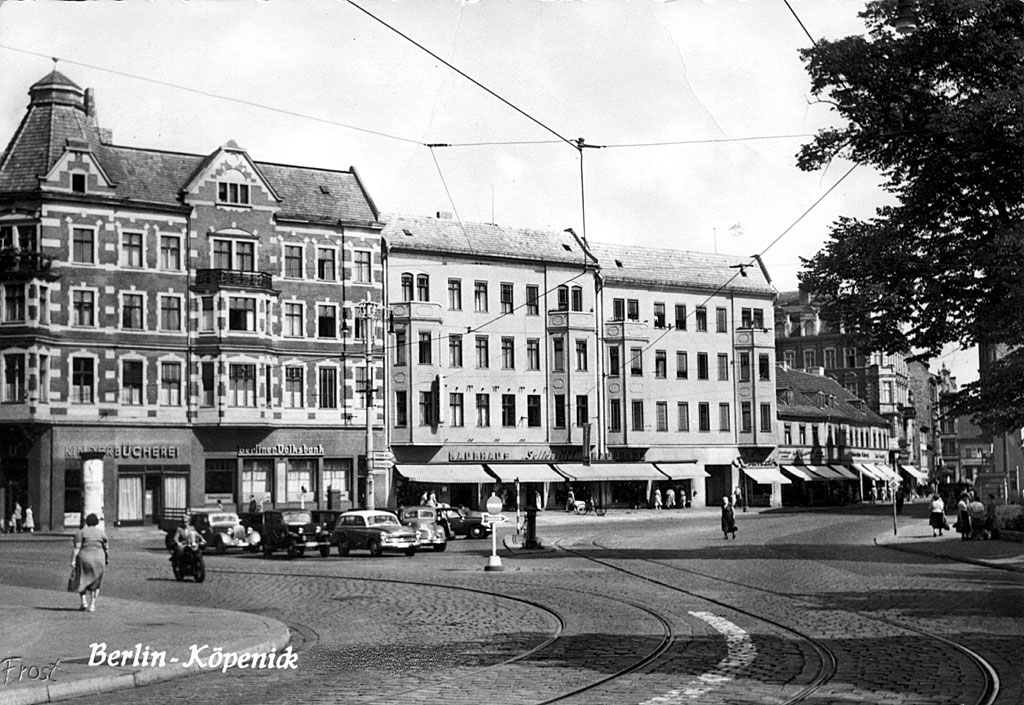
Schlossplatz - Photo Credit: koepenick.net

Castle Square (Schlossplatz) – Photo Credit: koepenick.net

This feisty old lady must have absorbed the whole gamut of communist ideology and firmly believed in it. For she presented her distorted views with so much passion that only unwavering conviction can deliver. In her strident tirades against capitalism she did not spare the West German Chancellor Konrad Adenauer, a Nazi in disguise in her strong opinion, who was planning to wage a revisionist war against her peace-loving republic.

Altköpenick Sparkasse (Credit Union) - Photo Credit: koepenick.net

Credit Union (Altköpenick Sparkasse)  – Photo Credit: koepenick.net

She served stale coffee and moldy cake that someone may have brought to her humble abode a few weeks earlier. Aunt Alma signaled to me not to eat it and drop it quietly under the table. To my great relief she soon announced to her sister that it was time for her to leave and prepare supper for her folks at home. I was a bit disappointed with the visit to Father’s eldest living sister. However, I did not feel personally attacked by my aunt. Being an apolitical teenager, I had already forgotten this unpleasant episode upon my return to West Berlin.

Gerhard Kegler, the general, who dared to disobey Himmler – Part VII

Kegler’s Death Sentence and His Life put on ‘Probation’

If you have not read the previous posts on Major-General Kegler, you can look them up by clicking on I, II, III, IV, V and VI.

Parts V and VI are a digression from the report extracted from the book: The Siege of Küstrin – Gateway to Berlin 1945. But they provided some valuable insight into Kegler’s personal life before he was called away from Gutfelde to become commander of the newly established Woldenberg Division and also commandant of Landsberg/Warthe, which was declared a fortress by Himmler.

 “At dawn on February 4, the remains of the ‘Woldenberg’ Division began crossing the anti-tank ditch that blocked the Landsberger Chaussee at the eastern end of Küstrin. They had already come to within 10 kilometres of the town the previous day but had waited for darkness to get through the area occupied by Soviet forces.

General Busse had sent a young liaison officer to meet them, but without any instructions for Major-General Kegler. When the latter arrived in Küstrin he was promptly given orders to report to the standing court-martial in Torgau, thus becoming one of the last to leave Küstrin by the normal road. As the witnesses to the events leading up to Kegler’s court martial were now trapped in Küstrin, evidence had to be obtained from them by telephone.” Thus, one reads in the book ‘The Siege of Küstrin: Gateway to Berlin 1945’.

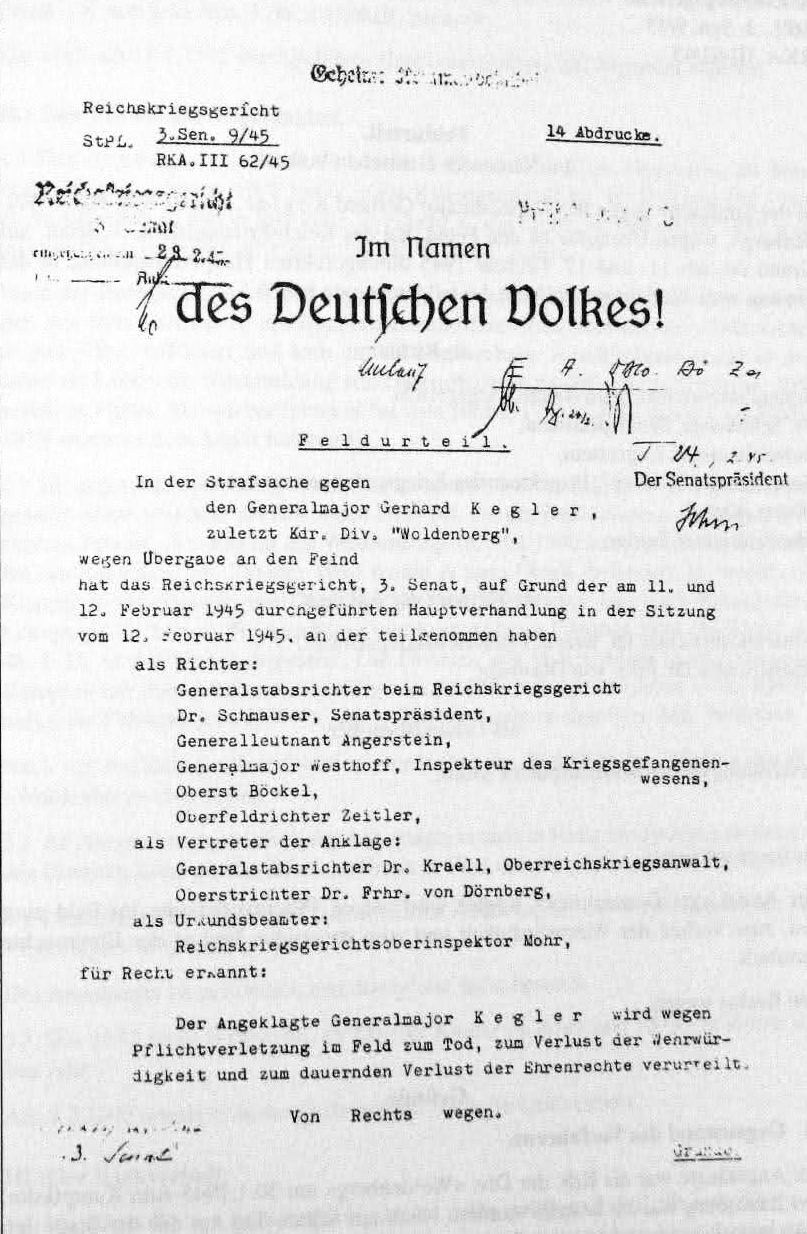
Court martial proceedings against Major-General Gerhard promptly began on February 11, 1945  and ended on the following day with the pronouncement of his death sentence for not having defended the city of Landsberg against the enemy.

The Death Sentence of Major-General Gerhard Kegler

The Death Sentence of Major-General Gerhard Kegler

The bottom line of this document written ‘In the Name of the German People’ reads: The accused Major-General Kegler due to his breach of duty on the battle field is condemned to death, to loss of his eligibility for military service and to perpetual loss of his civil rights.

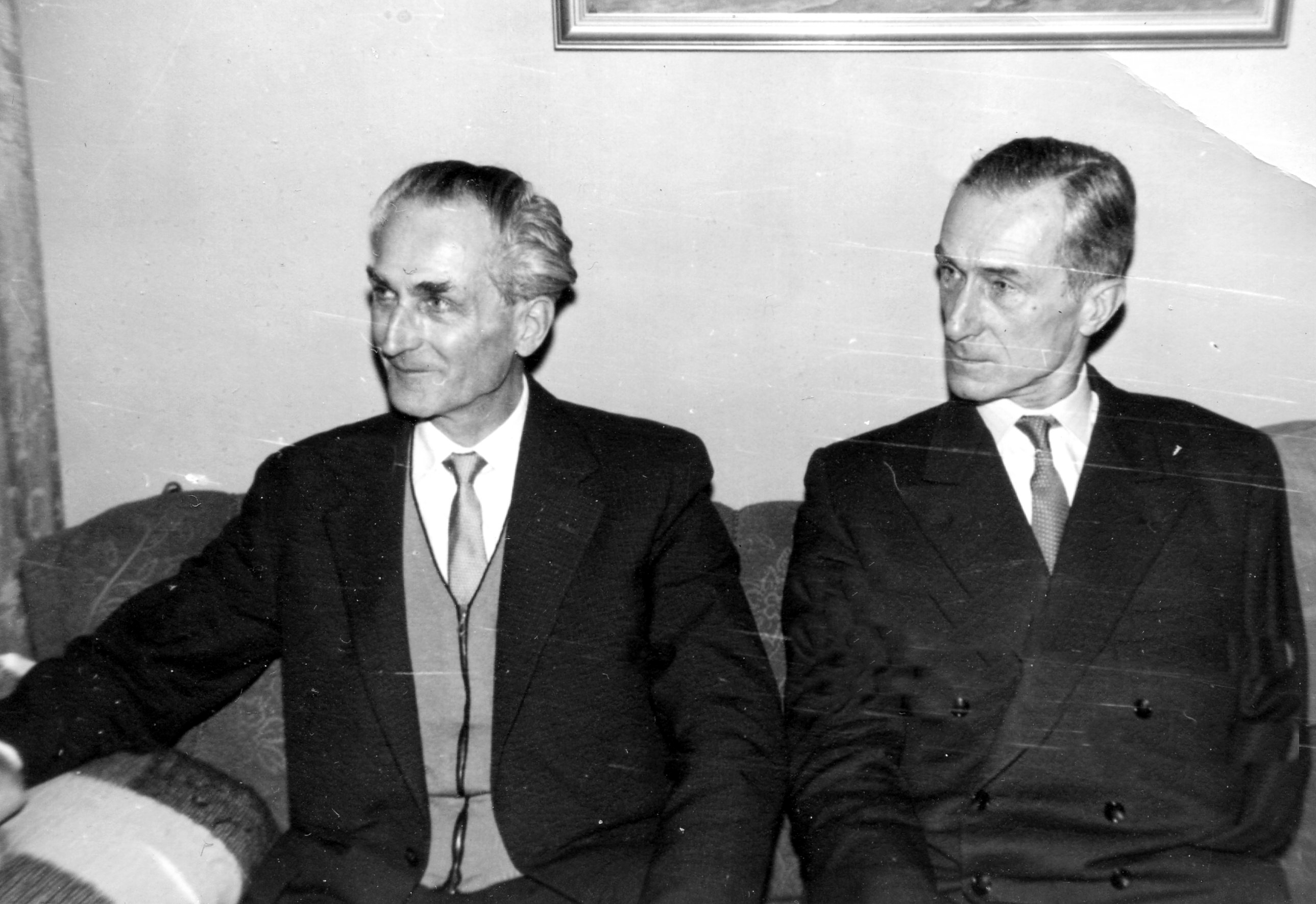
The Two Kegler Brothers, Günther on the left and Gerhard without his right Arm

Von Scheele, the president of Nazi-Germany’s Court Martial Justice System, brought about a suspension of the death sentence and postponed its execution to the end of the war.Demoted to the rank of a private, he was to die a heroic death or to prove himself worthy to be pardoned. As a soldier in the battle field he was severely injured losing his right arm and in the closing weeks of the war became a prisoner of war of the British, who promptly promoted him back to the rank of a ‘Nazi-General’.

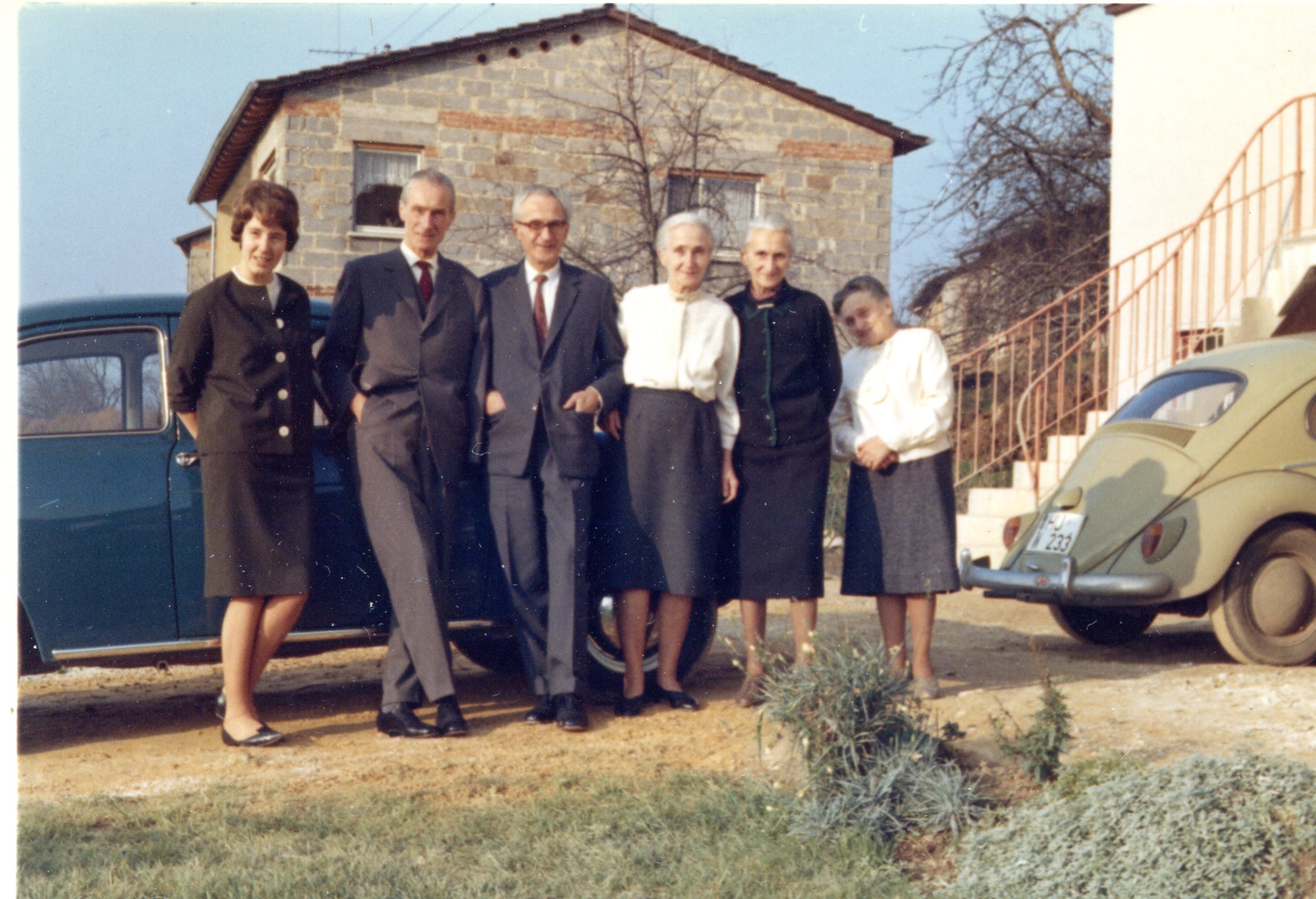
The Kegler Family with Gerhard and his daughter Helga on the left

The Kegler Family with Gerhard and daughter Helga on the left (1964)

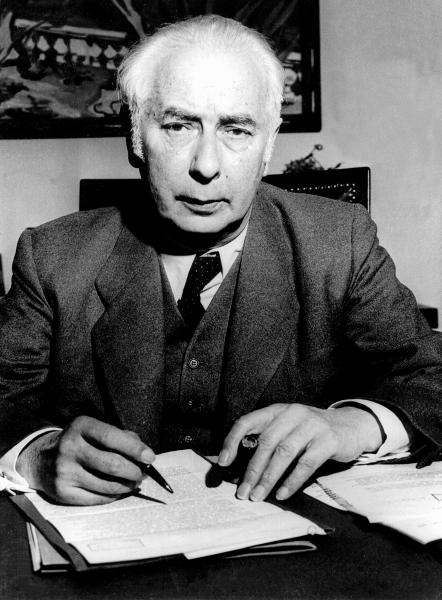
When in 1952 he applied for a pension as a former general of the armed forces, the official in charge declared, “You have been condemned to death by Himmler!” and turned down my uncle’s application. What followed is hard to believe. Gerhard Kegler had to apply to have his death sentence annulled in order to be eligible for his pension. However, the provincial court of Hesse in Giessen rejected his application on the ground that he had missed the deadline regarding compensation for injustices suffered under the Nazi regime. The West-German press heard about this case and spread the news about the condemned general with headlines like ‘Does Himmler still rule from his Grave?’. The news created such a public outcry that in the end Theodore Heuss, the first President of the Federal Republic of Germany, stepped in and officially rescinded the death sentence. Thus, my uncle finally regained his status as general in retirement and was able to draw his pension.

Theodor Heuss, First President of the Federal Republic of Geramny - Photo Credit: germany.info

Theodor Heuss, First President of the Federal Republic of Germany – Photo Credit: germany.info

To be concluded on next week’s post

Gerhard Kegler, the general, who dared to disobey Himmler – Part VI

General of the Woldenberg Division

Commandant of Fortress Landsberg

Those who missed reading the earlier posts on my uncle Gerhard Kegler can look them up by clicking on the following links: Part I, Part II, Part III, Part IV, and Part V.

On January 20, 1945, while still on sick leave, Gerhard Kegler received a call from army HQ with the order to take over the command of a division. A few days later  he was assigned to the post of battle commandant at the city of Thorn (Torun). On January 26, while his family had to flee without his help from the advancing Red Army, he was heading to his assigned post. However, he was unable to reach his destination, since the enemy had already captured the city of Thorn. So instead he was given the command over the newly formed Woldenberg division. He arrived at Friedeberg (Strzelce Krajeńskie) on January 28, where the division was located.

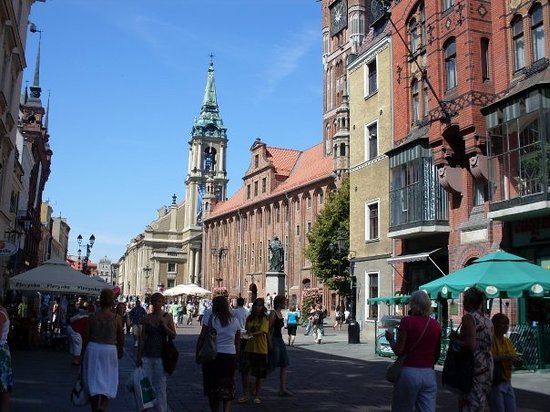
Today's Thorn (Torun) - Photo Credit: tripadviser.com

Today’s Thorn (Torun) – Photo Credit: tripadviser.com

On the very same the Soviets attacked with about 40 or 50 tanks. The town was taken and the division was broken into fragments, most of which managed to withdraw to the city of Landsberg (Gorzów Wielkopolski) at the river Warta.

Landsberg_gross

In those chaotic days, when the entire Eastern Front was at the point of collapse, Hitler in his fortress-like command center in Berlin was moving on military maps tiles, which represented in his mind fully equipped and battle experienced divisions, but in reality were nothing but units that only existed on paper. One of these phantom army units was the so-called Woldenberg division consisting mostly of inexperienced, inadequately trained and equipped soldiers and a lot of useless non-army personnel, with which Major-General Kegler was supposed to defend the Fortress of Landsberg against the impending assault on the city.

Landsberg - Photo Credit:t wodenber-neumark.eu

Landsberg 1943 – Photo Credit: woldenberg-neumark.eu

To be continued …

Johanna Kegler, Widow of Bruno Kegler – in German

Neuanfang und Existenzkampf der Johanna Kegler Familie

Bericht von Oma Hanna  (Chart II a – II)

Aus den Erinnerungssplittern von ihrer Enkelin Anke Schubert

Im Sommer 1945 wollten wir, da auch hier in Mellen die russische Armee war, vor der wir geflüchtet waren, in die Heimat zurück. Weder Radio noch Zeitungen, nur mündliche Mitteilungen gaben vage Auskunft! So spannte der Bürgermeister – froh, Flüchtlinge loszuwerden, – 3 große Wagen an und transportierte etwa 30 Personen nach Lenzen/Elbe zur Bahn. Tagelang waren wir bis Berlin in überfüllten Zügen, auf deren Dächern Menschen saßen, unterwegs, von Rotarmisten bewacht – manchmal fuhr der Zug nur weiter, wenn dem Rotarmisten, der mit auf der Lok war, „Schnaaps“ spendiert wurde. Wer eine Flasche besaß, mußte sie hergeben. – In Berlin erfuhren wir von Soldaten, die von Hirschberg kamen, dass dort jetzt die Polen waren. Es gab kein Zurück mehr!

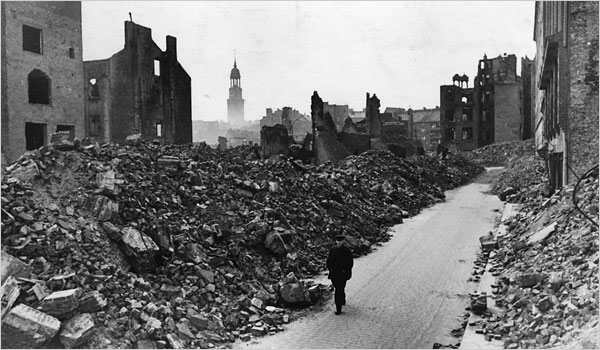
Germany 1945 - Photo Credit: nyt.com

Germany 1945 – Photo Credit: nyt.com

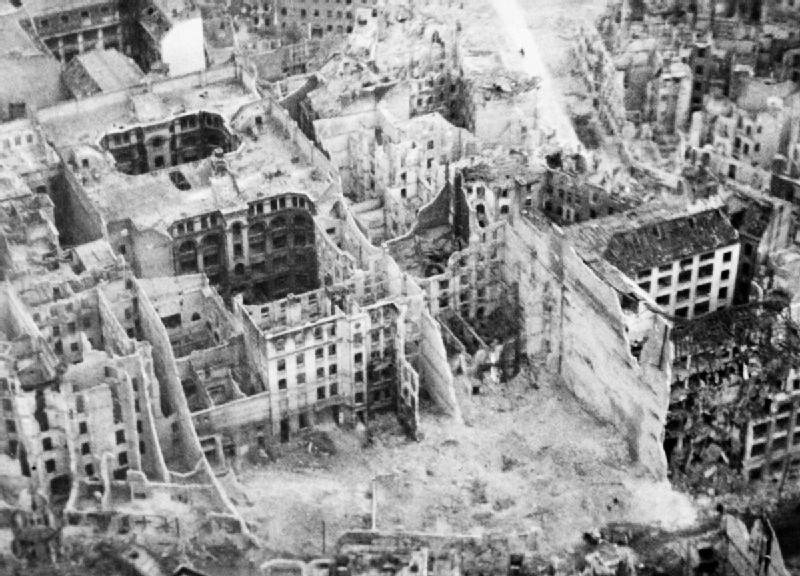
Durch das Trümmerfeld Berlin zogen wir mit Handkarren, die irgendwo am Bahnhof rumstanden, aufs Geratewohl zu Verwandten von Keglers, und tatsächlich, wir konnten unterkommen, teils in Charlottenburg, teils im Pfarrhaus in Wedding. Ich bin an diesem Tag mit Hartmut 40 km und mehr hin- und hergelaufen – Bahnen, Busse etc. gingen nicht, Brücken waren kaputt.

Berlin 1945 - PhotoCredit: forum.warthunder.com

Berlin 1945 – PhotoCredit: forum.warthunder.com

Am nächsten Tag ging es wieder zurück nach Wittenberge – tagelang. Dort schrieb ich, noch auf den Treppenstufen des Bahnhofes auf einem alten Feldpostbrief meine Bewerbung um Wiedereinstellung als Lehrerin an das Schulamt, denn die Schulen sollten wieder eröffnet werden. Ich hatte Glück: am 1. Oktober 1945 wurde ich in Rambow – Mellen in den Schuldienst berufen. Es war eine schwere Zeit – keine Hefte, keine zugelassenen Bücher, keine Bleistifte … und es gelang! Arbeitswille und Disziplin halfen mir und 118 Schülern zu bescheidenen Freuden und Erfolgen.

Muehle Mellen

Alte Mühle in Mellen

Meine Familie zog in das Schulhaus in Rambow ein, altes, abgestelltes Gerümpel der Bauern wurde mir geborgt. 1946 wurde die Schule zur Zentralschule, ich zur Schulleiterin, mir wurden vier im Schnellverfahren (acht Monate) ausgebildete Lehrer zur Seite gestellt.