Juliane Klopp (1877 – 1960) Part 2 (Chart I – II)

Young Artist and Hotel Owner Juliane Steuer (about 1900)

At the beach road at Scharmützel Lake leading up to Diensdorf Fritz Steuer and his wife Emma Juliane acquired in 1911 a brick manufacturing plant. It was located very close to today’s guesthouse “Café Glück Auf”. Around 1912/13 the couple built a villa there, which was connected to the machine shop of the brick factory. In the mid 1920’s Friedrich Steuer added yet another building, ‘Hotel Seehof”, which survived the GDR years as a vacation center by the name of “Franz-Kirsch-Heim”. In 2006 it was rescued from falling into disrepair, was completely modernized and turned into a 4-star hotel.
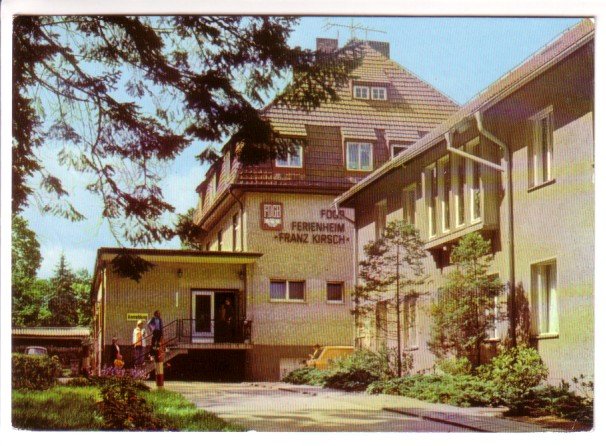
Former "Hotel Seehof" Renovated, Today's Wellness Center

Former “Hotel Seehof” Completely Renovated and Today’s Wellness Center

In 1923 Fritz employed the two Klopp brothers Ferdinand (1879-1952) and Hermann (1892-1937) in his Diensdorf work place. In response to inflation and decreasing demand for building materials the Steuers converted their villa into a hotel. They called it “Gasthof und Fremdenlogis Strandhotel” (Guesthouse and Beach Hotel ). It was here that Juliane’s sister Else Klopp (1895- 1934) got acquainted with her future husband, army defense officer Drusus Stier. The beach hotel was a favorite meeting place for officers of the garrison town of Fürstenwalde/Spree. Also brother Ernst Klopp, my father, came shortly before his wedding for a longer visit at his eldest sister.
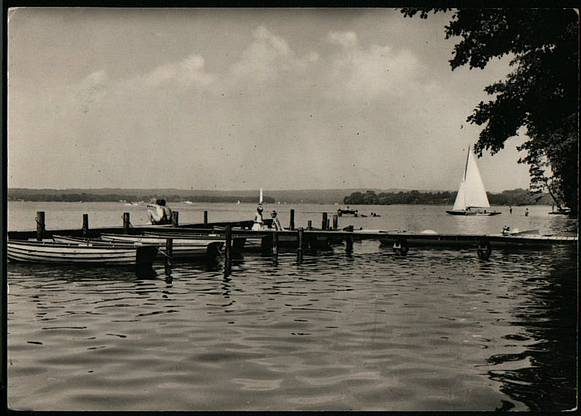
Scharmützel Lake in the 1920's

Scharmützel Lake in close Proximity to ‘Hotel Seehof’ in the 1920’s

When her brother Hermann Klopp ran into financial difficulties on his estate Breitenberg/Pomerania in the early 1930’s, Jula helped him out with obtaining a mortgage by providing the required security. When Hermann was unable to make the payments, Jula lost a huge sum of money that she was never able to retrieve in spite of the fact that she won several court battles with the creditors after Hermann’s death in 1937. The specter of bankruptcy was looming on the horizon. Eventually the couple lost the factory, the two hotels and was forced to move to Berlin, where with the remnant of their liquid assets they were able to run a small pub at Feldstrasse 2. The childless couple separated, but refrained from formal divorce. Friedrich Steuer died in Berlin in 1934, suffering from lip cancer.

The now 57-year old Jula acquired a house in Köpenick, Am Spielplatz 13. In 1938 she spent some time at my father’s place at the Ernst-Flos-Hof estate in Belgard. During her stay she created an oil painting depicting a beach scene at the Baltic Sea.
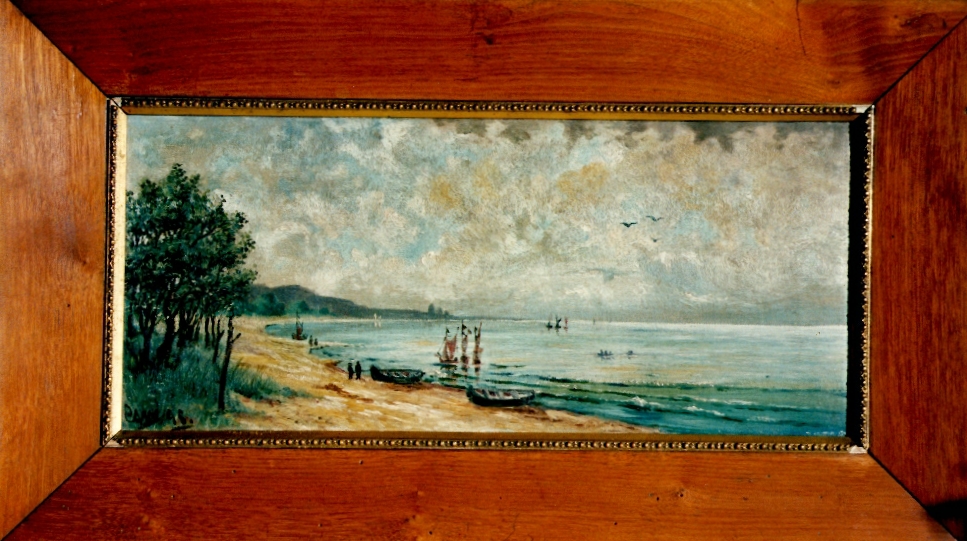
Juliana's Painting of the Baltic Sea

Juliana’s Painting of the Baltic Sea

Jula survived as widow the Hitler years, World War II, and the early years of the German Democratic Republic almost up to the building of the Berlin Wall. To see an earlier post of my visit to Aunt Jula, click here.
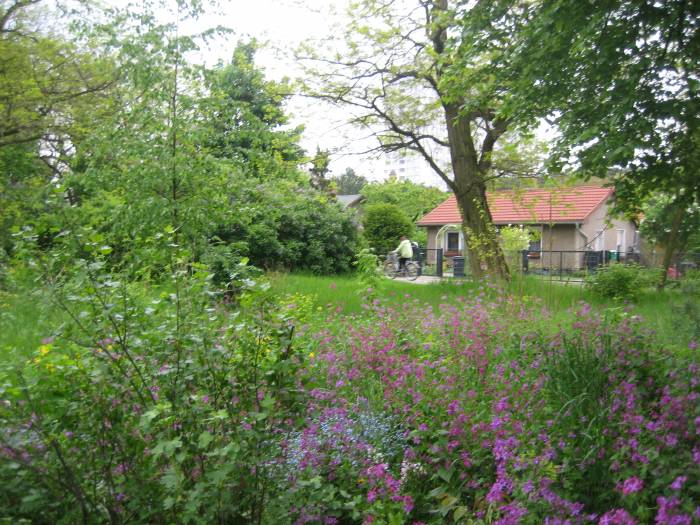
Garden Region near the Spree

Recent Photo of the Garden Region, where Aunt Jula had her Cottage

After the war she gave up all her properties and retired in the picturesque garden section of Köpenick, where she lived in a modest cottage for the remaining years of her life getting by on a small pension, to which she was entitled from her late husband Friedrich Steuer, from whom she was never formally divorced. From this sad period there is a photo, which shows a friendly, kind, somewhat sad Klopp portrait of an old lady that had seen better days. On account of the photo session she dressed up with a pearl necklace and ermine fur. Completely impoverished she passed away on June 8, 1980 at the age of 83.
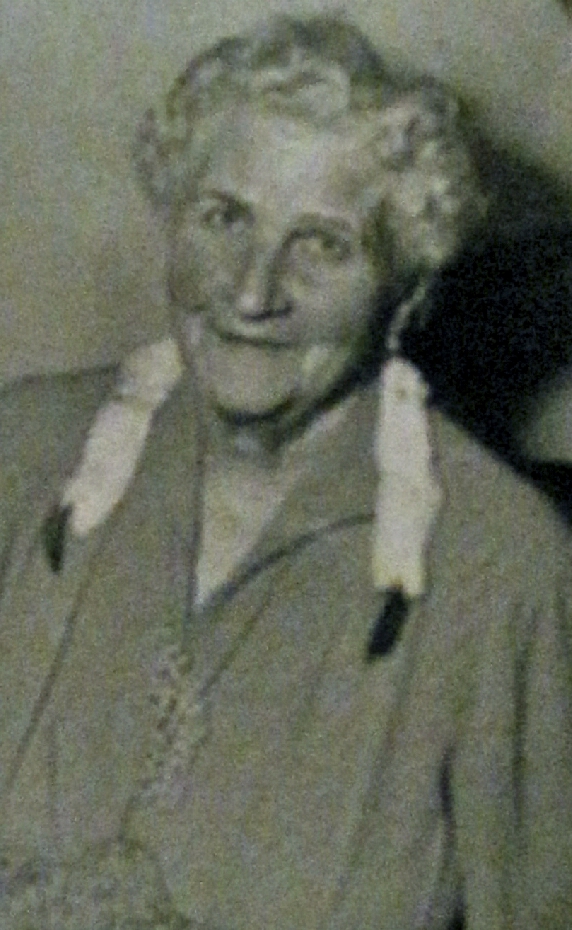
Aunt Juliane (late 1950's)

Aunt Juliane (photo taken in the late 1950’s)
Gerhard Kegler, the general, who dared to disobey Himmler – Part IX

His Side of the Story 2


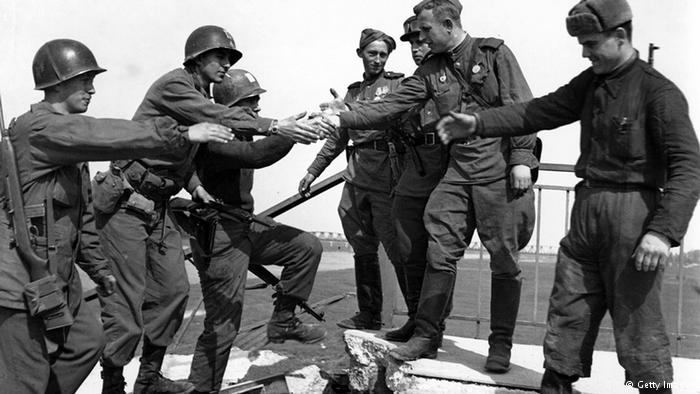
American and Soviet Forces Meet at Torgau April 1945 - Photo Credit: dw.com

American and Soviet Forces Meet at Torgau April 1945 – Photo Credit: dw.com

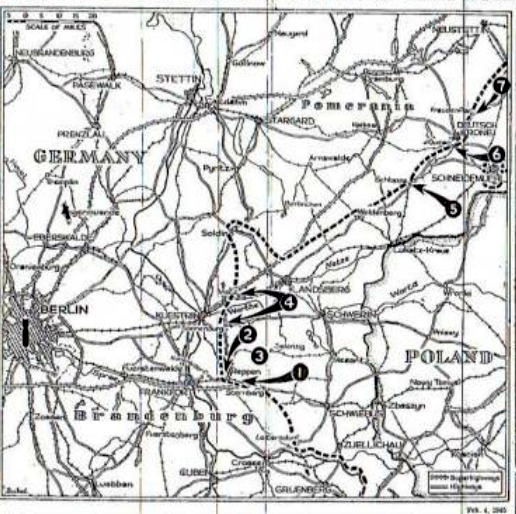
After much conscientious deliberation I decided to disobey the order, which I considered senseless and whose execution could not have brought any positive results, but would have cost great unnecessary human sacrifices. In spite of being threatened with court martial proceedings, I remained loyal to my conscience and relying on my three years of front experience in Russia I led the ‘division’ within four days in an orderly fashion to Küstrin with the purpose of integrating the troupes into the Oder front.

From the New York Times Edition of February 4, 1945

From the New York Times Edition of February 4, 1945

General Busse, former commanding officer of the 9th Army, describes in an article to the magazine ‘Wehrwissenschaftliche Rundschau’ the situation with the words, “He fled in a train to Küstrin”. Nothing could be further from the truth. The description and his conclusions do not agree with the facts.

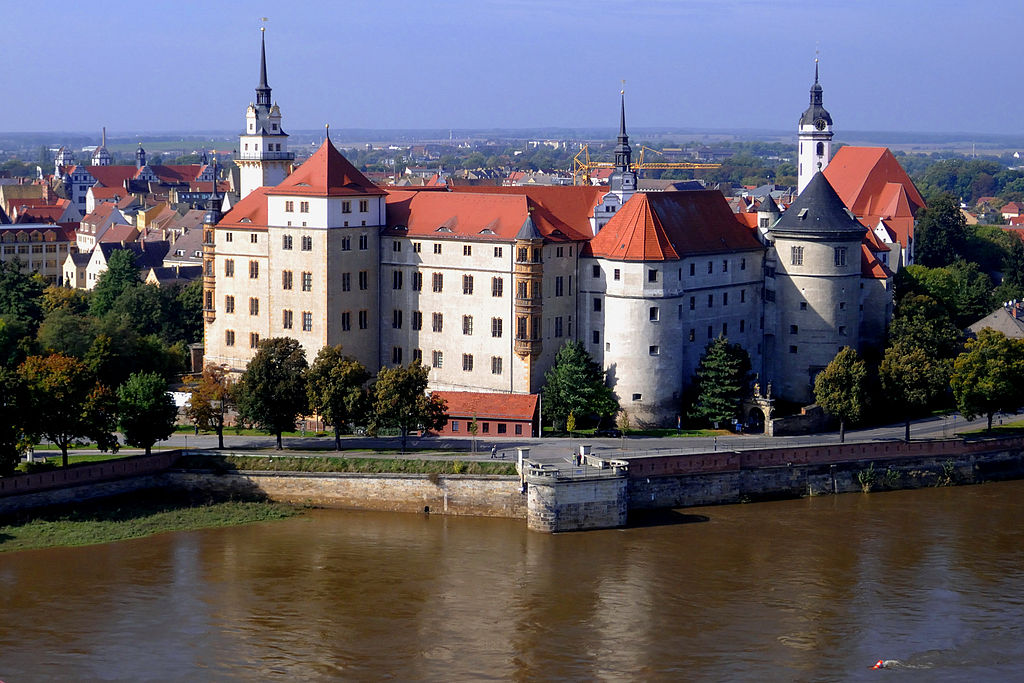
Castle Hartenfels at Torgau - PhtoCredit: wikipedia.org

Recent Photo of Castle Hartenfels at Torgau – Photo Credit: wikipedia.org

In the early morning hours of February 2, 1945 I arrived with the last unit at Küstrin-Neustadt. There I received the order to report to the war tribunal at Torgau. Dr. Jur. Freiherr von Dörnberg was commissioned to act as investigating judge. He could not prevent that I be sentenced to death, as it was then customary, and be sent on ‘probation’ to the Eastern Front, where as a regular soldier I was seriously wounded on the first front line.

Thus, from the first to the last day not only as soldier did I prove my mettle, but also saved the lives of many comrades and civilians through my opposition against a senseless retaining order (Durchhaltebefehl in German – defense order to fight to the last man).

Signed: Gerhard Kegler, Majorgeneral in retirement

Dr. Dietrich Kegler, the late Majorgeneral’s son, is presently writing an epilogue, which I will publish in a future post, as soon as it becomes available.

Irony of Life

A Wish Squashed Unexpectedly Granted

In 1976 our family moved to Fauquier, BC, at the beautiful Arrow Lake. Between our neighbor’s and our house grew a dozen or so young cedar trees. Nor more than five meters tall at the time they were just the right height to let the sun shine on our deck and provide the privacy Gertrud needed for taking a little break from the mounting duties in our seven-members’ household.

Our House after a Mobile was Added in 1977

‘Old’ House with Attached Mobile Home to Accommodate  our Large Family in 1976

Inge, our neighbor,  often came over for a visit and a cup of coffee. At one of those occasions she made the generous offer to have the cedar trees cut down to add more light to the south side of our house. However, we opted to maintain the fine balance between light and privacy and adamantly opposed the idea.

Ten years later we began to regret our decision as the cedars had almost doubled in height. Inge had moved to Vancouver and eventually sold the house to Dave, who although being a bachelor impressed us with his impeccably clean house and yard. He also loved the trees on his property, which, having turned into green giants, were preventing with their dense foliage the sun rays from reaching our home. We virtually lived in a shadowy world. I approached Dave a couple of times in an attempt to convince him to take out just a few of his beloved cedars. But he always gave me the negative reply. So at the end Gertrud and I gave up and resigned ourselves to the steadily growing darkness in and around our house.

Suddenly, Dave passed away one night of some undetermined illness and his brother  sold his house to some friends in Calgary. Again we are very lucky in getting some very fine neighbors, who take good care of their yard. Even though Tony and Anne are using their property mostly as a summer residence, they often travel the 600 km or more to keep their land attractive and in top shape. For them work appears to be recreation. First they built a storage shed, then they solved their drainage problem by building a massive retaining wall and then  after their trailer showed some water damage, they decided to build a garage.

By now, you must be wondering what I am driving at with my strange post. Perhaps you think that Peter got ‘off the rail’ with his theme “Irony of Life”, but read on and look at the photo gallery below. You guessed it. To build a garage between their house and ours more than half of the cedar trees had to be removed.

After only three days, for the first time in 30 years, precious sunlight was flooding bedroom, bathroom, and the mobile home living room and office. This is the irony of life. After you have given up on whatever your desire used to be, no matter how intense and urgent, you see its fulfillment, when you least expect it.

Now we feel a new conflict in our hearts. Yes, we need and love sunshine. But we also love trees and know their value for our environment.For that reason we also feel a little bit saddened by the loss of those mighty trees.

Gerhard Kegler, the general, who dared to disobey Himmler – Part VIII

His Side of the Story

While Gerhard Kegler was fighting for his pension with the bureaucratic system of West Germany, he also had to defend his honor as former general of the ill-fated ‘Woldenberg Division’. As this post and next week’s post are going to be the last ones on my uncle’s military life, I consider it important to publish his own personal response to the slanderous attacks by his former commanding officer (General Busse) of the 9th Army and let Major-general Kegler have the last word on this matter.

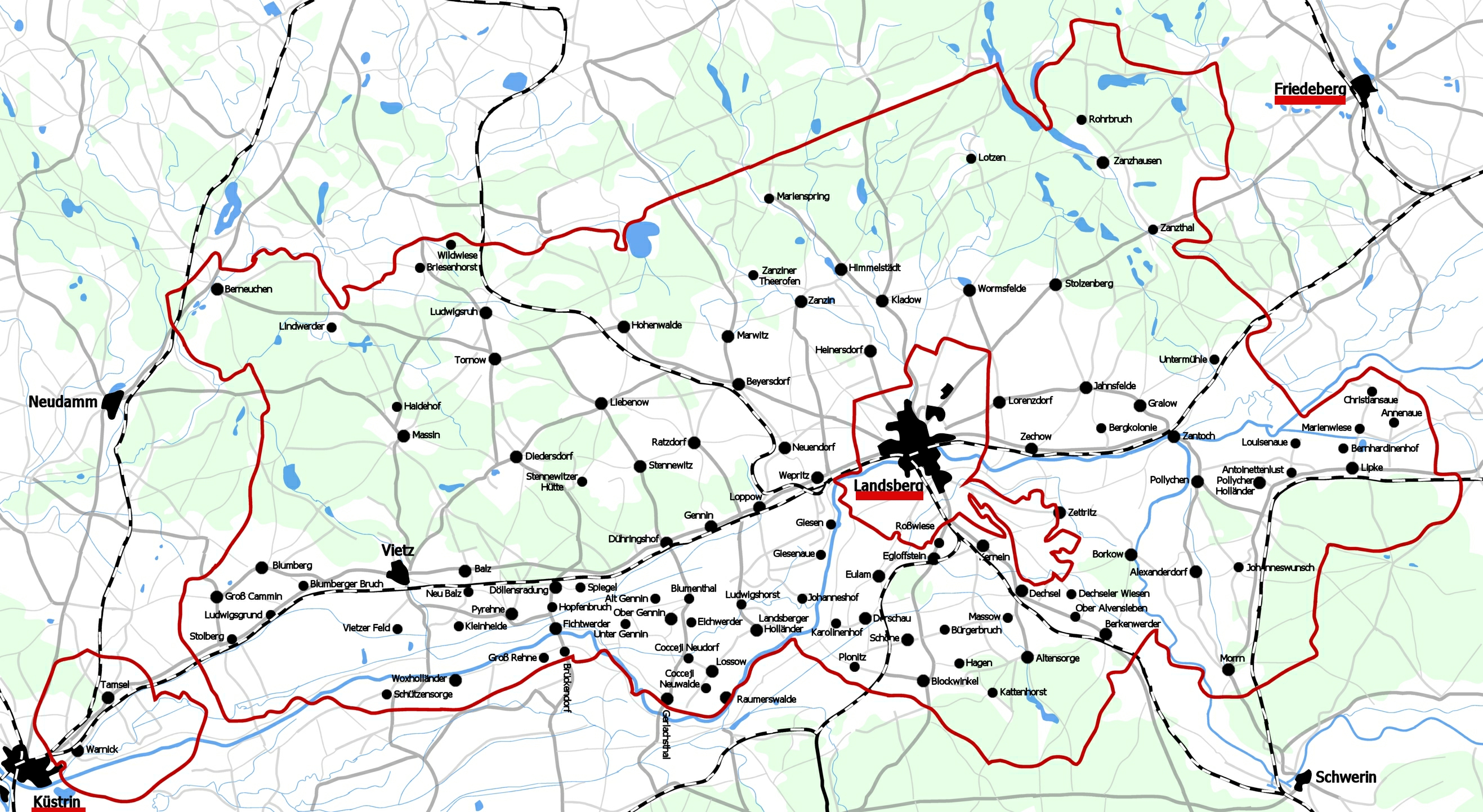
Landsberg_gross

On January 30, 1945 I received from Himmler the order to take command of the ‘Woldenberg Division’. I did not receive any orientation about the military situation nor any specific instructions. I had to locate the ‘division’ myself. I found the command center east of Friedeberg. There was no connection with any high-level command posts. Adjoining troops did not exist. Shortly before noon I took charge of the command at a time, when the hastily assembled ‘division’ had already begun its retreat in a nearly disintegrated condition.

In the morning of January 31, I was busy with the arrangements of the left-over army units in Landsberg. Then I noticed that the ‘division’ had no antitank weapons, no reserves of ammunition and food provisions, and no communication units. There was no physician for the ‘division’. The artillery consisted of two horse-drawn batteries.The ‘division’ was not a “very strong fighting unit”. The troops were definitely not battle-ready.

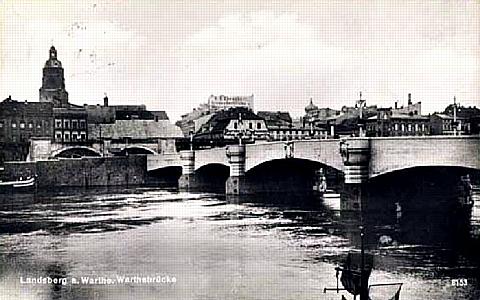
The Warthe Bridge at Landsberg

The Warthe Bridge at Landsberg

For the town of 45000 inhabitants no preparations had been made for its evacuation. The high command of the 9th army passed on to me through the army’s mail service Himmler’s order that I had to defend the town of Landsberg as a fortress. On that day Russian tanks had already entered the area north of the Warthe-Netze region. I ordered the Warthe bridge to be blown up.

To be concluded next week …

Adding Meaning to Thanksgiving

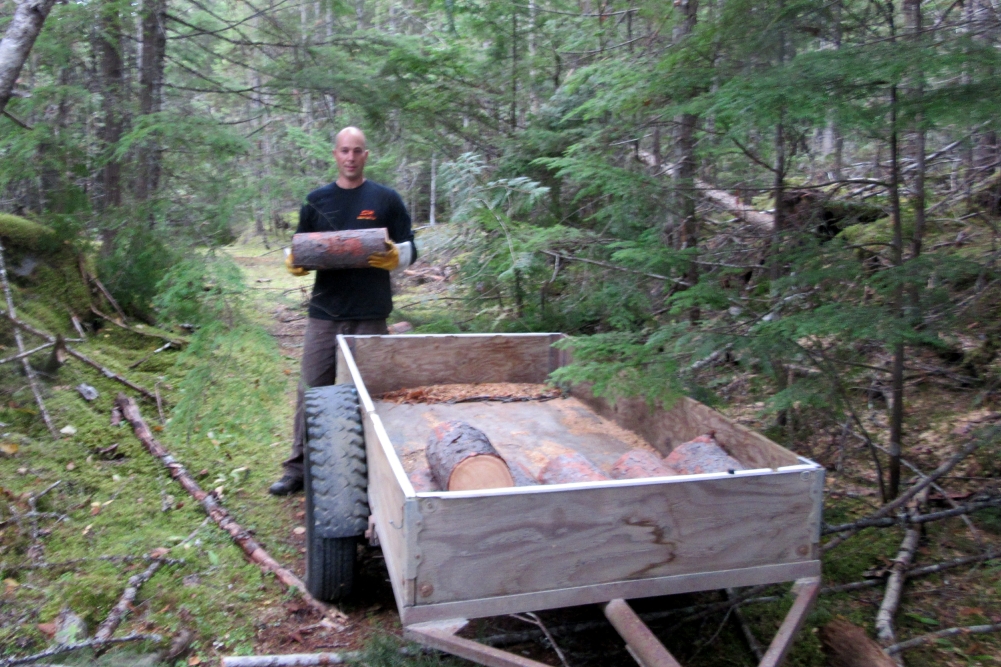
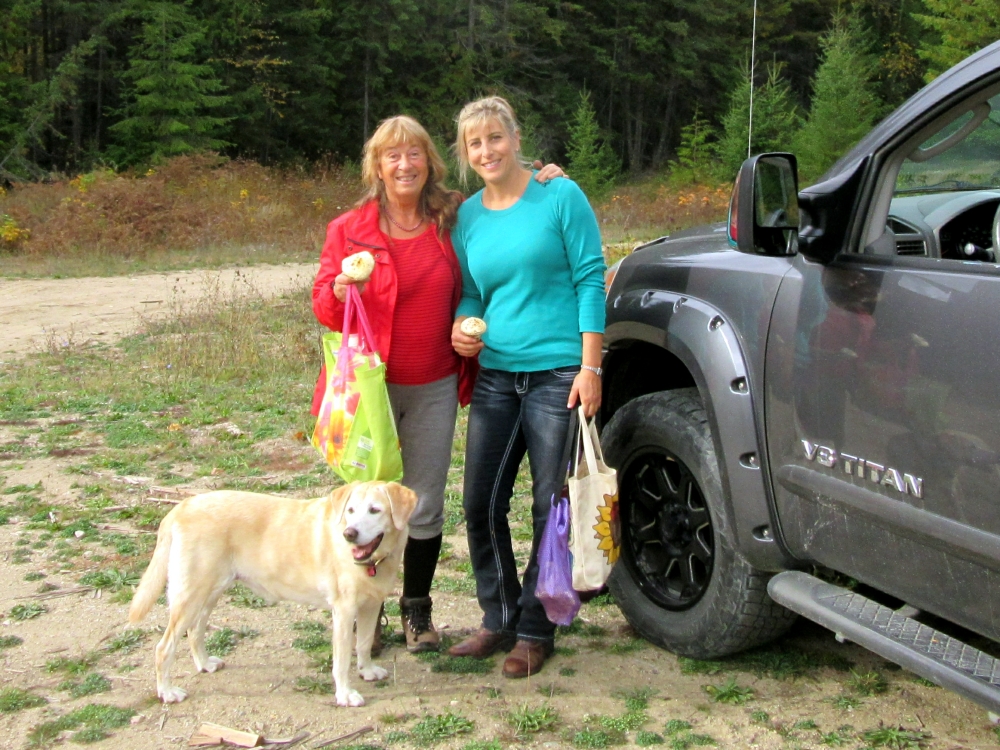
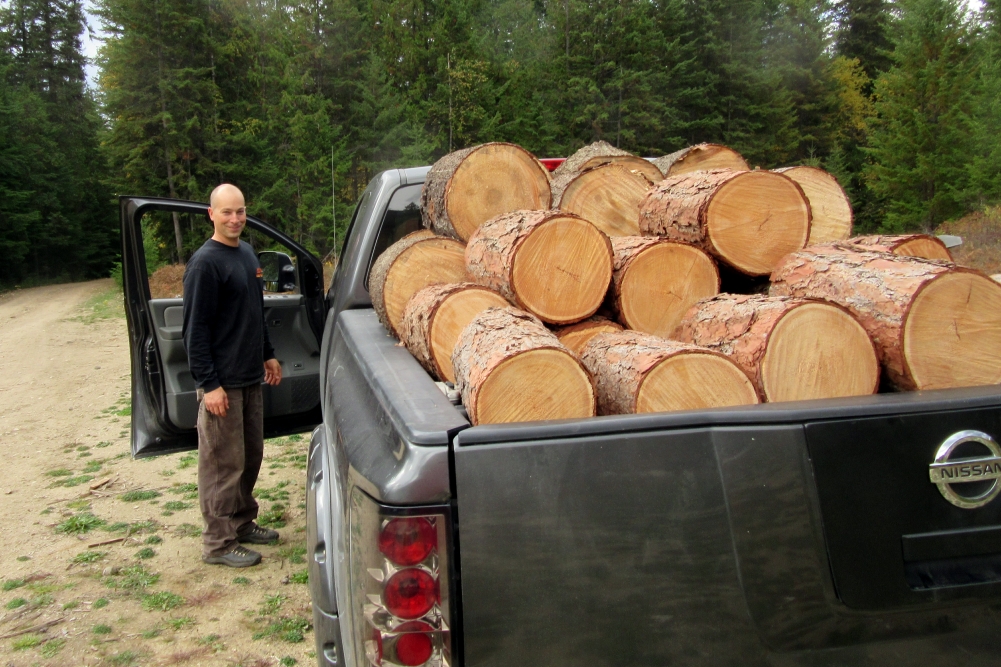
Michael and Angie Helping Gathering Firewood

Chart I – IV

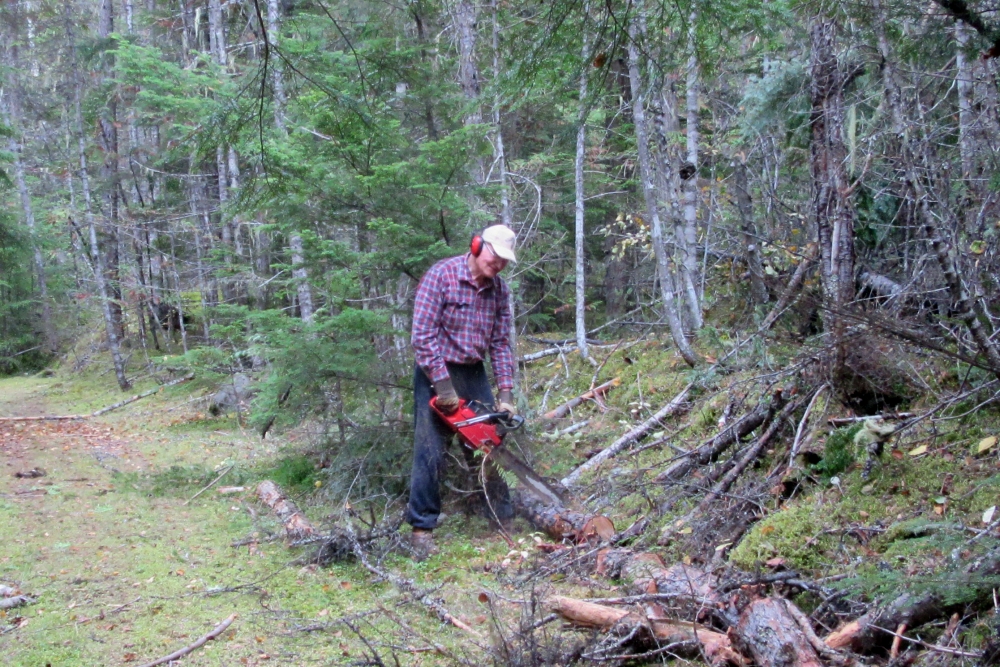
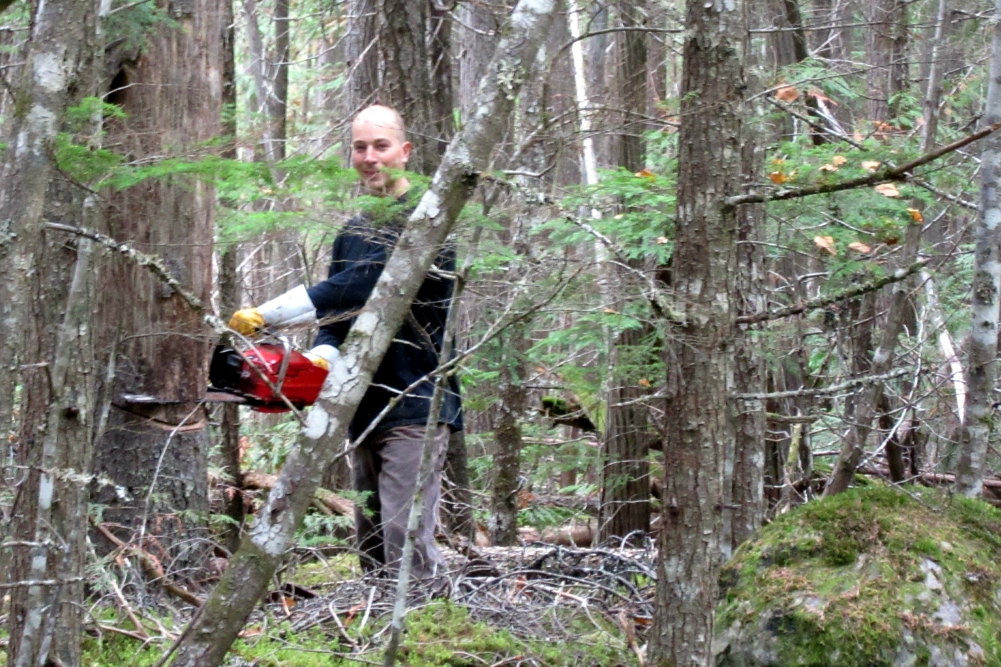
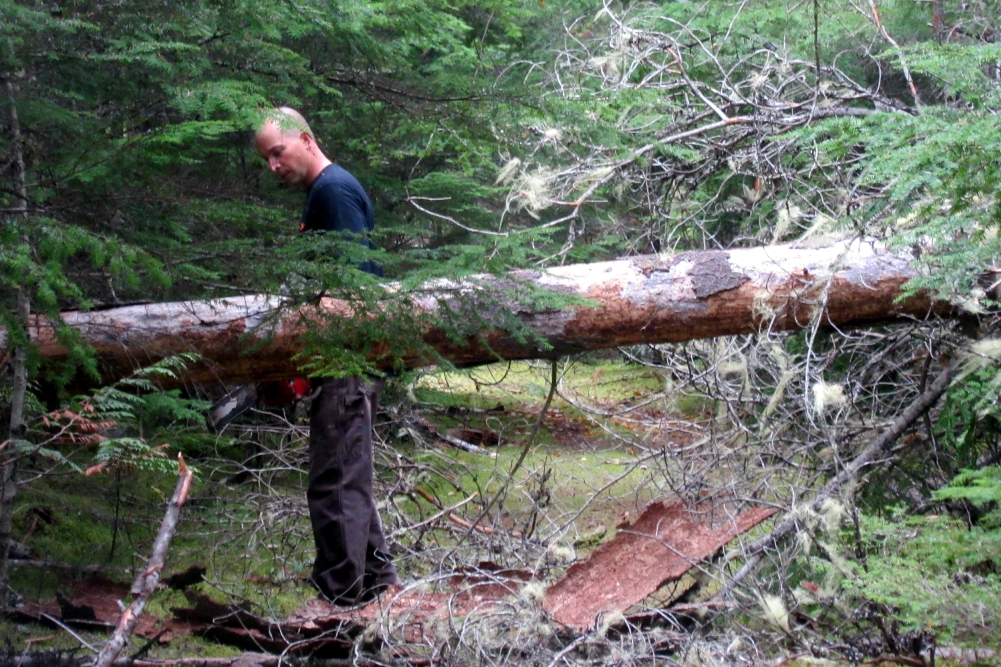
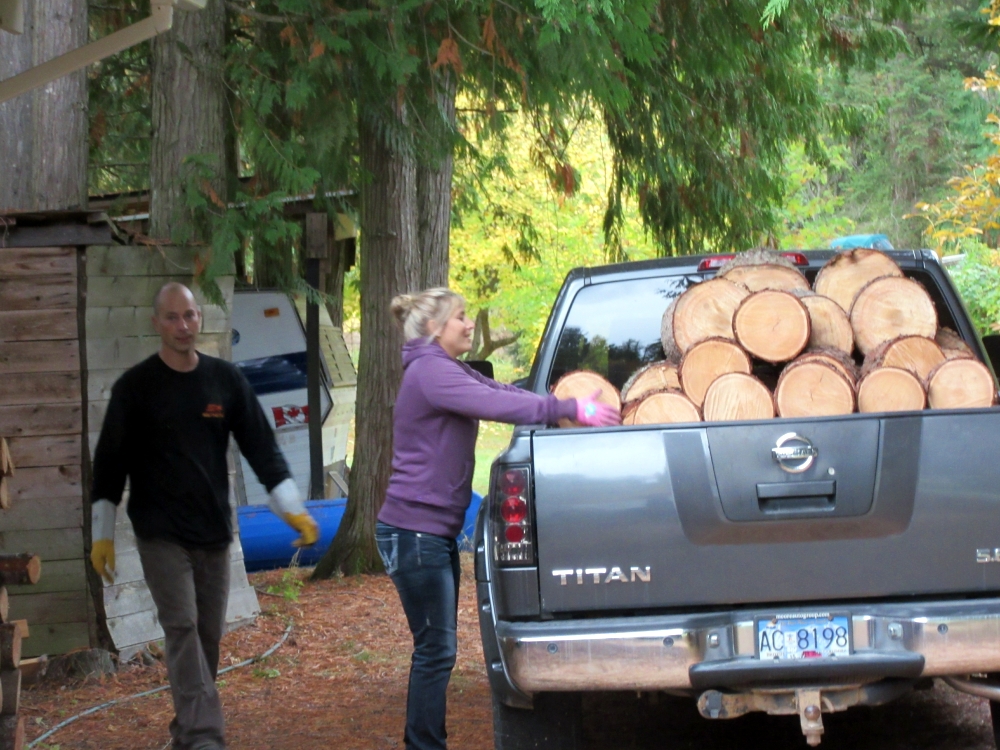
On the Canadian Thanksgiving Weekend our son Michael and daughter-in-law Angie dropped in on a surprise visit. And what a surprise it was! They came to help  to get some firewood out of the Taite Creek area. While my foot had healed quite well over the past eight weeks, our family doctor insisted that I should not yet go into the woods picking mushrooms or cutting firewood. So the following photo essay will express our joy and appreciation for what Michael and Angie have done for us.

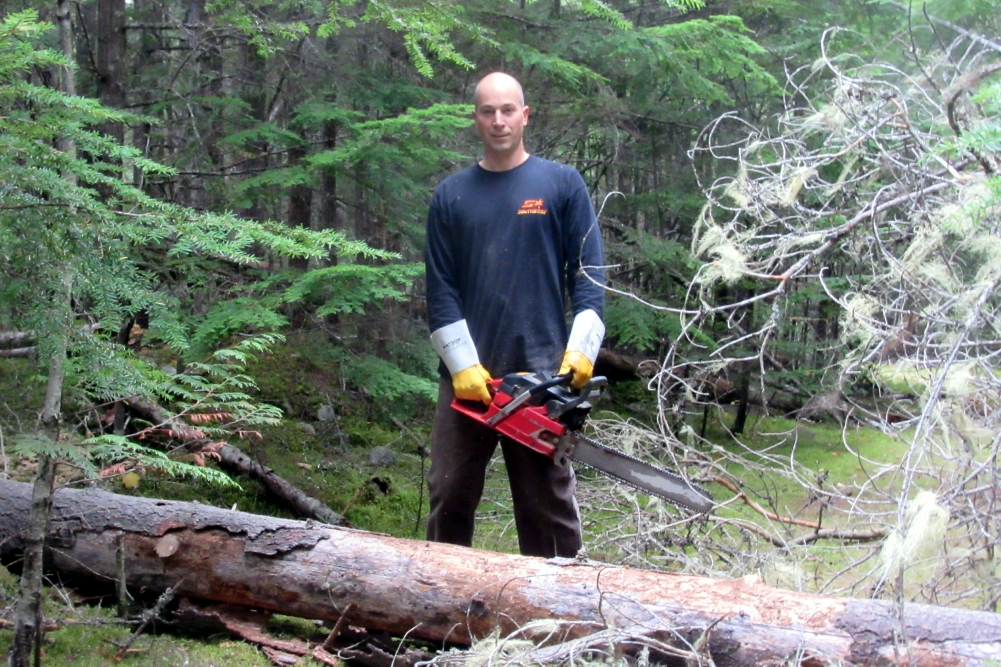
After Michael's truck was loaded with logs from a large pine tree, Michael cut down a larch for my small trailer.After Michael’s truck is loaded with logs from a large pine tree, Michael cuts down a larch for my small trailer.
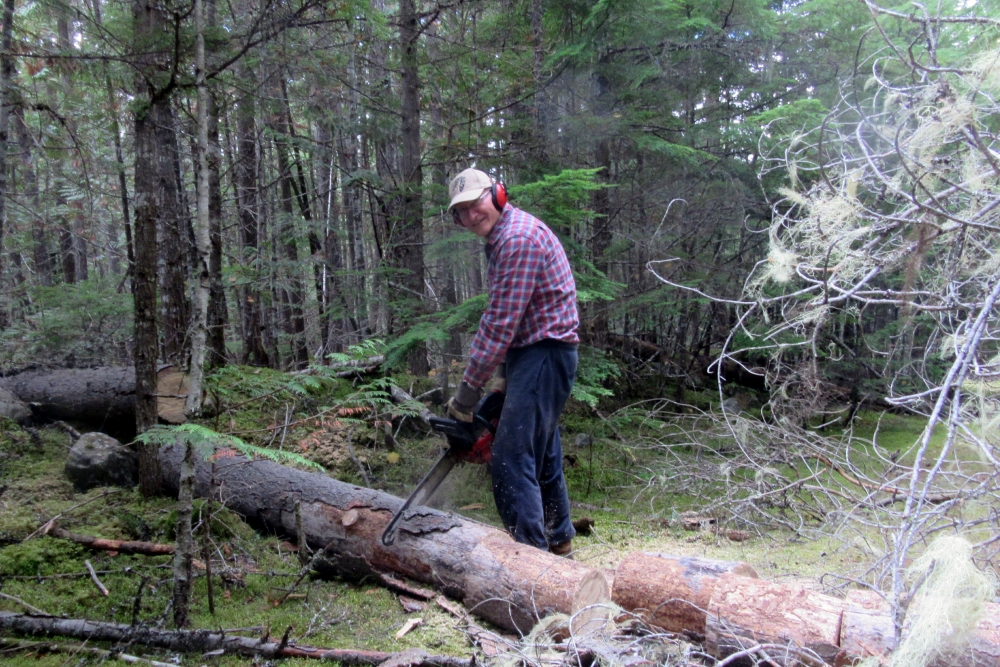
Still having to be careful with my right foot, I cut the fallen tree into small pieces, while Michael carried them to the trailer,Still having to be careful with my right foot, I cut the fallen tree into small pieces, while Michael carries them to the trailer.
When there was still room for more logs on the trailer, Michael cut down another pine tree.Because there is still room for more logs on the trailer, Michael cuts down another pine tree.
Since the fallen pine tree was blocking the road, Michael cut the middle section out of the tree.Since the fallen pine tree is blocking the road, Michael cuts the middle section out of the tree.
05He expertly accomplishes this task by two undercuts and then proudly presents himself with the chainsaw for the photo above.
Then it was my turn to cut the large section into logs that Michael carried to the trailer.Then it is my turn to cut the large section into logs that Michael then carries to the trailer.
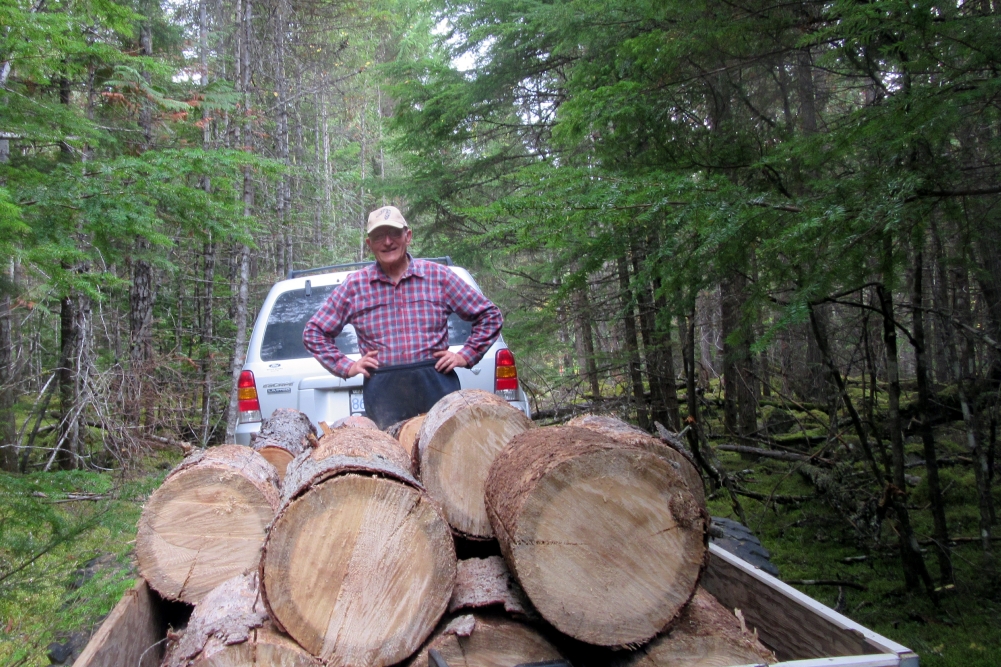
07Standing behind our trailer, I am looking thankfully at the load of pine and larch firewood.
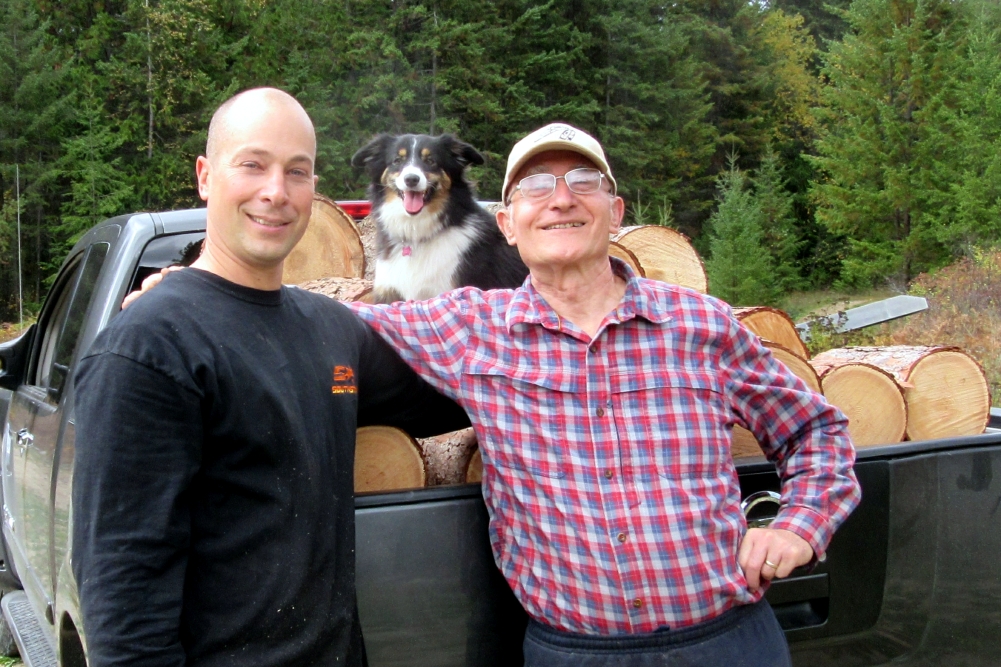
08With a truck full of precious firewood, we are thankful and all smiles. Even Piper, the miniature Australian shepherd, appears to make a happy face.
09In the meantime Biene and Angie had been scouring the woods for those elusive pine mushrooms and are showing off their loot.
11Now it is time to bring home the treasure to keep us warm this coming winter season.
12While I am taking pictures, Michael and Angie are unloading the truck. What a joy in a father’s heart!

After all this hard work, we all sat down for an early Thanksgiving dinner that Biene had so lovingly prepared before our outing into the woods.

Happy Thanksgiving to you all!


Gerhard Kegler, the general, who dared to disobey Himmler – Part VII

Kegler’s Death Sentence and His Life put on ‘Probation’

If you have not read the previous posts on Major-General Kegler, you can look them up by clicking on I, II, III, IV, V and VI.

Parts V and VI are a digression from the report extracted from the book: The Siege of Küstrin – Gateway to Berlin 1945. But they provided some valuable insight into Kegler’s personal life before he was called away from Gutfelde to become commander of the newly established Woldenberg Division and also commandant of Landsberg/Warthe, which was declared a fortress by Himmler.

 “At dawn on February 4, the remains of the ‘Woldenberg’ Division began crossing the anti-tank ditch that blocked the Landsberger Chaussee at the eastern end of Küstrin. They had already come to within 10 kilometres of the town the previous day but had waited for darkness to get through the area occupied by Soviet forces.

General Busse had sent a young liaison officer to meet them, but without any instructions for Major-General Kegler. When the latter arrived in Küstrin he was promptly given orders to report to the standing court-martial in Torgau, thus becoming one of the last to leave Küstrin by the normal road. As the witnesses to the events leading up to Kegler’s court martial were now trapped in Küstrin, evidence had to be obtained from them by telephone.” Thus, one reads in the book ‘The Siege of Küstrin: Gateway to Berlin 1945’.

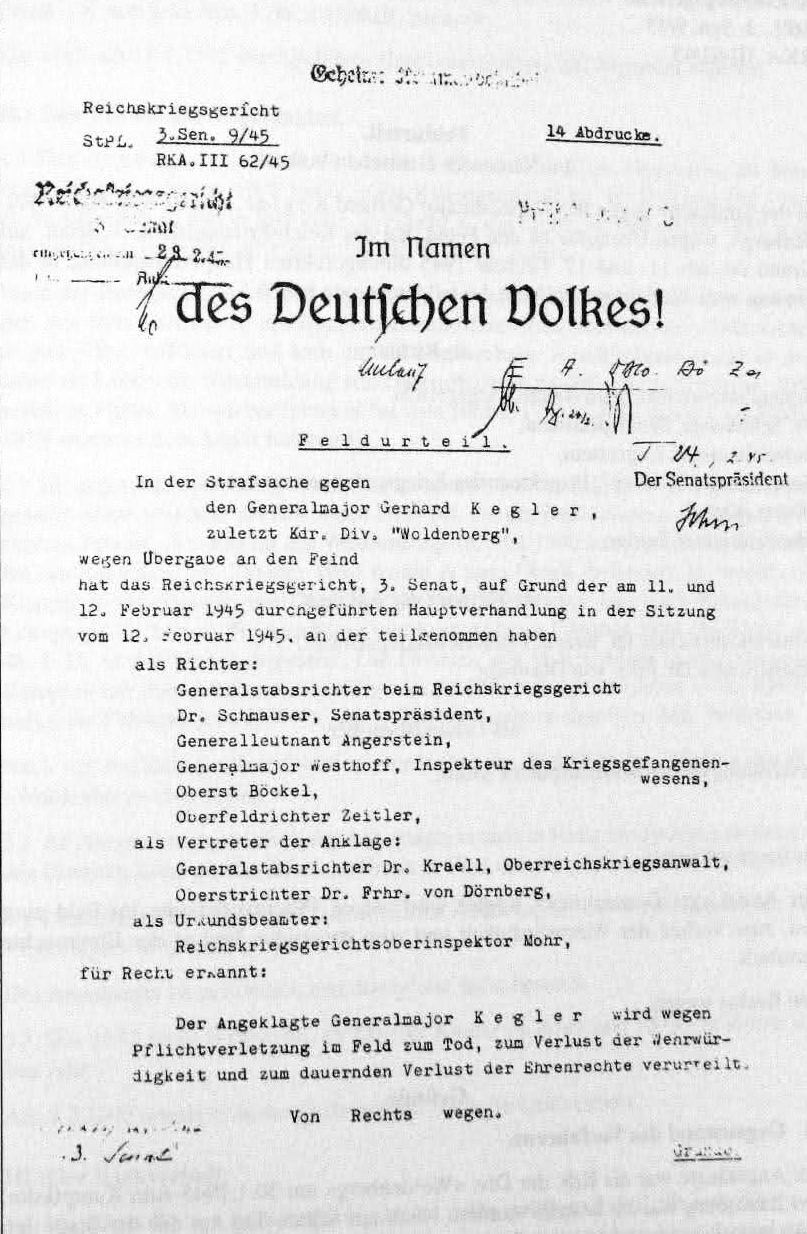
Court martial proceedings against Major-General Gerhard promptly began on February 11, 1945  and ended on the following day with the pronouncement of his death sentence for not having defended the city of Landsberg against the enemy.

The Death Sentence of Major-General Gerhard Kegler

The Death Sentence of Major-General Gerhard Kegler

The bottom line of this document written ‘In the Name of the German People’ reads: The accused Major-General Kegler due to his breach of duty on the battle field is condemned to death, to loss of his eligibility for military service and to perpetual loss of his civil rights.

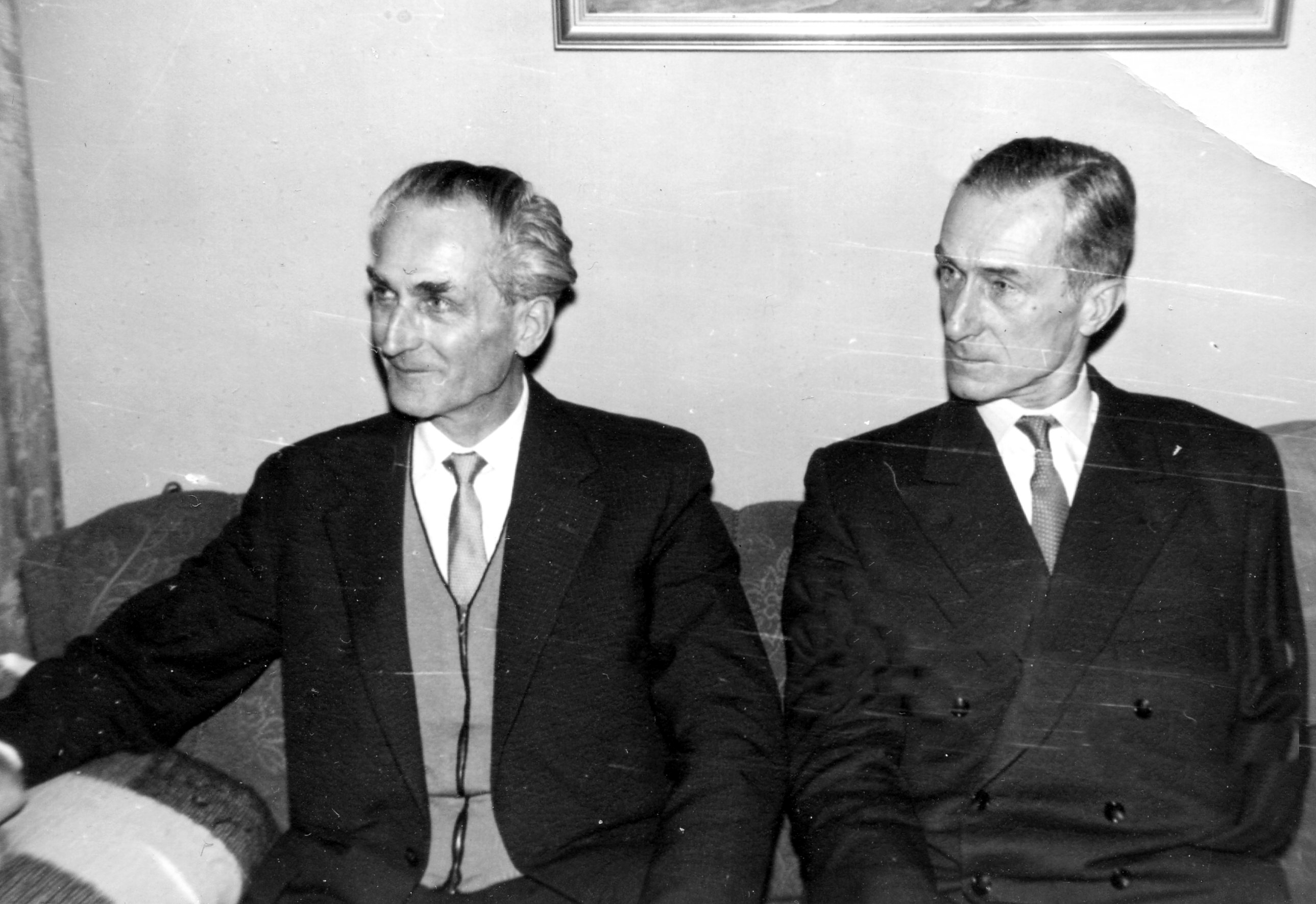
The Two Kegler Brothers, Günther on the left and Gerhard without his right Arm

Von Scheele, the president of Nazi-Germany’s Court Martial Justice System, brought about a suspension of the death sentence and postponed its execution to the end of the war.Demoted to the rank of a private, he was to die a heroic death or to prove himself worthy to be pardoned. As a soldier in the battle field he was severely injured losing his right arm and in the closing weeks of the war became a prisoner of war of the British, who promptly promoted him back to the rank of a ‘Nazi-General’.

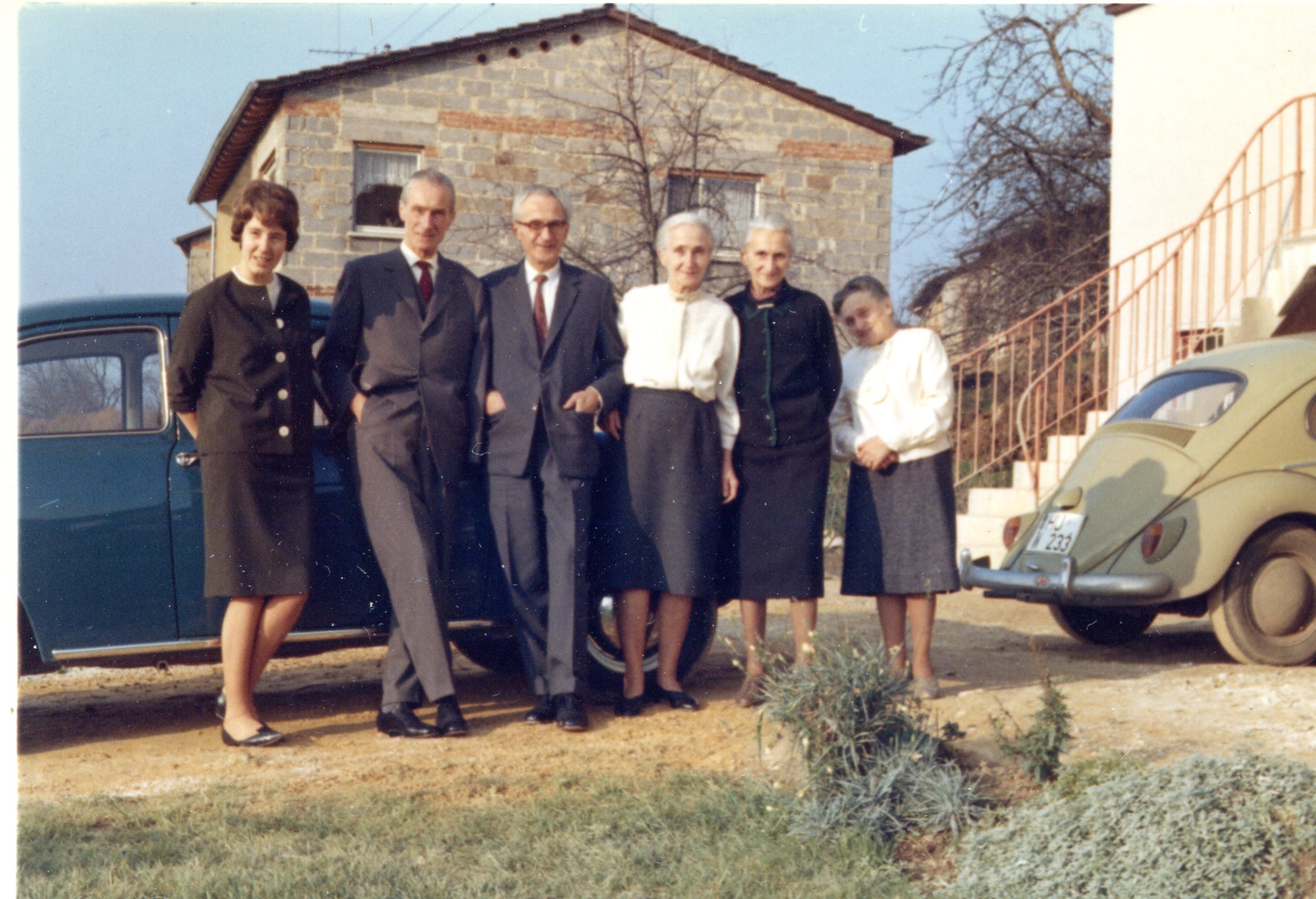
The Kegler Family with Gerhard and his daughter Helga on the left

The Kegler Family with Gerhard and daughter Helga on the left (1964)

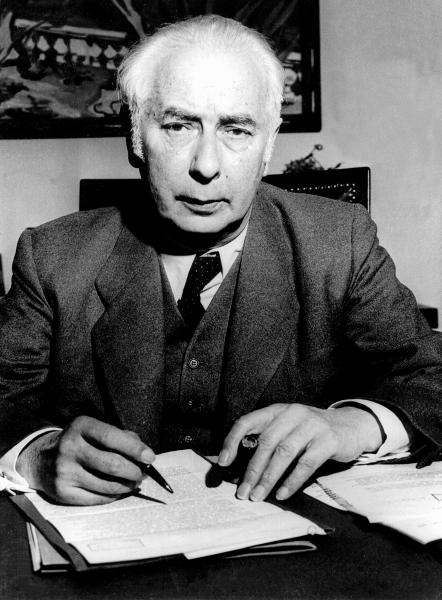
When in 1952 he applied for a pension as a former general of the armed forces, the official in charge declared, “You have been condemned to death by Himmler!” and turned down my uncle’s application. What followed is hard to believe. Gerhard Kegler had to apply to have his death sentence annulled in order to be eligible for his pension. However, the provincial court of Hesse in Giessen rejected his application on the ground that he had missed the deadline regarding compensation for injustices suffered under the Nazi regime. The West-German press heard about this case and spread the news about the condemned general with headlines like ‘Does Himmler still rule from his Grave?’. The news created such a public outcry that in the end Theodore Heuss, the first President of the Federal Republic of Germany, stepped in and officially rescinded the death sentence. Thus, my uncle finally regained his status as general in retirement and was able to draw his pension.

Theodor Heuss, First President of the Federal Republic of Geramny - Photo Credit: germany.info

Theodor Heuss, First President of the Federal Republic of Germany – Photo Credit: germany.info

To be concluded on next week’s post