Chapter IX The P. and G. Klopp Story – Part IV

 Succulent Peaches and Playful Friendship with a French Girl

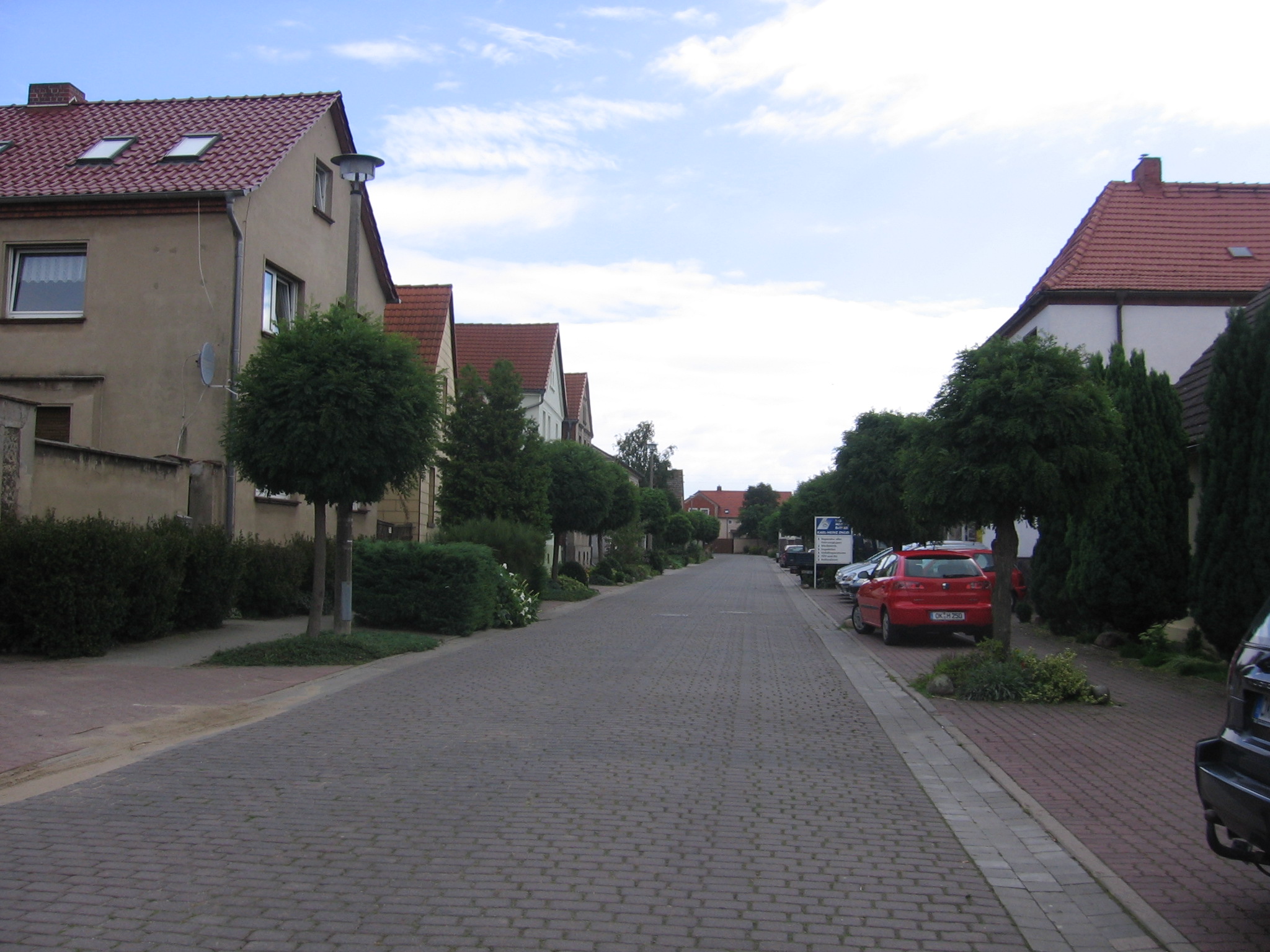
The yard around the house at Maria-Theresia-Str. 4 was beautiful indeed. A hedge completely surrounded the property except for the iron wrought gate near the main entrance of the house. Various fruit trees decorated a good part of the yard, and the peaches were reaching full maturity. There was nobody who expressly told me not to eat them. I ate them, because they were there and because they tasted delicious. With each new bite the juice was squirting into my face and running down on each side of my mouth. My taste buds were so delighted that I overindulged in the pleasure of eating the succulent fruits, until my stomach began to grumble and was sending warning messages, which I chose to ignore. Too late! At first I barely made it up the two flights of stairs to get to the bathroom on time. Then the visceral revolt became too strong, I ran behind a bush to relieve myself. A woman from a next-door balcony watched in horror the revolting sight and rushed over to complain to my aunt, “This boy did not have the decency to go to the washroom and he disgusted himself on the lawn.” This was the way she described it in her excessive sensibility regarding bodily functions with that the rare German expression ‘Er hat sich verekelt.’
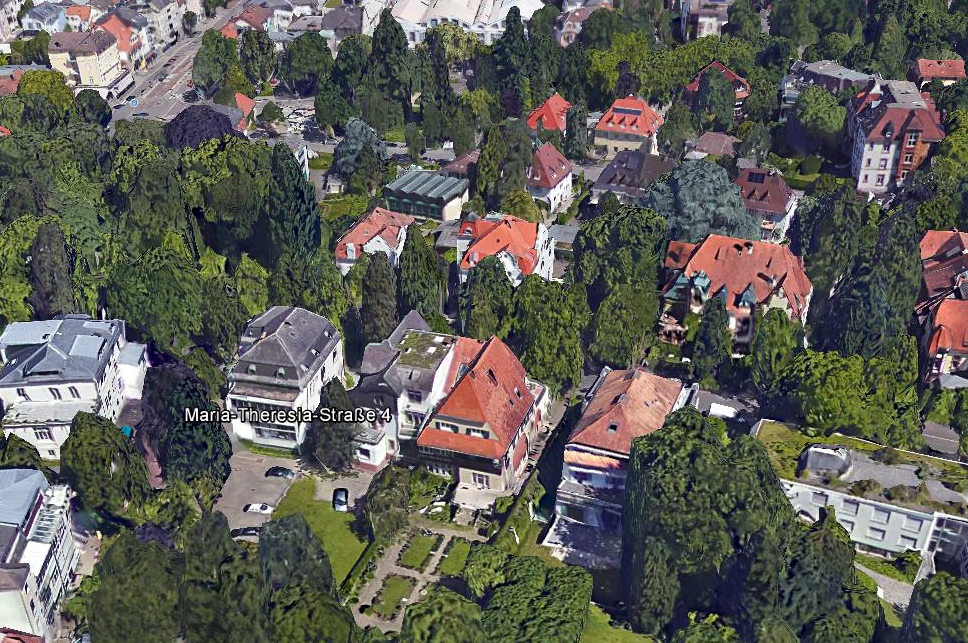
 

House, where Aunt Meta lived - Photo Credit: Google Earth

House, where Aunt Meta lived – Photo Credit: Google Earth

On the ground floor lived a high-ranking officer of the French occupation forces with his wife and a daughter, who was about my age. She often came out on the yard to play with me. There was no language barrier. We played all the simple games we had learned in school that required no or very little equipment, such as hopscotch, throwing pebbles into a circle, hide-and-go-seek, etc. Prejudices of our two different nationalities did not exist in our young hearts. The extent of my French vocabulary after three months of instruction was still under one hundred. However, under the tutelage of this vivacious little girl bubbling over with words and gestures my stock of words grew by leaps and bounds. When I made my first attempt to use some of the new phrases I had learned from her, she giggled goodnaturedly over my enthusiastic effort to communicate in her mother tongue. I have very fond memories of my summer holidays in Freiburg, and they will remain as one of the pleasant highlights of my childhood years in Southern Germany.
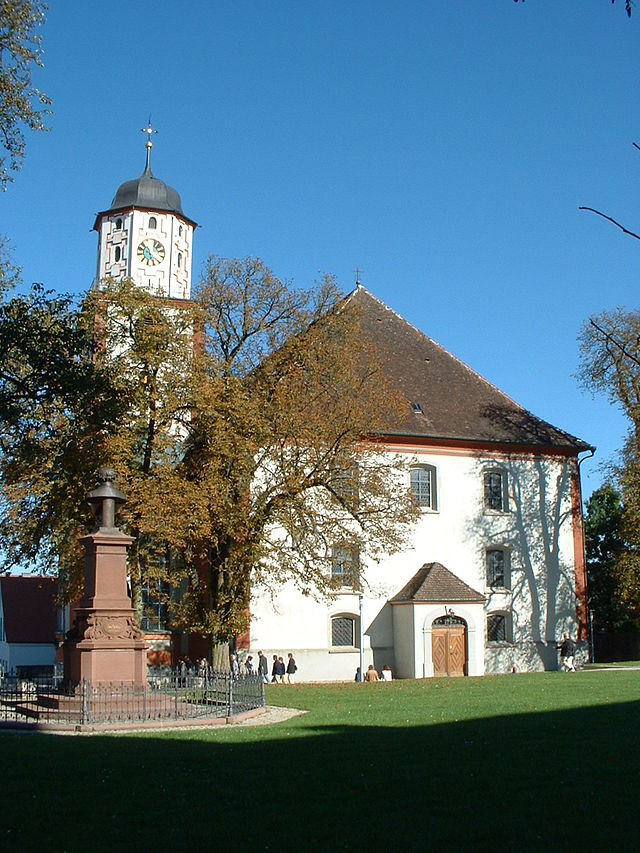
St. Martin Church Messkirch - Photo Credit: wikipedia.org

St. Martin Church Messkirch – Photo Credit: wikipedia.org

Upon my return to Messkirch things were looking up for awhile. My homeroom teacher Fräulein Welte was quite pleased with my sudden interest in French and with the general improvement in the other subjects as well. My more positive attitude was in part prompted by the so-called ‘blue’ letter. It was sent home to inform parents about their child’s poor performance in school. Now I was no longer in danger of failing the grade. Also there was a more pleasant atmosphere at the Stoll family. They must have enjoyed the break from having to deal with me during the summer holidays. The focus was now on the upcoming joyful event. For the baby was due in less than two weeks.
Günther Kegler, Chief of the Kegler-Clan (Part VI)

The Golden Years

After Elfriede Diesselhorst’s husband suddenly and unexpectedly passed away, widow Elfriede continued to work as pharmacist’s helper until 1963. She then moved back to Sangerhausen.

On June 1, 1970 Günther and Elfriede, having both lost their spouses, married in Watzenborn-Steinberg (now Pohlheim) and moved into  the aforementioned Seniors’ apartment complex in Kassel-Wilhelmshöhe. In spite of the many blows that fate had dealt her during her childhood and later years, she never lost her innate cheerfulness and thus brought much joy into my uncle’s life.

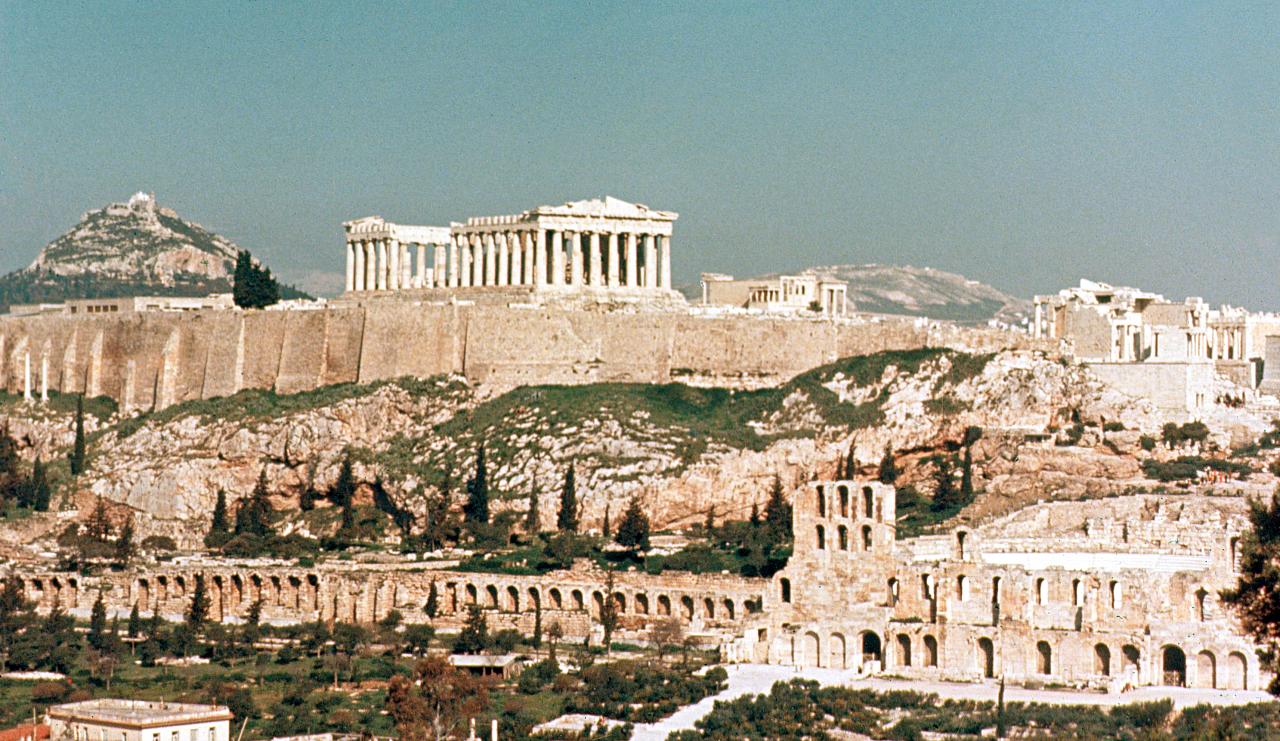
The Acropolis Hill - Photo Credit: wikipedia.org

The Acropolis Hill – Photo Credit: wikipedia.org

Adventurous and still youthful in spirit they often traveled abroad, taking in the sights of cultural centers in Europe. They journeyed to Athens and visited the Acropolis. Along with Günther’s sisters and brother Gerhard they ventured in a  family excursion to the Mediterranean Sea in Southern France.

My brother Adolf and his wife Mary visiting the Keglers in Germany

Picture taken while my brother Adolf and his wife Mary were on visit to Germany

A highlight in their sunset years must have been their trip overseas to the distant ‘tribe’ of the Klopp-Kegler Clan in Canada. In the early 70’s they visited  their nephews Gerhard and me and our families in Calgary and Consort, Alberta. Like having been on a military inspection tour, he could accurately report back to the entire family on both sides of the Atlantic that ‘All is well on the Western front’. With such visits, which included family members of Uncle Bruno’s descendants  behind the Iron Curtain, he greatly contributed to a deep sense of family in spite of huge distances and political boundaries.


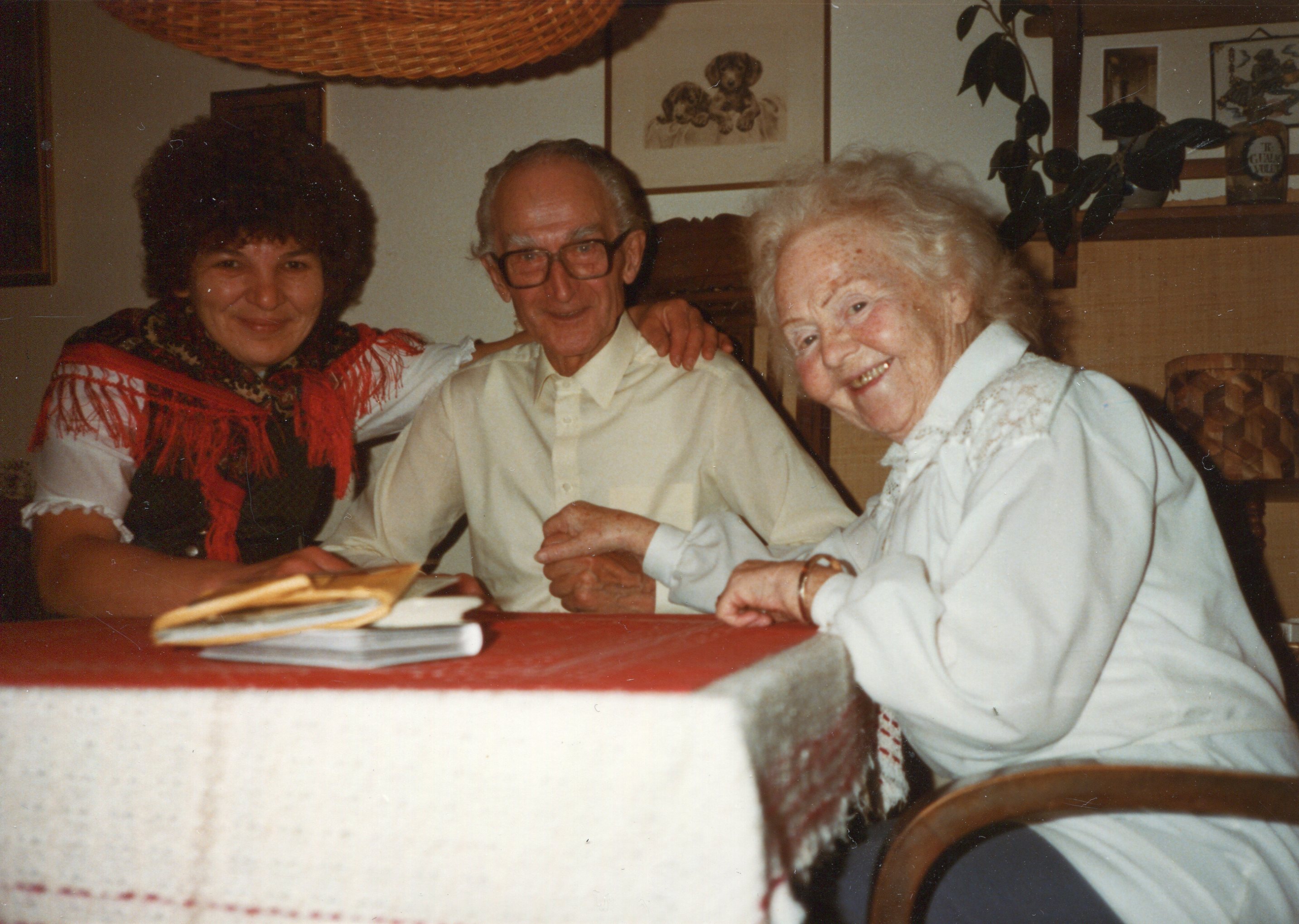
Günther  and Elfriede1976 Kassel-Wilhelmshöhe

Günther and Elfriede1976 in Kassel-Wilhelmshöhe

Ferdinand’s Return from America and Challenges to Friedrich’s Inheritance

The Widening Gulf within the Klopp Family

Chart I – II

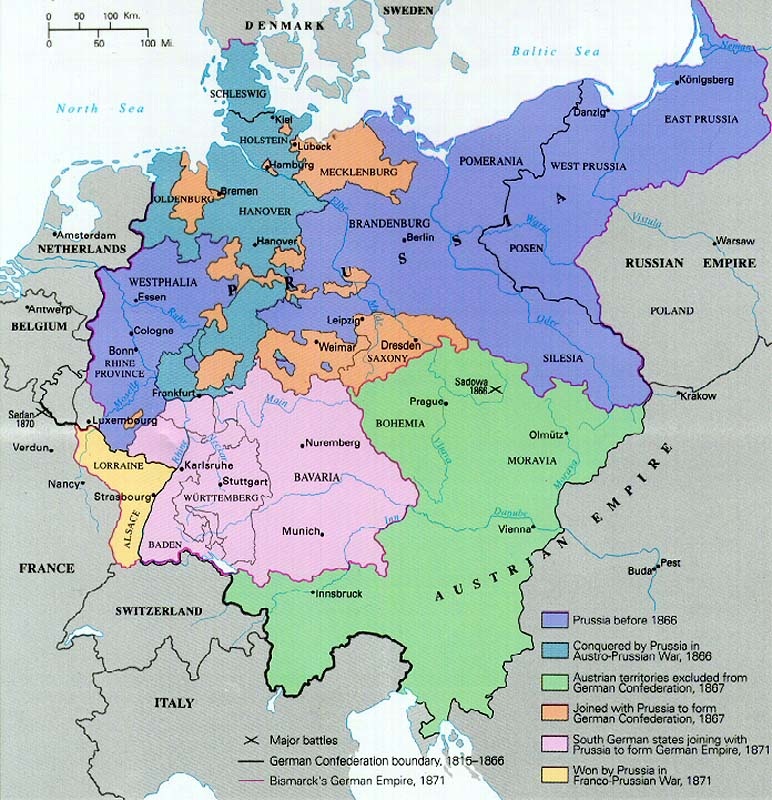
In 1903 or at the latest in early 1904 Emma Klopp had relocated in distant West Prussia. One is tempted to interpret the move as flight from unpleasant family relations regarding the ownership of the house in Wolmirstedt. Then in June 1905 her third son Ferdinand unexpectedly showed up in town. He had just returned from the United States. His brother Friedrich passed on the property to him presumably on the basis of unclear and unresolved inheritance issues. He retreated to the neighboring village of Loitsche. It appears, however, that within the year rope maker Ferdinand must have ceded ownership back to his disgruntled brother. He followed his mother Emma to West Prussia.

Under almost unbearable chaotic  conditions Friedrich managed to bridge the short time gap in Loitsche through masonry work. It provided adequate income during the building boom period at that particular time. In the fall of 1905 the Friedrich Klopp family returned to the Wolmirstedt house. A few months before on July 15, 1905 his son Friedrich was born in Loitsche. It appears his father Friedrich had finally won the battle for the house and the rope making factory. In reality it was a Pyrrhic victory. Malice and viciousness from family members accompanied Friedrich’s private attempts to disentangle the often chaotic financial and inheritance problems that he was facing. Without any legally binding papers he had to put up with the never ending claims made on the property in Wolmirstedt. Thus, under such fruitless prospects he took over his father’s business. The cost of his return to the rope making business was high. It led to the irreparable break-up with nearly all his siblings and his mother Emma.

To be continued …

Günther Kegler, Chief of the Kegler-Clan (Part V)

Elfriede Kegler née Grempler

Chart II a – II

Once Günther and his second wife were comfortably settled in their Seniors’ apartment in Kassel-Wilhelmshöhe, they were truly riding into the sunset on a joyful note. But before I get into their adventures and travels of their golden years, we need to have a brief look of Elfriede’s family background.

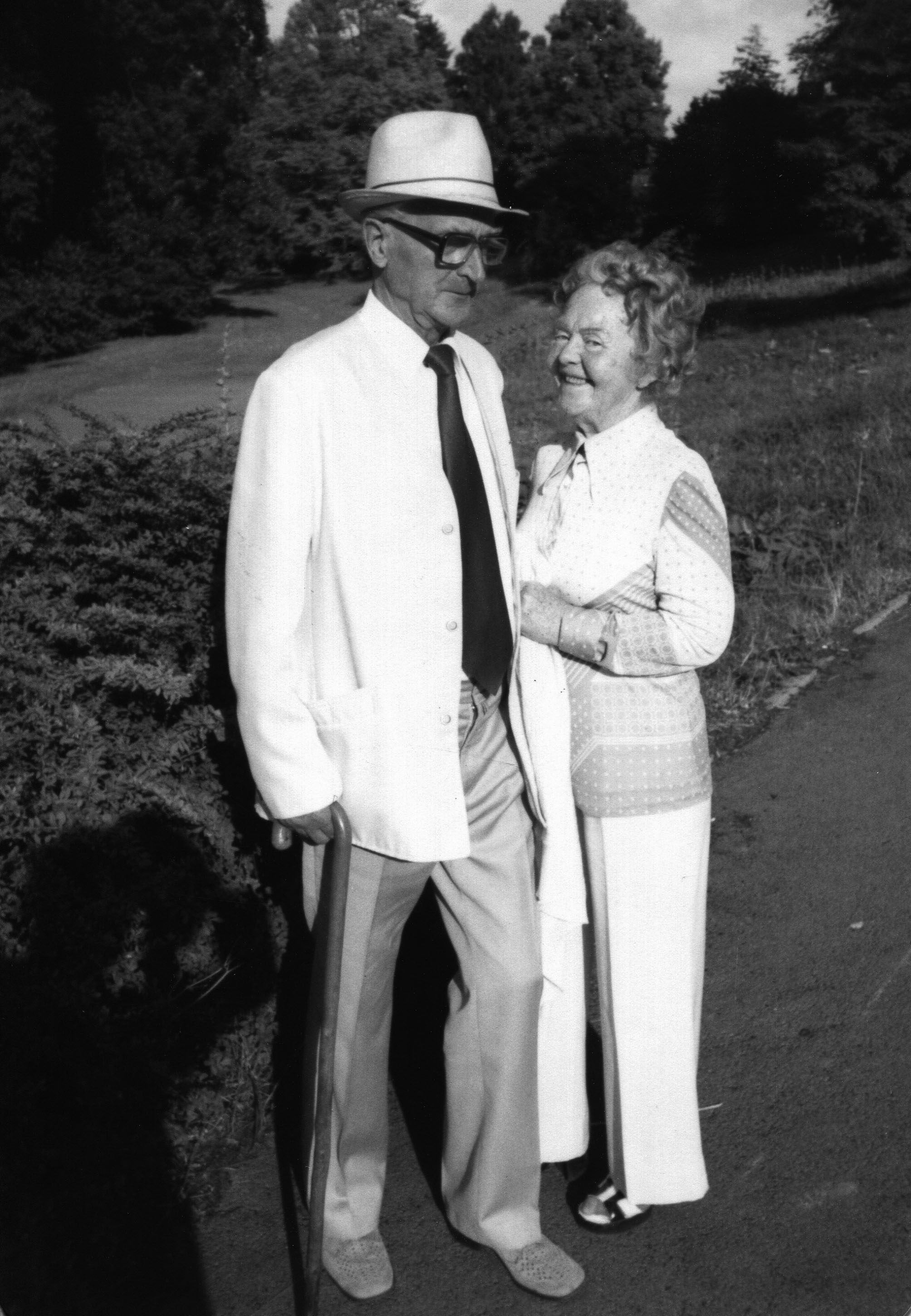
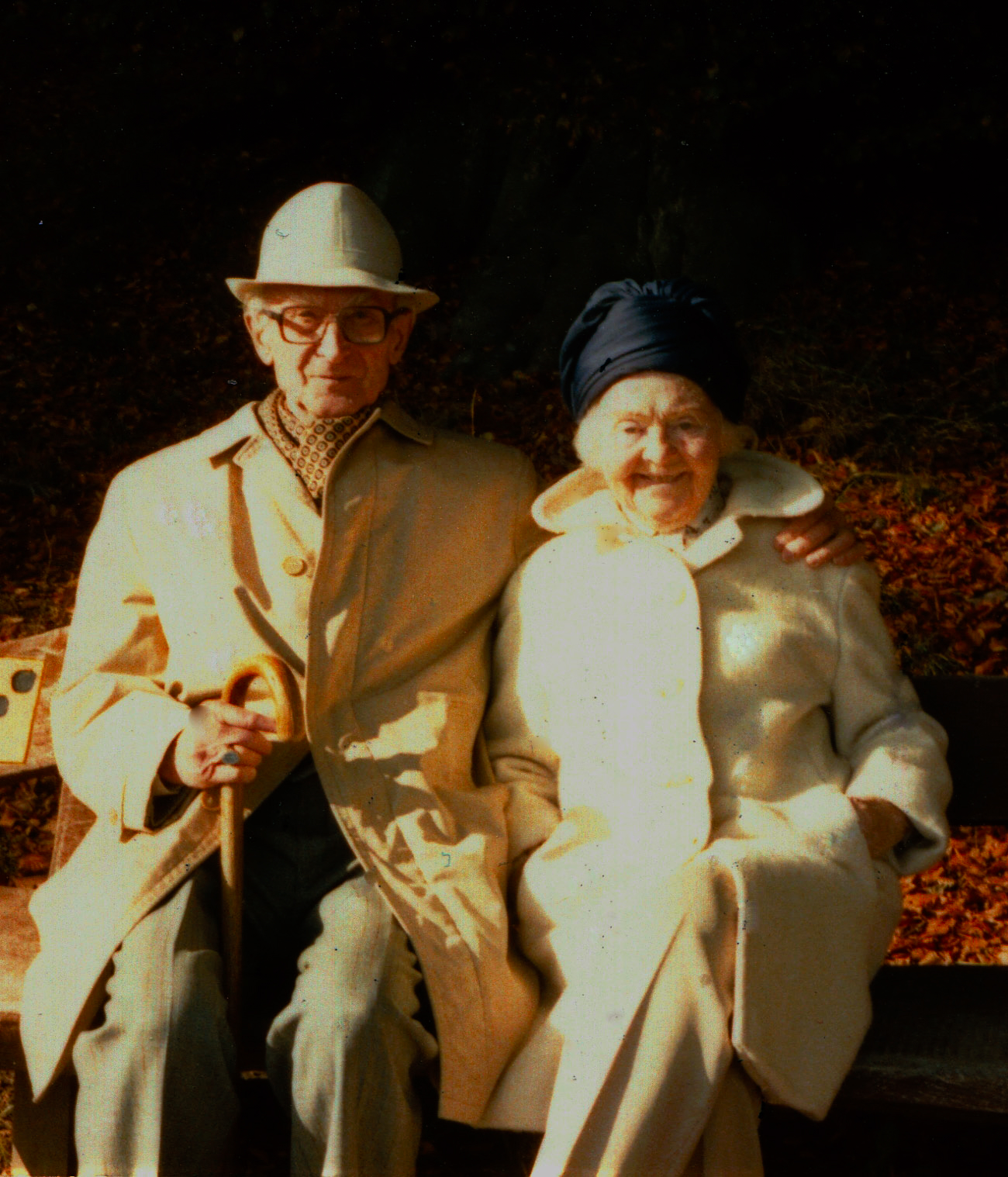
Uncle Günther and Aunt Friedel in Kassel-Wilhelmshöhe 1976

Uncle Günther and Aunt Friedel in Kassel-Wilhelmshöhe 1976

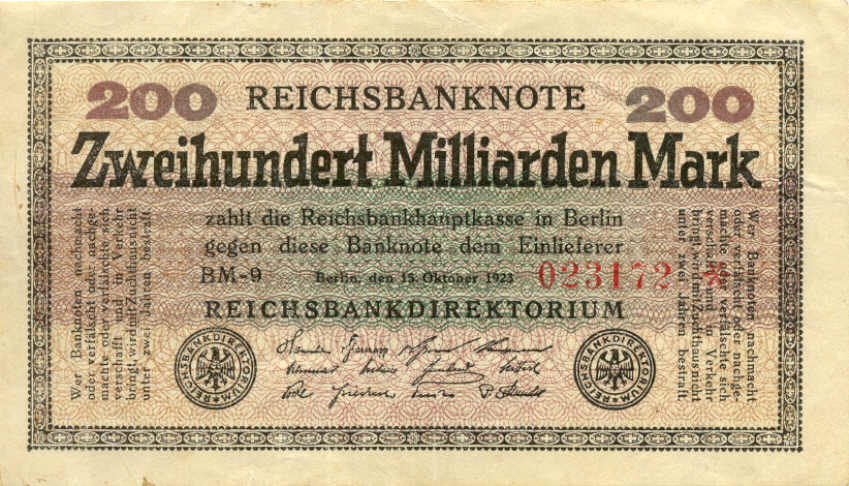
Elfriede Kegler (née Grempler, widowed Diesselhorst) graduated from the all girls Sangerhausen High School in 1919 and received her training in her father’s pharmacy. Then in 1921 she worked for six months as a druggist’s helper in Halberstadt. After father’s sudden death she sought and found employment as payroll bookkeeper at the stoneware plant in Wallhausen. For a complete understanding of the difficulties she experienced my uncle described the following scenario that most Germans faced after Word War I: End of the Imperial Reich, merciless Treaty of Versailles, revolts, bloody unrest, political murders, hunger and misery, unemployment by millions of people, total devaluation of the money, which occurred from 1919 to 1923, first at a crawling pace, then crashing down like an avalanche, change of paper money from thousands to billions of Reichsmark bills, money earned today was worthless in only a few days, the black market flourished with all its evil social repercussions, a dance on the volcano!

A 200,000,000,000 Reichsmark bill worth next to Nothing

A 200,000,000,000 Reichsmark bill worth next to nothing

Now we get the picture of Elfriede’s task as bookkeeper in the stoneware plant of around 250 employees. If she had access to a modern-day computer, it would have certainly crashed under the load of zillions of zeros that needed to be crunched every single day. It was a severe strain on her brain, which caused her to have nightmares.

In 1927 she married the pharmacist Otto Diesselhorst of Hanover. Within in a few years the two managed to pay off the debt of the pharmacy. It was during this time that a life-long friendship developed between the Kegler and the Diesselhorst couples.

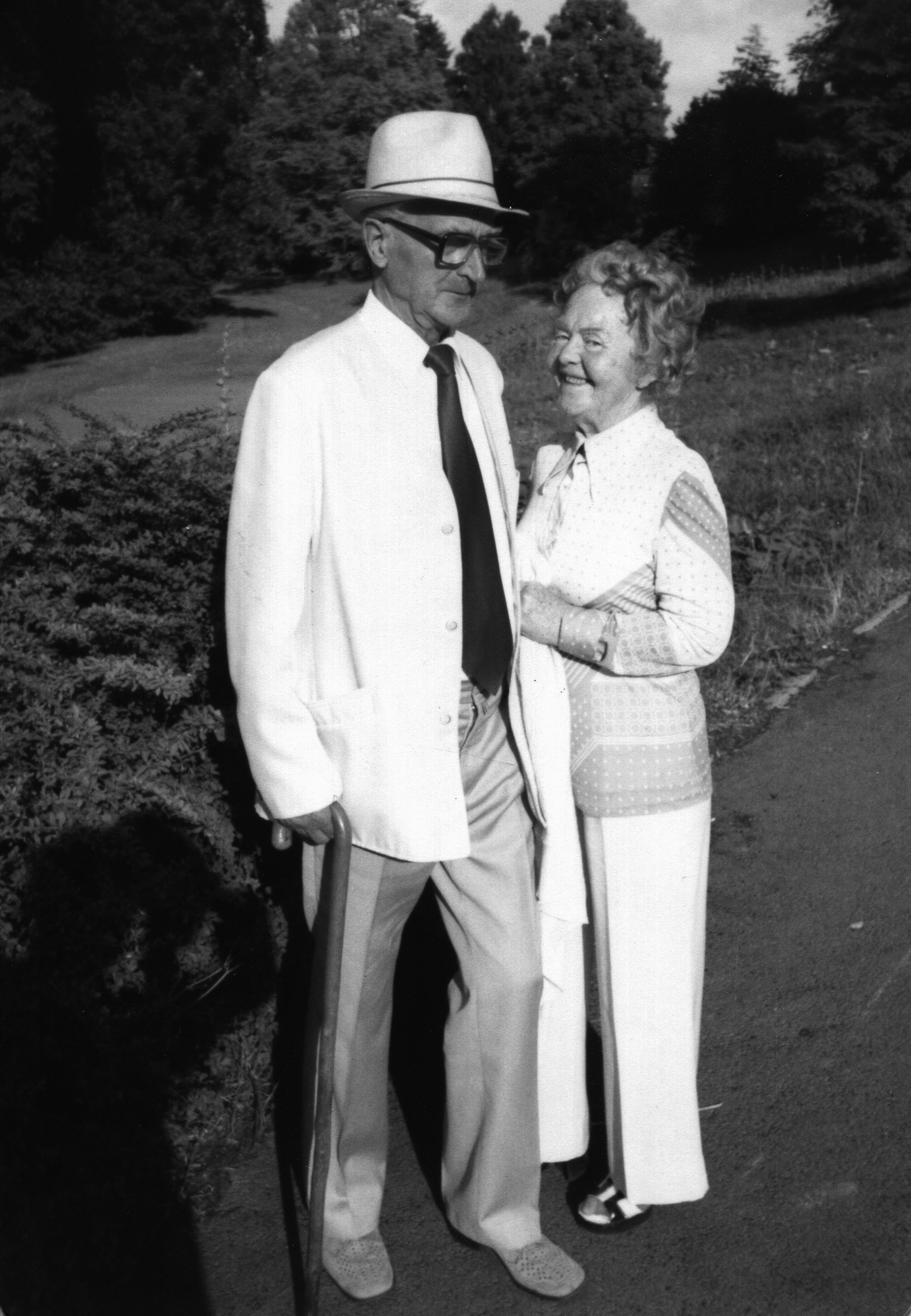
Uncle Günther and Aunt Friedel in Kassel-Wilhelmshöhe in 1984

Uncle Günther and Aunt Friedel in Kassel-Wilhelmshöhe in 1984

To be concluded in a post next week …

Looking at our Yard in the Mirror of the Four Seasons

A Walk through our Yard – Early Spring

When our family moved to Fauquier in 1976, the only house available was a two-bedroom bungalow with an ugly lean-to serving as storage area. It looked more like a summer cottage than a house having only a total living area of about 100 sq m. The yard is huge by comparison with a length of 100 m and a width of about 30 m. The back half of the lot was completely undeveloped. Wild Russian poplars and the odd cottonwood covered the mostly swampy land.

It was obvious that the house would not be large enough to accommodate our family of seven at the time of our move from Alberta.  My father-in-law had to have his own bedroom during his visit in Canada. The four boys took the other bedroom and slept in bunk beds. Biene and I slept in the tiny living room on a couch that we converted into a bed for the night. In the spring of the following year we added a double wide mobile home to the house with a breezeway connecting the two units. From one moment to the next we had two bathrooms, two living rooms, and even two separate kitchens. Year after year, as  our limited financial resources would permit, we made improvements to house and property, which included a sundeck, a sun room with pantry, a new roof over both houses, and a large garden. I planted two apple trees, two pear trees and several plum trees after clearing the land. But the best and most precious thing for Biene was to have her dream fulfilled. She finally has her own studio, which our son Robert built for her in 2009. This is the place, where she can be away from the distractions caused by phone, computer, TV and the constant reminder of things that need to be done. Here in the quiet surrounding of her studio she lets her creativity inspire her to paint or draw animals, flowers and portraits. Biene will one day showcase on her own blog bieneklopp.com some of her work by setting up a virtual gallery.

Now let us begin our early spring walk through this beautiful place on the hill overlooking the Arrow Lake.

The Klopp Grandparents VIII

Adding Oil to the Fire

Friedrich Klopp and His Mother-in-law (Chart I – I & II)

Translated and Adapted from Eberhard Klopp’s Family Chronicle

Crest of Loitsche - Photo Credit: Wikipedi.org

Crest of Loitsche – Photo Credit: Wikipedi.org

Out of the marriage between Friedrich Klopp and Marie-Louise Weihe came two sons and two daughters. The first child Frieda was born on June 7, 1900 in the Wolmirstedt house, also Liesbeth on June 5, 1907 and Hermann on September 16, 1908. But their eldest son was not born here, but in 1905 in Loitsche about 20 km north of Magdeburg, so to speak as a consequence of mother-in-law’s meddlesome behavior. Behind the interruption of the birth sequence in Wolmirstedt we may see Friedrich’s attempt to escape from the scene of a now poisoned family atmosphere.

Loitsche Today

Today’s Loitsche – Photo Credit: tokiohotel.myblog.de

Acting on his wife’s prompting Friedrich tried to establish a new economic base in another trade. A determining factor may also have been the return of his brother Ferdinand from the United States, who failed to realize his economic plans there. Suddenly his younger brother was making inheritance claims on business and property, which Friedrich obviously did not recognize as valid. Considering the additional fact the economic picture of the land was not exactly rosy, it is not hard to understand that the flour and feed business was slow and did not prosper in Wolmirstedt.

Unnerving were also the events, which their brother Hermann recalled 90 years later. Grandmother Louise Weihe of Zielitz without any commercial experience interfered in all matters pertaining to the purchase and sale of goods. To add insult to injury, she circulated all kinds of rumors about her son-in-law and family with harmful effects on the business. To make matters worse, her sister started also to pour oil on the fire.

One particular rumor was making the rounds among family members. The insidious claim was that Emma’s daughter Anna Auguste Louise (1885-1967) had an illegitimate child, whose father was supposed to have been the ‘Polish Jew Grasmück’. Actually the story was quite different, as will be explained in another post on my Aunt Anna at a later date. The nonsense, completely made up of thin air, broke the camel’s back.

All these events cast some light on the chasm-deep hateful feelings, which the mother-in-law from Zielitz dumped without any compunction on the Klopp family. On the other hand, the Emma Klopp side in turn did not hesitate to make Friedrich worry a lot about his inheritance, Insults and cantankerousness dominated from now on the scene of the warring parties.

To be continued …