The Kegler Grandparents

Carl and Elisabeth Kegler Part II

Chart II a – I

Adapted from the Kegler Family Chronicle

By their son Günther Kegler (1894-1986)


It was not an easy beginning for the pastor’s couple. Until 1901 six children were born. In addition to the already crowded household there were Frau Pastor’s parents, Mr. and Mrs. A.Mass with their two unmarried daughters dwelling under the same roof since 1895. Marie Mass died in 1900, Adof Mass in 1906, Klara Mass in 1908 and Hedwig Mass in 1919. All have been buried in Grünewald. The small village cemetery is now completely overgrown, and gravesites can no longer be recognized. The former Eastern Provinces have become Polish territory. Up to 1900 the household of the pastoral home consisted of twelve persons.

Worth mentioning would also be the fact that Grünewald was a church patronage, a designation for the privileges of the patronage master of the church. The acquisition of these privileges resulted from a donation of a building lot and the funding for the construction of the church. The patronage master had the right to be part of the selection process for filling a pastoral vacancy. The patronage master of the Grünewald parish was Christoff (popularly called the ‘Stoffer’) von Glasenapp at the Grünewald domain. Von Glasenapp originated from an old Pomeranian nobility, just as von Kleist, von Gaudecker and many others.

What can we say about Frau Pastor – or colloquially called ‘Fru Pastern, Fru Preistern’! We could summarize her description with a ancient Indian proverb:

Where mothers keep watch,

The gods may rest!

Whoever experienced her as mother, grandmother, church mother in the broadest sense, friend, acquaintance, leader of a steadily growing household, und much more, could not say anything better! No matter how often the children brought home friends for the holidays, nothing was too much for her! Amazed and in awe her children are aware of this, her descendants upon hearing stories about her will feel the same! Awareness and silence are in order and are worth more than a thousand words!
 

Here again, as for her husband Carl, you can read more about her in the eulogy from 1948 in the German section of this blog.

The Kegler Grandparents

Carl and Elisabeth Kegler – Part I

Chart II a – I

Adapted from the Kegler Family Chronicle

By their son Günther Kegler (1894-1986)


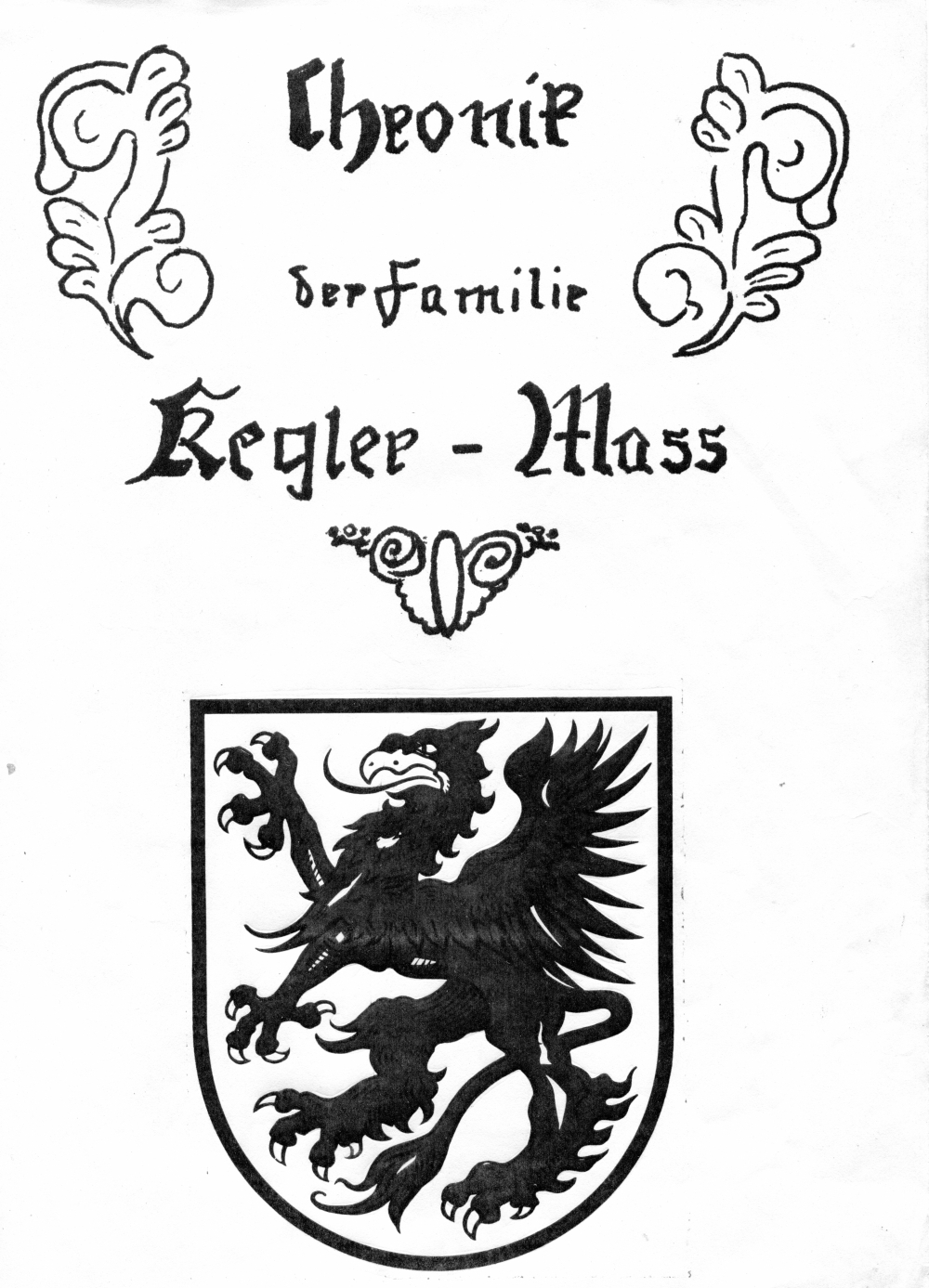
Title Page of Kegler-Mass Family Chronicle

Title Page of the Kegler-Mass Family Chronicle

Carl Kegler

Born 1860-09-22 in Luckow, Randow County, Western Pomerania,

Pastor in Grünewald, Neustettin County,

Died 1919-06-15 in Grünewald.

and his wife

Elisabeth Kegler (neé Mass)

Born 1868-08-13 in Groß-Krossingen, Obornik County, former Province of Posen (Poznan),

Died 1948-09-14 in Erfurt after the expulsion from Stolpmünde at her son’s residence.

The two were married 1891-02-05 in Pniewno-Konopat, Schwetz County, former Province of West Prussia.

Carl Kegler studied theology in Greifswald, Berlin and Halle. He was a member of the student fraternity “Neo-Borussia”, a color-bearing association with the color band black-white-black-red. The fraternity founded after the Napoleonic Wars adhered to Christian-patriotic ideals and strove for the unity of the German nation. He would talk a lot about his student life, the great challenges, about serious and also lighthearted matters. Soon his children could sing many of student songs by heart, such as Halle on the Saale and many more. His youngest son Bruno was especially receptive for such things and would have loved to study.

In 1891 he was installed as pastor of Grünewald, Neustettin County and stayed in the congregation until his early death. He was the successor of Pastor Nedtwig, who had taken the vacant and larger parish in Gramenz, Neustettin County.

Affiliated with the parish of Grünewald were also the sister congregations (without pastors) Zechendorf and Kowalk and some other smaller churches especially during WW1. The distances were considerable and the congregations could only be reached by horse buggy or bicycle. He was not only a spiritual caregiver with all his strength, but also as a farmer’s son a capable countryman. To the parish also belonged ca. 40 Prussian acres (morgen) of land with a barn, stables, cattle and farm implements, etc. Thus, in the agricultural domain he was able to be helpful  with much advice and supportive action.

For more information I added the text of the eulogy, which a pastor and friend had delivered at Carl’s funeral in 1919. It is in German and can be located at the usual subheading of the P. and G. Klopp Story.

To be continued …

My Birthplace Znin (Dietfurt)

A Photo Gallery of Znin,

where I was born

Photo Credit: Wikipedia.org except for picture of the hospital

Chart I – III

Znin is a modern town in an area with a rich history going back to Roman times. The visitor will find more information on this beautiful town and its many cultural and touristic attractions on Wikipedia and many other sites. I will limit today’s presentation to just the pictures to give a sense of where I come from. You can read more in Chapter 5 of the P. and G. Klopp story to be posted soon. If anyone of the Polish visitors of our blog knows the town well and would be so kind to tell if the old hospital building still exists, I would be extremely grateful.


More on Bruno Kegler and His Family in German

 Bruno Kegler und Seine Familie

Chart II a – I, II, III, IV

Contributed by Dieter and Edda Barge

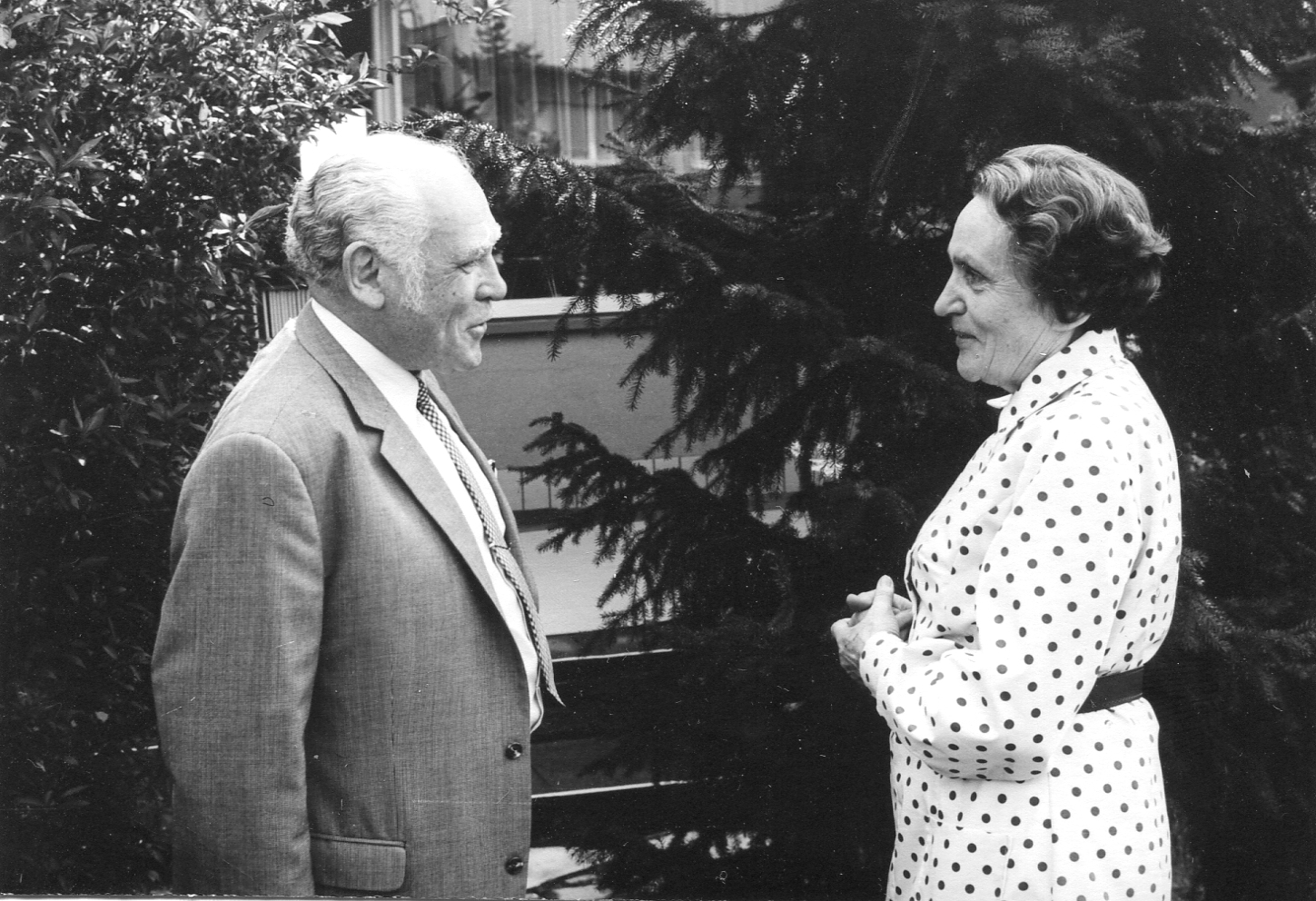
Wir möchten heute über Eddas Großeltern mütterlicherseits berichten. Eine Hilfe dabei sind die bereits genannten Ahnen-Unterlagen von Erich Engel und ein Fotoalbum, dass Oma Johanna für ihre Tochter Elisabeth (Eddas Mutti) gefertigt hat. Erich ist Johannas Cousin, man sieht beide auf folgendem Foto:

Bild 1

Bild 1

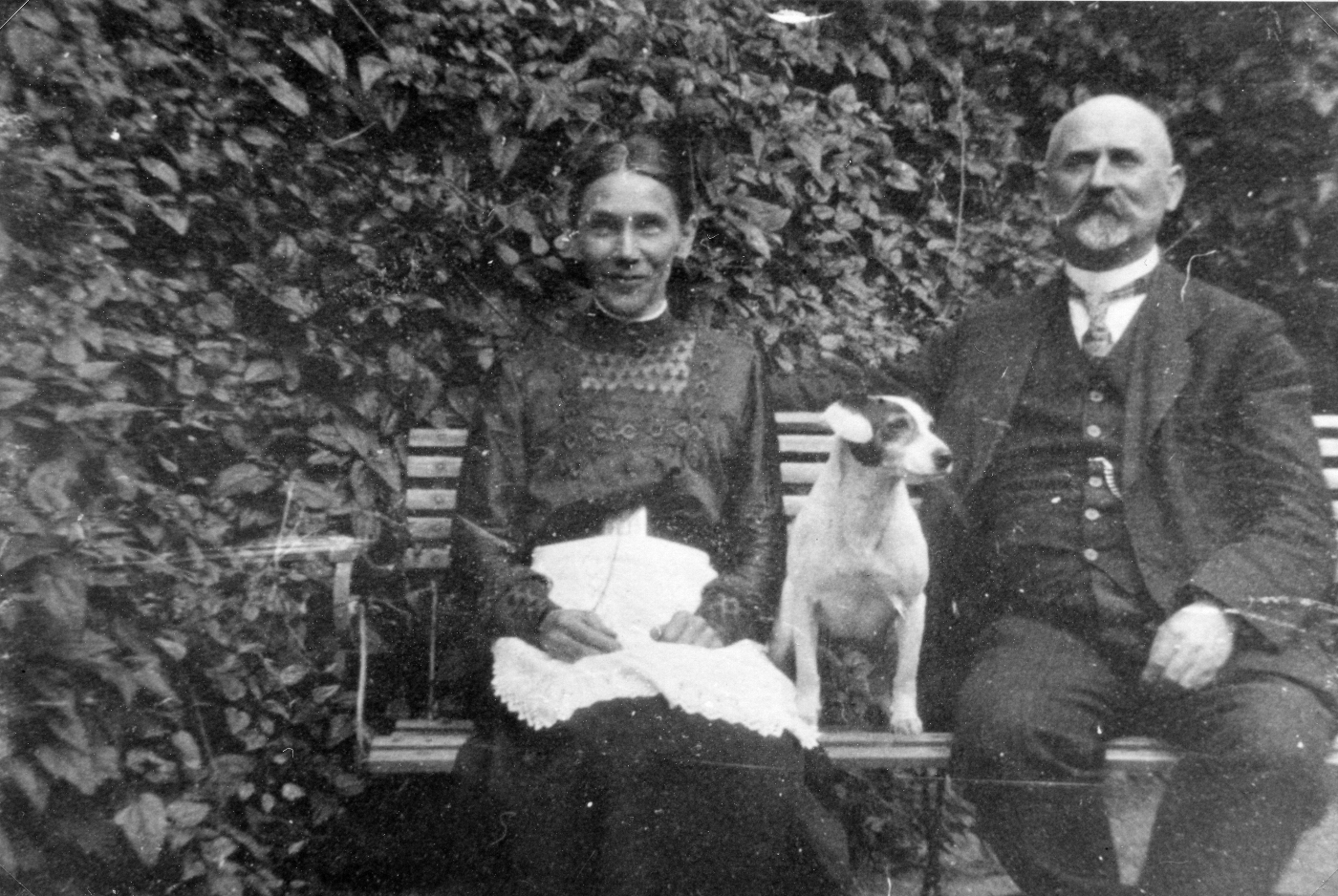
 Eddas Opa Bruno Kegler entstammte einer Pastorenfamilie. Er wurde am 14.8.1901 in Grünewald, Kreis Neustettin in Hinterpommern, als 6. Kind in der Ehe von Pastor Karl Kegler und seiner Ehefrau Elisabeth, geb. Maas, geboren. Erich Engel ermittelte als ältesten Vorfahren der Keglers einen Gottfried, der sich noch Kägeler schrieb. Gottfried wurde in Luchow bei Stettin geboren und starb am 12.Mai 1715. Hier die Eltern von Bruno:

Bild 2

Bild 2


Bruno 1906 und 1924:

Bild 3 und Bild 4

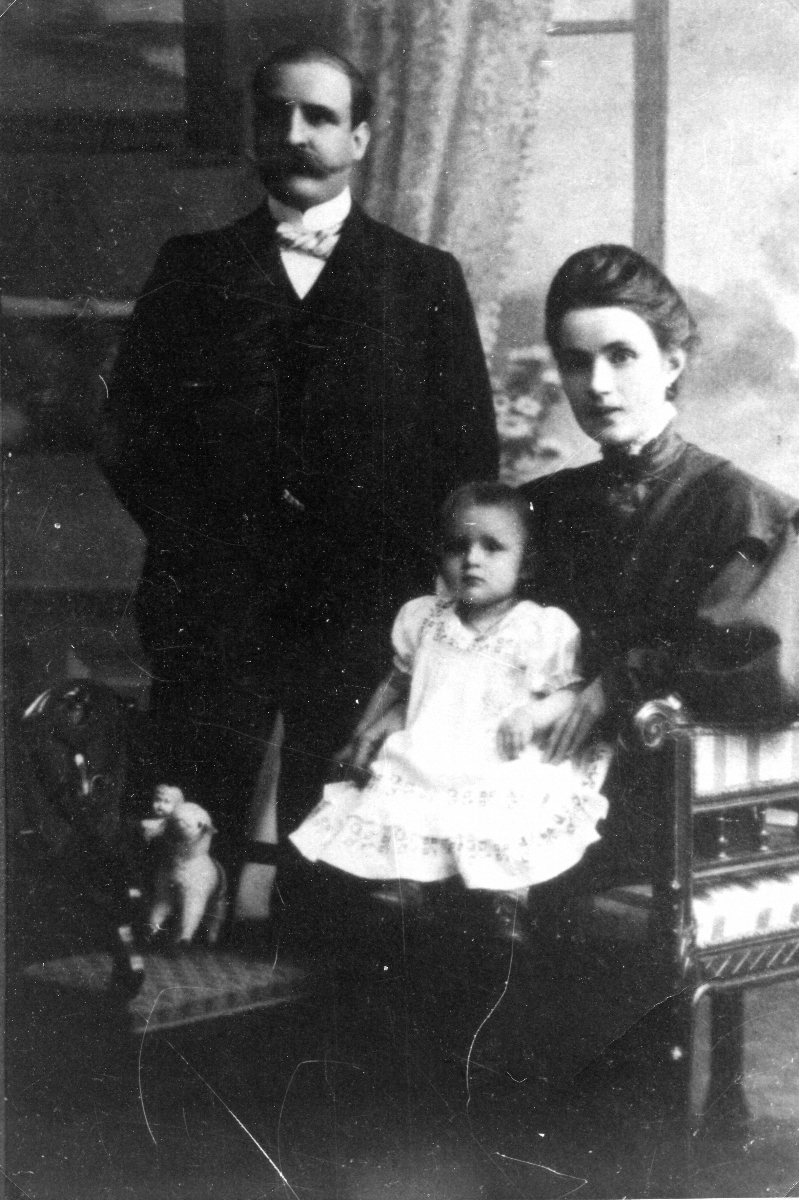
 Das nächste Bild zeigt die Eltern von Johanna, Oberschullehrer Ludwig Engel mit seiner Frau Margarete, geb. Janke, und der kleinen Johanna, die am 15.März 1907 in Bad Ziegenhals, Kreis Neiße geboren wurde und das einzige Kind blieb.

Bild 3

Bild 5

 Johanna verlebte eine glückliche, unbeschwerte Kindheit und wuchs in einem harmonischen, fröhlichen Elternhaus auf. Sie besuchte das Lyzeum und die Studienanstalt in Hirschberg, später die Frauenfachschule in Görlitz und von 1929 – 1931 das Lehrerseminar in Stettin. Bruno erhielt seinen ersten Unterricht in der Volksschule Grünewald bei seinem Vater, 1911 trat er in die Kadettenanstalt in Plön ein, ab 1915 in Berlin-Lichterfelde, 1919 bestand er das Abitur, der Tod seines Vaters am 15.Juni 1919 traf ihn hart. Er trat in den Grenzschutz ein und begann ein Medizinstudium in Tübingen, das er aber wegen Geldmangel aufgeben musste. Er trat in den Zolldienst ein. In Neustadt/Oberschlesien befreundete er sich mit Hans Becker. Später wurde er nach Stettin versetzt Bei einem Besuch bei den Beckers sah er ein Bild von Johanna Engel an der Wand hängen und die Frau von Hans Becker, Ruth sagte “das ist meine Cousine Johanna”. Bruno wollte unbedingt Grüße von Beckers an Johanna ausrichten und lernte sie am 10.8.1928 in Stettin kennen. Nun begann für Johanna die wunderschöne Zeit der ersten Liebe. Sie sahen sich oft und unternahmen gemeinsame Wanderungen und Dampferfahrten. Bruno hatte nach dem ersten Zusammentreffen mit Johanna den beiden Damen, bei denen er als “möblierter Herr” wohnte, spontan erklärt, dass er seine zukünftige Frau kennengelernt habe !!! Am 29.April 1930 schlossen beide in Hirschberg den Bund der Ehe. In ihren Ringen war der 10.8.1928 eingraviert.

 Bilder 6 – 9

Bild 9 zeigt beide mit den Beckers. Der Weg der Familie führte sie über Bad Landeck (ab Jan. 1935), Bitburg (ab Okt. 1937), Königsberg/Neumark (ab Okt. 1938) nach Oppeln (ab April 1940). In Stettin wurden Hartmut am 14.4.1931(Bild 10) und Elisabeth am 31.12.1933 (Bild 11) geboren.


Bild 10                                                                                                                    Bild 11

Von Bad Landeck die Bilder 12-16.


Bilder 12 – 16

 In Bitburg wurde am 20.3.1938 Jürgen geboren.


Bilder 17 – 19

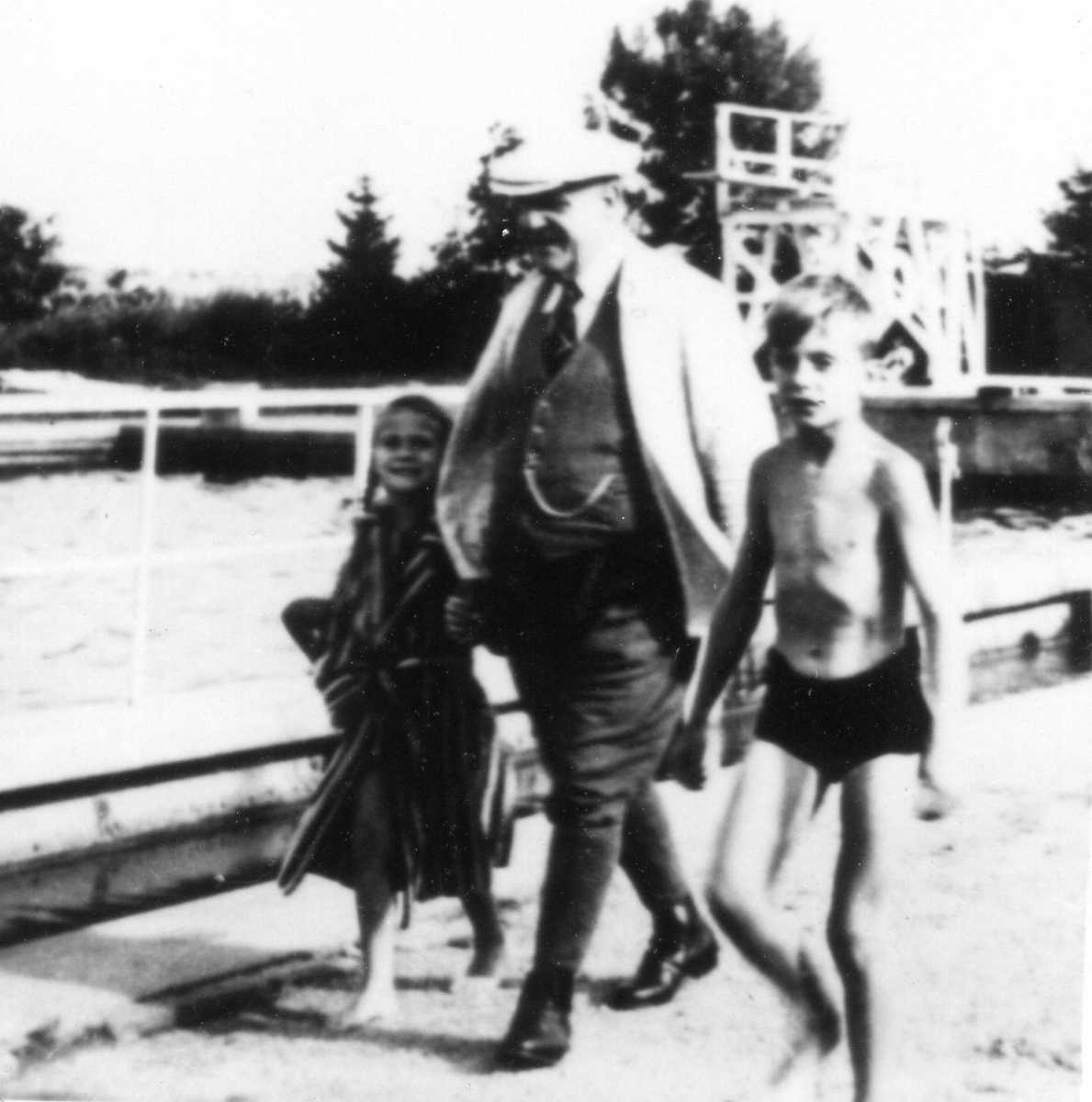
 Bild 19 entstand bei einem Besuch der Großeltern Ludwig und Margarete. In Königsberg führt der stolze Großvater Ludwig die großen Enkel zum Schwimmunterricht, die nächsten Fotos zeigen Ferienbilder von Stolpmünde.

Bild 20

Bild 20


Bilder 21 – 24

 Auf den Bildern 21-24 sieht man Oma Elisabeth. Dann begann am 1.September 1939 der unsägliche Krieg. Bruno musste den Polenfeldzug vom 1.September bis zum 6.Oktober mitmachen. Bild 25 zeigt Bruno in Uniform, Bild 26 die Familie bei einem Urlaub im Januar 1940.

Bild 25                                                                                                                   Bild 26

 Am 18.6.1940 fiel Bruno in Kientzheim/Elsaß. Hanna schrieb im Album: Manchmal wollt’ ich fast verzagen, und ich dacht-ich trüg es nie. Und ich hab es doch getragen, aber fragt mich nur nicht -wie.-” Über diese schlimme Zeit berichtet Dieter in einem gesonderten Beitrag! Oma Hanna ging bald mit den Kindern nach Hirschberg zurück. Es schließt sich zeitlich der schon eröffentlichte Bericht von Hartmut über die Flucht nach Mellen an.

Erika Klopp Delivers Wedding Speech

Mother Recites Wedding Poem

Chart I – II

by Peter Klopp

My apologies to our relatives and friends in North America, who do not know the German language! This video done entirely in German is based on an audio tape that Mother (Mutter Köhm) had sent to us in the month of May 1966 to congratulate us in typical Kegler tradition with a poem, which she had composed herself for the occasion of our wedding.

Bruno and Johanna Kegler

A Touching Love Story

Contributed by Anke Schubert

Chart II a – II & IV

My grandmother Johanna attended a teacher’s college in Stettin. Her hometown was Hirschberg in the Giant Mountains. Her father, the headteacher Ludwig Engel, had chosen this institute of higher learning, because in contrast to all the others only female students were educated here. Now it so happened that a young customs officer by the name of Bruno Kegler was a guest at her cousin’s place. On the wall of the apartment hung Johanna’s picture, and Bruno curiously asked who she was. He was being informed, and he in turn asked if he could pass on a greeting to the cousin. He was permitted to do so. When Johanna during her semester break was at home in Hirschberg, she received one day a letter with a strange handwriting with the even stranger address, “Dear honorable Miss!” She laughed and showed the lines to her parents. She read out that the writer had requested a meeting with her so he could pass on her cousin’s greeting. Father Ludwig immediately said, “You will write that there will be no such meeting, because you happened to be in Hirschberg just now.” Johanna sat down at once and wrote her refusal on a tiny little letter card. The envelope landed into the mailbox, while her father was overseeing it from the balcony, and Johanna contentedly spent the rest of her vacation.

When she was back again in Stettin, Bruno wrote another letter to Hirschberg, The letter was opened, but at least was forwarded to Johanna in Stettin. It contained the repeated request to pass on the greetings. Johanna showed the message to her classmates, who warned her about the forceful handwriting. Nevertheless she responded to the letter and gave a time and place, a café, for the date. All her classmates wanted to come along!

As a sign for recognition Bruno had indicated that he would wear a gray suit with a white carnation in the buttonhole. Johanna wanted to wear a white dress and a white scarf.

When she showed up at the appointed time in the café, she saw … two gentlemen in gray suits, and nobody had a white carnation in the buttonhole! But one of them rose, walked up to her and introduced himself – and it was like if they had known each other for years.

For Johanna a wonderful time now began. They saw each other as often as they could; they went on hikes together and enjoyed steamboat excursions.

To the two old ladies, from whom he was renting furnished accommodation, Bruno said already after their first date that he had just got acquainted with his future wife. Without saying anything to Johanna he wrote to her parents, described his economic status and his family and asked to pay them a visit. That being granted, they met and got to know each other, and on April 29th, 1930, Johanna and Bruno got married. They were a very happy couple and consolidated their happiness with the births of their children Hartmut, Elisabeth and Jürgen.

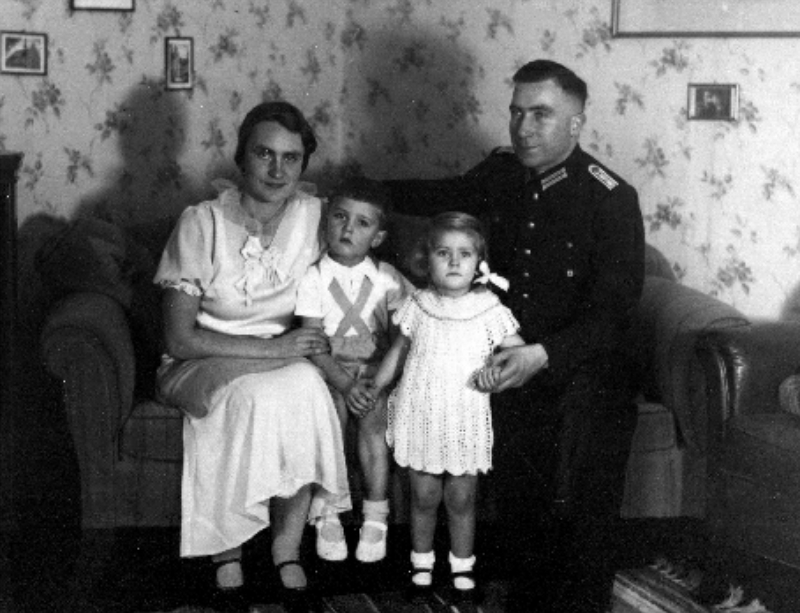
Bruno and Family