Carthage: A Love Story Chapter I Part 2

Carthage by Peter Klopp

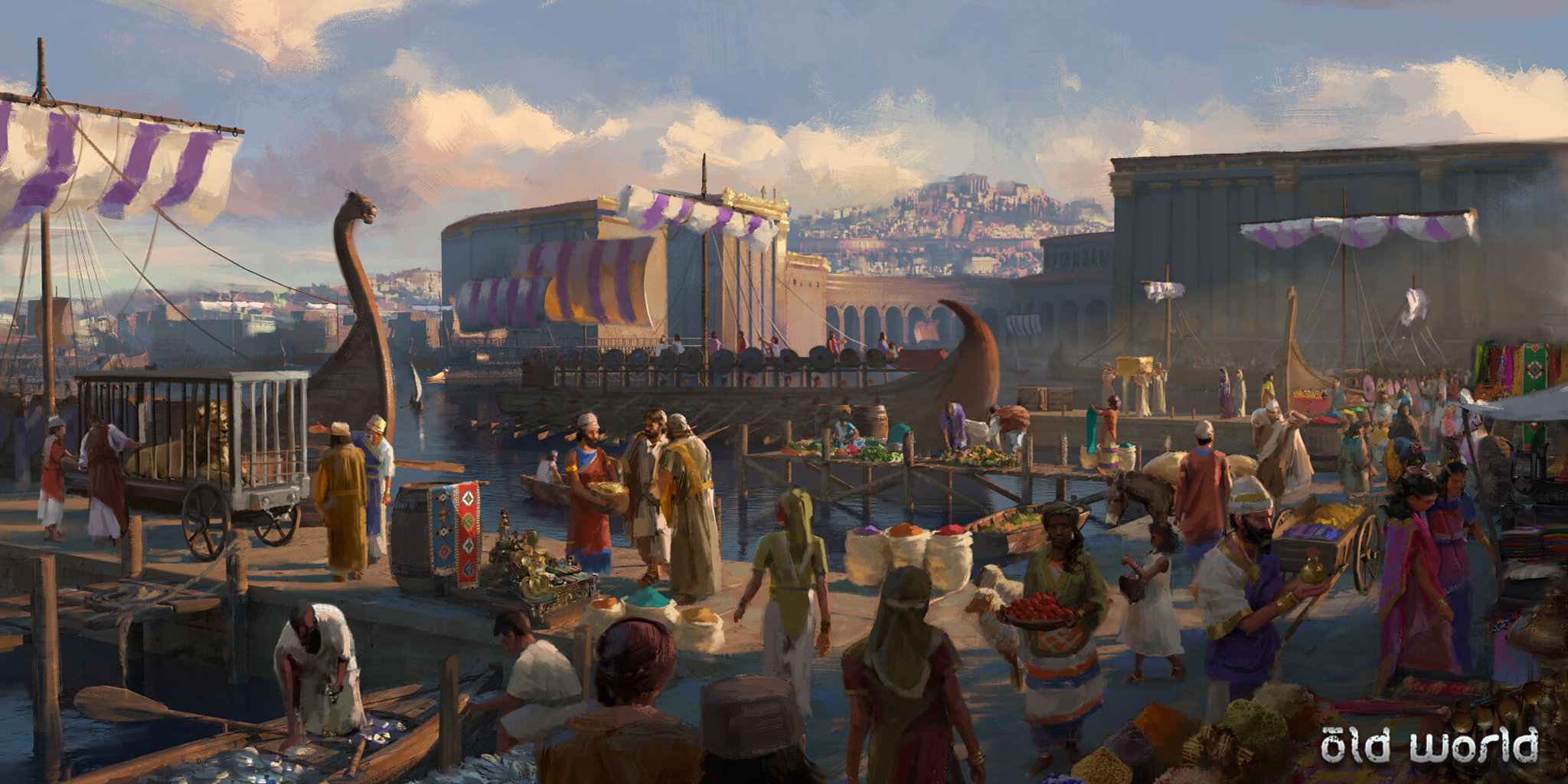
Harso Asking for Rom’s Help ©

On the right side of the sailor a small speaker’s stand had been set up, to which an elderly man walked up and slowly climbed the wooden steps. After a short bow, he immediately addressed his speech to the inspectors, who had been watching the unexpected activity with a rigid expression and were now casually leaning over the railing.

“Venerable emissaries of the mighty city of Rome. Once again the great task has brought you to our city to settle a dispute between the predatory Massinissa and us. About two months ago this insolent Numidian prince had raided and pillaged one of our fertile grain provinces, the fields of Bagradas. After this night of murder, none of the many owners lived to see the next morning. When everything was destroyed, the farms were burnt, the cornfields were trampled by wild horses, the prince’s envoy appeared, probably to provoke us to the extreme and thus to breaking the contract with you, demanding that they be compensated. When our council asked them what on earth we should compensate them for, since our own territory had been so ignominiously invaded by them, they rose from their seats, grinning scornfully, and remarked. Exactly the opposite was the case, we invaded their fertile plains and bulldozed the fields, no matter how valuable their grain, with our elephants. But since they did not want our destruction at the hands of the Roman state, they refrained from filing a complaint in Rome and only demanded the modest compensation amount of 200 talents. May the gentlemen forgive us that this rabble of ambassadors did not leave the city alive and fell victim to righteous indignation. Roman law and order are praised all over the world. Our city hopes that this time we will be served justice and that the unholy Massinissa will be put in his place. The city will not show itself to be ungrateful and will support Rome with even larger deliveries of grain.”

The commissioners discussed briefly and sent their leader Naso forward. He just proudly and briefly said that they should wait for their decision after the investigation and not prematurely mess with it. First and foremost, he needs a safe anchorage and accommodation for himself and the guards. 

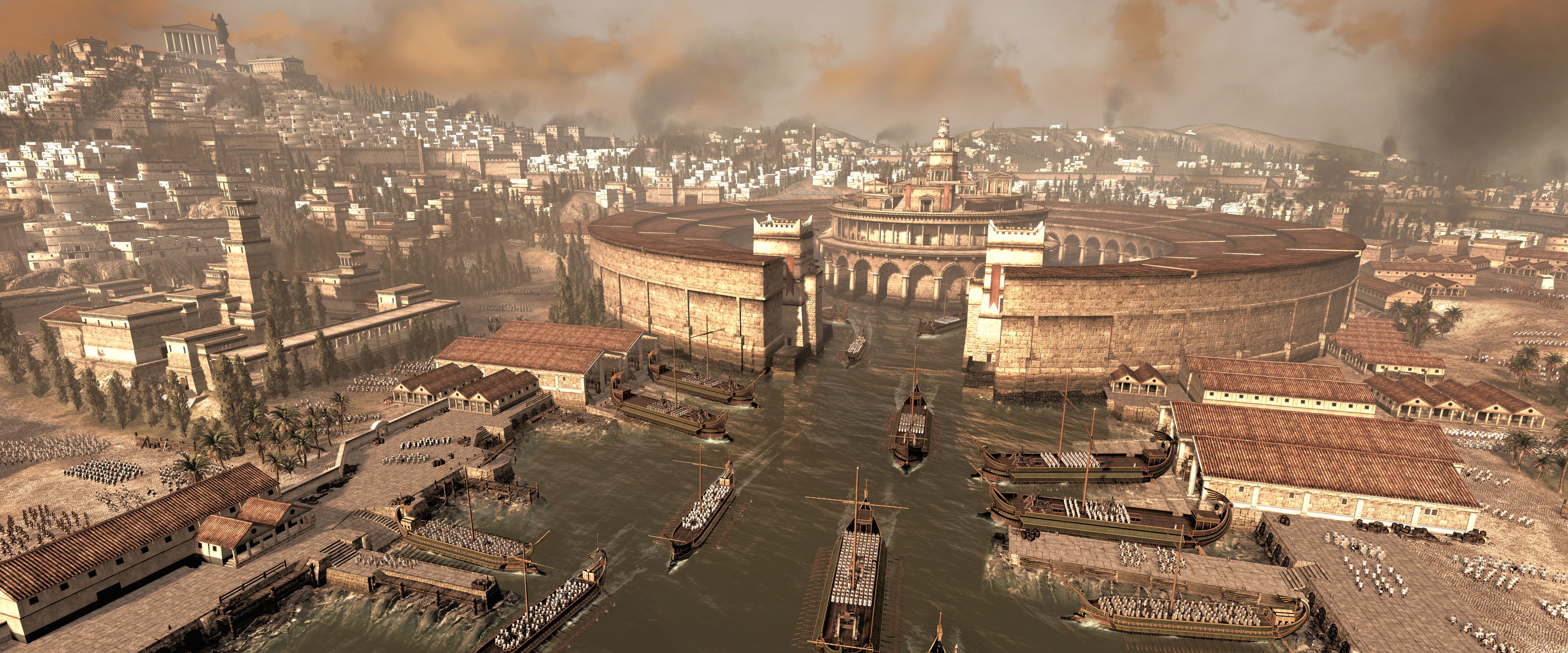
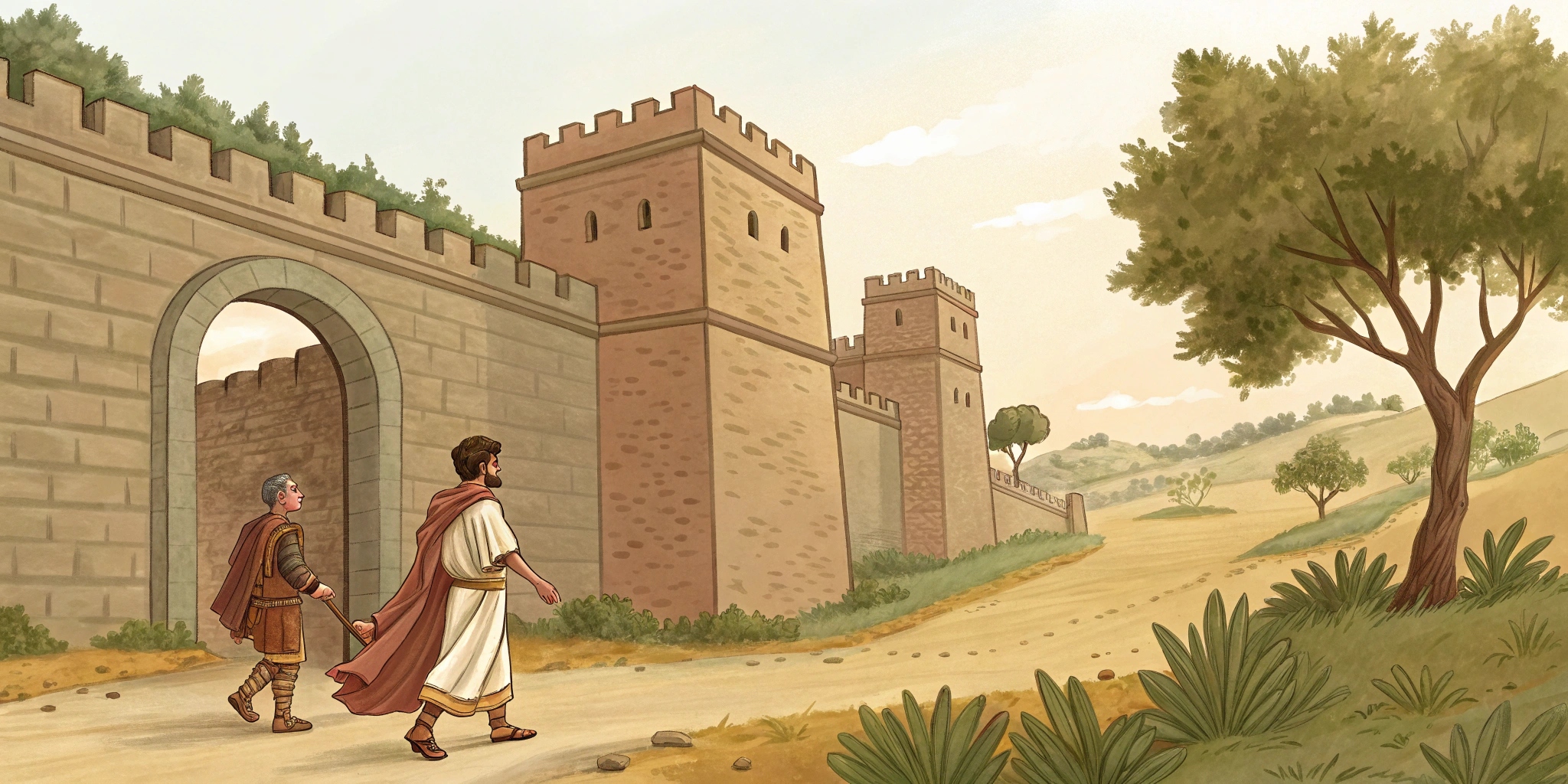
The old man replied, “A noble, spacious villa in the suburb of Magalia has been cleared for you. The security guard is also looked after. In my opinion it is unnecessary. In Carthage, hospitality is respected just as much as in Rome. Anyone who comes to us as a friend and helper will be treated as such. There’s still room for a soldier in my house out in the suburbs. As for the ship, it is well taken care of. There is no safer anchorage in this world than the naval port of Kathon,” the Carthaginian proudly concluded his speech and pointed with his index finger towards the mighty city walls.

Karthago von Peter Klopp ©

Harso Bittet um Roms Hilfe

Auf der rechten Seite des Seglers hatte man eine kleine Rednertribüne errichtet, auf die einen schon betagter Mann, zuschritt und langsam deren Holzstufen erklomm. Nach kurzer Verbeugung richtete er sofort seine Rede an die Kommissare, die mit starrer Miene dem unerwarteten Treiben zugesehen hatten und sich nun lässig über die Reling beugten.

„Ehrwürdige Abgesandte der mächtigen Stadt Rom. Wieder einmal hat euch die große Aufgabe in unsere Stadt geführt, einen Streitfall zwischen dem räuberischen Massinissa und uns zu schlichten. Vor rund zwei Monaten hatte dieser unverschämte Numidier-Fürst eine unserer fruchtbaren Getreideprovinzen, die Felder von Bagradas, überfallen und gebrandschatzt. Keiner der vielen Besitzer erlebte nach dieser Mordnacht den anderen Morgen. Als dann alles vernichtet war, die Höfe verbrannt, die Kornfelder durch wilde Pferde zertrampelt waren, da erschien noch, wahrscheinlich, um uns zum äußersten und somit zum Vertragsbruch mit euch zu reizen, Gesandte des Fürsten, mit der Forderung, man möge sie entschädigen. Als unser Rat sie fragte, wofür in aller Welt wir sie denn entschädigen sollten, da doch unser eigenes Gebiet von jenen in so schimpflicher Weise überfallen worden wäre, da erhoben sie sich höhnisch grinsend von ihren Sitzen und bemerkten. Genau das Gegenteil sei der Fall, wir hätten ihre fruchtbare Ebene überfallen und die Felder, mit dem noch so wertvollen Korn, mit unseren Elefanten niedergewalzt. Da sie aber unsere Vernichtung durch den römischen Staat nicht wünschten, hätten sie auf eine Anzeige in Rom verzichtet, und forderten lediglich die bescheidene Entschädigungssumme von 200 Talenten. Dass dieses Gesindel von Botschaftern nicht mehr lebend die Stadt verließ und der gerechten Empörung zum Opfer fiel, mögen die Herren uns verzeihen. In aller Welt wird das römische Recht und Gesetz gepriesen. Unsere Stadt hofft, dass uns dieses Mal recht zugesprochen und der frevelhafte Massinissa auf seinem Thron in die Schranken gewiesen wird. Die Stadt wird sich auch nicht undankbar zeigen und Rom mit noch größeren Getreidelieferungen unterstützen.“

 Die Kommissare besprachen sich kurz und schickten ihren Führer Naso nach vorn. Dieser sagte nur stolz und knapp, sie sollten ihre Entscheidung erst nach der Untersuchung erwarten und nicht vorwegnehmen. Zuvörderst, braucht er einen sicheren Ankerplatz und Unterkunft für sich und die Wachmannschaft. 

Der Alte gab zur Antwort, „Eine vornehme, geräumige Villa in der Vorstadt Magalia ist für euch geräumt worden. Auch für die Wachmannschaft ist gesorgt. Sie ist meiner Ansicht nach überflüssig. In Karthago wird das Gastrecht genauso geachtet wie in Rom. Wer als Freund und Helfer zu uns kommt, wird als solcher auch behandelt. In meinem Hause draußen in der Vorstadt ist auch noch Platz für einen Soldaten. Was das Schiff anbelangt, so ist es dafür bestens gesorgt. Es gibt keinen sichereren Ankerplatz auf dieser Welt, als der Kriegshafen Kathon“, beendete mit stolzen Worten der Karthager seine Rede und wies mit dem Zeigefinger zu den Stadtmauern. 

Natural Splendour of the Arrow Lakes

Wednesday’s Photos

High Above The Roaring Kuskanax Creek

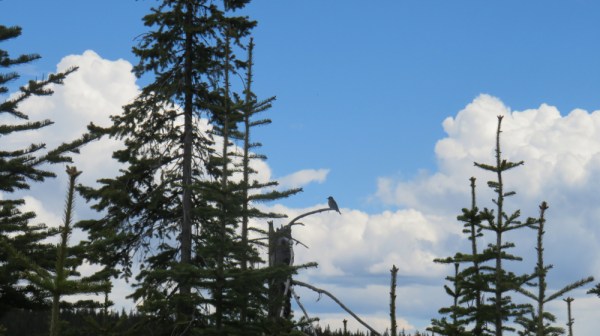
Recently I took my wife to the Nakusp Hot Springs. While she was relaxing in the mineral-rich water (but too hot for me), I went for a leisurely walk on a nature trail that leads you directly to the bridge over the Kuskanax creek. Just before I reached the bridge, I discovered a path inviting me to explore and photograph the mysteries of a pristine forest. The following images are a few examples of my pictures that I captured, before my camera shocked me with the devastating message: Battery exhausted!

Below you can listen to my composition entitled Musical Noodling.

Carthage: A Love Story Ch I Part 1

Introduction

During the five long, agonizing months of Biene’s engagement between October 1963, and February 1964, I found some relief in writing a short novel. Inextricably steeped in emotional turmoil, I used the third Punic war, and the total destruction of the city of Carthage as the historical background for the love story. Looking back, it seems strange that the ending was not a happily lived ever after, but it’s so happened that exactly at the time when Biene broke off her engagement with her Dutch fiancé, I finished the last chapter. I felt like being on top of a joyful wave that would sweep me with sweet force into her open arms. With the help of a German speech to text app, and Google Translate, I present to all my readers and followers, the novel that miraculously opened Biene’s heart to me more than 60 years ago. 

Carthage by Peter Klopp ©

The Roman Delegation

The late summer sun of 150 still warmed the limbs of the Roman sailors. It was evening, and the Gulf of Carthage shimmered blood-red in the light of the slowly setting sun. To the southwest, the heights and rocky cliffs of the peninsula could now be seen more clearly. The commission, which looked intently towards the coast from the Roman sailor, was happy to have reached its destination before nightfall and had gathered on deck so as not to miss the reception in the outer harbour by the city’s representatives. The ship had reached the cliffs and now turned sharply south past bare, high rock faces that cast their black shadows far beyond the ship into the sea. The commission shuddered in awe at the thought that the ancient, prosperous city of the Phoenicians was hidden behind this natural fortress.  The steep mountain slopes now curved more gently to the west and soon the view of the magnificently landscaped trading port, which pushed itself in front of the mighty city wall, became clear. On both quays, the crowds thronged in a colourful mix of dresses and skirts.  The Romans had not expected such a reception and now looked in amazement at the men, women and children crowded together. They were about 20 steps away from them, and the helmsman was already preparing to steer his vehicle into the narrow entrance. The inspectors and the accompanying security team felt as if they were floating through the middle of the colourful crowd. People were so densely packed on both sides of the docks.

Publius had leaned far over the railing and looked into the tanned faces of the Africans. In some he saw suspicion and fear, but in many also hope and trust. Some waved at him, he waved back. But the reprimanding look of Naso, his superior, made his arm freeze. He was surprised and asked himself why Naso had banned this friendly gesture and found no answer. 

Publius was only 19 years old, and his blue eyes still looked uncertainly into the world. He had come to Carthage partly by chance and partly by a word of authority from the new tribune of the people. He had demonstrated his tribunician power by appointing a commoner to accompany the commissioners as security staff. Otherwise, this honour was exclusively a privilege of the Roman aristocracy. Far from the political turmoil, he learned how to make clay vases from his father. Publius had few but good friends. Most people wanted nothing to do with this dreamy, withdrawn person. In addition, two strange blue eyes glowed from his head, which has often caused discomfort among his comrades. His father had been reluctant to let him go because he knew that his semi-military existence in the security force and his stay in the depraved city, which had become dissolute due to wealth and opulence, could ruin him. After all, he had raised his son with old-fashioned strictness and kept him away from the immoral activities of his peers! But he was not so stubborn as to insist on his refusal and reject the high honour bestowed upon him.

Einleitung


Während der fünf langen, qualvollen Monate von Bienes Verlobung zwischen Oktober 1963 und Februar 1964 fand ich eine gewisse Erleichterung darin, einen kurzen Roman zu schreiben. Unentwirrbar von emotionalem Aufruhr durchdrungen, habe ich den dritten Punischen Krieg und die völlige Zerstörung der Stadt Karthago als historischen Hintergrund für die Liebesgeschichte herangezogen. Rückblickend erscheint es merkwürdig, dass das Ende kein glückliches Ende war, aber es kam so, dass ich genau zu dem Zeitpunkt, als Biene ihre Verlobung mit ihrem niederländischen Verlobten löste, das letzte Kapitel beendete. Ich hatte das Gefühl, auf einer freudigen Welle zu stehen, die mich mit süßer Kraft in ihre offenen Arme treiben würde. Mithilfe einer deutschen Sprachausgabe-App und Google Translate präsentiere ich allen meinen Lesern und Folgern den Roman, der mir vor mehr als 60 Jahren auf wundersame Weise das Herz von Biene geöffnet hat.

Karthago von Peter Klopp ©


Die Römische Delegation

Die spät sommerliche Sonne des Jahres 150 erwärmte noch immer die Glieder der römischen Seeleute. Es war Abend geworden, und der Golf von Karthago schimmerte blutrot im Licht der langsam versinkenden Sonne. Im Südwesten erkannte man jetzt deutlicher die Höhen und Felsenklippen der Halbinsel. Die Kommission, die vom römischen Segler angestrengt zur Küste blickte, war froh, noch vor Einbruch der Nacht, ihr Ziel erreicht zu haben, und hatte sich auf Deck versammelt, um sich den Empfang im Außenhafen durch die Abgeordneten der Stadt nicht entgehen zu lassen. Das Schiff hatte die Steilküste erreicht und bog nun scharf nach Süden ab an nackten, hohen Felswänden vorbei, die ihre schwarzen Schatten weit über das Schiff hinaus ins Meer warfen. Ein Schauder der Erfurt bemächtigte sich der Kommission bei dem Gedanken, dass sich hinter diesem natürlichen Festungswerk die alte, wohlhabende Stadt der Phönizier verberge.  Die steilen Berghänge bogen nun sanfter nach Westen ab und bald wurde die Sicht frei auf den prächtig angelegten Handelshafen, der sich vor die mächtige Stadtmauer schob. Auf beiden Kais drängten sich die Massen in einem farbenfrohen Gemisch von Kleidern und Röcken.  Einen solchen Empfang hatten die Römer nicht erwartet und sahen nun staunend auf die zusammengedrängten Männer, Frauen und Kinder. Man war von ihnen etwa 20 Doppelschritte entfernt, und der Steuermann schickte sich auch schon an, sein Fahrzeug in die enge Einfahrt zu lenken. Den Kommissaren und der begleitenden Schutzmannschaft war es, als ob sie mitten durch die bunte Menge schwebten. So dicht hatten sich die Leute zu beiden Seiten der Hafenanlagen gedrängt. 

Publius hatte sich weit über die Reling gebeugt und schaute in die braun gebrannten Gesichter der Afrikaner. In manchen sah er Misstrauen und Furcht empfehlen, in vielen aber auch Hoffnung und Vertrauen. Einige winkten ihm zu, er winkte zurück. Aber der tadelnde Blick Nasos, seines Vorgesetzten, ließ seinen Arm erstarren. Er wunderte und fragte sich, warum im Naso diese freundliche Geste verboten habe, und fand keine Antwort. 

Publius war erst 19 Jahre alt, und seine blauen Augen blickten noch recht unsicher in die Welt. Er war teils durch Zufall, teils durch ein Machtwort des neuen Volkstribunen nach Karthago gekommen. Dieser hatte seine tribunizische Gewalt dadurch unter Beweis gestellt, dass er einen Bürgerlichen den Kommissaren als Fachbegleitung durchgesetzt hatte. Sonst war diese Ehre ausschließlich ein Privileg der römischen Aristokratie. Fern politischer Wirren hatte er bei seinem Vater in der Tonvasenherstellung gelernt. Publius besaß wenige, aber gute Freunde. Die meisten wollten mit diesem träumerischen, in sich gekehrten Menschen nichts zu tun haben. Überdies leuchten aus seinem Kopf zwei seltsam blaue Augen, womit er so manches Mal Unbehagen unter seinen Kameraden ausgelöst hatte. Sein Vater hatte ihn nur ungern gehen lassen, weil er wusste, dass ihm das halb militärische Dasein in der Schutzmannschaft und der Aufenthalt in der verkommenen und durch Reichtum und Üppigkeit zügellos gewordenen Stadt verderben könnte. Hatte er doch seinen Sohn in altväterlicher Strenge aufgezogen und vom sittenlosen Treiben seiner Altersgenossen ferngehalten! Aber er war auch nicht so verstockt, um auf seiner Weigerung zu bestehen und die ihm erwiesene hohe Ehre zurückzuweisen. 

Natural Splendour of the Arrow Lakes

Wednesday’s Photos

Still Winter on Mount Scaia

Mount Scaia is a mountain in the Monashee Mountains in Canada. Over 2200 m high, not very far from where we live at 500 m, it is located in an undeveloped provincial wilderness park. Last Thursday, our son Michael took us in his heavy duty truck on an adventure trip over a rough dirt road. His plan was to take us to the top so we could delight in the fabulous mountain scenery and capture it on our cameras. But at 2000 m, the snow on the road was so deep that even driving a super truck, Michael could not proceed without the definite chance of getting stuck. Our disappointment, however, was softened by the sight of a fully grown giant grizzly standing on a snowbank. Before we could get our cameras ready, he had disappeared in the nearby bush. Farther down, we had a delicious picnic in the pure mountain air. I posted a few photos. Enjoy!

Today’s composition is called Dance Fantasia and goes well with the adventurous trip into the Monashee Mountains. As I am striving to improve my composing skills with Logic Pro, I welcome comments with constructive criticism.

Walter Panknin (1898 – 1977) and His Family Ch 8 Part 7

Biene’s Engagement to a Young Dutchman

The episode with Biene’s Moroccan pen pal was barely over, when a far greater danger was looming over my horizon. There was a young Dutchman by the name of Henk. They met, fell in love and decided to get married. Henk visited Biene and her parents numerous times. Soon all four parents came together to get to know each other.

Papa Panknin had the following to say about Biene and his prospective son-in-law. “My daughter’s admirer comes to visit here often, there’s nothing you can do about it. It’s better to know your daughter’s admirer – especially my wife has this opinion – than to know nothing. Bienchen is always meticulous about her appearance, always in tip-top condition and wearing subtle war paint. There’s nothing you can do about it, the only thing you can do is fight the excesses. These are natural laws that you cannot go against. This has been the case for thousands of years. She also spends a significant part of her life in front of the mirror. It has always been that way, and the mirror was probably invented very early on, precisely because of this need. People complain about me because I walk around too poorly dressed and, among other things, wear shoes that are 30 years old and have therefore developed folds and wrinkles. Now this young man, who is staying overnight nearby, comes to us for morning coffee and other meals. Everyone made themselves beautiful. Even I put on a suit to celebrate the Reformation Day and because of the visit. Mom serves and Biene is beaming with happiness. And what is the young man wearing? Jeans and a sweater in a tasteless poison green colour. Of course, he doesn’t have proper behaviour either, but students at higher educational institutions don’t have that either. Yes, it’s not that simple. You can’t intervene in a rude way. The parents have also honoured us with their visit. Who invited them and why they came remains a mystery to me until now. The parents seem likeable and sensible. For the rest, they drank coffee and cognac and smoked cigarettes almost constantly, i.e. father and son.”

Almost eight years ago, I published a post that marked the point where the Peter and Gertrud Klopp and the Walter Panknin and His Family stories merged into one and, despite many obstacles, miraculously came to a romantic conclusion. Those of you, who have been with me for a very long time, will know the details. So with a glimpse into one of my saddest life experiences, of sixty years ago, I will repeat the old saying “All’s well that ends well”.

Biene and I at my mother’s home (January 1965)

One Misfortune Never Comes Alone

I was still reeling under the blow of the unexpected military transfer to Maxhof, Bavaria, when another one hit me like a bolt out of the blue. Biene wrote that she had met a young Dutchman by the name of Henk, to whom she was now engaged. They were dreaming about their own home at the edge of a forest near the city of Arnhem and were planning to get married. The news nearly tore me apart, all the more as Biene described our relationship as merely a nice correspondence between friends. Although my emotions were running high, I immediately responded to her letter and thanked her for being honest. It was some sort of a miracle that I agreed to keep writing to her. That promise was so terribly out of character, so contrary to what my pride and sense of honour would have allowed me to do, that there was only one explanation. I was still in love with her.

Sleepless nights followed. I held endless conversations with myself. At times, I would place the entire blame on my shoulders. A friend of mine was perhaps right, when he said that a kiss is more powerful than words, passion stronger than tender sentiments expressed merely in letters. Then the American folk song ‘On Top of Old Smokey’ was going through my mind during those agonizing hours of wakefulness. The apparent truth of the line ‘I lost my true lover for courting too slow’ hit me especially hard. Suddenly, the pendulum swung into the opposite direction. For a short while, I found relief by putting the blame on Biene. ‘Surely, one does not get engaged overnight’, I argued. ‘Why didn’t she write me sooner? Why did she allow the correspondence to drag on so long? What about her other pen pals, the young man from Morocco, for example? Does she want to keep all her options open? Is she like a bee, as her name implies, flying in a kind of romantic dance from one flower to another to see where she would find the sweetest nectar?’ Having experienced both ends of the emotional spectrum, I finally settled for a more balanced view. The wildly swinging pendulum was coming to rest in the middle. Concern for Biene pushed anger and jealousy aside; she might have responded to the lure of marital bliss too quickly. These internal monologues went on and on through several nights, at the end of which I was completely exhausted. But I had calmed down enough to finish my letter to Biene with the words, “Just one thing you must promise me. If you perceive a danger to your happiness in that you cannot distinguish between true friendship and love between a man and a woman or if your future husband does not like our correspondence, then have the courage to say goodbye. For I do not want to destroy your happiness.”

Natural Splendour of the Arrow Lakes

Wednesday’s Photos

Strange Creatures Around Our House

Over the last couple of years, we have been collecting driftwood from the lakeshore and decorating the skirting of our modular home. Recently, I started to see bizarre animals and strange-looking faces in these wood sculptures. To enhance the effect, I applied with my photo editor Gaussian blur to the background. This adjustment made the fantasy creatures stand out with no distracting elements. For your viewing pleasure, I selected the following five images below. Enjoy!

My latest composition with Logic Pro DAW: Dancing around the Campfire