At the Crossroads
“It does not take much strength to do things, but it requires a great deal of strength to decide what to do.” Elbert Hubbard
Peter Quits his Job

Calgary in the Mid 1960’s
In the middle of July I got an unexpected three-day break without pay. It rained so hard for the entire time that all outside construction was grinding to a halt. Restless and deeply worried I studied again the classifieds in search for a more meaningful job. There I stumbled upon an ad of a geophysical company, which was looking for young candidates whom they were willing to train with pay as seismic observers. I had not yet learned that just because there were positions to be filled and companies advertised them in the newspaper did not mean that one had already landed the job. My youthful enthusiasm for a great opportunity for carving out a happy and prosperous future for Biene and me made me ignore all the hurdles I needed to jump in order to get the job. Nor did I heed the warnings of the somber prospects of separation, which inevitably would have come with the fieldwork in remote areas of the province. Having been apart for such a long time, this was the very thing Biene and I were trying to avoid. As always when I was all fired up and nothing in the world could dampen my zest for immediate action. I spoke with confidence and a fair level of fluency in English the day I contacted by phone the personnel manager of the company. He appeared favourably inclined – so I thought in spite of my strong German accent – and promised me to mail right away the necessary forms and a pamphlet what seismic work was all about.
On the very same day I also visited the campus of the University of Calgary to enquire about their teachers’ training program. Here too I was impressed with the friendly and professional manner the lady at the registration booth received me. Little did I know then with my naïve trust in outward appearance that in contrast to the rough and tumble world of the construction industry these people at the institutes of higher learning were trained to be kind, helpful and polite! It was part of their job. Smug about my progress I had made in a single day I rode the bus home to my brother’s place. High in spirit, already projecting myself far into the future and seeing us in our cute little bungalow à la Biene’s vision I sat down to write her a very long passionate letter that evening, essentially pulling us out of the deep trough we had just gone through with the loss of the engagement ring.
At the beginning of the following week the blazing midsummer sun returned full blast and was burning mercilessly from a cloudless sky. Mr. Milne phoned to tell me that he would start on a new building project in the town of Vulcan, where he had taken on a lucrative contract to build a movie theatre. Knowing me as a good and reliable worker, he had assigned me to a special work crew. I found the prospect of working long hours and of making more money quite alluring at first. At five in the morning I climbed on the back of the same old truck, which had taken me to my first job site in early June. There my Yugoslav coworkers and I huddled together for the ninety-minute ride to Vulcan, halfway between Calgary and Lethbridge. The first few days turned out to be quite tolerable in spite of the heat and the long hours. The walls were still low and the heavy concrete blocks were within easy reach of the masons. Best of all the cool of the early morning air lingered on for a good part of the day. It actually felt fairly pleasant to work under such conditions, especially when a breeze brought relief from the heat in the afternoon. Yet, I was totally exhausted after fourteen hours, out which I was only paid for eleven, because they deducted the traveling time from my pay. I did not complain, the pay was good. I even had recently received a raise, which brought my weekly take-home pay to a hundred dollars. But in the second week the steadily rising walls were beginning to cut off any air circulation and the sun was relentlessly beaming down onto the building site. The masons working high up in the cool breeze were clamouring for the concrete blocks and were shouting at me to hurry up. Down in the searing furnace I struggled to keep up with the demand. With heat being reflected off the walls, the temperature was inexorably rising. I began to drink huge quantities of water and drenched my shirt in a desperate attempt to cool off the overheated body through sweating and evaporation. During such brief breaks, which I had granted myself to recuperate a little, I suddenly realized that the combined worst hardships I endured at the German army during my basic training were by comparison to this hell like a pleasant Sunday school picnic. I felt like a slave in the service of Vulcan, the god of fire, after whom the town had been named.
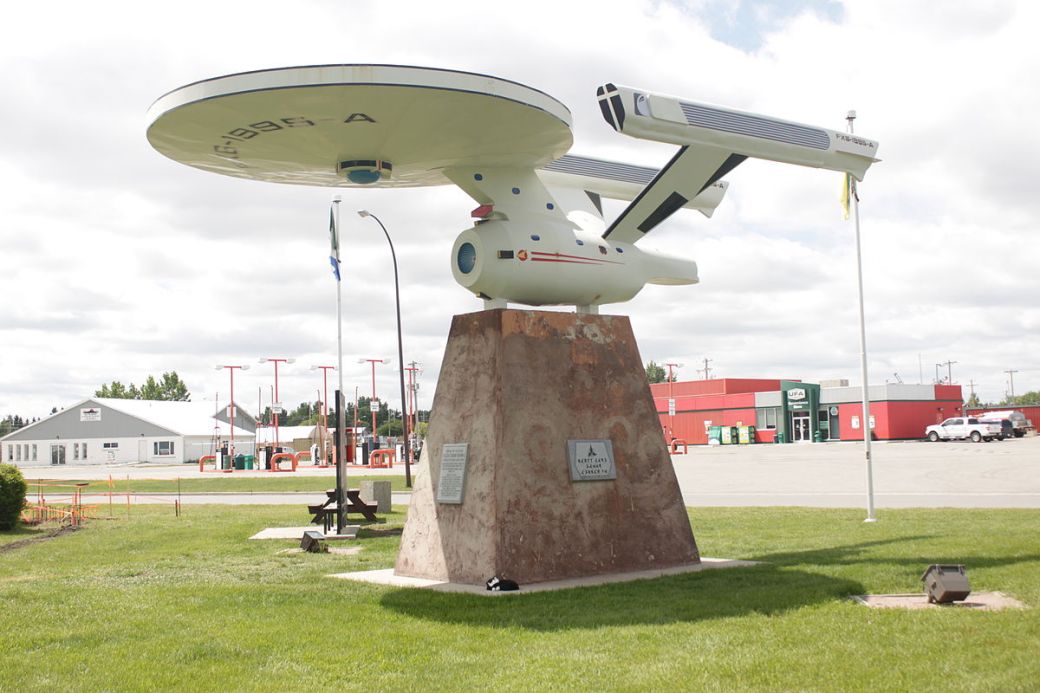
Star Trek Enterprise Replica in the Town of Vulcan – Photo Credit: Wikipedia.org
While I was standing there for a short moment leaning against a huge pile of blocks, my boss caught me, as he called it, in the act of loafing and severely reamed me out. It was there and then that I decided to work only till the next payday and to start looking for another job. Unlike my fellow workers from Yugoslavia I was not a slave of this construction outfit and had the freedom to quit.


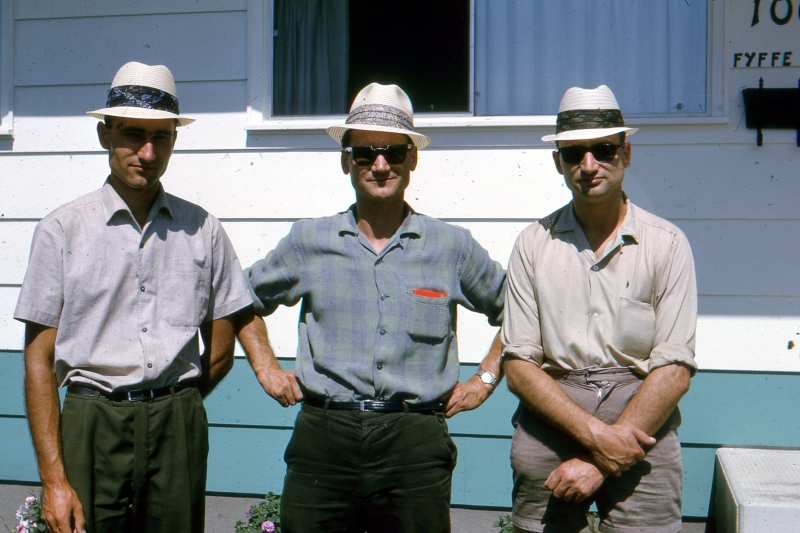
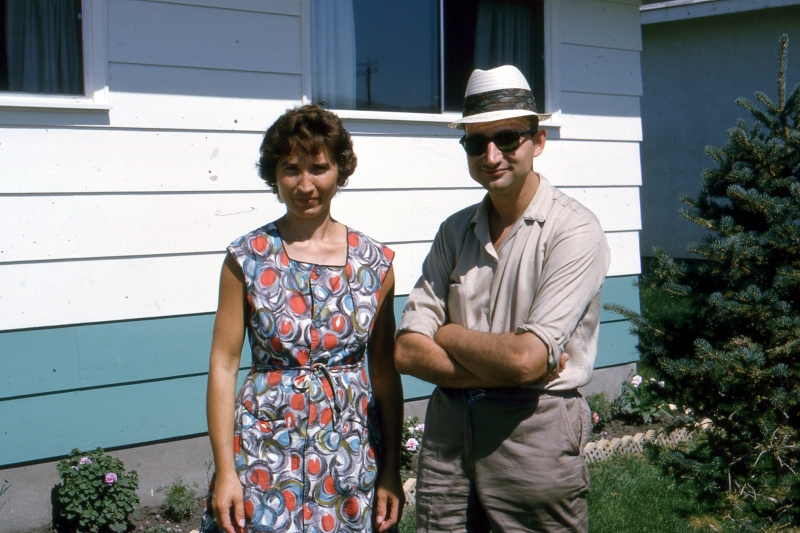
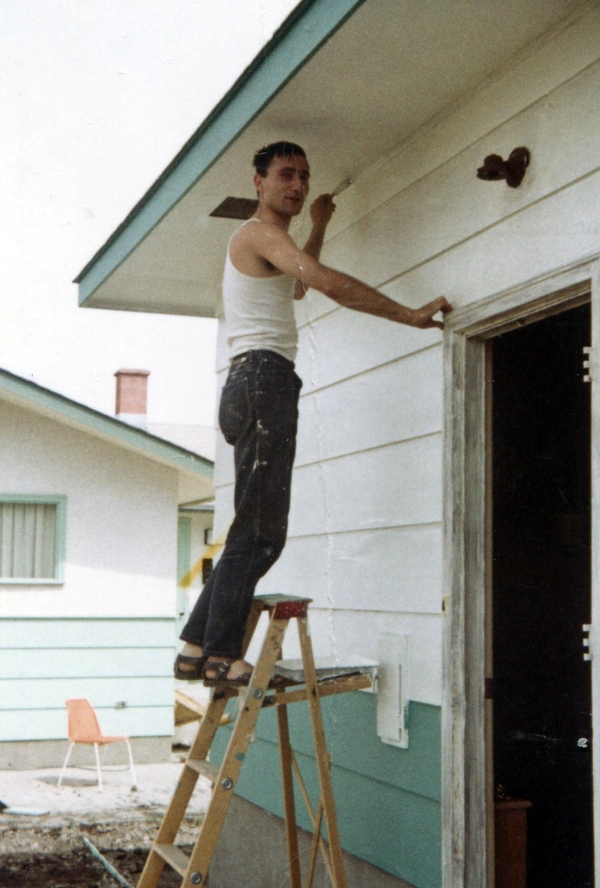
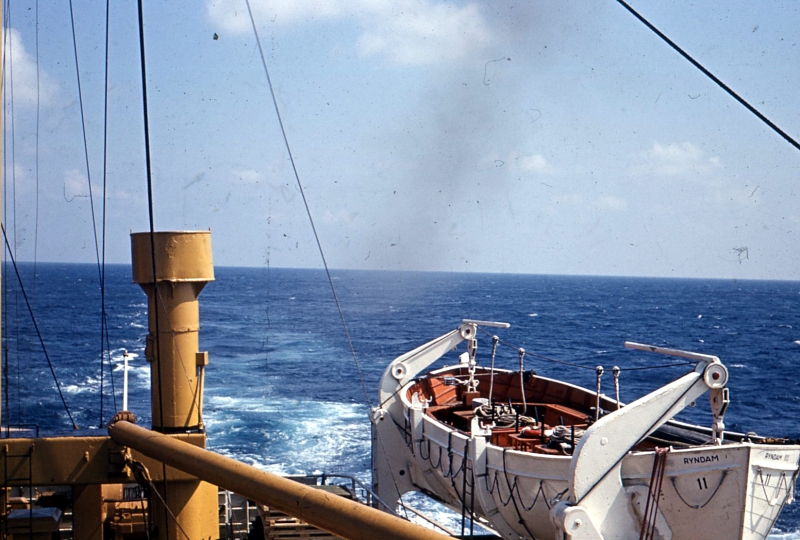
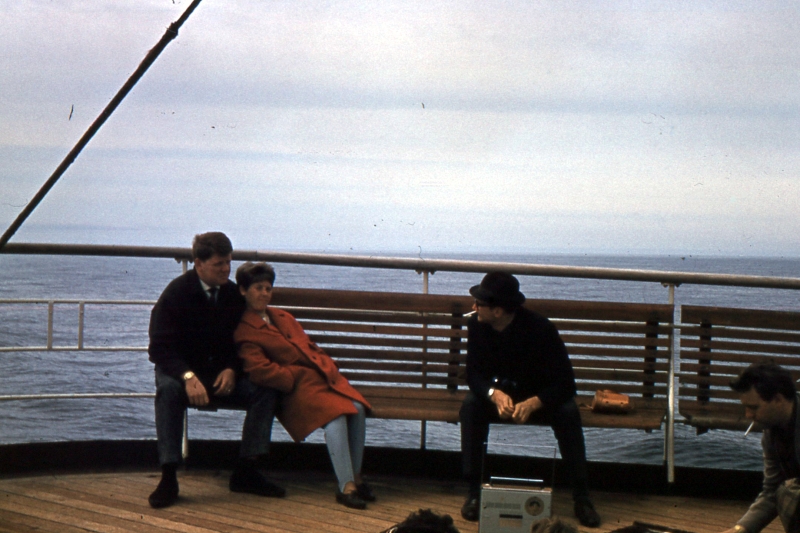
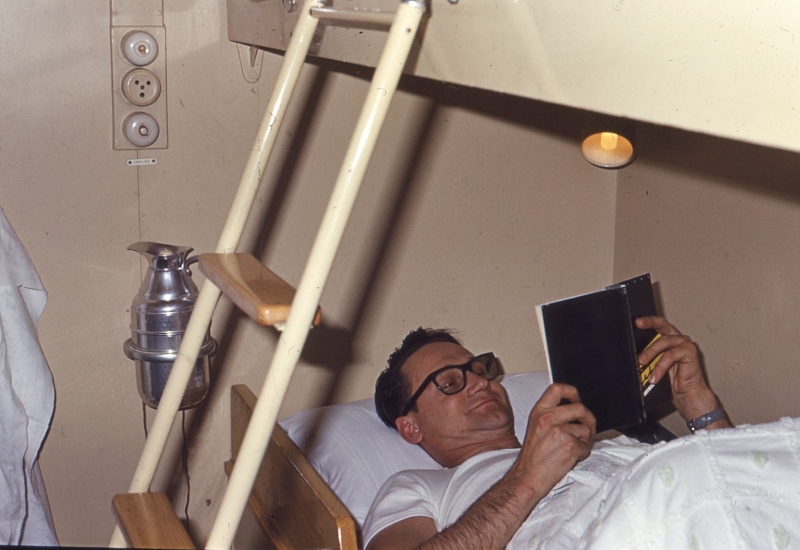
 The Peter and Gertrud Klopp Family