Is our Golf Course Slipping into the Lake?

IMG_4170

Yesterday morning I listened to a CBC radio interview with our local fire chief John Banta. The topic was our golf course, one of the main recreational and scenic attractions of Fauquier. The ground facing the lake has been undergoing major shifts making some people believe that the entire golf course with that wonderful little clubhouse included will eventually slip into the lake. The gist of the conversation revealed that there are two opposite viewpoints on the nature of the upheaval of the grounds facing the lake to the north. While the CBC interviewer spoke of impending disaster, John pointed out that only two of the nine holes have been affected and that the club house in his opinion is quite safe in its present location.

Having also heard so many different opinions from friends and neighbors, I decided to investigate the problem area myself and attempted to provide evidence for or against CBC’s claim that before long the golf course, club house and all will eventually slip into the lake.

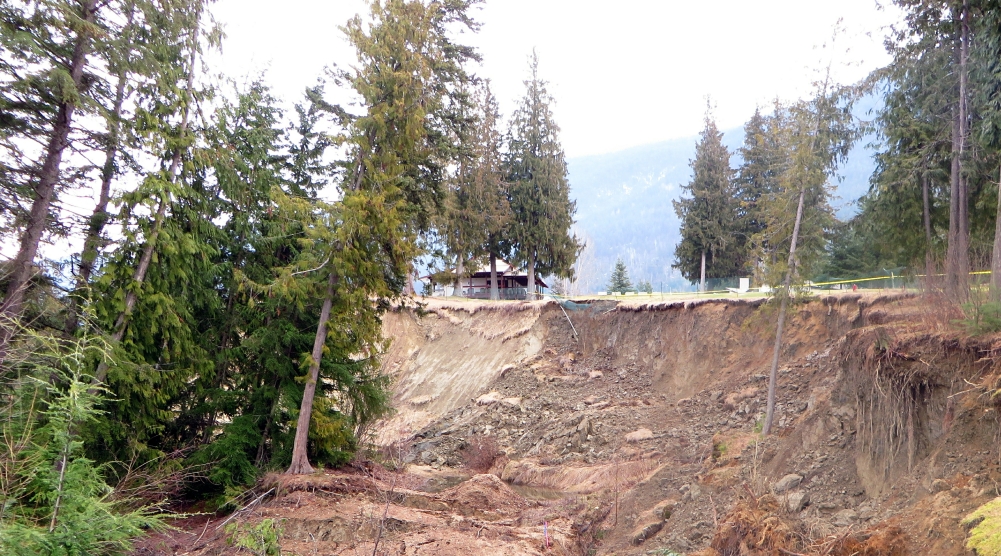
Here is what I discovered at the site and I use the pictures to support the evidence:

  1. Near the warning ribbon directly facing the lake there is an almost vertical drop-off of several meters.
  2. Facing northwest I noticed another drop-off not quite as frightening, but still dangerous enough to cause serious injury, should someone step over the edge. Again the angle with ground above and the ground below was nearly 90°.
  3. Making a big loop around the area I worked my way up to take a closer look from below. It was very clear that the ground has been in motion everywhere I looked.
  4. The entire surface area, however, no matter how big or small, revealed the same picture, not what one would expect a movement toward the lake, but rather sinking ground with a distinct vertical downward trend.

Thinking about a probable cause for this unusual phenomenon, I thought that there is only one plausible explanation. Not more than three weeks before this disturbing event we experienced a heavy snowfall followed by a two-week period of steady rain and unseasonably warm temperatures. The ground became saturated. The drainage ditches in town filled up to maximum capacity. But what was worse was the underground seepage that took place on a grand scale. The fine sand that is sandwiched between layers of clay was washed away leaving large underground cavities behind, over which the surface areas of the golf course near the lake collapsed. Of course, it did not help any that the lake is presently at its lowest level in years creating a huge imbalance of the entire shoreline.

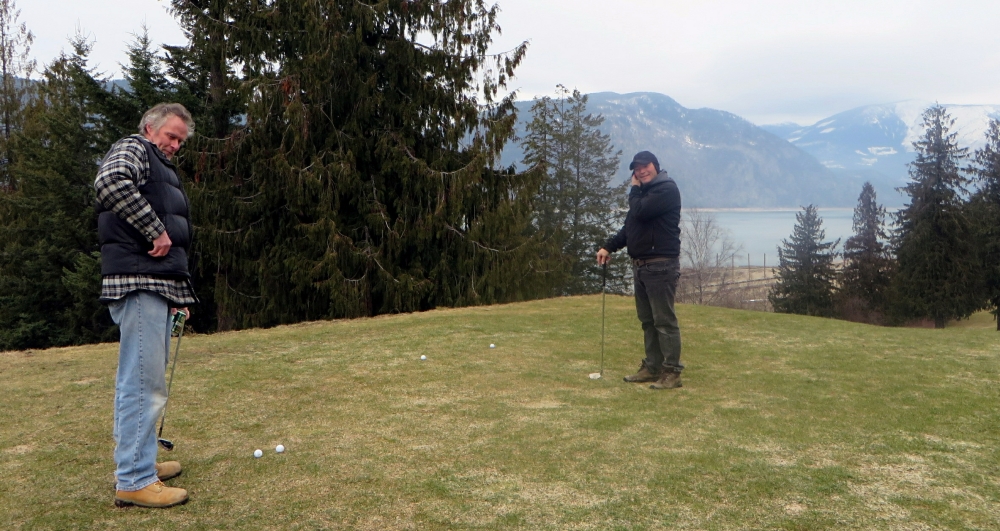
I can only express my sincere hope that BC Hydro being in control of the lake level will generously chip in with sufficient funds to make the necessary repair possible. I felt a little bit more cheerful when at the end of my exploration of the damage I noticed two golfers testing their skills on the remaining 7 intact holes. Wow! What a sight in February!
IMG_4188

Fauquier Historical Review

Fauquier Preempted in 1897 by Funk Brothers

Report by Late Mrs. W.L.Devlin

Text and Photo Credits: ALHS and Mrs. Annette Devlin

One of the new town sites on the Arrow Lakes, due to the Arrow Dam Reservoir, is at Fauquier, called New Fauquier . This name never got into real use (PK). It is situated above the high water line laid out on part of the farm land mentioned in the following article, written ten years ago.

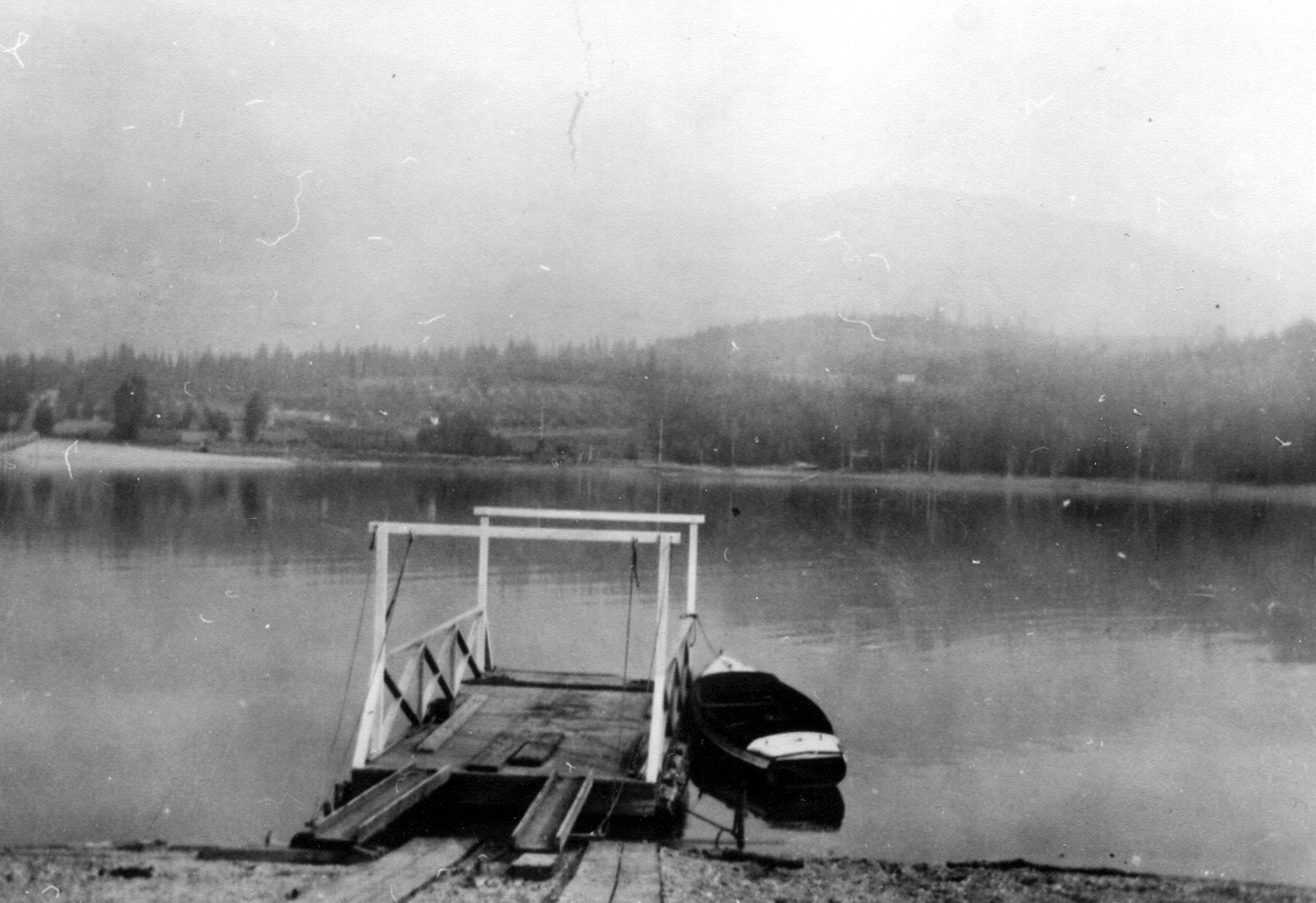
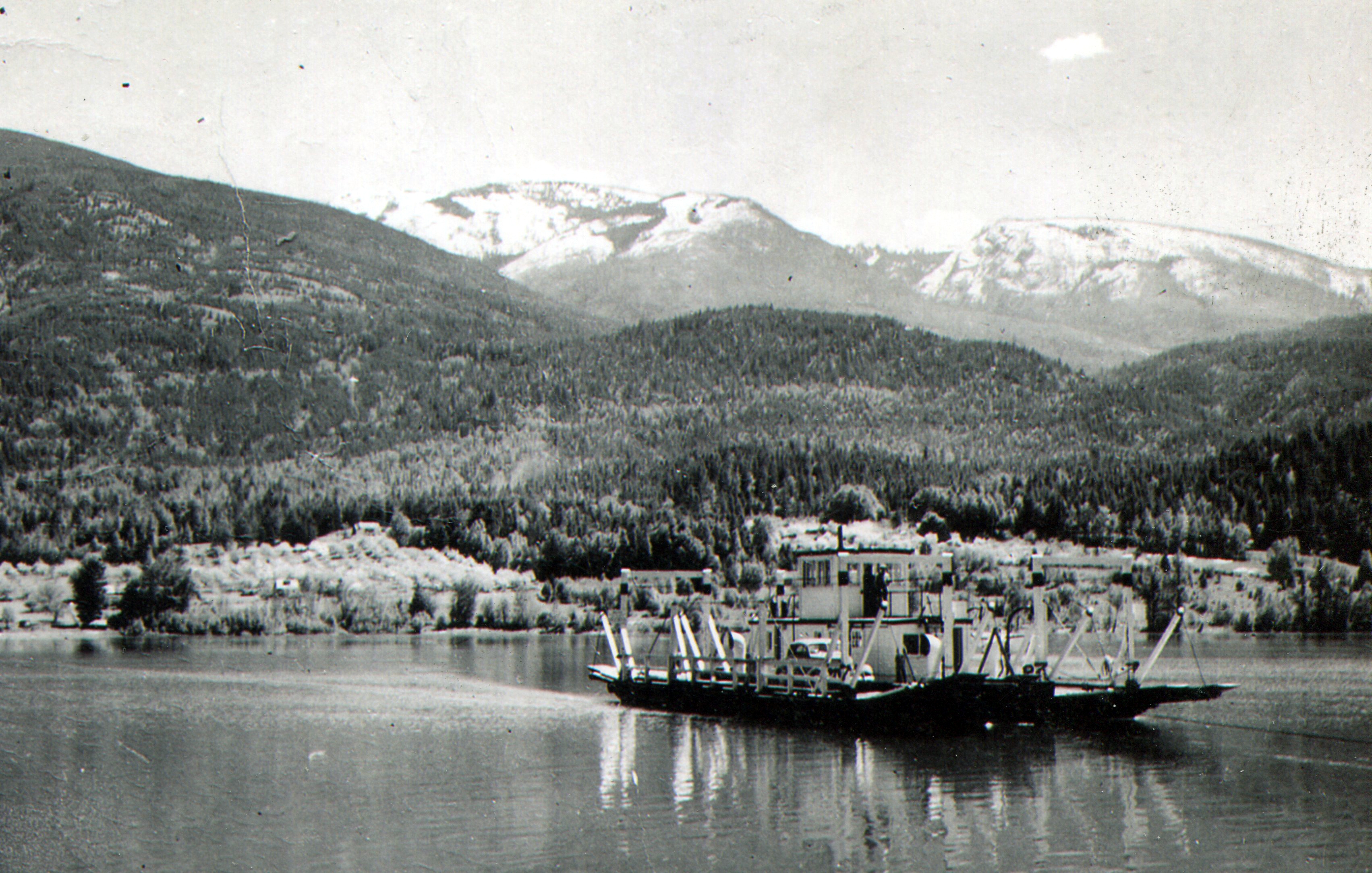
Fauquier-Needles Ferry

Fauquier-Needles Ferry in the Early 1920’s with Large Orchard on the Fauquier Side

The new settlement is a modern village with sewers, lots and the streets all engineered to separate the residential areas from business and services area, to make an efficient and attractive community. We print this story as a tribute to the early settlers of this area and to wish them well in the new town.

Ferry Landing

Old Ferry Landing

Mrs. W.L.Devlin’s Report (1967)

Canada celebrates its centennial this year, so I will endeavor to relate the history of our community. Prior to 1895 there were no settlers in Fauquier. Trappers and prospectors built cabins and stayed for a while, then moved on. Names mentioned by old timers are P. Anders, Jim Kelly, Muirhead, Jim Bates and Dougelle, who staked a mining claim on Stor Hill. The little cabin he built near the beacon point is still standing.

In 1897 Leonard Funk and brother George came from the Okanagan and preempted two large blocks of land. They built a cabin by the lake and began clearing, cutting trees into the cord wood, which they sold to the CPR for use in their wood-burning boats. George Funk did not stay, but his brother Leonard carved a fine farm from the forest, planted an orchard and raised a large herd of cattle, becoming a fairly wealthy man. He did much to help his neighbors get established and was a prominent figure in community affairs until his death in 1935.

Two other settlers of 1897 were Mr. Mosheimer who stayed only a few years and Mr. Thompson who preempted a half section of land next to Mr. Funk. He also bought the mining claim from Dougelle. When his sons joined the army in 1914, the family moved away.

Jim Kelly mentioned previously homesteaded the original Fauquier farm. He sold to Muirhead who in turn sold to Mr. Fauquier in 1900. After acquiring three more lots Mr. Fauquier called his holdings the Needles ranch. This property he had surveyed into ten-acre blocks, the work being completed by A. H. Green in 1910. Part of Mr. Green’s payment was a choice lakeshore block, on which he built a summer home.

At this point it might be of interest to tell a little about Mr. Fauquier. He hired Indians to clear the land on both sides of the road, approaching the landing. He built a fine home hiring two Chinese to care for the house and the gardens. Incidentally, this house burned and the family moved to a little cottage on the north side of the road. In appearance, Mr. Fauquier looked like a country squire, florid face, and gray hair, neat clipped moustache always dressed in natty tweeds. He had fine horses and drove an elegant buggy with a fringed top.

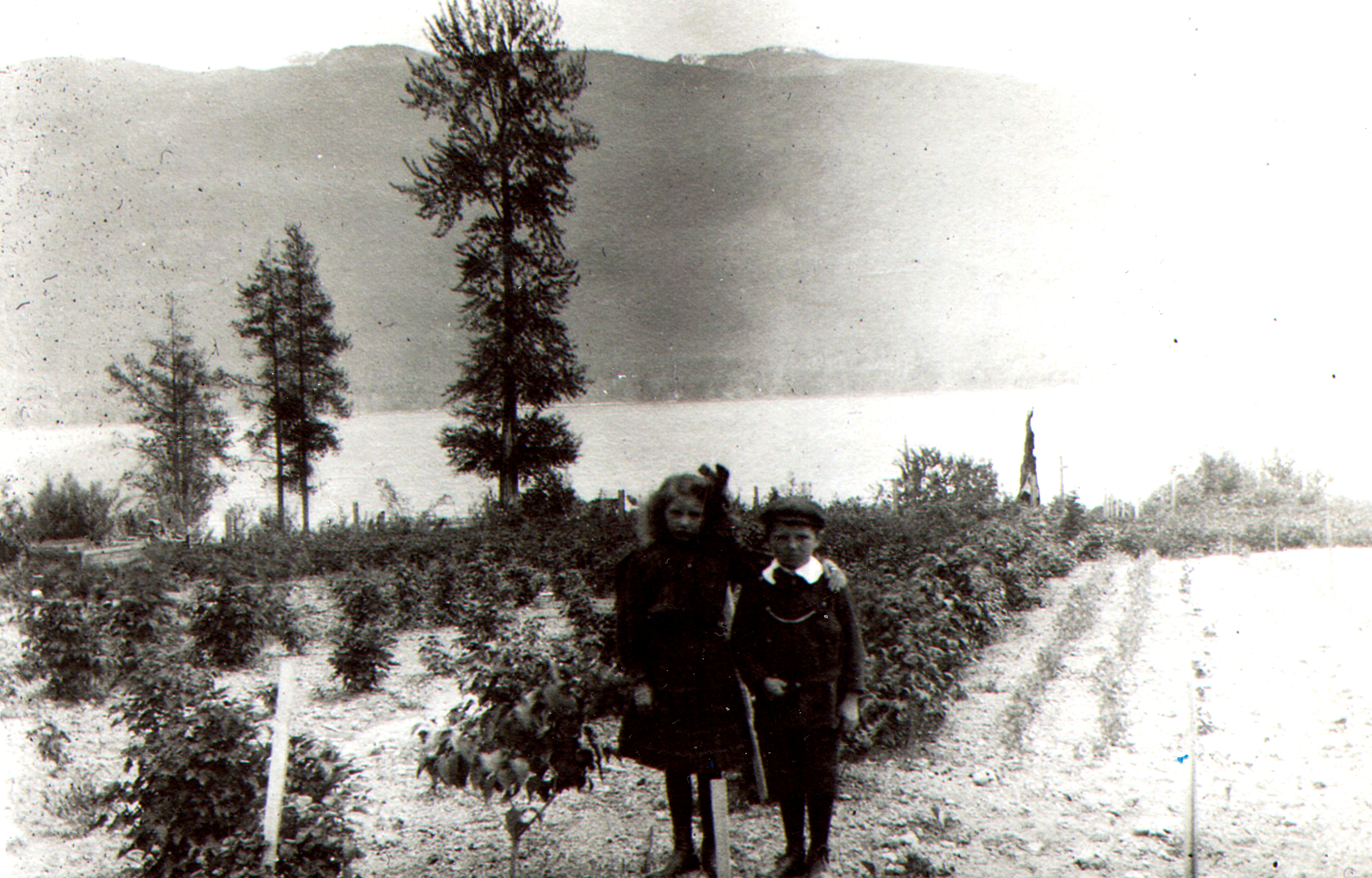
He planted a large orchard and while waiting for it to come into production he put in acres of raspberries and strawberries. Between the sale of land, fruit and cattle, he should have been successful but his extravagance exceeded his income and he died a poor man in 1917. Mrs. Fauquier was a semi- invalid and recluse. After spending her last years in a wheel chair she died at Vancouver in 1929. Continue reading

Winter on Hasty Retreat in Fauquier


What a Difference a Week Can Make

A Walk with Biene in the Sunshine

After seven days of rain, drizzle and fog, the sun broke through the depressing cloud cover like a belated Valentine’s gift. Biene and I decided to take advantage of this unusually pleasant springlike weather and took a walk down to the boat dock and strolled along the beach, where the lake level is at its lowest level in decades.

Down at the Golf Course, the snow almost 1 m high barely two weeks ago had disappeared except for the grotesque sculptures left behind by the snow plows. The first Canada geese arrived and landed accompanied by their customary honking with a splash not far from the boat dock. Biene took it as  propitious sign, as she always does when she spots an eagle. Two eagles were soaring high in the sky. Further down at the beach many tree stumps attracted my attention and I could not resist taking a few more pictures of nature’s art work in the driftwood, which was sticking out of the sand. As a bonus for our long walk I discovered on a muddy stretch dozens of golf balls that were embedded in the mud, which we carried home. There, in Biene’s flower bed. we noticed the first daffodil pushing through the dirt. Spring is not too far.


More pictures of our excursion to the lake can be viewed at Flickr. To see them, all you have to do is click on the tab above the banner on the right.


Fauquier on a Foggy and Drizzly Morning …

Dreary days in February often make me feel sad and even depressed, when the sun refuses to show its cheerful face. The iron man with his snow-capped head at a neighbors’ fence seems to express that melancholy feeling as if to say, “Is winter not over yet?”

Last Sunday morning I went for a walk taking the big loop around our little town. Armed with my camera I was determined to show and to prove that there is beauty even under an overcast sky with dense fog hanging heavily over the Arrow Lake.

The air was mild, almost springlike. While there was still lots of snow, it was plain that winter was on the retreat. Melt water had formed many puddles on the street, which intrigued me with their beautiful reflections. Water droplets were hanging like precious pearls from the slender twigs of wild rose bushes. To a casual observer there is nothing special about them until one discovers the images that their tiny frog lenses produce. Having captured these wonderful impressions with heart and camera, I felt cheerful in spite of an otherwise gray and dreary February morning in Fauquier, BC.

The Glorious Days of the Sternwheelers

Sternwheelers Linking Fauquier to the World

Some History Notes on the Lifeline of the Fruit Trade

Photo Credits: Arrow Lakes Historical Society, Text from A. Devlin’s Personal Archive

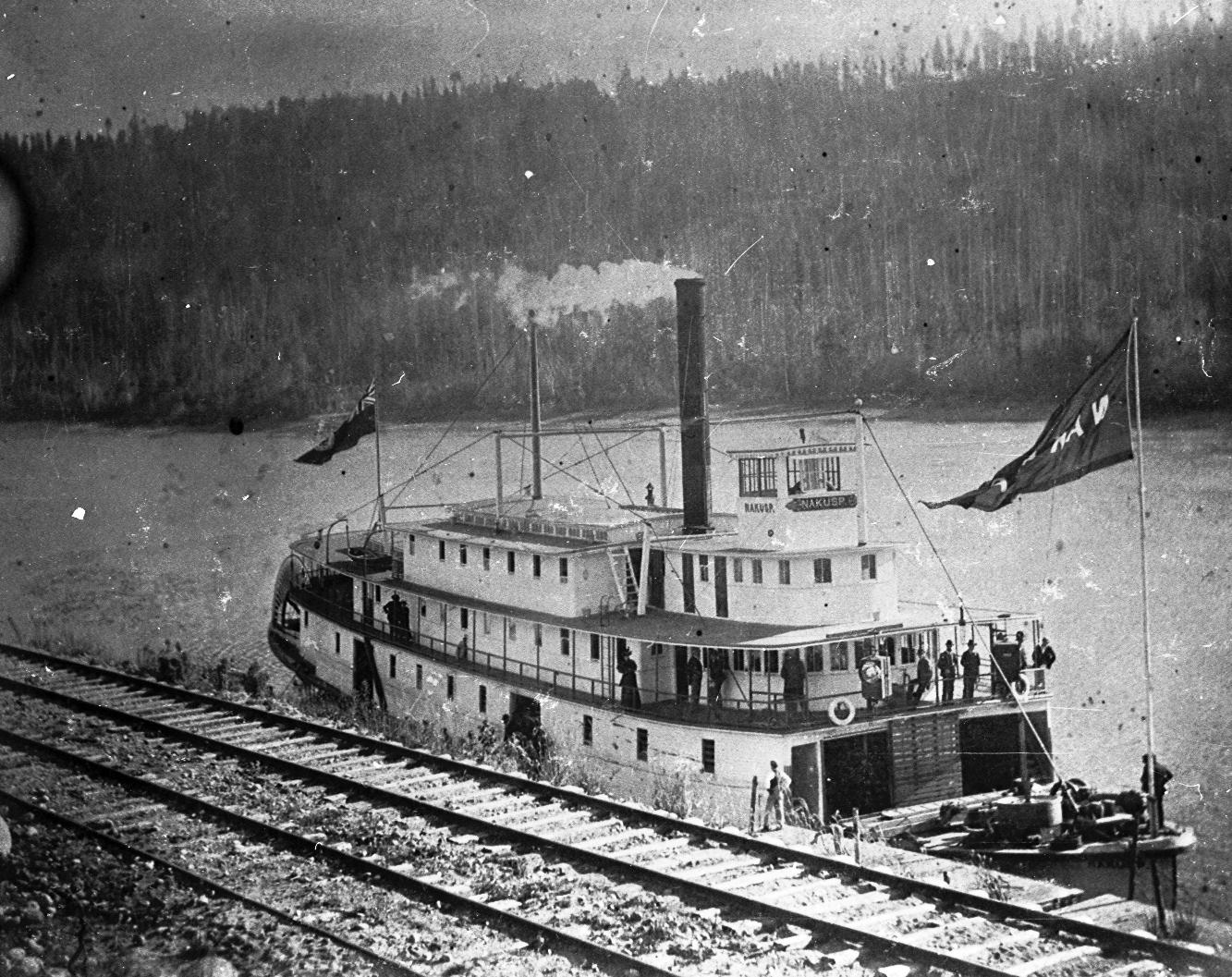
?????????????????????????????????????????????????????????1895 – SS Nakusp – first steamship built in Nakusp – here docked at East Robson on the Columbia River 1898

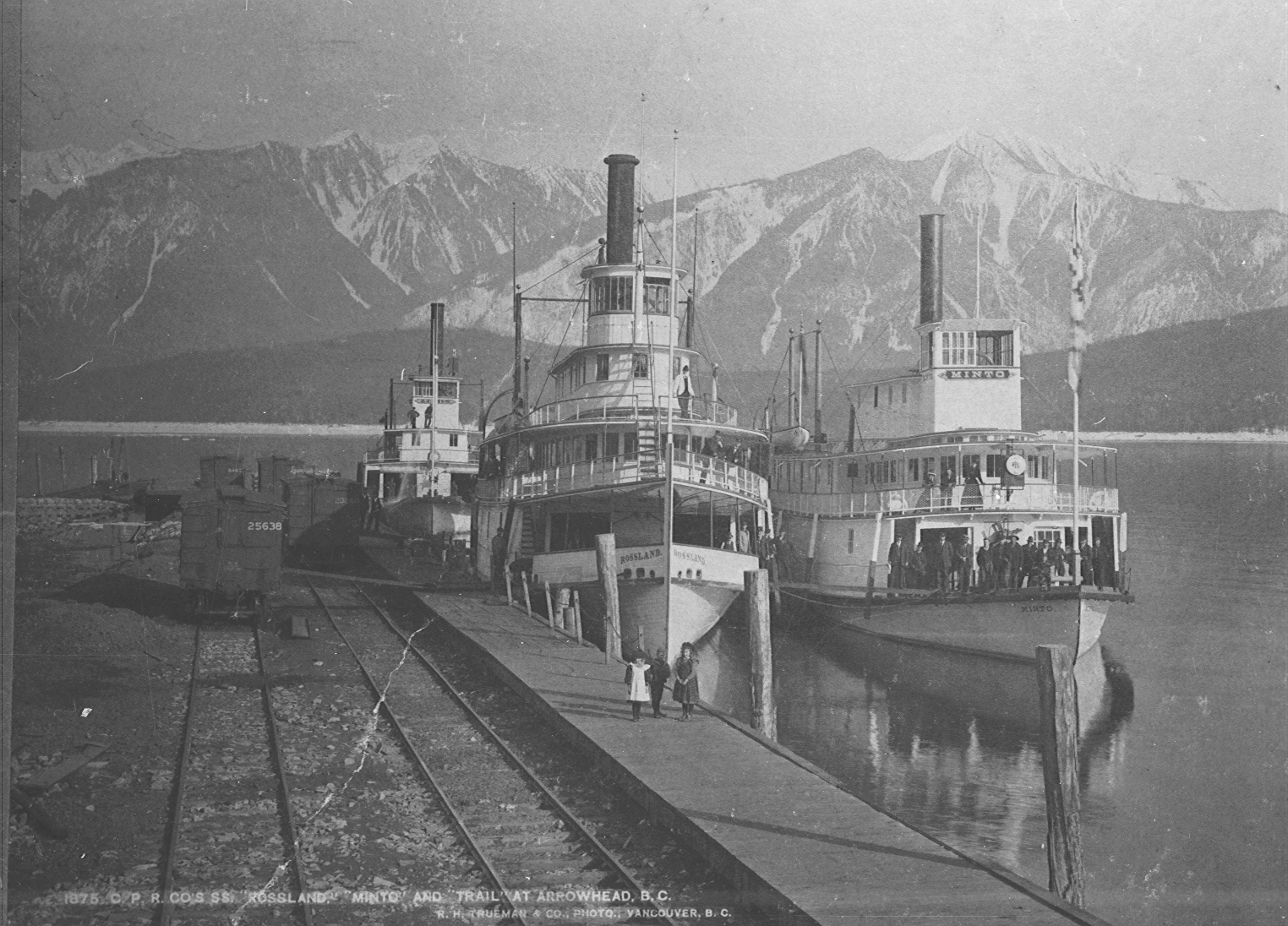
?????????????????????????????????????????????????????????????????????????1896 – SS Trail built in Nakusp, used to haul freight and to push a barge from Revelstoke to Trail. The barge carried coal for the smelter in Trail, then she hauled ore from the smelter to Northport. Here she is docked behind the Rossland at Arrowhead, Upper Arrow Lake, 1898.

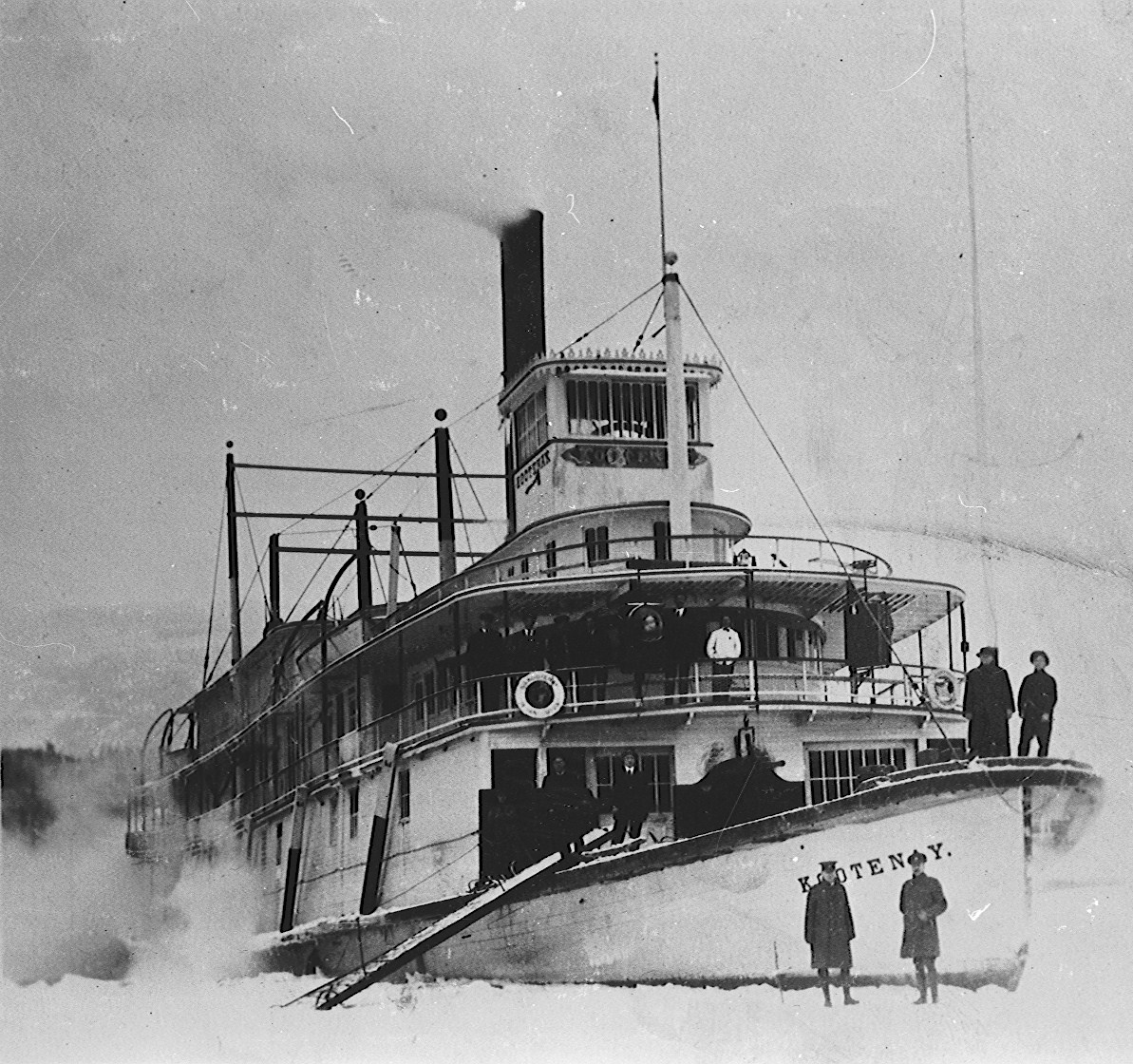
???????????????????????????????????1897 – SS Kootenay built in Nakusp and launched in April – group posing in front of sternwheeler on frozen Upper Arrow Lake ca. 1920

??????????????????????????????????????????????????

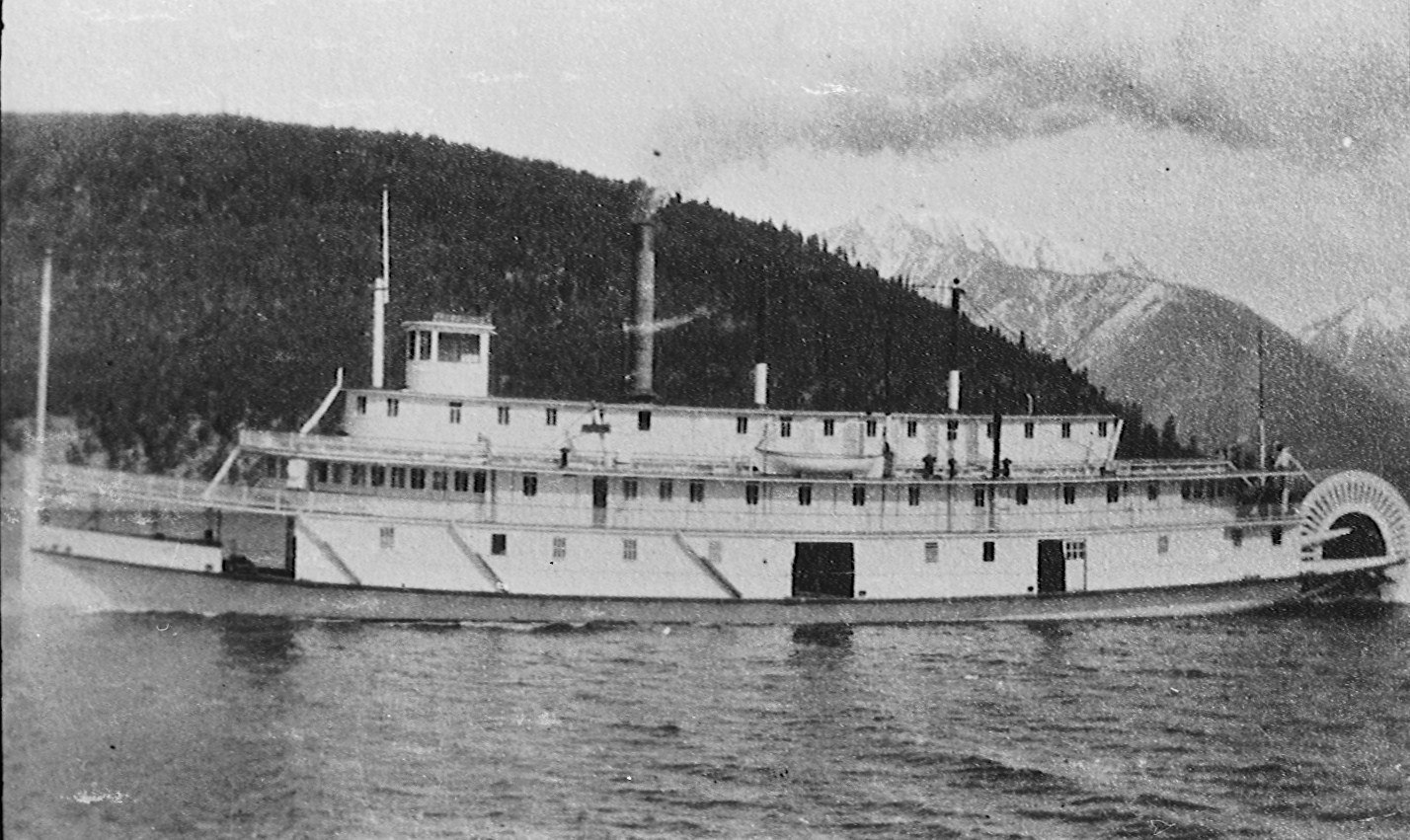
1897 – SS Rossland built in Nakusp and launched without furniture, fittings or windowpanes so that the SS Lytton could be withdrawn at last for repairs, here seen sailing on Upper Arrow Lake (1898- 1916).

?????????????????????????????????????????

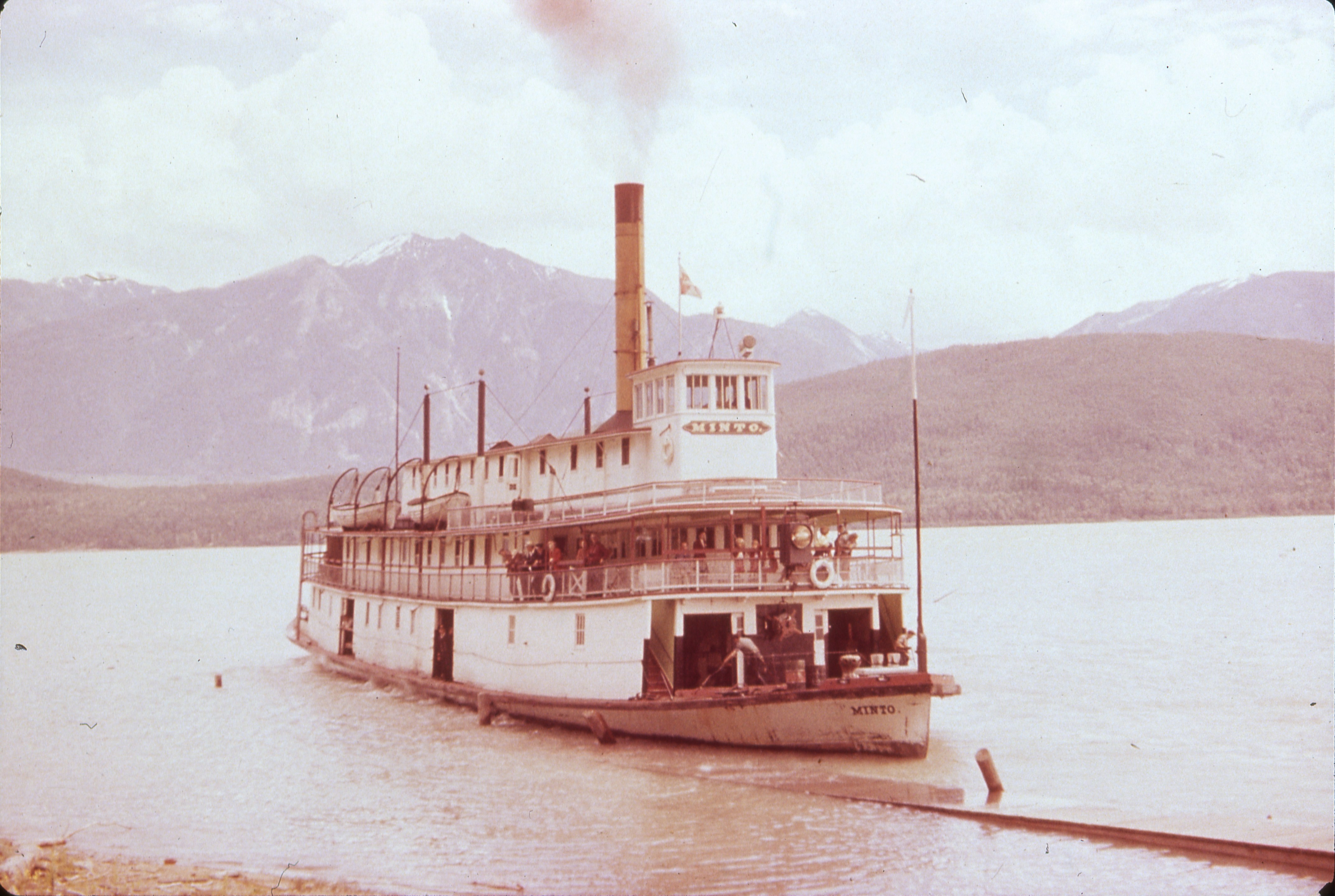
1898 – SS Minto built in Nakusp, parts from Toronto, shipped to Nakusp in 1000 parts. First steel hull on the Arrow Lakes and named after Canada’s Governor General. It was meant to go to the Stikine River for the Gold Rush. The picture was taken at Arrowhead on Upper Arrow Lake, 1952.

??????????????????????????????????????????????????????1902 – SS Revelstoke built in Nakusp, used to take tourists between Revelstoke and Downie Creek. It was the last sternwheeler to run the fast water of the Columbia River Canyon from 1902 to 1915.

1906 – prosperous fruit trade began on the Arrow Lakes

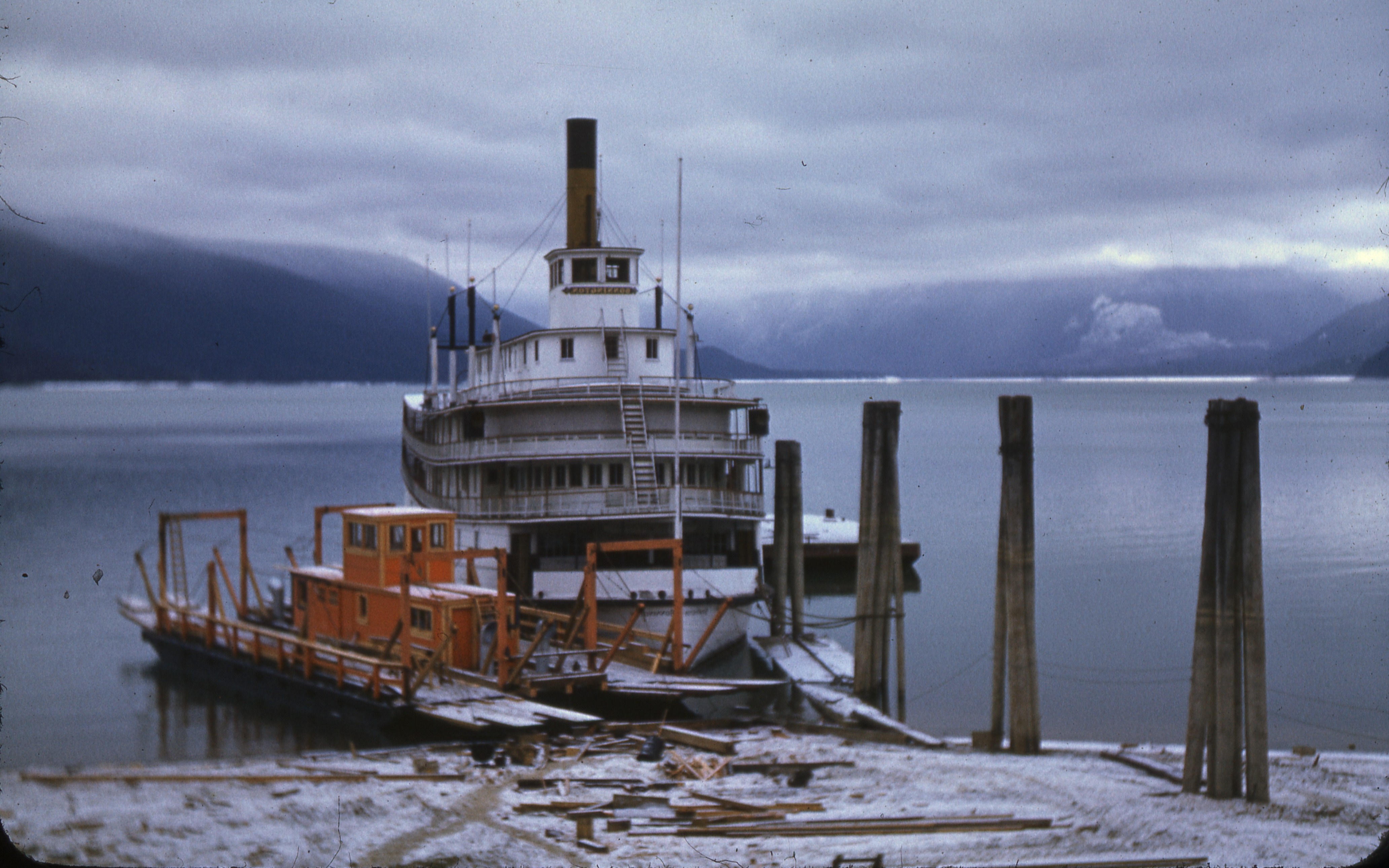
???????????????????????????????????????????????????????????????????1911 – SS Bonnington built in Nakusp; largest steamer on the Arrow Lakes; was to be used to carry passengers for a proposed circle tour by CPR (Revelstoke to Arrowhead by rail, Arrow Head to Robson by steamer, Robson to Nelson by rail, Nelson to Lardeau by steamer, Lardeau to Trout Lake City by rail, Beaton to Arrow Head by steamer, Arrow Head to Revelstoke by rail); launched in April and a half day holiday was declared in Nakusp. On the picture above the derelict SS Bonnington docked at CPR wharf, Nakusp, 1940 or 1941; Fauquier – Needles ferry temporarily docked at left for repairs.

Short History of Fauquier BC – Part 2

Economic Boom and Decline

Adapted from an Untitled Document at the Arrow Lakes Historical Society

Photos from A. Devlin’s Personal Archive

In 1914 everything came to a standstill due to World War I. All the young men (15) enlisted and left their land. Not one of them returned. Eventually their land reverted. Middle-aged farmers with growing families worked the land and once again they had thriving orchards. The fruit industry was flourishing. The crops were shipped up and down the lake by steamboat, and around the province by train. There were two steamboats a day, one traveling south, and the other north. Therefore, service was prompt, which was in favor of the fruit growers.

Orchard

At the Prosperous Fauquier Cherry Orchard

In December 1917, Mr. Fauquier died. He was badly in debt due to his loss of land sales during the war. Thus, the “Needles Ranch” was put into the hands of an administrator. In 1919, there was an influx of newcomers. The Fauquier farm was sold in two halves. Other properties outside the ranch were also sold. These were the good years, for the orchards were in their peak. A need was felt for a Packing House, and the growers got together to put up a building. Experienced packers graded, sorted and packed the fruit. Between ten and twelve box cars of apples and pears were exported from Fauquier yearly. Each boxcar contained approximately 875 boxes of fruit.

Loading Cattle on the Rossland at Fauquier

Loading Cattle on the Rossland at Fauquier

In the late 1920’s, the Okanagan developed a series of irrigation systems and planted thriving orchards. It was soon discovered that their fruit was of fine quality and developed three weeks ahead of Fauquier’s. The Okanagan slowly but surely stole its market. Fruit farmers of Fauquier suffered a great loss. With the loss of fruit sales, the C.P.R. reduced steam­boat service. Now, only one steamer made a trip a day, and as time went on, only two trips a week were made.The 30’s brought the depression. The orchards were neglected and times were very poor. The Packing House was no longer required. In 1943, it was given to the community, and it was turned into a community hall.

During World War II, farming lost its importance and logging took over. Farming was only done in the summer, while logging was done during the rest of the year. A flume was built that brought logs from Whatshan lake to the Arrow Lakes. Family farmers made some cash by selling vegetables to logging camps.

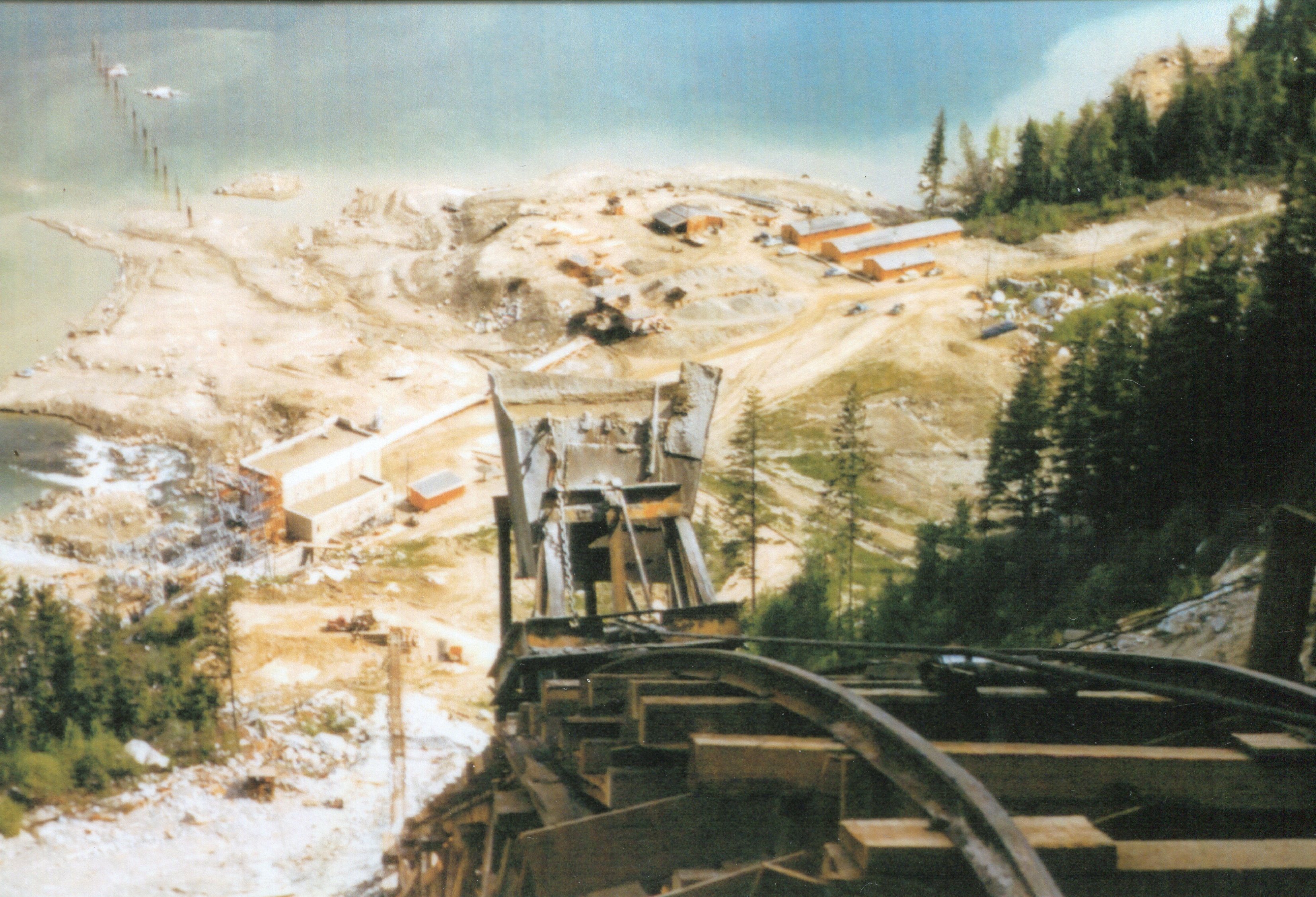
In 1948, the Whatshan power plant was built and provided employ­ment for every available man. The people started to improve their homes; toilets and running water were installed. In 1951, electricity was brought to Fauquier. In 1965, Hydro bought the whole of the Needles Ranch. It was surveyed into the present site of Fauquier. With the installment of the Keenleyside Dam, the lake was flooded. Most people moved away, but some moved into the new town.

New Whatshan Powerhouse under Construction

New Whatshan Powerhouse under Construction

Today, logging is still the main industry of Fauquier. Without it Fauquier would die. Since Fauquier is a bridge point, the general store, gas station, and the presently defunct motel still have potential for growth in business. Today, Fauquier’s population consists mainly of retired old people due to its beauty and quietness. The school is closed. The BC Forestry Service relocated to Nakusp and Nelson. Young families have moved away due to lack of work. The town seems to have come to a halt. There are fewer social activities or get-togethers. The future doesn’t look very promising. The question is: Will Fauquier survive?

In a future post I will add a note of optimism by pointing out the many attractions that the big overcrowded cities just cannot match: tranquility, serenity and beauty experienced through an impressive number of recreational activities. Is there potential for economic growth in a pastoral setting? Perhaps. For now, I can only express my hope that this will be so.