Walter Panknin (1898 – 1977) and His Family – Chapter 5 Part 2

Papa is Coming Home

Any part written in the first person singular has been contributed by my wife Gertrud (Biene) née Panknin

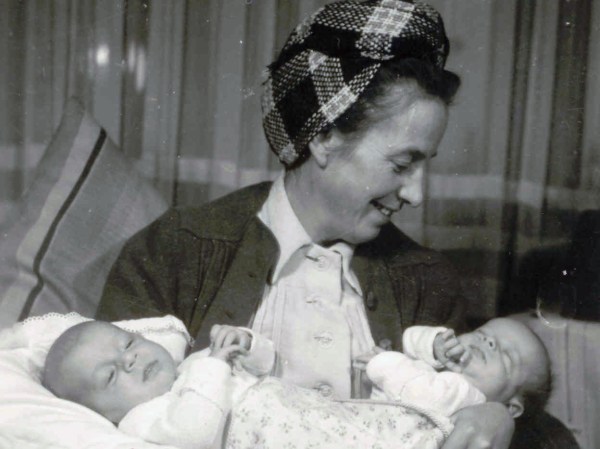
Great was Elisabeth’s joy when her husband suddenly and unexpectedly arrived at their home at Gotha. Papa could finally embrace his beloved wife, hug his stepdaughter Elsbeth, and hold the baby twins Walter and Gertrud in his arms. He had not seen them for over half a year.
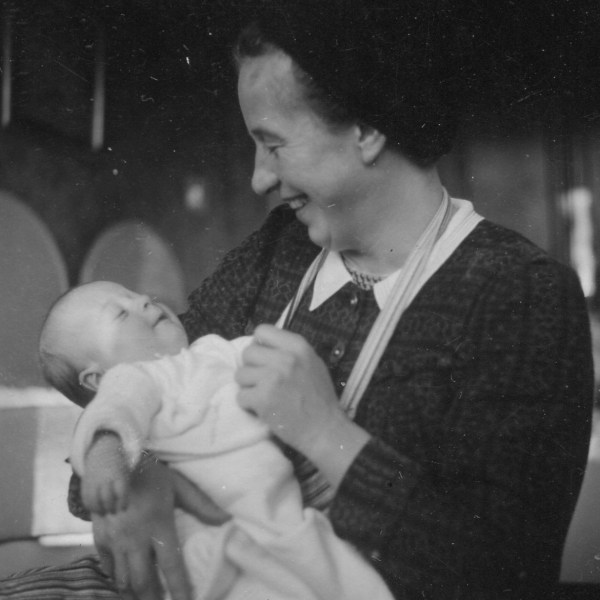
Mutti Panknin with One of her twins

Unfortunately, several flies in the proverbial ointment all too quickly disturbed the family bliss. The house owner had covered up his illegal black market dealings by having a high-ranking police force officer renting the ground-floor apartment in his house. As many essential items were getting scarce during the war, he used Captain Panknin’s status to deflect suspicion from his shady activities. Now that the war was over, the landlord found him no longer useful and tried to get rid of his tenants. Perhaps he knew some well-to-do people able to pay a much higher rent. With so many destroyed cities, Germany experienced one of the worst housing crises in history.
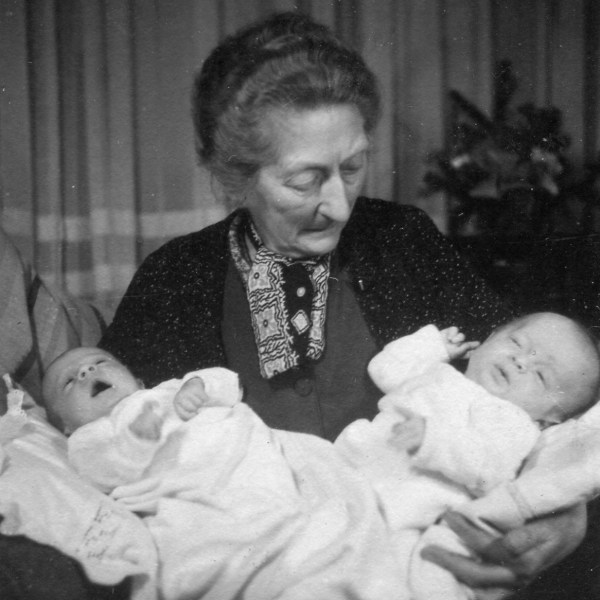
Oma Panknin with her Twin Grandchildren

Being without a job and having no regular income turned out to be a more significant problem. Papa got by for a while, trading in the plum brandy for things they were lacking. Indeed, his foresight and the effort of collecting and bringing home the liquid gold are remarkable.
Natural Splendour of the Arrow Lakes

Wednesday’s Photos

Panorama Video of the Arrow Lake

I took about 10 photos of the Arrow Lake with the camera in the vertical position and 16:9 format. Then I stitched them together to transform them into a huge panorama image, cut it in half and processed the two pieces in my video editor. Enjoy the beauty of our lake captured on November 2, 2021.

Walter Panknin (1898 – 1977) and His Family – Chapter 5 Part 1

Mutti Panknin and her Three Children

Any part written in the first person singular has been contributed by my wife Gertrud (Biene) née Panknin

The American forces under General George Patton had advanced with lightning speed into Thuringia in April 1945. There, along with thousands of other German officers and soldiers, Walter Panknin became a POW. If the German high command had placed him at the Western front a month earlier, he would have enjoyed spending his captivity in the United States. Life, food and treatment would have been generally good for a German POW. 

The Twins Walter and Gertrud Panknin

In the late summer or early fall, the notorious Rhine Meadows POW camps were shutting down. The western Allied Forces began shipping the POWs to their designated regions of occupied Germany. If you were a soldier with a permanent address in the Soviet-occupied zone, then there they would ship you. By now, the Americans had handed over Papa’s home province Thuringia to the Soviet administration. They had withdrawn their troops to the American Zone in Bavaria and Hesse. Before they left, food was already scarce. However, life was tolerable even in the bombed-out cities if you were among the lucky people who still had a roof over your head.

Mutti Panknin and Her Children Walter, Elsbeth and Gertrud

Papa’s wife Elisabeth recalled a heart-warming event in the spring of 1945, which she passed onto to her daughter Gertrud. An Afro-American G.I . regularly came by the house in Gotha. There she had been living with her family since the early 1930s. At first, Mutti was terrified and believed he was threatening her when he was wildly pointing as if wielding a gun at something at her doorstep. He kept shouting, “Milk for the babies!” Finally, she realized what the kind-hearted soldier intended to tell her when she saw the bottle of milk at her doorstep. Mama Panknin kept this miraculous story in her heart for the rest of her life.

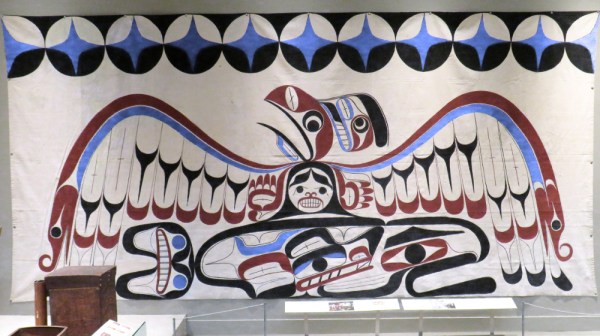
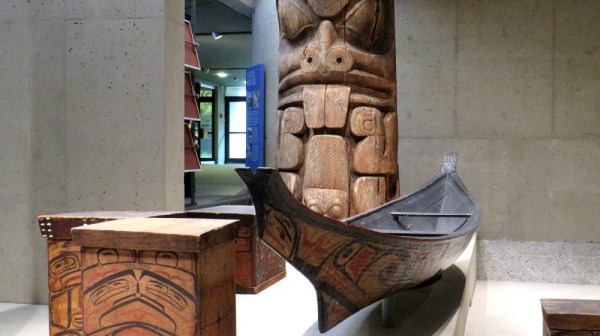
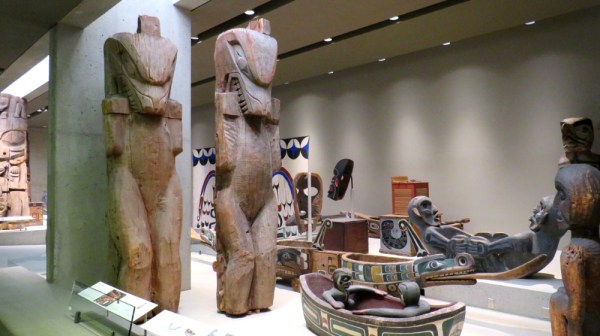
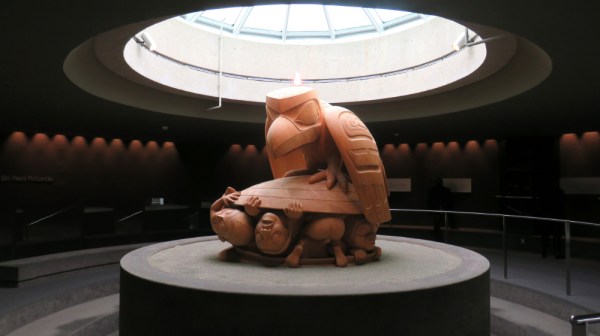
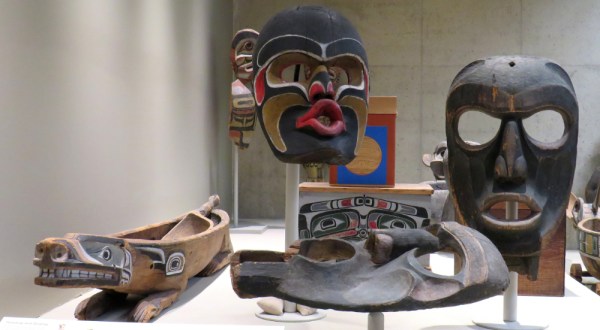
A Visit to the Vancouver Museum of Anthropology

Section of the Provincial Native Cultural Heritage

This week my wife and I travelled to the coast to visit our children and grandchildren. In Vancouver, we paid a visit to the Museum of Anthropology. There you will find many sections displaying the cultural heritage of the indigenous peoples of the world. For the little time we had, we focused on the local cultures of the West Coast Nations of Canada. Here is a small sample of their art and craftsmanship. Enjoy.

Natural Splendour of the Arrow Lakes

Wednesday’s Photos

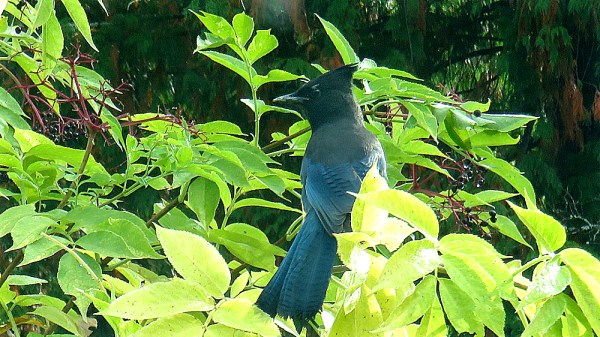
Steller’s Jays in our Yard

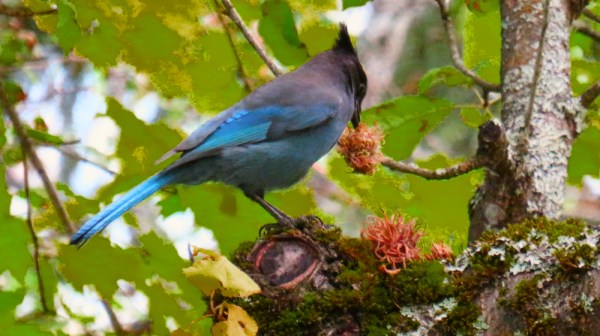
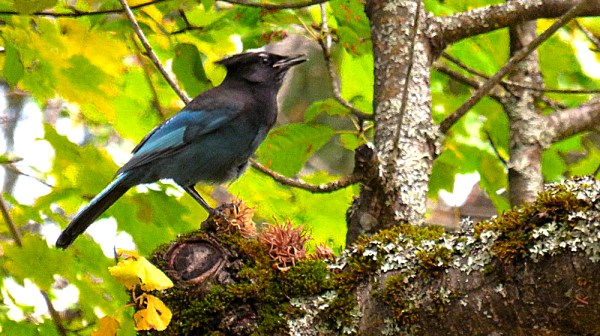
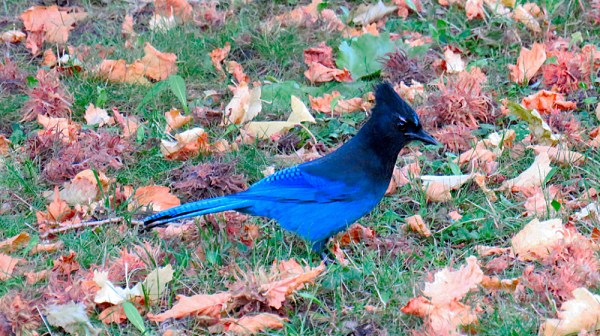
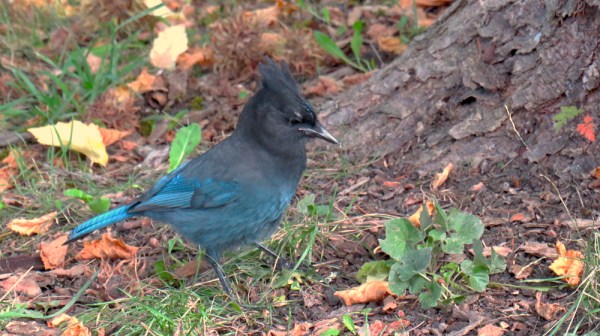
With wild hazelnuts dropping en masse to the ground and elderberries ripening on the bush, it is heaven for the steller’s jays. They are usually very wary of anyone pointing the camera at them. But their greed and competition from other jays make them let their guard down just enough so I could get a few good shots in. Here they are. Enjoy.

Eyeing the remaining elderberries is half the fun.
There is a hazelnut hidden in every husk. Let’s get cracking.
Cracking a nut is hard work.
There are plenty of nuts on the ground. No need to hurry.
I will rest for awhile before I continue my search for the delicious hazelnuts.

Walter Panknin (1898 – 1977) and His Family – Part 25

POWs on Starvation Diet

Papa compared the US camp administration with the Sphinx of Ancient Egypt. The secrecy about the political development in their respective home provinces was a riddle to which there was no answer. With its heavily censored articles, the camp newspaper ‘Wahrheit’ (Truth) offered very little information and even less ground for an early dismissal. One thing Papa was able to figure out, though. The Russians had taken over Thuringia and Saxony and had become the master over his hometown Gotha. Whether his wife and children had been able to survive the war, he did not know. He repeatedly expressed his worry and concern over their safety.

The Family Constantly on Papa’s Mind

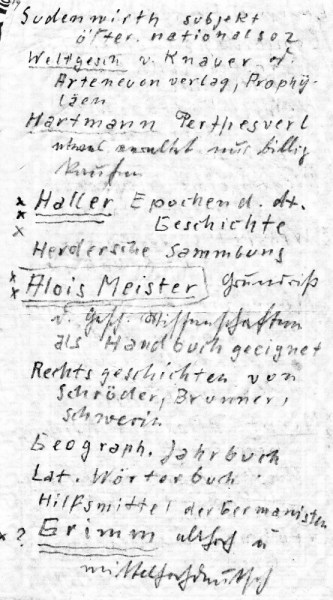
Among the captured officers, many intellectuals, professors from various disciplines were taken out of their university. They served in the army in a commanding position. To fight boredom and help their colleagues get their minds off the common misery, they offered lectures on their expert knowledge of their particular field of research. These open-air sessions were top-rated and offered a broad range of topics, interpreting operas, 5000 years of Ancient Egypt, understanding Goethe’s Faust, to name a few. Through conversation with some of these impressive presenters, Papa hit on the idea of jotting down all the books, which they recommended for further study and which he was eager to read to feed his idea-hungry intellect. A glance at the list gave me deep insight into Papa’s enquiring mind, and I could not help admiring his fascination for history. Later on, after his release, he began to acquire these books, primarily historical and devoured them at a rapid pace. He went through an entire set of over 20 volumes on world history written by world-renowned historian Leopold von Ranke.

Papa’s Partial Book List


Unfortunately, from week to week, the food situation was getting worse. One day their thin, sugary breakfast soup arrived only at one o’clock in the afternoon. Even the most exciting talk about ancient history could not detract from the fact that the POWs at the Bad Kreuznach Camp were starving and growing weaker every day. Papa noticed the absence of mice, which was highly unusual considering so many men concentrated in such a small area. He concluded that in the most humble household, there was always some food left in the pantry. Here at the camp, with thousands of men milling about in constant search for food around the camp kitchen or some mouldy scraps from the garbage cans, nothing was edible left that might attract even a hungry rodent.