Chapter 17 of the P. and G. Klopp Story Part I

Some Reflections on the So-called Coincidences of Life

“Coincidence is God’s way of remaining anonymous.”
Albert Einstein

Camping with Hans and Helmut
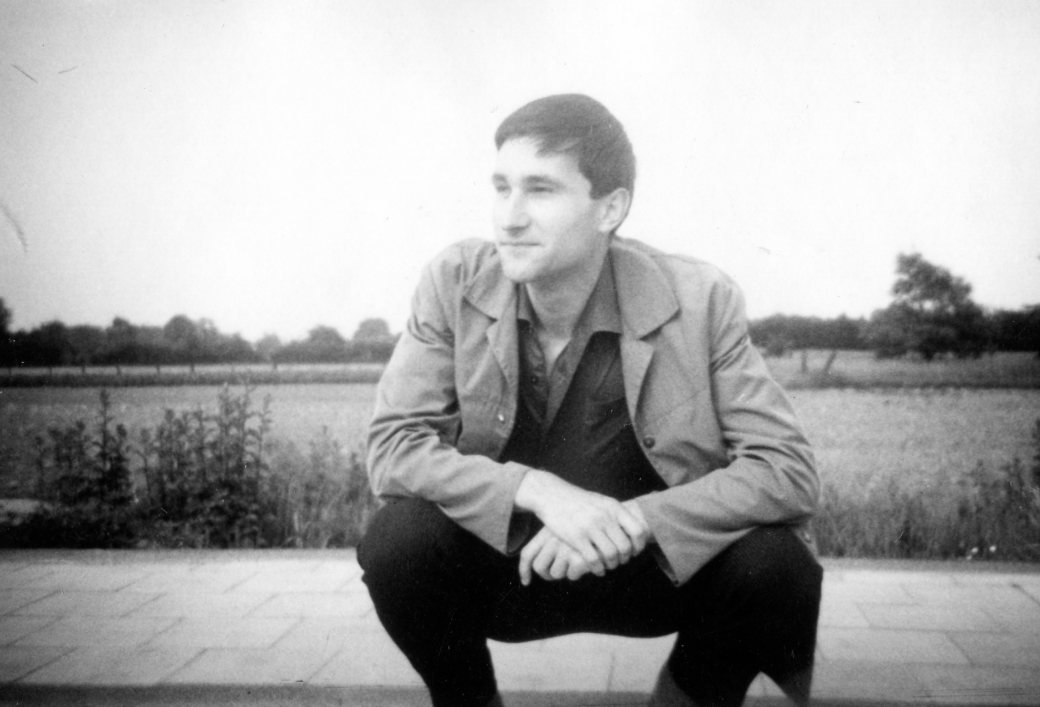
Hans Playing the Guitar and Helmut Sitting in frontofmy Tent

Hans playing the Guitar and Helmut sitting in front of my Tent

          Spring came early in 1962. I no longer played an active role in the scout movement. But my desire to get out of the city and enjoy nature in the company of friends was as strong as ever. Among my friends, who had survived the nine-year culling process at the high school, only Hans and Helmut were left. All the others were either eliminated by the academic hurdles or departed on their own looking for other ways of moving up the educational ladder. Ever since I did Helmut that great favor at the ballroom final, he was seeking my friendship and clung to me like a burr on a woolen sweater. He wanted to be included in our overnight camp-outs. When I objected on the grounds that there was not enough room in my tent, he replied that he would sleep in his own tent. So it happened one sunny weekend that three young men went out camping together, with Helmut – so it appeared – being the odd man out. Hans and I in spite of our differences shared a bond that had lasted for more than five years. Our friendship was based on experiences in the boy scout movement, on our common interest in experimental electronics, all the way back to early days on the school yard, when I was Ede Wolf and Hans one of three piglets that I was supposed to catch. Helmut was a newcomer and in a sense also an intruder, gentle, polite, simply wanting to be part of our camaraderie. Perhaps on his part it was a struggle against loneliness that intellectuals feel more intensely, but we perceived him as an intruder just the same.

13

Peter strumming a few tunes on Hans’ guitar

          It was evening, when we arrived on our heavily packed bikes at a clearing. We quickly erected our tents helping each other to get ready for the night. After we had wolfed down our sandwiches, which our mothers had so lovingly prepared, we hurried into the woods, gathered dead branches and proudly started a campfire with only one match. In no time, flames leaped up and around the kettle, which we had suspended over the fire on a wooden tripod. Helmut, in my eyes still an intellectual nerd, impressed me how well he had learned the basics of camping in such a short time, and most of all how hard he tried to be helpful. The tea water in the kettle had almost come to a boil. Hans and I ceremoniously took turns adding tea bags, plenty of red wine, pepper and other assorted spices into the steaming brew. We lifted the kettle off the tripod to prevent the alcohol from evaporating. To fortify the punch some more, I pulled from my coat pocket a small bottle of rum and poured its brown content under the approving applause of my friends into the aromatic brew. By now it was getting dark. The stars began to shine in ever increasing numbers on the canopy of a moonless sky. The fire merrily crackled and its fiery tongues shot up high casting dancing shadows of us onto the mossy ground. It was time to fill our cups to the rim, to cheer to each other’s health and happiness, and drink. Hans grabbed his six-string and entertained us for a while with Spanish guitar music, which he played superbly off the cuff. In the meantime, the cups needed a refill. The warmth of this miraculous elixir penetrated deep into our bodies and spirits. During a pause I suggested to Hans to do something together, while the drink was good and the fire burning, “Let’s raise our voices and sing our favorite scouting songs.” Helmut being a good sport supported my suggestion, even though he did not know the lyrics of most of these specialized traveling songs. He would whistle along, whenever he recognized the tune, he said. Soon a chorus in a strange blend of young male voices, guitar chords, and whistling rose above the campfire strengthened in volume and enthusiasm by the concoction from the kettle. The birds waking up in the forest may have wondered why we were making such a cheerful noise. The more the night advanced, the more boisterously we belted out the songs, which glorified the violence and cruelty of the German and Swedish pike men in the Thirty-Year War in lines like, ‘We also came to Rome, there we threw the pope from his throne.’ ‘The little nobleman’s daughter we cast her into hell.’ And ‘Hang the chaplain on the window cross’. The booze, the raucous singing, the flickering flames, the starry night, all contributed to conjure up images in our young hearts of a time wild and free, in which we participated for this one short moment and in which Helmut had become a member of our friendship circle. Long after midnight we poured the remaining dregs from the kettle over the embers and happy and sleepy crawled into our sleeping bags.

Photography while Traveling

Alok Singhal's avatarThe Learning Curve

We all love to capture moments, as they remind us of our happier times. This is especially true of our travels, as we might not be able to revisit the place. However, for those who are not aware of what the basics of photography are, they can have a hard time capturing a good shot. And I am not even talking about ISO, which forms the bedrock of a photography class.

Imagine you clicking a selfie with the sun shining brightly in the background, or a landscape you clicked that looks too monotonous! Avoiding these mistakes doesn’t require any Technical know-how of the device. If you have a decent camera, which even the phones have these days, you can still do a pretty good job with your pictures.

Having traveled extensively over the years, and captured (and learned from) every type of a view, I now have pictures that speak…

View original post 641 more words

Friedrich Wilhelm Ferdinand Klopp (1879-1952) – Part I

A Somewhat Rocky Start

for Ferdinand Klopp

Klopp Family Tree

Chart I – II
Magdeburg - Photo Ctedit: wikipedia.org

Magdeburg – Photo Ctedit: wikipedia.org

On November 22, 1879 the fourth child was born in the house on Hemmsack Street in Osterweddingen near Magdeburg. Anyway, these houses – some still existing today- are traditionally ascribed to the dwellings of mill leasers and workers since the 19th century. Already in 1881 Ferdinand moved with his parents back to Jerslebe3n, spent three years there  at the Düppler Mill and in 1885 entered the Elementary School of Wolmirstedt, the birth place of my father Ernst. In the nearby town of Jersleben, Ferdinand’s father P.W.F. Klopp had found work as miller master.

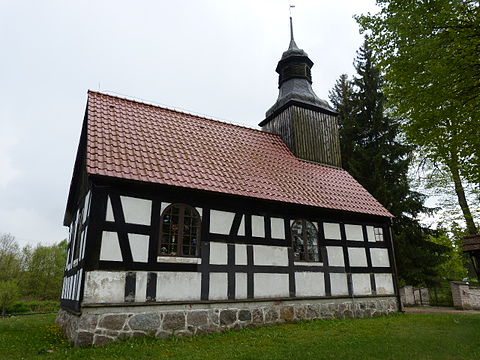
Church at Jersleben - Photo Credit: wikipedia.org

Church at Jersleben – Photo Credit: wikipedia.org

In 1893 Ferdinand was sent to Hannoversch-Münden to attend a dairy apprenticeship program. When he returned to his father’s great disappointment after only one year of training, his father forced him to work with his eldest brother Friedrich as a rope maker’s apprentice in the Wolmirstedt house. He had probably shown little interest in his work in Hannoversch-Münden and further increased the image of a good-for-nothing worker under the whip of his elder brother and rope making master Friedrich. The disrespectfully treated Ferdinand was from then on called rather degradingly clown (“Klon”).

Arial Photo of Wolmirstedt - Photo Credit: wolmirstedt.de

Arial Photo of Wolmirstedt – Photo Credit: wolmirstedt.de

Pictorial Review of 2015 III

At Tony and Lisa’s New Home

Victoria BC (July 2015)

and a brief visit to Stefan’s Place

Vancouver BC (last 3 images)

(See Klopp Family Tree, Chart I – III & IV)

01 02

03 04 05 06 07 08 09 10 11 12

Next Week I will publish a short contribution by my grandparents’ great-great-granddaughter Johanna Pasdeloup of Paris, France.

Chapter 16 of the P. and G. Story Part V

Learning to Dance

In the year before graduation social convention for students attending high school required that they attended a school for formal ballroom dancing. The purpose was that under the tutelage of a competent instructor we would not only learn the various types of dances both classical and modern, but also to teach us good manners and etiquette. The list of dances offered in the program was quite extensive including the slow waltz, the Viennese waltz, the foxtrot, the rumba, the cha-cha-cha, and the tango. Our dance instructor, a lady not disdaining modern trends, did not exclude the twist and rock ‘n’ roll from her impressive repertoire.

Dance Graduation Class at Wesel - Peter in the Upper Row on the Far Left - 1962

Graduation Class of Ballroom Dancing at Wesel – Peter in the Upper Row on the Left

Clumsy as I was in those days I looked at first at dancing as a dreadful extension of the P.E. program at school. At least in the gym class I could show off my expertise in yoga and compensate a little for my shortcomings. But to dance gracefully and skillfully with young ladies was an entirely different story. I was thrown into unfamiliar waters. I had to swim or sink. Dropping out was out of the question. Aunt Mieze had paid the non-refundable fee. Besides I was not a quitter. Thus I got together with a classmate, who struggled with similar problems in physical dexterity. Helmut B. was a lawyer’s son. He reflected in his appearance and demeanor the stereotypical image of an intellectual. He wore old-fashioned wide-rimmed glasses. His hands were always moist and sweaty, which made him quite unattractive, when German greeting formality required the mandatory handshake. I still cringe when I see in my mind the ludicrous scene of the two of us practice dancing steps and sequences in my tiny bedroom – one, two, cha-cha-cha; one, two, cha-cha-cha. When Helmut had gone home, I tenaciously carried on with the practice, until I felt I could do the required movements in my sleep. The reward of my efforts came at the weekly dance class in the Wesel Community Hall, which was located not far from the main railroad station. A word or two of praise from the dance mistress worked wonders for my low self-esteem and made my peers look up in genuine surprise at my newly found dexterity. Perhaps not noticeable to others I still mechanically went through the motions, but I discovered the joy of dancing to the tune and rhythm of the music that a portable record player provided. It was through this challenge of learning how to dance that I discovered the principle of success underlying virtually all human endeavors. The ingredients are ninety percent hard work and dedication, the rest being taken up by inspiration, talent and intelligence. The success in overcoming a major hurdle gave me confidence that with the same determination I could work on other weaknesses, such as my mediocre school performance. All of a sudden my life had become goal-oriented.

Berlin Gate at Wesel 2012 - Phot Credit: wikipedia.org

Berlin Gate at Wesel 2012 – Phot Credit: wikipedia.org

As the final day for the grand ball was approaching, we needed a dance partner with whom we could present our dancing skills to parents, relatives and friends. They were going to be invited to the formal graduation festivities. During the course of our practice sessions I had ample opportunity to dance with most of the girls. Even though my skills to move about on the dance floor through my exercises at home had tremendously improved, I still felt shy about the sociable aspects of being so close in touch with the opposite sex. I mechanically followed the rules laid out by our instructor, like walking up to the girl of my choice and saying, ‘May I have the honor and request this dance with you?’ Etiquette required that the girl could not turn me down. So everything on the surface appeared safe. Yet, I felt awkward and could not see within this formal setting the stage for enjoyable personal social interaction. Although I had no problem competing with the guys in the race for a dancing partner, I often turned to the plain-looking and unpretentious girls, whose simple looks and natural composure were more appealing to me. On the suggestion of our dance mistress we often changed partners, which made sure that even the so-called wallflowers would not be neglected. There was one pearl among them. Gerda M. was her name. She was a bit short for her age, but was quite pretty in my eyes. While I was dancing with her, she made me feel at ease with her contagious cheerfulness and her forgiving acceptance of my occasional faux pas in a complicated step sequence. One day after the lessons she offered to share her umbrella on the way home, as it was raining cats and dogs. I accepted the invitation, as we were both heading in the same direction. We strolled down Railway Street and like in a game of hopscotch jumped over the puddles that had quickly formed on the sidewalk. In spite of or rather because of the rain and the occasional gust that threatened to tear the umbrella out of my hand it was a delightful walk. After I had said good-bye at the intersection where our ways parted, I realized too late that she had wanted me to ask her to become my dance partner at the final ball. The following week Wilhelm von N. accomplished to my great disappointment what I had failed to do. Losing Gerda as my partner was the price I had to pay for my procrastination. Now I had to hurry, for we were told that if we had not made any arrangements on our own, the dance instructor would make the decision for us. The threat of winding up with a randomly selected partner prompted me to ask Margret X., a tall girl about my size, with whom I had danced a few times before. Having had similar concerns and being quite comfortable with me for the dancing test, she readily agreed, and the matter was settled for the final ball as well. Poor Helmut, who did not have the courage to ask out of fear of rejection, approached me during the break and entreated me to make the arrangements with Fräulein Z. for him. Somewhat reluctantly I walked up to the girl that Helmut had indicated to me and passed on his invitation to become his partner, which she joyfully accepted. She did wonder aloud though, why on earth he would use me to ask her, which I discretely left unanswered.

Downtown Wesel in the early 1960's

Downtown Wesel in the early 1960’s

The final ball proceeded with much pomp rivaling in decorum and detail a high school graduation ceremony. The event was definitely a crowd-pleaser for participants and invited guests alike. When it was our turn to show off our newly acquired skills in a mock test (nobody actually failed), Margret and I did the slow waltz as our first number and then the rock ‘n’ roll dance to the beat of contemporary rock music. We had not left out any of the prescribed dance sequences, such as the spin, change of hands behind the back, two hands wrap and turn, and many variations to the rotations of my partner and myself, but best of all the pretzel, which because of its difficulty I have never used since. What I liked about this dance was the freedom to choose any combination of the learned sequences so that each dance felt like your own creation. To show their appreciation for our creativity, the audience rewarded us with a longer than usual applause.

Thus an important formative segment of my life came to a satisfying conclusion. Many of the dance skills acquired during that period eventually faded with the passage of time. Like with so many other skills the truth of the saying remains, “Use it, or lose it.” But the memory being rekindled through my writing here will stay. This coming-of-age phase, when I was about to turn twenty, was going to play a significant role in my metamorphosis from adolescence into adulthood in the years that followed.

Gerhard Kegler, the general, who dared to disobey Himmler Part X

My Uncle’s Final Report

A Historical Document

Kegler Family Tree

Chart IIa – II
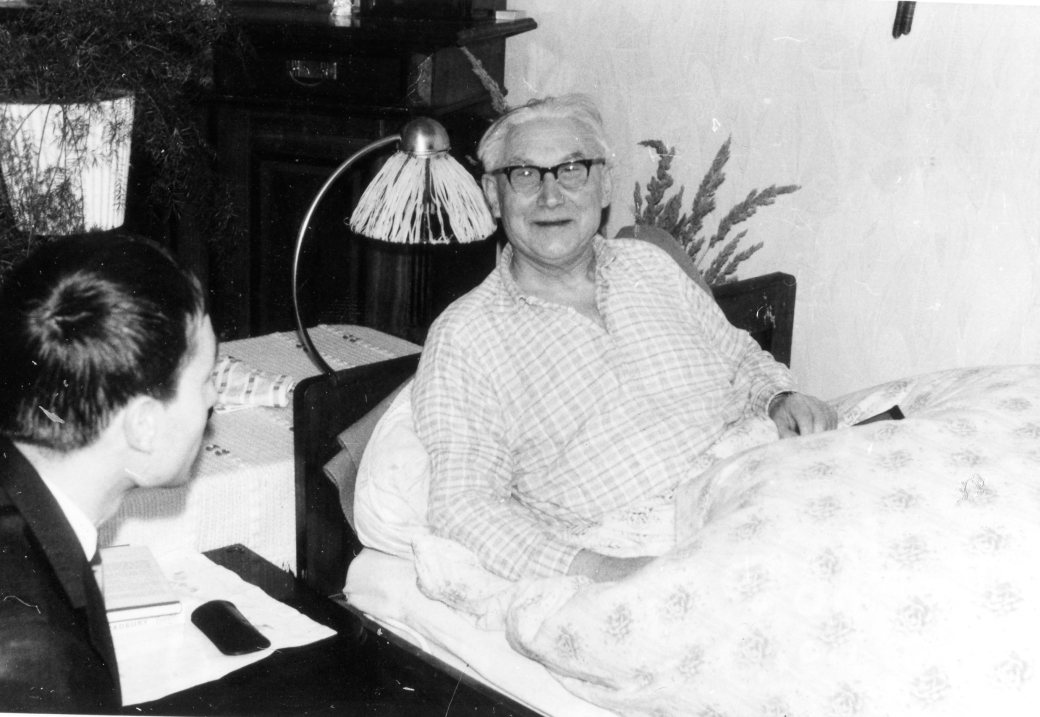
Gerhard Kegler Gutfelde 1942

Major-General Gerhard Kegler Gutfelde (Zlotniki) near Dietfurt (Znin)

Dear friends and followers of my blog, this post is a rather lengthy one and in German. I decided to publish General Kegler’s report in one single post,  which -I felt- should not be presented in fragmented form spread over several posts. I did not make an attempt to translate it into English, because I realized the immense difficulty with so many name places. For those having problems with German there is always Google Translate, which does a fairly decent job translating text from one language to another. I extracted the main part from my uncle’s writing, which his daughter Helga Kegler had found among his personal belongings after his death in 1986. I publish it as a tribute to my hero ‘Onkel Gerhard’.

Nach Beendigung des Frankreichfeldzuges mit Btl nach Luneville, dann nach Nancy verlegt. Am 27.11.1940 zum Kdr des IR 27 ernannt. Das Regiment gehörte zur 12. ID, deren Kdr General von Seydlitz war. Ende Mai 1941 wurde die Division nach Ostpreußen verlegt und im Juni an die russische Grenze unweit von Eydkuhnen. Am 22.06.1941 Angriff auf die UdSSR. Nach anfänglichem Widerstand des Feindes, zügiger Vormarsch nördlich Marijampole, in nordöstlicher Richtung über die Memel, südlich Kowno über die Düna südlich Dünaburg – nördlich Velikie-Luki auf Seberg zu; hier Durchbruch durch die Stalin-Linie und weiter zum Seliger See auf den Waldei-Höhen – Ende September 1941. Bis hier hatten wir 1.000 km auf sandigen Wegen durch ausgedehnte Wälder zurückgelegt. Regen setzte ein, die Wege waren tief verschlammt; Stellungen in der Verteidigungslinie ausgebaut; im Oktober kam Frost; feindliche Artillerie-Überfälle und nächtliche Bombardierungen häuften sich; mein Gefechtsstand wurde zerstört; die Temperaturen fielen bis -35 Grad C. Zum Jahresende 1941 überrannte der Russe Stellungen der Nachbar-Division. Es entstand der bekannte Kessel von Demjansk. Am 01.02.1942 Beförderung zum Oberst und Versetzung aus der Division. Mit einer Ju (52?) flog ich aus dem Kessel mit Auftrag, in Frankreich – in Le Mans – ein neues Regiment aufzustellen. Die neue ID 377 mit den Regimentern 767, 768 und 769 wurde aufgestellt. Im Mai 1942 nach Schigri (Scigry) ostw. Kursk transportiert; Angriff Richtung Woronesch (Voronez) am Don. Nach heftigen Kämpfen erreichte mein Regiment bei Kastornoje (Kastornoe) den Don. 100 km waren wir vorgedrungen. Im Dezember 1942 fuhr ich in Urlaub bis Anfang Januar 1943. Bei Rückkehr erfuhr ich, daß mein Regiment zerschlagen und aufgelöst wurde. Reste der 377. ID waren im IR 769 zusammengestellt, welches ich übernahm. Im August 1943 wurde ich zur 75. ID – C- als Kdr des IR 222 versetzt; Rückzugskämpfe von Sumy über Kiew bis ostwärts Lemberg; für einige Wochen die 75. ID vertretungsweise geführt. Lehrgang für höhere Truppenführung in Hirschberg/Schlesien, aber schon nach wenigen Tagen Abberufung zu einer Armee nach Estland (Riga) mit zwei weiteren Obersten; vergebliches Warten auf Einsatz als DivKdr.

Mit Beförderung zum Generalmajor am 01.10.1944 übernahm ich die 48. ID, die bei Metz kämpfte. Der Amerikaner kämpfte methodisch nach Zeit und Ziel. Nachts war Ruhe und morgens begann der Kampf regelmäßig zur gleichen Zeit. Anders war es an der Ostfront beim Russen, Tag und Nacht mußte man mit Angriffen rechnen – immer gab es Überraschungen.

Ohne starken Einsatz von Panzern und Artillerie griff der Amerikaner nicht an. Im Laufe des Oktober/November 1944 verlegte unsere Armee die Abwehr bis an die Saar bei Merzig zurück. Meine Div. wurde im Elsaß bei Hagenau eingesetzt; auch hier wurde die Front der Armee bis in die alte Bunkerlinie bei Weißenburg zurückgenommen. Die Gefechtsstärken der Truppe reichten nicht aus, um eine geschlossene Abwehrfront zu besetzen. Ein Bunker wurde zerschossen und ging verloren. Der Kommandeur des Korps verlangte die Rückeroberung. Reserven dafür waren nicht vorhanden. Ich geriet in Meinungsstreit mit dem Korps-Kdr und schlug vor, er möge alle NS-Führungsoffiziere seines Korps zur Verfügung stellen, die sicherlich den Bunker zurücknehmen würden. Hierauf kam wenige Tage später der Befehl an mich, an die Ostfront zu fahren und mich in Posen beim Generalkommando zu melden. Dort erhielt ich Befehl, mich zu weiterer Verfügung als DivKdr in Deutsch Krone (30 km nordwestlich Schneidemühl) beim Stab der Heeresgruppe Weichsel (Himmler) zu melden. Ich fuhr über Meseritz – Schwerin – Landsberg nach dort. Der Russe war bereits über Thorn in Richtung Schneidemühl und Kreuz vorgedrungen. Ich begegnete langen Flüchtlingskolonnen.

Am 30.01.1945, in Deutsch Krone, erhielt ich von Himmler Befehl, die „Division Woldenberg“ zu übernehmen. Einweisung in die Lage und Auftrag sollte ich mir vom SS-Corps in Arnswalde geben lassen. Dort wurde mir mitgeteilt, daß das Corps eine Orientierung über die Lage und den Auftrag nicht geben könne. Die „Division Woldenberg“ befinde sich vermutlich in der Gegend zwischen Woldenberg und Friedeberg.

Ich fuhr in Richtung Woldenberg entgegen den Strom zahlreich zurückeilender versprengter Soldaten und fand schließlich den Divisionsgefechtsstand in einer Baracke ostwärts Friedeberg. Hier erfuhr ich, daß diese Division Anfang 1945 unvollständig und in größter Eile zusammengestellt und sogleich in den Kampf geworfen worden war. Die Division hatte im Raume Kreuz – Filehne unglückliche und verlustreiche Kämpfe gehabt. Einige Bataillone waren von den Russen abgeschnitten und in Gefangenschaft geraten. Nachbartruppen oder übergeordnete Kommandostellen, mit denen man hätte Verbindung aufnehmen können, waren nicht vorhanden.

Die Befehlsübernahme erfolgte gegen Mittag des gleichen Tages, als sich diese bedauernswerte Division in nahezu aufgelöstem Zustand über Friedeberg auf Landsberg im Rückzug befand.

Am Morgen des 31.01.1945 veranlaßte ich in Landsberg das Sammeln, Ordnen und Einteilen sowie den Einsatz der noch vorhandenen Verbände rings um die Stadt. Hierbei stellte ich fest, daß die „Division Woldenberg“ keine Nachrichtenabteilung, keine Nachschubkolonne, keinen Divisionsarzt, keine Vorräte an Munition und Verpflegung, nur zwei pferdebespannte Batterien, kein Sturmgeschütz, geschweige denn Panzer zur Verfügung hatte. Ein SS-Offizier mit 4 Panzern war dieser Division unterstellt, verließ entgegen meinem Befehl mit seinen Panzern den Gefechtsstand. Ich hatte keine Machtmittel, dies zu verhindern. Einen Generalstabsoffizier hatte ich ebenfalls nicht. In Erwartung der nachdrängenden Russen mußten die Stellungen in Eile erkundet und besetzt werden.

Eingraben war wegen des hartgefrorenen Bodens nicht möglich. Die Warthebrücke ließ ich sprengen. Inzwischen war fernmündlich über Postleitung von der 9. Armee der Befehl gekommen, daß Landsberg eine Festung und ich der Kommandant sei, und daß ich diese Stadt bis zum letzten Mann zu verteidigen habe. Mit Nachdruck wurde darauf hingewiesen, daß dies ein Befehl von Himmler sei.

Die Bevölkerung der Stadt – 45.000 Einwohner – befand sich in ihren Wohnungen. Am Bahnhof herrschte ein unentwirrbarer, panikartiger Strom von Flüchtlingen, der auf den letzten Zug wartete. Vorbereitungen zur Räumung der Zivilbevölkerung waren nicht getroffen worden.

Über das noch intakte Postnetz hatte ich bereits von Friedeberg aus und dann von Landsberg mit den nördlich gelegenen Städten Berlinchen und Soldin Verbindung gehabt. Ich erfuhr von dort, daß russische Panzer bereits in diesen Ortschaften waren bzw. sie durchfahren hatten.

An diesem Tage meldete auch der deutsche Wehrmachtsbericht, daß „russische Panzerkräfte beiderseits Landsberg die Warthe-Netze-Linie überschritten hatten“.

Angesichts dieser Lage entschloß ich mich – sowohl aus militärischen und taktischen als auch aus menschlichen Erwägungen, diese Stadt nicht zu verteidigen, sondern die unterstellten Truppen abschnittsweise auf Küstrin zurückzuführen, um sie dort in die im Aufbau befindliche Oderfront einzugliedern. Zu meinem Entschluß hatte ich mich durchgerungen, weil ich mich als Kommandeur von Infanterieregimentern mit nachweisbar mehr als dreijähriger Erfahrung und Bewährung im Kampfeinsatz an der russischen Front hierzu und an dieser Stelle allein vor meinem Gewissen als Mensch und Offizier verantwortlich fühlte.

In klarer Erkenntnis der hoffnungslosen militärischen Lage entschied ich mich also, den mir von der 9. Armee gegebenen Befehl nicht zu befolgen, sondern die mir unterstellten kampfunfähigen Truppen nicht nutzlos zu opfern und der Bevölkerung das schlimmste Los zu ersparen. Ich gab die entsprechenden Befehle. Die Räumung der Stadt durch die Truppe erfolgte in der Nacht vom 31.01. zum 01.02.1945. Durch einen russischen Vorstoß bei einem der Bataillone war die Räumung vorzeitig in Gang gebracht worden und artete teilweise in Flucht aus. In dem Augenblick, als ich dies erkannte, alarmierte ich meinen Stab, begab mich auf die mit Truppen gefüllte Straße und brachte im Laufe der Nacht unter Aufwendung aller Energie die Division etwa 3 km westlich Landsberg wieder zum Einsatz. Daß bei diesem nächtlichen panikartigen Vorgang Teile bis Küstrin geflüchtet sein können, ist für mich keine Überraschung. Wesentlich und entsprechend aber ist, daß ich, mein Stab und die Masse der Division 3 km westlich von Landsberg beiderseits der Straße Landsberg – Küstrin am frühen Morgen des 01.02.1945 wieder abwehrbereit im Einsatz standen.

Als ich diese Lage über Postnetz dem Oberbefehlshaber der 9. Armee (General Busse) berichtete, befahl er den sofortigen Angriff auf Landsberg zur Wiedereroberung der Stadt. Vergeblich bemühte ich mich, Busse die Unmöglichkeit der Ausführung seines Befehls vor Augen zu führen. Busse bezog sich aber ausdrücklich darauf, daß dies ein Befehl von Himmler sei und teilte mir mit, daß, wenn ich diesen nicht ausführen würde, er mich vor ein Kriegsgericht stellen würde. Trotz dieser Drohung blieb ich bei meinem gefaßten Entschluß.

In dieser ersten Stellung zwischen Landsberg und Küstrin hatte ich nur schwache Feindberührung. Am 02.02.1945 führte ich die Division bis zu einer kleinen Stadt (ich glaube, es war Vietz) zurück. Diese Stadt war menschenleer. Ich ordnete die Besetzung des Nord-, Ost- und Südrands der Stadt an. Schwache Angriffe russischer Infanterie wurden abgewiesen.

Eine letzte Zwischenstellung bezog ich am 03.02.1945 etwa 10 – 15 km ostwärts von Küstrin. Hier hatte ich keine Feindberührung mehr.

Die russischen Panzercorps strömten durch den beinahe unverteidigten ostpommerschen Raum in Richtung auf die Ostseeküste und auf die Stadt Stettin zu.

In der Nacht zum 04.02.1945 führte ich die Division nach Küstrin zurück. Mit der letzten Einheit überschritt ich kurz vor Morgengrauen den Panzergraben, der sich am Ostrand von Küstrin-Neustadt befand. In dieser Stadt herrschte vollkommene Ruhe; ich hörte keinen Schuß.

Bald darauf überbrachte mir der Armeerichter der 9. Armee den Befehl Busses, daß ich mich umgehend nach Torgau zu begeben und mich dort beim Kriegsgericht zu melden habe. Gelegenheit zur Berichterstattung an den Oberbefehlshaber der 9. Armee oder an einen Offizier seines Stabes ist mir nicht gegeben worden. Am gleichen Tage meldete ich mich in Torgau beim Kriegsgericht. Busse war hiermit nicht seinem besseren Wissen um die Situation der Truppe, sondern gewissenlos dem Verlangen Himmlers gefolgt.

In Torgau vernahm mich zunächst der Untersuchungsrichter Dr. jur. Freiherr von Dörnberg. Einige Tage später fand die Verhandlung statt. Fünf Minuten vor Beginn durfte ich in Eile den Rechtsanwalt sprechen. Die Verhandlung führte der Senatspräsident Schmauser, ein besonders ergebener Freund Himmlers. Ihm zu beiden Seiten eine Herde uniformierter Gestalten, auf die ein in fünf Kriegsjahren erfahrener Frontoffizier nur mit Ekel und Verachtung herabsehen konnte. Auf sachliche Argumente wurde nicht reagiert. Innerhalb einer Stunde war der Befehl Himmlers, mich zum Tode zu verurteilen, befolgt. Der Untersuchungs-Richter war auf Veranlassung des Gerichts in Küstrin und hatte dort meine Offiziere einzeln vernommen. Deren Aussagen stimmten mit meinen Aussagen genau überein. Diese Tatsache wurde vom Senat überhaupt nicht beachtet. Der Rechtsanwalt hatte Freispruch beantragt; aber er war nur der Form nach zugelassen.

Nachdem ich mehrere Tage in einer Gefängniszelle auf meine Hinrichtung gewartet hatte, betrat Dr. jur. Freiherr von Dörnberg meine Zelle und teilte mir mit, daß General von Scheele, der Präsident des Kriegsgerichts, persönlich bei Himmler war, um ihn über den wahren Sachverhalt zu unterrichten. Himmler habe darauf die Vollstreckung ausgesetzt und befohlen, daß ich als einfacher Soldat wieder an der Ostfront eingesetzt werde.

Ich kam zu einer Division, die westlich Küstrin eingesetzt war. Der Russe hatte hier einen Brückenkopf gebildet. Der Kommandeur dieser Division empfing mich persönlich und zeigte wohlwollendes Verständnis für meine Lage. Er war der einzige, dem mein Schicksal bekannt war,war aber an den Befehl gebunden, mich als einfachen Soldaten bei einer Kompanie in vorderster Front einzusetzen. Tag und Nacht stand ich Posten im notdürftig ausgehobenen Erdloch und verrichtete alle Pflichten, die mir in dieser Lage zufielen, so auch nächtliches Materialschleppen zum Bau der Stellung. Meine Kameraden wunderten sich nur, daß ich als „alter Mann“ die Waffen beherrschte und als Frontsoldat erfahren war. Am 12.04.1945 wurde ich verwundet. Ein Granatsplitter durchschlug den linken Oberarm unmittelbar unterhalb des Schultergelenks. Bis zum Beginn der Dunkelheit blieb ich mit einem Notverband in der Stellung. Bei Tage war wegen des ebenen deckungslosen Geländes ein Abtransport unmöglich. Die Stellung war bei dem Dorf Sachsendorf. Auf einem Ackerwagen über Kopfsteinpflaster wurde ich zurückgefahren und zunächst in einem Keller, etwa 1 km hinter der Front, abgelegt. Von dort ging die Fahrt am nächsten Tag mit einem Sankra zum Hauptverbandsplatz, wo die Wunde gereinigt und neu verbunden wurde. Gleich danach brachte man mich ins Lazarett nach Fürstenwalde. Hier lag ich nur eine Nacht, weil das Lazarett wegen der näher kommenden Front im Aufbruch war. Mit anderen Verwundeten wurde ich im Güterwagen eines Zuges verladen und nördlich um Berlin herum in eine Kaserne in Neuruppin gebracht. Während der Fahrt wurde der Zug von russischen Fliegern bombardiert, er hielt plötzlich, und alles stürzte panikartig aus den Wagen. Mit meinem Gipsverband war es mir nicht möglich aus dem hohen Waggon herunterzuspringen; so blieb ich liegen. Eine Stunde später geriet der fahrende Zug in Brand. Wieder Panik, doch gelang es bald, das Feuer zu löschen. Die Keller der Kaserne in Neuruppin waren von Verwundeten überfüllt. Auch hier war alles im Aufbruch. Verwundete mit gesunden Beinen wurden zu Fuß in die nordwestliche Richtung entlassen. Ich wanderte bis zum Abend und fand Aufnahme in einem kleinen Haus. Am nächsten Morgen setzte ich meinen Marsch nach Norden fort, endlich kam ein VW, der mich auf meine Bitte mitnahm. In Malchin in Mecklenburg ging ich in eine Schule, die als Lazarett notdürftig hergerichtet war. Aber der Arzt konnte mich da nicht behandeln und schlug mir vor, weiter nach Westen zu fahren. Es glückte wieder, von einem PKW mitgenommen zu werden. Über Güstrow – Wismar – Lübeck erreichte ich Eutin, wo ich im dortigen Lazarett aufgenommen wurde. Der Gipsverband wurde erneuert; die Wunde eiterte, der Oberarmknochen war dicht unter dem Gelenk durchschlagen worden. Der Eiter durchfraß Adern, deren Blutung durch Operation gestoppt wurde. Fieber und Schwäche nahmen zu, der Arm wurde schließlich exartikuliert. Am Tag danach hatte ich Fieber über 40 Grad, das in den folgenden Tagen etwas herunterging. Nach etwa 20 Tagen der erste Versuch, aufzustehen; ich mußte gestützt und geführt werden. Dann kam das Gefühl der Gesundheit und Kraft bald wieder. An den Verlust des linken Armes gewöhnte ich mich schnell. Hilfreiche Menschen nahmen sich meiner an. Die Familie Peters lud mich immer wieder ein und sorgte für äußere und innere Erholung. Ebenso die Familie Blunk in Gotendorf, zu der Herr Peters mich geführt hatte. Im Herbst 1945 war die Verbindung mit meiner Frau Margot wieder hergestellt.

Next week I will continue with the Klopp branch of the family tree and cover the life of Uncle Ferdinand, the 4th child out of 16 of Peter and Emma Klopp.