The Annual Pine Mushroom Bonanza at the Arrow Lakes

The Pine Mushroom, a Renewable Resource

Mushroom Picker's Delight: A Pine Mushroom Button

Mushroom Picker’s Delight: A Pine Mushroom Button

Among all the choice mushrooms growing in our forests, such as Chanterelle (Pfifferlinge), Lobster, King Boletus, Honey Mushroom, and many others, no fungus can compare in monetary value to the prized Pine Mushroom.  Every fall local and out-of-town mushroom buyers set up shop for the annual harvesting bonanza. This is the time of the year, when people, who would normally sleep a few extra winks on the weekends, get our of bed way before dawn and scour the woods for that elusive fungus.
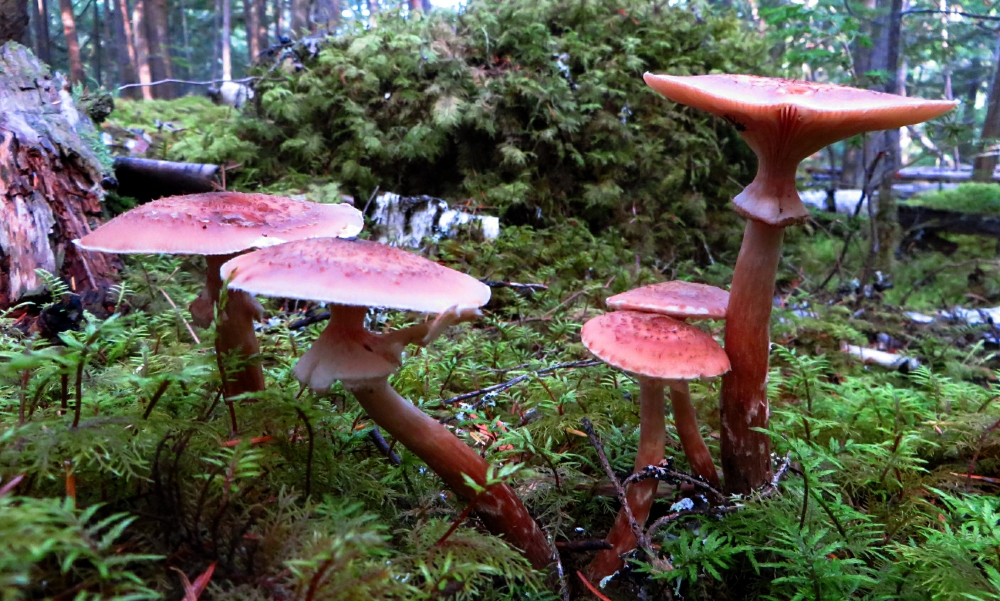
A Nest of Honey Mushrooms

A Nest of Honey Mushrooms

The article below is an excerpt taken from the Arrow Lakes News published last year in their October 29th edition. It describes very well the dilemma of the major industries in our area, timber and mushroom, being in conflict with each other over the management of our natural resources. The photos shown on this post are from my own personal archive.

Triplets of Boletus Mushrooms

Triplets of Boletus Mushrooms

Since she was 12 years old, Jean Hewat has been involved in the mushroom industry. As a kid, she went out with her family picking for pocket-money and she’s been buying mushrooms from other pickers at her place on 15 Avenue on the north end of town for the past 21 years. With some help from her mother and occasionally other family members, she is more or less a one-woman show.

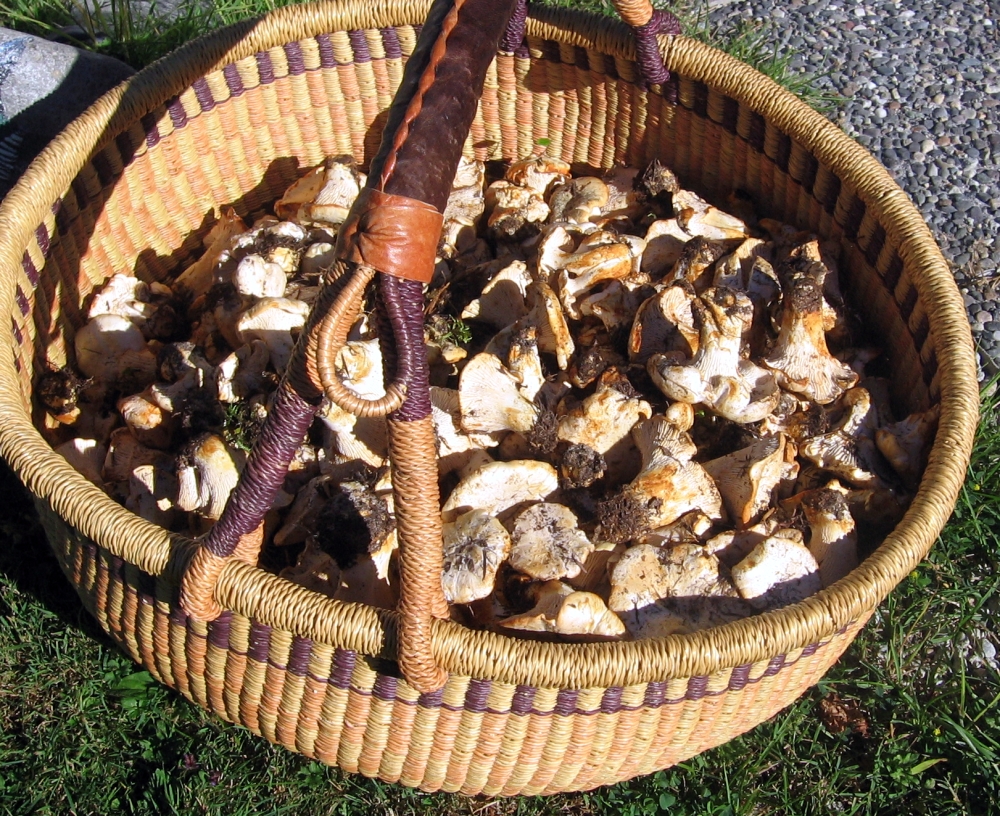
A Basket Full of Chanterelles

A Basket Full of Chanterelles

The set up has moved from her garage to a new building still being finished on her property with plenty of parking and a large walk-in cooler. She explains the unfinished building during an interview with the Arrow Lakes News as her mother answers the phone and groups of pickers come in carrying their bounty — large buckets of freshly picked fungi.

Lobster Mushrooms are rarely as clean as this one.

Lobster Mushrooms are rarely as clean as this one.

The odour inside is damp and mossy — the baskets of mushrooms are mostly the large, fluffy white pine, or Matsutake as they are known in Japan, where most of these are destined to go. The largest market for pine mushrooms in the world is in Japan, but Canada is not the only supplier. They are also grown in the US, China, Scandinavia and elsewhere.

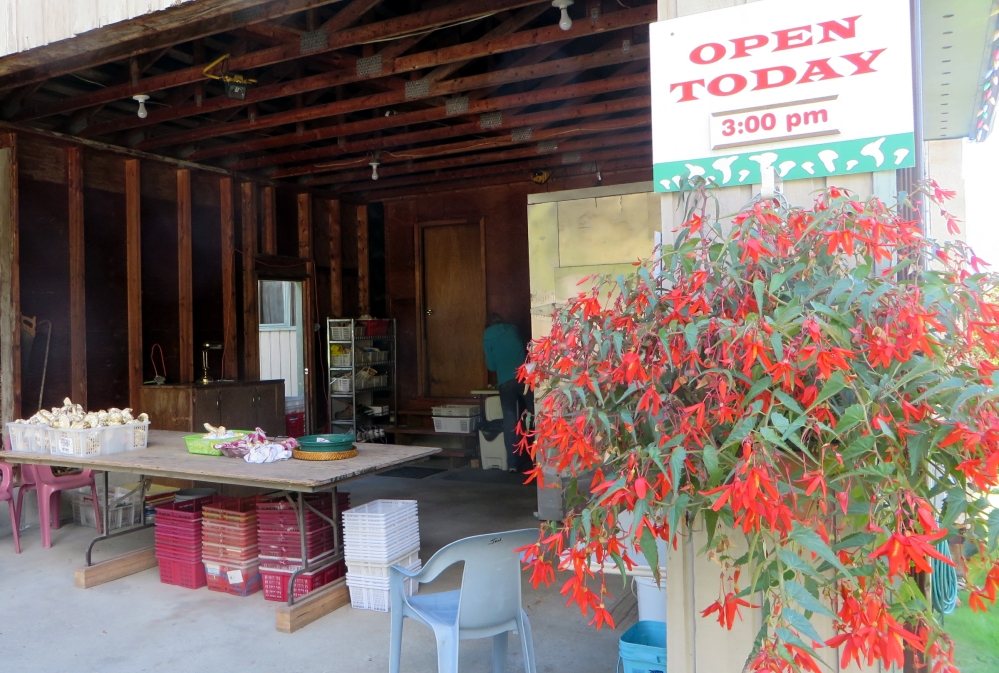
Dan and Jan's Buying Station in Nakusp

Dan and Jan’s Buying Station in Nakusp

Local to Nakusp, Chanterelles, Lobster and several other varieties sprout up inexplicably in pockets throughout the forest. Many locals covet their spots; at least those that haven’t been decimated by the biggest competitor to mushrooms: forestry.

Logging is one of the highest paying primary industries in the Kootenays, yet it poses the biggest threat to the niche industry of mushrooming.

Mushrooms are a multi-million dollar industry bringing tourists, pickers and buyers to the area. During September and October, the streets are lined with vehicles belonging to people who are in town because of this natural resource. They are buying gas, groceries and other supplies and are staying in hotel rooms and going out to dinner. More dollars are being pumped into the local economy, but all of it is threatened by clearcut logging.

“Mushrooms grow naturally in certain little micro climates, pockets and patches that are ideal for their growth. It is possible for the two industries to coexist. My family grew up on logging,” Hewat explains while sorting pines by hand. “They don’t grow everywhere; just small spots in the forest. In hindsight, things like selective logging, saving sections probably could have been done but it hasn’t.”

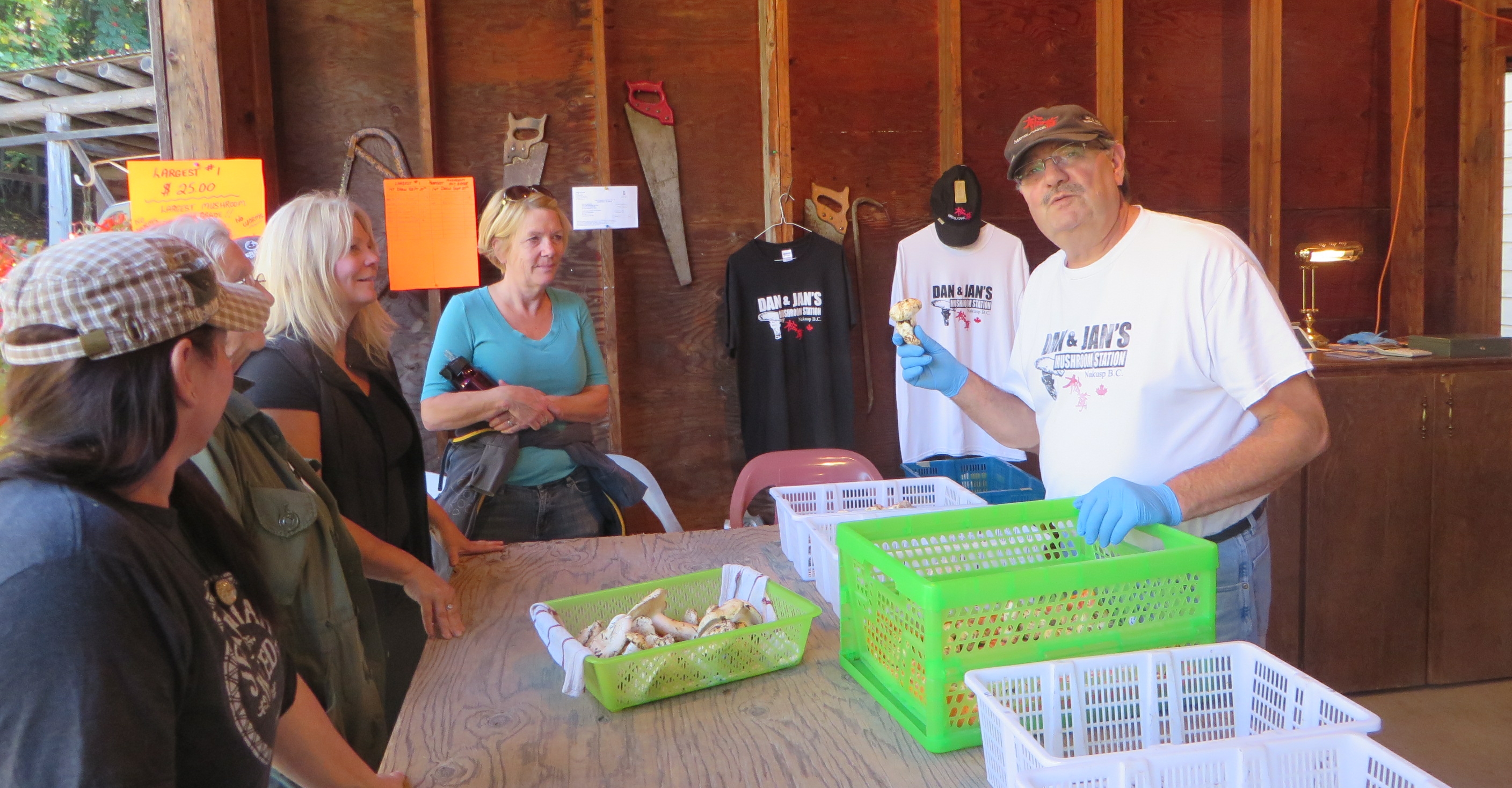
Dan Dahlen Carefully Grading my Wife's Mushrooms

Dan Dahlen Carefully Grading my Wife’s Mushrooms

Janis Dahlen of Jan and Dan’s Mushroom Station echoes the same sentiment.

“Clear cutting—it takes the mushrooms right out and it could be 80 years before they grow back. We’ve worked the last couple of years with Nakusp and Area Community Forest (NACFOR) to do some strip logging to try to preserve some of the mushroom areas. But (much of it is) being logged as we speak and the mushrooms will never come back. Logging is our first industry in Nakusp. It’s a hard mix.”

Pine Mushroom Just Pushing through the Forest Floor

Pine Mushroom Just Pushing through the Forest Floor

Next week I will talk about habitat, harvesting, grading and manipulative pricing of the Pine Mushroom.


The Value of Blog Comments

Sheila McIntrye Good, Author's avatarCOW PASTURE CHRONICLES

leavecommetgifWritten in response to the Writer’s Digest 2015 October Platform Challenge
Blogging is an excellent way to express ourselves, improve skills, impart knowledge and expertise, or share stories. But, what role do comments, both given and received, play? Are they important?

When I began blogging in 2008, I had no aspirations beyond using my blog as a way to express grief after the sudden loss of my best friend. But, then people began to respond. I made connections, my grief lessened, and my writing evolved. Without their encouragement, I’m not sure I would still be writing.

The Value of Blog Comments: 
  • They are the lifeblood of any blog – connecting us to others.
  • Tell us our words have resonated with someone.
  • Sometimes, they express gratitude.
  • Other times, they offer us a different opinion to consider.
  • An avenue to share resources, give recognition, or validate information.
  • Provide ideas for future topics.

View original post 263 more words

Chapter XIV of the P. and G. Klopp Story – Part 1

Travels to Berlin (1959), Spain (1960) and Yugoslavia (1961)


The world is a book and those who do not travel read only one page.

St. Augustine

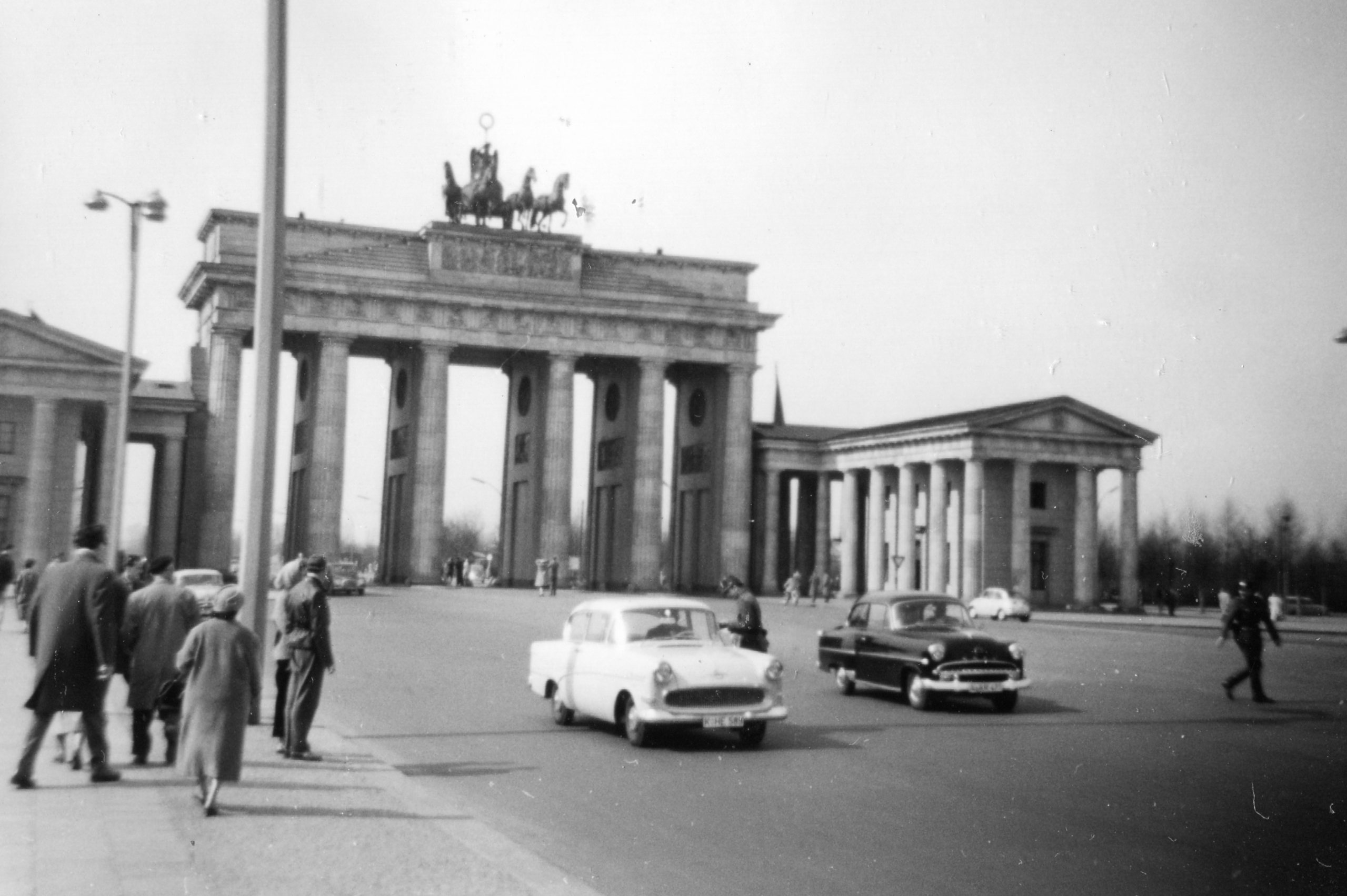
Brandenburg Gate 1959

Brandenburg Gate 1959

During my Easter holidays Mr. and Mrs. Peter L., who had recently escaped from the German Democratic Republic (GDR), invited me to come and visit them in West Berlin. Whether they were distant relatives or just friends of the family, I can no longer tell with certainty. But after their escape from the Eastern Zone, as the GDR was called, they had often visited us in Wesel. In those days West Berlin was geographically isolated from West Germany. It was an exclave surrounded by communist East Germany. Also a fence stretching over a thousand kilometers following the inner German border complete with thousands of observation towers prevented the mass migration from the east. Many people died in their attempt to flee from their ‘socialist paradise’.

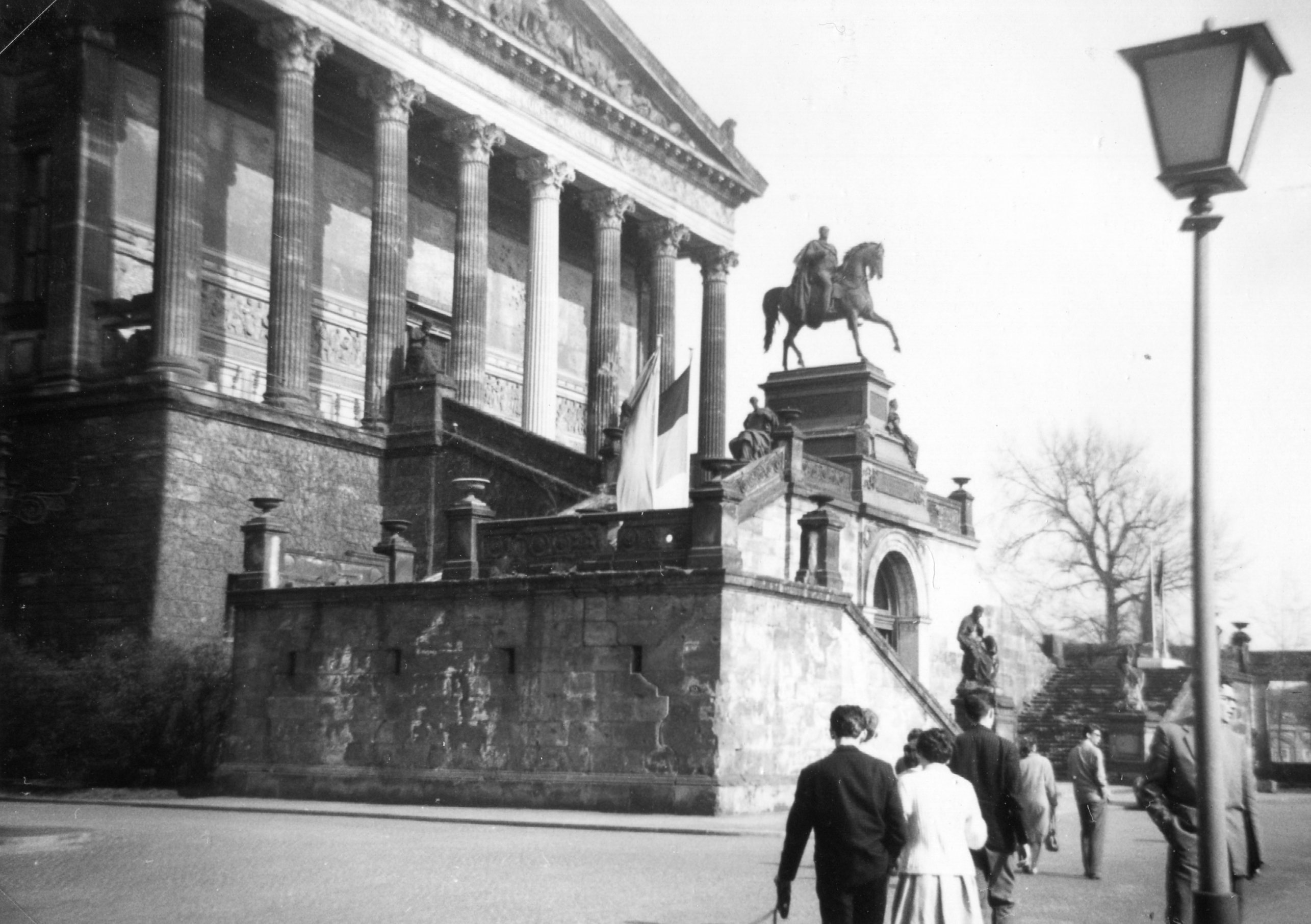
State Museum 1959

Old State Museum 1959

The rapid train I had taken from Cologne stopped at the border where travelers had to show their passports to cross the Iron Curtain to go from one part of Germany through another part of Germany to Berlin. This was the only stop for the train. After it had been given the green light, it sped through all the major railway stations past many towns as if trying to shield us from the ugly sights of a country that still lay in ruins so many years after the war. At the border station near West Berlin another even more thorough inspection was being made that included the search for fugitives who might have jumped in transit onto the train. Border guards were using specially trained dogs to sniff out any potential escapees clinging to the train’s undercarriages in their desperate attempt to get to freedom. Finally the train was given clearance and allowed to cross into West Berlin. I breathed a sigh of relief, when our train rumbled into the main station, where Peter L. was waiting for me at the platform.

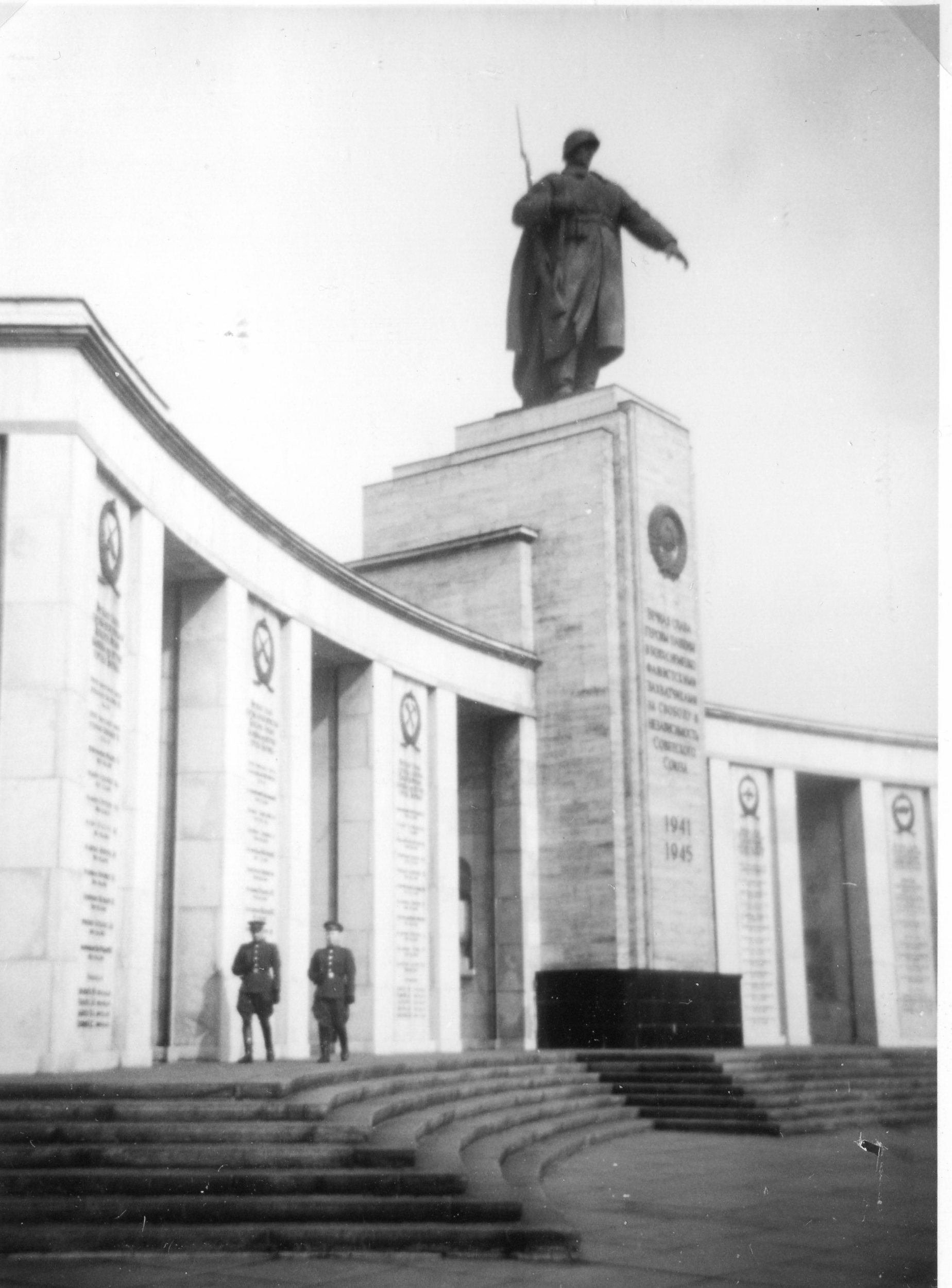
Soviet War memorial commemorating the 80,000 Russian soldiers who died in April and May 1945

Soviet War Memorial 1959

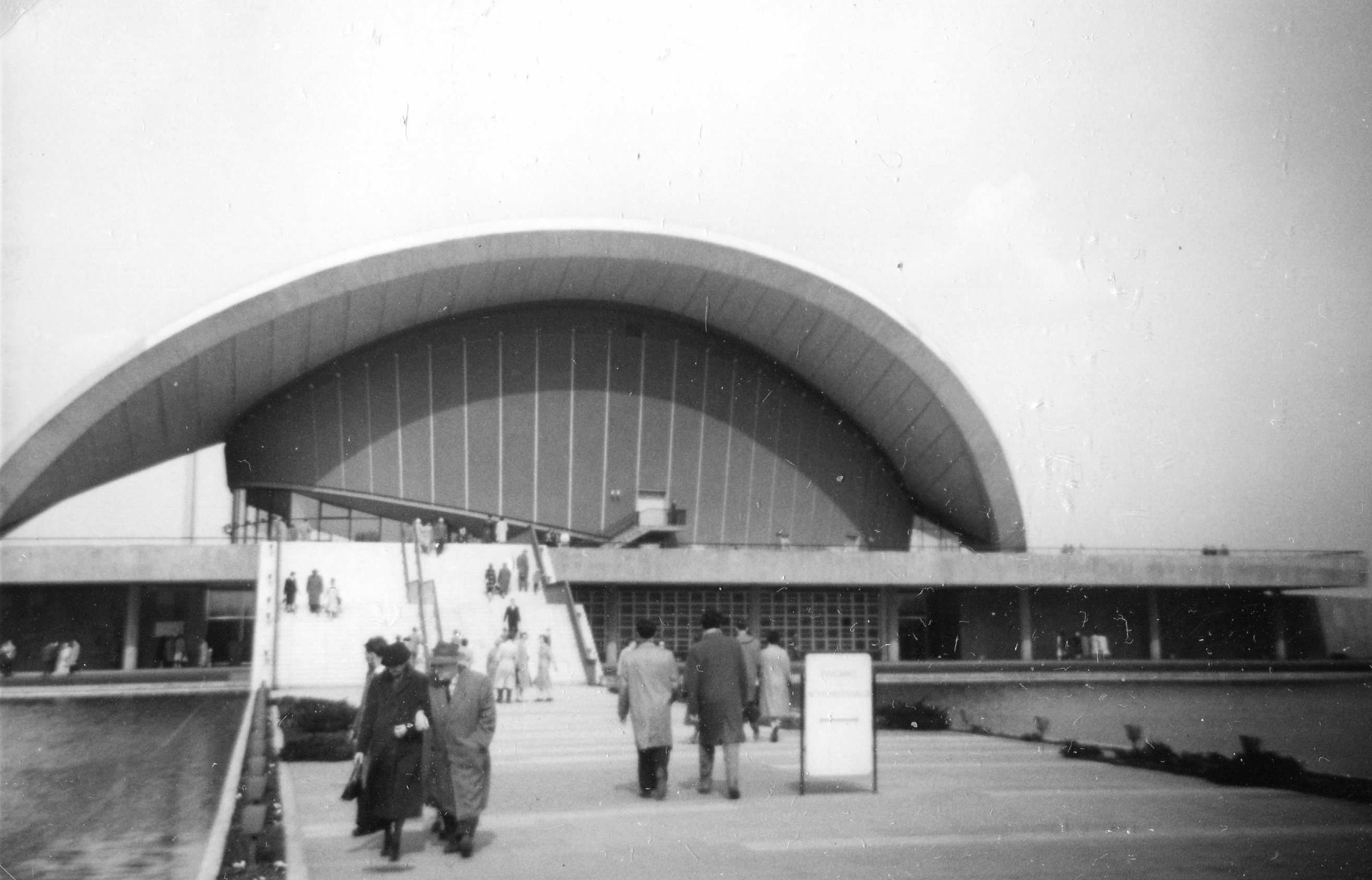
On the very next day Peter took me on a whirlwind sightseeing tour through the divided city that was still interconnected by subway, streetcar and roads. Thus, Berlin was the only remaining escape route for thousands of refugees, until the building of the infamous wall stopped the ever-increasing flow in 1961. Among the sights were the illustrious Brandenburg Gate, which stood right behind the border crossing in East Berlin, and the Soviet War memorial commemorating the 80,000 Russian soldiers who died in April and May 1945 in the Battle of Berlin. Then we went to see the Congress Hall, which on account of its shell-like shape the Berliners irreverently call the Pregnant Oyster. Here Bill Haley and his rock and roll band caused an uproar, when he whipped the mob of young fans into such a frenzy that they demolished their seats normally reserved for more conservative concert goers.

The Congress Hall (Pregnant Oyster)

The Congress Hall (Pregnant Oyster)

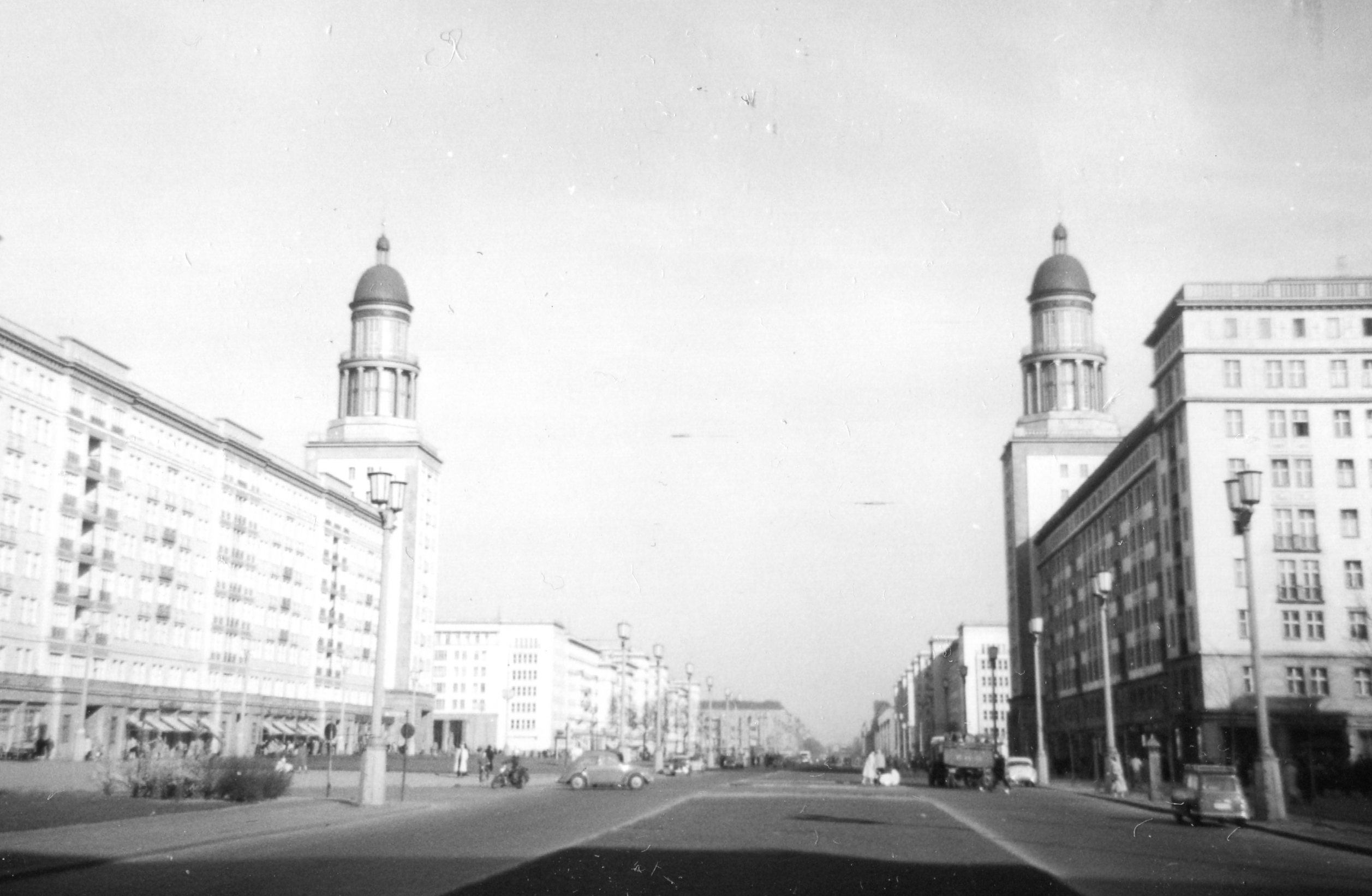
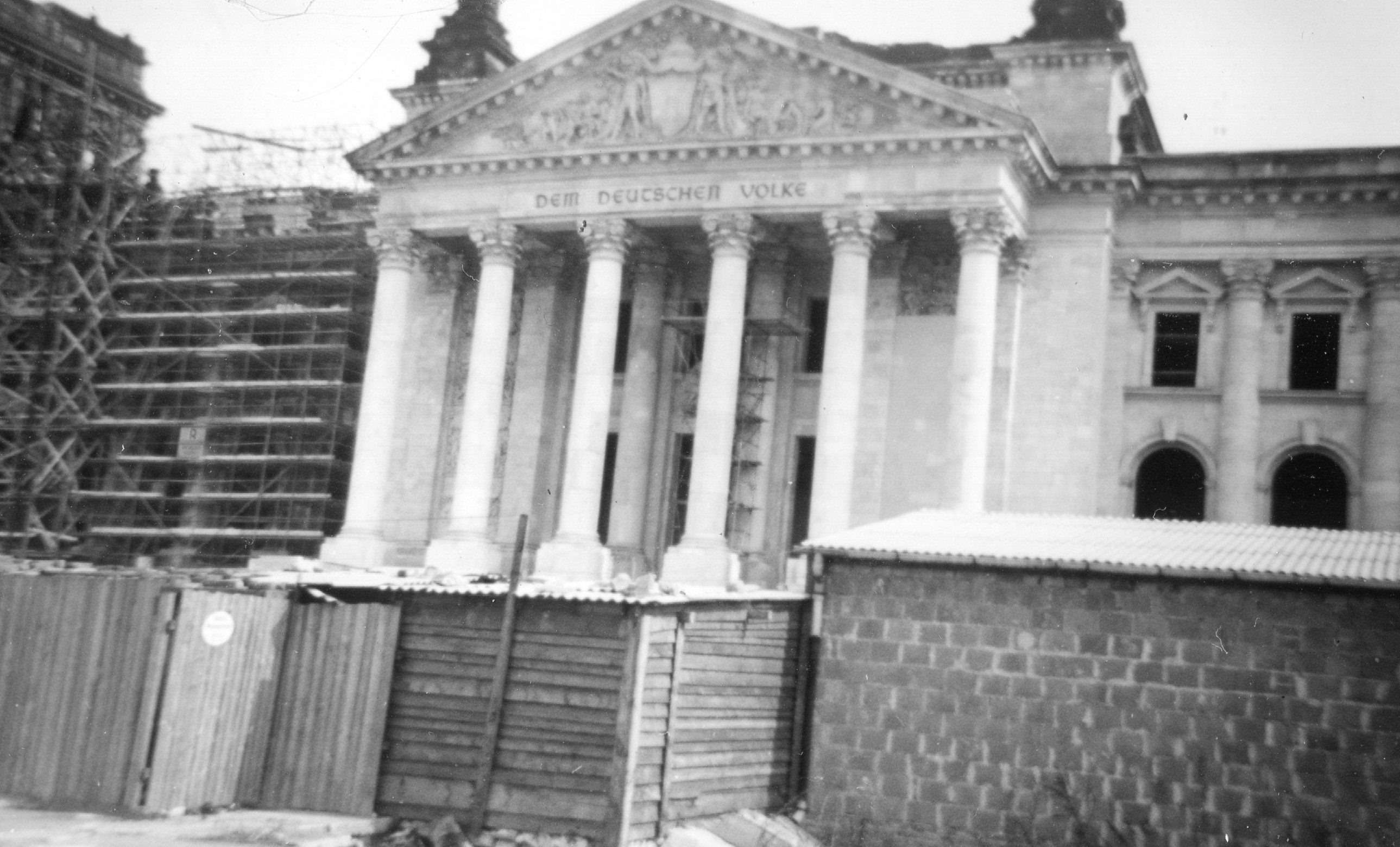
We also looked at the Reichstag building, which was almost completely destroyed during WWII and now was being reconstructed. We were not much impressed by the Stalin Boulevard.

Stalin Boulevard - Now it is called again Unter den Linden

Stalin Boulevard – Now it is called Karl-Marx Street.

With its new box-like massive apartment buildings, built Soviet style, the structures were completely out of tune with modern architecture, but were designed to serve as a showpiece of the fledgling East German capital. There were so many impressions that at the end of the day I could no longer absorb any more sights. In today’s language I began to suffer from a severe case of information overload.

The Reichstag Building under Reconstruction 1959

The Reichstag Building under Reconstruction 1959

So I was glad when Peter suggested we should go and find a place to eat. As a former citizen of the GDR he knew that the basic necessities of life, such as food, were heavily subsidized by the socialist state. As it was close to dinnertime, he took me to the great student-dining hall of the Humboldt University in East Berlin. There we feasted with a good appetite on an excellent meal complete with roast beef, fresh veggies, beer and dessert for the extremely low price of two east marks. Considering the depressed value of the currency often trading at less than one tenth of the value of the West German mark, we had our fill for the measly amount of 20 pennies, for about a Canadian nickel. Even though I had learned early to look out for a bargain, it did not feel right to take advantage of a state supported facility that was not based on profit but on service to the people. Later on I found out that the West German government in Bonn heavily subsidized West Berlin to help with housing and food expenses. Even luxury items, such as coffee, cigarettes and liquor were selling so cheaply that even I could buy half a dozen bottles of fruit wine with my pocket-money for as little as six marks. West Berlin had become a showcase for the entire world, a giant billboard of glamour and glitter, the gateway to the ‘Golden West’. Refugees from East Germany found out upon their arrival the harsh realities of life in camps, old army barracks, and other emergency shelters. The reader may wish to read more on this topic in my wife’s blog bieneklopp.com.

Gerhard Kegler, the general, who dared to disobey Himmler – Part VI

General of the Woldenberg Division

Commandant of Fortress Landsberg

Those who missed reading the earlier posts on my uncle Gerhard Kegler can look them up by clicking on the following links: Part I, Part II, Part III, Part IV, and Part V.

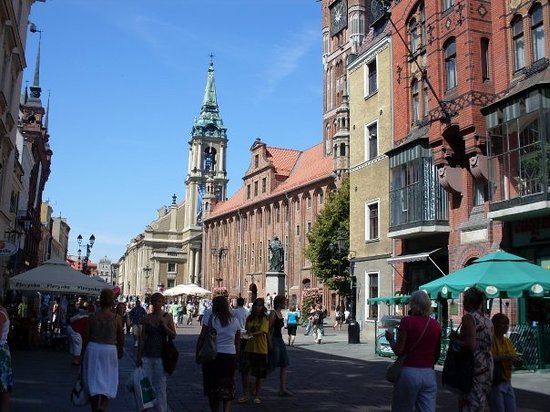
On January 20, 1945, while still on sick leave, Gerhard Kegler received a call from army HQ with the order to take over the command of a division. A few days later  he was assigned to the post of battle commandant at the city of Thorn (Torun). On January 26, while his family had to flee without his help from the advancing Red Army, he was heading to his assigned post. However, he was unable to reach his destination, since the enemy had already captured the city of Thorn. So instead he was given the command over the newly formed Woldenberg division. He arrived at Friedeberg (Strzelce Krajeńskie) on January 28, where the division was located.

Today's Thorn (Torun) - Photo Credit: tripadviser.com

Today’s Thorn (Torun) – Photo Credit: tripadviser.com

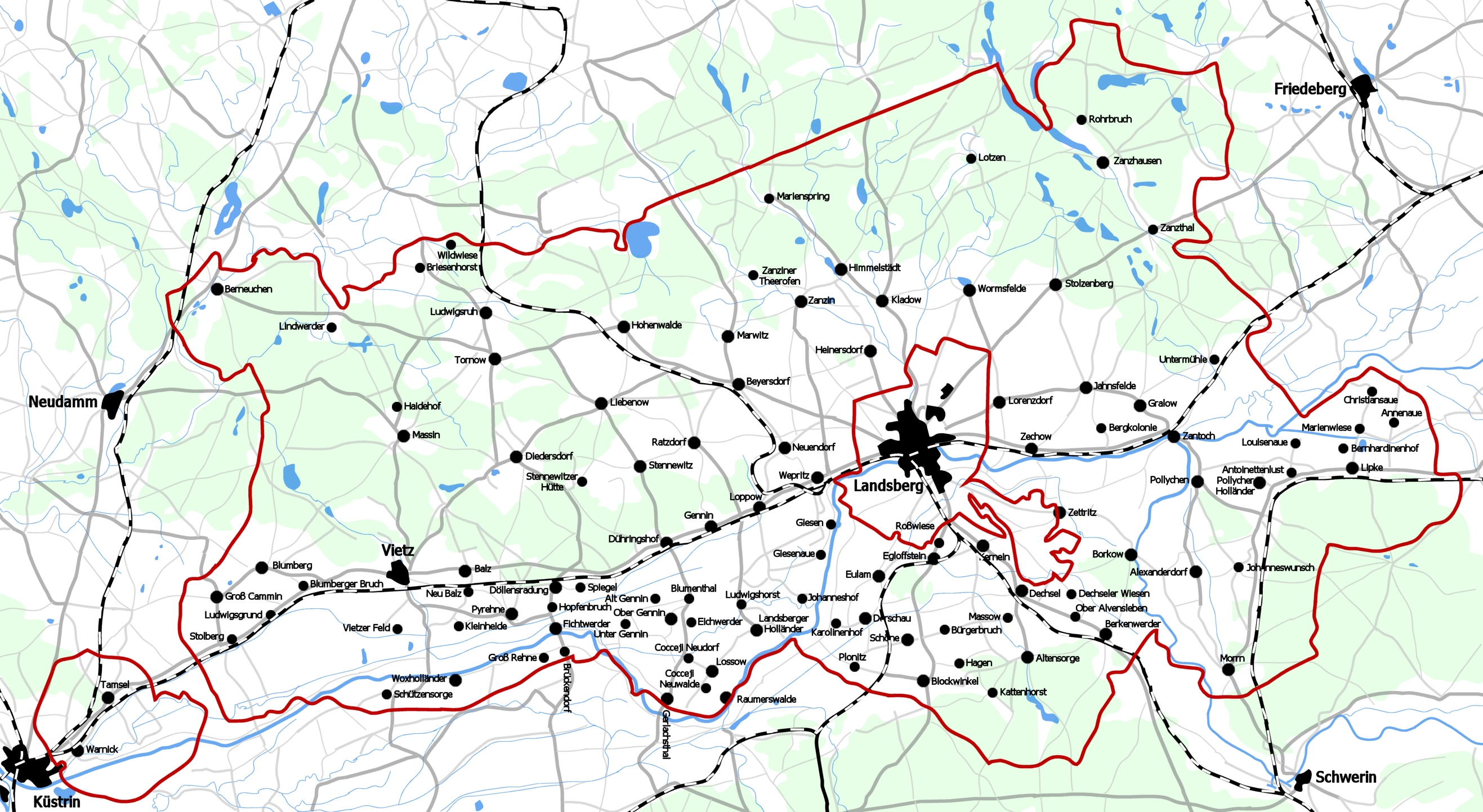
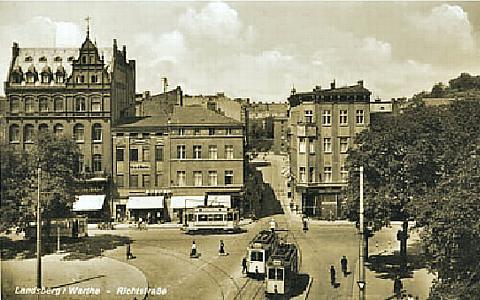
On the very same the Soviets attacked with about 40 or 50 tanks. The town was taken and the division was broken into fragments, most of which managed to withdraw to the city of Landsberg (Gorzów Wielkopolski) at the river Warta.

Landsberg_gross

In those chaotic days, when the entire Eastern Front was at the point of collapse, Hitler in his fortress-like command center in Berlin was moving on military maps tiles, which represented in his mind fully equipped and battle experienced divisions, but in reality were nothing but units that only existed on paper. One of these phantom army units was the so-called Woldenberg division consisting mostly of inexperienced, inadequately trained and equipped soldiers and a lot of useless non-army personnel, with which Major-General Kegler was supposed to defend the Fortress of Landsberg against the impending assault on the city.

Landsberg - Photo Credit:t wodenber-neumark.eu

Landsberg 1943 – Photo Credit: woldenberg-neumark.eu

To be continued …

Johanna Kegler, Widow of Bruno Kegler – in German

Neuanfang und Existenzkampf der Johanna Kegler Familie

Bericht von Oma Hanna  (Chart II a – II)

Aus den Erinnerungssplittern von ihrer Enkelin Anke Schubert

Im Sommer 1945 wollten wir, da auch hier in Mellen die russische Armee war, vor der wir geflüchtet waren, in die Heimat zurück. Weder Radio noch Zeitungen, nur mündliche Mitteilungen gaben vage Auskunft! So spannte der Bürgermeister – froh, Flüchtlinge loszuwerden, – 3 große Wagen an und transportierte etwa 30 Personen nach Lenzen/Elbe zur Bahn. Tagelang waren wir bis Berlin in überfüllten Zügen, auf deren Dächern Menschen saßen, unterwegs, von Rotarmisten bewacht – manchmal fuhr der Zug nur weiter, wenn dem Rotarmisten, der mit auf der Lok war, „Schnaaps“ spendiert wurde. Wer eine Flasche besaß, mußte sie hergeben. – In Berlin erfuhren wir von Soldaten, die von Hirschberg kamen, dass dort jetzt die Polen waren. Es gab kein Zurück mehr!

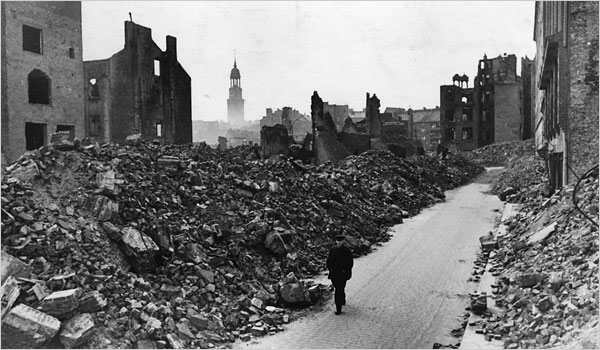
Germany 1945 - Photo Credit: nyt.com

Germany 1945 – Photo Credit: nyt.com

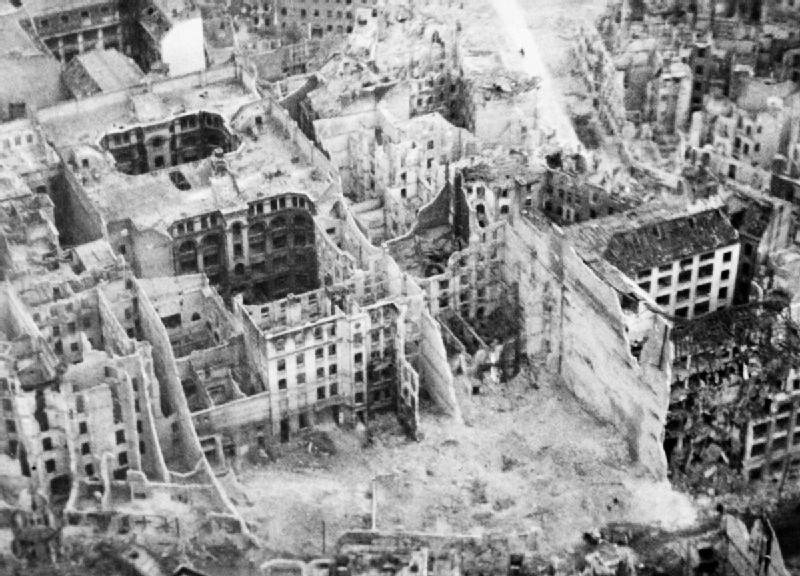
Durch das Trümmerfeld Berlin zogen wir mit Handkarren, die irgendwo am Bahnhof rumstanden, aufs Geratewohl zu Verwandten von Keglers, und tatsächlich, wir konnten unterkommen, teils in Charlottenburg, teils im Pfarrhaus in Wedding. Ich bin an diesem Tag mit Hartmut 40 km und mehr hin- und hergelaufen – Bahnen, Busse etc. gingen nicht, Brücken waren kaputt.

Berlin 1945 - PhotoCredit: forum.warthunder.com

Berlin 1945 – PhotoCredit: forum.warthunder.com

Am nächsten Tag ging es wieder zurück nach Wittenberge – tagelang. Dort schrieb ich, noch auf den Treppenstufen des Bahnhofes auf einem alten Feldpostbrief meine Bewerbung um Wiedereinstellung als Lehrerin an das Schulamt, denn die Schulen sollten wieder eröffnet werden. Ich hatte Glück: am 1. Oktober 1945 wurde ich in Rambow – Mellen in den Schuldienst berufen. Es war eine schwere Zeit – keine Hefte, keine zugelassenen Bücher, keine Bleistifte … und es gelang! Arbeitswille und Disziplin halfen mir und 118 Schülern zu bescheidenen Freuden und Erfolgen.

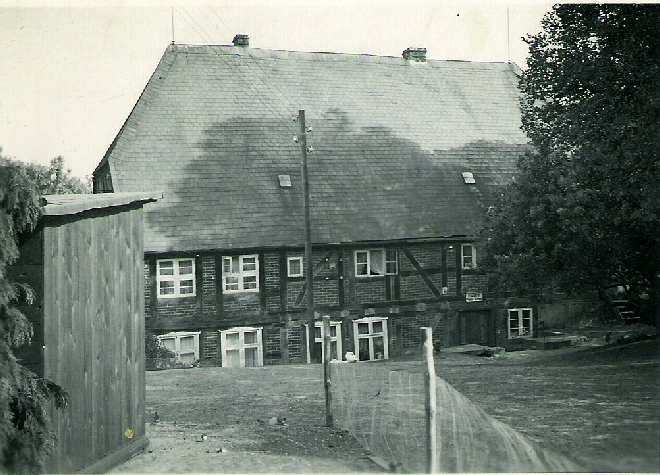
Muehle Mellen

Alte Mühle in Mellen

Meine Familie zog in das Schulhaus in Rambow ein, altes, abgestelltes Gerümpel der Bauern wurde mir geborgt. 1946 wurde die Schule zur Zentralschule, ich zur Schulleiterin, mir wurden vier im Schnellverfahren (acht Monate) ausgebildete Lehrer zur Seite gestellt.

Chapter XIII of the P. and G. Klopp Story – Part 4

Finding Stability during Adolescent Restlessness

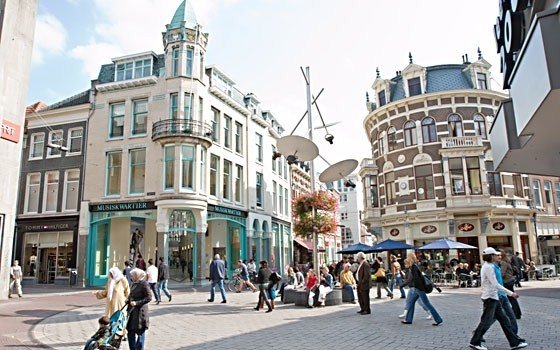
Shopping at Arnhem, Holland - Photo Credit: holland.com

Shopping at Arnhem, Holland – Photo Credit: holland.com

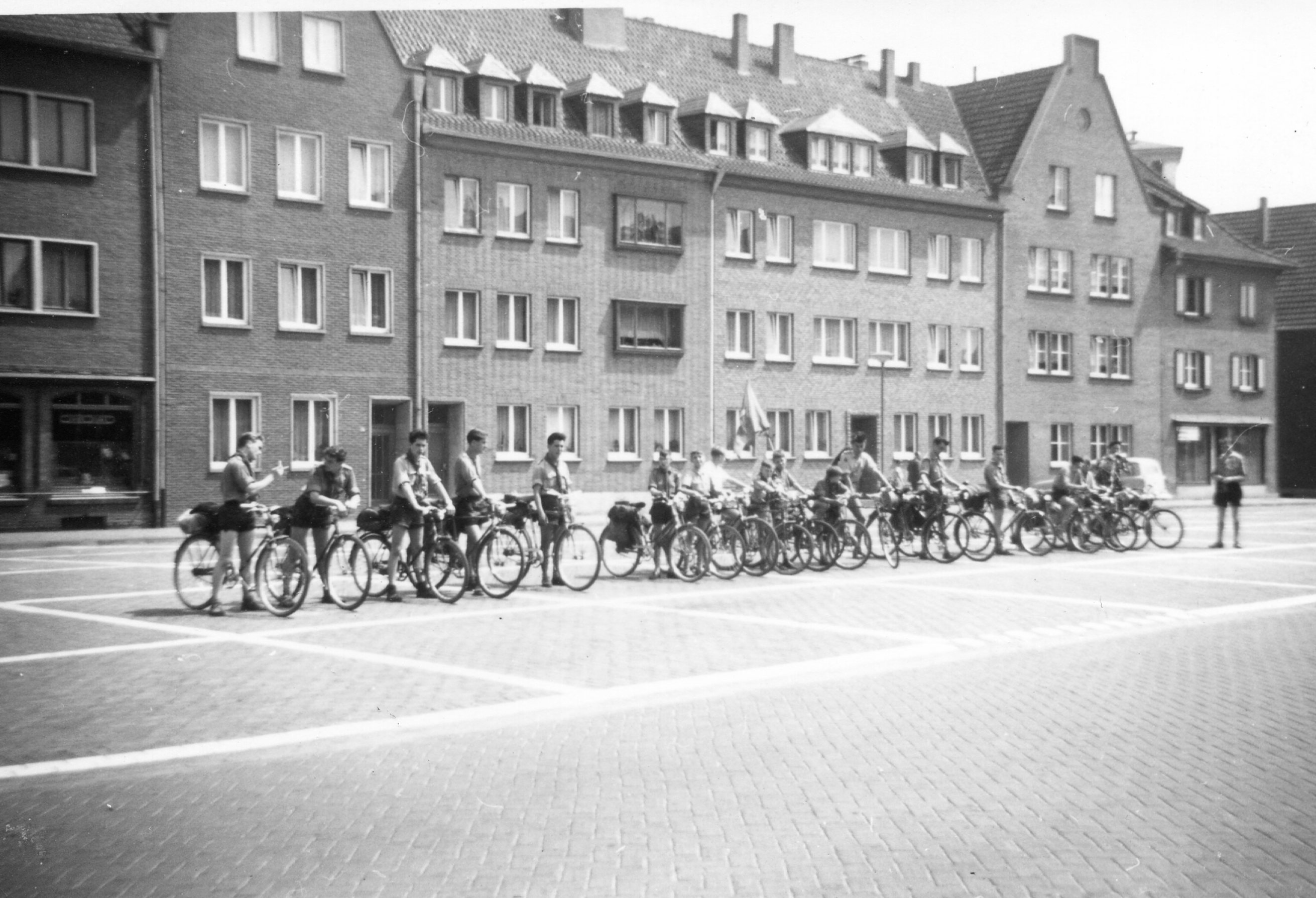
When it came to matters concerning the entire tribe Zoska, Günther with the uncomplimentary nickname Little Chicken was in charge and took care of the organization of the big events. Two things stand out for me as truly memorable: the bike ride to Arnhem in Holland and the regional jamboree at the youth hostel in Wesel. Arnhem is the first major city in the Netherlands not far from the German border about an hour’s drive by car from Wesel. The country is as flat as a pancake, especially on the Dutch side of the border where bicycle trails are often totally separated from the noisy traffic arteries. On these trails the combined clans were pedaling in a giant snake-like formation towards our destination, the youth hostel in Arnhem. It was a beautiful sight to behold, some fifty boy scouts in their traditional black attire. Those wearing their uniform-like khaki shirts proudly displayed their honor badges they had earned in the last couple of years. I was at the tail end of this giant human snake winding through the gentle curves on this wonderful bike trail. My job was to make sure that we would not lose any stragglers on our one-day journey. While the sightseeing in Arnhem and the communal life with all its exciting games and best of all the singing were fun, it was the trip itself, the getting-there as one body and soul that I remember best and treasure most as a powerful metaphor for my own journey through life.

Lining Up Part of Tribe Zoska

Lining Up Part of Tribe Zoska

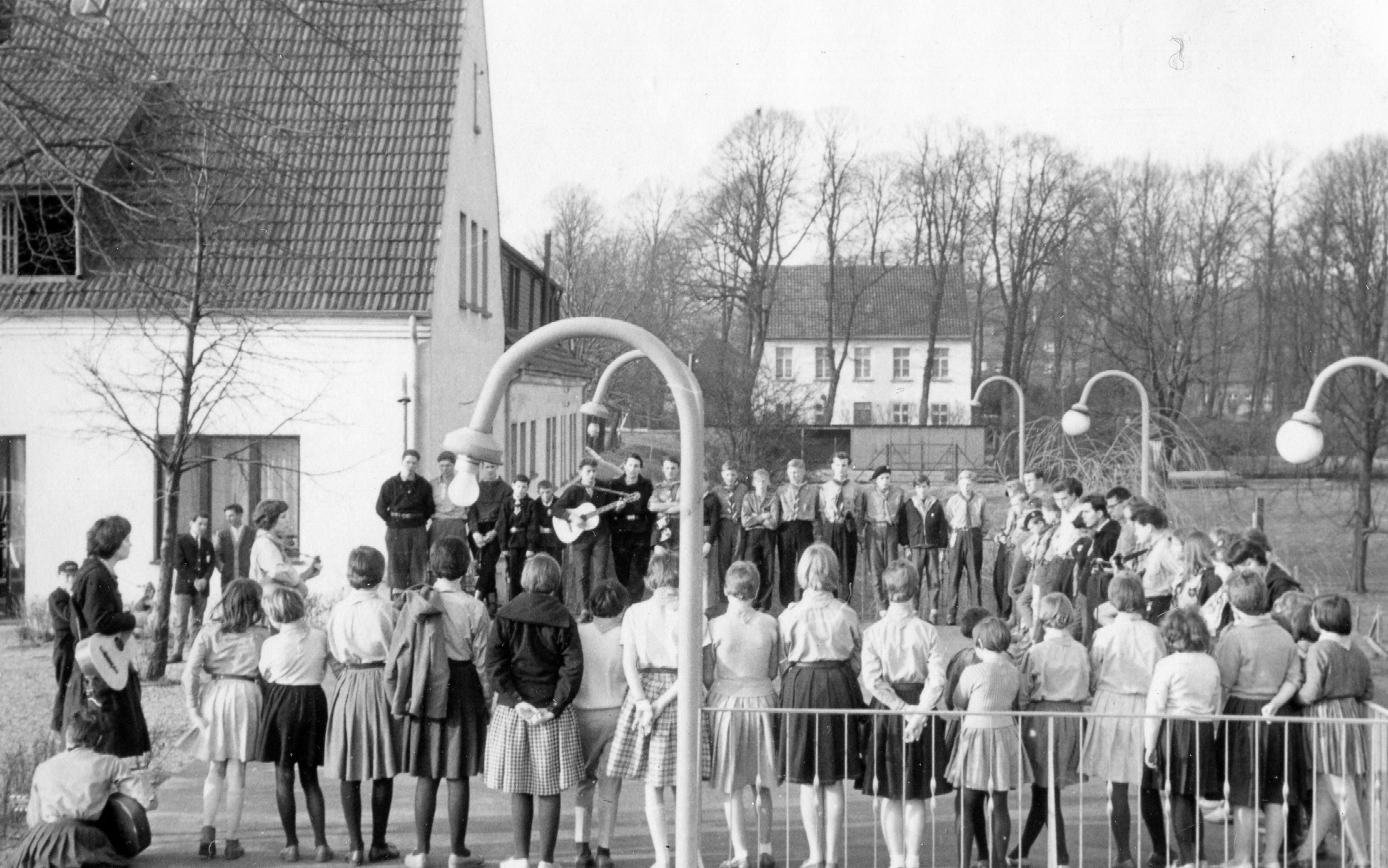
The year 1960 was going to be my last full year of service within the Union of the European Scouts. I had just turned eighteen, brimming with physical strength and vigor, yet very clumsy at sports, full of ideals to create a better world, yet often confused by my own contradictory behavior.  I again began to slip academic achievement, which became more and more important in the senior years. I also lived in an artificial world not of my own making, but by a society that was still stubbornly clinging to archaic traditions in a rapidly changing social environment. One of the traditions was the complete separation of boys and girls in the high schools. There was no provision for interaction with the opposite gender. We boys lived in a bubble filled with an explosive mix of ignorance, half-truths and acute awareness of our own adolescent stirrings. Lacking any objective knowledge either from home or school, we gathered information about sex mainly from highly questionable sources. The rumor about a pregnant student at the girls’ high school at the opposite end of town and her subsequent expulsion ran like wild-fire through the gossip mills in the senior grades at recess and lunch. Sex was on everybody’s mind, surfacing thinly concealed even in our monthly student newspapers. Some would-be scholars made an attempt to lend a degree of academic respectability to the topic by passing notes around in the classroom mostly during the boring geography lessons. It was a never-ending stream of  Latin phrases of highly questionable content. As witty as some of them were, they could only warp even more the already distorted views we held on the topic. The meaning of a healthy relationship that goes beyond the physical to embrace the social even spiritual aspects of a lifelong partnership was completely foreign to us.

The Girl Scouts from the neighboring Town of Geldern

The Girl Scouts from the neighboring Town of Geldern

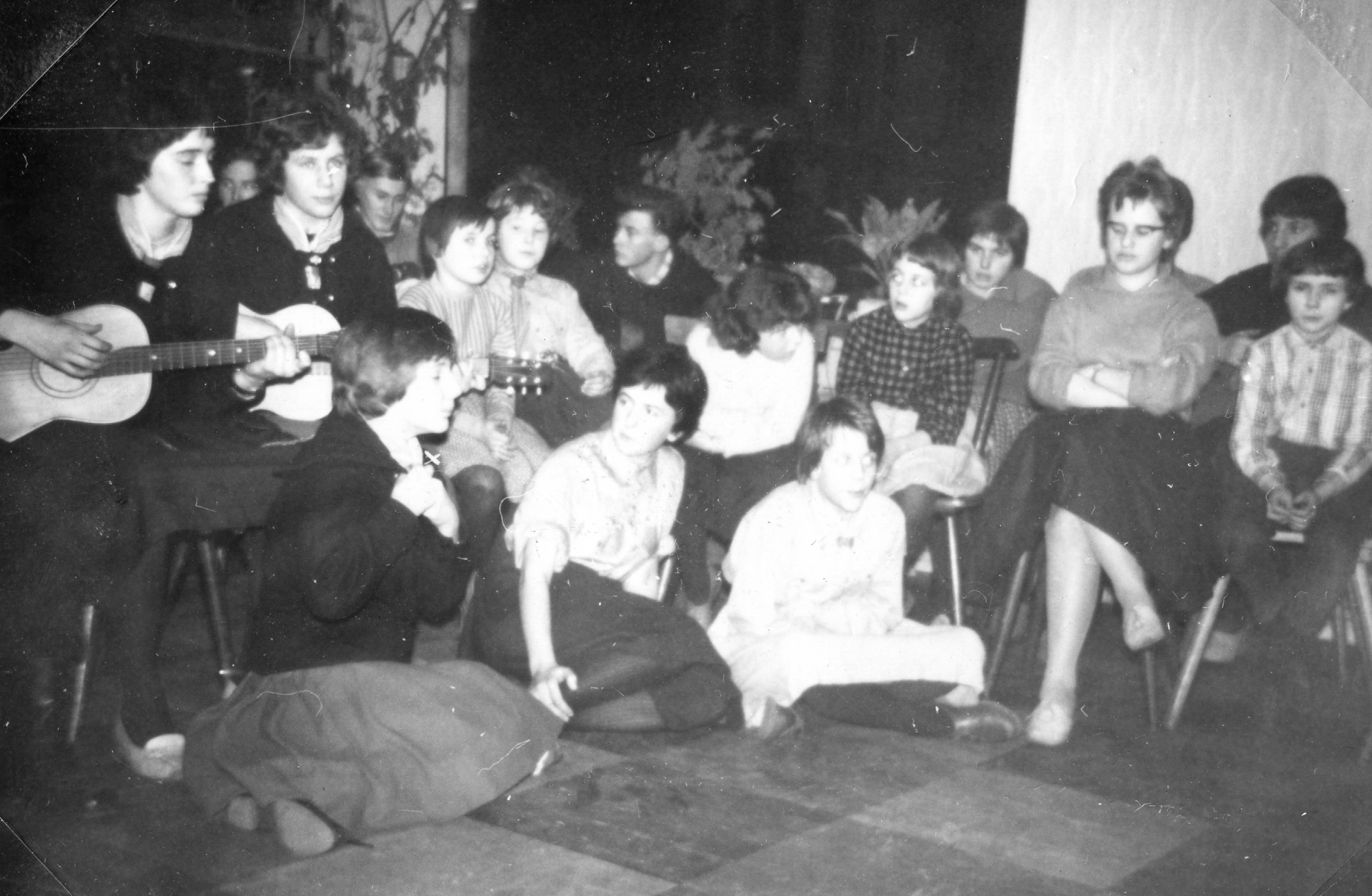
A source of true comfort and stability continued to be my involvement in the scout movement. It provided an anchor in the turmoil of the emotional storm in which I was being tossed about. Commitment to a worthy cause, action repelling the evil spirit of idleness, order being pitched against chaos, in which a multitude of vices surface and thrive. In short, these virtues provided fixed reference points, which I could use for my own moral orientation. Little Chicken organized a regional jamboree at the Wesel Youth Hostel, to which he had also invited an all girl contingent from the town of Geldern. Except for my elementary school years in Rohrdorf I had never participated in an event on a large scale such as this, where boys and girls were doing things together on an egalitarian basis. While the playing of the customary games, the presentation of humorous skits, the singing of our favorite camp songs pretty near followed the familiar pattern, the girls added a new dimension to our gathering.

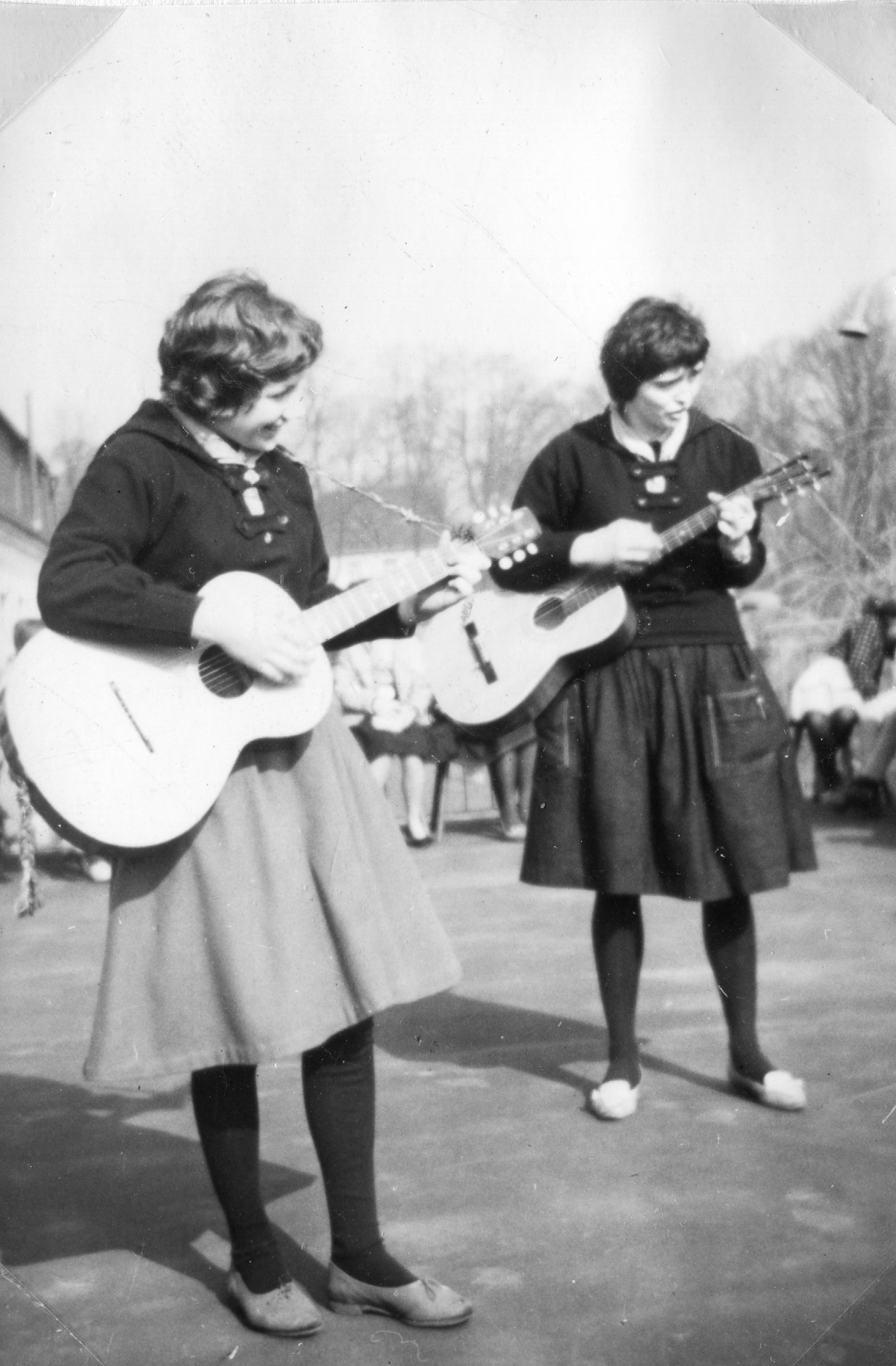
Jutta and another Girl Scout Playing the Guitar

Jutta and another Girl Scout Playing the Guitar

Jutta, their leader, impressed me with her gentle firmness in her voice, with which she directed her clan in the various activities. To exercise her authority, she did not need to raise her voice. Her strength lay in the calm assured manner, in which she delivered her instructions. Perhaps more importantly I discovered in the girls a kind of beauty, which distinguished itself through their simple attire and appearance. Just like flowers displaying their natural beauty, these lovely human counterparts needed no artificial hair color, rouge, lipstick, perfume and other distracting accessories to cover up what was already inherently beautiful. Thus, I had developed a liking for natural beauty in girls and this attitude became a guiding principle in my search for a spouse in the following years.

Final Assembly at the Wesel Youth Hostel

Final Assembly at the Wesel Youth Hostel