My Birthplace Znin (Dietfurt)

A Photo Gallery of Znin,

where I was born

Photo Credit: Wikipedia.org except for picture of the hospital

Chart I – III

Znin is a modern town in an area with a rich history going back to Roman times. The visitor will find more information on this beautiful town and its many cultural and touristic attractions on Wikipedia and many other sites. I will limit today’s presentation to just the pictures to give a sense of where I come from. You can read more in Chapter 5 of the P. and G. Klopp story to be posted soon. If anyone of the Polish visitors of our blog knows the town well and would be so kind to tell if the old hospital building still exists, I would be extremely grateful.


The P. and G. Klopp Story

Chapter 4

My Parents

Chart I – I & II, Chart II a – I

“We never know the love of a parent till we become parents ourselves.”

Henry Ward Beecher

          When I was born on March 24th, 1942 in Dietfurt (Znin) in the Reichsgau Wartheland, the superpowers of the world were at war with one another. Nazi Germany was in control of most of Western Europe. Hitler had not learned from Napoleon’s defeat in 1812 and invaded Russia in June 1941. Driven by his megalomania he thought himself to be the greatest military genius of all times and planned to conquer, subdue and rule over more territory than Alexander the Great, Hannibal and Napoleon put together. With Japan’s aerial strike and attack on Pearl Harbor in December 1941, the winds of war had invaded the Pacific Ocean and had suddenly engulfed the entire world. Yet, at the time of my birth, my family living in this remote corner of the Reich enjoyed a semblance of peace and security. The entire region was out of reach from the Allied bombers, which began with ever increasing intensity to terrorize the populace of the larger cities of Western and Central Germany. It was at Gutfelde near the small town of Dietfurt, where my father Ernst had recently been transferred to take over the administration of three large farming estates. Continue reading

Short History of Fauquier BC – Part 2

Economic Boom and Decline

Adapted from an Untitled Document at the Arrow Lakes Historical Society

Photos from A. Devlin’s Personal Archive

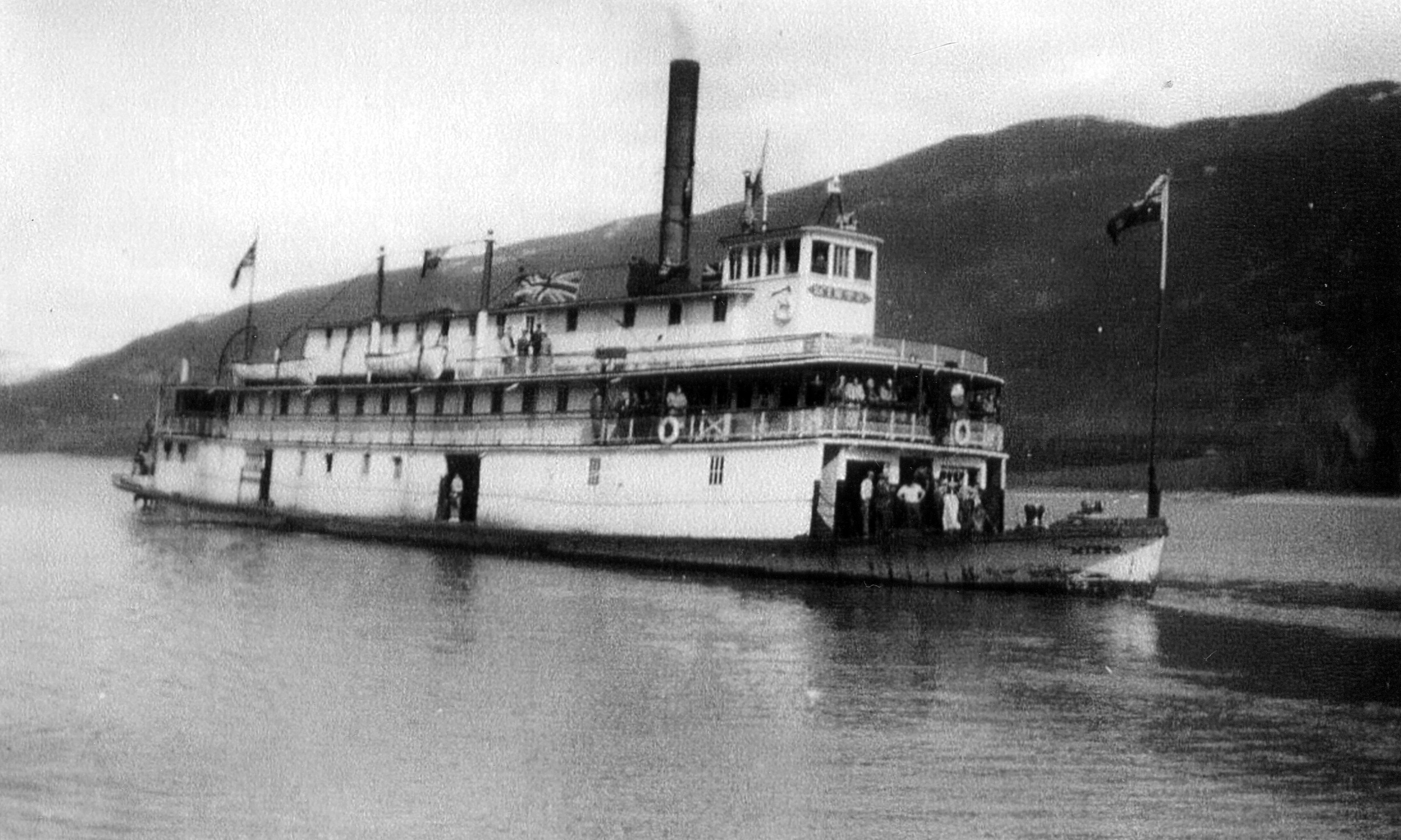
In 1914 everything came to a standstill due to World War I. All the young men (15) enlisted and left their land. Not one of them returned. Eventually their land reverted. Middle-aged farmers with growing families worked the land and once again they had thriving orchards. The fruit industry was flourishing. The crops were shipped up and down the lake by steamboat, and around the province by train. There were two steamboats a day, one traveling south, and the other north. Therefore, service was prompt, which was in favor of the fruit growers.

Orchard

At the Prosperous Fauquier Cherry Orchard

In December 1917, Mr. Fauquier died. He was badly in debt due to his loss of land sales during the war. Thus, the “Needles Ranch” was put into the hands of an administrator. In 1919, there was an influx of newcomers. The Fauquier farm was sold in two halves. Other properties outside the ranch were also sold. These were the good years, for the orchards were in their peak. A need was felt for a Packing House, and the growers got together to put up a building. Experienced packers graded, sorted and packed the fruit. Between ten and twelve box cars of apples and pears were exported from Fauquier yearly. Each boxcar contained approximately 875 boxes of fruit.

Loading Cattle on the Rossland at Fauquier

Loading Cattle on the Rossland at Fauquier

In the late 1920’s, the Okanagan developed a series of irrigation systems and planted thriving orchards. It was soon discovered that their fruit was of fine quality and developed three weeks ahead of Fauquier’s. The Okanagan slowly but surely stole its market. Fruit farmers of Fauquier suffered a great loss. With the loss of fruit sales, the C.P.R. reduced steam­boat service. Now, only one steamer made a trip a day, and as time went on, only two trips a week were made.The 30’s brought the depression. The orchards were neglected and times were very poor. The Packing House was no longer required. In 1943, it was given to the community, and it was turned into a community hall.

During World War II, farming lost its importance and logging took over. Farming was only done in the summer, while logging was done during the rest of the year. A flume was built that brought logs from Whatshan lake to the Arrow Lakes. Family farmers made some cash by selling vegetables to logging camps.

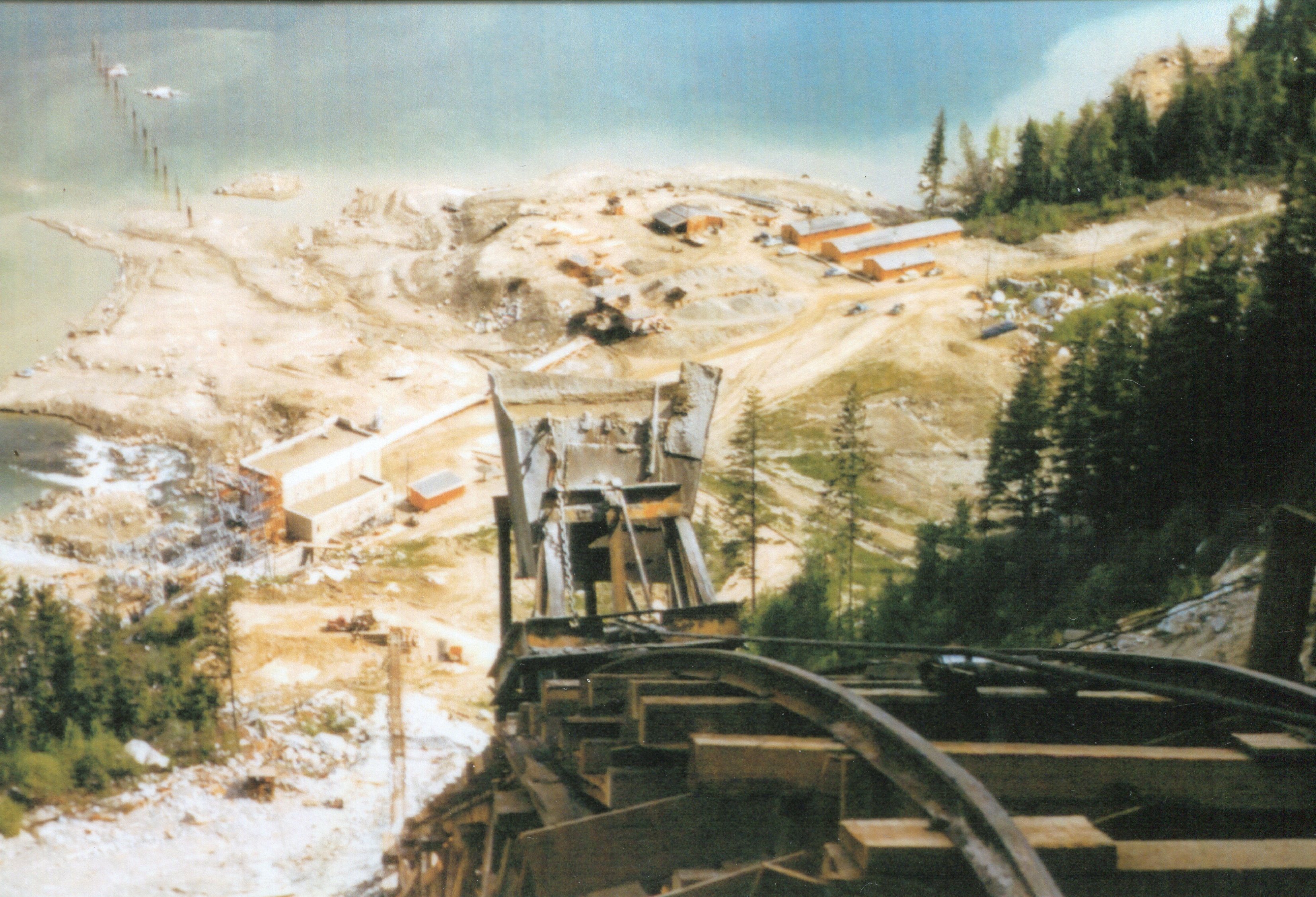
In 1948, the Whatshan power plant was built and provided employ­ment for every available man. The people started to improve their homes; toilets and running water were installed. In 1951, electricity was brought to Fauquier. In 1965, Hydro bought the whole of the Needles Ranch. It was surveyed into the present site of Fauquier. With the installment of the Keenleyside Dam, the lake was flooded. Most people moved away, but some moved into the new town.

New Whatshan Powerhouse under Construction

New Whatshan Powerhouse under Construction

Today, logging is still the main industry of Fauquier. Without it Fauquier would die. Since Fauquier is a bridge point, the general store, gas station, and the presently defunct motel still have potential for growth in business. Today, Fauquier’s population consists mainly of retired old people due to its beauty and quietness. The school is closed. The BC Forestry Service relocated to Nakusp and Nelson. Young families have moved away due to lack of work. The town seems to have come to a halt. There are fewer social activities or get-togethers. The future doesn’t look very promising. The question is: Will Fauquier survive?

In a future post I will add a note of optimism by pointing out the many attractions that the big overcrowded cities just cannot match: tranquility, serenity and beauty experienced through an impressive number of recreational activities. Is there potential for economic growth in a pastoral setting? Perhaps. For now, I can only express my hope that this will be so.

Short History of Fauquier BC – Part 1

The First Settlers and Pioneers

Adapted from an Untitled Document at the Arrow Lakes Historical Society

Photos from A. Devlin’s Personal Archive

Fauquier lies 60 km south of Nakusp. It was chosen as a settling site due to the plentiful supply of fresh water, fertile soil, and suitable climate. Also, because the land was easy to clear due to a forest fire that had swept the area twenty years previously.

Prior to 1895 only trappers and prospectors lived on the site of Fauquier. One prospector, named Dugelle, located a silver claim on Hart Creek. He developed his claim, and sold it to George and Harold Thompson, who were farmers.

In 1897, the first settlers arrived. The three Funk brothers walked over the Monashee and pre-empted three large blocks of land. They cleared their land, and made it into a fine farm. Mr. L. Funk built the first local roads.

Mr. Frederick George Fauquier, son of Bishop Fauquier of Algoma, Ontario, arrived in the area in 1910. He acquired four large blocks of land that extended 1 square mile. He hired native people from the Oatscott reservation near Burton to clear his land. Orchards and quick crops of small fruits were planted. His land brought him great wealth. Fauquier called his farm “the Needles Ranch”.

A395

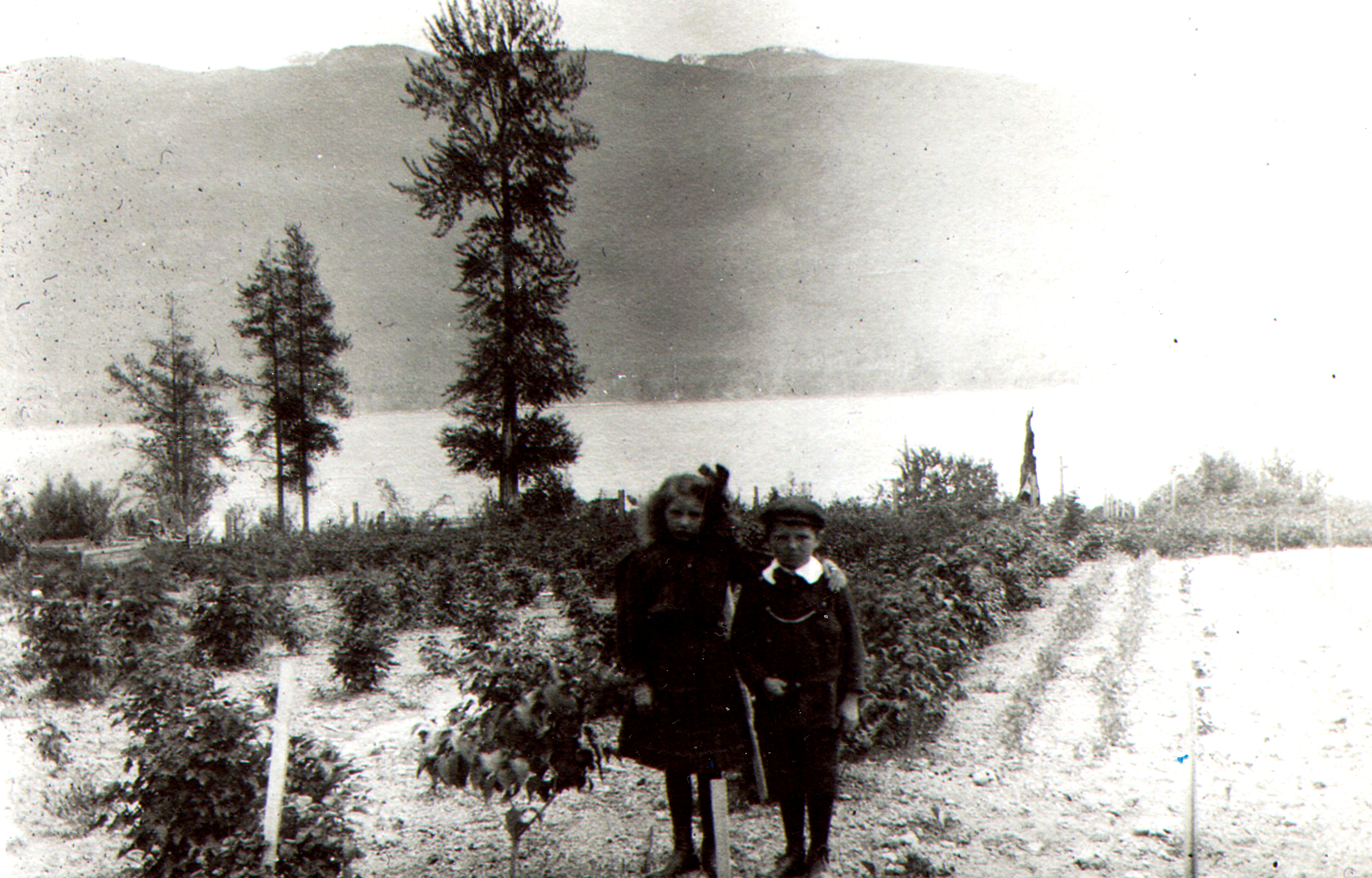
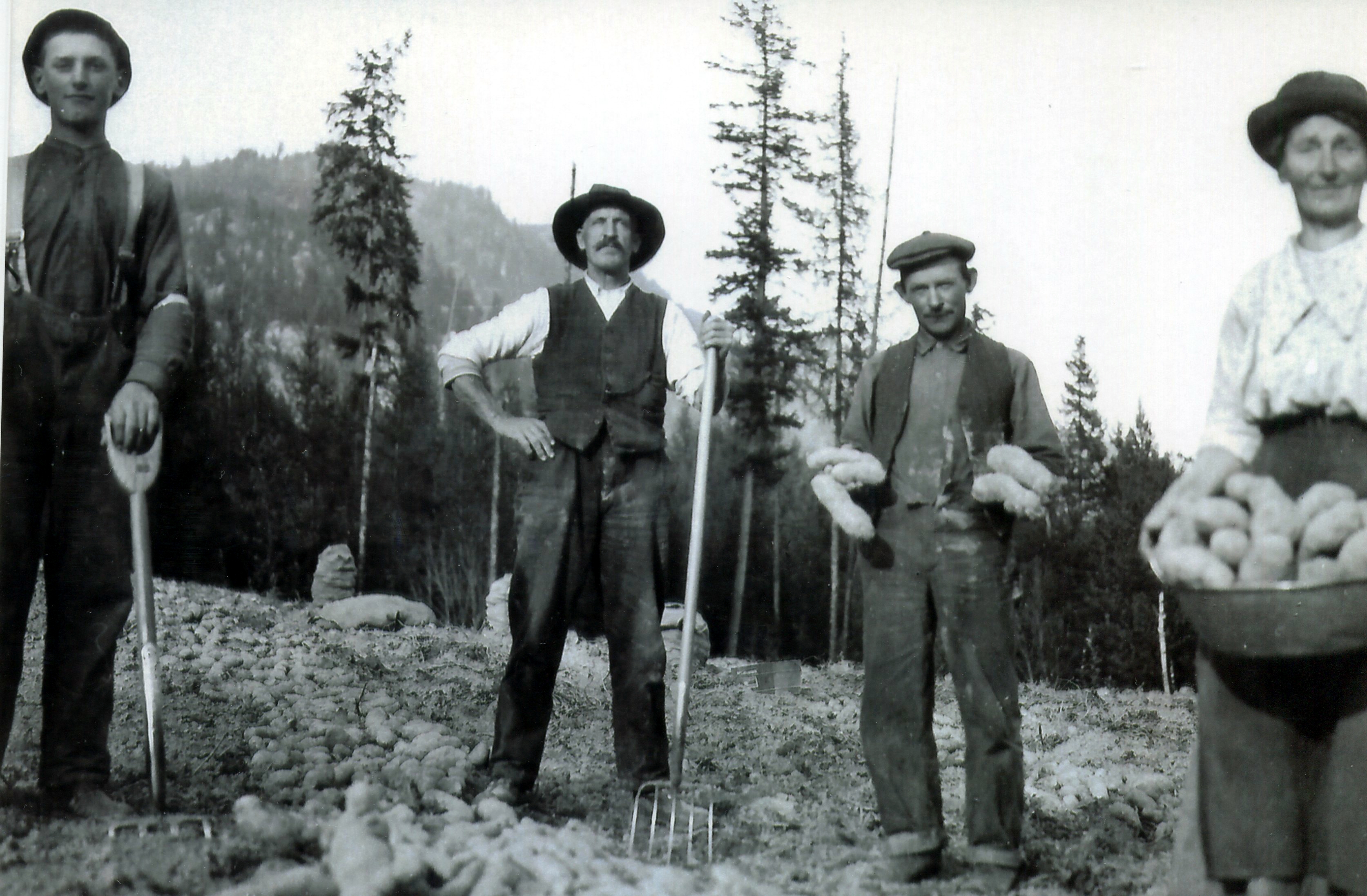
Fertile Land Producing Abundant Crops

In 1910, Mr. Fauquier had the rest of his land surveyed into 63 small farm holdings. During this time, the Arrow Lakes was widely advertised as a fine fruit growing area; so his lots found ready sale. People soon moved in and planted orchards all over. Small fruits were already plentiful and provided the local people with much needed cash when they were picked.

A363

Minto, One of the Sternwheelers Serving Fauquier

The first school was built in 1912. It was made of logs, and at first, it lacked doors and windows. The people held socials and dances in it to raise funds for the windows, doors and other supplies. When it was finished and ready for use, 25 children were enrolled.

In 1913, the town was finally given a name. It happened when Mr. George E. Smeddley built a fine general store and post office. A place had to have a name in order for goods to be sent there. In honor of Mr. Fauquier, his name was chosen since he was the founder of the “Needles Ranch.”

More on Bruno Kegler and His Family in German

 Bruno Kegler und Seine Familie

Chart II a – I, II, III, IV

Contributed by Dieter and Edda Barge

Wir möchten heute über Eddas Großeltern mütterlicherseits berichten. Eine Hilfe dabei sind die bereits genannten Ahnen-Unterlagen von Erich Engel und ein Fotoalbum, dass Oma Johanna für ihre Tochter Elisabeth (Eddas Mutti) gefertigt hat. Erich ist Johannas Cousin, man sieht beide auf folgendem Foto:
Bild 1

Bild 1

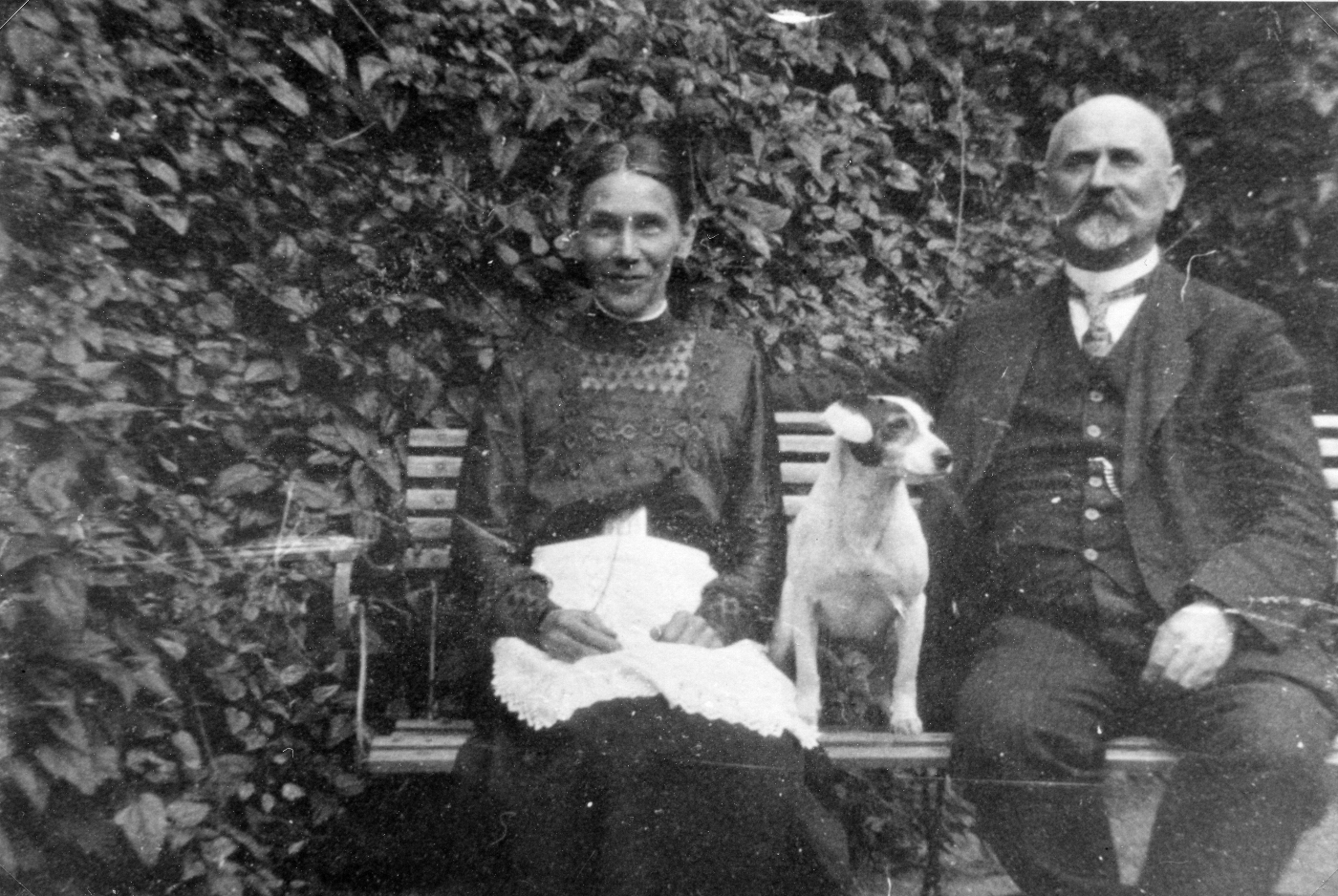
 Eddas Opa Bruno Kegler entstammte einer Pastorenfamilie. Er wurde am 14.8.1901 in Grünewald, Kreis Neustettin in Hinterpommern, als 6. Kind in der Ehe von Pastor Karl Kegler und seiner Ehefrau Elisabeth, geb. Maas, geboren. Erich Engel ermittelte als ältesten Vorfahren der Keglers einen Gottfried, der sich noch Kägeler schrieb. Gottfried wurde in Luchow bei Stettin geboren und starb am 12.Mai 1715. Hier die Eltern von Bruno:
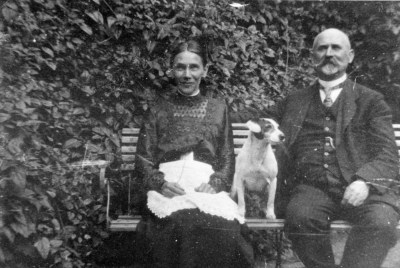
Bild 2

Bild 2


Bruno 1906 und 1924:

Bild 3 und Bild 4

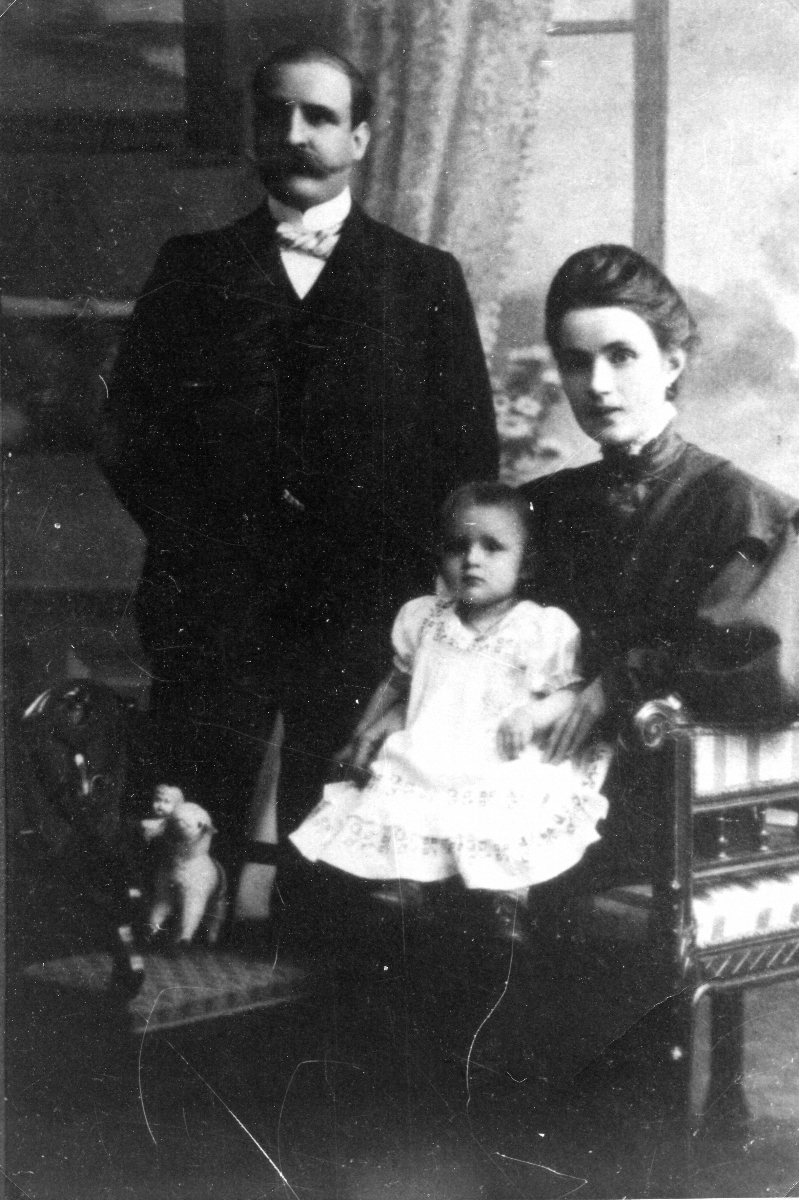
 Das nächste Bild zeigt die Eltern von Johanna, Oberschullehrer Ludwig Engel mit seiner Frau Margarete, geb. Janke, und der kleinen Johanna, die am 15.März 1907 in Bad Ziegenhals, Kreis Neiße geboren wurde und das einzige Kind blieb.
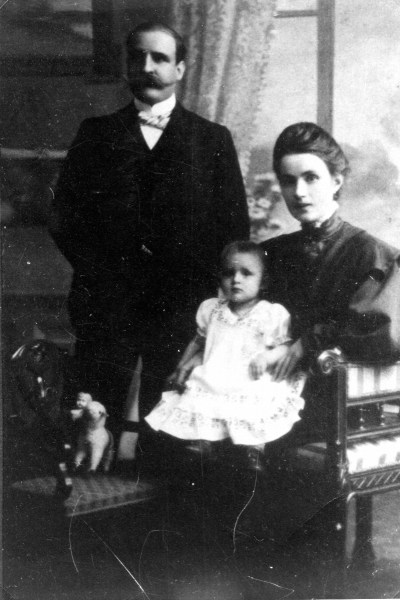
Bild 3

Bild 5

 Johanna verlebte eine glückliche, unbeschwerte Kindheit und wuchs in einem harmonischen, fröhlichen Elternhaus auf. Sie besuchte das Lyzeum und die Studienanstalt in Hirschberg, später die Frauenfachschule in Görlitz und von 1929 – 1931 das Lehrerseminar in Stettin. Bruno erhielt seinen ersten Unterricht in der Volksschule Grünewald bei seinem Vater, 1911 trat er in die Kadettenanstalt in Plön ein, ab 1915 in Berlin-Lichterfelde, 1919 bestand er das Abitur, der Tod seines Vaters am 15.Juni 1919 traf ihn hart. Er trat in den Grenzschutz ein und begann ein Medizinstudium in Tübingen, das er aber wegen Geldmangel aufgeben musste. Er trat in den Zolldienst ein. In Neustadt/Oberschlesien befreundete er sich mit Hans Becker. Später wurde er nach Stettin versetzt Bei einem Besuch bei den Beckers sah er ein Bild von Johanna Engel an der Wand hängen und die Frau von Hans Becker, Ruth sagte “das ist meine Cousine Johanna”. Bruno wollte unbedingt Grüße von Beckers an Johanna ausrichten und lernte sie am 10.8.1928 in Stettin kennen. Nun begann für Johanna die wunderschöne Zeit der ersten Liebe. Sie sahen sich oft und unternahmen gemeinsame Wanderungen und Dampferfahrten. Bruno hatte nach dem ersten Zusammentreffen mit Johanna den beiden Damen, bei denen er als “möblierter Herr” wohnte, spontan erklärt, dass er seine zukünftige Frau kennengelernt habe !!! Am 29.April 1930 schlossen beide in Hirschberg den Bund der Ehe. In ihren Ringen war der 10.8.1928 eingraviert.

 Bilder 6 – 9

Bild 9 zeigt beide mit den Beckers. Der Weg der Familie führte sie über Bad Landeck (ab Jan. 1935), Bitburg (ab Okt. 1937), Königsberg/Neumark (ab Okt. 1938) nach Oppeln (ab April 1940). In Stettin wurden Hartmut am 14.4.1931(Bild 10) und Elisabeth am 31.12.1933 (Bild 11) geboren.


Bild 10                                                                                                                    Bild 11

Von Bad Landeck die Bilder 12-16.


Bilder 12 – 16

 In Bitburg wurde am 20.3.1938 Jürgen geboren.


Bilder 17 – 19

 Bild 19 entstand bei einem Besuch der Großeltern Ludwig und Margarete. In Königsberg führt der stolze Großvater Ludwig die großen Enkel zum Schwimmunterricht, die nächsten Fotos zeigen Ferienbilder von Stolpmünde.
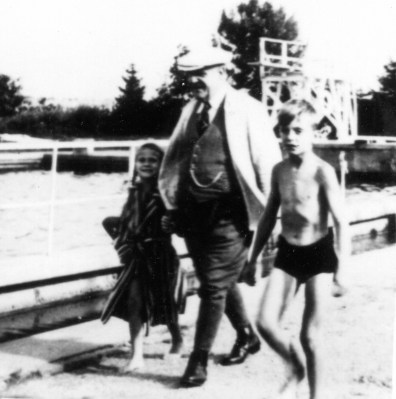
Bild 20

Bild 20


Bilder 21 – 24

 Auf den Bildern 21-24 sieht man Oma Elisabeth. Dann begann am 1.September 1939 der unsägliche Krieg. Bruno musste den Polenfeldzug vom 1.September bis zum 6.Oktober mitmachen. Bild 25 zeigt Bruno in Uniform, Bild 26 die Familie bei einem Urlaub im Januar 1940.
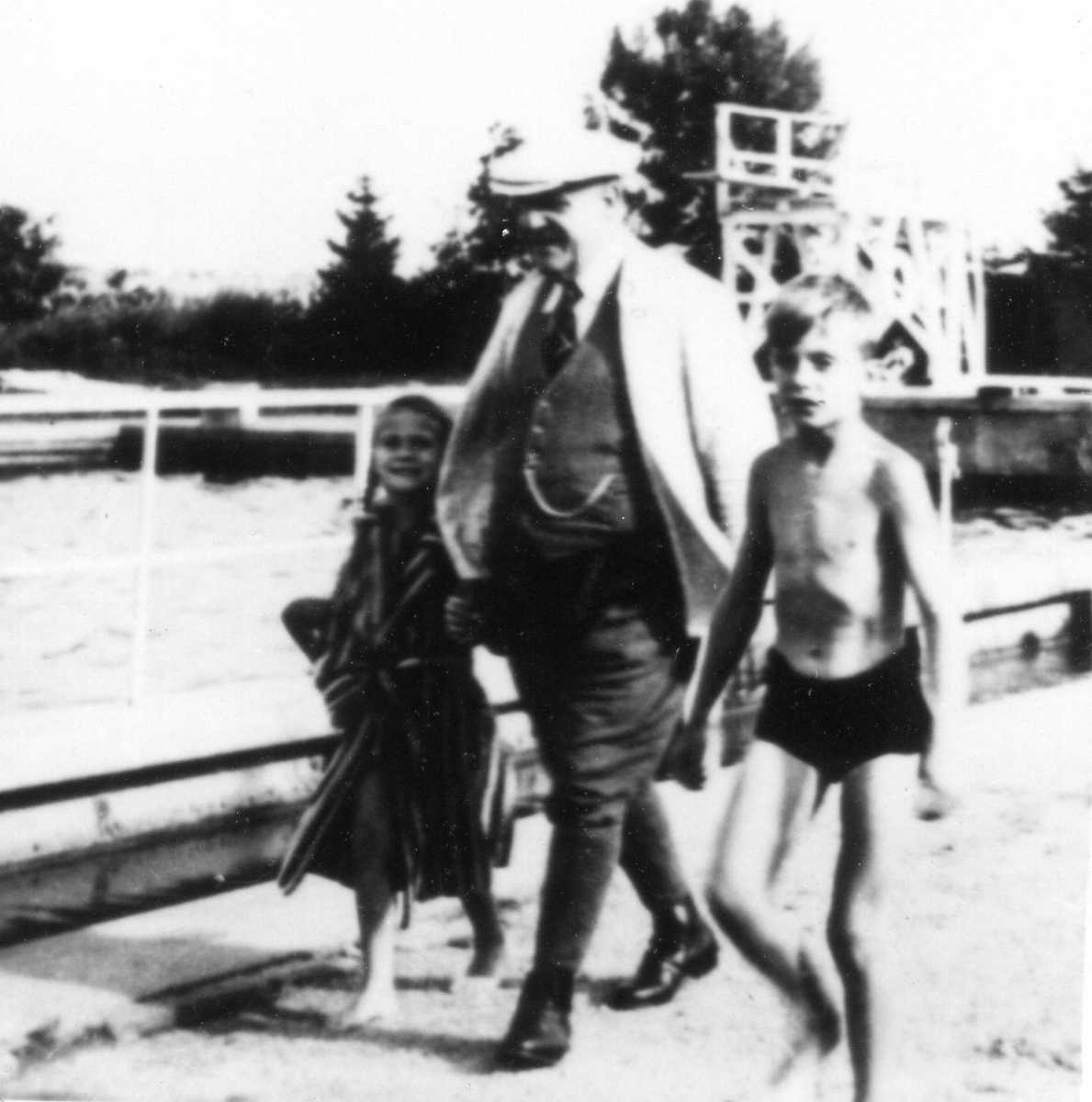
Bild 25                                                                                                                   Bild 26

 Am 18.6.1940 fiel Bruno in Kientzheim/Elsaß. Hanna schrieb im Album: Manchmal wollt’ ich fast verzagen, und ich dacht-ich trüg es nie. Und ich hab es doch getragen, aber fragt mich nur nicht -wie.-” Über diese schlimme Zeit berichtet Dieter in einem gesonderten Beitrag! Oma Hanna ging bald mit den Kindern nach Hirschberg zurück. Es schließt sich zeitlich der schon eröffentlichte Bericht von Hartmut über die Flucht nach Mellen an.