Natural Splendour of the Arrow Lake

Wednesday’s Photos

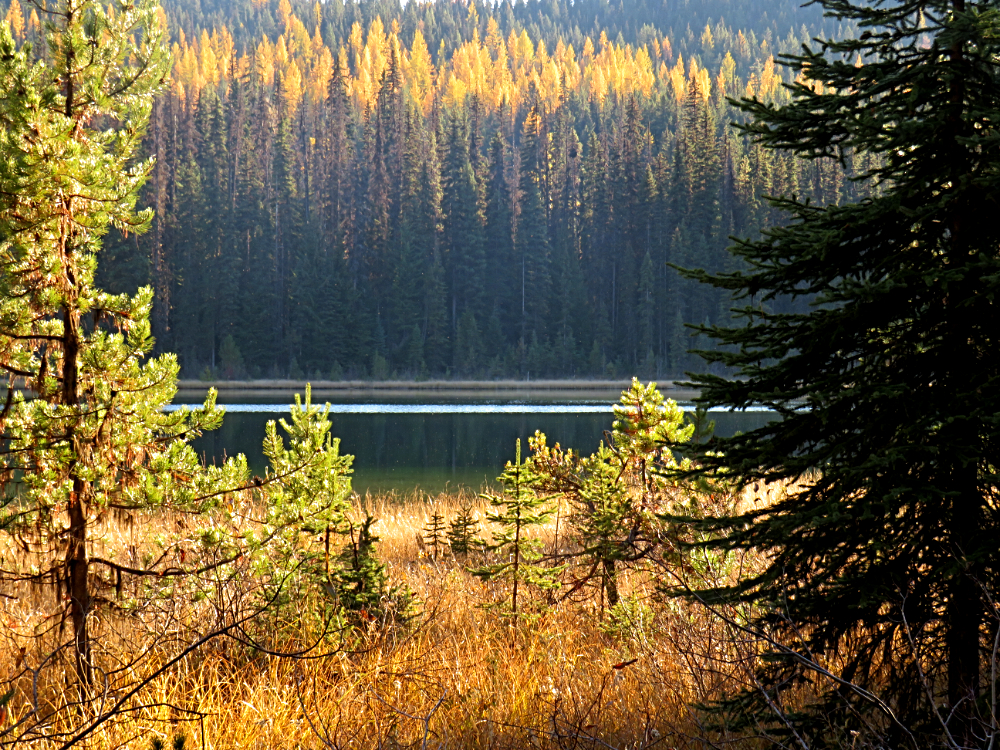
Autumnal Colours

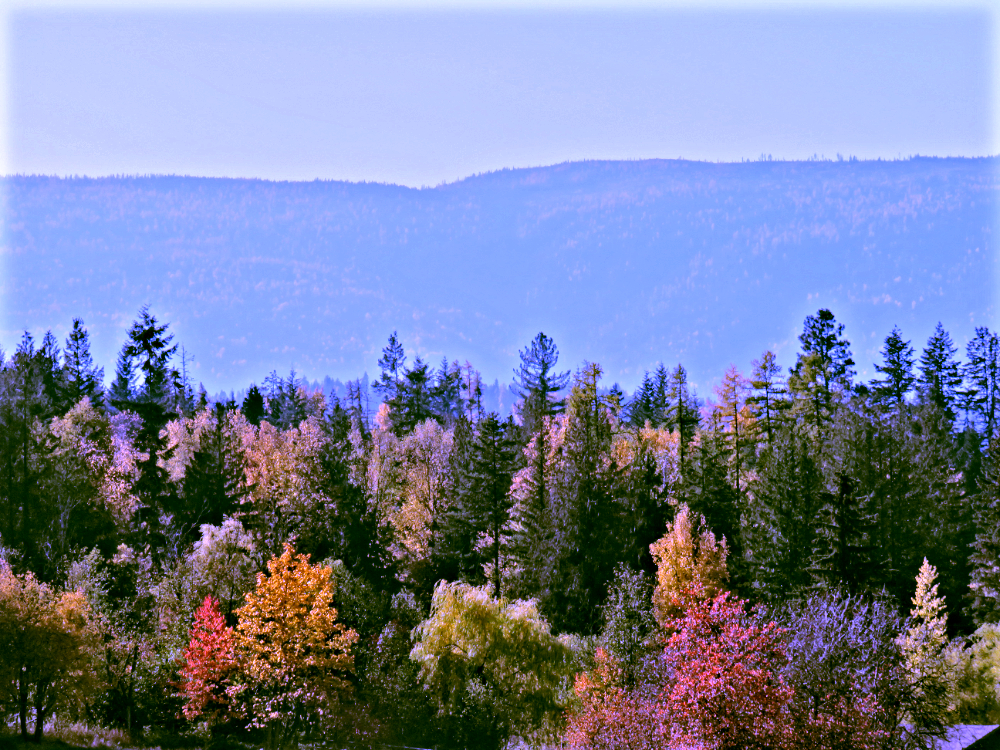
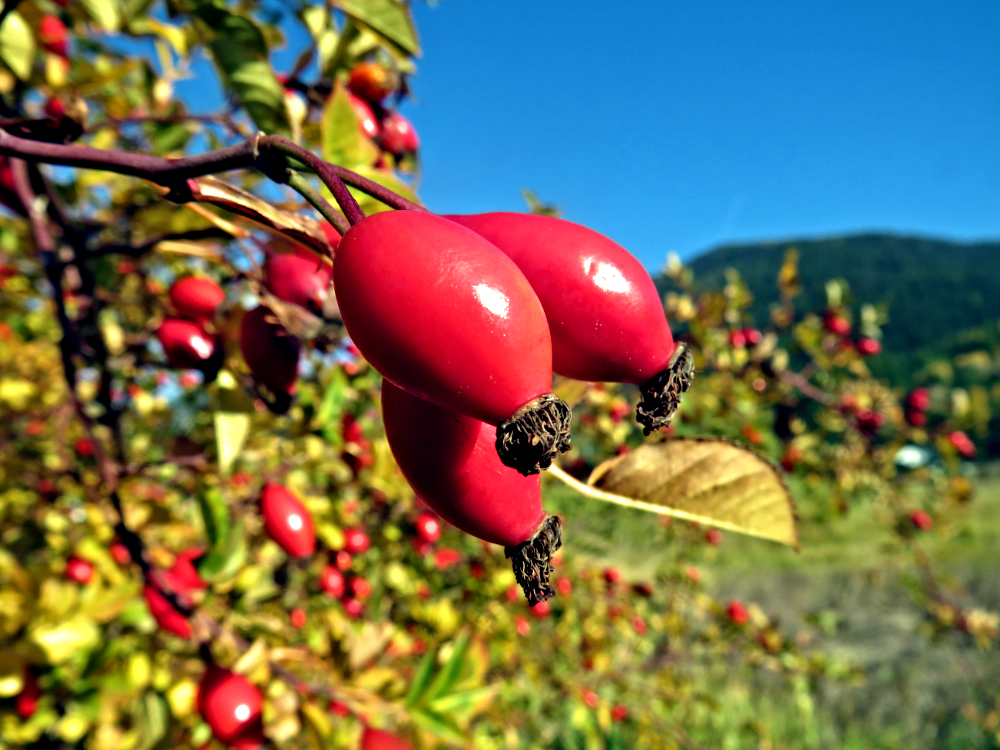
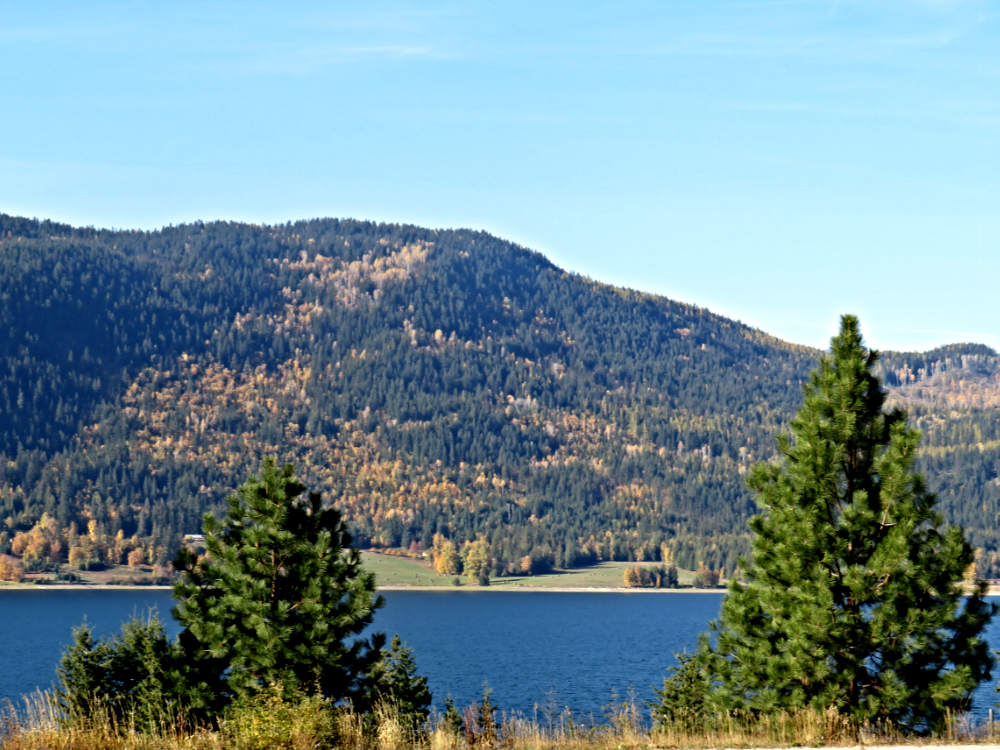
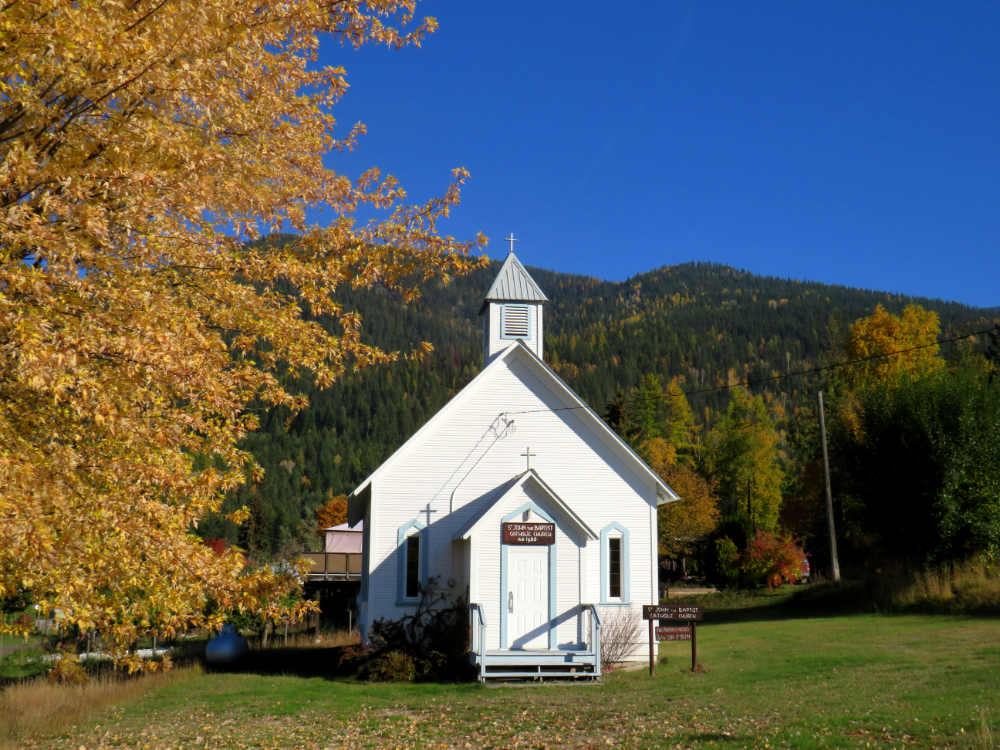
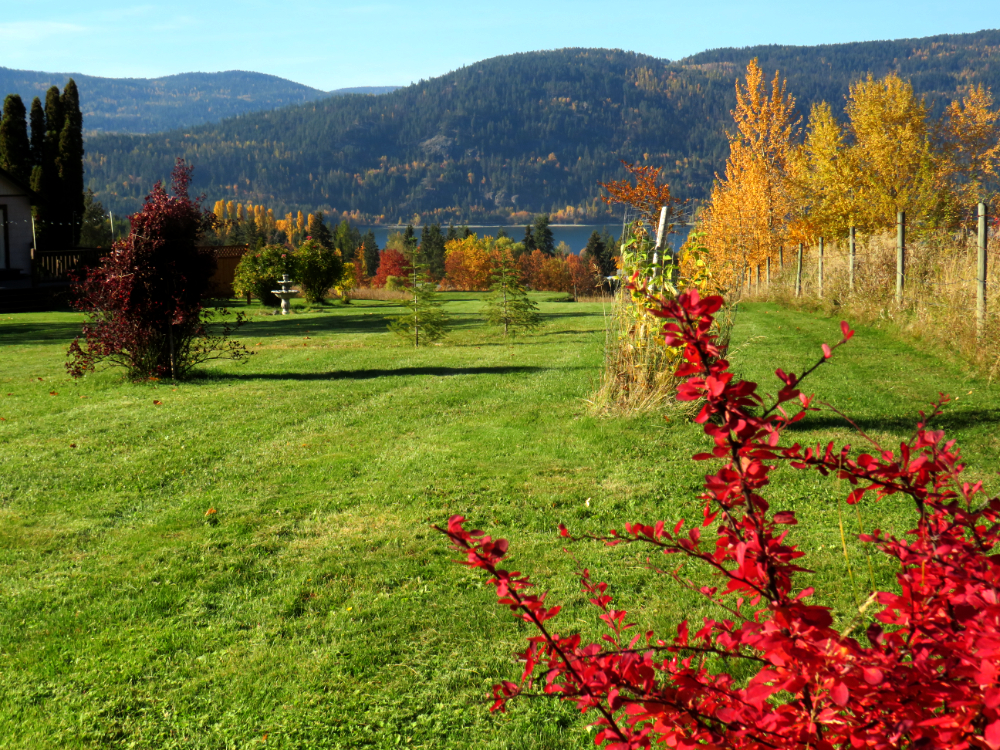
As Fauquier last week was basking under the bright sunshine with not a single cloud in the sky, I decided to go for a leisurely walk around our little community. We did not have a frost yet. So the fall colours did not include as much red as in other years. The rose hips helped a little to make a small contribution to my favourite fall colour. Enjoy.

IMG_4914EDIMG_4917EDIMG_4921EDIMG_4925EDIMG_4938ED

The Peter and Gertrud Klopp Story Chapter XIX

Alone at the Siemens Apartment Building

“Study hard, for the well is deep, and our brains are shallow.”

Richard Baxter

In search for a place to spend the next six months Mother had found a mini-apartment in a huge building complex that had been specifically built for single workers in the local Siemens factory. Small it was indeed. The room I called my own covered hardly an area of fifteen sq. m. I shared the hallway, which contained a few basic kitchen facilities, with an older man next door, who fortunately moved out before Christmas with no one moving in to replace him. On the right side of the hallway was the common bathroom with a shower instead of a bathtub. In spite of the limited space I was extremely happy to have my own four walls with a large window and even a tiny balcony facing the rising sun.

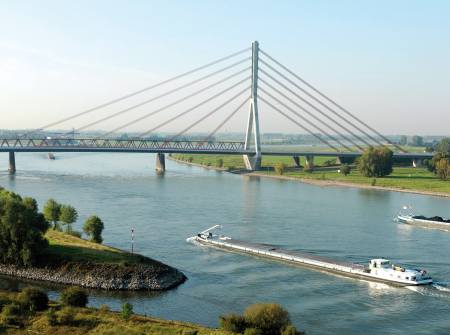
Wesel at the Rhine

It was from here that I wrote my first letter to Biene’s twin brother Walter at the end of August. As promised I included schematics of electronic circuits that I thought might be of interest to him. Of course, I had not forgotten Biene, whose image began to fade in my mind, but whose idealistic afterglow I cherished all the more. “And do not forget to greet your parents and Biene from me,” I ended this letter and all subsequent ones. Walter promptly replied and inserted an advanced RC transistor diagram that was far too complex for me to understand or to be useful for my simple projects. But the desired connection had been made, and before long Biene and I were corresponding with each other. There were two important aspects to the letters, which were traveling back and forth between Velbert and Wesel. One, they opened a window and brought bright sunshine and fresh air into the often gloomy, stuffy interior of my soul; two, due to the physical distance we could write about our thoughts and feelings, wrapped up in a flowery language, carefully worded and lovingly presented. We opened our hearts to each other and discovered that we both had a romantic vein that was rich and seemed to be inexhaustible. In short, the seeds of our developing relationship had fallen on fertile ground. For me in particular, the correspondence proved to be a journey into the wonderful world of self-discovery. I enjoyed creating written tableaus depicting dream-like, often melancholic scenes with fact and fiction imaginatively intertwined. They engendered in a perpetual cycle an ever increasing sense of self-awareness. Reminiscing about a stopover at a railroad station I once wrote her.

Wanne-Eickel 22:10

          Over the railroad station sways the moon. Its pale light flickers through dense patches of fog, and the moist shimmering rails vanish behind the impenetrable wall of uncertainty. I am pacing the empty platform up and down, three minutes forth, and three minutes back. Slowly, hesitatingly the heavy hand of the clock advances from one-minute mark to the next. Lost in thoughts I look up to the moon. The cold, damp forces of nature’s power attempt to snuff out its golden light. But it is not you, good moon, who are eluding me, you, the embodiment of all my happiness. No, around me lurk the cold forces; they seize me with their moist fingers. Oh happiness, you would always dwell among people, if darkness were not all around us that hides you and saddens my heart. Two lights emerge from out of the fog. They have a goal; they glide over solid tracks. I can put my trust in them. In vain the dense fog is clutching to hold the iron vehicle; it cannot delay its course. I step onboard. 22:20

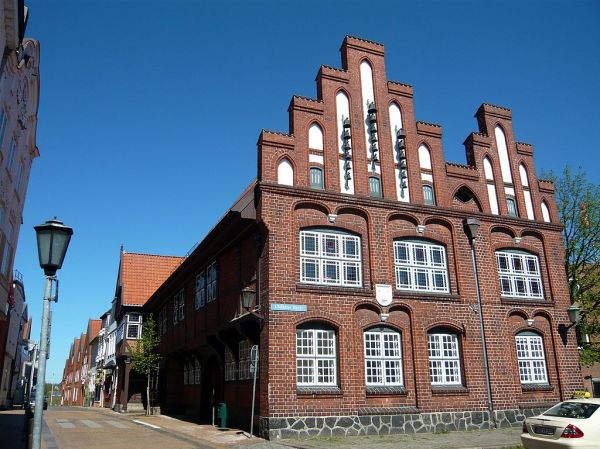
Old City Hall of Rendsburg - Photo Credit: wikipedia.org

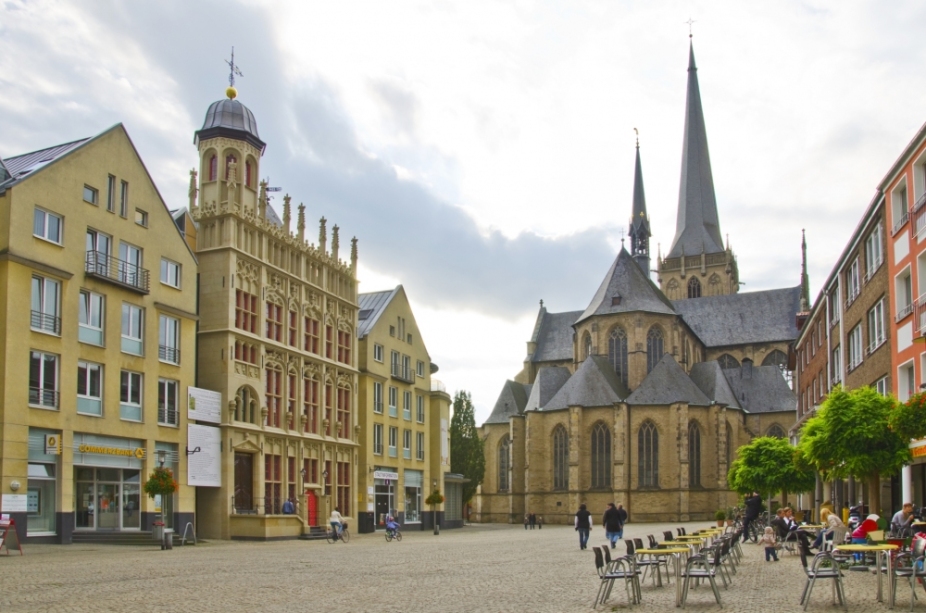
Shortly after I had written the letter to Biene with its sentimental railroad story, I traveled by train to Rendsburg in Northern Germany to attend my eldest brother’s wedding. Karl’s bride was Ingrid Lehmann, born in Königsberg (now Kaliningrad), East Prussia, whose father was a retired sea captain. Karl was making sure that everything was prim and proper for the festivities. He checked out my clothes and appearance very carefully and was quite pleased with the new suit I was wearing. Even though I had shaved in the morning, Karl spotted the beginning of new growth darkening the area around my chin and requested for the sake of the important event another shave. Putting my usual stubbornness aside, I complied with his request.

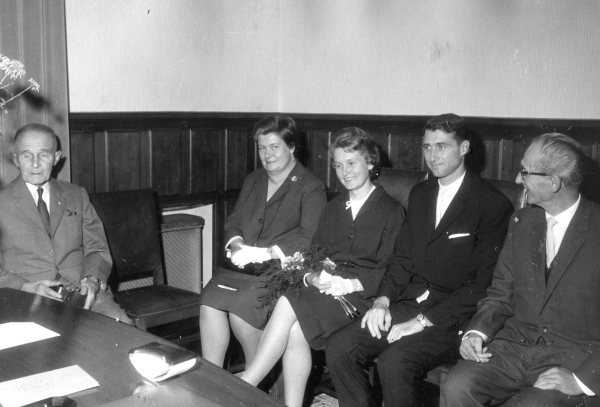
Wedding Ceremony at City Hall

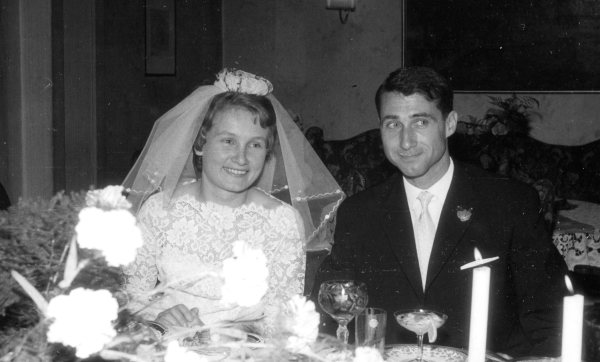
With almost all close relatives present it was a memorable wedding. At the banquet Captain Lehmann and Uncle Günther solemnly delivered words of wisdom, reflections on their lost home provinces in the East, fine speeches, which were recorded on tape and can still be heard today on audio CD. It was here in Rendsburg that for the first time I was seriously contemplating about what it would be like to tie the knot and form a life-long partnership in marriage. I also began to see that hard work at school and university must come first to realize such dreams. I thought that as an electronics engineer I might have a fairly good income to support a wife and family.

Karl and Ingrid Klopp (Lehmann) at the Wedding Banquet

One Drink Too Many

550_6_historische-rathausfassade--grosser-markt-flaggschiff-film

When I returned from my brother’s wedding, I resolved to be more goal-oriented, to study hard, to raise myself above mere mediocrity to an academic achievement I could truly be proud of. On the wall hung the work schedule, which I had imposed upon myself outlining a rigorous timetable: getting up at six, attending school from 8 a.m. to 1:30 p.m., taking some time off till three, doing homework and studying till five. After supper followed another two hours of intensive study. I had a lot of catching up to do. An hour before it was time for me to go to bed. usually around ten o’clock, I critically reviewed my day. And if according to the work schedule I had passed the test, I rewarded myself (and only then) with a small shot of vodka and let the pleasant warmth penetrate my body as a form of instant relaxation. The master allowed the slave to temporarily forget the self-imposed burden. At moments like these I would grab my guitar, play a few simple classical pieces composed by Carulli, or take out the harmonica and strike up a potpourri of folksongs, pop music or my favourite scouting melodies.

Bild 62

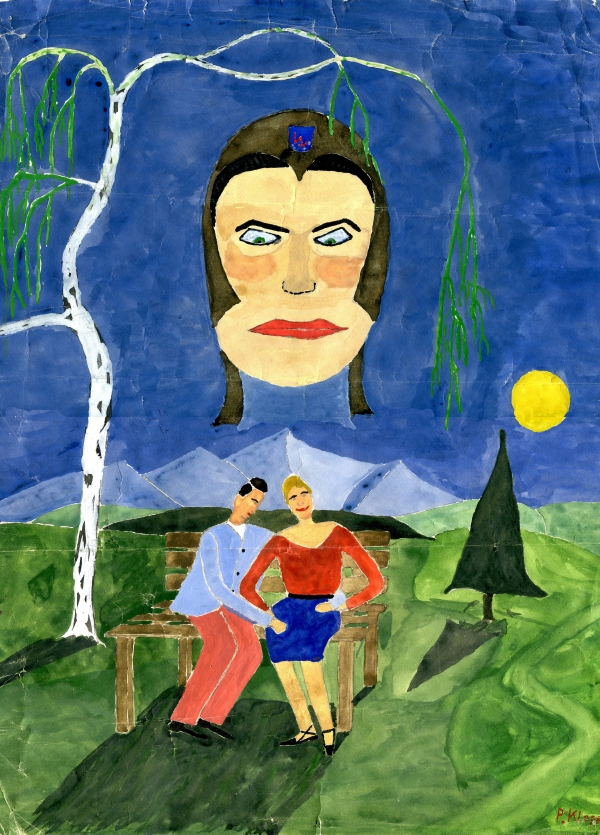
Water Colour by Peter Klopp 1962

At times when I felt in a creative mood, I would open the metal box with a dozen or so water colours and try my untrained hands to paint a picture often with a futuristic theme inspired by my voracious reading of science fiction novels. One picture (see above) depicts a romantic scene showing a young couple sitting on a park bench under the light of the full moon. High above the horizon towers the head of a helmeted space woman of a distant century in the future, whose envious eyes are glaring down on the romantic couple below.

          Wilhelm, my classmate, came to school from a neighbouring town. His father produced apple juice, with which he tried to compete with the popular Coca Cola product that was making economic inroads into the German beverage market. Wilhelm once demonstrated in our school how corrosive coke was by filling two glasses, one with his father’s apple juice and the other with coke. He then threw an iron nail into each glass. In the following week, when we entered the chemistry lab, we were astounded by what we saw. The nail in the glass filled with coke was completely encrusted with rust, whereas the one in the apple juice was still shiny and unaffected. However, we failed to see the connection to the possible ill effects that the popular drink might have on our sensitive stomach linings.

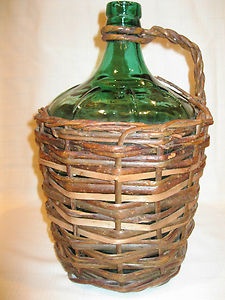
          It was about two weeks before Christmas, when Wilhelm came up to my apartment and brought me a 10-liter jug of apple juice. I placed it on the hot water radiator. Without the aid of a wine making kit with its expensive accessories we embarked on producing a cider by letting Mother Nature do the job. After only a few days I could report to my friends in school that bubbles were rising in the bottle, a certain indication that the process of fermentation had begun. Hans, Helmut, Wilhelm and I were already looking forward to our Christmas break party with the potent apple wine in the making. Soon the bacteria finding ample food in the juice and turning the sugar into alcohol multiplied a million times over generating COat first weakly fizzing, then growing into a crescendo very much like the sound of rushing waters. Finally the bacteria had done their duty, and the homemade cider was ready for the party. School was out. In the New Year the final race would come to the finish line. The dreaded written and oral exams were looming on the horizon. So we four all felt the need to let go and put aside for a while our worries and graduation blues. I had put the jar outside into the wintry air on the balcony to chill the brew into a refreshing drink. We made ourselves as comfortable as possible in my tiny room. My three friends were sitting on the couch that converted into a bed and I sat on the only chair at my desk, whose prominent occupant was the giant jug with its delicious content. I poured the cider into coffee mugs. There were no glasses in the mini-kitchen. At first we had a serious talk about our plans for the future. The classroom genius Hans wanted to enroll at the Marburg University to study nuclear physics; Helmut, the lawyer’s son, was seeking a position in economics; Wilhelm planned to embrace a teaching career, and I had set my eyes on becoming an electronics engineer specializing in high frequency technology.

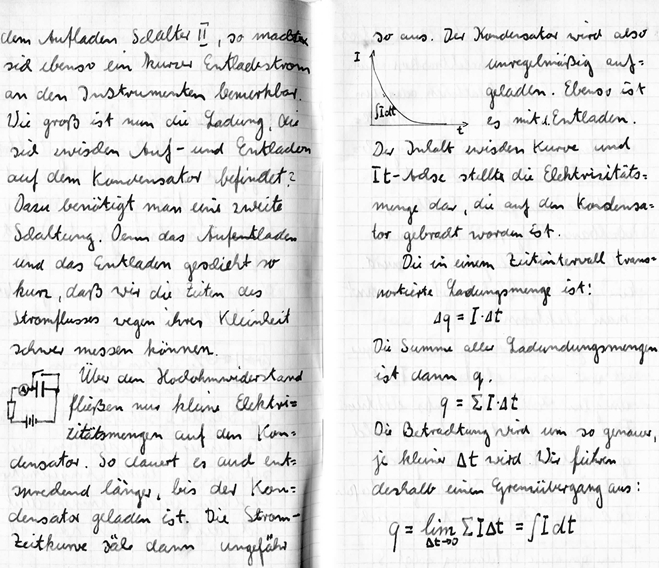
Aus Elektronik 62

 I poured us another cup of that deceptive cider that tasted like a refreshing fruit drink but carried a powerful punch. Hans tuned my guitar and starting picking a few melodies. Most Siemens workers in the building had gone home to their families. The apartment building was almost devoid of people. So there was nobody we would disturb with our singing. After another cup we had reached the point where singing had become the necessary ingredient for the continued success of the party. The vocal chords well lubricated by the smooth drinks were ready to metamorphose us into a cheerful bunch of young men.

Wine Jug

To the great delight of my friends, after we had gone through our favorite scouting and traveling songs, I offered to sing a spiritual to express my sentiments over our oppressive teachers in school: “When Israel was in Egypt’s land, let my people go. Oppressed so hard, they could not stand …”, which I sang with the deepest voice I could muster without floundering. Now Hans injected rhythm into the life of the party and played masterfully one of the Flamenco style pieces with the beats being pounded vigorously on the guitar body. “That was the rendition of our friend and maestro worthy of another drink”, I said. By now the content of the 10-liter jug had dropped to about the halfway mark. Suddenly Helmut got up and said he had to go to the bathroom. The way he staggered into the hallway made it clear that he had already had too much to drink. Someone said, “I hope he’ll find the toilet in time. He looks ‘blau’ (German slang for drunk) to me!” Now one must know that in Germany you locked the bathroom door with a key. Poor Helmut must have taken it out and dropped it on the floor. All of a sudden we heard him call, “Let me out! You locked me in!” We rushed into the hallway and tried to convince him that he was the one who locked himself in and that he would have to find the key. “It is not in the lock”, he complained.

          “Then it must be on the floor. Look for it”, we replied. Finally he located the key. What came next is incredible. Helmut’s level of intoxication was so far advanced that his eye-hand coordination was severely hampered. He was unable to insert the key into the keyhole. Imagine the hilarious scene, in which we three friends tried very hard to give him directions how to put the key into the hole. I was just about going to call the janitor for help, when Helmut managed to open the door. He looked pale and disgruntled, whether it was out of embarrassment or intoxication, we could not tell. Without saying good-bye he took his coat and left. Needless to say the bathroom incident had put a damper on the jolly time we were having. Nobody felt like having another drink. The party was over.

From Graduation into Carnival

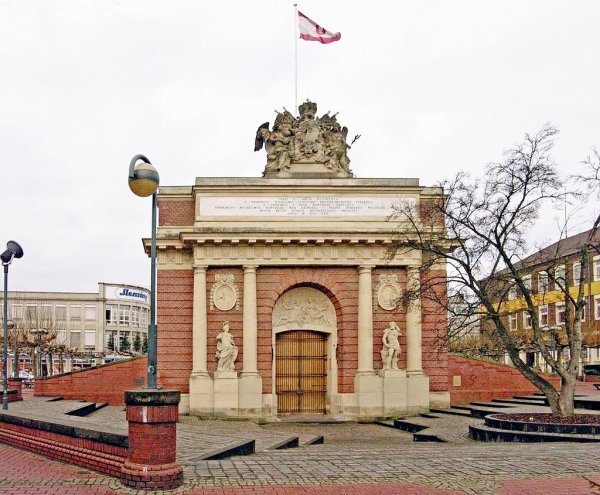
Wesel 'Berlin Gate' - Photo Credit: wikimedia.org

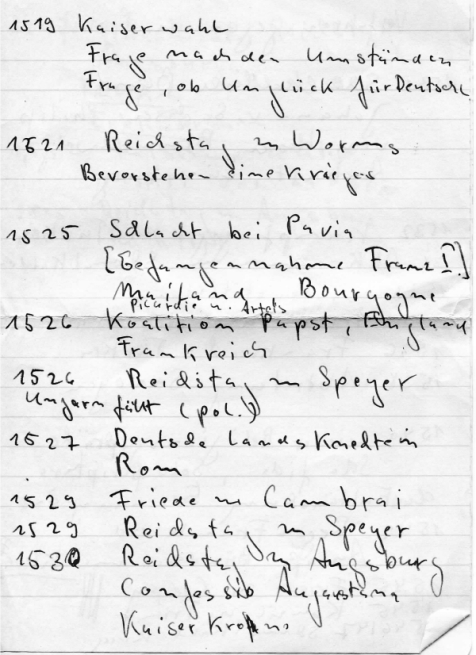
When school continued in the first week in January, I avoided all distractions and focused all my energies on last minute studies. By now the school administration had let us know the subjects and topics, in which we were to receive our oral examinations. For me it was Charles V in History and Calculus in Mathematics. In the remaining four weeks I emptied an entire bottle of vodka, which one could take as evidence for my industriousness. I rarely missed to fulfill my daily work quota. Indeed I would go sometimes overboard and even skip my time for relaxation with guitar or harmonica. One morning I woke up late. I was shocked to discover that I had forgotten to set the alarm clock. School had already started, so I quickly jumped into my clothes, grabbed my books, and without having had breakfast I raced to school in record time and barged into the classroom, where my homeroom and German teacher Herr Aufderhaar had just begun a lesson on German romanticism. Because he was bald and also taught religion, we had given him the nickname ‘Kahler Jesus’, which means Bald Jesus in English. He took one look at me and instead of being angry about my tardiness showed remarkable understanding for my circumstances. He teased me good-naturedly and remarked to the entire class, “Klopp is not just late for class. He did not even shave!”

Charles V

 For the oral exam in History I was well prepared. The main topic that I was given was the era of Reformation with special consideration to the way Emperor Charles V dealt with the schism that threaten to tear apart the Holy Roman Empire of German Nations. I had about thirty minutes to write down a few notes for my presentation. Then when my turn had come and I was led into the somber exam room, I described in poignant details the political struggles of the emperor against France and the Turks and the frustrations he, as a good catholic, experienced with the rapid spread of the protestant revolt against the corrupt Church of Rome. I was no longer the timid student who once stood trembling with fear in front of our history teacher. I boldly and convincingly expounded all the pertinent factors that determined Germany’s future historical and religious landscape. I took the entire time allotted for the oral exam. So the committee of principal and teachers had no time to ask any unsettling questions at the end. I walked away with the confident feeling that I had consolidated my satisfactory standing in History. Also in Math I was able to prove that I deserved a better final grade. My task was to find a solution for the total amount of work required to dig a cylindrical hole of a certain depth. Herr Müller, my beloved math teacher in the senior division, guided me through this difficult problem of integration. He so cleverly posed the right questions that they contained valuable hints allowing me to bring the session to a successful conclusion. It would have been nice to express my gratitude to an excellent teacher some fifty years later. Unfortunately, while I was searching the school Website I found out that he had passed away the year, before I started to write our family history.

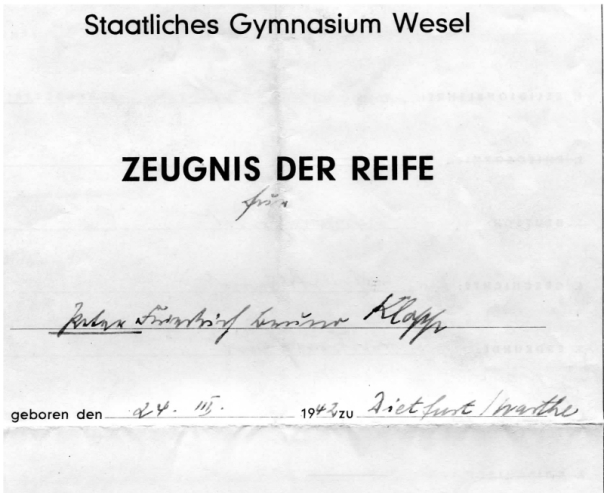
Front Page of my Graduation Diploma

With the prestigious graduation certificate (Abitur) in our possession we had access to many postsecondary programs offered by the German universities. As for me, two years of military service at the Bundeswehr (West German army) had to come first. In those days it was still possible to enlist as a volunteer for a period of 24 months instead of the mandatory 18 months with the advantage of receiving a handsome salary, becoming an officer of the reserve, and being able to choose an army unit in keeping with one’s technical abilities. I opted for service in the signal corps, a choice that definitely reflected my interest in electronics and communication technologies.

Newspaper

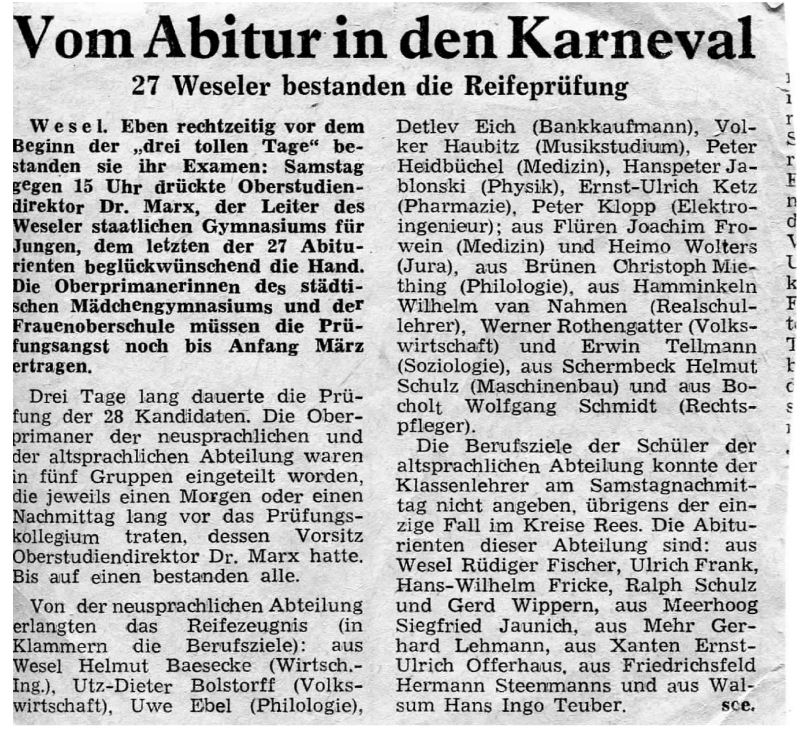
Newspaper Clipping with Names of the Graduates

It so happened that the graduation exercises had ended exactly at the start of the carnival season. Being together one last time with my friends and classmates, before we would scatter into all directions, I made full use of the golden opportunity to celebrate the great milestone and to lose myself in the relaxed atmosphere of the dance hall, forgetting the trials and tribulations before graduation and not worrying for the time being about the future. When the time of drinking, dancing and attending late night parties was over, I was physically exhausted, but for the moment I felt free as if a heavy burden had been taken off my shoulders.

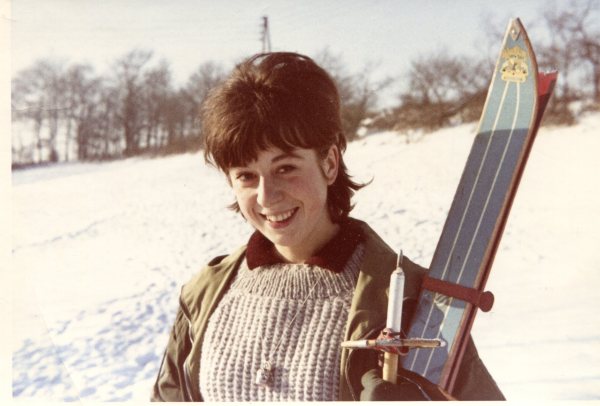
Biene with her first pair of skis - Winter 1963

I had not forgotten Biene. Now with more time at my disposal I wrote her a letter bringing her up to speed on my success at school and the tumultuous days at the carnival festivities. But what mattered the most I found the courage to express my feelings about what was so special about her in my mind. At the campground in the spring the year before I had discovered in her appearance the natural beauty that needed no cosmetic enhancement with rouge, lipstick or artificial hair colour. Biene for me embodied the ideal image of a girl. In the letter I gave her my father’s address hoping that she would reply.

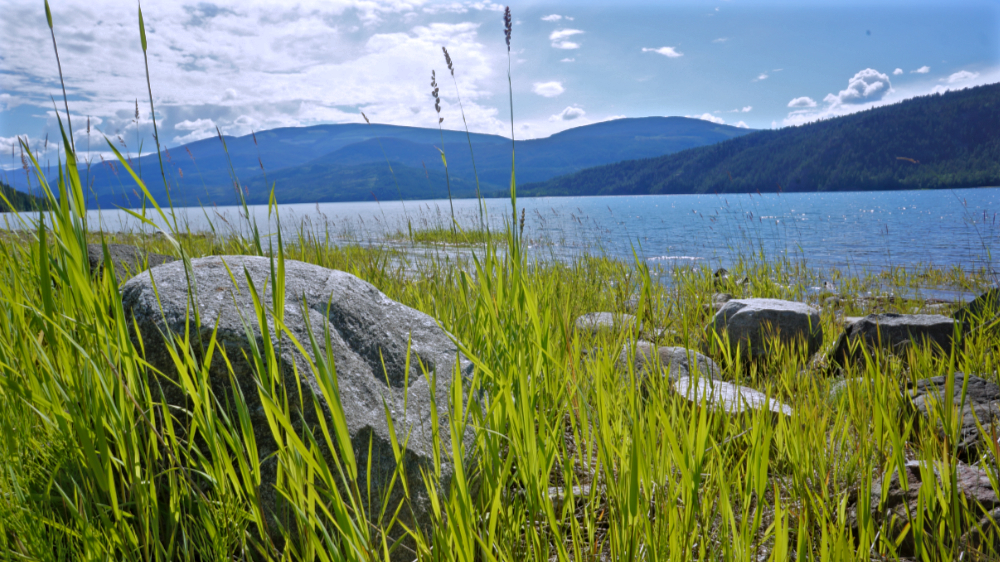
Natural Splendour of the Arrow Lake

Wednesday’s Photos

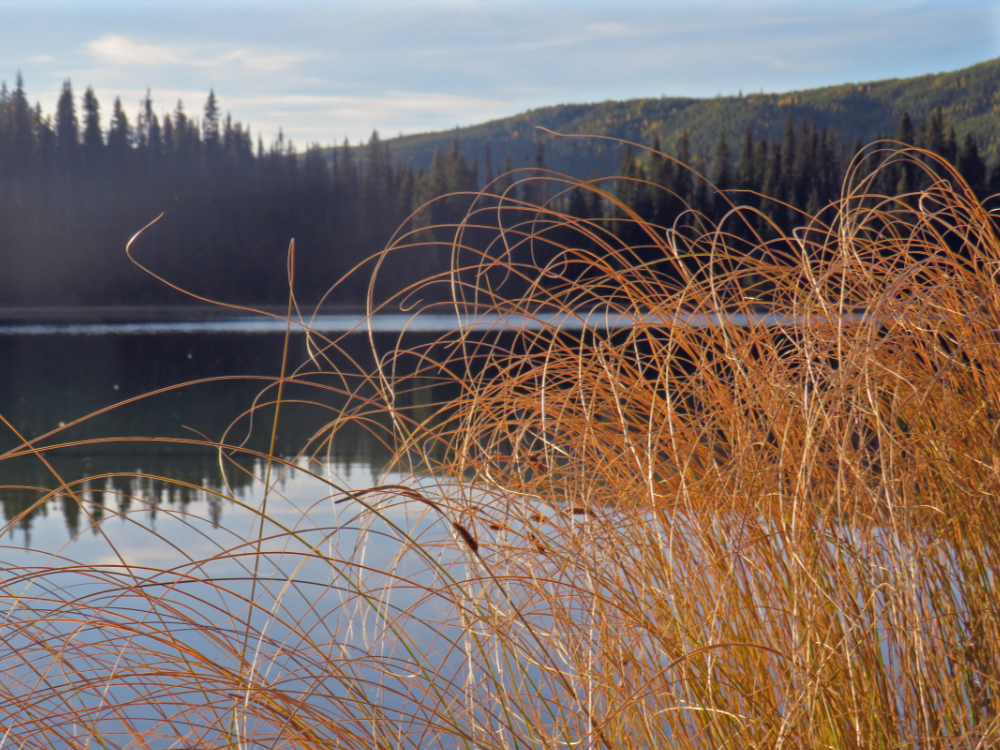
Autumn Impressions

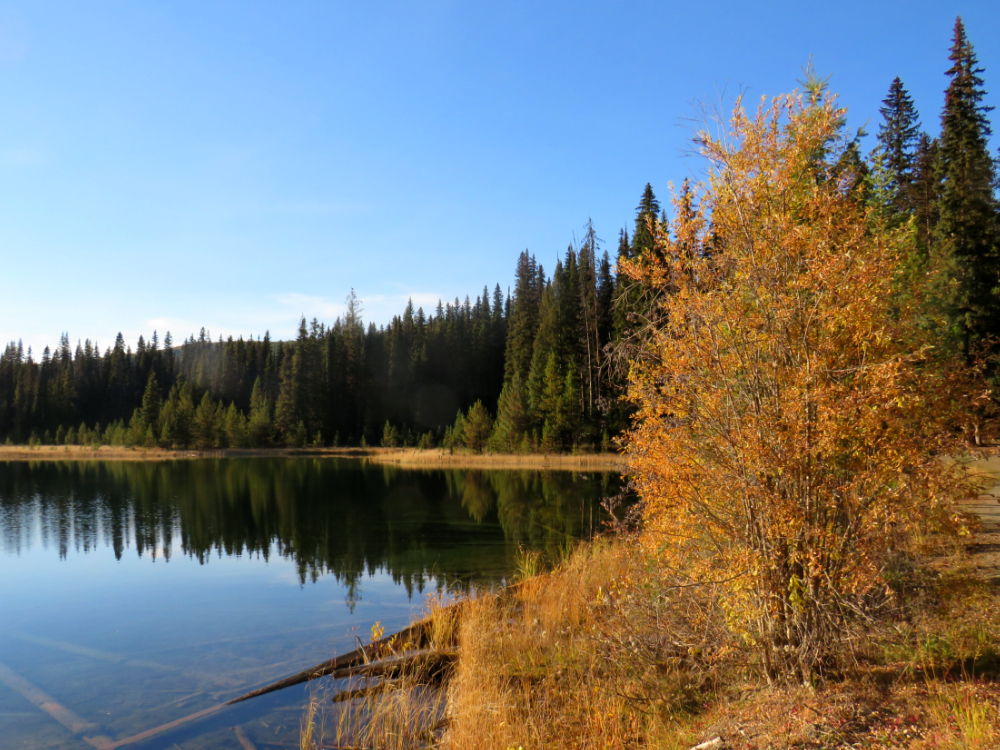
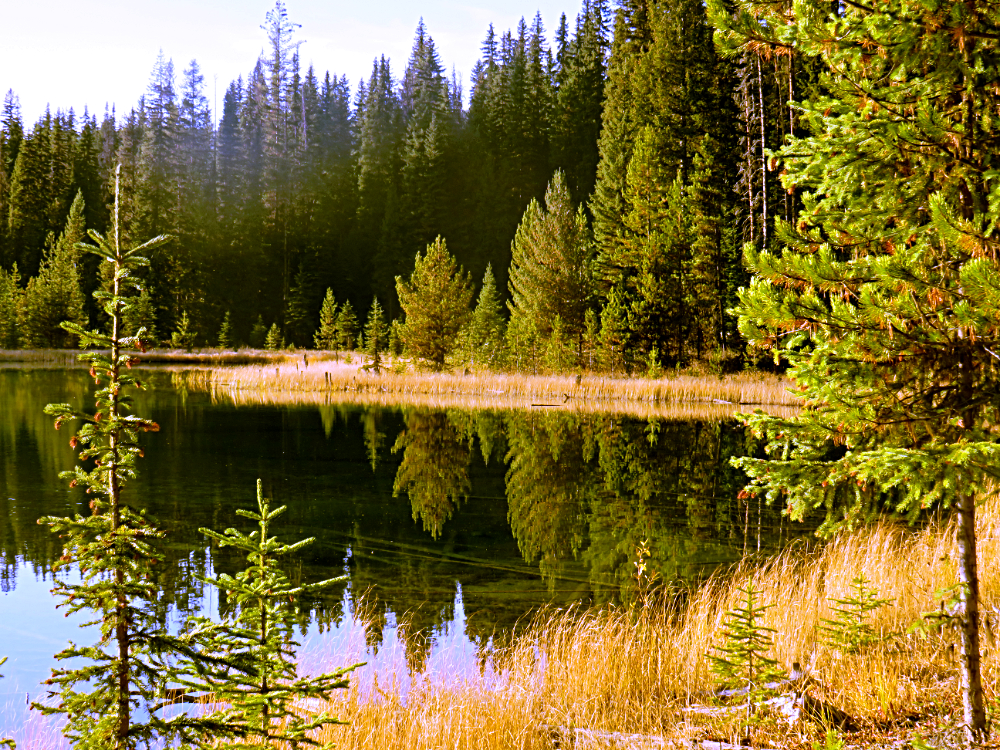
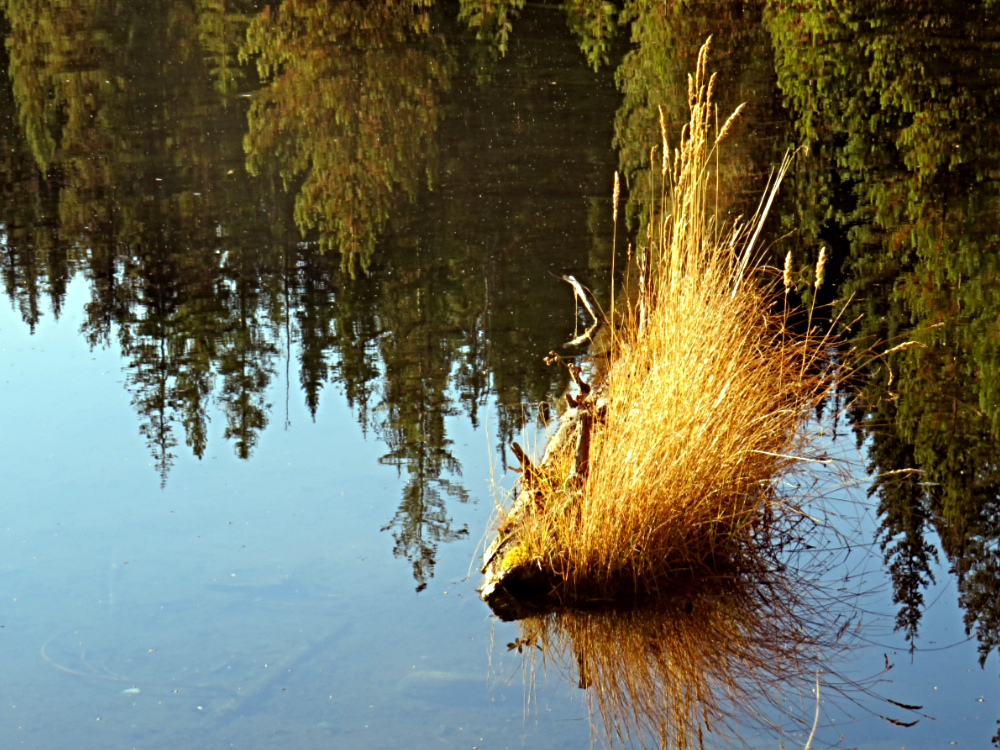
As you travel west on Highway 6 starting at the Needles Ferry terminal you will find the Lost Lake after a 40 minute drive. At 1200 m altitude you will be breathing in the clean rarefied mountain air and enjoy the peace and quiet surrounding of this beautiful lake site. My wife and I travelling home during the sunset hour a few days ago decided to drop by and take a few pictures of the fall colours. Enjoy.

IMG_4888EdIMG_4891EdIMG_4892EdIMG_4899EdIMG_4905Ed

The Peter and Gertrud Klopp Story – Chapter XVIII

On my Moped to Father in Michelbach

It doesn’t matter who my father was; it matters who I remember he was.

Anne Sexton

50

My Father in front of Erna’s House in Michelbach near Schotten

It had been more than five years, since I had seen Father. He had left one day looking for work at friends and relatives. Considering his poor health and age, he was faced with the dilemma of having to return to Wesel, where he would be dependent on Aunt Mieze’s financial support or else be content with the odd casual work, which barely supported his livelihood. Furthermore considering his intensive pride as a former successful agricultural administrator and the pain he must have suffered from the dismal failure of his farming venture in Southern Germany, I can understand his anguish and feelings of having become utterly worthless in his own eyes and in the eyes of his family. Pride and failure have never been good bedfellows in a man’s heart, and Father was no exception. As for me, I missed his presence a lot, but I was too timid to ask as to when he would come back and did not know what was going on behind the scenes. Much later I found out that with Uncle Günther’s support Mother had initiated divorce proceedings. On the basis of the law that required common residence and conjugal relations Mother was able to get a divorce in exchange for waiving any rights to financial support from Father. So to make this sad and depressing story short, Father after the divorce joined and not long afterwards married Erna Krämer, an old acquaintance from the Warthegau days, who lived in her rustic and cozy home in the village of Michelbach at the foot of Mount Vogelsberg north of Frankfurt.

Schotten_Uebersicht_Kirche

Picturesque Schotten – Photo Credit: wikipedia.org

The last summer holidays before graduation were only a few weeks away. It was also to be the last year Mother and Aunt Mieze would reside in Wesel. Uncle Günther and Aunt Lucie had invited them to live with them in Watzenborn-Steinberg (now Pohlheim), where all four would share the rent of a brand-new house that had been built by a teacher as a retirement home in the distant future. Naturally there was a lot of joyful excitement among the three Kegler siblings having been raised together at the parsonage in Grünewald and now having the chance of living once more under one roof. There was just one problem. How would I fit into the grand plan of bringing the family members together? A transfer to a high school in another province with different graduation requirements was out of the question. The solution was an obvious one. I had to stay behind and continue my studies later on in the fall, while they would move to the land of the Hessians. The decision to finish my secondary education in Wesel proved to become one of the great milestones and turning points of my life.
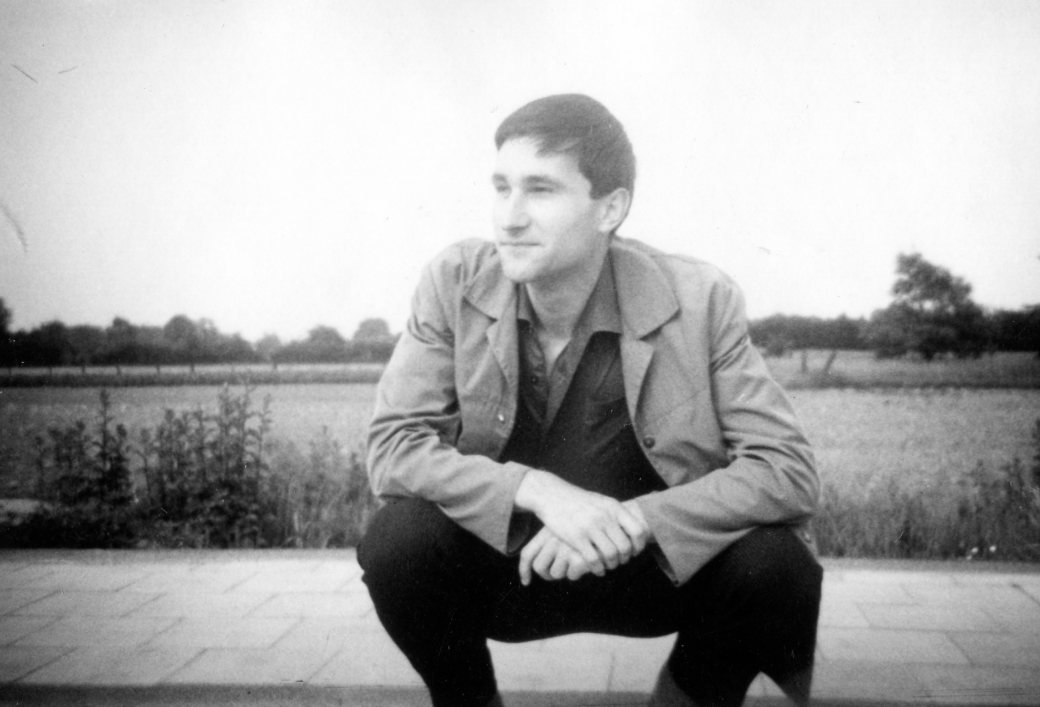
34

Twenty-year Old Peter

But for now at the beginning of the six-week break from school I had other things on my mind. I had to think of visiting Father. One of my old scout buddies sold me his moped for DM 50.00, a true bargain at the equivalent of ten monthly allowances. It had a peppy engine and in spite of being quite old was in excellent shape. The best part was that I did not need a driver’s license. Having always envied Klaus for his scooter, I now had my very own motorized transportation with which I could travel to Michelbach to see Father and his new wife Erna.
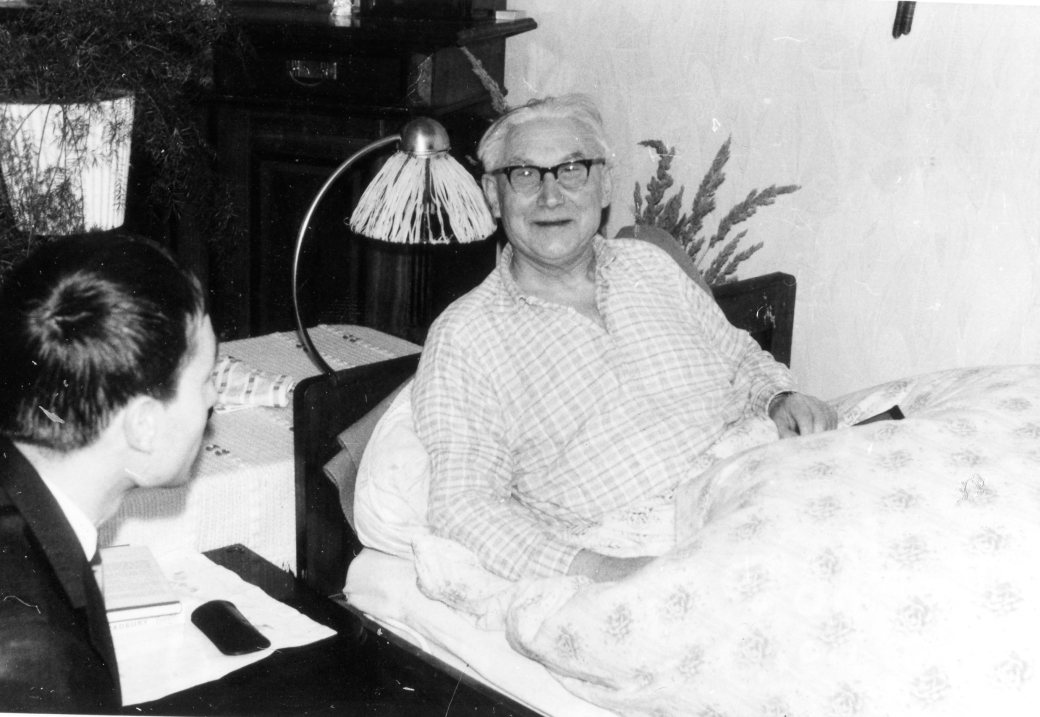
60

Philosophical Discussions with my Father

At a maximum speed of 50 km/h it took me all day to reach the scenic hill country around Mount Vogelsberg. Father and Erna gave me a warm welcome alleviating immediately all fear that Father might have turned into a stranger. I had departed from Wesel with these somber feelings, which had been building up due in part to our long separation, but also due to Mother’s bitter and regretful remarks that she had sometimes made about the divorce. So it was a great relief to be greeted so cordially and be welcomed as son and friend into their cozy old farmhouse. Here then I was going to spend the next six weeks, would become reacquainted with a rural environment slightly reminiscent of Rohrdorf, would get to know Father more closely through our philosophical and historical discussions, would begin to like his wife, would be introduced to her friends and relatives in the village, would taste her hearty meals albeit a little too rich in fat, in short I was here to relax and feel completely at home in an atmosphere of genuine friendliness and camaraderie.

Joy at my Father’s Home

Right from the beginning of my visit Erna and I got along very well. Her cheerful and lively disposition did not allow me to lose myself in gloomy moods, as I was occasionally prone to do, especially during prolonged periods of idleness and aimlessness. I could even see, even though I was reluctant to admit it, that Erna was the right person for Father. She was the sunshine that had brought lightness and contentment to his sunset years. From her radiated a contagious joyous spirit that created the in-peace-with-the-world atmosphere so conducive to Father’s healing process from a torturous past, from which he only now began to recover. I definitely do not remember him as a man broken in body and spirit, as my distant cousin Eberhard Klopp described him in his book of the Klopp Family History.
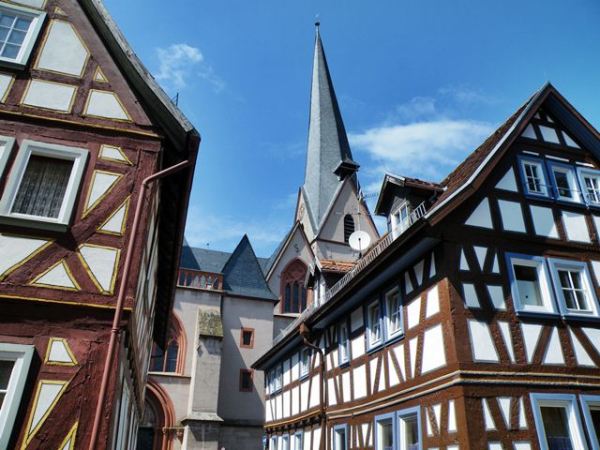
Schotten - Photo Credit: vogelsbergtourist.de

Town of Schotten – Photo Credit: vogelsbergtourist.de

Erna also had a moped of the same make and the same 49 cc class as mine, on which she would travel down the steep hill into the town of Schotten to buy the few things she needed for the small household in Michelbach. When there is company, one always seems to find the time to show off the beauty surrounding one’s home turf. Without visitors one tends to delay and leave such outings for another day. Erna was no exception. Now she was eager to travel with me to the nearby-forested hills, up the scenic Nature Park around Mount Vogelsberg, down winding country roads into the lush verdant valleys neatly tucked in between minor mountain ranges. There was no better form of transportation than our two mopeds. With a lunch pack clamped to the rear luggage rack we were ready to dart off into the wonderful Hessian landscape. Father a little overweight for these light machines gladly stayed behind looking after a few chores still to be done on this mini-farm with just a few goats to feed and milk,. Just as we were revving up the engines, Father came to the road to congenially shout over the noise, “Have a good trip!” At the end of my vacations thanks to our weekly excursions into the hill country, I had acquired a solid geographical knowledge of the region. As I was internally preparing myself to leave the Rhineland for good after my graduation, I had already created a new base to drop in as son and stepson, a place I could truly call home.

Landscape of Vogelsberg Hill Country - Photo Credit: vogelsbergtourist.de

Landscape of Vogelsberg Hill Country – Photo Credit: vogelsbergtourist.de

In the long summer evenings after supper we three would sit in the living room leisurely sipping homemade apple cider. We would talk until it was time to go to bed. More accurately speaking it was Erna, who did most of the talking. She truly had the gift of the gab. With the unerring memory for minutest details spiced up with colourful expressions and peppered with the melodious dialect of her village she was the born storyteller. I will never forget how she described the chaotic scene of the German Reichstag of the roaring twenties. She and her friends were sitting in the same living room forty years earlier and acted out the ugly political debates they had heard over the radio. And they did this with such exuberance, with so much mock yelling and screaming that the poor cats terrified by the brouhaha created by the inflammatory speeches sought refuge under the sofa and added to the parliamentary cacophony with much hissing and growling.
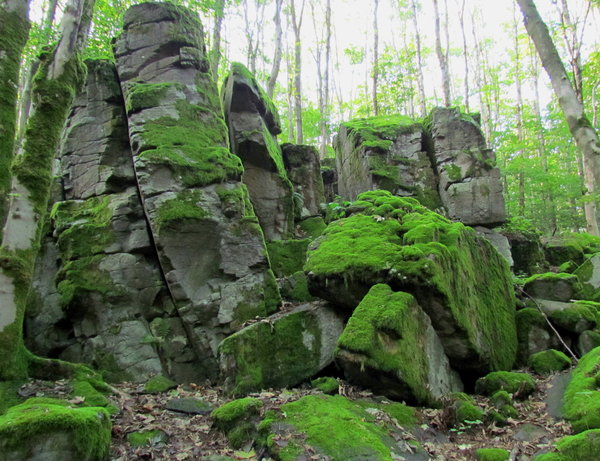
Incredible Rock Formations near the Top - Photo Credit: myheimat.de

Amazing Rock Formations near the Top – Photo Credit: myheimat.de

Is it Love?

Within the scope of the family history I would go too far if I included Erna’s side of the family except the ones that I came into contact with. There was the Langlitz family, Walter, Frieda (Friedchen) and their two daughters Helga and Anita. Walter had become a successful contractor who ran a prosperous business with his impressive array of trucks,
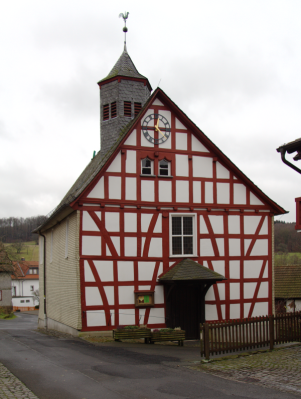
Church of Michelbach now part of Schotten - Photo Credit: wikipedia.org

Church of Michelbach now part of Schotten – Photo Credit: wikipedia.org

caterpillars, backhoes and other heavy machinery that he had acquired to assist in the government sponsored land reform program. In contrast to the northern provinces of Germany, where the eldest son inherits the farm, inheritance laws in the south required equal division of the fields among all the children of the deceased farmer. Thus, over time emerged a chaotic patchwork of tiny fields often less than one ha in size, which made farming more and more inefficient and unproductive. So Walter profited from the reallocation of land by owning the right equipment at the right time. The two daughters, Helga and Anita, age 12 and age 10, whose exact degree of relationship to Erna I do not recall, often showed up to play board games, such as chess and checkers with the newcomer in Father’s home.
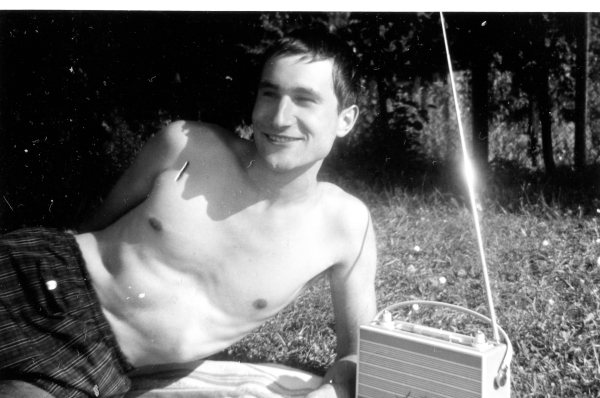
52

Peter Basking in the Sun – Summer 1962

Erna was also anxious to have me meet her 16 year-old niece Roswitha, who lived a few houses down the street with her widowed mother. Even though I did not recognize it at the beginning, it was clearly a matchmaking effort supported by Father. In collusion with her sister-in-law, Erna invited her niece over for coffee and cake to make sure we would see each other as often as possible. Roswitha in terms of the standards I had set for what a girl should look like fell well within the range of acceptability. However, inner qualities, such as interests in activities that one could do together, readiness to share and exchange thoughts and feelings, to support them and if necessary even to oppose them, such qualities, which began to gain more and more in importance for me, were severely lacking. In a way my encounter with her helped me set the bar a few notches higher, which further limited the number of choices for my future mate. I vaguely felt for the first time that only love could help jump the hurdle. But what is love? I could not tell, because I had not experienced it yet. So what Erna had hoped for, did not happen. We were friends, who did things together for a while. We walked down the steep hill down to the town and district swimming pool in Schotten and on Saturday evenings we went dancing in the nearby villages. The music was not exactly rock ‘n’ roll, but we could dance to it, whenever a fast beat would permit. The performance of the band improved with each refill of the giant beer mugs during the frequent breaks. Thanks to the loud music there was no opportunity to talk, and there would not have been much to talk about. On our long walk home in the moonlight I explained to her how the stars would move like the sun following the rotation of the earth. For everything I said during my scientific dissertation she approvingly giggled. Only once did she protest to express her utter disbelief, when I insisted that the moon shining so brightly now onto the forests and meadows would also show its pale face during daytime.
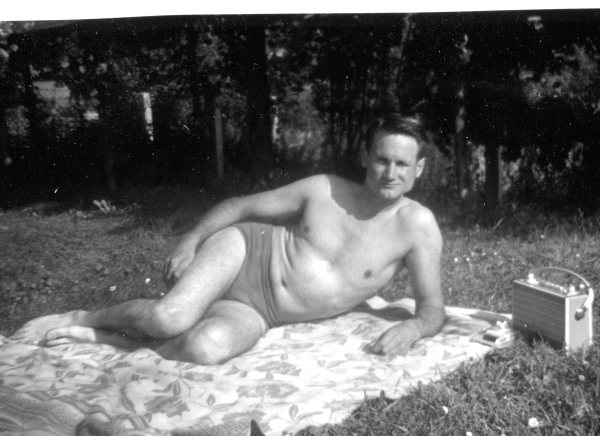
My brother Adolf relaxing at the Schotten Swimming Pool

My brother Adolf relaxing at the Schotten Swimming Pool

With my first visit to see Father after such along gap inconceivable in the light of today’s custody laws that require visiting rights at regular intervals, I accomplished much more than just reconnecting with him. The ice had been broken. Other family members now were eager to come in a spirit of reconciliation that was shared even by Mother albeit somewhat reluctantly. Near the end of my holidays my brother Adolf dropped in for a visit. He had returned from Canada to Germany on a temporary basis to learn a trade in an apprenticeship program at the Honeywell Company at Hanau. There he eventually acquired a journeyman ticket as a trained machinist that would – so he was hoping – land him a good paying job upon his return to Canada. Adolf endowed with a witty sense of humor and an extroverted personality was the life of the party no matter where he went. In formal or informal gatherings, in suit or in jeans, with academics or with factory workers, he was the born entertainer who made people cheer up when they were depressed, got things rolling when they appeared to be stuck. Everybody liked him. He had many friends and few enemies. There was just one problem with this gregarious likeable brother of mine. He seemed to be shy, yes even afraid of unmarried women, who might take too much of a liking to him, pursue him with the full force of passion and lock him up in the golden cage called marriage. When we received an invitation to a social evening by Roswitha’s mother, Adolf felt safe, because his youngest brother was with him. On the surface it looked like we were the suitors, Roswitha being courted by two promising young men. In reality in a strange reversal of the customary roles it was the other way around. As we gathered in the living room, Frau K. served us wine, crackers and cheese, spent a few perfunctory minutes in conversation with us and discretely withdrew with a few cheerful words meaning that we now were on our own. I found the situation very odd and to some extent embarrassing, because I had expected her to stay. It was Adolf who saved the day or more accurately the evening with his social skills that helped to get the ball rolling. He asked Roswitha about school, hobbies, her likes and dislikes, the weather, and all the other trivia that he was so apt in using as a social lubricant. To her replies often accompanied by the aforementioned giggles he added humorous comments that made us laugh and feel at ease. Eventually even I emerged out of my taciturn shell and presented to everyone’s amusement a few jokes and riddles. Around eleven o’clock Adolf ironically remarked that it was time for us ‘boys’ to go home. We politely said good night and cheerfully departed to have another drink of a more potent kind at our Father’s place.

Happy End to a most Enjoyable Visit

Then my sister Erika dropped in for a brief visit. When she heard that I had been going out dancing with Roswitha, she mockingly and contemptuously commented on her in Father’s presence, “Ho! Ho! Peasant duffer! (Bauerntrampel in German)” By now I had become quite accustomed to the unpredictable outpourings of her sharp tongue. Her caustic and biting remarks at Mother’s place in Wesel had been edged forever into my memory. However, Father was livid. Having respected all his life the hard honest work of the farmers from whom we receive our daily bread, he was deeply insulted by that derogatory remark. He gave her a severe dressing-down for displaying unjustified disdain for such an honourable class of people. Never since my early childhood days, when he had read me the riot act for stealing eggs from Mother’s henhouse, had I seen Father so angry. If I did not know the meaning of holy wrath, I knew it now.

My brother Karl and his wife Ingrid with an aunt in front of Erna's house

Erna Klopp with her neighbor’s baby in her loving arms

Erna’s house was at least half a century old and the electrical wiring was outdated and no longer in compliance with the latest electrical code. It required that all circuits be properly grounded. It made me feel good that I was not just there to enjoy a relaxing summer visit but also had the opportunity to make myself useful. Father had bought the three-prong wire, and I installed it and connected it to the junction boxes, outlets and switches. When I showed reluctance to take the twenty marks Father wanted to give me as pay for my work, he lectured me somewhat like this, “Listen, Peter, if someone offers you money, not dishonest money mind you, but money earned for work you did, do not hesitate to accept it. For you not only cheat yourself out of the reward that is rightfully yours, but you also insult the generosity of the giver.” To such a powerful argument I had nothing to reply and took the twenty marks.
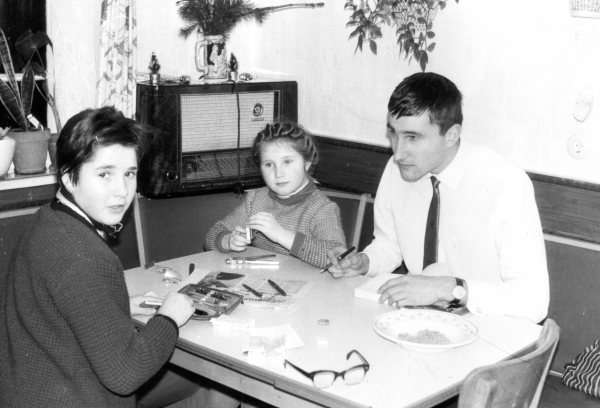
Together with Helga and Anita in Michelbach

Together with Helga and Anita in Michelbach

At times when Father’s back pains were hurting too much, he stayed in bed for most of the day. Adolf and I were sitting at his bedside to keep him company. Then Father and I would often talk about the great empires of the past and the lessons one might learn from the causes of their decline. I really warmed up to this topic as I had recently taken a keen interest in the history of the Roman Empire. We came to the conclusion that if one allows foreign religious and ethnic elements to penetrate the cultural core of the nation, it will sooner or later lose its identity, its values and strength and will eventually have to face first decline and then total collapse. Germany according to Father has not learned her lessons and was headed in the same direction. He pointed to the record player on the night table remarking, “The record is turning, the needle appears to be progressing even though it is running in circles, but in the end it will be starting all over again symbolizing the eternal recurrent of the same in world history.” Adolf feeling a little left out in this highfalutin talk said he would buy himself a couple of history books to study up on the things he had missed in school.

Reading and Relaxing - Summer of 1962

Reading and Relaxing – Summer of 1962
 

Introducing Bill Laux, Late Local Artist, Writer and Castle Builder

1960A051Bill Laux

Bill Laux: Writer, Artist and Castle Builder

From the Obituary Column of the Arrow Lakes News

The Arrow Lakes lost another of its World War II veterans. William Arlington Laux, age 79, resident of Fauquier for 42 years died of cancer in the Arrow Lakes Hospital on October 7, 2004. He is survived by one brother, Jim Laux, in Florida, USA as well as three nephews. Bill’s wife, Adele predeceased him in 1967. Bill was born in La Crosse, Wisconsin, on February 28, 1925. He entered the US Army in 1943 and served with the Allied Army troops that crossed France and northern Germany ending World War II in 1945. After the war Bill studied English at university, but chose not to be an academic. Instead he worked outdoors. First with the Forest Service, then the California Park Service and finally as grounds superintendent at Yosemite National Park. While at Yosemite he met and married his wife, Adele Osborne. Bill and Adele immigrated to Canada in late 1962, where they were apprentices to Jack and Janie Ise of Vaki Batiks who moved their business from Mexico to Cedar Springs Farm, south of Fauquier on the lakeshore. A couple of years later, the Wises sold the business to the Laux’s who continued making and selling batiks, an enterprise Bill continued for many years after Adele’s death. In the early 1980s Bill started a new career as historian searching out the stories and locations of the early mines and railways of the West Kootenays and eastern Washington state. He published many magazine articles, though his books are unpublished. Bill is known for his endeavours as an artist, a writer, a builder of buildings made of mud-cement bricks, a small hydroelectric plant operator, as well as an exotic evergreen tree nurseryman.

When looking through the archives at the Fauquier Communication Centre, where Bill Laux’s unpublished works are located, I came across a few old floppy disks that contained among other documents two of his major unpublished books on the railroad and mining history in the Kootenays. The data that I found were recorded in the ancient Apple format. It took me considerable time and effort to have these data decoded. As I publish them one chapter at a time, I will also make them available to the Arrow Lakes Historical Society headquartered in Nakusp. In doing so I hope to pay homage to a great local artist, writer and castle builder, who died too soon to see his historical research published. The book that I published last year was on the colourful history of the railroads . The second book focuses on the era of the mining industry in the Kootenays. Both railroads and mining are intimately connected with each other, as one could not exist without the other.


Natural Splendour of the Arrow Lake

DSC03041ED

Place of the Butterfly Party

Wednesday’s Photos

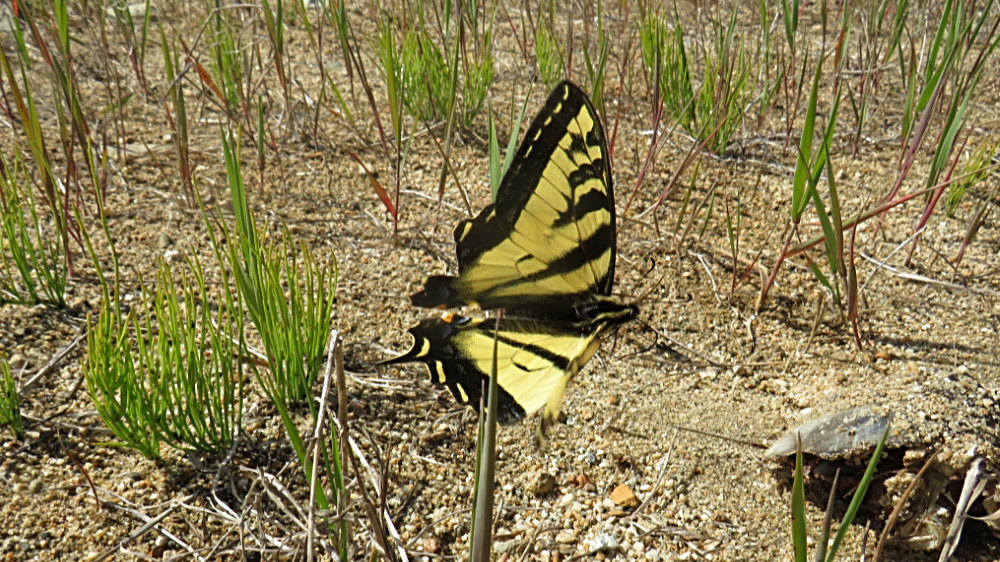
Wild Party of the Butterflies

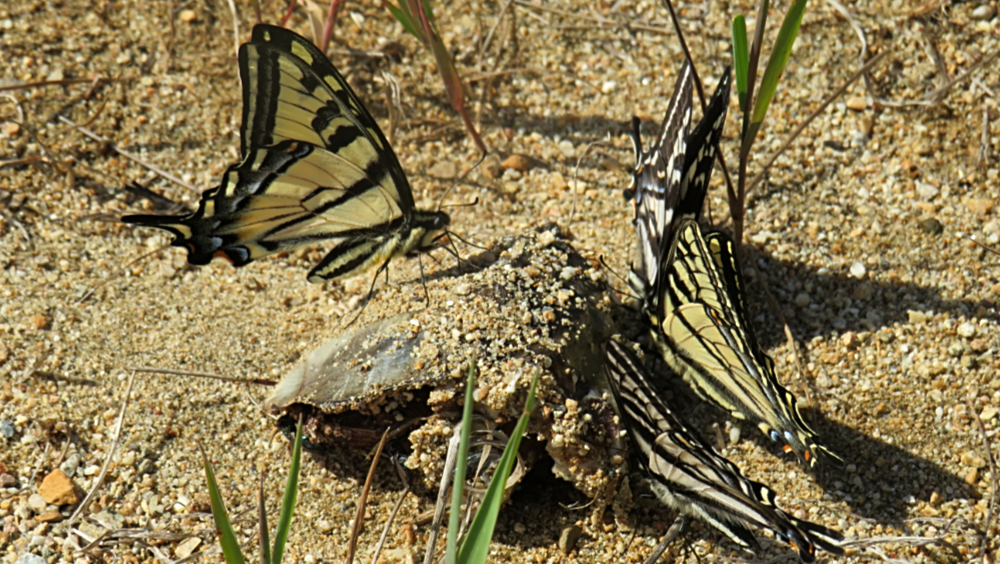
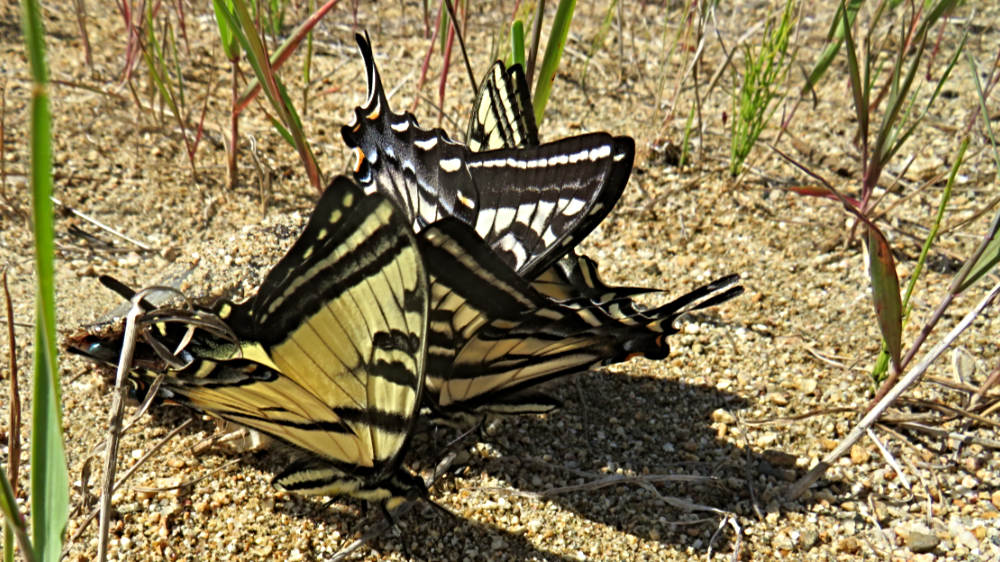
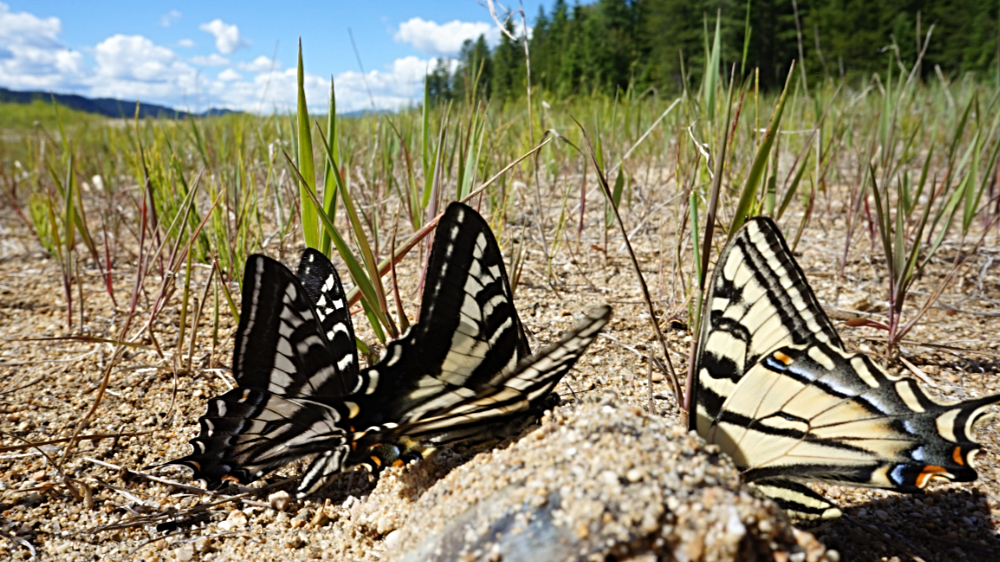
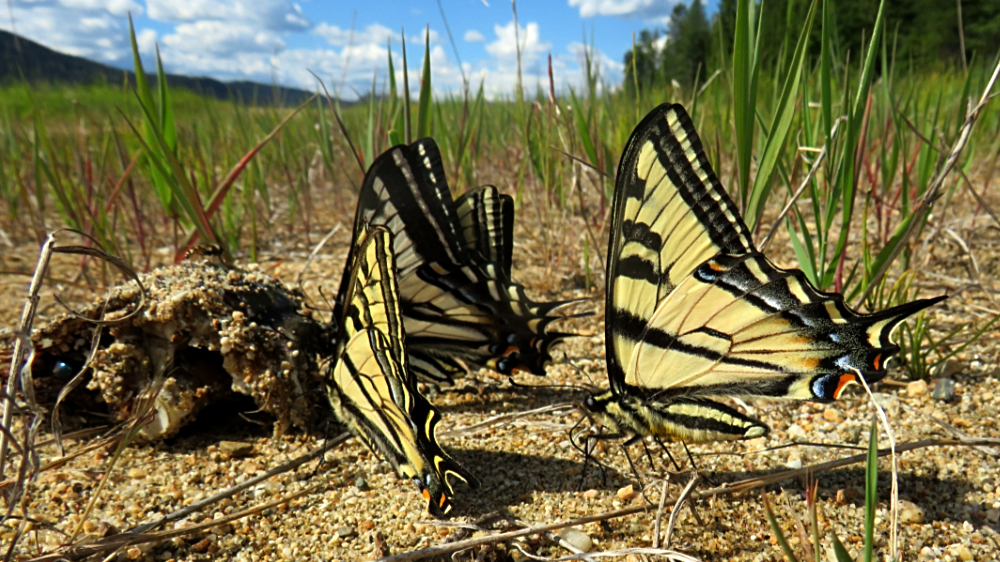
On a  walk along the shore of the Arrow Lake in June I came across a most curious sight. On the ground I spotted a gathering of butterflies which displayed a rather odd behaviour. They were attracted to a grey mass of an object. Tightly bunched together they appeared to be in a drinking frenzy with their proboscises sucking up some undefinable liquid. First I shot a few pictures from several metres away fearing that they might fly away before I had a chance to capture their bizarre behaviour. As I came closer and closer I noticed that they completely ignored my presence. Rather they behaved like people in a bar being in various stages of intoxication. One butterfly was lying on its side sticking its proboscis deep into a crack of the unknown substance. Others sitting on top of one another. I was deeply puzzled. Now I was so close that my camera lens was able to take close-ups at times even touching their wings. Then I finally realized that the source of their attraction  was a fish head, which had been left at the beach by a fisherman. I hope you can still enjoy the photos. Apparently butterflies do not always go after the colourful flowers. At times they rather prefer the valuable nutrients of a rotten fish head.

IMG_3593EDIMG_3581EDIMG_3592EDDSC03036EDIMG_3571ED